
Water Beetle
Hydrophilidae spp.
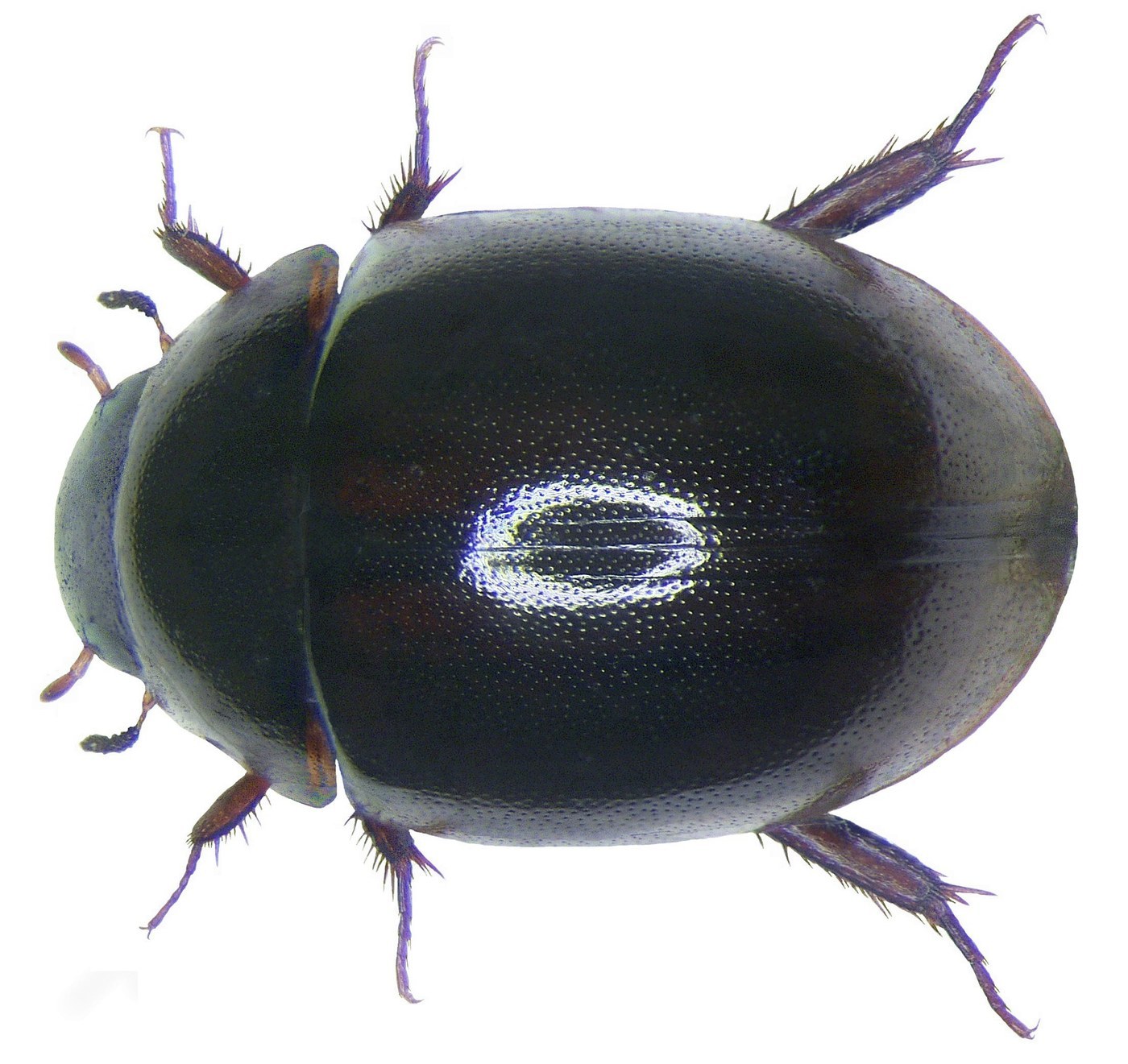
A smooth, dark, oval-bodied beetle adapted for swimming, commonly found paddling through ponds and marshes and periodically surfacing to renew a carried air supply.
- Size
- 5–40 mm depending on species
- Habitat
- Ponds, slow streams, marshes, still fresh water
- Danger
- Harmless
Spotted a bug like this?
Identify any bug or insect from a photo, free.
Overview
Water beetle is a general term applied to several unrelated beetle families adapted to living in freshwater habitats, most notably the water scavenger beetles (family Hydrophilidae) along with predaceous diving beetles and whirligig beetles, all within the order Coleoptera. Water scavenger beetles are among the most frequently encountered group under this broad common name.
These beetles have evolved streamlined bodies and modified legs suited to swimming, along with strategies for carrying air supplies underwater, allowing them to spend extended periods submerged in ponds, marshes, and slow-moving streams.
As a group, water beetles occupy an important role in freshwater ecosystems, contributing to both the decomposition of organic material and the predation of smaller aquatic organisms, depending on the family and species involved.
How to Identify
- Oval to rounded, streamlined body shape adapted for swimming, typically 5–40 mm long depending on species
- Coloring generally dark brown, black, or olive, often with a smooth, glossy sheen
- Hind legs often flattened and fringed with hairs to aid in paddling through water
- Water scavenger beetles (Hydrophilidae) can be distinguished by a sharp, keel-like spine on the underside of the thorax and by antennae that are shorter than their maxillary palps
- Distinguished from true bugs (such as water boatmen) by having hardened front wing covers (elytra) rather than a beak-like piercing mouthpart
Habitat & Range
Water beetles are found in ponds, slow streams, marshes, and other calm freshwater habitats worldwide, wherever sufficient vegetation and organic material support their feeding and breeding needs. They are present across temperate and tropical regions on every continent except Antarctica.
Most species are active from spring through fall in temperate climates, spending much of their time submerged near the surface or clinging to aquatic vegetation, periodically surfacing to replenish an air supply carried beneath the wing covers or as a bubble along body hairs.
Behavior & Diet
Water scavenger beetles, the group most commonly meant by the general term 'water beetle,' feed primarily on decaying plant material and algae as adults, functioning largely as detritivores within pond and marsh ecosystems, though their larvae are more predatory. Other water beetle groups, such as diving beetles, are more actively predatory as both larvae and adults.
All water beetles must periodically surface to replenish their air supply before diving again, and many are also capable of flight, dispersing to new bodies of water especially at night when they can be drawn to artificial lights. Within aquatic food webs, water beetles serve as both predator and prey, feeding on smaller invertebrates or organic debris while themselves being eaten by fish, amphibians, and birds.
Life Cycle
Water beetles undergo complete metamorphosis. Eggs are typically laid on or near aquatic vegetation, sometimes enclosed in a silken egg case in the case of water scavenger beetles, and the larvae that hatch are aquatic and often predatory even when the adults are not.
Larvae molt through several instars while living underwater before crawling out onto land or damp shoreline soil to pupate in a small earthen chamber. Adults emerge and return to the water, typically completing one or more generations per year depending on species and climate, with many overwintering as adults in mud or leaf litter at the bottom of their habitat.
Frequently asked questions
What is the difference between a water beetle and a water bug?
Water beetles have hardened front wing covers (elytra) typical of beetles, while true water bugs have piercing, beak-like mouthparts and belong to an entirely different insect order.
How do water beetles breathe underwater?
Most carry a supply of air trapped beneath their wing covers or among body hairs, periodically returning to the surface to replenish it.
Are all water beetles predators?
Not all — water scavenger beetle adults mainly feed on decaying plant material and algae, while diving beetles are more actively predatory as both larvae and adults.
Where would you typically find water beetles?
They are common in calm freshwater habitats such as ponds, marshes, and slow-moving streams with plenty of aquatic vegetation.
Water Beetle guides
In-depth guides for identifying, understanding, and living alongside Water Beetle.
Other bugs you may enjoy
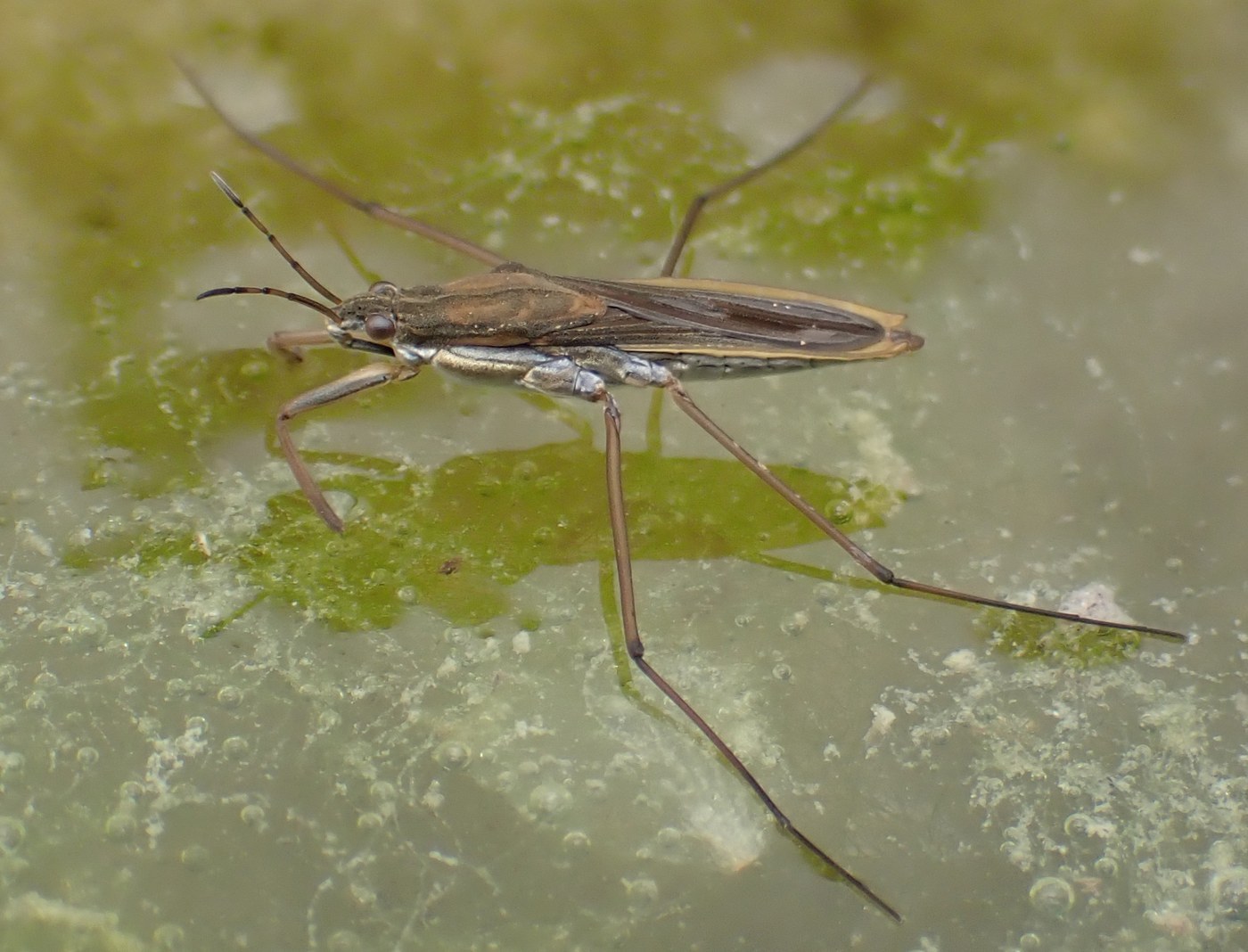
Water Strider
Still or slow-moving fresh water: ponds, lake edges, slow streams, puddles
Water Penny Beetle
Fast, rocky, well-oxygenated streams
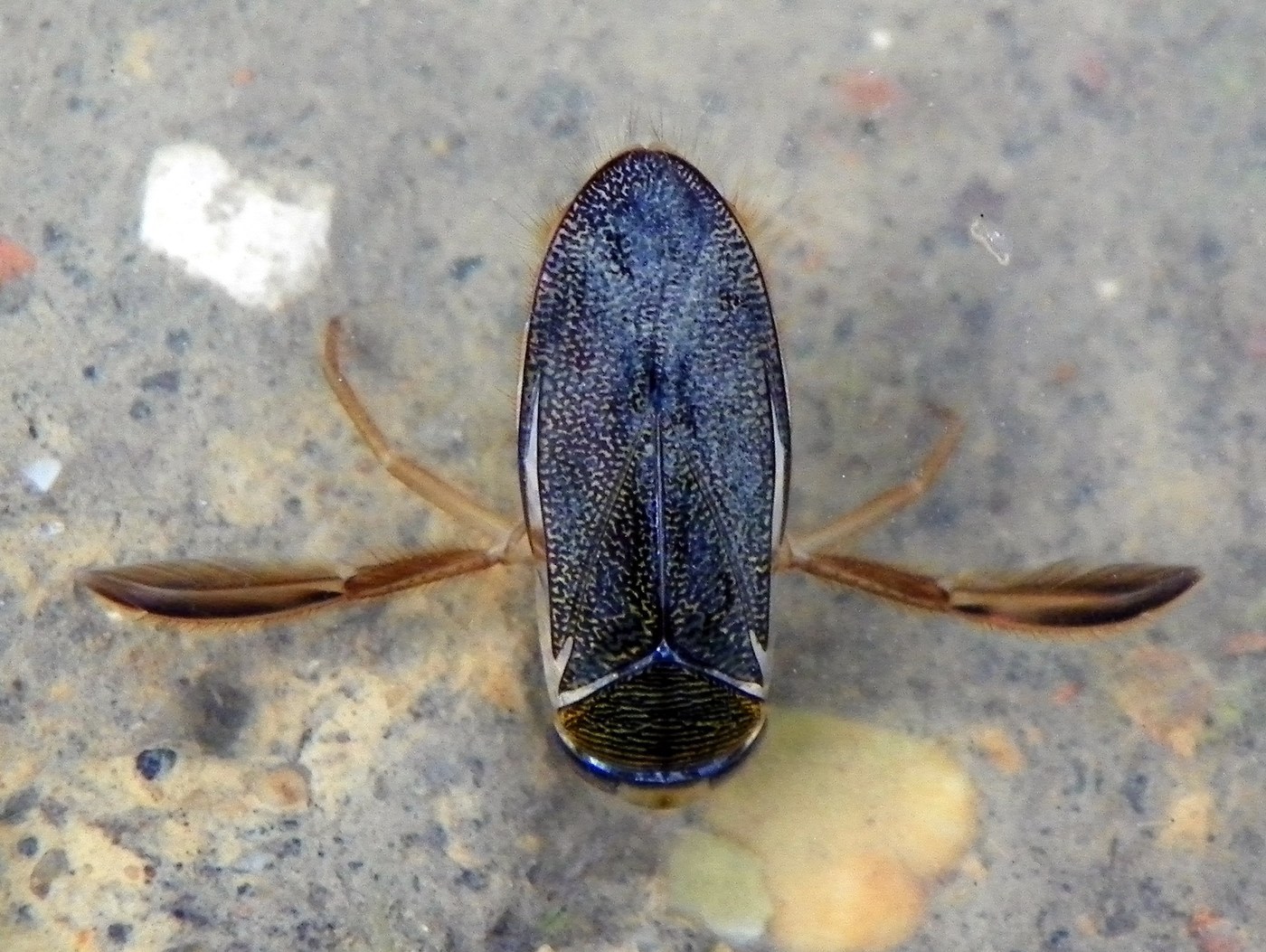
Water Boatman
Ponds, lakes, slow streams, freshwater with vegetation
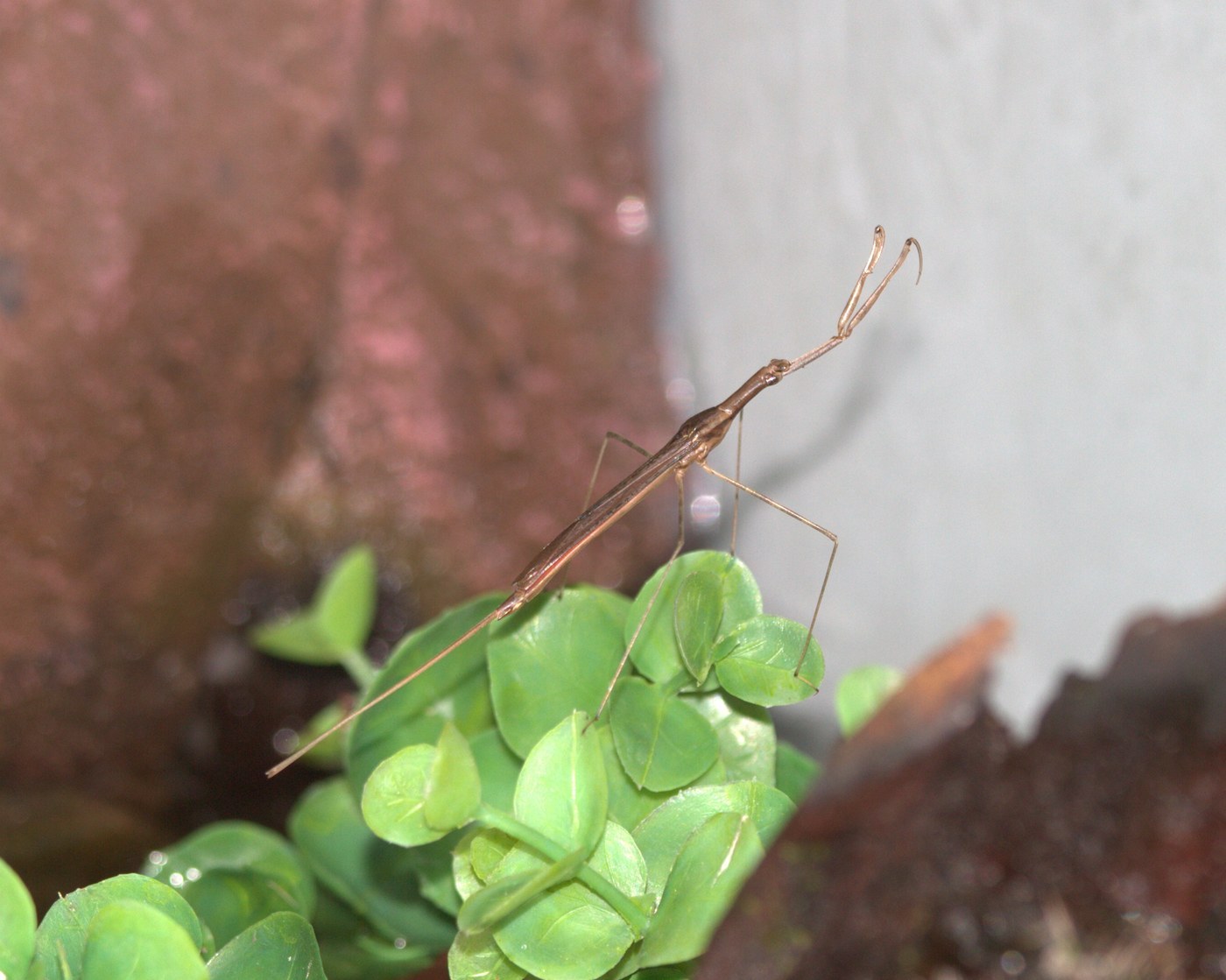
Water Scorpion
Still or slow-moving water with submerged vegetation
Stonefly
Cold, clean, well-oxygenated streams and rivers
Stonefly Nymph
Cold, fast-flowing, well-oxygenated streams
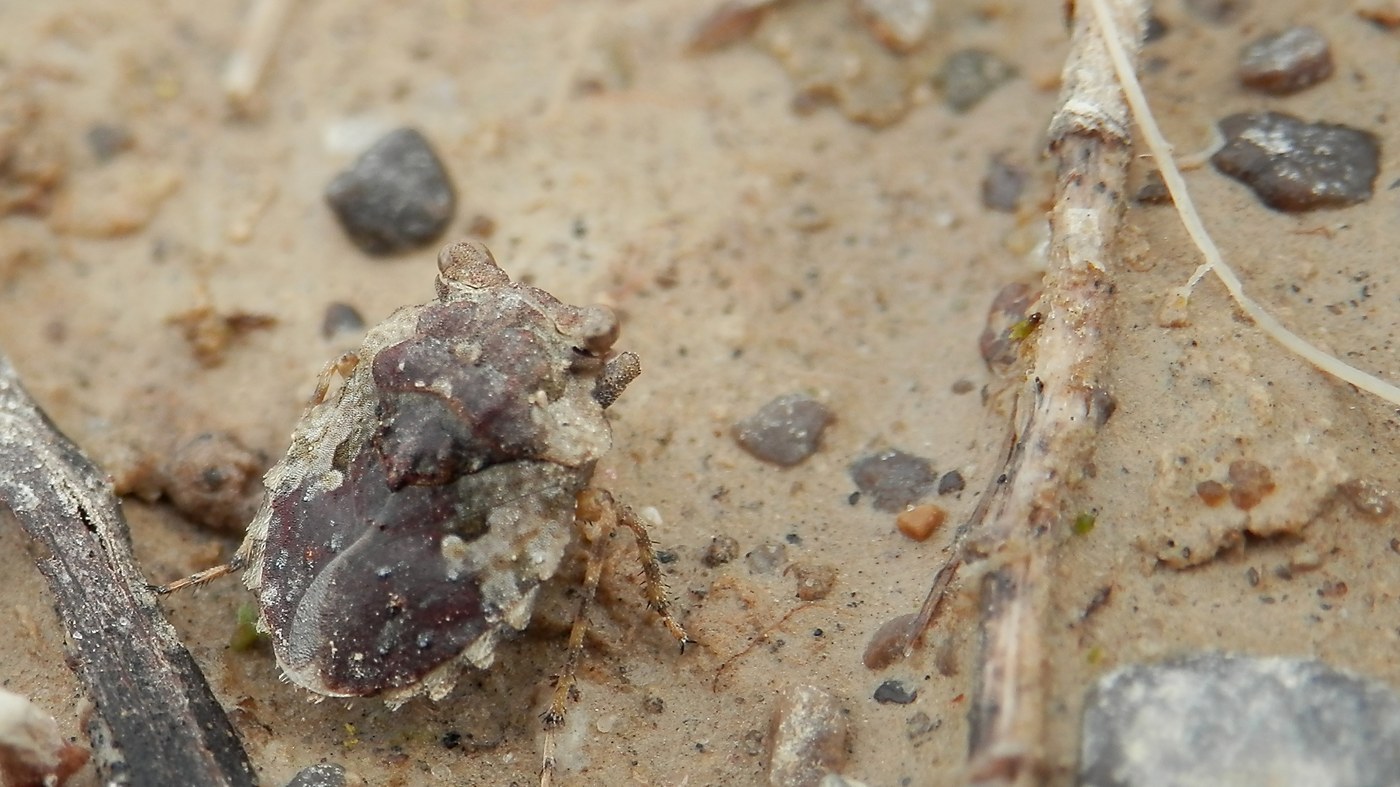
Toad Bug
Muddy or sandy shorelines of ponds, streams, and rivers
Soldier Fly Larva
Ponds, marshes, and slow streams with organic sediment
Mosquito Larva
Standing water in ponds, ditches, containers, and puddles
Whirligig Beetle
Surface of ponds, lakes, and slow streams
Rat-Tailed Maggot
Stagnant, oxygen-poor water such as manure pools, drains, and compost
Predaceous Diving Beetle
Ponds, lakes, and slow-moving freshwater