
Whirligig Beetle
Gyrinus spp.
A small, glossy black beetle that spins and darts in rapid circles across the surface film of ponds, often gathered in loose groups, using divided eyes to see both above and below the water at once.
- Size
- 5–15 mm
- Habitat
- Surface of ponds, lakes, and slow streams
- Danger
- Harmless
Spotted a bug like this?
Identify any bug or insect from a photo, free.
Overview
Whirligig beetles belong to the family Gyrinidae, order Coleoptera, and are named for their habit of swimming in rapid, erratic circles on the surface of calm water. The genus Gyrinus includes many of the most commonly observed species across North America and Europe.
These small, oval beetles are highly specialized surface swimmers, often seen gathered in loose groups, or 'rafts,' gliding and spinning across the surface film of ponds and slow streams. Their unusual divided compound eyes, which allow simultaneous vision above and below the waterline, are a distinctive adaptation to this dual-environment lifestyle.
Whirligig beetles are a frequently noticed feature of pond and stream surfaces, recognizable even from a distance by their characteristic spinning, darting movement pattern.
How to Identify
- Small, oval, streamlined body, typically 5–15 mm long, with a glossy black or dark metallic sheen
- Distinctive divided compound eyes, appearing as two separate pairs, one set for above-water and one for underwater vision
- Short, paddle-like hind and middle legs adapted for rapid surface swimming
- Long, slender front legs used for grasping prey, held differently from the swimming legs
- Recognized from a distance by rapid, erratic circular swimming on the water surface, often in loose groups
Habitat & Range
Whirligig beetles inhabit the surface of ponds, lakes, slow-moving streams, and other calm freshwater bodies across temperate and tropical regions worldwide. They favor open water areas near shorelines with some vegetation for shelter.
Adults are most active during warm months from spring through fall, often visible in groups on sunny days, and they may take shelter under debris or submerged vegetation during colder periods or when disturbed.
Behavior & Diet
Whirligig beetles are surface-dwelling predators and scavengers, using their divided eyes to spot both aerial threats and prey or debris floating on and below the water surface. Their rapid, spinning swimming pattern helps them evade predators and may also assist in group coordination.
When alarmed, whirligig beetles can dive briefly underwater or secrete a distasteful substance thought to discourage predators such as fish. Within aquatic food webs, they feed on small insects trapped on the water surface and organic debris, while themselves serving as prey for larger aquatic and shoreline predators.
Life Cycle
Whirligig beetles undergo complete metamorphosis. Females lay eggs on submerged aquatic vegetation, and the resulting larvae are elongated and equipped with feathery gill filaments along the body, allowing them to breathe underwater as active aquatic predators.
Larvae molt through several instars while hunting small aquatic invertebrates before crawling out of the water to pupate in a cocoon attached to plants near the shoreline. Adults emerge and return to the water surface, generally completing one to two generations per year in temperate regions, with adults often overwintering in bottom sediment or debris.
Frequently asked questions
Why do whirligig beetles swim in circles?
Their fast, erratic circular swimming pattern on the water surface is thought to help them evade predators and detect prey and obstacles using their divided eyes.
How can whirligig beetles see both above and below water?
They have unusual divided compound eyes, with one pair oriented for above-water vision and another for underwater vision simultaneously.
Where are whirligig beetles usually seen?
They are typically seen gathered in loose groups on the calm surface of ponds, lakes, and slow streams.
What do whirligig beetles eat?
As adults, they feed on small insects trapped on the water surface and organic debris, while their larvae hunt small aquatic invertebrates underwater.
Whirligig Beetle guides
In-depth guides for identifying, understanding, and living alongside Whirligig Beetle.
Whirligig Beetle identified by the community
Real finds identified with Bug Identifier.
Other bugs you may enjoy
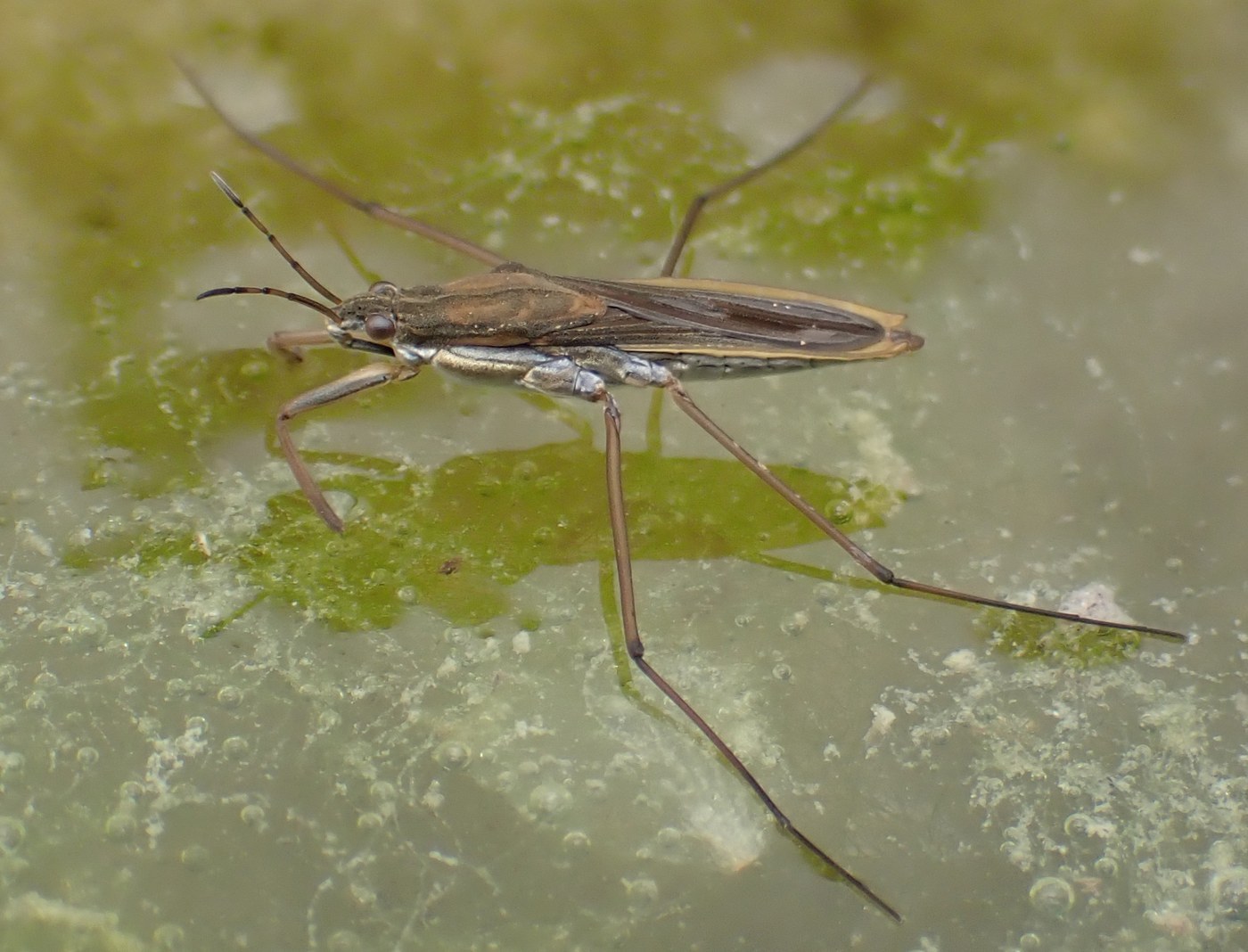
Water Strider
Still or slow-moving fresh water: ponds, lake edges, slow streams, puddles
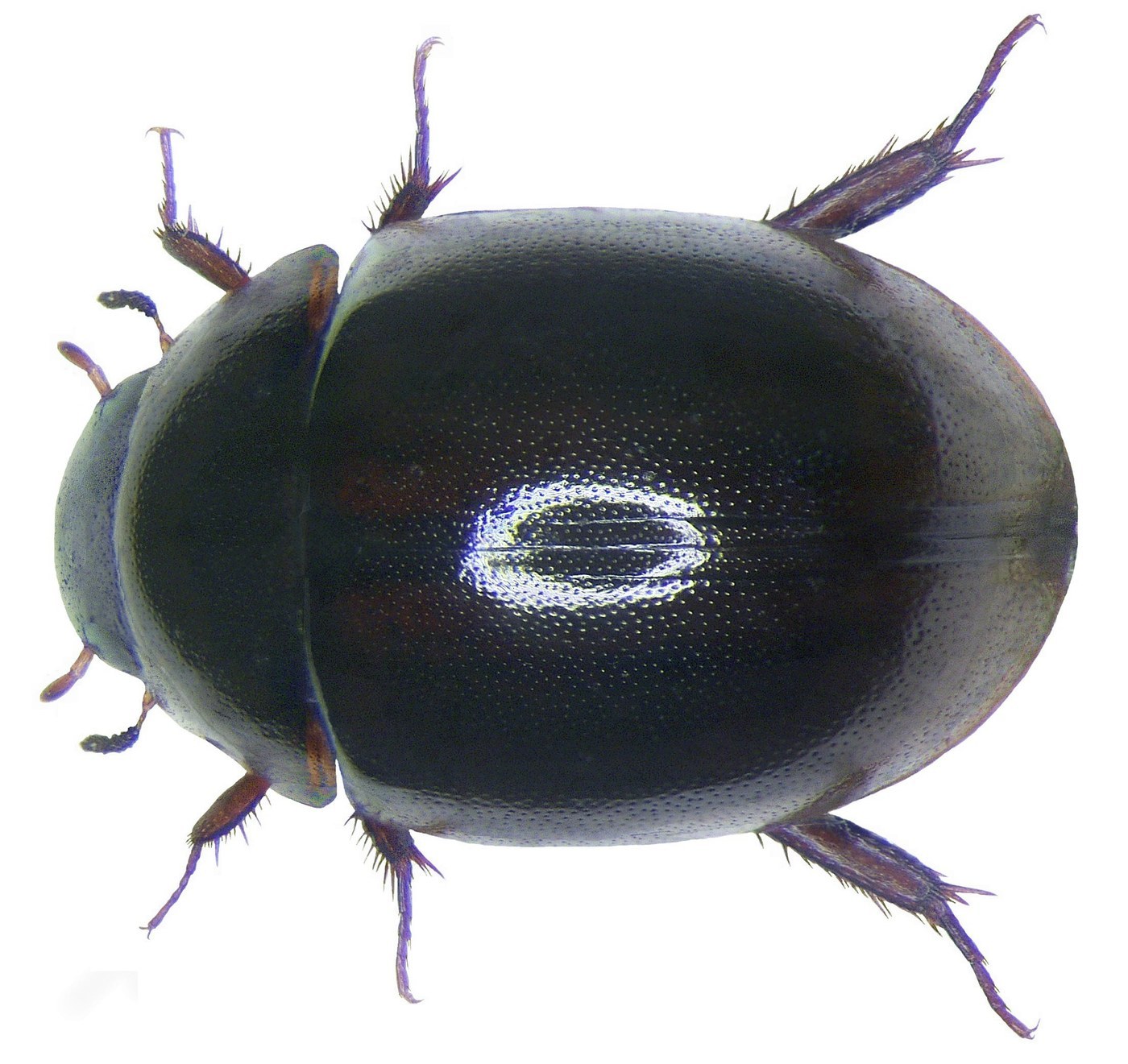
Water Beetle
Ponds, slow streams, marshes, still fresh water
Water Penny Beetle
Fast, rocky, well-oxygenated streams
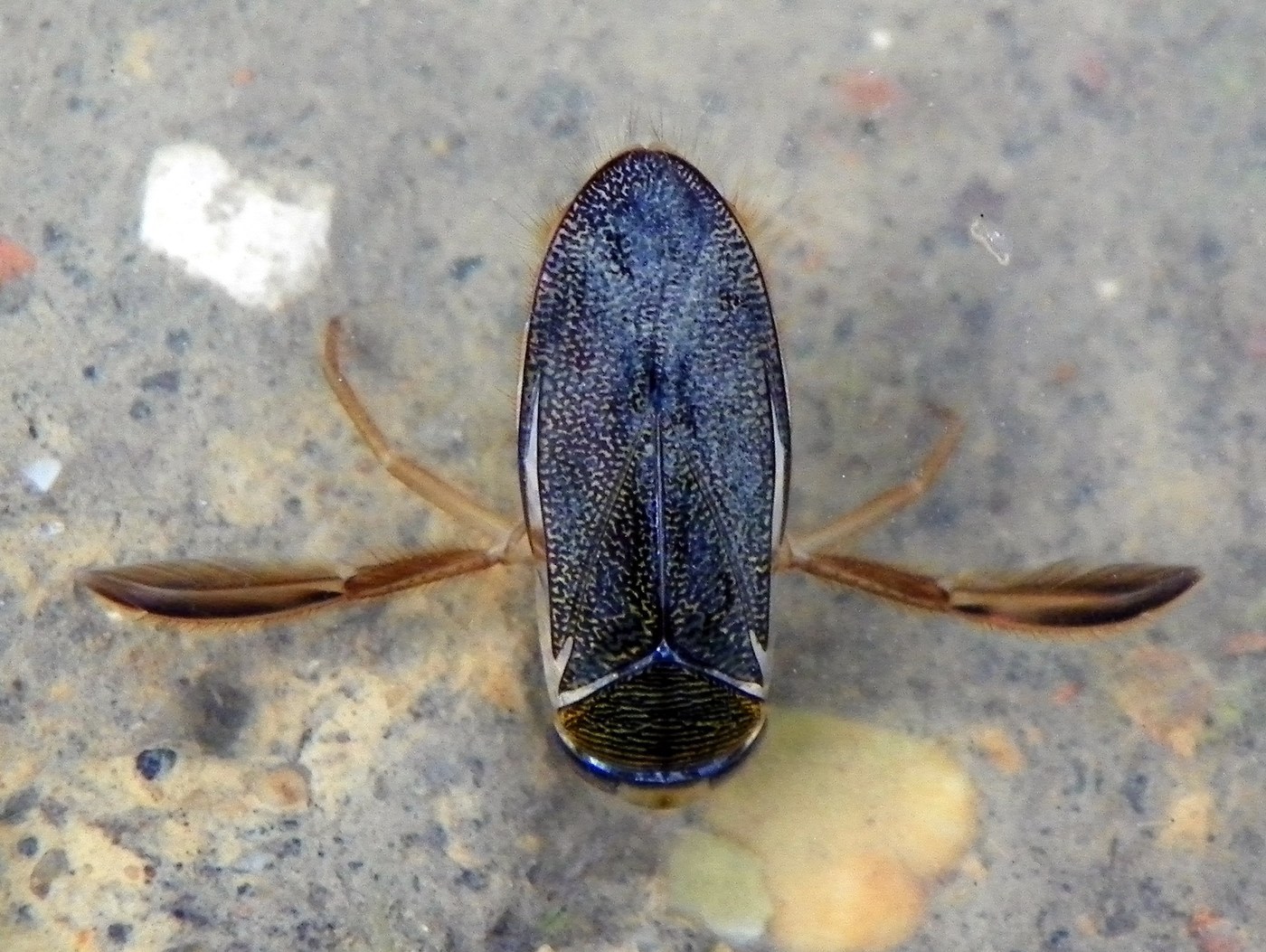
Water Boatman
Ponds, lakes, slow streams, freshwater with vegetation
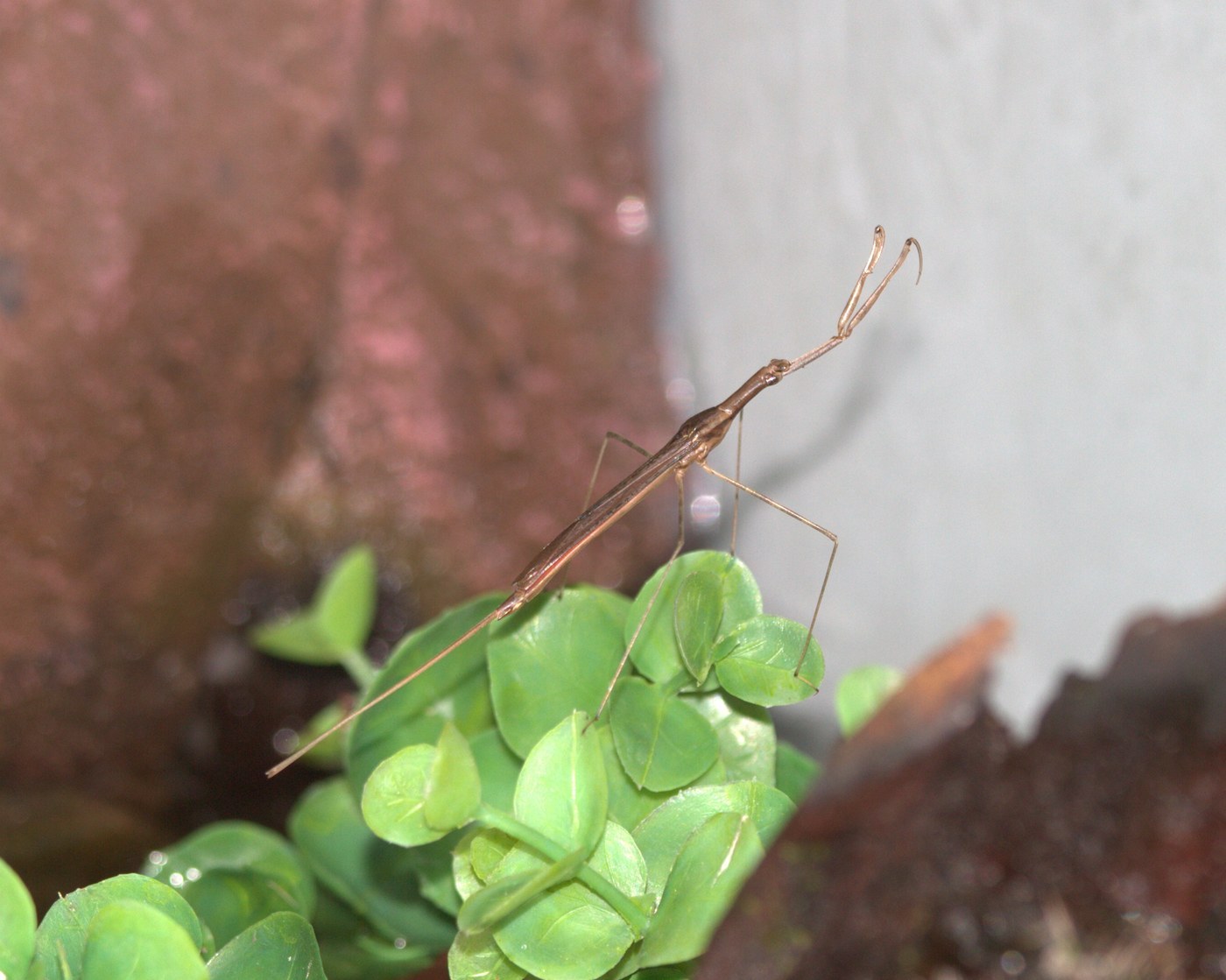
Water Scorpion
Still or slow-moving water with submerged vegetation
Stonefly
Cold, clean, well-oxygenated streams and rivers
Stonefly Nymph
Cold, fast-flowing, well-oxygenated streams
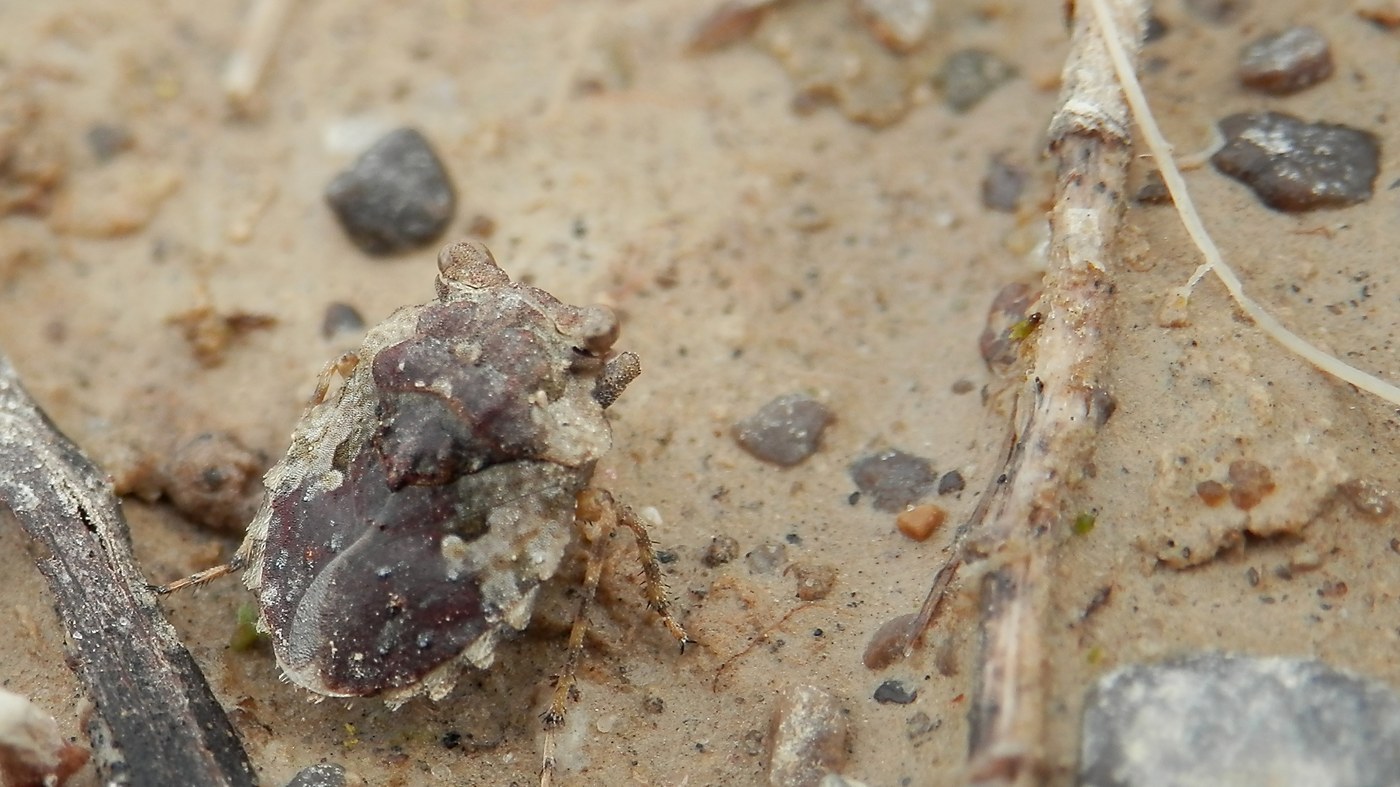
Toad Bug
Muddy or sandy shorelines of ponds, streams, and rivers
Soldier Fly Larva
Ponds, marshes, and slow streams with organic sediment
Mosquito Larva
Standing water in ponds, ditches, containers, and puddles
Rat-Tailed Maggot
Stagnant, oxygen-poor water such as manure pools, drains, and compost
Predaceous Diving Beetle
Ponds, lakes, and slow-moving freshwater