
Ripple Bug
Microvelia spp.
A tiny, dark true bug that skates across the surface film of calm water, producing the faint ripples that give it its common name as it hunts for small prey trapped at the surface.
- Size
- 2–5 mm
- Habitat
- Surface of ponds, slow streams, and quiet backwaters
- Danger
- Harmless
Spotted a bug like this?
Identify any bug or insect from a photo, free.
Overview
The ripple bug is a member of the family Veliidae, order Hemiptera, a group of small semiaquatic true bugs closely related to the larger and more familiar water striders. The genus Microvelia includes numerous species found on quiet water surfaces around the world, all sharing the family's hallmark ability to walk on water using surface tension.
Much smaller than common water striders, ripple bugs are dark, compact insects with water-repellent hairs on their legs and body that allow them to remain buoyant on the water's surface film. Their common name refers to the subtle ripples they create as they move, which help them detect the vibrations of struggling prey caught in the surface tension.
As surface-dwelling predators, ripple bugs occupy a unique ecological niche at the air-water interface, contributing to the control of small insect populations trapped on the water's surface in ponds, slow streams, and other calm freshwater habitats.
How to Identify
- Very small, dark brown to black body, often less than 5 mm long.
- Compact, somewhat oval shape with short legs relative to the larger water striders.
- Water-repellent hairs cover the legs and underside, enabling the bug to stand and move on the water's surface film.
- Both winged and wingless forms can occur within the same species, depending on habitat stability.
- Distinguished from true water striders (Gerridae) by its much smaller size and shorter, stouter legs; often found in dense groups skating together across calm water.
Habitat & Range
Found worldwide in temperate and tropical freshwater habitats, including ponds, slow-moving streams, marshes, and quiet backwaters with calm surface conditions.
Active from spring through fall in temperate regions, and year-round in warmer climates, ripple bugs are typically found in groups skating across sheltered, still, or slow-flowing water surfaces, often near shoreline vegetation.
Behavior & Diet
Ripple bugs are surface-dwelling predators and scavengers, feeding on small insects and other invertebrates that become trapped in the water's surface film, as well as on dead organic material floating at the surface. They detect prey through vibrations transmitted across the surface tension, a sensory strategy shared with other surface bugs.
They move in quick, gliding motions across the water using their middle and hind legs while the front legs are used to grasp prey. Winged individuals can disperse to new water bodies when conditions change. They do not bite or sting people; ecologically they are important predators of small surface-trapped insects in calm freshwater habitats.
Life Cycle
Females lay eggs on submerged or floating vegetation near the water's surface. Nymphs hatch and undergo incomplete metamorphosis through several instars, resembling smaller, wingless versions of the adult while developing the same surface-walking abilities.
Multiple generations can occur per year in warm climates. Overwintering strategies vary by species and region, with some populations overwintering as adults in sheltered locations near their aquatic habitat.
Frequently asked questions
How is the ripple bug different from a water strider?
Ripple bugs are much smaller and more compact, with shorter legs, compared to the larger, long-legged water striders in the family Gerridae.
What does it eat?
It preys on small insects trapped in the water's surface film and scavenges dead organic matter floating at the surface.
Why is it called a ripple bug?
Its movement across the water surface creates small ripples, which it also uses to detect the vibrations of nearby prey.
Does it bite people?
No, it is far too small and its predatory habits are directed at tiny surface-trapped invertebrates, not humans.
Ripple Bug guides
In-depth guides for identifying, understanding, and living alongside Ripple Bug.
Other bugs you may enjoy
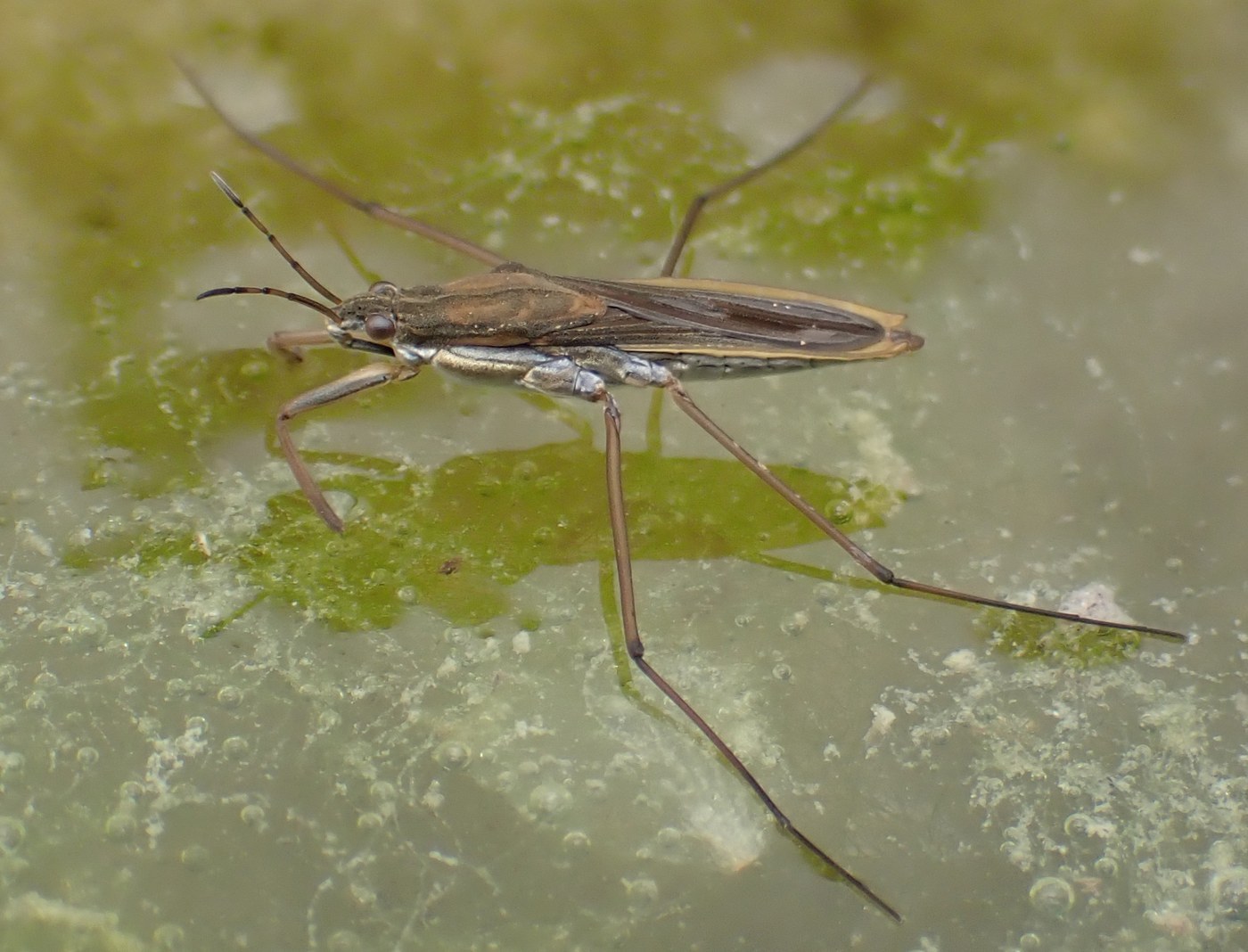
Water Strider
Still or slow-moving fresh water: ponds, lake edges, slow streams, puddles
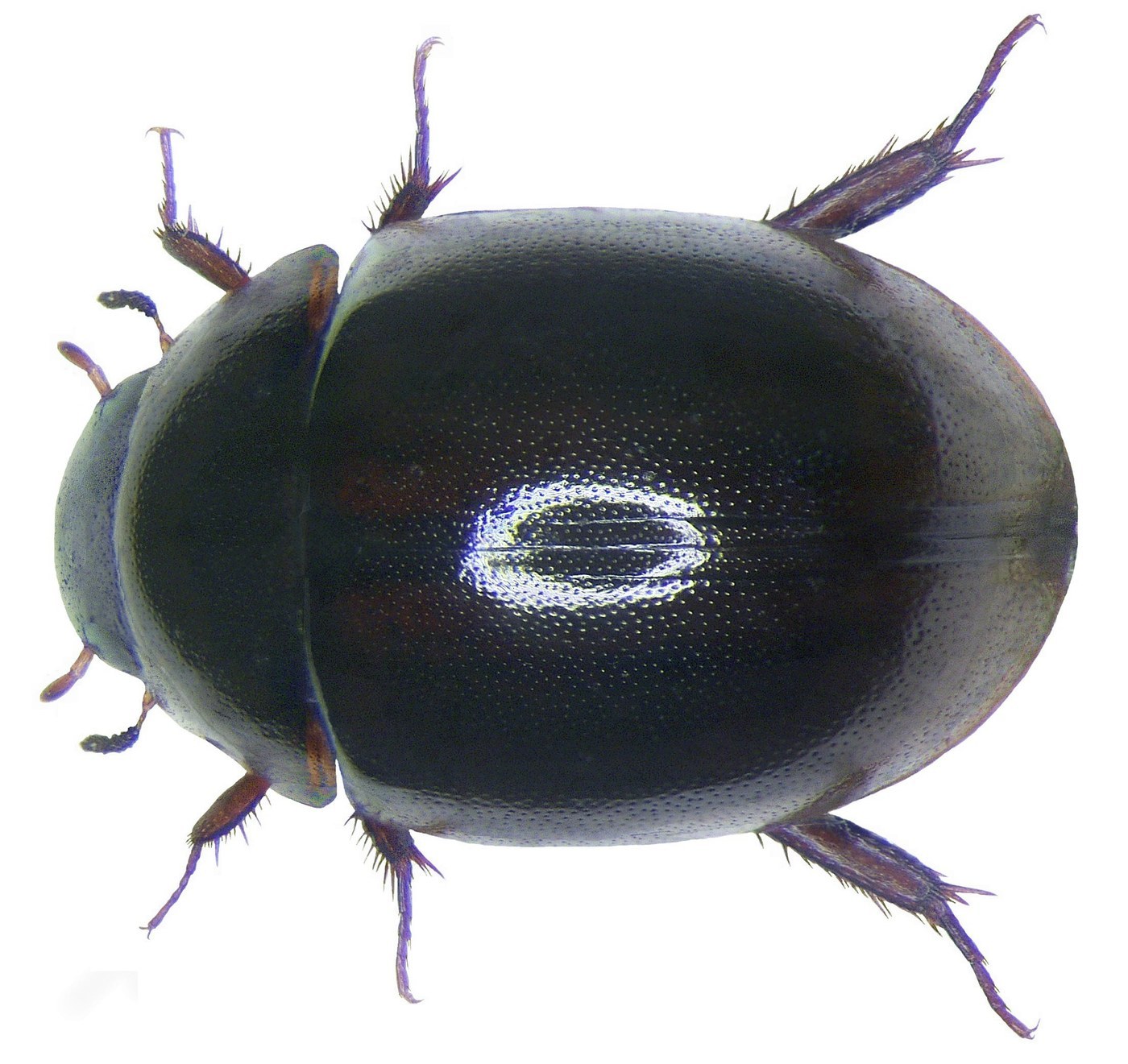
Water Beetle
Ponds, slow streams, marshes, still fresh water
Water Penny Beetle
Fast, rocky, well-oxygenated streams
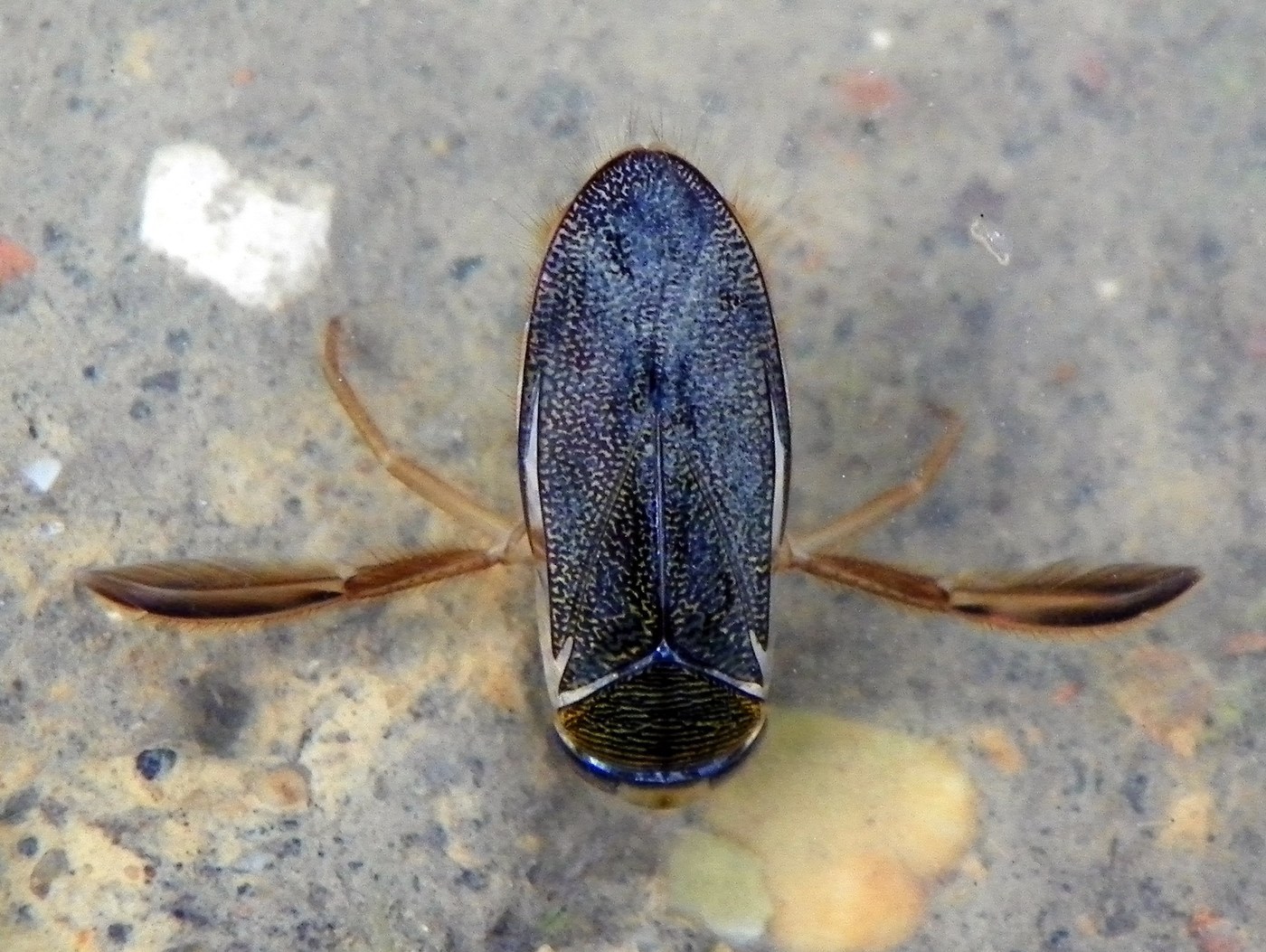
Water Boatman
Ponds, lakes, slow streams, freshwater with vegetation
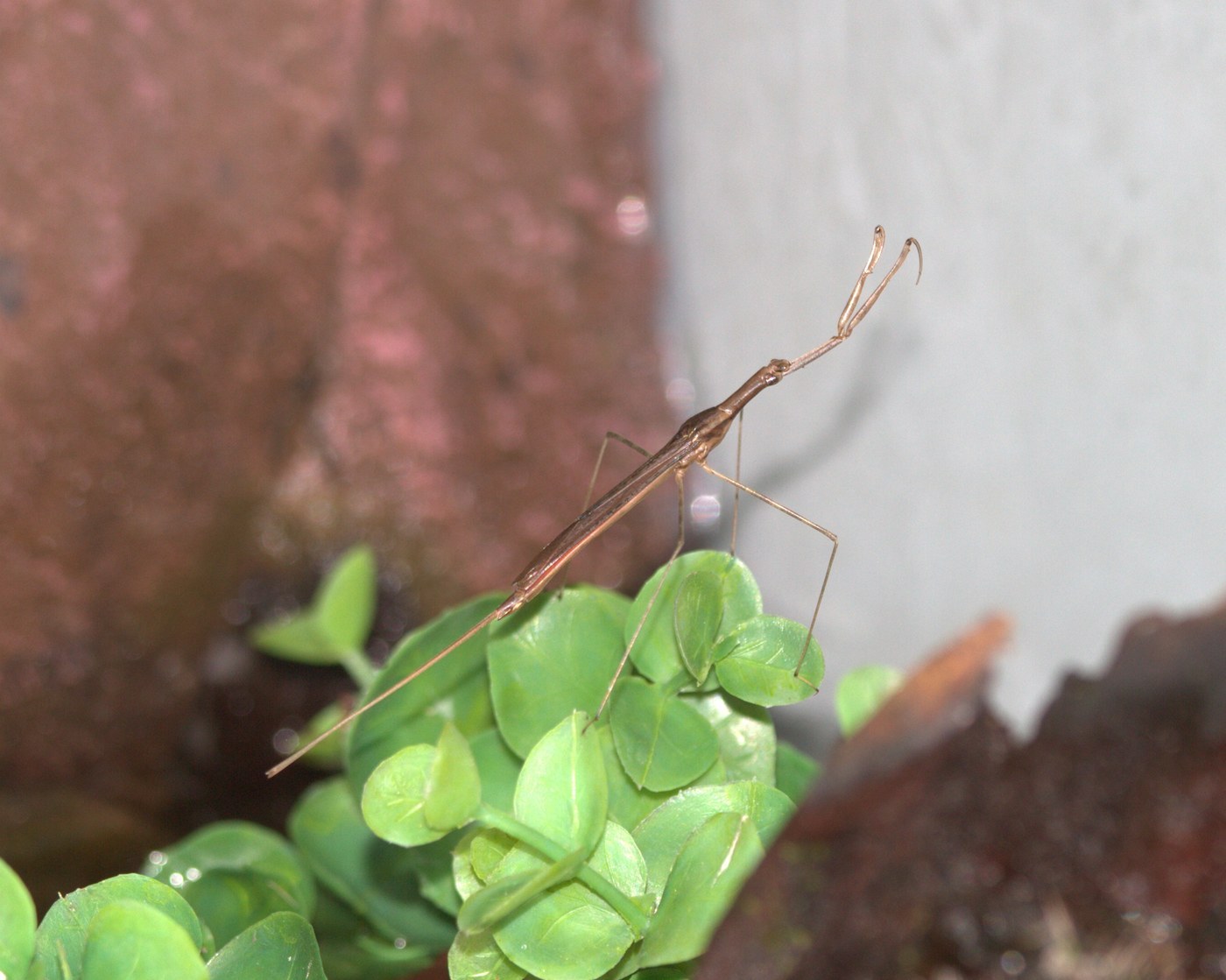
Water Scorpion
Still or slow-moving water with submerged vegetation
Stonefly
Cold, clean, well-oxygenated streams and rivers
Stonefly Nymph
Cold, fast-flowing, well-oxygenated streams
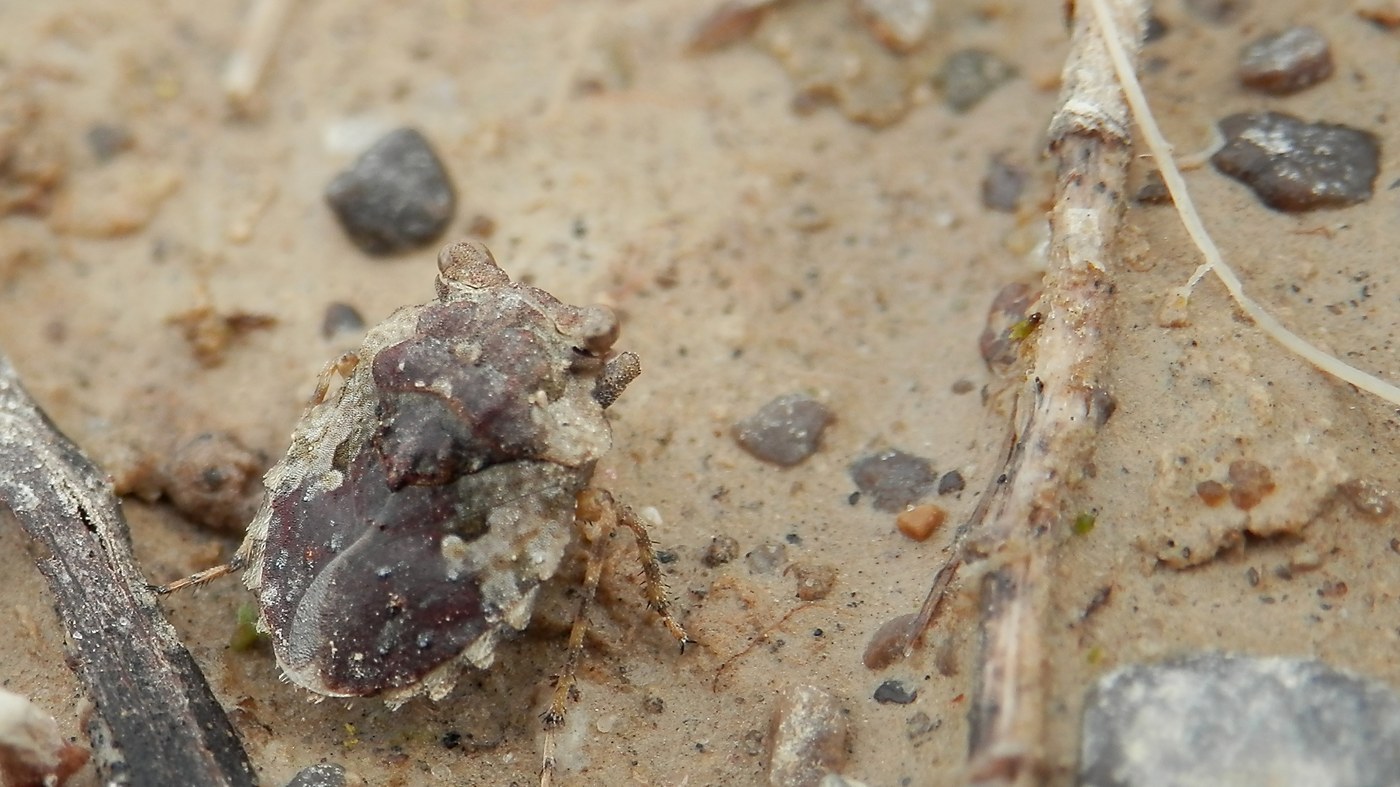
Toad Bug
Muddy or sandy shorelines of ponds, streams, and rivers
Soldier Fly Larva
Ponds, marshes, and slow streams with organic sediment
Mosquito Larva
Standing water in ponds, ditches, containers, and puddles
Whirligig Beetle
Surface of ponds, lakes, and slow streams
Rat-Tailed Maggot
Stagnant, oxygen-poor water such as manure pools, drains, and compost