
Water Penny Beetle
Psephenidae spp.
A flattened, coin-shaped larva that clings almost invisibly to the surface of submerged stream rocks, named for its uncanny resemblance to a small penny.
- Size
- Larva disc 6-10 mm; adult about 5 mm
- Habitat
- Fast, rocky, well-oxygenated streams
- Danger
- Harmless
Spotted a bug like this?
Identify any bug or insect from a photo, free.
Overview
Water penny beetles belong to the family Psephenidae, whose larvae are among the most distinctive and easily recognized aquatic insect larvae due to their round, flattened, disc-like shape. This form gives them the common name "water penny," as the larvae look remarkably like a small coin stuck to the surface of a submerged rock.
The flattened body shape is a specialized adaptation for clinging tightly to rock surfaces in fast-flowing water, minimizing drag from the current while allowing the larva to graze on algae growing on the rock's surface. Adult water penny beetles, by contrast, are small, oval, soft-bodied beetles that look quite different from the larvae and are rarely noticed since they live only briefly out of water.
Because water penny larvae require cold, clean, highly oxygenated streams to survive, they are frequently used alongside mayflies, stoneflies, and caddisflies as bioindicators of excellent freshwater quality.
How to Identify
- Larvae are 6-10 mm across, flattened, oval to nearly circular in outline, and disc-shaped, closely resembling a small coin.
- The upper surface is covered by overlapping plate-like segments (tergites) that extend outward to conceal the legs and head from above.
- Coloring is typically brown, tan, or olive, blending closely with algae-covered rock surfaces.
- Larvae cling tightly to the underside or surface of submerged rocks and are difficult to spot until they move.
- Adults are small, oval, soft-bodied beetles about 5 mm long, dull brown or gray, and rarely seen since adult life is brief and largely spent near the water's edge.
- Lookalikes are minimal due to the larva's unmistakable coin-like shape, though some other flattened aquatic larvae can superficially resemble it at a glance.
Habitat & Range
Water penny larvae are found in freshwater streams and rivers worldwide, strongly favoring fast-flowing, rocky, well-oxygenated riffle sections. They cling to the surfaces of submerged rocks, where they graze on the thin layer of algae (periphyton) coating the rock. Because they require consistently cold, clean, oxygen-rich water, they are largely absent from slow, warm, or polluted streams.
Behavior & Diet
Larvae are grazers, using their mouthparts to scrape algae and biofilm from the surface of submerged rocks, playing a role in controlling algal growth within stream ecosystems. Their flattened shape and strong clinging grip allow them to remain in place even in swift current, reducing drag and predation risk from fish and other stream predators. Water penny larvae are, in turn, an important food source for fish and larger aquatic invertebrates, forming a link between algal primary production and higher levels of the stream food web. Adults, by contrast, do not feed significantly and live only a short time after emerging.
Life Cycle
Eggs are laid in clusters on rocks at or near the water's edge. Larvae hatch and spend an extended period, often close to a year, clinging to submerged rocks and grazing on algae while growing through several instars. When mature, the larva pupates either underwater or in a moist location near the stream edge, remaining relatively immobile during this stage. Adults emerge, mate, and lay eggs within a short period, generally living only days to a couple of weeks, meaning nearly the entire life cycle is spent in the aquatic larval stage.
Frequently asked questions
Why is it called a water penny?
The larva's flattened, round, coin-like shape closely resembles a small penny stuck to the surface of a submerged rock.
What do water penny larvae eat?
They graze on algae and biofilm growing on the surface of submerged rocks in fast-flowing streams.
Do water penny beetles look the same as adults and larvae?
No, the disc-shaped larva looks completely different from the small, oval, soft-bodied adult beetle.
Why are water pennies considered a sign of good water quality?
They require cold, clean, highly oxygenated water to survive, so their presence typically indicates a healthy, unpolluted stream.
Water Penny Beetle guides
In-depth guides for identifying, understanding, and living alongside Water Penny Beetle.
Other bugs you may enjoy
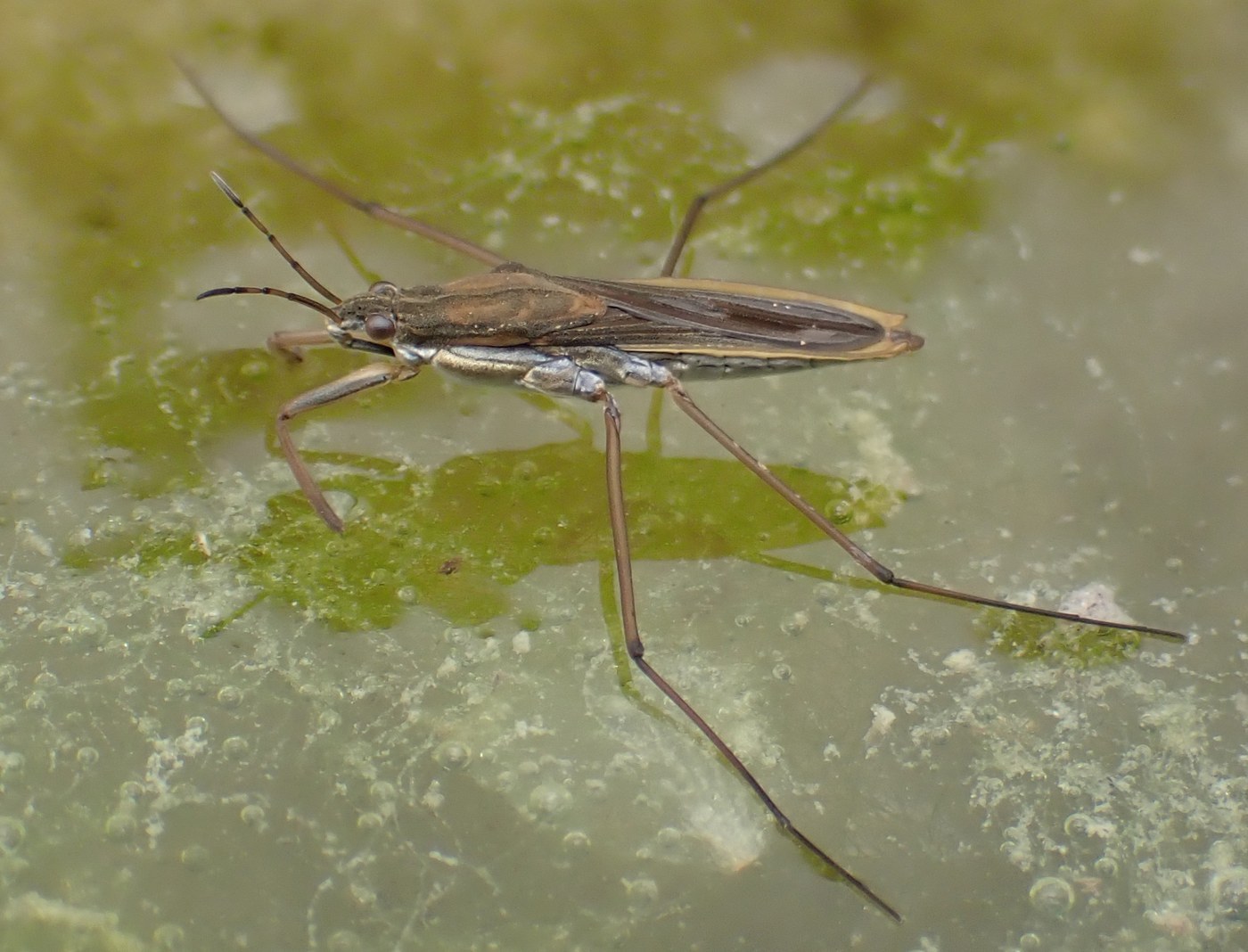
Water Strider
Still or slow-moving fresh water: ponds, lake edges, slow streams, puddles
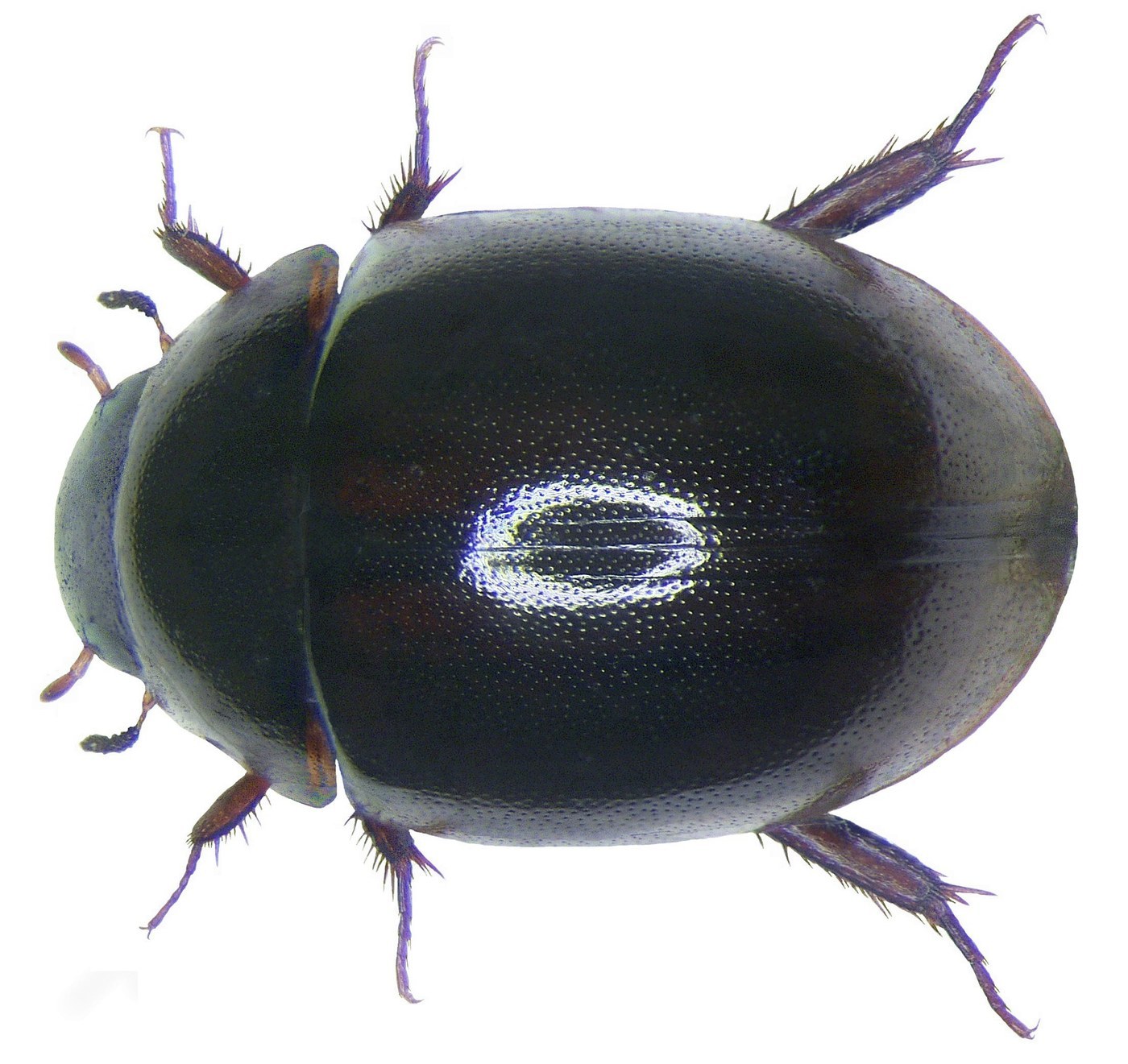
Water Beetle
Ponds, slow streams, marshes, still fresh water
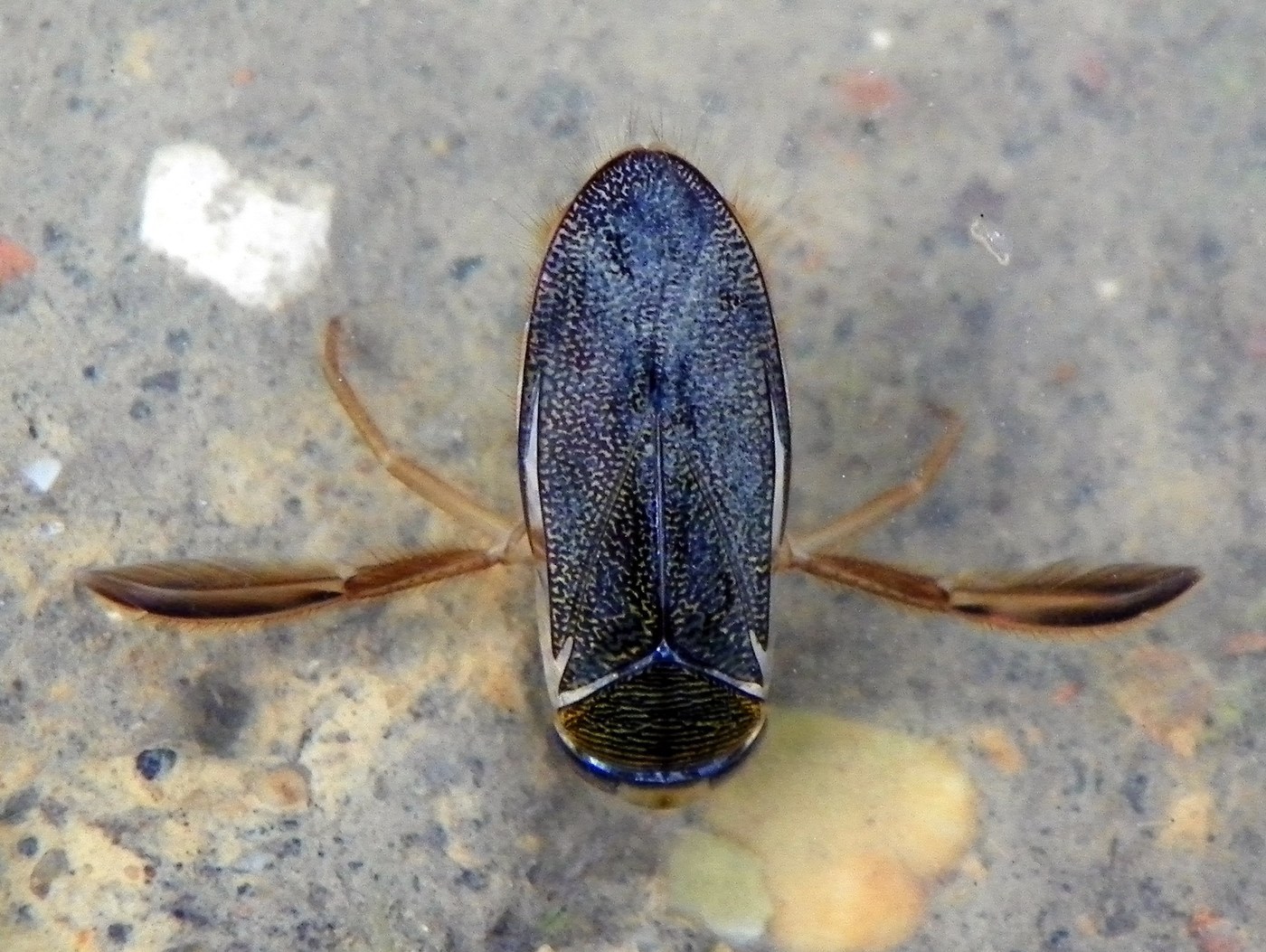
Water Boatman
Ponds, lakes, slow streams, freshwater with vegetation
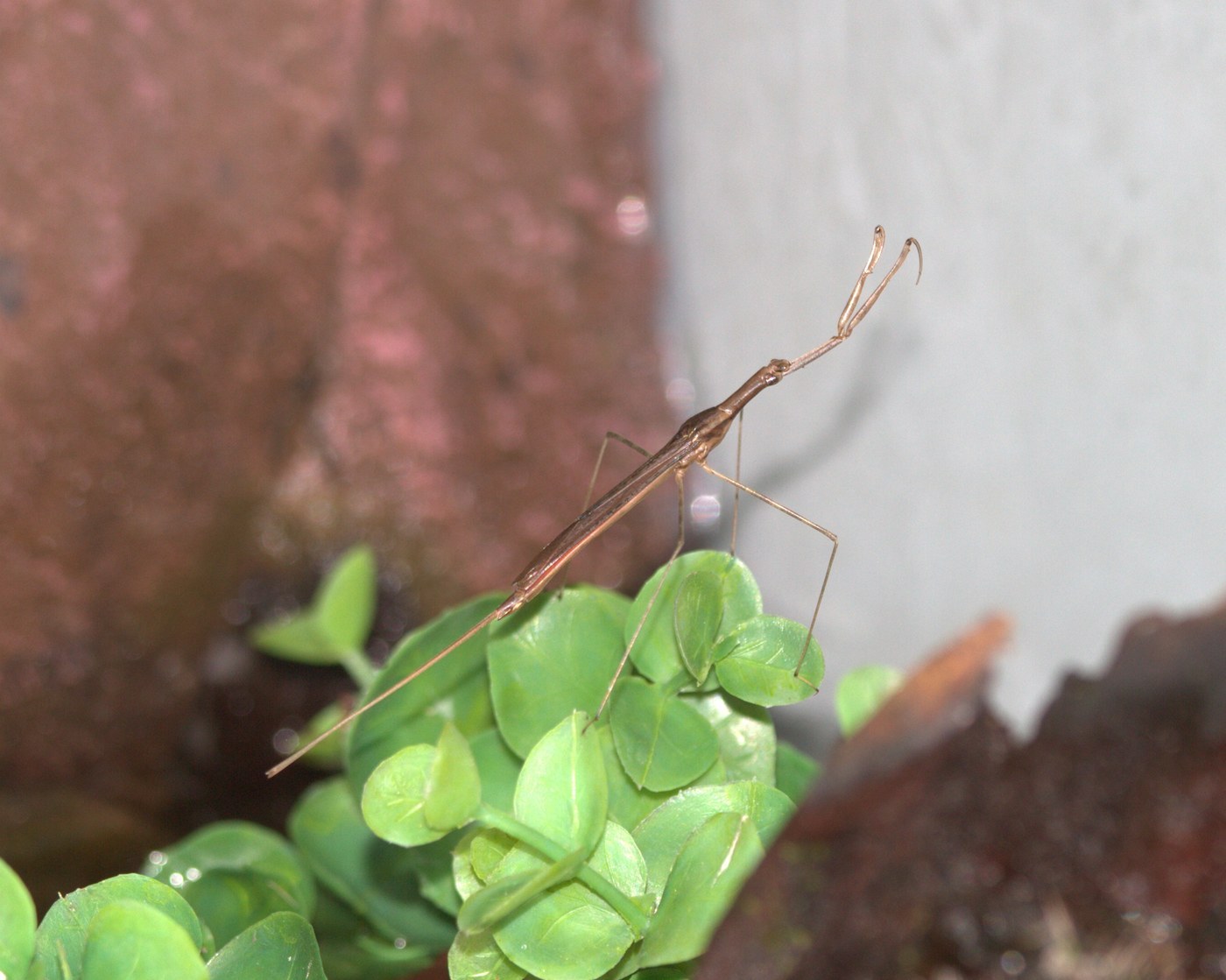
Water Scorpion
Still or slow-moving water with submerged vegetation
Stonefly
Cold, clean, well-oxygenated streams and rivers
Stonefly Nymph
Cold, fast-flowing, well-oxygenated streams
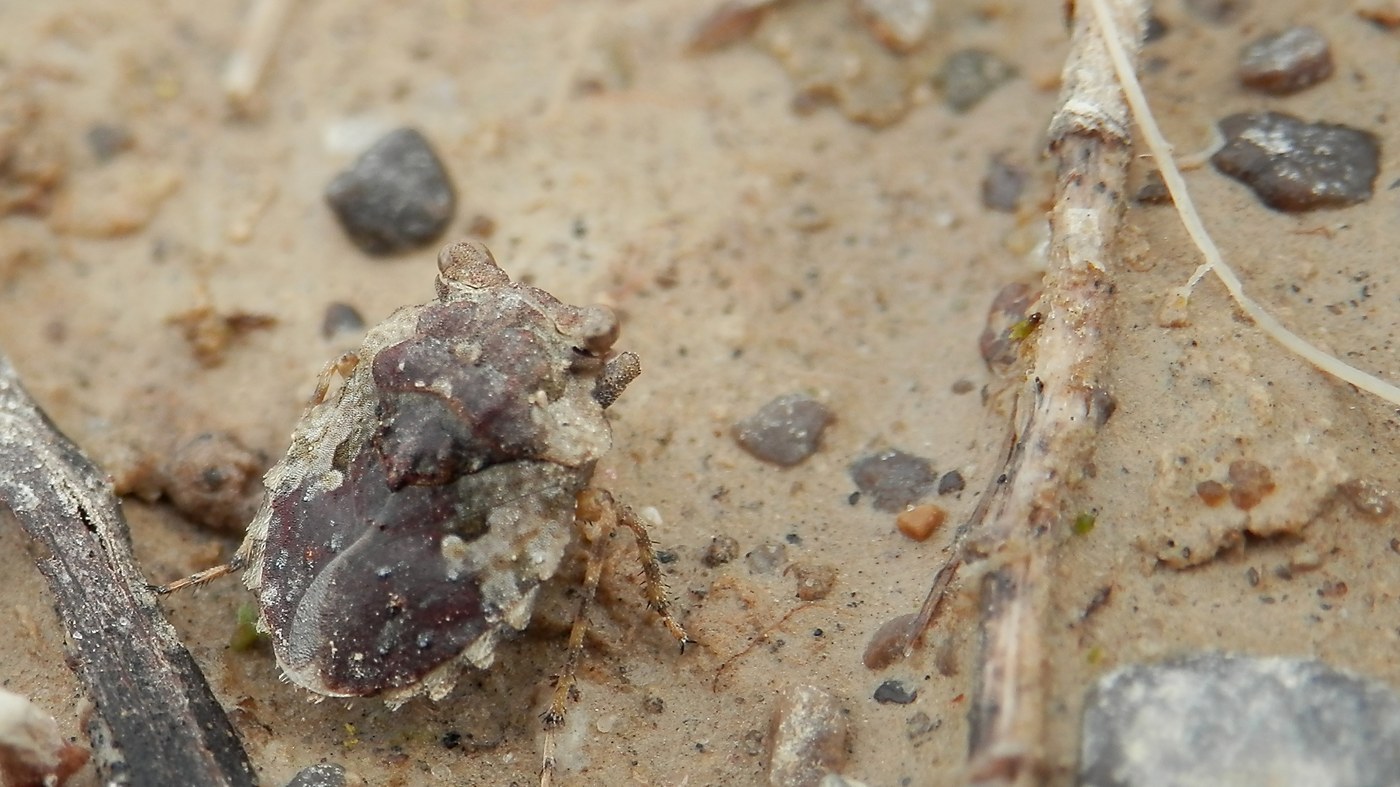
Toad Bug
Muddy or sandy shorelines of ponds, streams, and rivers
Soldier Fly Larva
Ponds, marshes, and slow streams with organic sediment
Mosquito Larva
Standing water in ponds, ditches, containers, and puddles
Whirligig Beetle
Surface of ponds, lakes, and slow streams
Rat-Tailed Maggot
Stagnant, oxygen-poor water such as manure pools, drains, and compost
Predaceous Diving Beetle
Ponds, lakes, and slow-moving freshwater