
Alderfly Larva
Sialis spp.
Fringed with feathery gill filaments along its sides, the alderfly larva crawls through soft pond and stream sediments hunting smaller invertebrates before eventually leaving the water entirely to pupate on land.
- Size
- 15-25 mm
- Habitat
- Silty or muddy bottoms of ponds, lakes, and slow streams
- Danger
- Harmless
Spotted a bug like this?
Identify any bug or insect from a photo, free.
Overview
The alderfly larva is the aquatic immature stage of a modest, drab-winged insect in the order Megaloptera, a group that also includes the much larger dobsonflies and fishflies. Alderfly larvae are elongated, active predators found crawling through the silty or muddy bottoms of ponds, lakes, and slow streams, where they are recognizable by the row of tapering, feathery filaments running along each side of the abdomen.
These larvae breathe using external gill filaments rather than surfacing for air, allowing them to remain fully submerged and active predators of other small aquatic invertebrates throughout their larval life. They possess strong, biting mandibles used to capture prey such as worms, small insect larvae, and other soft-bodied organisms living in the same sediment.
Unlike many aquatic insects that pupate underwater, alderfly larvae crawl entirely out of the water onto land when mature, burrowing into soil or damp debris near the shoreline to pupate before the winged adult emerges. This unusual land-based pupation links their otherwise aquatic life cycle to the surrounding terrestrial habitat.
How to Identify
- Elongated, somewhat flattened body 15-25 mm long, typically brown to dark gray or blackish
- Row of seven paired, tapering, feathery gill filaments running along each side of the abdomen
- Single, unbranched filament projecting from the tip of the abdomen, distinguishing it from the branched tail filaments of dobsonfly larvae
- Strong, sickle-shaped mandibles at the head, used for grasping prey
- Three pairs of jointed legs near the head, similar in arrangement to a beetle larva
- Distinguished from dobsonfly (hellgrammite) larvae, which are typically larger, more robust, and have branched anal filaments and hooked prolegs at the rear rather than a single tail filament
Habitat & Range
Alderfly larvae are found burrowed in the silty or muddy bottoms of ponds, lakes, slow-moving streams, and marshes across much of North America, Europe, and Asia, generally favoring softer sediment over gravel or rocky substrate. They are active from spring through late summer in temperate regions and overwinter as larvae buried in the sediment.
Behavior & Diet
Alderfly larvae crawl actively through soft mud and sediment, using their sickle-shaped mandibles to capture and feed on other small invertebrates such as worms, midge larvae, and other soft-bodied organisms sharing the same habitat. Their feathery abdominal gills allow them to extract dissolved oxygen directly from the water, so unlike many aquatic insects, they do not need to surface for air during their larval life. As predators within pond and stream sediments, they help regulate populations of smaller invertebrates, and they in turn serve as a food source for fish and other predators that forage in the mud.
Life Cycle
Females lay large clusters of eggs on vegetation, rocks, or other surfaces overhanging the water, and the newly hatched larvae drop into the water below. The larvae burrow into soft sediment and pass through numerous instars over one to two years, actively hunting other invertebrates and growing steadily, typically overwintering as larvae in the mud. When mature, the larva crawls entirely out of the water onto land, burrowing into damp soil or debris near the shoreline to construct a small pupal chamber. After a period of weeks, the winged adult alderfly emerges, living only a short time focused on mating and egg-laying near the water.
Frequently asked questions
Where does an alderfly larva pupate?
Unlike most aquatic insect larvae, it crawls completely out of the water and pupates in damp soil or debris on land near the shoreline.
How does an alderfly larva breathe underwater?
It has rows of feathery gill filaments along the sides of its abdomen that extract dissolved oxygen directly from the water.
What does an alderfly larva eat?
It preys on other small aquatic invertebrates in the sediment, such as worms and midge larvae, capturing them with sickle-shaped mandibles.
How can you tell an alderfly larva from a dobsonfly larva?
Alderfly larvae have a single unbranched tail filament and lack the hooked rear prolegs found on the larger, more robust dobsonfly (hellgrammite) larva.
Alderfly Larva guides
In-depth guides for identifying, understanding, and living alongside Alderfly Larva.
Other bugs you may enjoy
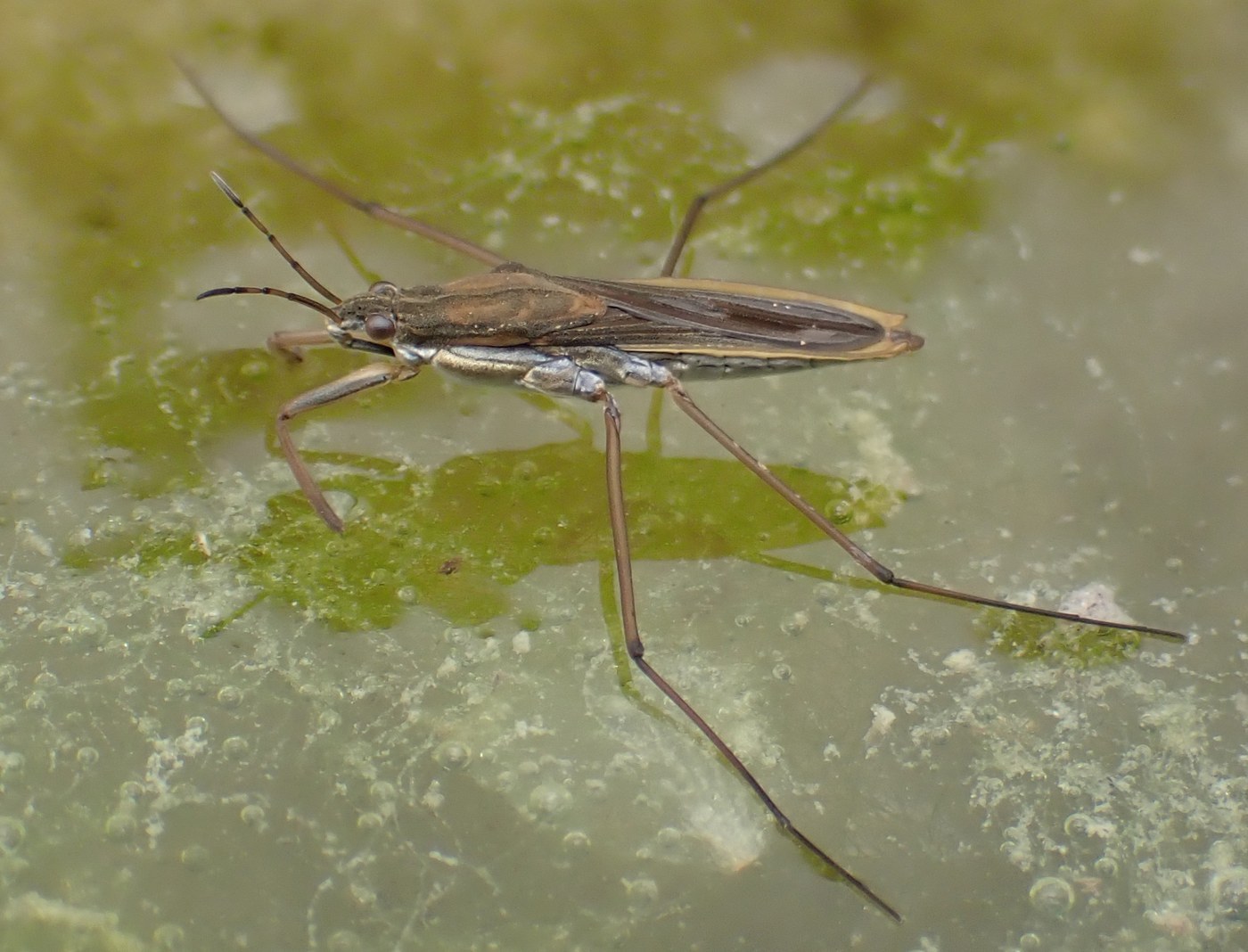
Water Strider
Still or slow-moving fresh water: ponds, lake edges, slow streams, puddles
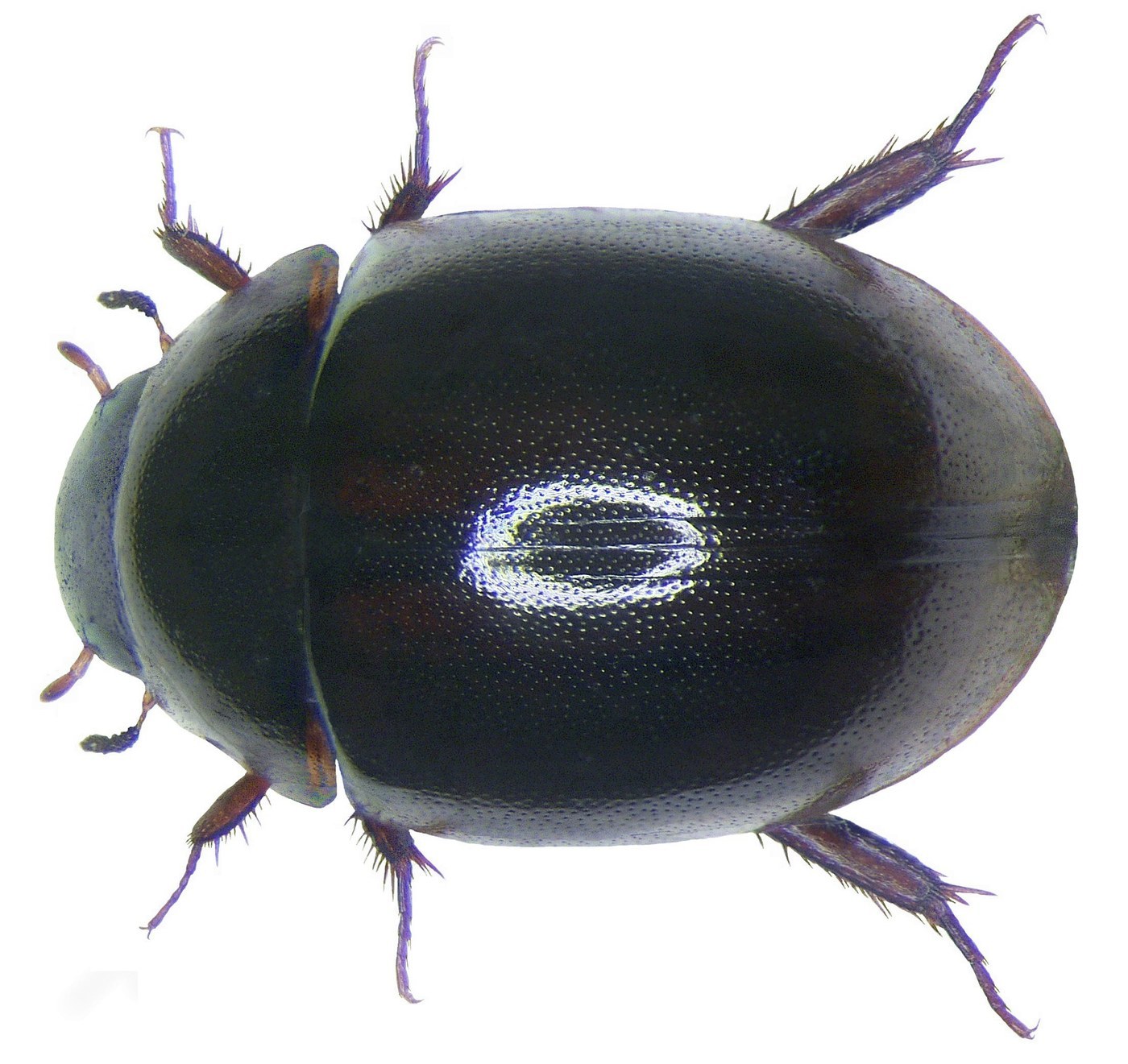
Water Beetle
Ponds, slow streams, marshes, still fresh water
Water Penny Beetle
Fast, rocky, well-oxygenated streams
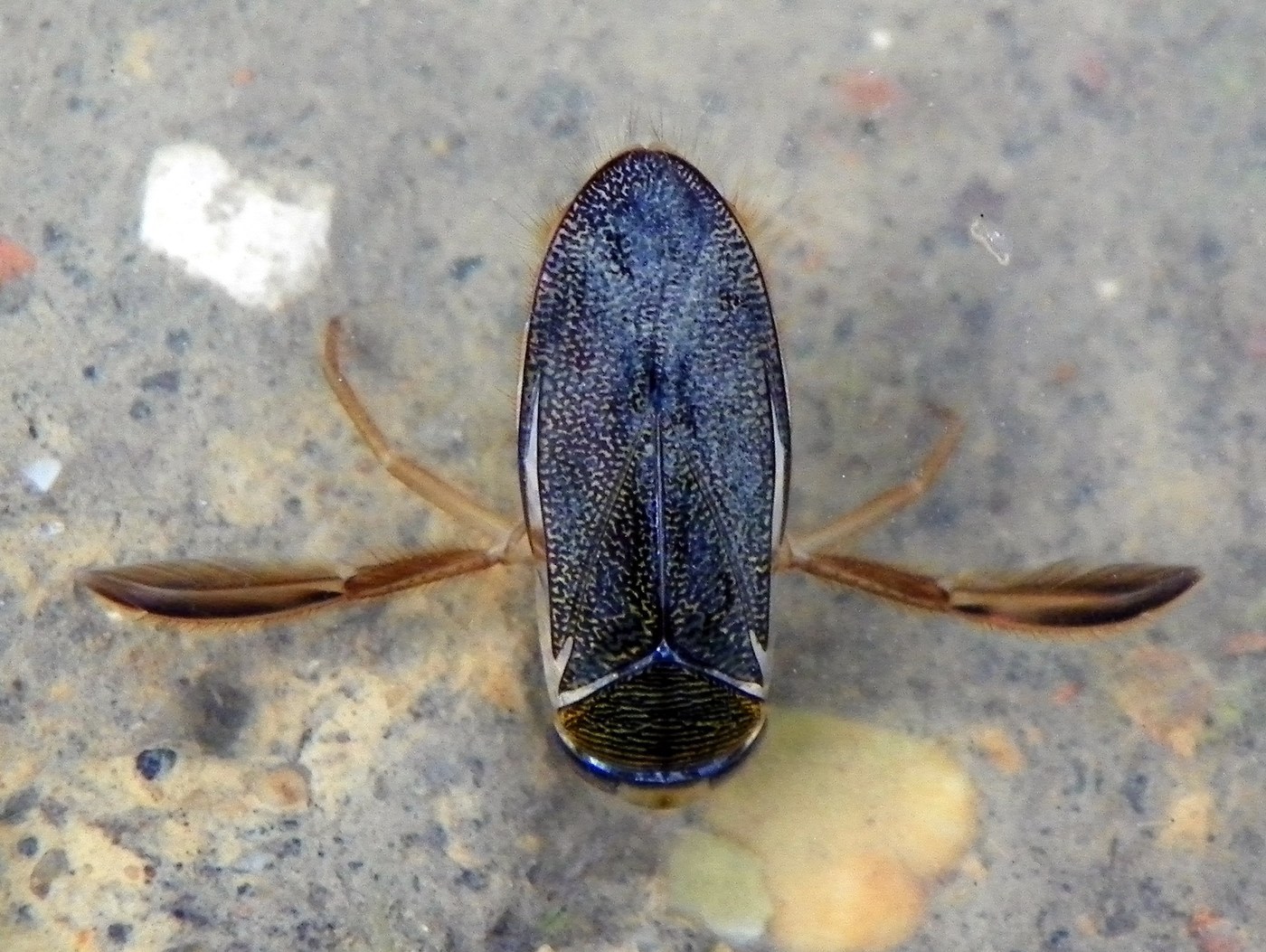
Water Boatman
Ponds, lakes, slow streams, freshwater with vegetation
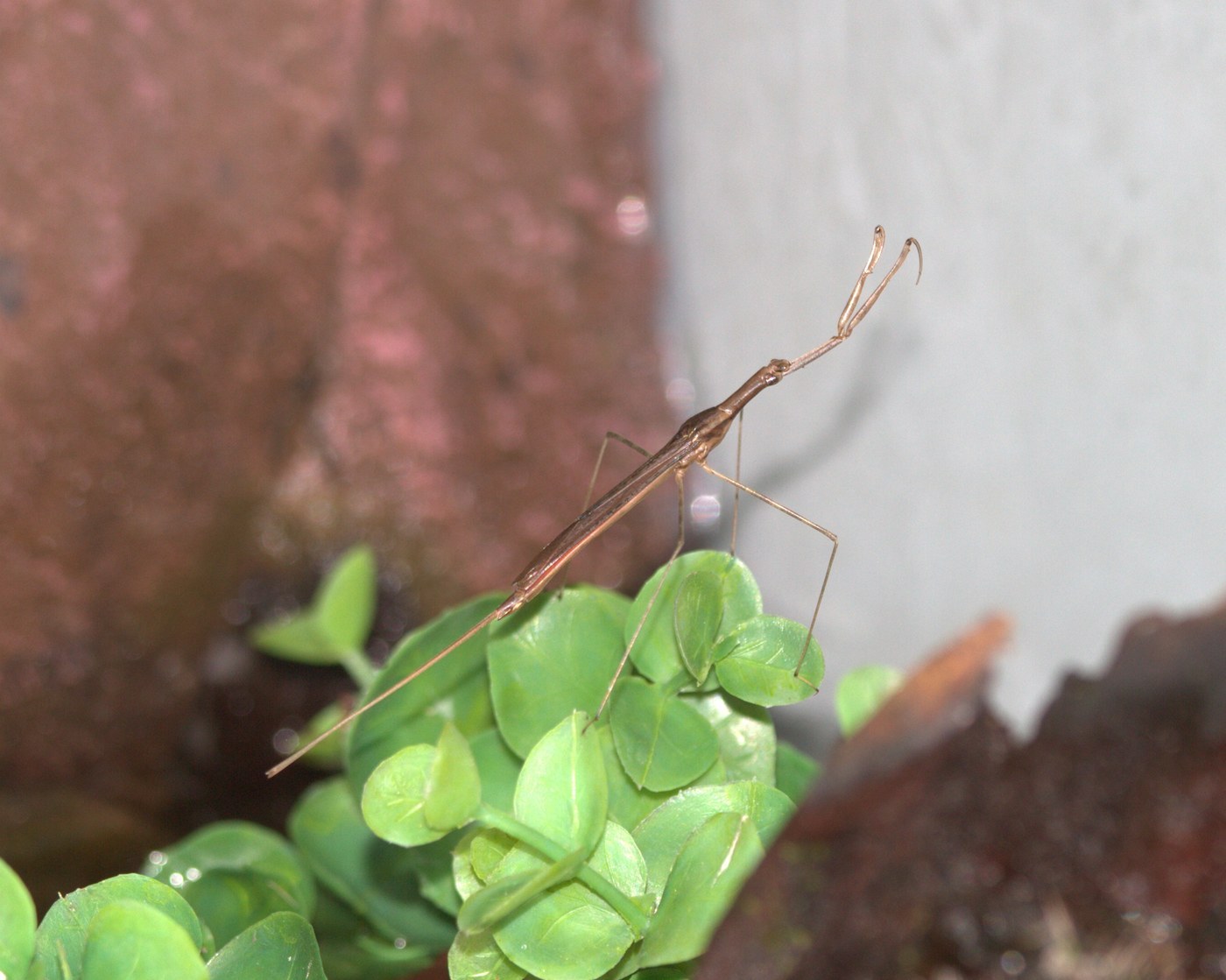
Water Scorpion
Still or slow-moving water with submerged vegetation
Stonefly
Cold, clean, well-oxygenated streams and rivers
Stonefly Nymph
Cold, fast-flowing, well-oxygenated streams
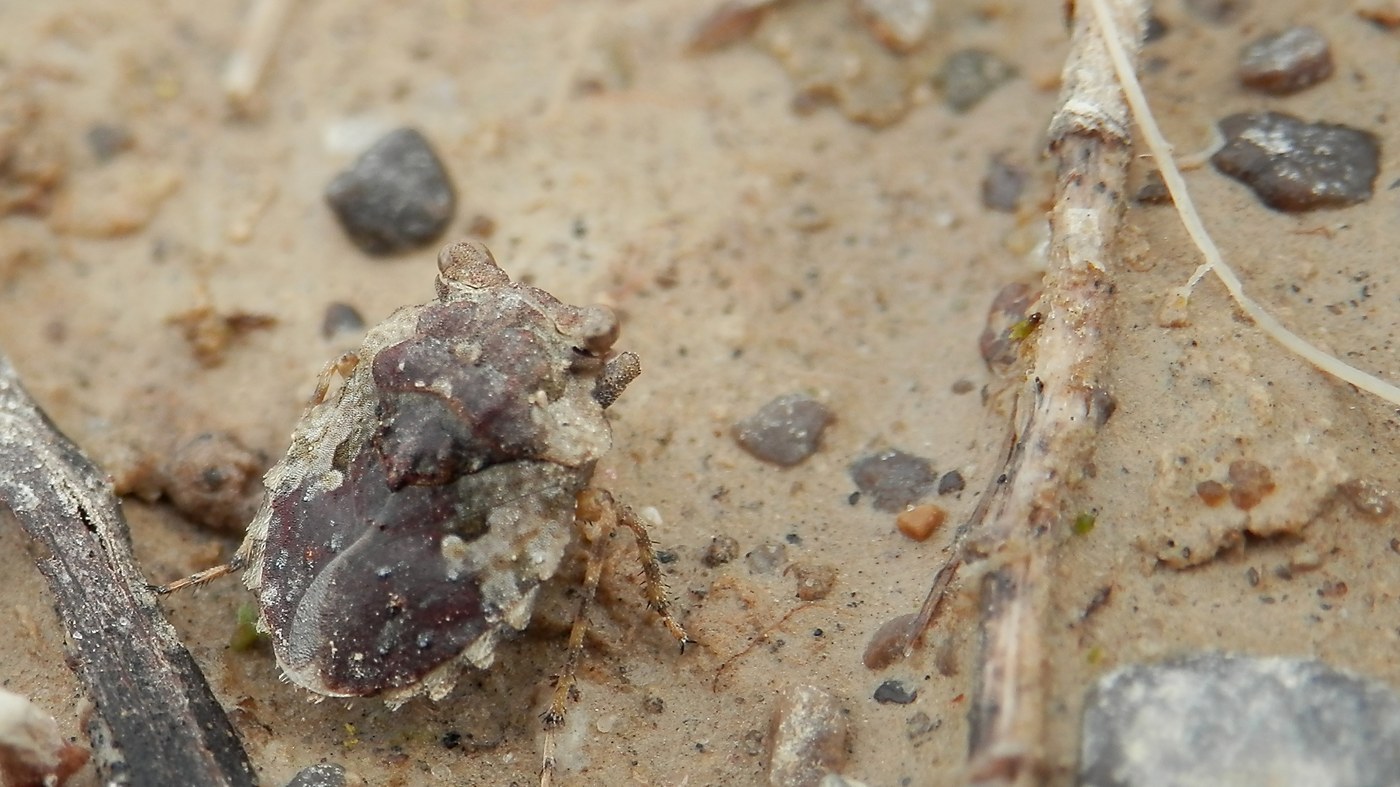
Toad Bug
Muddy or sandy shorelines of ponds, streams, and rivers
Soldier Fly Larva
Ponds, marshes, and slow streams with organic sediment
Mosquito Larva
Standing water in ponds, ditches, containers, and puddles
Whirligig Beetle
Surface of ponds, lakes, and slow streams
Rat-Tailed Maggot
Stagnant, oxygen-poor water such as manure pools, drains, and compost