
Ambush Bug
Phymata spp.
A chunky, irregularly shaped true bug with thickened, raptorial front legs, the ambush bug hides motionless on flowers, blending into the petals while waiting to seize visiting pollinators.
- Size
- 8–13 mm
- Habitat
- Flowering plants such as goldenrod, in meadows and gardens
- Danger
- Bites
Spotted a bug like this?
Identify any bug or insect from a photo, free.
Overview
The ambush bug, genus Phymata, is a true bug in the family Reduviidae (assassin bugs and their relatives), specifically the subfamily Phymatinae. Its common name reflects its hunting strategy: rather than actively pursuing prey, it remains still on flowers, using camouflage and patience to capture insects that land nearby.
Ambush bugs are compact and oddly proportioned, with a broadened, angular abdomen and greatly enlarged, raptorial front legs modified for grasping. This body plan allows them to seize prey considerably larger than themselves, including bees, wasps, and butterflies, which they subdue with a swift grip and a piercing bite.
Ecologically, ambush bugs are notable predators within pollinator communities, occupying flowerheads where they intercept a portion of the insects that visit for nectar and pollen, making them an interesting, if minor, check on pollinator populations at the flower level.
How to Identify
- Compact, thickset body with an irregular, angular outline that resembles a small chunk of debris or dried plant material.
- Front legs are greatly enlarged and raptorial, resembling small pincers, used to grasp prey.
- Coloration is typically yellow, green, or tan with darker mottling, blending in with flower structures such as goldenrod.
- Head is relatively small and triangular compared to the broad thorax and abdomen.
- Lookalikes include other true bugs on flowers, but the greatly thickened grasping front legs and boxy, irregular body shape are distinctive to ambush bugs.
Habitat & Range
Ambush bugs are found on flowering plants, especially composite flowers like goldenrod, asters, and other late-season blooms, in meadows, prairies, roadsides, and gardens across much of North America. They are most conspicuous in late summer and early fall, coinciding with peak flowering of their preferred host plants and high pollinator traffic.
Behavior & Diet
True to its name, the ambush bug is a sit-and-wait predator, remaining motionless on a flower where its coloring blends with the petals until a visiting insect comes within reach. It then strikes rapidly with its raptorial front legs, pinning the prey before delivering a piercing bite with its beak to feed on the prey's internal fluids. Prey items regularly include bees, flies, and other pollinating insects, sometimes considerably larger than the ambush bug itself. It can bite in defense if handled.
Life Cycle
Ambush bugs undergo incomplete metamorphosis (egg, nymph, adult). Eggs are laid in small clusters on plant surfaces, and nymphs hatch resembling smaller, wingless versions of the adult, complete with the characteristic thickened front legs used for hunting even at early stages. Nymphs molt through several instars while continuing to ambush small prey on flowers, gradually developing wing pads. There is typically one generation per year in temperate regions, with adults most abundant in late summer.
Frequently asked questions
Why does the ambush bug look so lumpy and irregular?
Its broad, angular body shape helps it blend in with flower structures and plant debris, aiding its sit-and-wait hunting strategy.
What kinds of insects does the ambush bug catch?
It preys on a variety of flower-visiting insects, including bees, flies, and butterflies, often catching prey larger than itself using its raptorial front legs.
Where would I find an ambush bug?
They are commonly found perched motionless on flowerheads, especially goldenrod and other late-summer blooms, in meadows and gardens.
Is the ambush bug related to assassin bugs?
Yes, ambush bugs belong to the subfamily Phymatinae within the assassin bug family Reduviidae, sharing the predatory piercing-bite feeding style.
Ambush Bug guides
In-depth guides for identifying, understanding, and living alongside Ambush Bug.
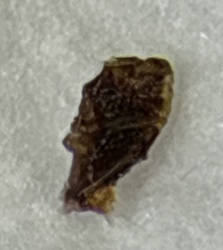
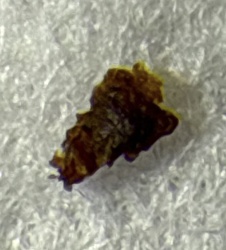
Ambush Bug identified by the community
Real finds identified with Bug Identifier.
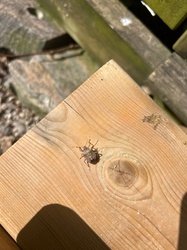

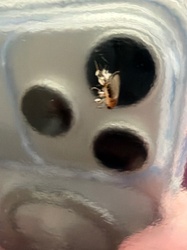
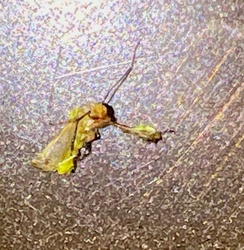
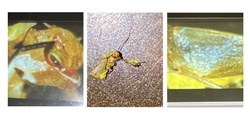
Other bugs you may enjoy
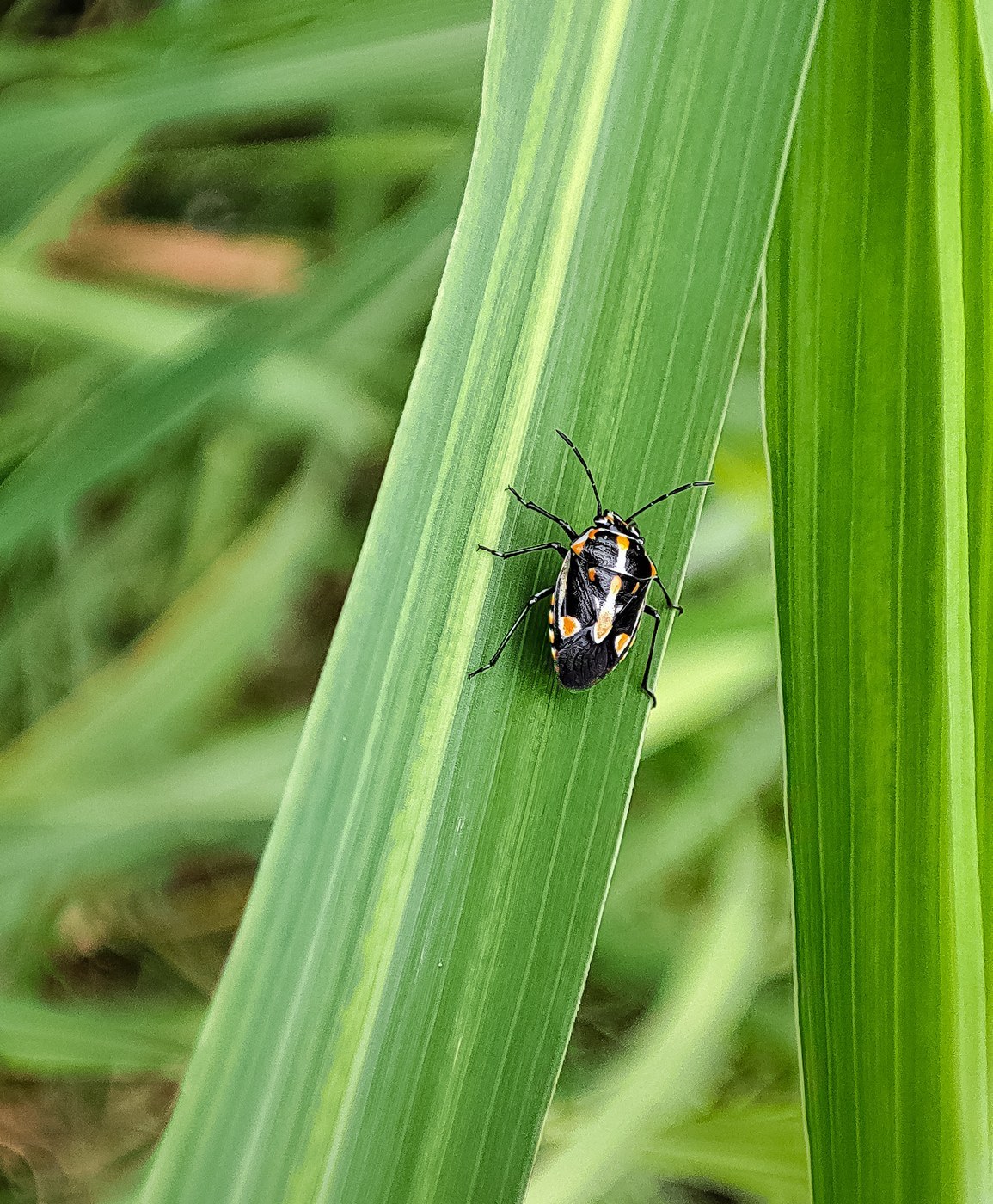
Bagrada Bug
Arid gardens, crucifer fields, desert-adjacent croplands
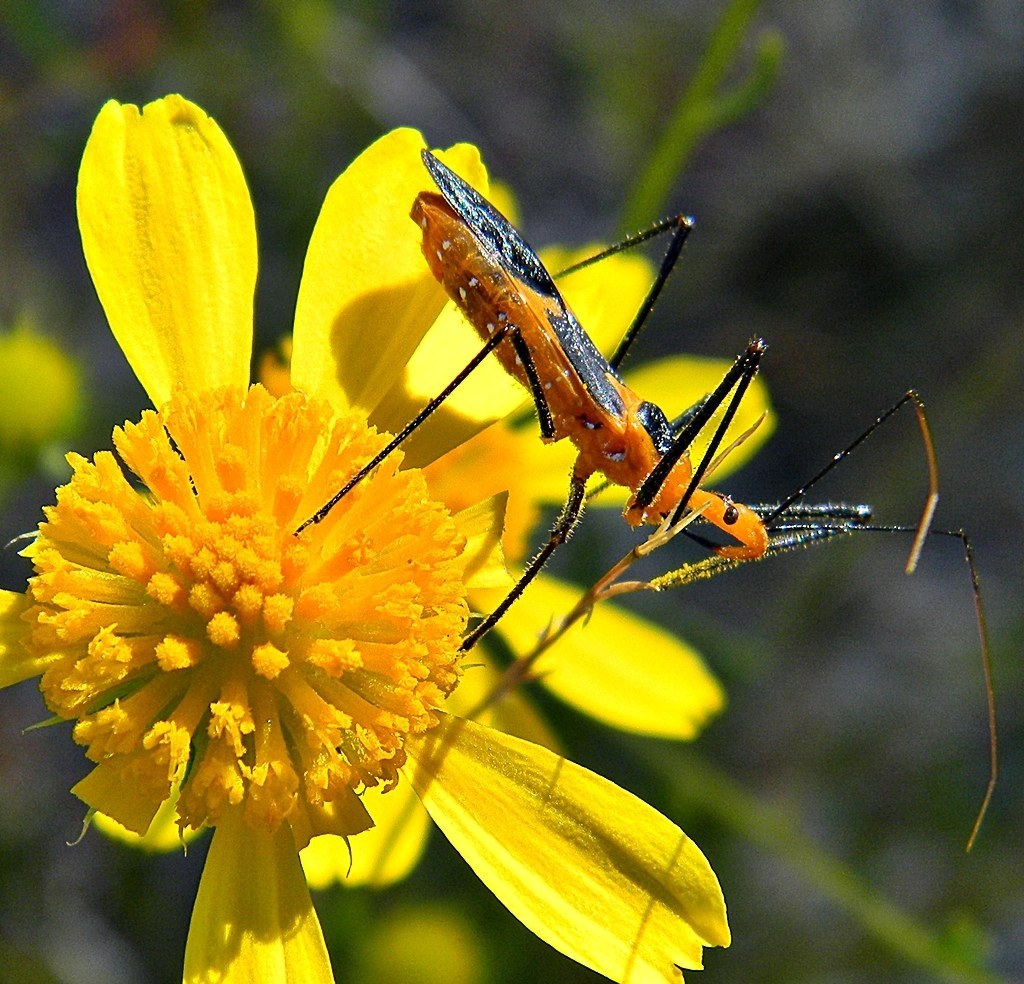
Assassin Bug
Gardens, meadows, and vegetation worldwide
Water Boatman Bug
Ponds, lakes, and slow-moving freshwater
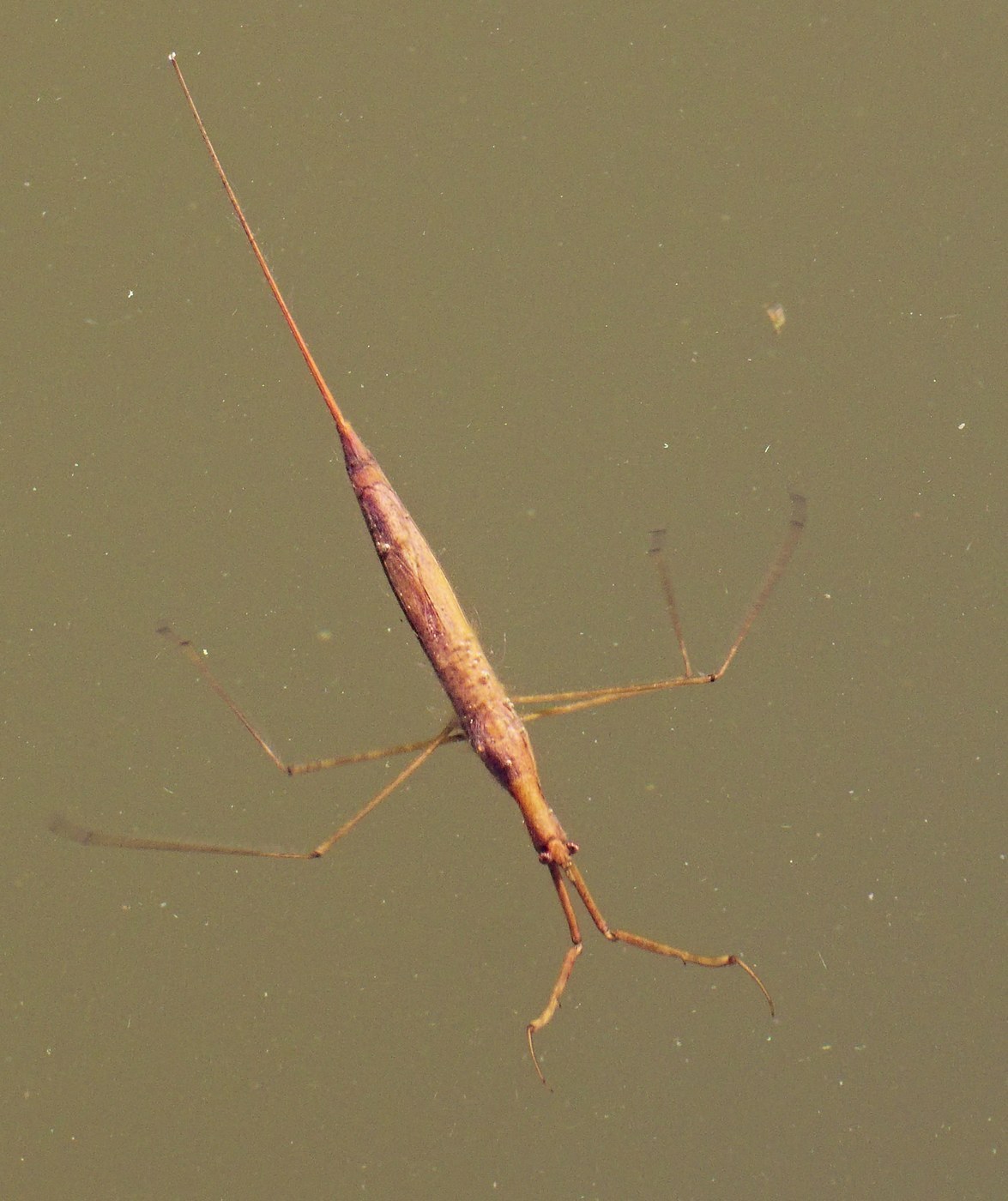
Water Stick Insect
Still and slow-moving water with dense submerged vegetation
Rough Stink Bug
Tree bark, woodlands, orchards, and shrubby vegetation
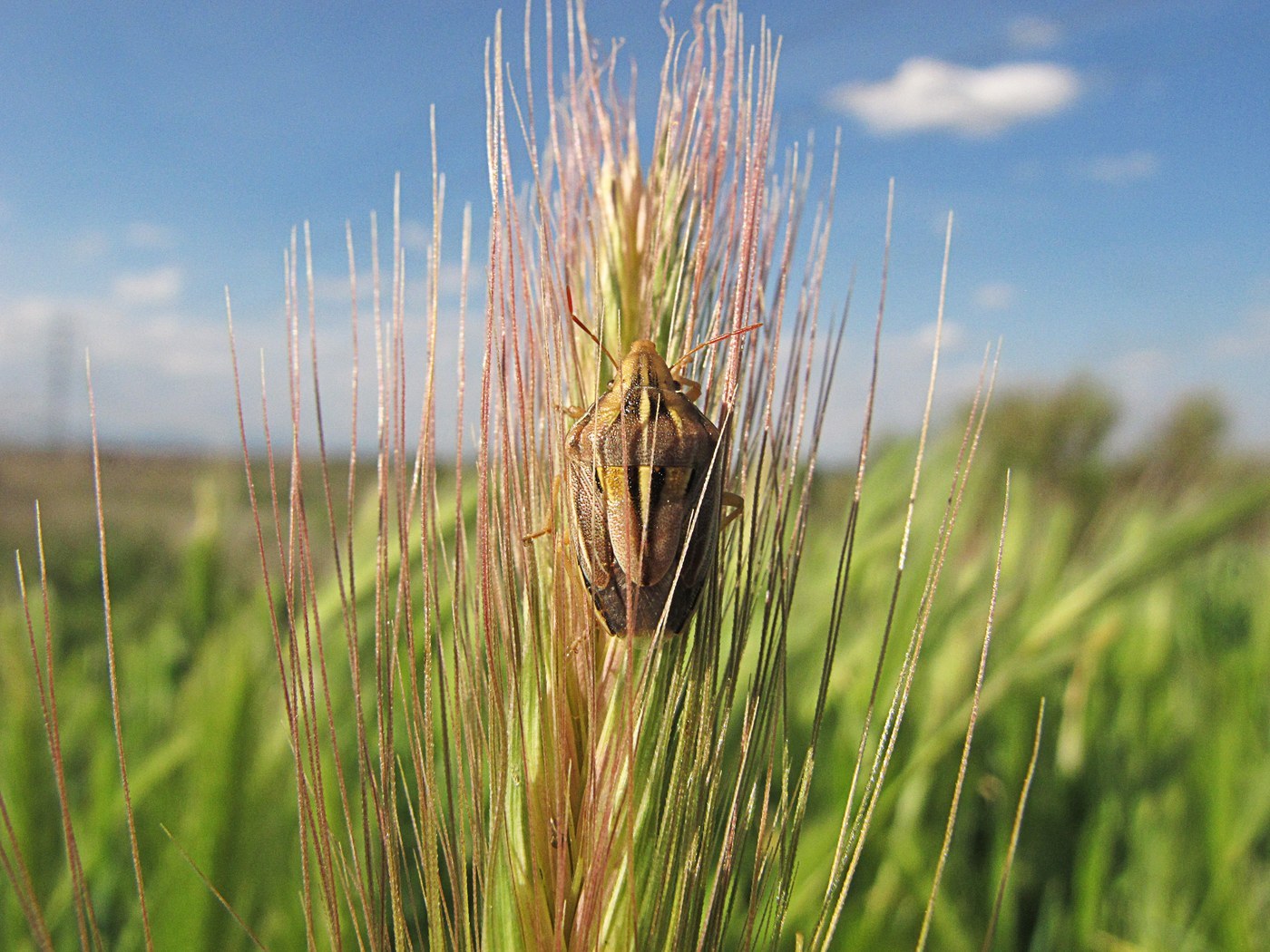
Stink Bug
Gardens, crop fields, and woodlands across temperate and subtropical regions
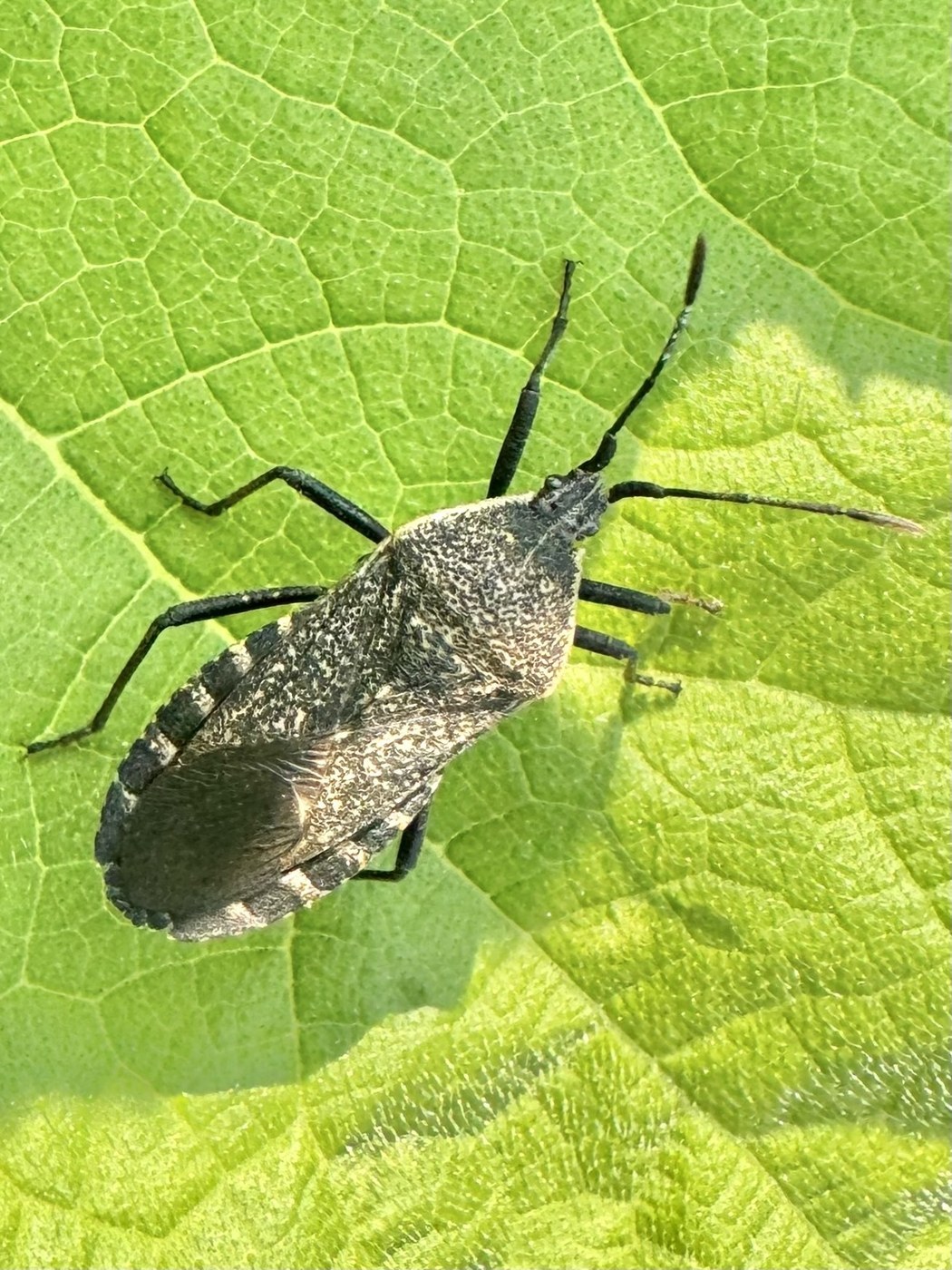
Squash Bug
Vegetable gardens and farm fields growing squash, pumpkin, and other cucurbits
Aphid
On stems, leaves, and buds of a very wide range of host plants
Woolly Aphid
Bark crevices, root collars, and twigs of apple, elm, and alder trees
Whitefly
Greenhouses, gardens, and undersides of leaves on host plants
Water Measurer
Quiet edges of ponds, marshes, and slow streams
Two-Spotted Stink Bug
Gardens and fields with potato and nightshade-family plants