
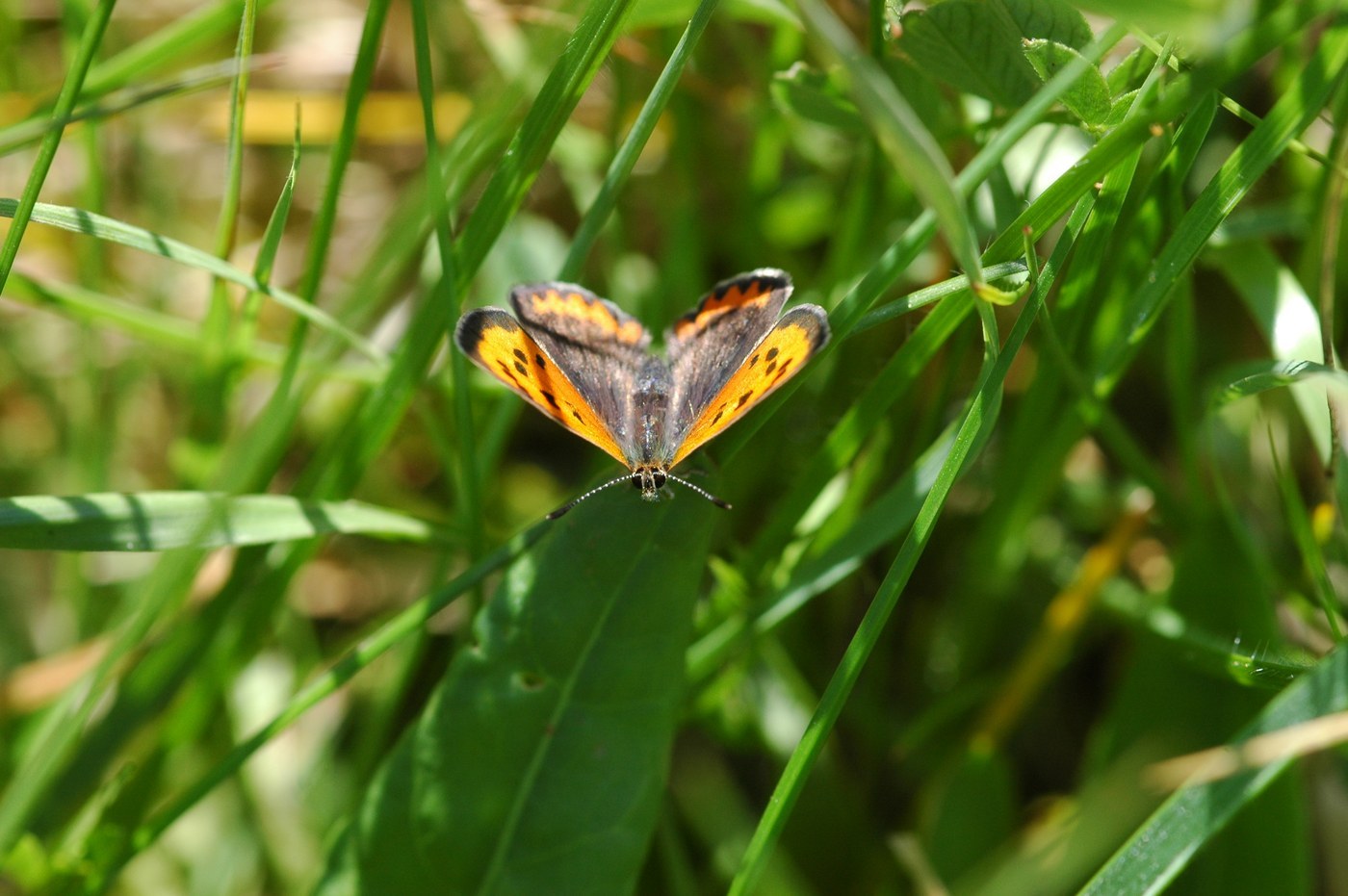
American Copper
Lycaena phlaeas
A small, bright orange-and-black butterfly with fiery copper-colored forewings and dusky gray hindwings edged in orange, commonly seen darting low over weedy fields and vacant lots.
- Size
- 0.85–1.1 in wingspan
- Habitat
- Old fields, roadsides, and disturbed open ground with sorrel or dock
- Danger
- Harmless
Spotted a bug like this?
Identify any bug or insect from a photo, free.
Overview
The American Copper is a small butterfly in the gossamer-wing family (Lycaenidae), closely related to the Small Copper of Europe and Asia, and by some classifications considered a subspecies of that widespread Old World species. It is common across much of the northeastern and north-central United States and adjacent Canada, thriving in weedy, disturbed habitats.
Its caterpillar host plants, sheep sorrel and curled dock, are themselves often considered common weeds of disturbed ground, which has allowed the American Copper to become one of the most frequently seen small butterflies in vacant lots, roadsides, and old fields rather than requiring pristine natural habitat.
The species' bright, fiery orange forewing coloring gives the genus Lycaena its common name of "coppers," a reference to the metallic-looking sheen of the wing scales.
How to Identify
- Forewings are bright orange above with a scattering of black spots and a dark border along the outer margin.
- Hindwings are mostly dusky gray-brown above with a bright orange band near the outer edge.
- Underside is paler, with the forewing retaining orange tones and black spots while the hindwing is pale gray with faint dark speckling.
- Small size and quick, low flight.
- Lookalikes: other copper species can appear similar but are generally more restricted in range or habitat; the combination of bright orange forewing with a gray hindwing bearing an orange band is a reliable field mark for this species in most of its eastern range.
Habitat & Range
Found across the northeastern and north-central United States and southern Canada, with additional populations in parts of the West. It favors open, disturbed habitats such as old fields, pastures, roadside verges, and vacant urban lots where its weedy host plants, sheep sorrel and curled dock, grow. Adults are active from late spring through fall, with several generations produced during the warmer months.
Behavior & Diet
Adults fly low and fast over open ground, frequently basking with wings spread on bare soil, gravel, or low vegetation. They nectar at a variety of small flowers including clover and yarrow. Males are territorial, perching on prominent low vegetation and darting out to intercept passing insects, including other butterflies. Caterpillars feed on the leaves of sorrel and dock plants, and the species serves as a food source for birds and predatory insects at all life stages.
Life Cycle
Eggs are laid singly on the leaves of sorrel or dock host plants. Caterpillars are green and slug-shaped, blending closely with the host foliage as they feed. Pupation occurs in a compact chrysalis near the base of the host plant. Multiple generations occur each year across most of the range (often two to three), with the species typically overwintering as a partially grown caterpillar or chrysalis depending on region.
Frequently asked questions
Why is it called a 'copper'?
The name refers to the bright, metallic-looking orange sheen of the forewing scales, a color reminiscent of polished copper metal shared by other species in the genus Lycaena.
Is the American Copper the same as the European Small Copper?
It is very closely related and by some classifications treated as a subspecies of the Small Copper found across Europe and Asia, sharing a similar appearance and biology.
What plants does it need to reproduce?
Its caterpillars depend on sheep sorrel and curled dock, both common weedy plants of disturbed open ground.
Where is the best place to look for one?
Weedy old fields, roadside edges, and vacant lots with sorrel or dock growing are the most reliable places to find this species.
American Copper guides
In-depth guides for identifying, understanding, and living alongside American Copper.
American Copper identified by the community
Real finds identified with Bug Identifier.
Other bugs you may enjoy
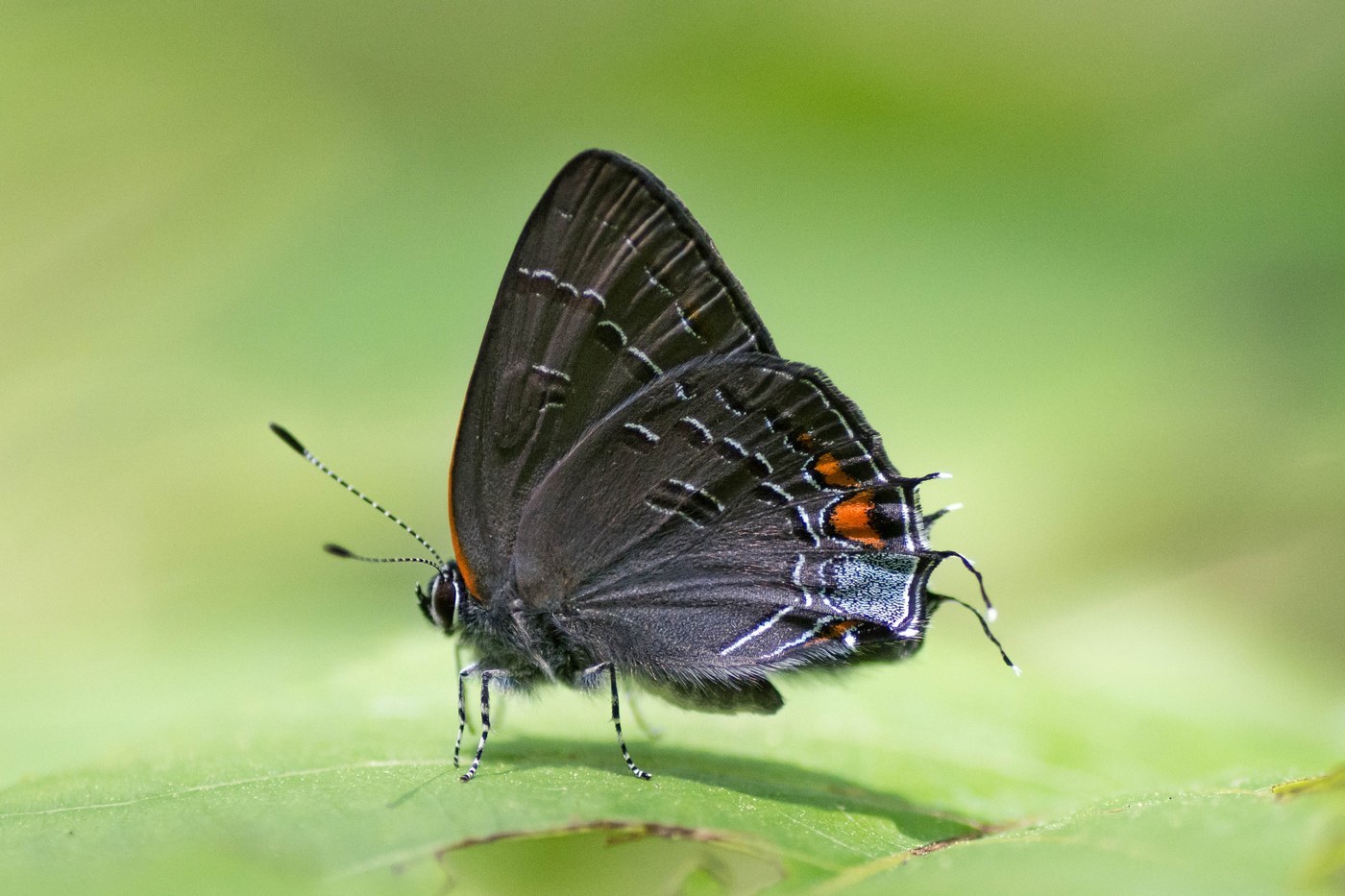
Banded Hairstreak
Deciduous woodlands and edges with oaks and hickories
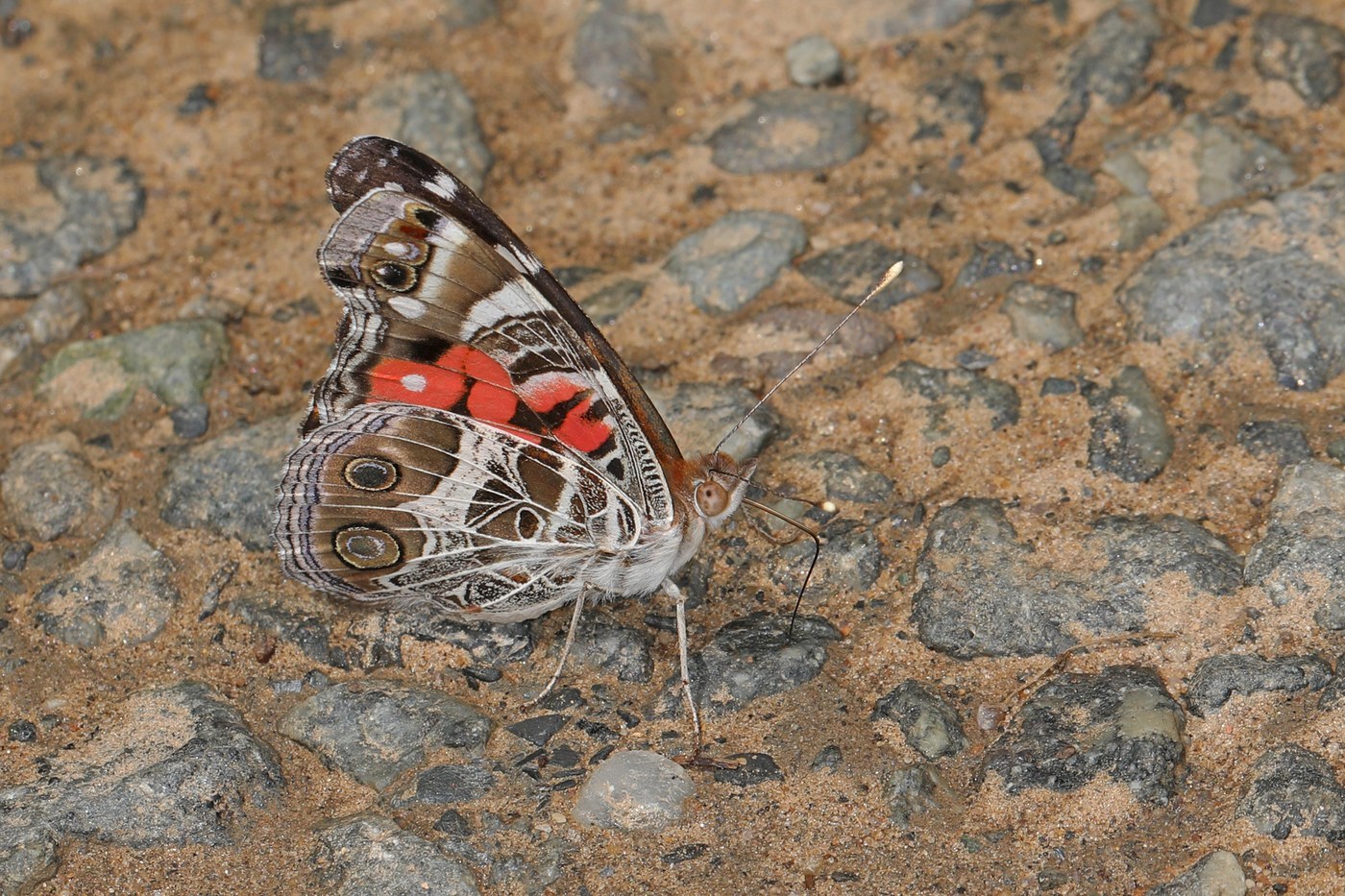
American Lady
Open fields, meadows, gardens, roadsides
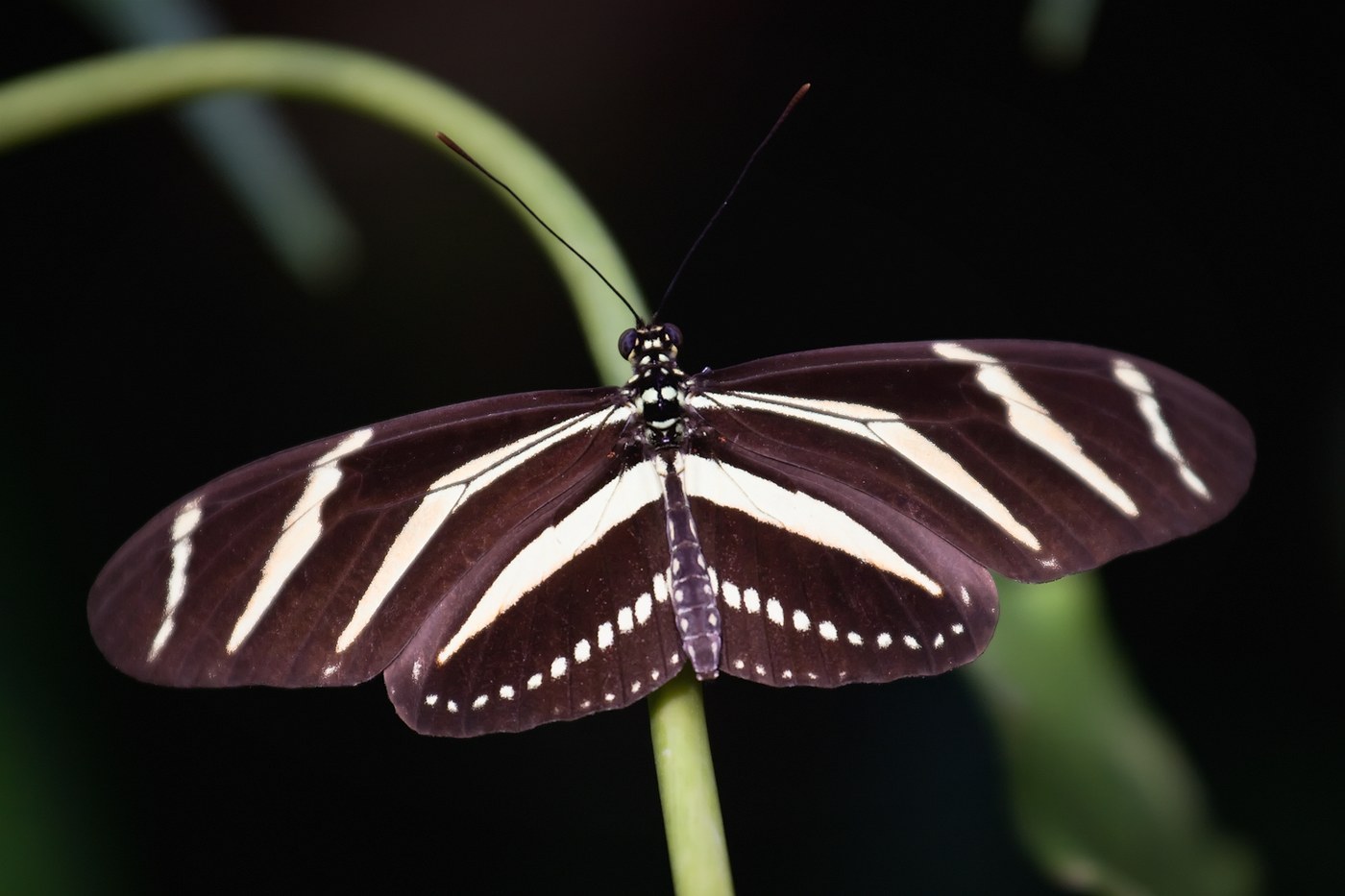
Zebra Longwing
Tropical hammocks, gardens, forest edges
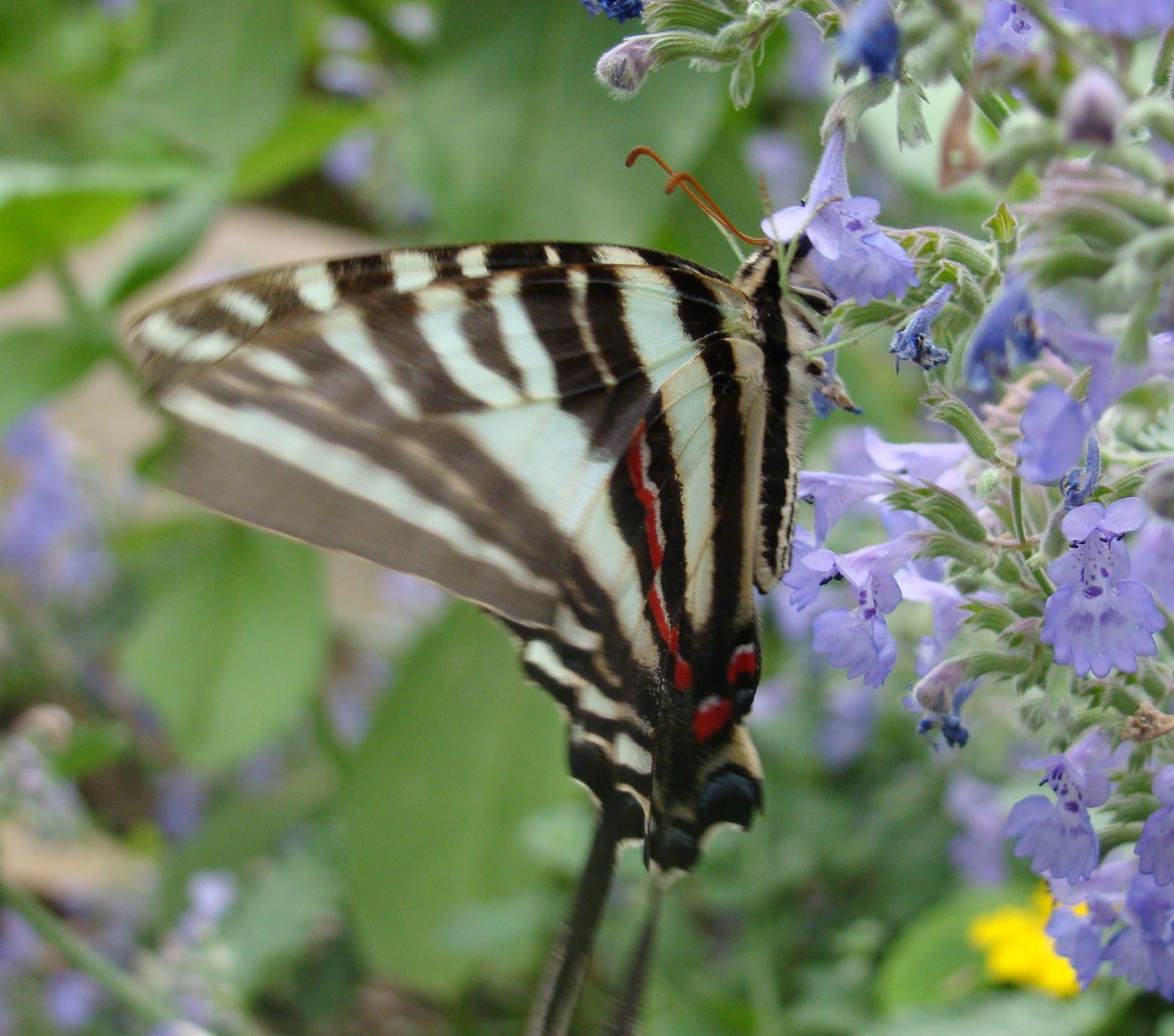
Zebra Swallowtail
Woodlands, floodplains, forest edges near pawpaw
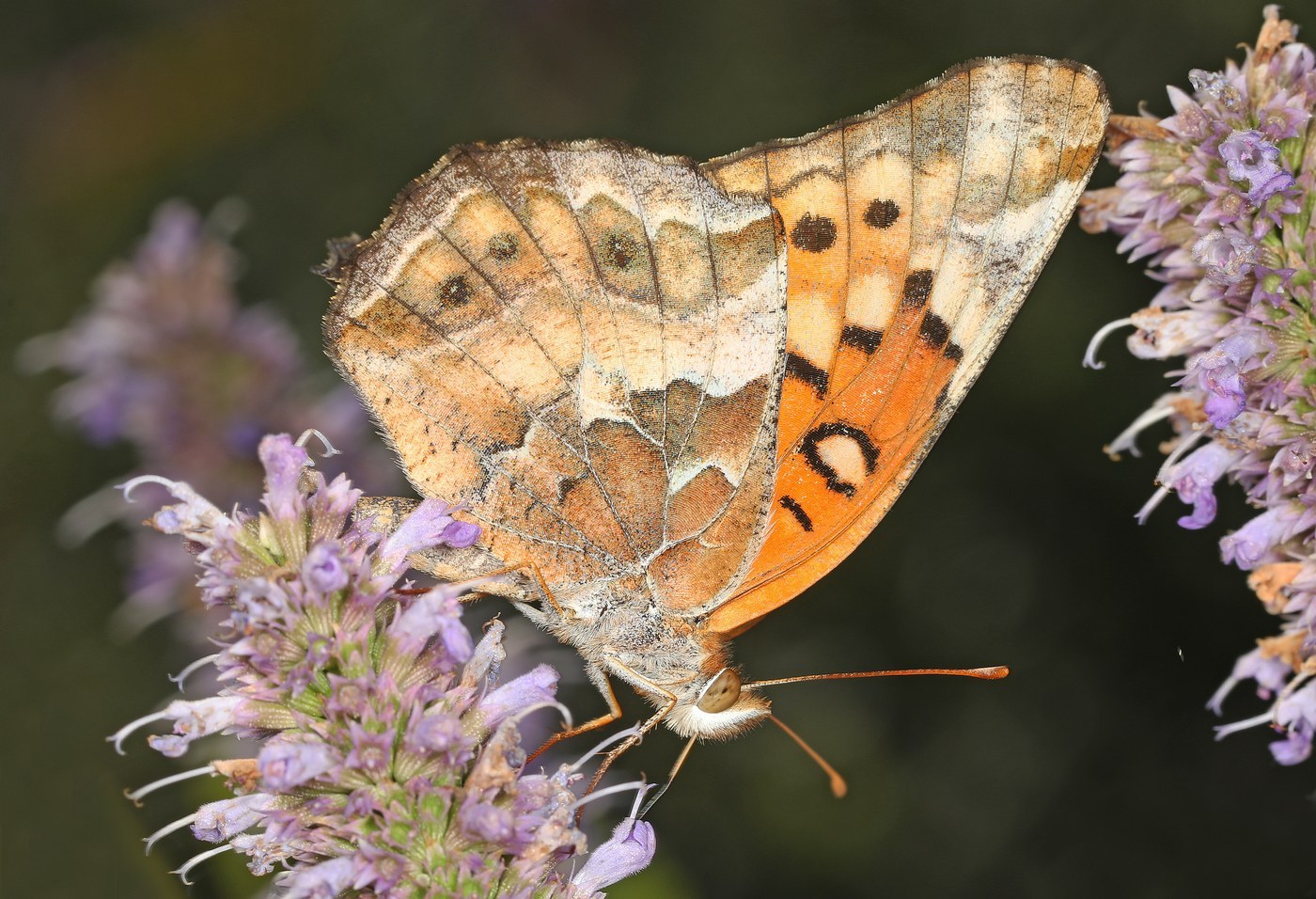
Variegated Fritillary
Open fields, prairies, roadsides, and disturbed ground across most of the United States
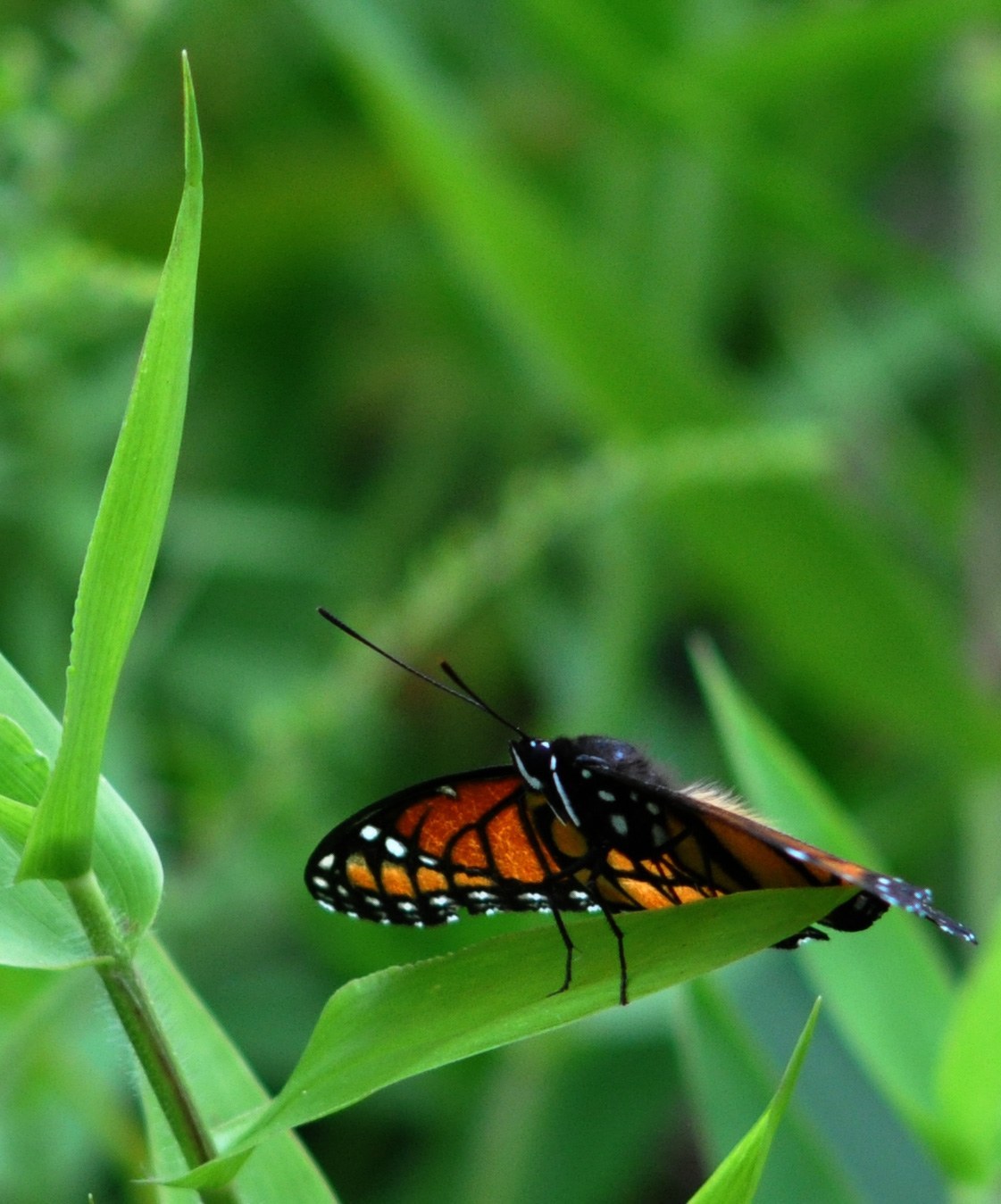
Viceroy Butterfly
Wetlands, meadows, riverbanks, willow thickets (North America)
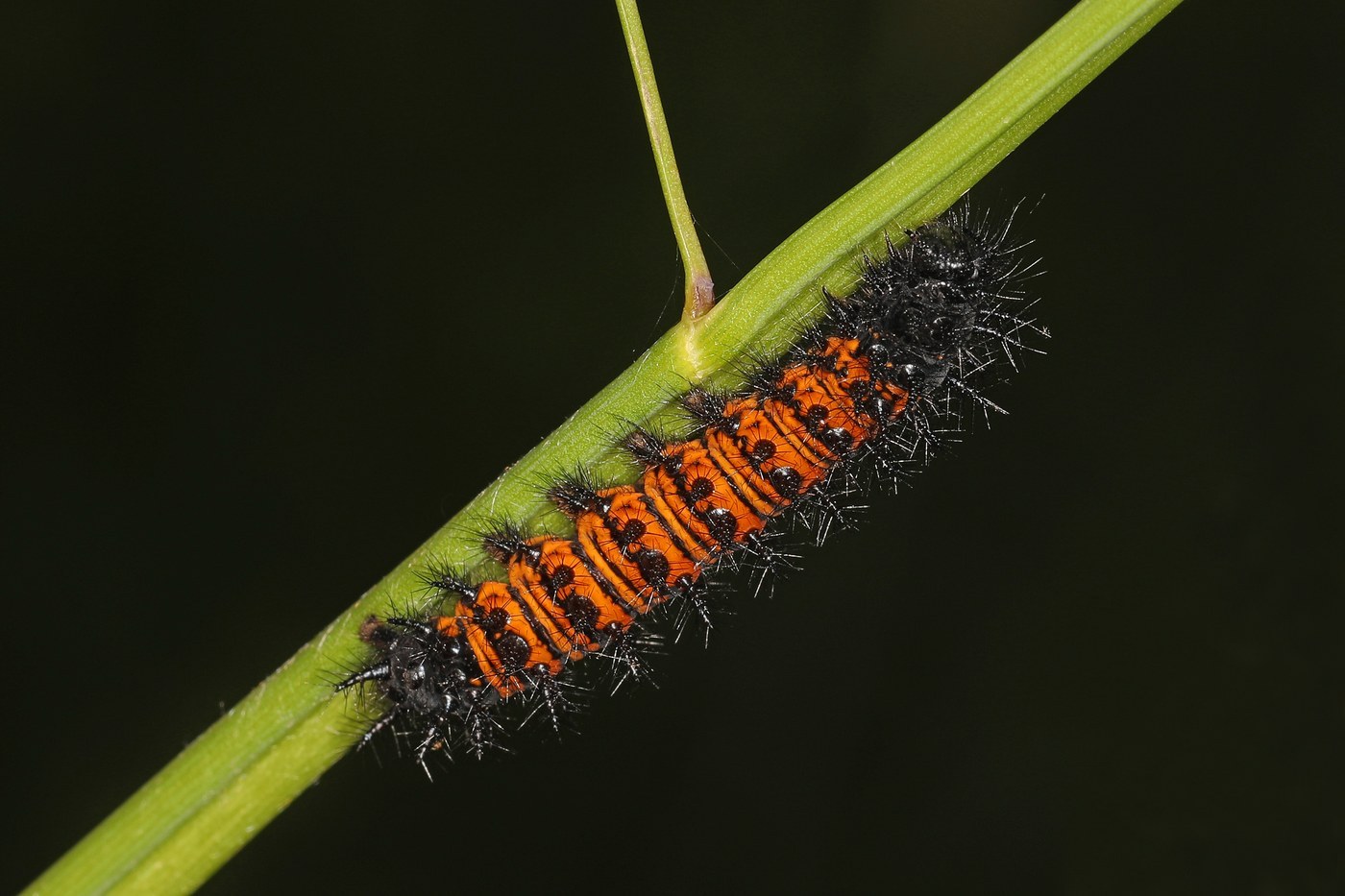
Baltimore Checkerspot
Wet meadows, bogs, and marshy fields in the northeastern and Appalachian US
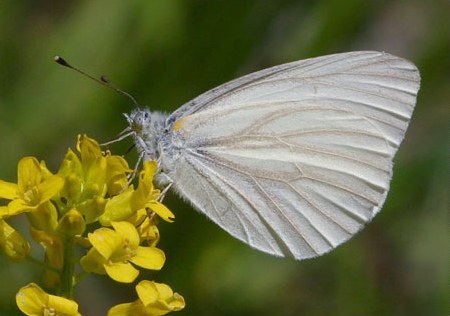
West Virginia White
Rich deciduous forest floors, especially near seeps and streams
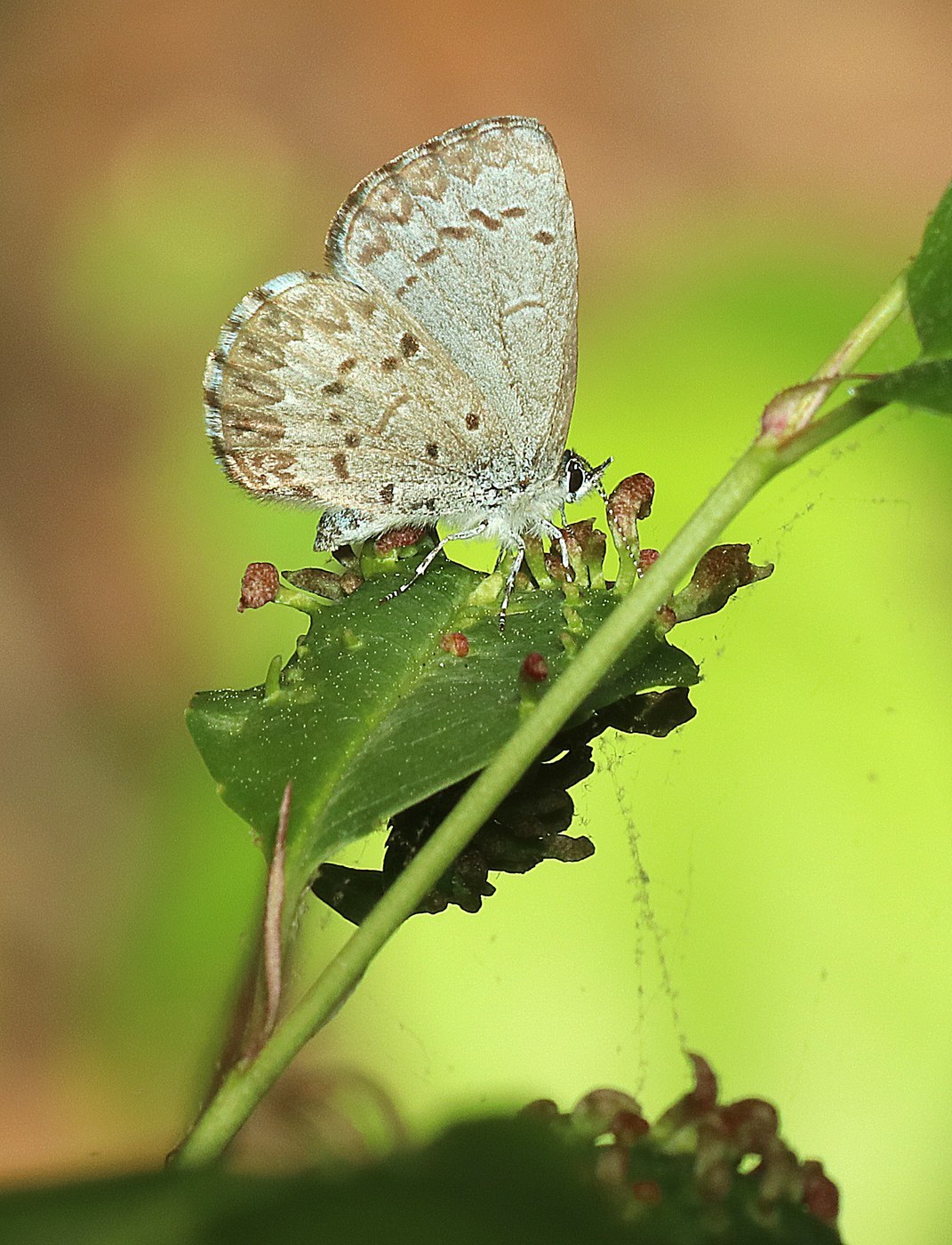
Spring Azure
Woodland edges, gardens, shrubby clearings
Red Admiral
Gardens, woodland edges, parks, meadows
Sleepy Orange
Open woodland, fields, roadsides, and disturbed ground
Spicebush Swallowtail
Deciduous forests, woodland edges, gardens