
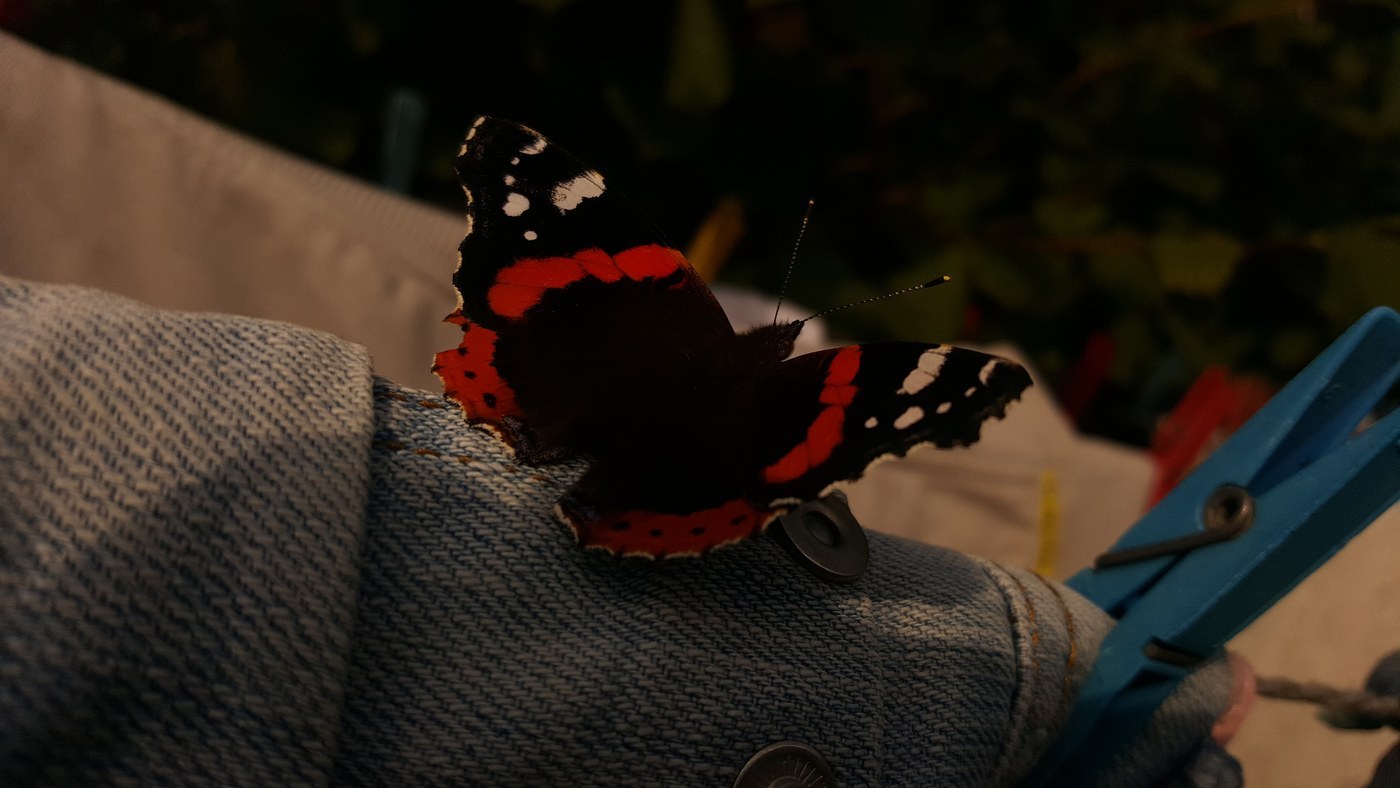
Red Admiral
Vanessa atalanta
A fast-flying, strikingly patterned butterfly with velvety black wings crossed by a bold orange-red band and white-spotted tips, often seen basking on tree trunks or sipping from fallen fruit.
- Size
- 4.5–7.5 cm wingspan
- Habitat
- Gardens, woodland edges, parks, meadows
- Danger
- Harmless
Spotted a bug like this?
Identify any bug or insect from a photo, free.
Overview
The red admiral is a widespread brushfoot butterfly (Nymphalidae) found across North America, Europe, North Africa, and parts of Asia, and is one of the most recognizable and frequently observed butterflies within its range due to its bold contrasting colors and habit of visiting gardens. It belongs to the same genus, Vanessa, as the painted lady and American lady, and shares their strong flight and migratory tendencies.
The species is a well-known migrant, with northern populations flying south in autumn and recolonizing northern latitudes each spring, similar in principle to the seasonal movements of the painted lady, though the red admiral's migration is generally less extensive. It is also notable for a degree of territorial behavior, with males patrolling and defending sunny perches such as tree trunks or fence posts against rival males.
Because it readily visits gardens, orchards, and sunny openings and can often be approached fairly closely while basking or feeding, the red admiral is one of the more familiar butterflies to casual observers and a frequent subject of butterfly counts and citizen science surveys.
How to Identify
- Wingspan roughly 4.5–7.5 cm; upperwings are velvety black to dark brown, crossed by a bright orange-red band on both the forewing and hindwing margin.
- Forewing tips are black with a scatter of white spots.
- Hindwing underside is mottled brown, gray, and blue in camouflage tones, contrasting sharply with the bold upperside pattern.
- Body is dark and slender relative to some other brushfoots, with clubbed antennae.
- Lookalikes: the painted lady and American lady both show orange mosaic patterns rather than a single bold red-orange band, making the red admiral's banding pattern fairly distinctive within its range.
Habitat & Range
Common in gardens, parks, woodland edges, hedgerows, orchards, and open sunny areas across a broad range spanning North America, Europe, North Africa, and temperate Asia. Adults are active from spring through fall, with overlapping generations in warmer regions, and can sometimes be seen even in early spring or late autumn. They favor sunlit perches such as tree trunks, fence posts, and bare ground for basking and territorial display.
Behavior & Diet
Adults feed on flower nectar but are also strongly attracted to non-floral food sources such as fermenting fruit, tree sap, and moist mud, sometimes gathering in numbers at these sites. Males are territorial, choosing a sunny perch and chasing off intruding butterflies and even other insects before returning to the same spot, a behavior that makes them relatively easy to observe repeatedly in one location. Caterpillars feed mainly on nettles and related plants, folding a leaf around themselves with silk to form a protective shelter while feeding.
Life Cycle
Complete metamorphosis with two or more generations per year across most of its range. Eggs are laid singly on the leaves of nettle and related host plants; caterpillars are spiny and variably colored from black to green, living inside folded-leaf shelters as they feed and grow. Pupation occurs in a hanging chrysalis, often within the same leaf shelter, and adults emerge after one to two weeks in warm weather. In milder climates some adults overwinter directly, while northern populations rely on seasonal migration to recolonize colder areas each year.
Frequently asked questions
Why is it called a red "admiral"?
The name is thought to derive from the bold red band resembling an admiral's sash, though the exact origin of the name has been debated by historians.
What does a red admiral caterpillar eat?
It feeds primarily on stinging nettle and related plants, living inside a folded leaf shelter it spins with silk.
Why do red admirals sometimes land repeatedly on the same spot?
Males often defend a chosen sunny perch as a territory, chasing away intruders and returning to the same spot, which makes them easy to watch.
Does the red admiral migrate like the painted lady?
Yes, many populations move seasonally between northern breeding areas and warmer regions, though its migratory range is generally more limited than that of the painted lady.
Red Admiral guides
In-depth guides for identifying, understanding, and living alongside Red Admiral.
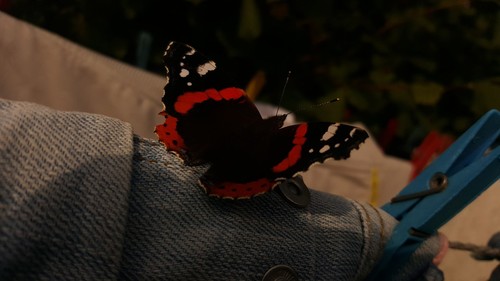
Red Admiral identified by the community
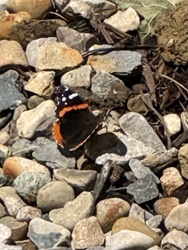
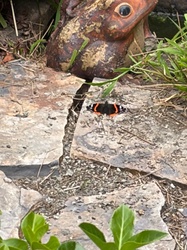
Real finds identified with Bug Identifier.
Other bugs you may enjoy
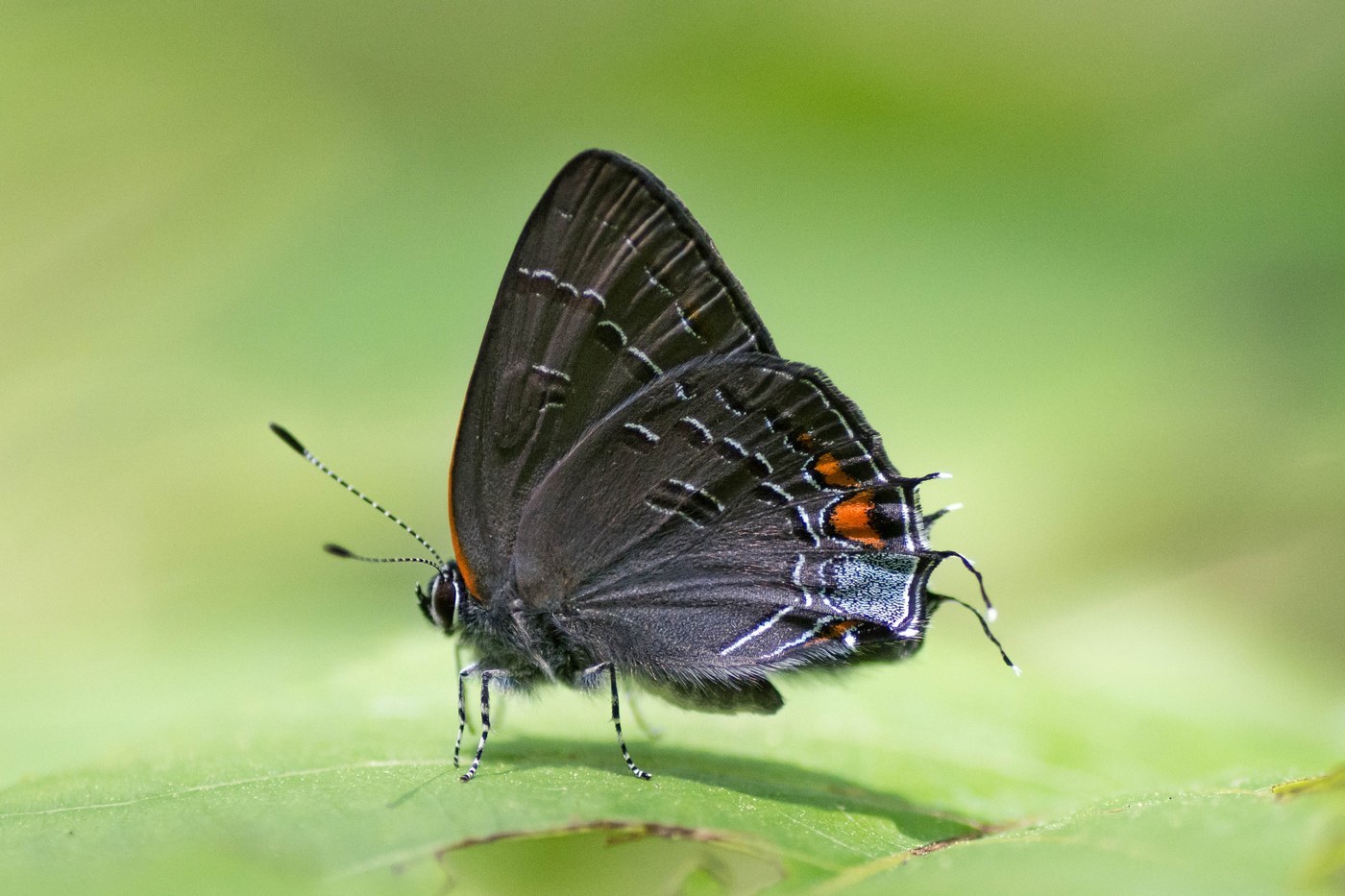
Banded Hairstreak
Deciduous woodlands and edges with oaks and hickories
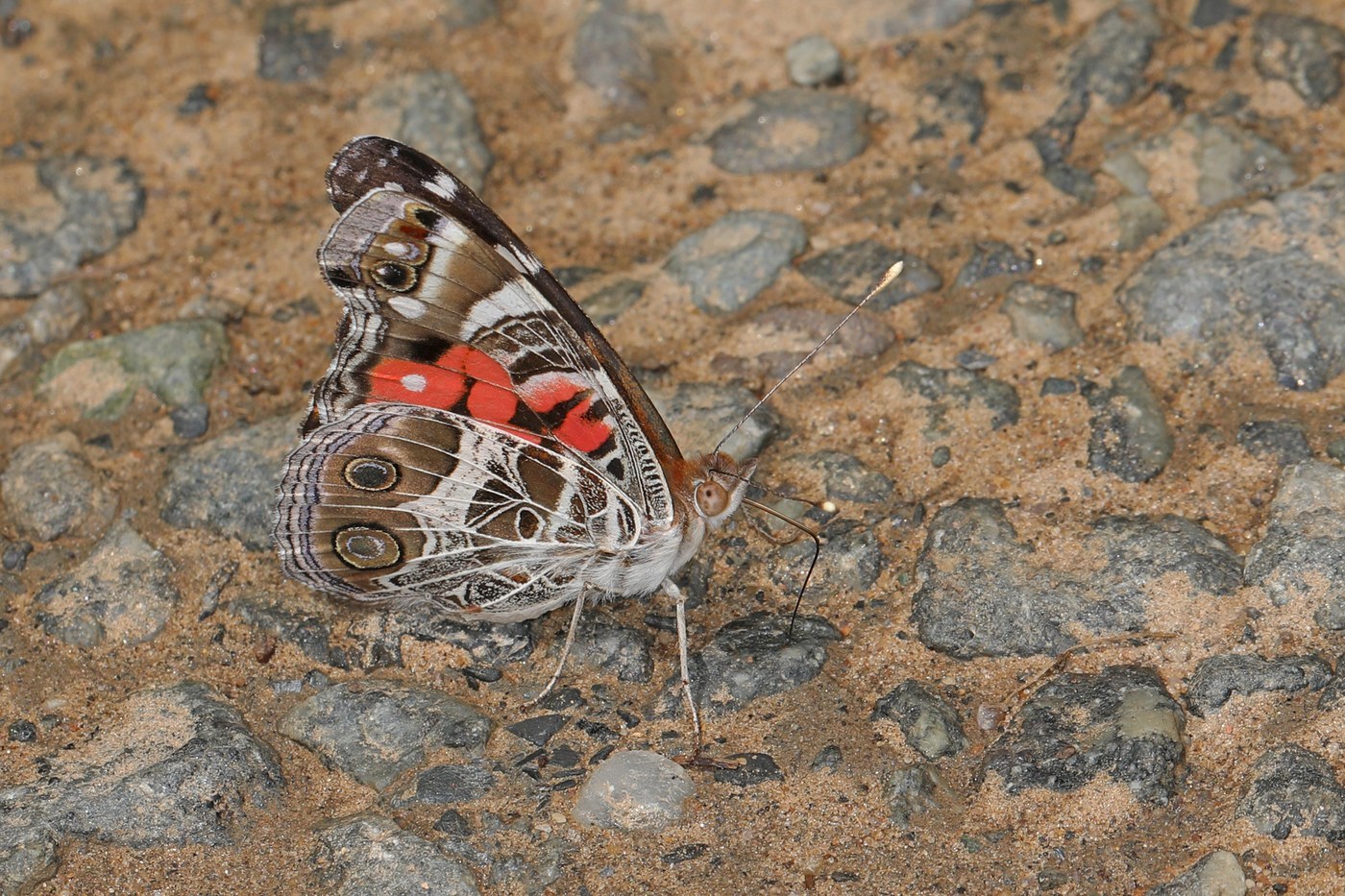
American Lady
Open fields, meadows, gardens, roadsides
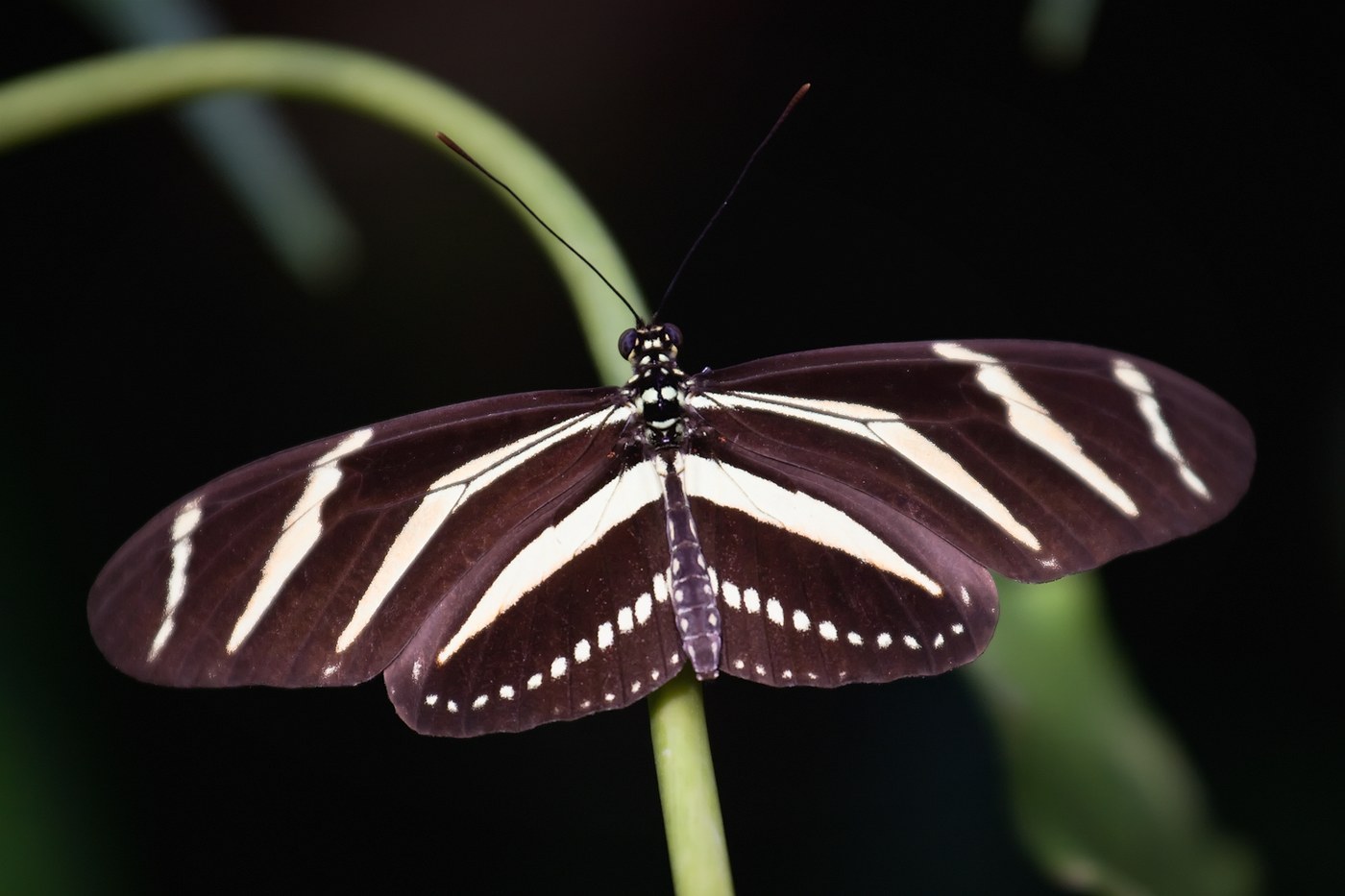
Zebra Longwing
Tropical hammocks, gardens, forest edges
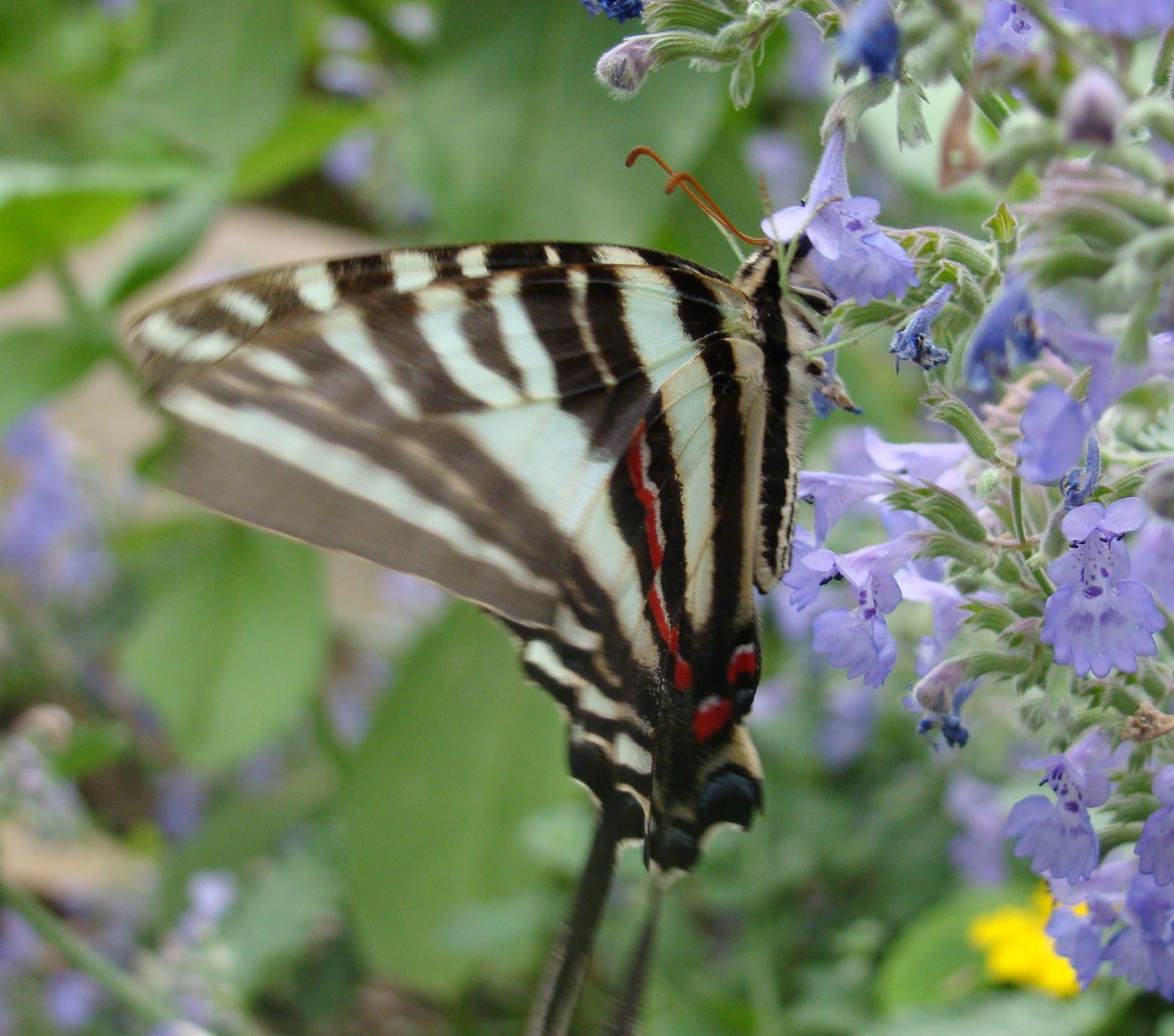
Zebra Swallowtail
Woodlands, floodplains, forest edges near pawpaw
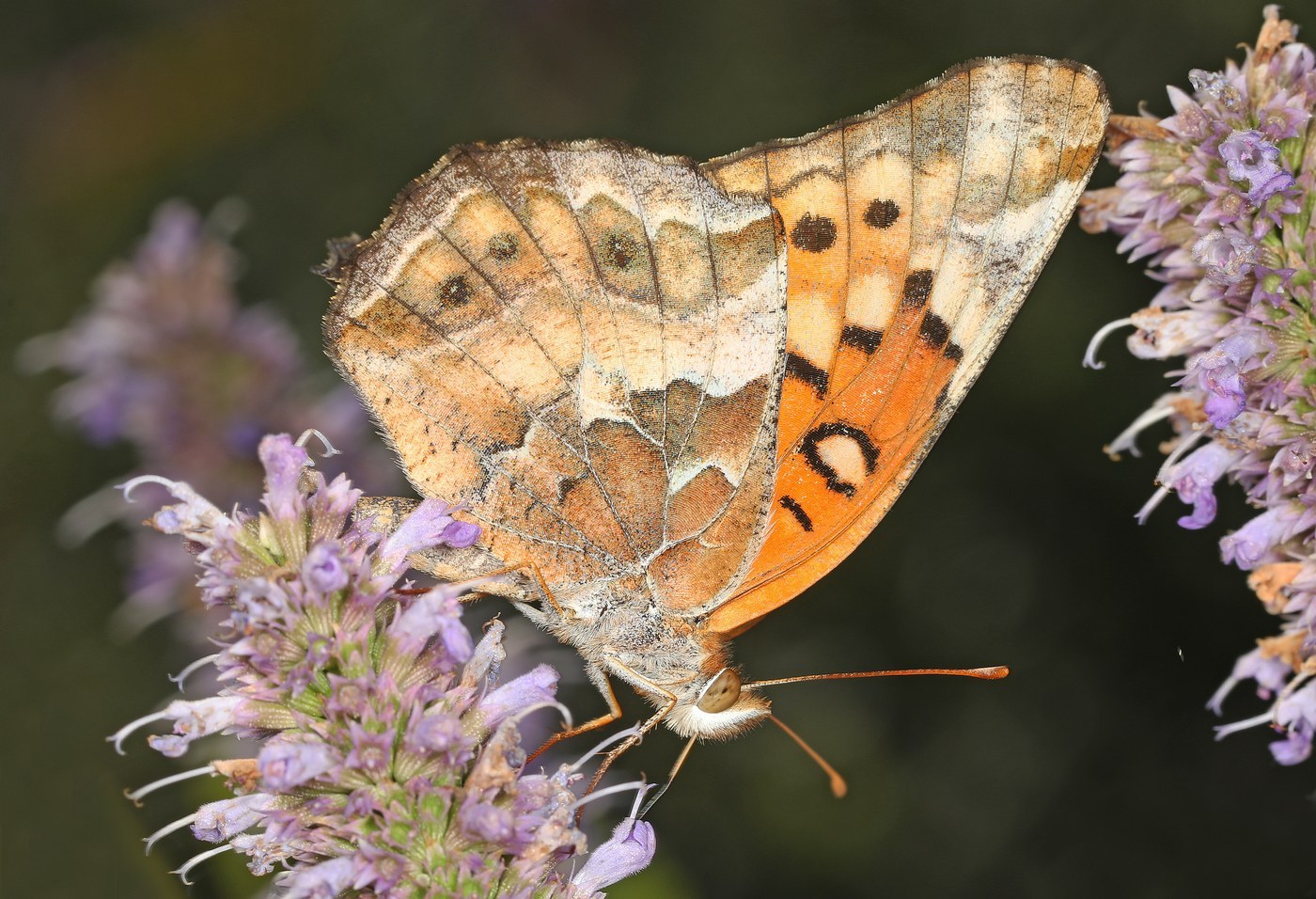
Variegated Fritillary
Open fields, prairies, roadsides, and disturbed ground across most of the United States
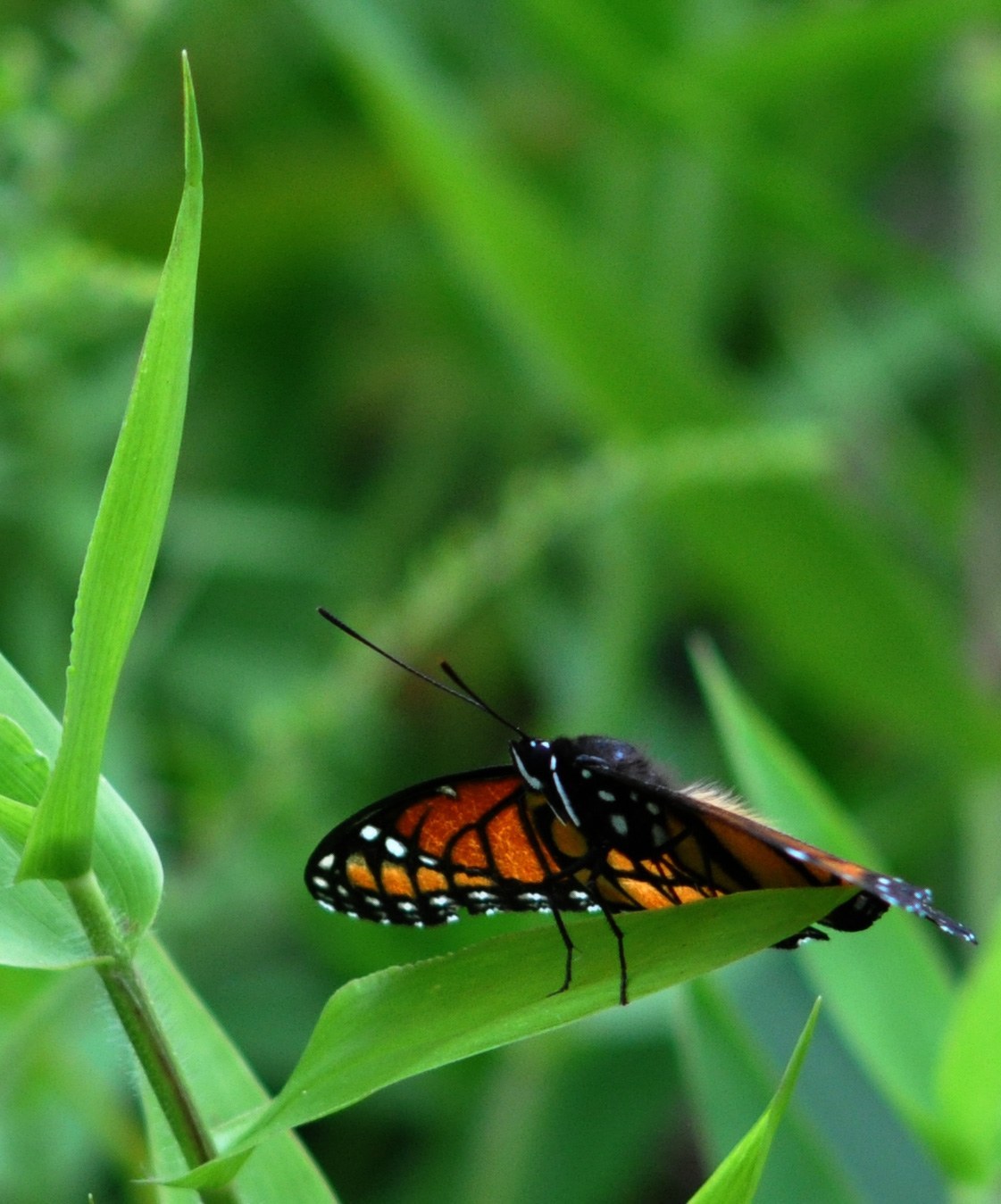
Viceroy Butterfly
Wetlands, meadows, riverbanks, willow thickets (North America)
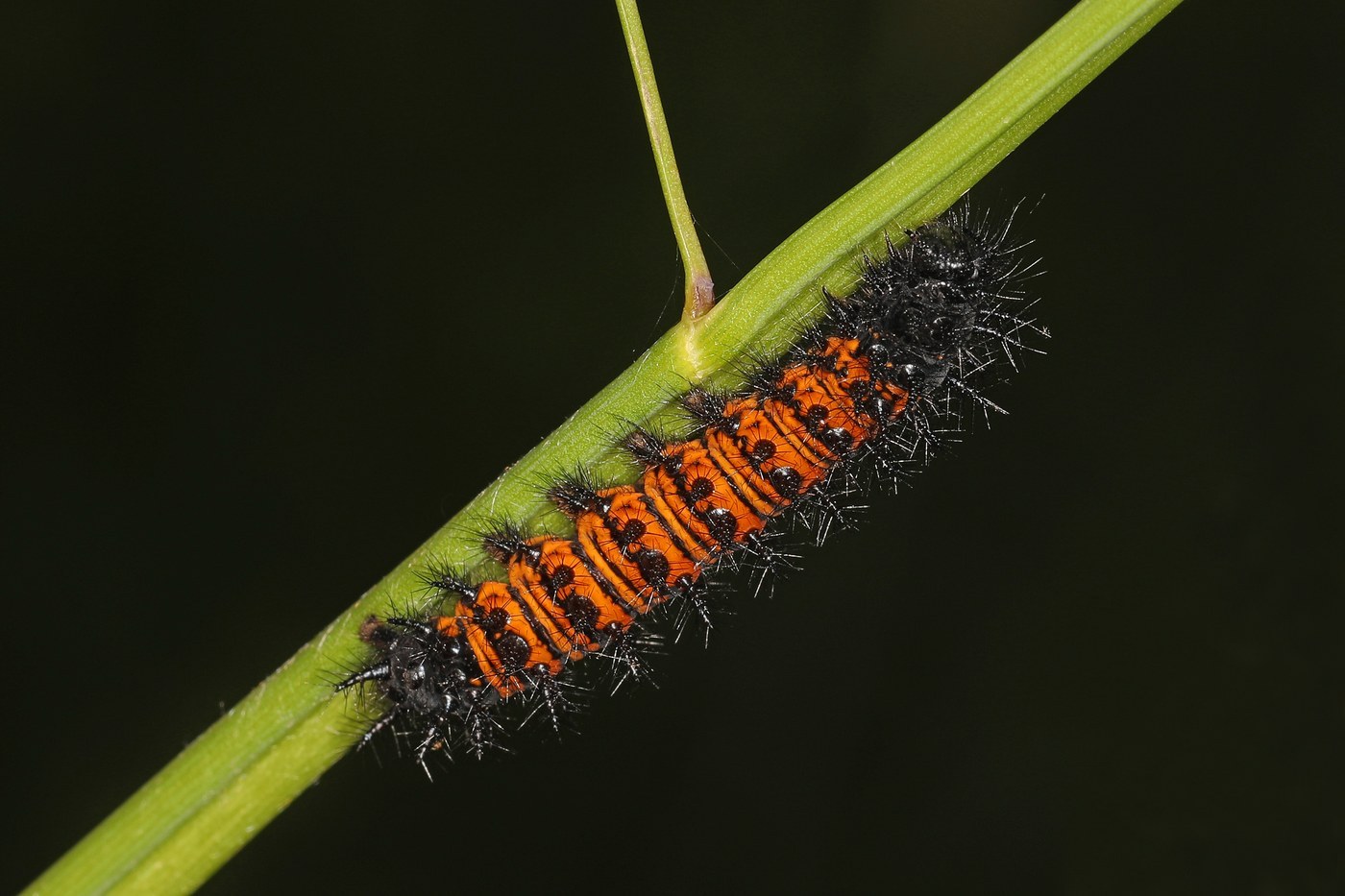
Baltimore Checkerspot
Wet meadows, bogs, and marshy fields in the northeastern and Appalachian US
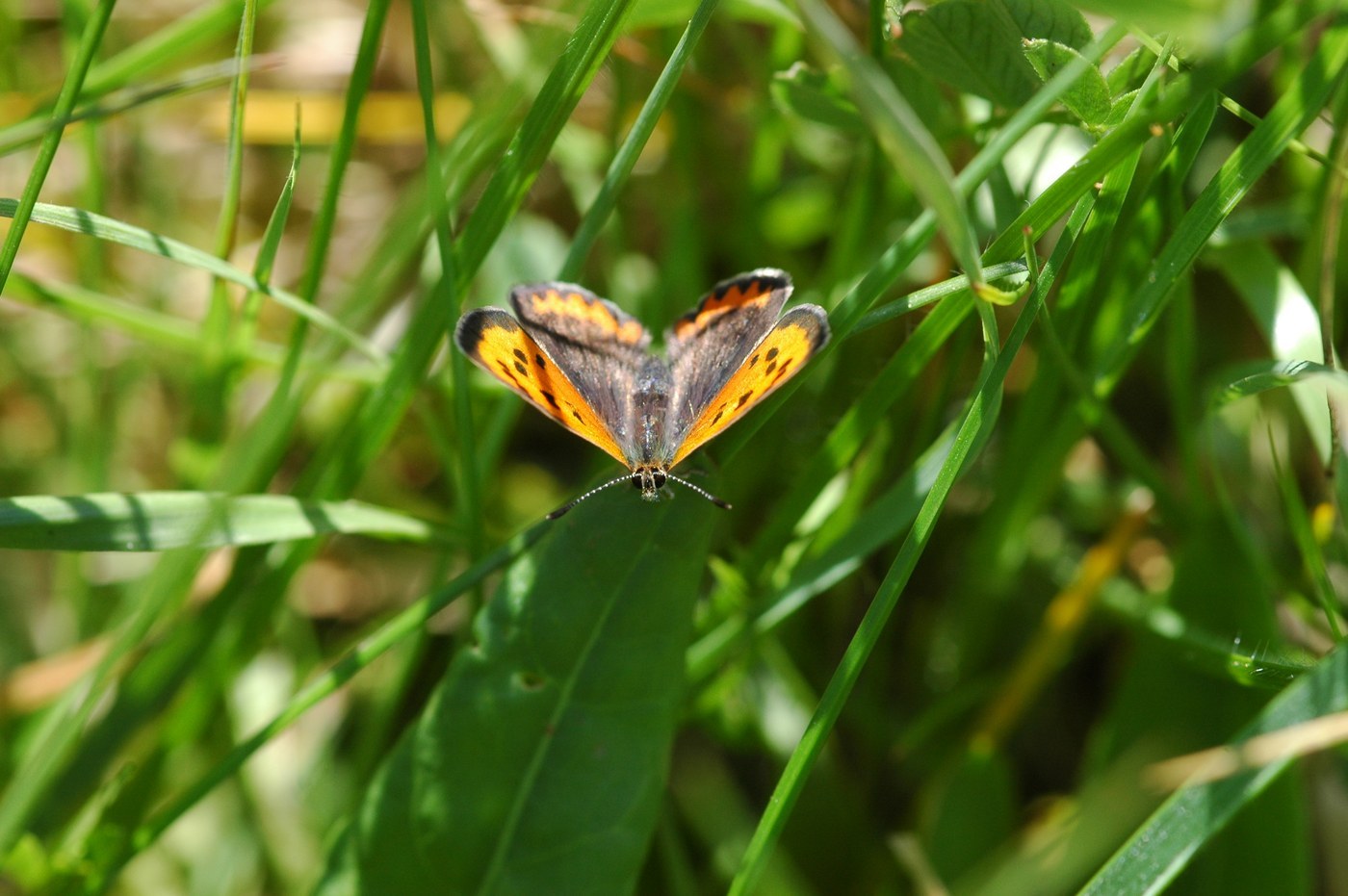
American Copper
Old fields, roadsides, and disturbed open ground with sorrel or dock
West Virginia White
Rich deciduous forest floors, especially near seeps and streams
Spring Azure
Woodland edges, gardens, shrubby clearings
Sleepy Orange
Open woodland, fields, roadsides, and disturbed ground
Spicebush Swallowtail
Deciduous forests, woodland edges, gardens