
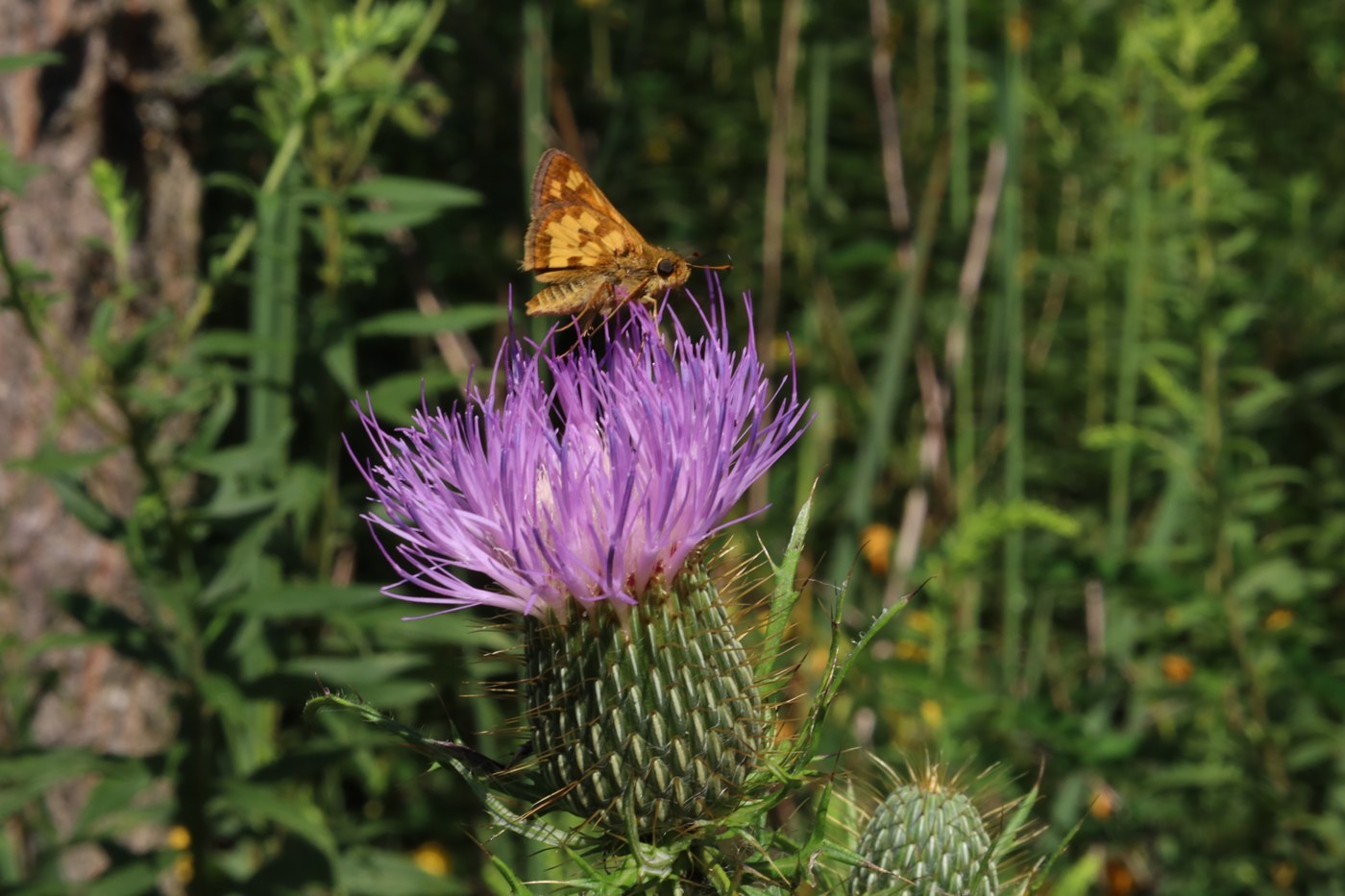
Peck's Skipper
Polites peckius
A tiny, tawny-orange and brown skipper with a bold, irregular yellow patch on the underside of the hindwing that looks almost like a splash of paint.
- Size
- 0.9–1.2 in wingspan
- Habitat
- Meadows, fields, gardens, and grassy roadsides
- Danger
- Harmless
Spotted a bug like this?
Identify any bug or insect from a photo, free.
Overview
Peck's Skipper is a small, common butterfly in the family Hesperiidae, widespread across much of the northern and eastern United States and southern Canada. It is named in honor of an early American entomologist and is one of the most frequently encountered skippers in gardens and open grassy habitats within its range.
Like other grass skippers, it has the thick body and rapid, whirring flight typical of the group, and it is often overlooked amid more colorful butterflies due to its small size and subdued brown-orange palette. Its distinctive underside pattern, however, makes it one of the more readily identifiable small skippers once observed at rest.
The species plays a small but steady role in pollination of wildflowers and is an indicator of healthy, unmowed grassy patches within suburban and rural landscapes alike.
How to Identify
- Small skipper with dark brown wings above marked by orange-tawny patches, more extensive and yellowish on the male.
- The key identification feature is the underside of the hindwing: a bold, irregular pale yellow patch set against dark brown, forming a distinctive blotchy pattern unlike the more uniform bands of related species.
- Fringe of the wings is pale and contrasts with the darker wing base.
- Antennae are short and clubbed, typical of grass skippers.
- Distinguished from similar species like the Tawny-edged Skipper by the irregular, blotch-like (rather than banded) yellow underside marking.
Habitat & Range
Peck's Skipper is found in open, sunny, grassy habitats including meadows, old fields, gardens, roadsides, and lawns across the northeastern and north-central United States, extending into southern Canada and south along the Appalachians. Adults are on the wing from late spring into early autumn, with two broods typical across much of its range, and they favor areas with a mix of grasses for larvae and flowering plants for adult nectaring.
Behavior & Diet
Adults fly with the quick, darting movement typical of grass skippers, visiting a wide range of low flowers for nectar, including clover, verbena, and asters. Males perch on low vegetation in sunny openings to watch for passing females. The caterpillars feed on various grasses, constructing a shelter by tying blades together with silk and hiding within it between feeding bouts, a behavior that offers protection from predators and weather.
Life Cycle
Eggs are laid singly on grass blades near the host plant. Caterpillars are pale green with a darker stripe and a distinct dark head, living concealed in a silked grass-blade shelter and feeding on the surrounding foliage. The species typically produces two generations per year across much of its range, with the second-brood caterpillars entering a dormant overwintering stage within their grassy shelters before pupating and emerging the following spring.
Frequently asked questions
How do I recognize Peck's Skipper from similar grass skippers?
Look at the hindwing underside: Peck's Skipper shows an irregular, blotchy pale yellow patch rather than the more even banding seen in related species.
Where is Peck's Skipper commonly found?
It favors open grassy habitats such as meadows, gardens, and roadsides across the northeastern and north-central United States and southern Canada.
What do the caterpillars eat?
They feed on various grass species, sheltering within silk-tied grass blades between feeding periods.
How many generations does it have each year?
Most populations produce two generations annually, with late-season caterpillars overwintering before completing development the following spring.
Peck's Skipper guides
In-depth guides for identifying, understanding, and living alongside Peck's Skipper.
Other bugs you may enjoy
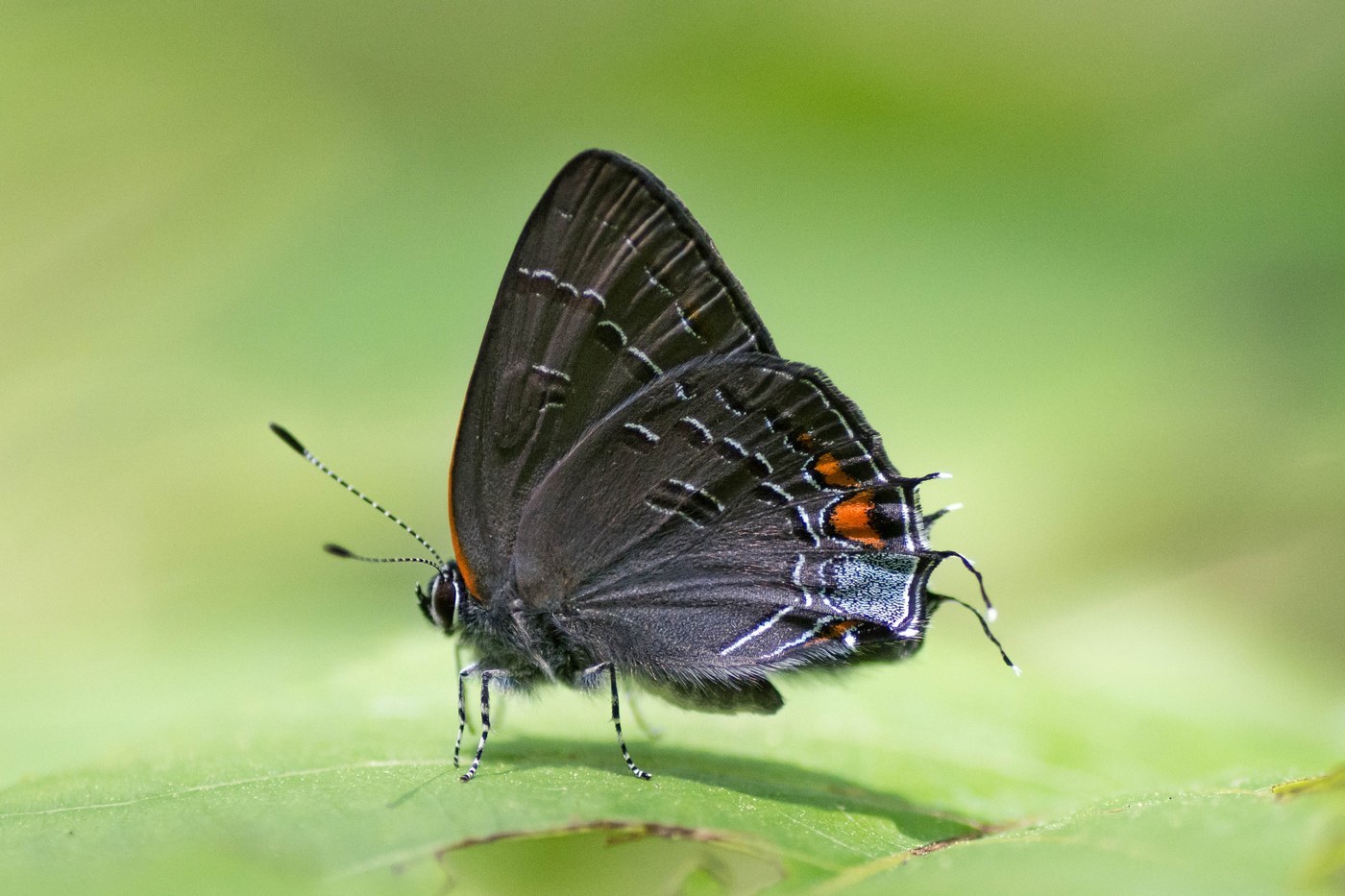
Banded Hairstreak
Deciduous woodlands and edges with oaks and hickories
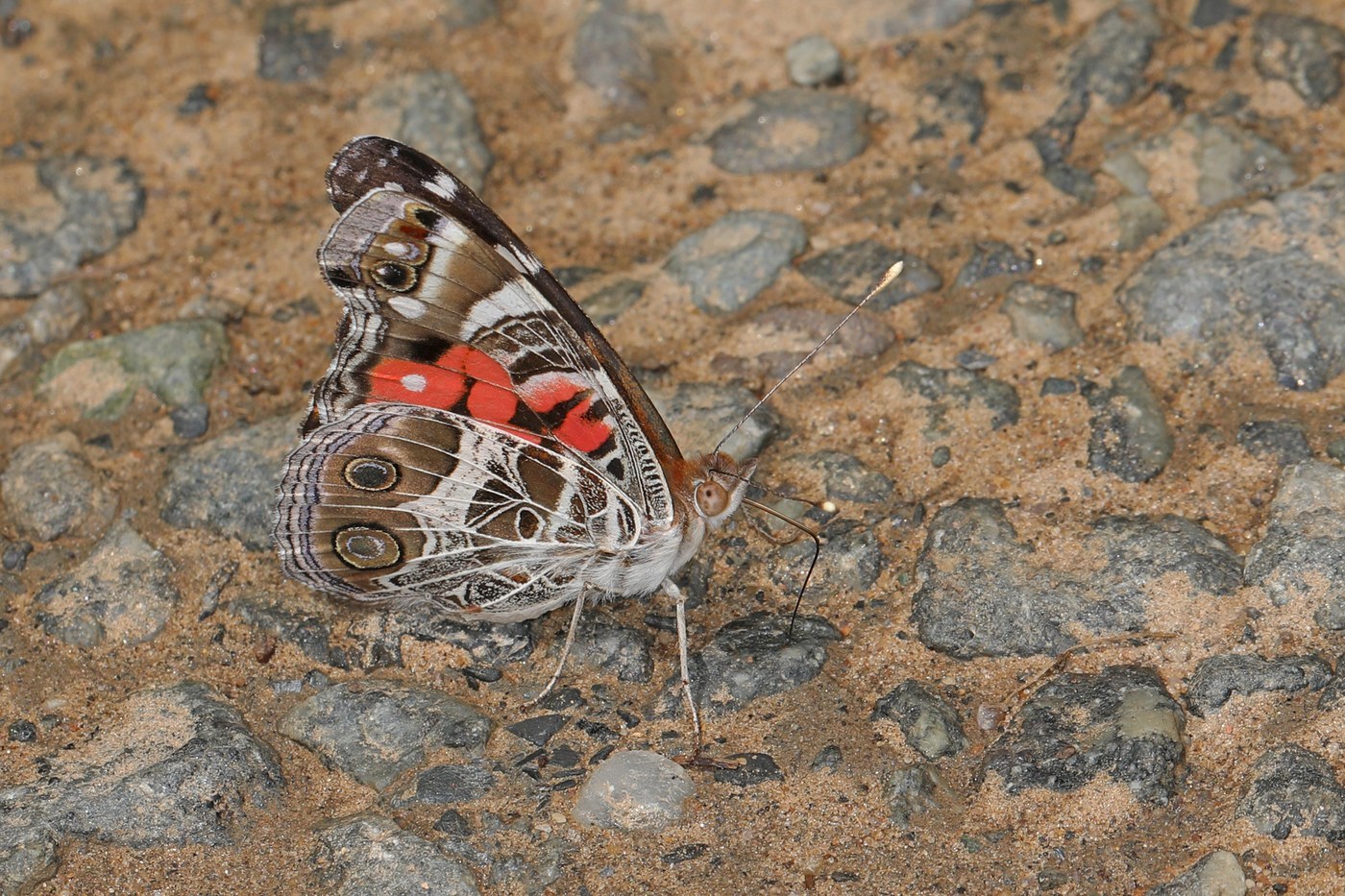
American Lady
Open fields, meadows, gardens, roadsides
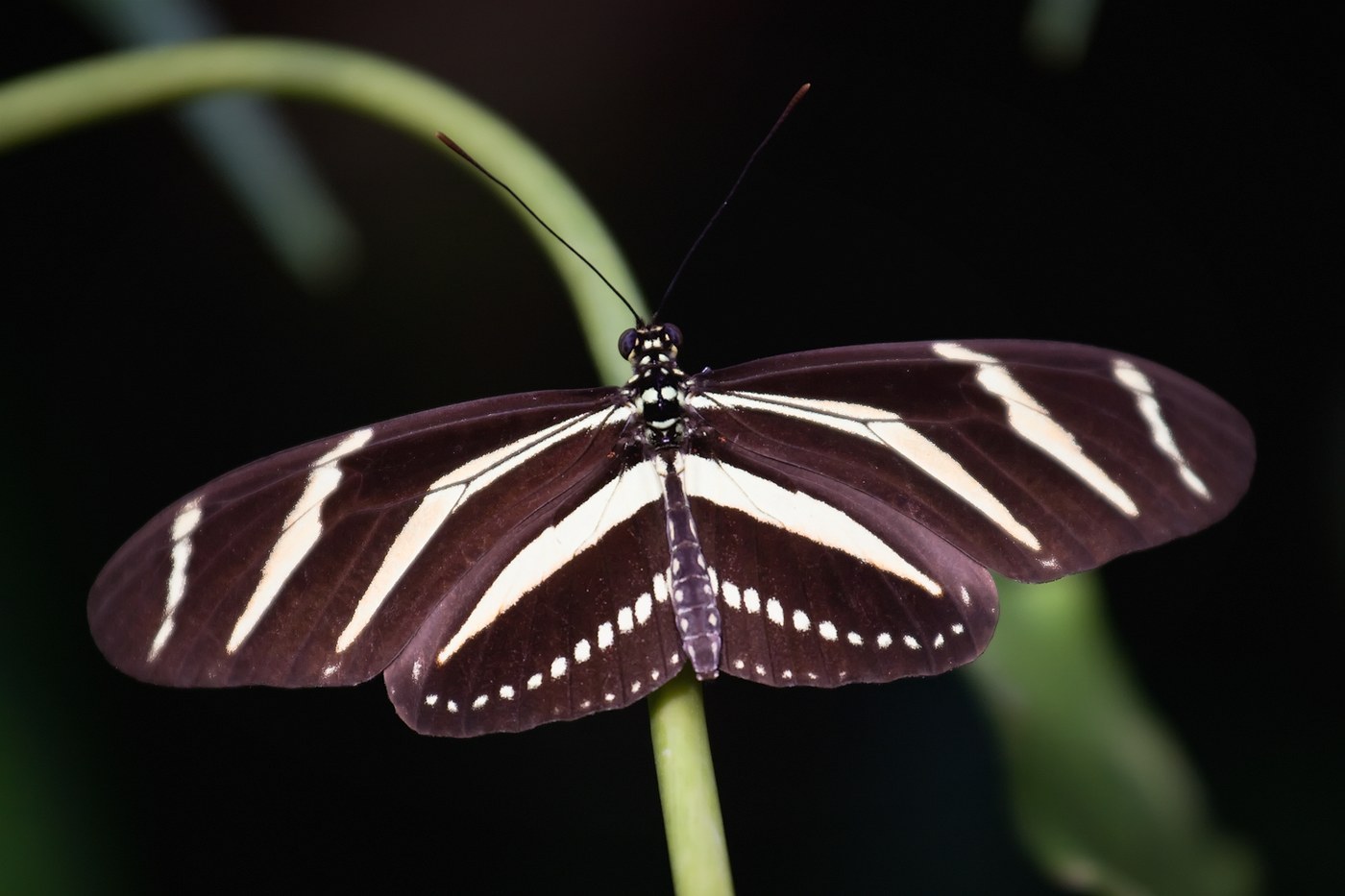
Zebra Longwing
Tropical hammocks, gardens, forest edges
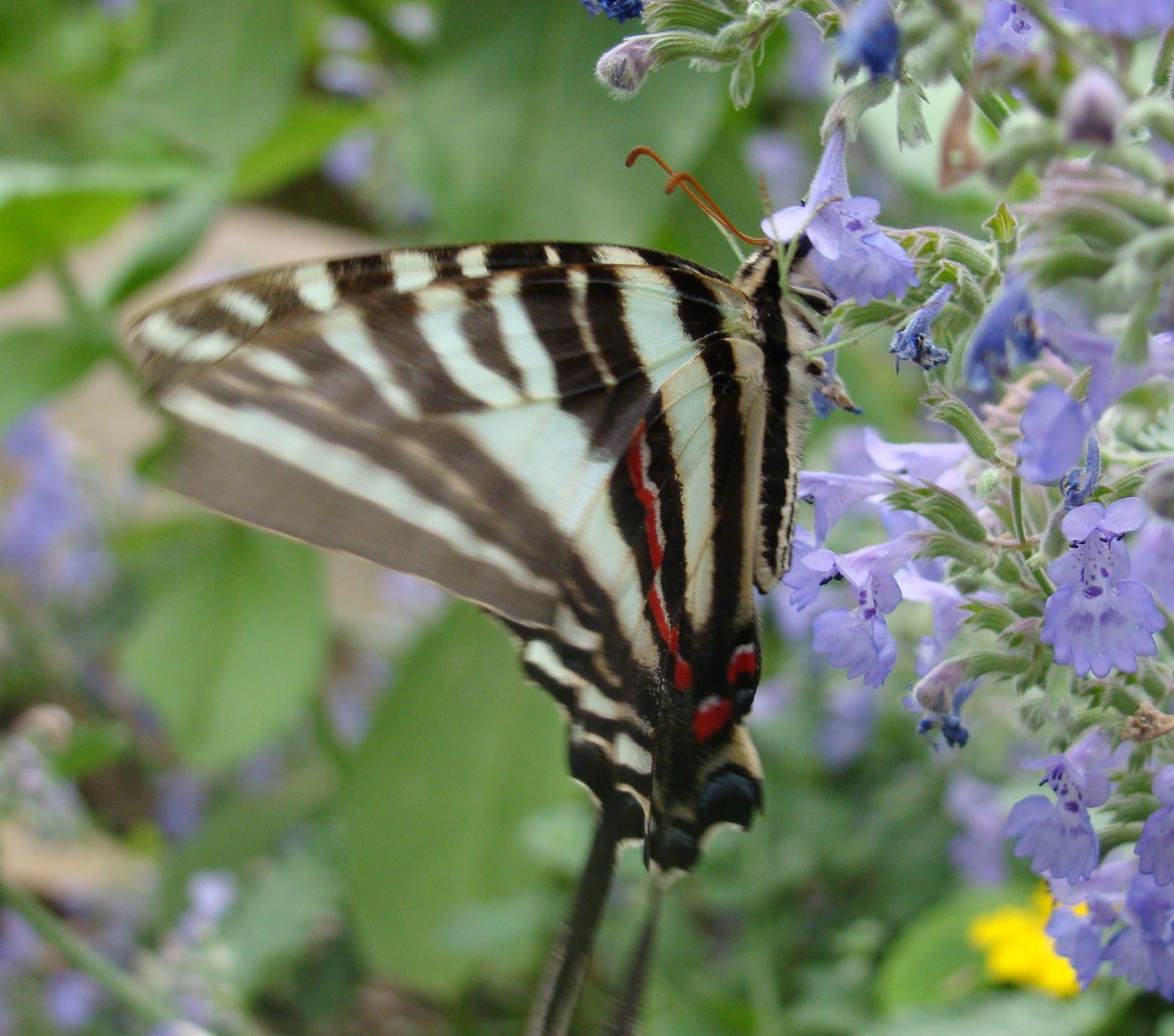
Zebra Swallowtail
Woodlands, floodplains, forest edges near pawpaw
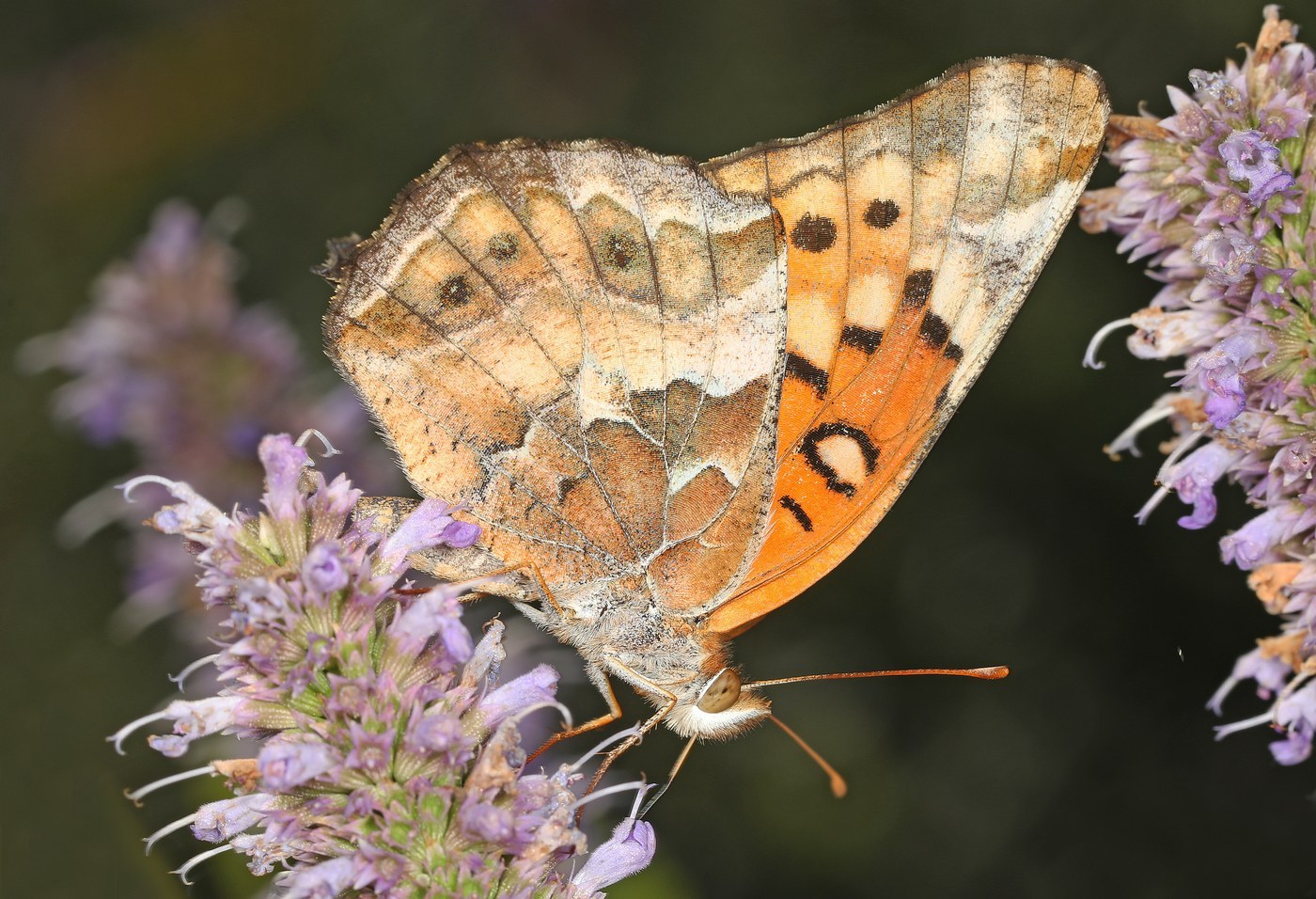
Variegated Fritillary
Open fields, prairies, roadsides, and disturbed ground across most of the United States
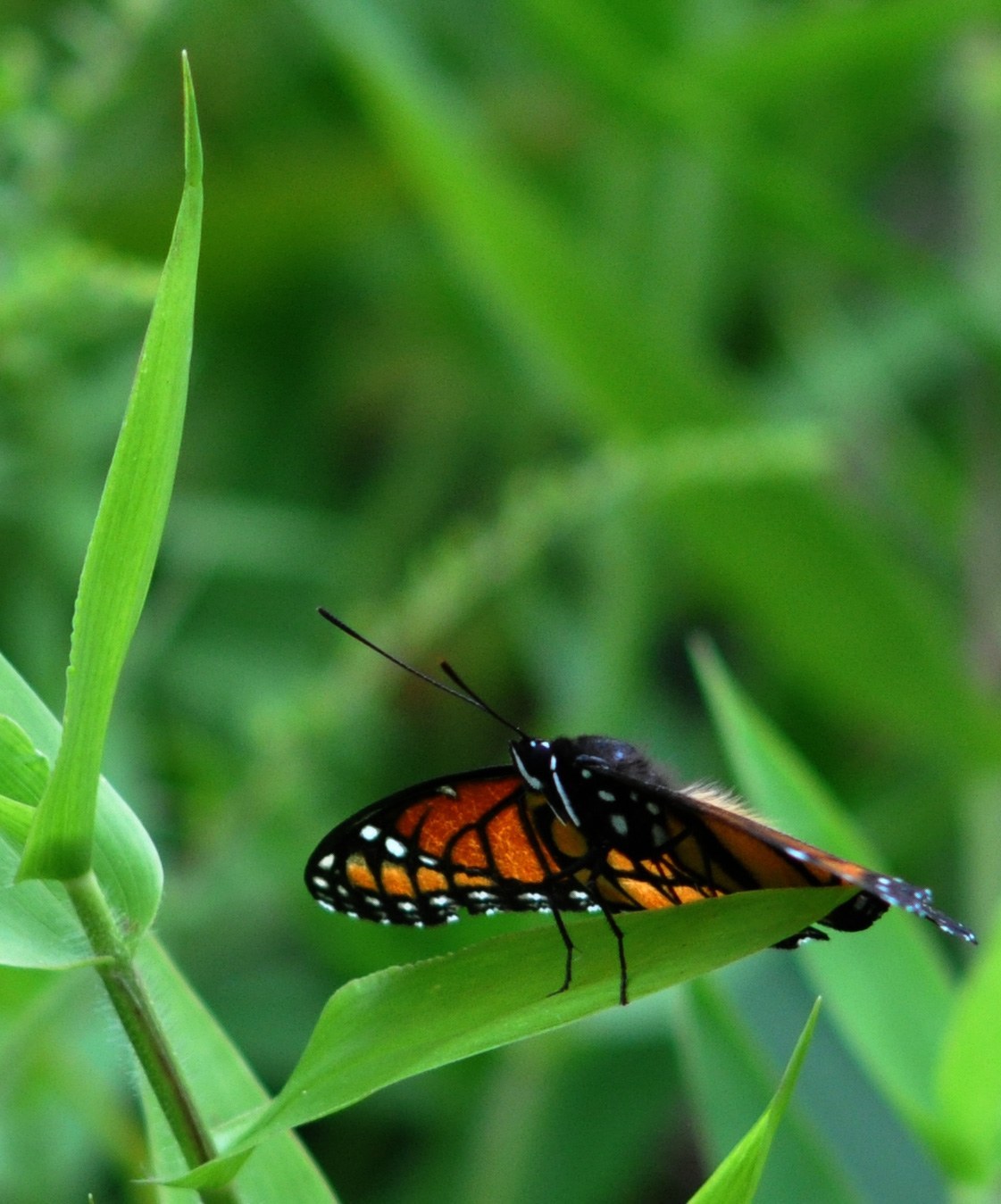
Viceroy Butterfly
Wetlands, meadows, riverbanks, willow thickets (North America)
Baltimore Checkerspot
Wet meadows, bogs, and marshy fields in the northeastern and Appalachian US
American Copper
Old fields, roadsides, and disturbed open ground with sorrel or dock
West Virginia White
Rich deciduous forest floors, especially near seeps and streams
Spring Azure
Woodland edges, gardens, shrubby clearings
Red Admiral
Gardens, woodland edges, parks, meadows
Sleepy Orange
Open woodland, fields, roadsides, and disturbed ground