
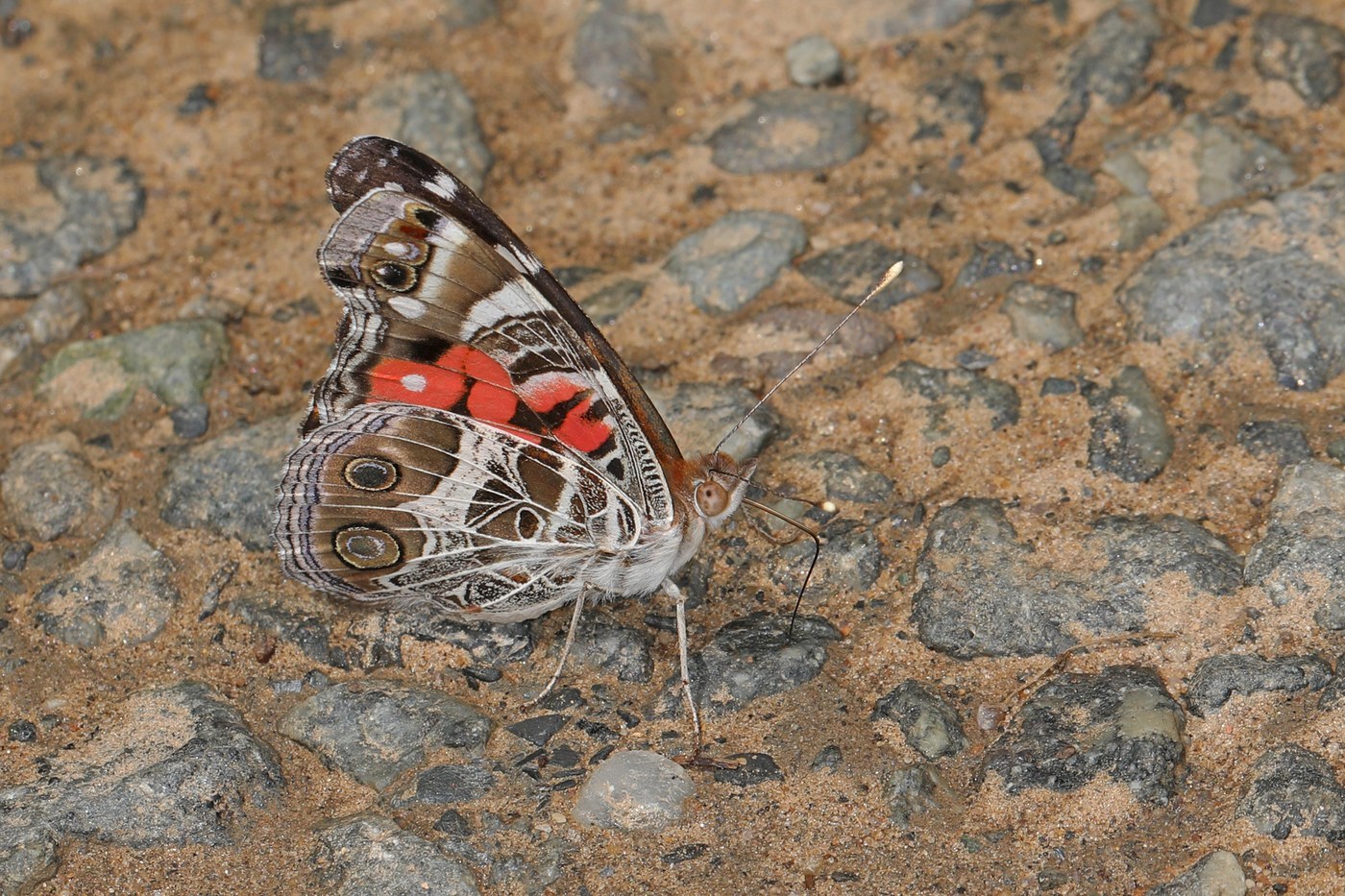
American Lady
Vanessa virginiensis
A boldly patterned orange-and-black brushfoot butterfly best identified by two large eyespots on its underside hindwing and a distinctive small white spot within the orange field of its forewing.
- Size
- 1.7–2.4 in wingspan
- Habitat
- Open fields, meadows, gardens, roadsides
- Danger
- Harmless
Spotted a bug like this?
Identify any bug or insect from a photo, free.
Overview
The American Lady is a member of the Nymphalidae family and the genus Vanessa, which also includes the more widely distributed Painted Lady. It is a common sight across much of North America wherever its host plants, various everlasting and cudweed species, are found growing in sunny open habitat.
The butterfly is notable for the striking pair of large, cobalt-centered eyespots on the underside of its hindwings, a feature that distinguishes it at a glance from its close relative the Painted Lady, which instead shows a row of four small eyespots. This large-eyespot pattern is thought to startle or misdirect predators away from the vulnerable body.
As a mid-sized, fast-flying nymphalid, the American Lady contributes to pollination of composite wildflowers and serves as one of many butterfly species whose caterpillars build silk-and-leaf shelters, a behavior that offers protection during development.
How to Identify
- Upperside is orange with black markings and a row of small white spots near the forewing tip; a small white spot sits within the solid orange field of the forewing, unique to this species among look-alikes.
- Underside hindwing displays two large eyespots ringed in black with blue-black centers, set against a marbled brown, tan, and white background.
- Wings are somewhat angular with a moderate wingspan and a fast, erratic flight typical of Vanessa species.
- Distinguished from the Painted Lady by the two large underside eyespots (versus four small ones) and from the West Coast Lady by wing shape and pattern detail.
Habitat & Range
Ranges across most of the United States and southern Canada, extending south into Central America; more resident in the eastern half of the continent and less consistently established in the far north and northwest, where it may recolonize seasonally.
Adults favor open, sunny habitats such as meadows, old fields, gardens, dunes, and roadside verges. It is active from spring through fall in temperate zones and year-round in warmer southern areas.
Behavior & Diet
Adults are strong, quick fliers that visit a wide range of composite flowers for nectar and will also puddle at damp soil for minerals. Males patrol open areas or perch on prominent vegetation to intercept females.
Caterpillars feed on everlasting, pussytoes, and cudweed plants, constructing a loose silk nest among the leaves where they rest and continue feeding somewhat protected from view. The species is a minor pollinator of open-field wildflowers and serves as prey for birds and predatory insects at various life stages.
Life Cycle
Females lay single green eggs on the leaves of host plants in the sunflower family, particularly everlastings such as Pussytoes (Antennaria) and cudweeds. Caterpillars are dark with yellow banding and branched spines, feeding within a silked leaf shelter through several molts.
The chrysalis is pale and mottled, suspended from silk within or near the larval shelter. The species produces two to four generations per year depending on latitude, undergoing complete metamorphosis, and overwinters as an adult or, in warmer regions, breeds continuously.
Frequently asked questions
How do I tell an American Lady from a Painted Lady?
Check the underside hindwing: the American Lady shows two large eyespots, while the Painted Lady shows a row of four smaller ones; the American Lady also has a small white spot within the orange forewing field.
What plants attract its caterpillars?
Everlasting and cudweed plants in the sunflower family, on which the larvae build a silk-webbed leaf shelter.
Is it the same as the Painted Lady?
No, they are closely related but distinct species within the genus Vanessa, distinguishable primarily by underside wing pattern.
When is it most commonly seen?
From spring through fall across most of its range, favoring sunny meadows and gardens with composite flowers.
American Lady guides
In-depth guides for identifying, understanding, and living alongside American Lady.
Other bugs you may enjoy
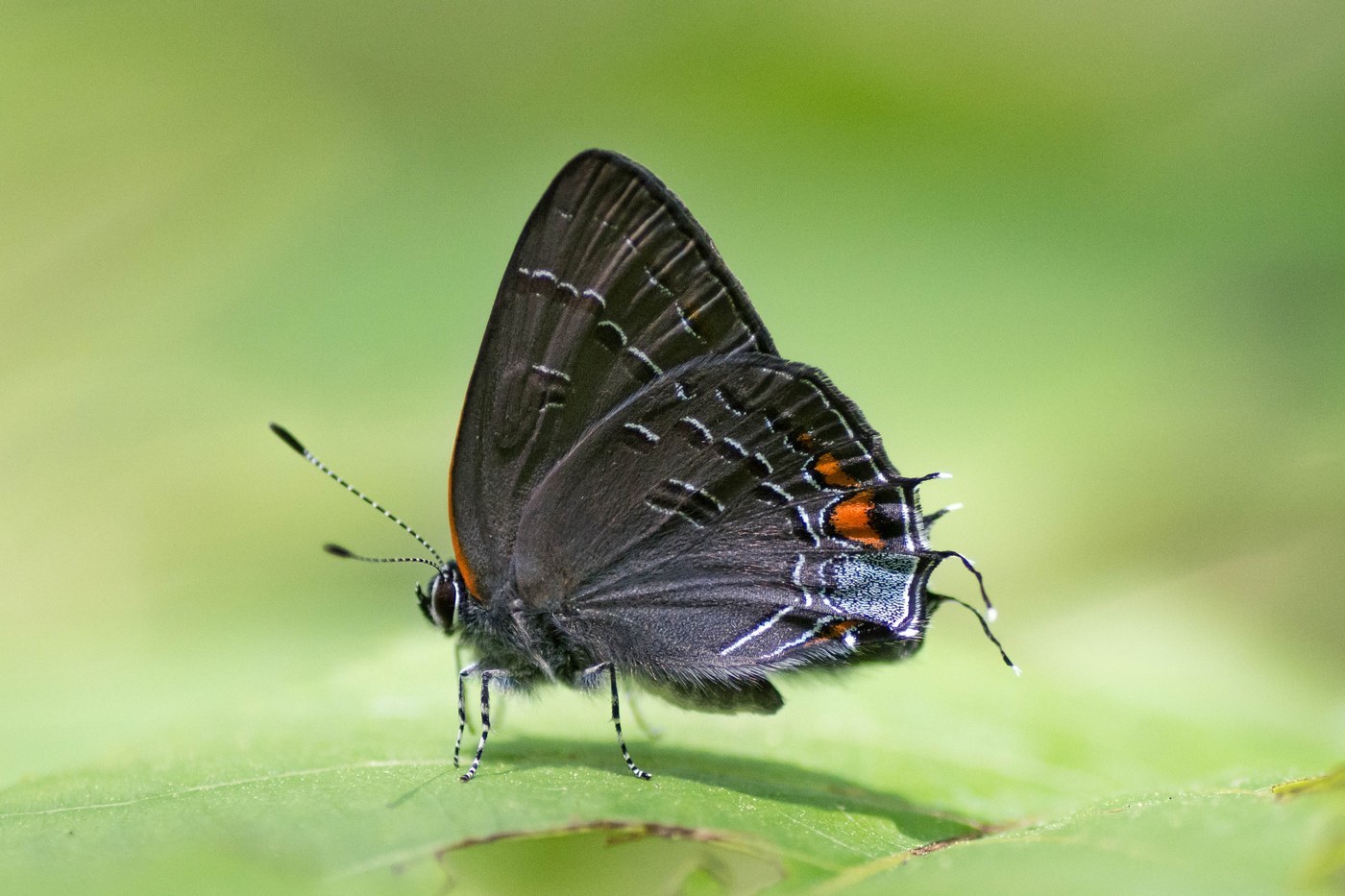
Banded Hairstreak
Deciduous woodlands and edges with oaks and hickories
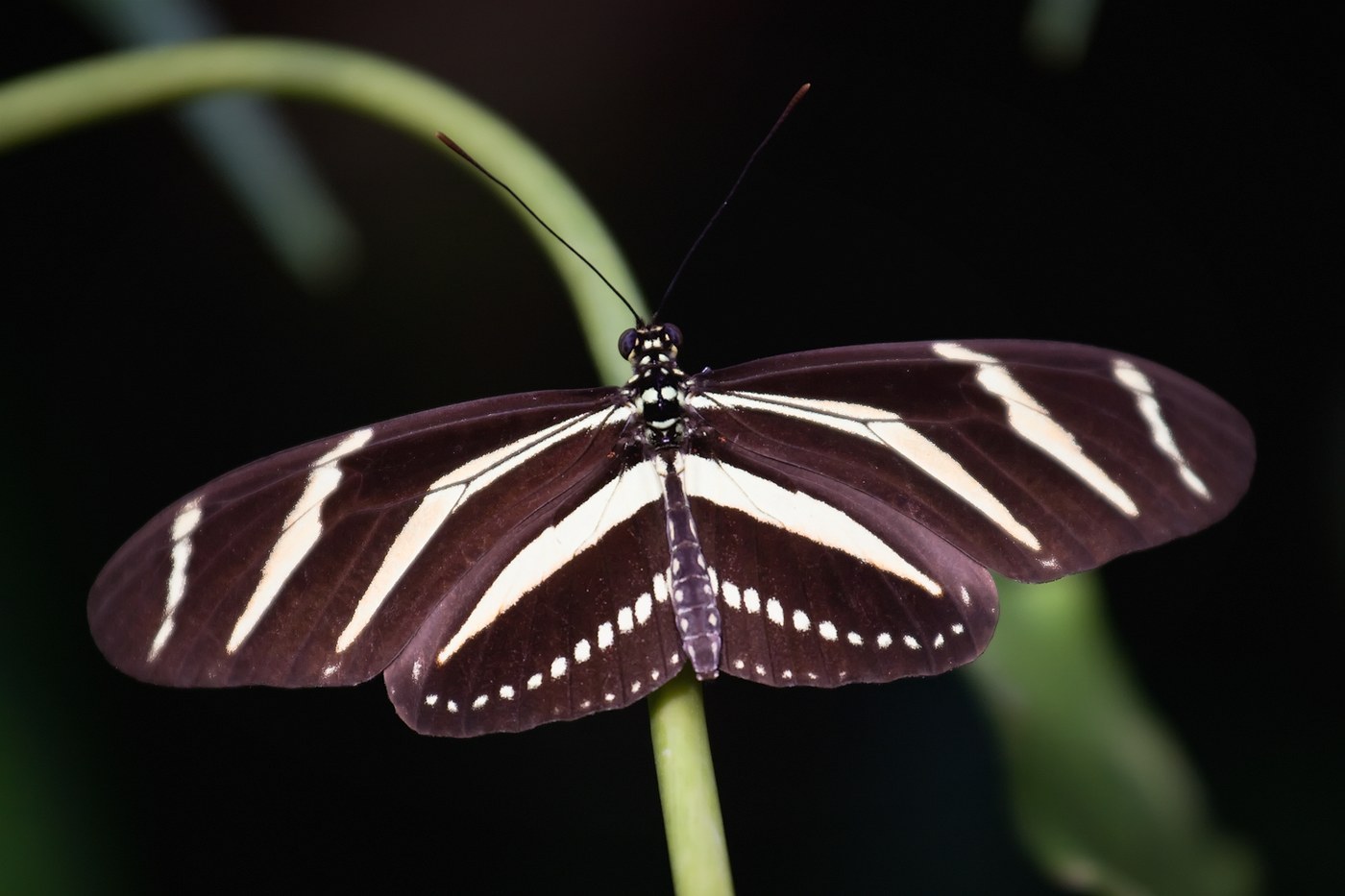
Zebra Longwing
Tropical hammocks, gardens, forest edges
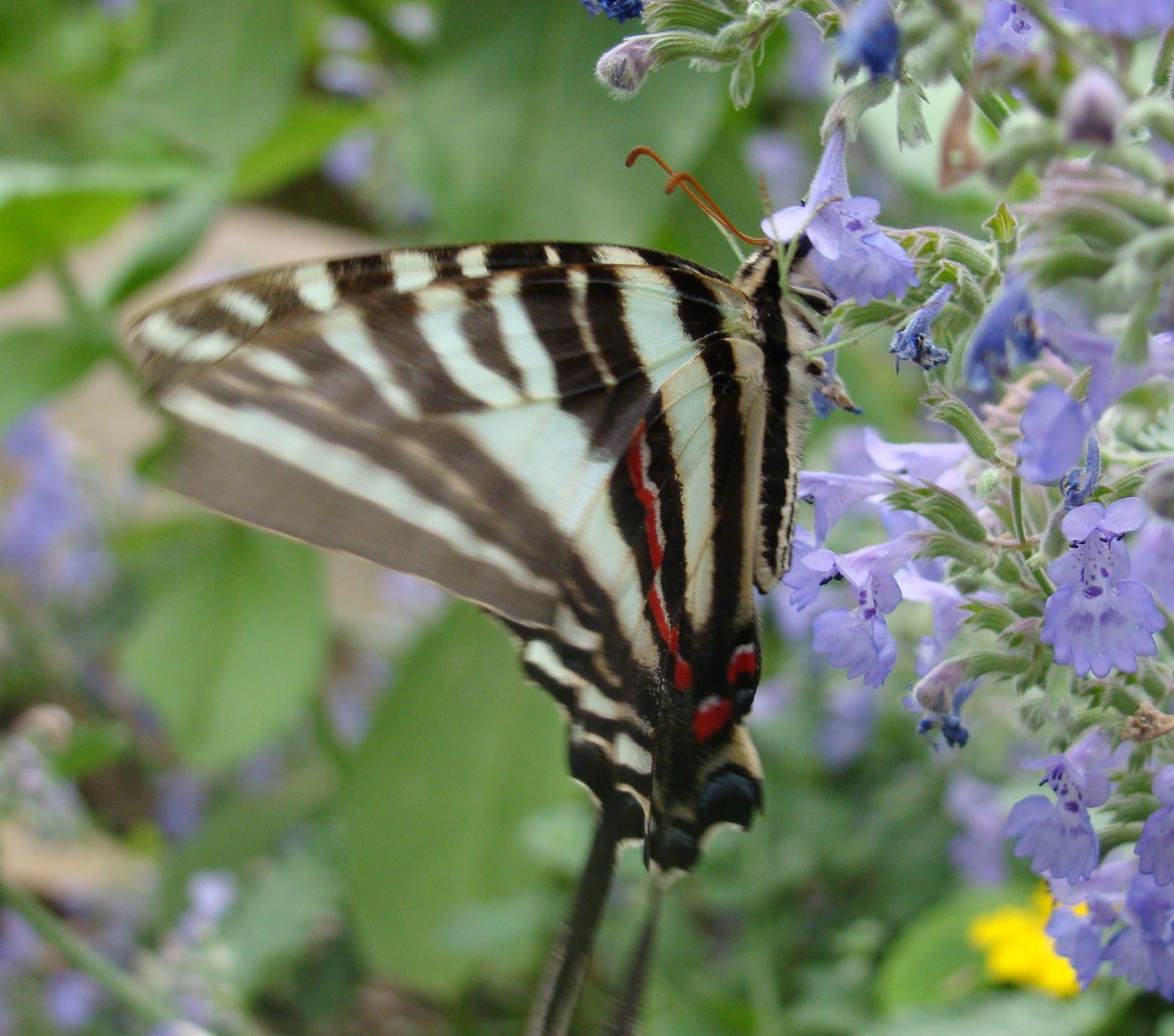
Zebra Swallowtail
Woodlands, floodplains, forest edges near pawpaw
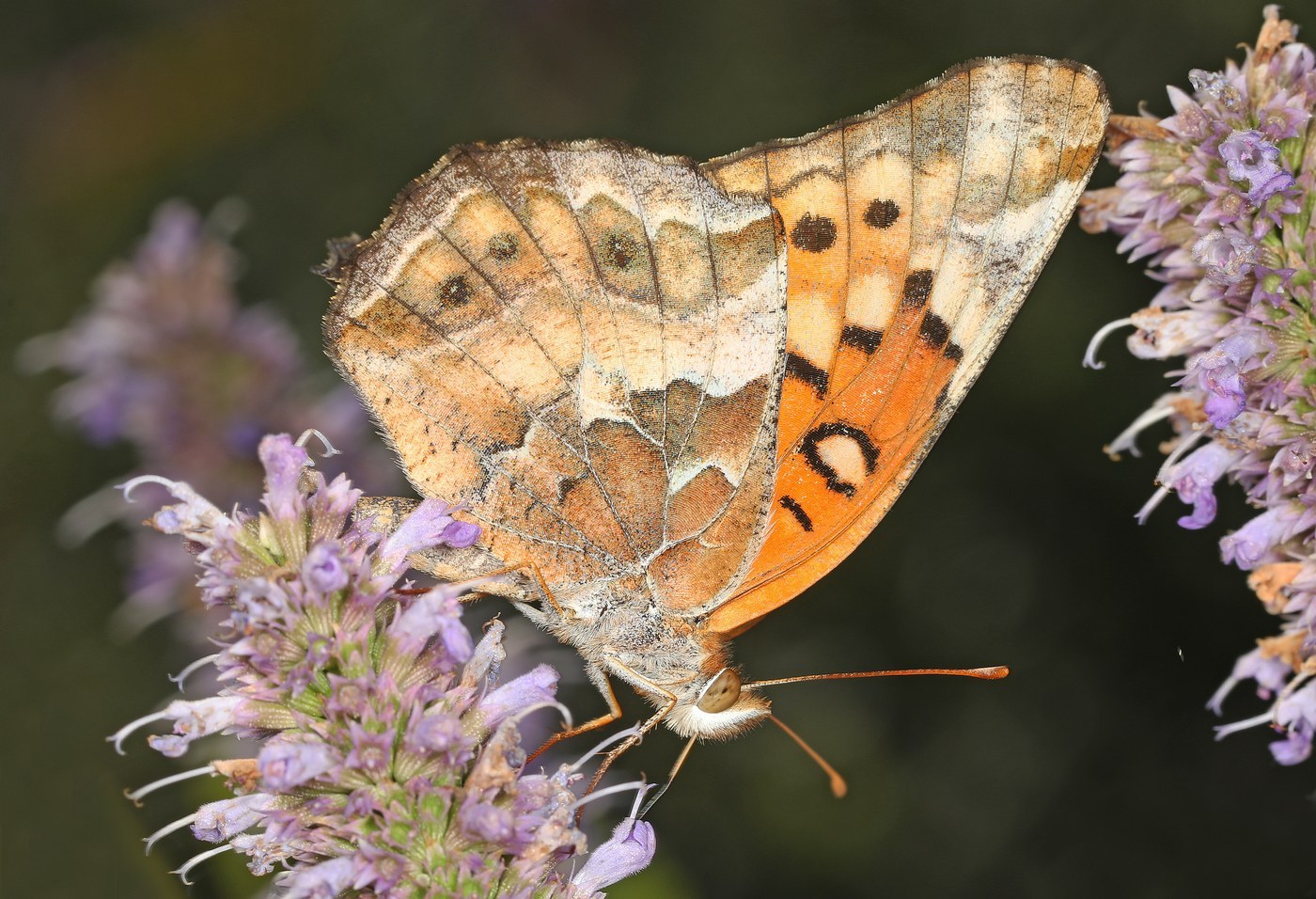
Variegated Fritillary
Open fields, prairies, roadsides, and disturbed ground across most of the United States
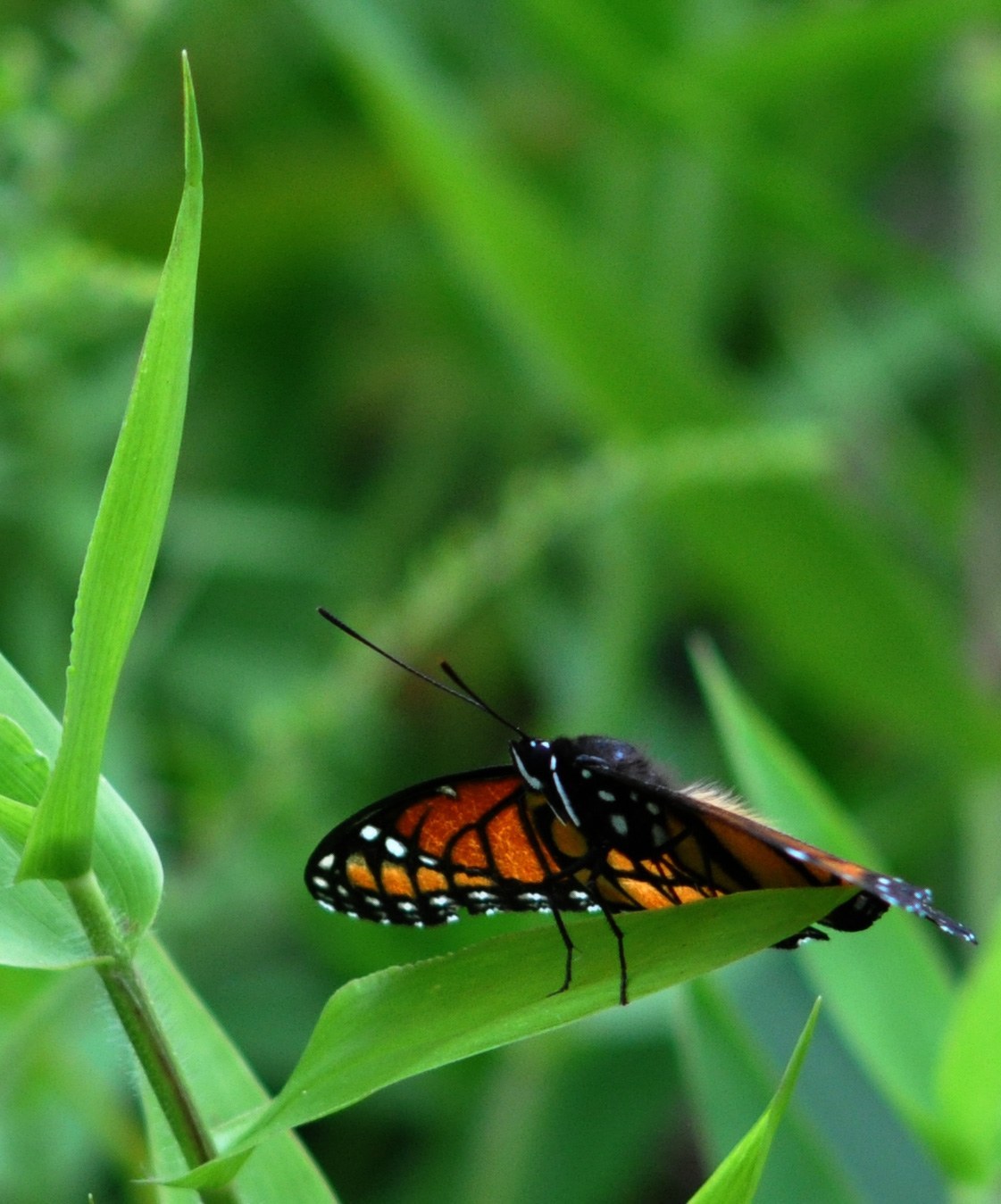
Viceroy Butterfly
Wetlands, meadows, riverbanks, willow thickets (North America)
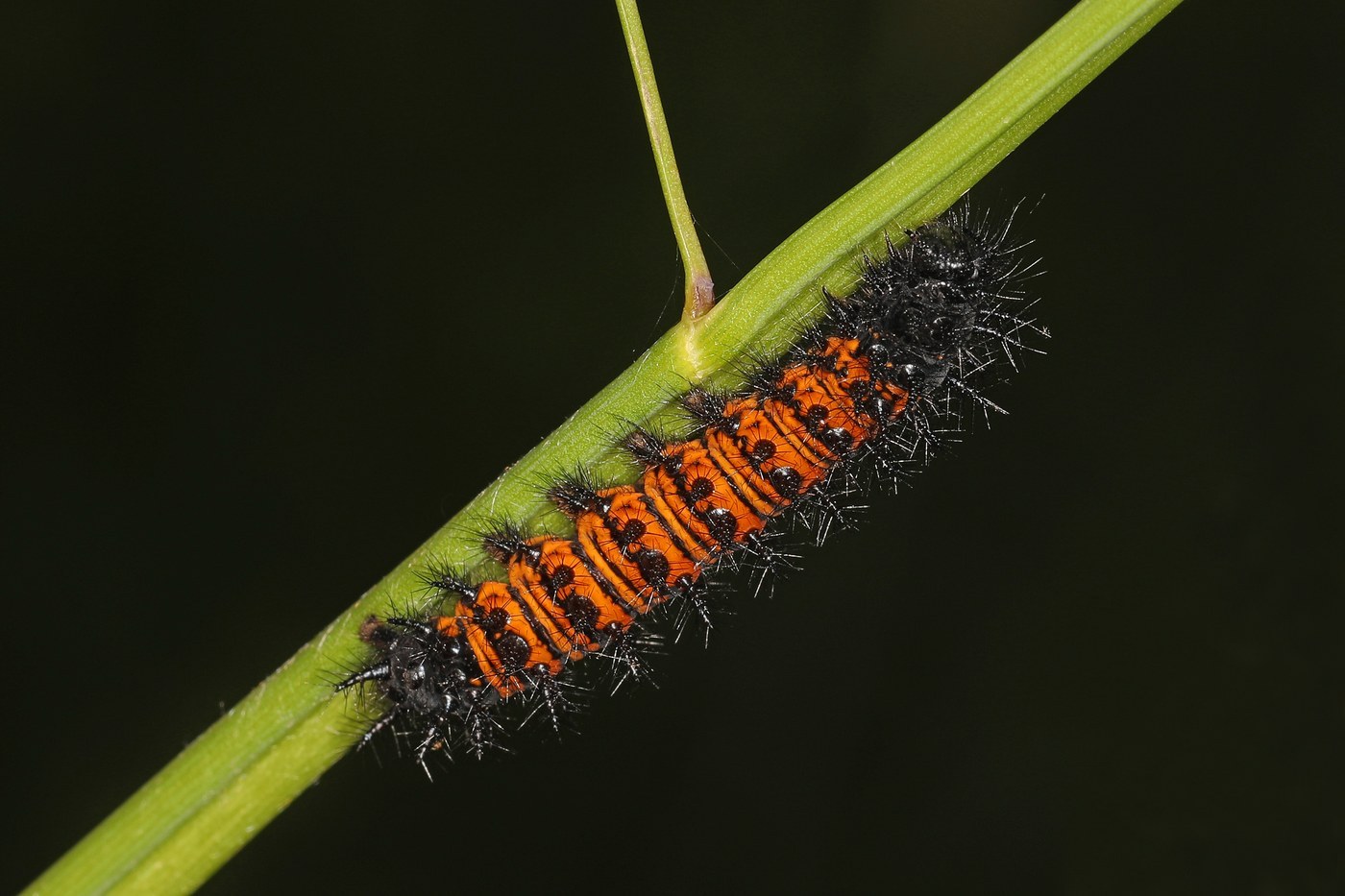
Baltimore Checkerspot
Wet meadows, bogs, and marshy fields in the northeastern and Appalachian US
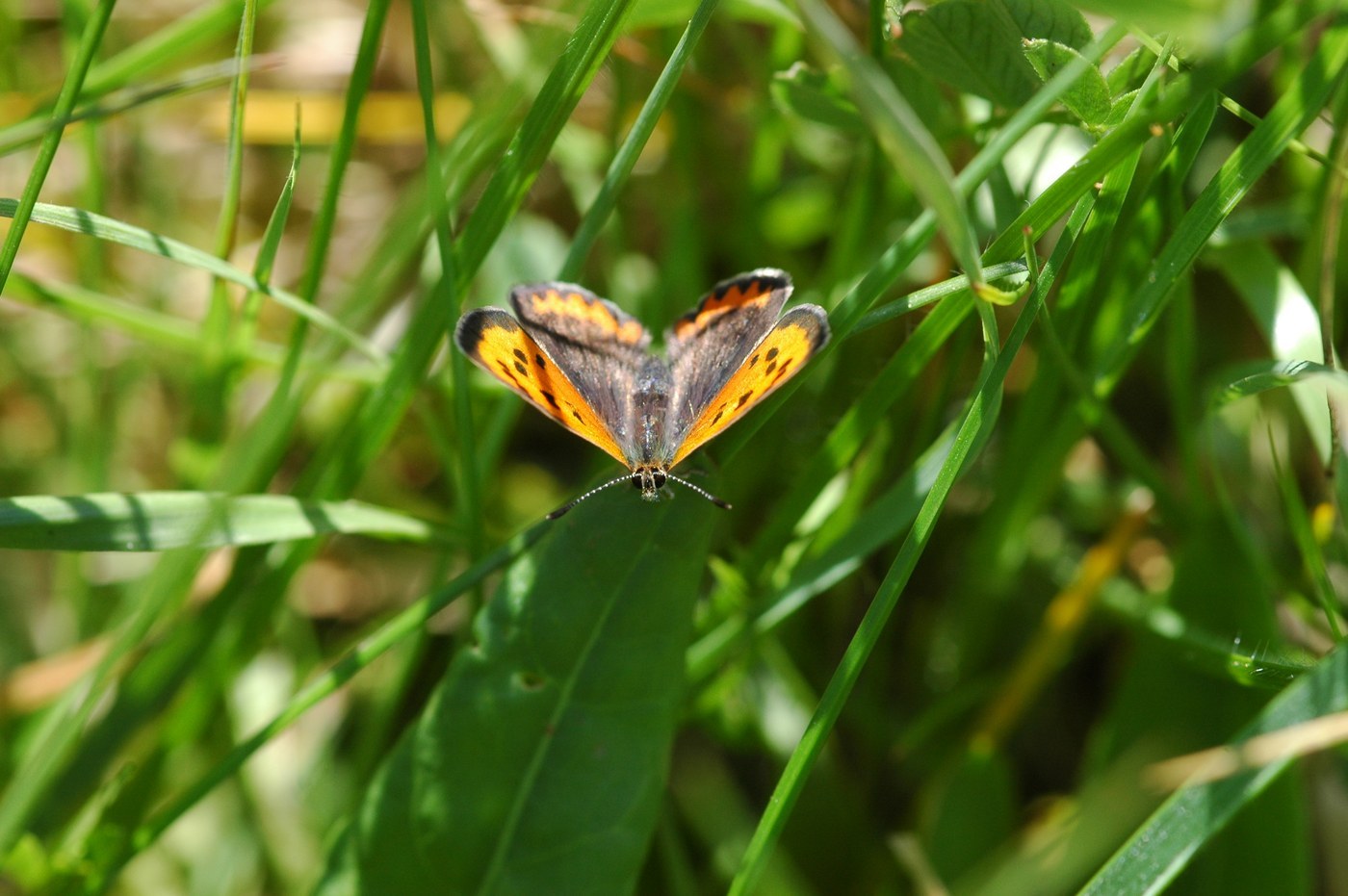
American Copper
Old fields, roadsides, and disturbed open ground with sorrel or dock
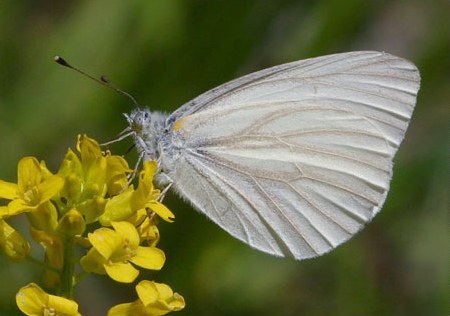
West Virginia White
Rich deciduous forest floors, especially near seeps and streams
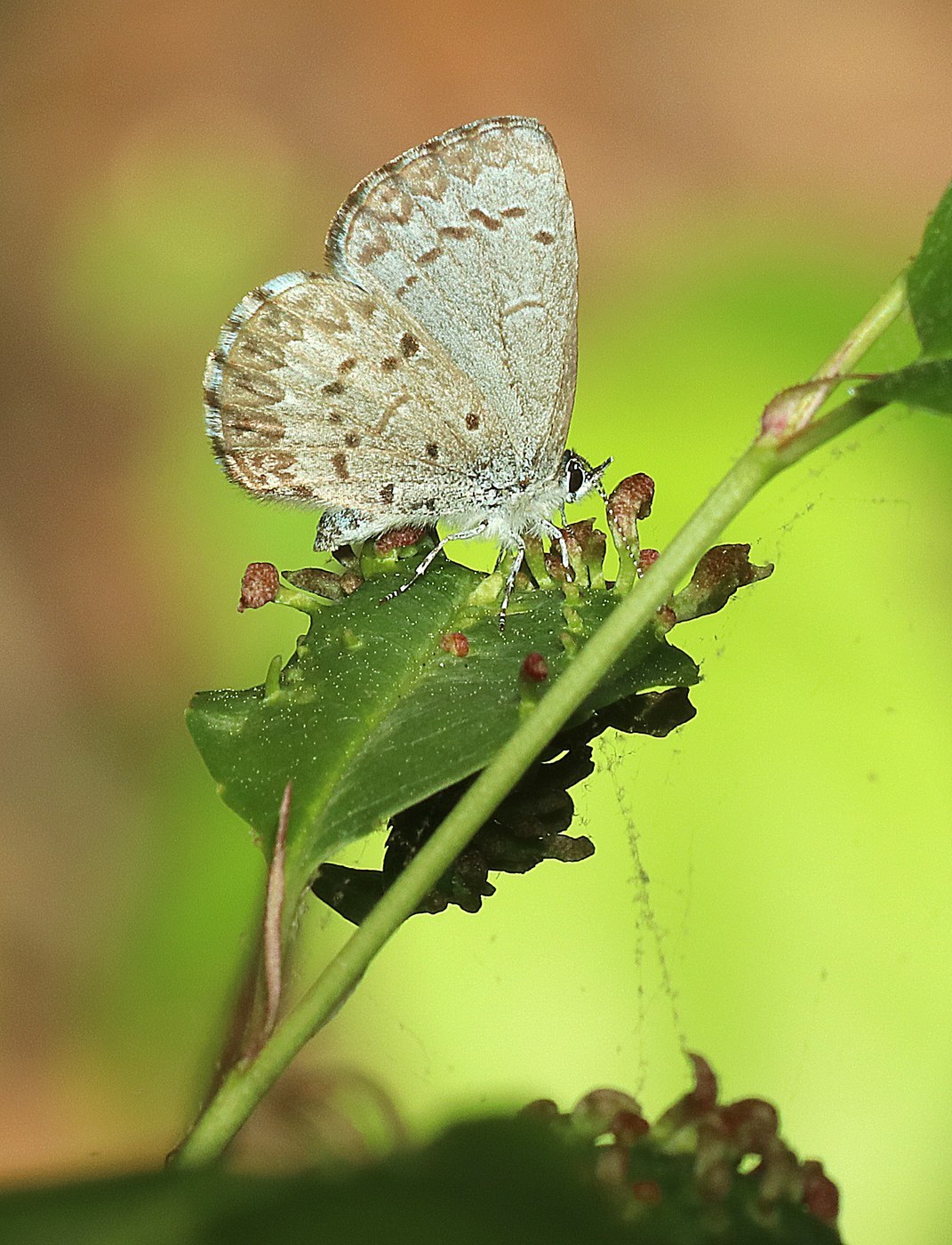
Spring Azure
Woodland edges, gardens, shrubby clearings
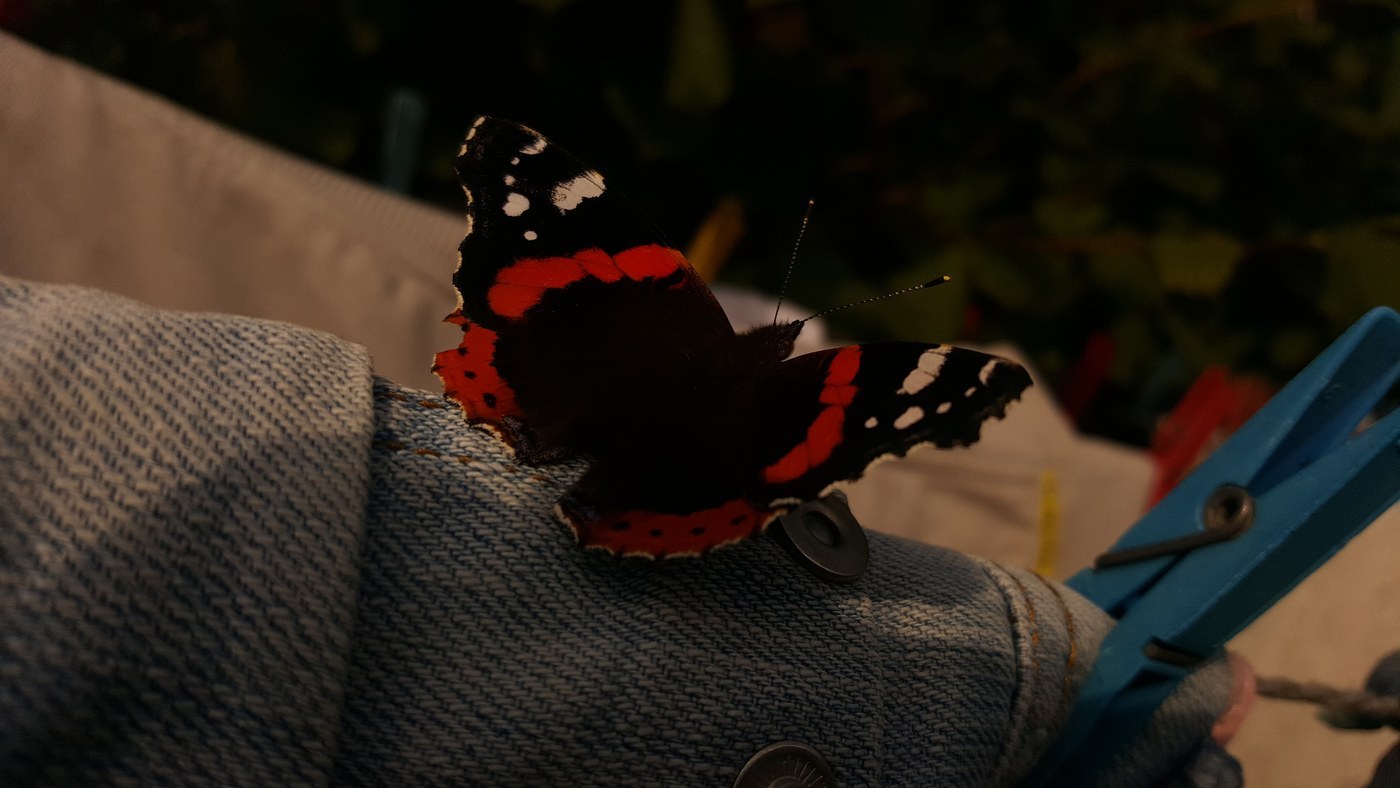
Red Admiral
Gardens, woodland edges, parks, meadows
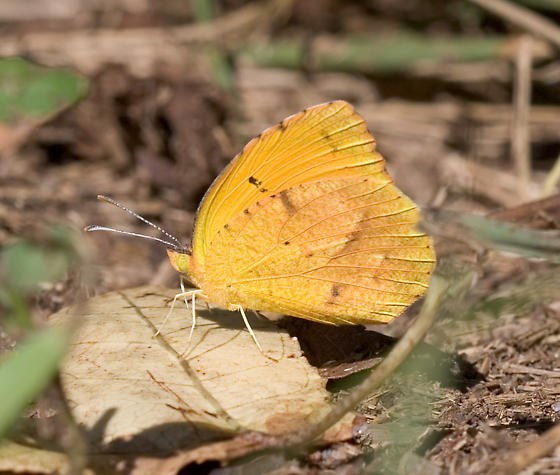
Sleepy Orange
Open woodland, fields, roadsides, and disturbed ground
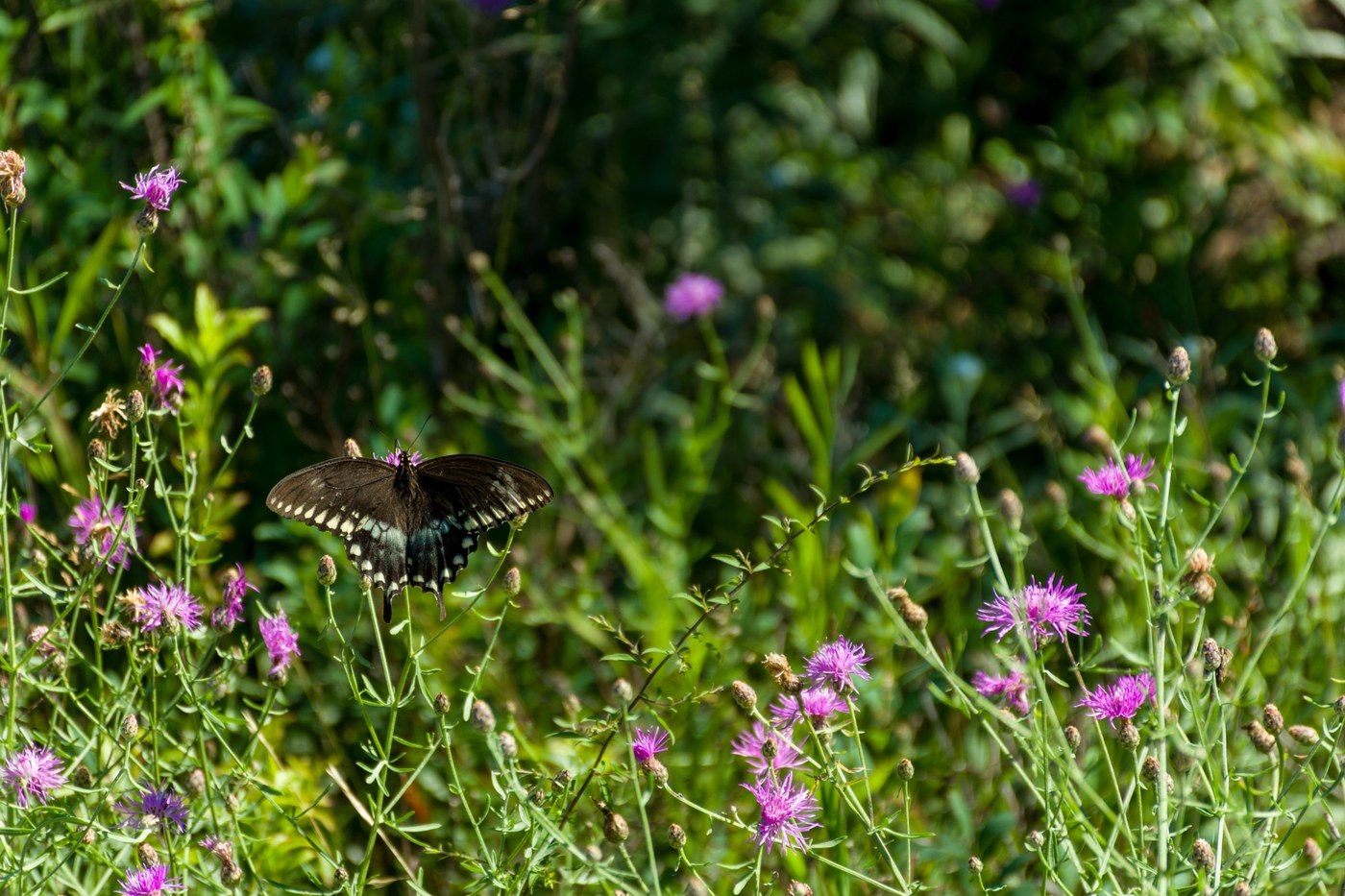
Spicebush Swallowtail
Deciduous forests, woodland edges, gardens