
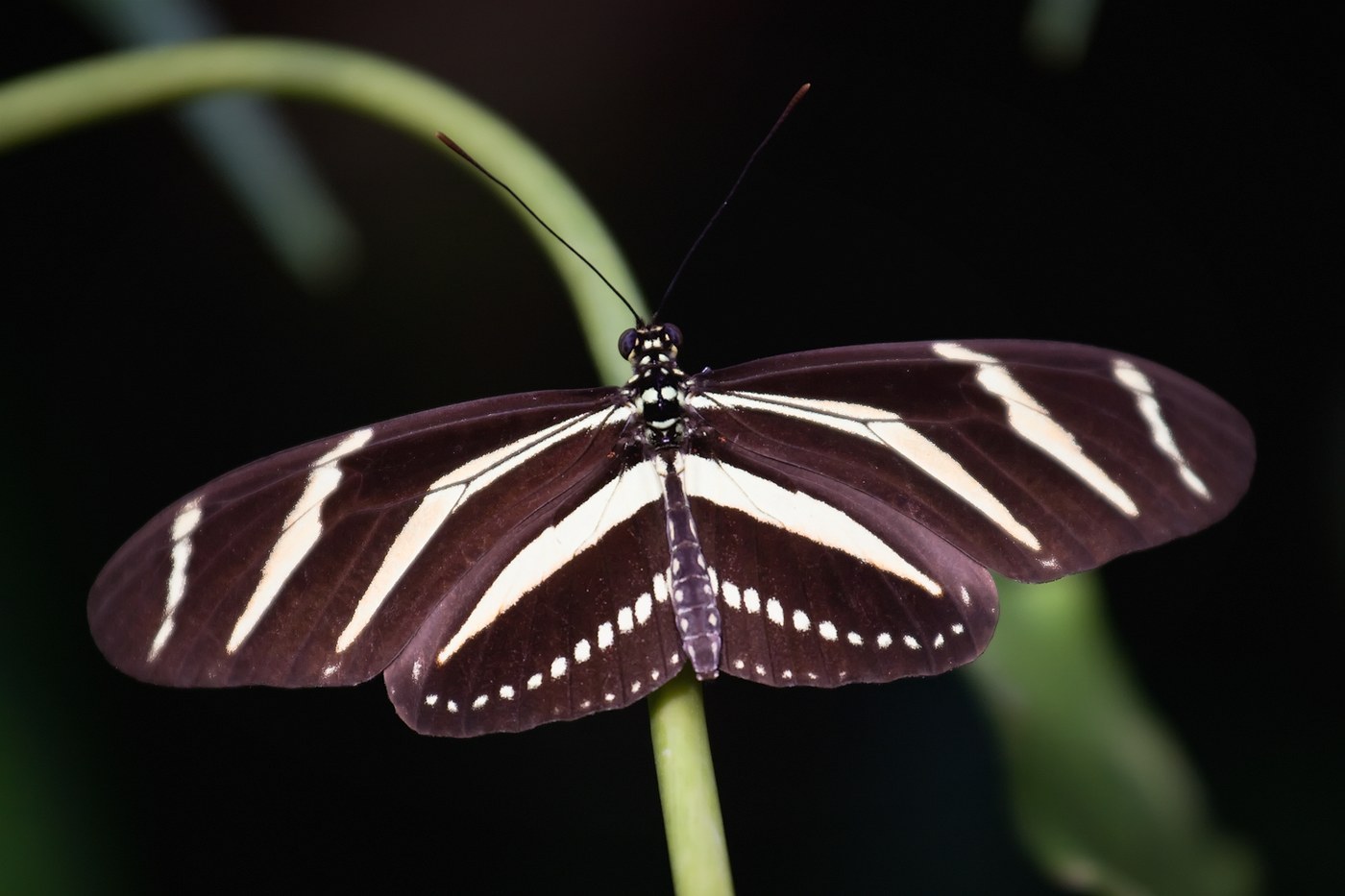
Zebra Longwing
Heliconius charithonia
A slow-flying, long-winged black butterfly striped boldly with yellow, unusual among butterflies for feeding on pollen as an adult, which extends its lifespan to several months.
- Size
- 2.75–4 in wingspan
- Habitat
- Tropical hammocks, gardens, forest edges
- Danger
- Harmless
Spotted a bug like this?
Identify any bug or insect from a photo, free.
Overview
The Zebra Longwing is a member of the longwing subfamily Heliconiinae within Nymphalidae, and is the state butterfly of Florida. Its long, narrow black wings marked with bold yellow stripes make it one of the most recognizable butterflies in the southeastern United States, Mexico, Central America, and much of tropical South America.
The species is scientifically notable for a rare behavior among butterflies: adults actively collect and feed on pollen in addition to nectar, extracting amino acids from the pollen grains that significantly extend adult lifespan compared to most other butterfly species, allowing individuals to live for several months rather than just a few weeks.
Zebra Longwings are also known for communal roosting, in which groups of individuals gather each evening at the same perch site over consecutive nights, a behavior thought to offer protection from predators and is a striking sight in gardens where the species is established.
How to Identify
- Wings are long, narrow, and elongated, black or very dark brown as a base color, boldly striped with pale yellow bands running across both wings.
- Flight is notably slow and fluttery compared to most other butterflies, often close to vegetation.
- Body is elongated and slender relative to wing length, typical of the longwing group.
- Distinguished from other longwings such as the Julia Butterfly (solid orange) and Gulf Fritillary (orange with silver-spangled underside) by its unmistakable black-and-yellow striped pattern.
Habitat & Range
Found from the southern United States (especially Florida and Texas) through Mexico, Central America, the Caribbean, and much of tropical South America, generally in frost-free or near-frost-free climates.
Adults favor shaded tropical hammocks, forest edges, and gardens planted with passionflower vines and nectar sources, and are active year-round in its resident range, often flying in the dappled light of forest understory.
Behavior & Diet
Adults feed on both nectar and pollen, actively gathering pollen grains onto their proboscis and dissolving them into an amino-acid-rich mixture that extends adult lifespan well beyond that of most butterflies. Caterpillars feed exclusively on passionflower vines, sequestering toxic compounds that carry through to the adult stage and are believed to make adults distasteful to predators.
The species is known for gregarious overnight roosting, in which multiple individuals return to the same perch site on successive evenings, a behavior thought to reduce individual predation risk. Its slow, fluttering flight and dark coloration are considered part of a broader unpalatability warning display shared among Heliconius species.
Life Cycle
Females lay small yellow eggs, often in small clusters, on the growing tips and tendrils of passionflower vines. Caterpillars are white with black spots and branching spines, feeding on Passiflora foliage through several instars.
The chrysalis is brown, angular, and spiky, resembling a dead leaf or twig, suspended by a silk girdle from the host plant. The species breeds continuously in frost-free areas with overlapping generations year-round through complete metamorphosis, and does not have a true overwintering diapause in its resident range.
Frequently asked questions
Why does it live longer than most butterflies?
Unlike most butterflies, adults actively feed on pollen in addition to nectar, and the extra amino acids obtained from pollen are thought to extend adult lifespan to several months.
Is it the same as the Gulf Fritillary?
No, both belong to the longwing subfamily Heliconiinae, but the Zebra Longwing has a black-and-yellow striped pattern, while the Gulf Fritillary is orange with silver-spangled underwings.
Why do they gather together at dusk?
Zebra Longwings roost communally, with groups returning to the same perch site on consecutive nights, a behavior believed to help reduce predation risk.
What do the caterpillars eat?
Passionflower vine (Passiflora) foliage exclusively.
Zebra Longwing guides
In-depth guides for identifying, understanding, and living alongside Zebra Longwing.
Other bugs you may enjoy
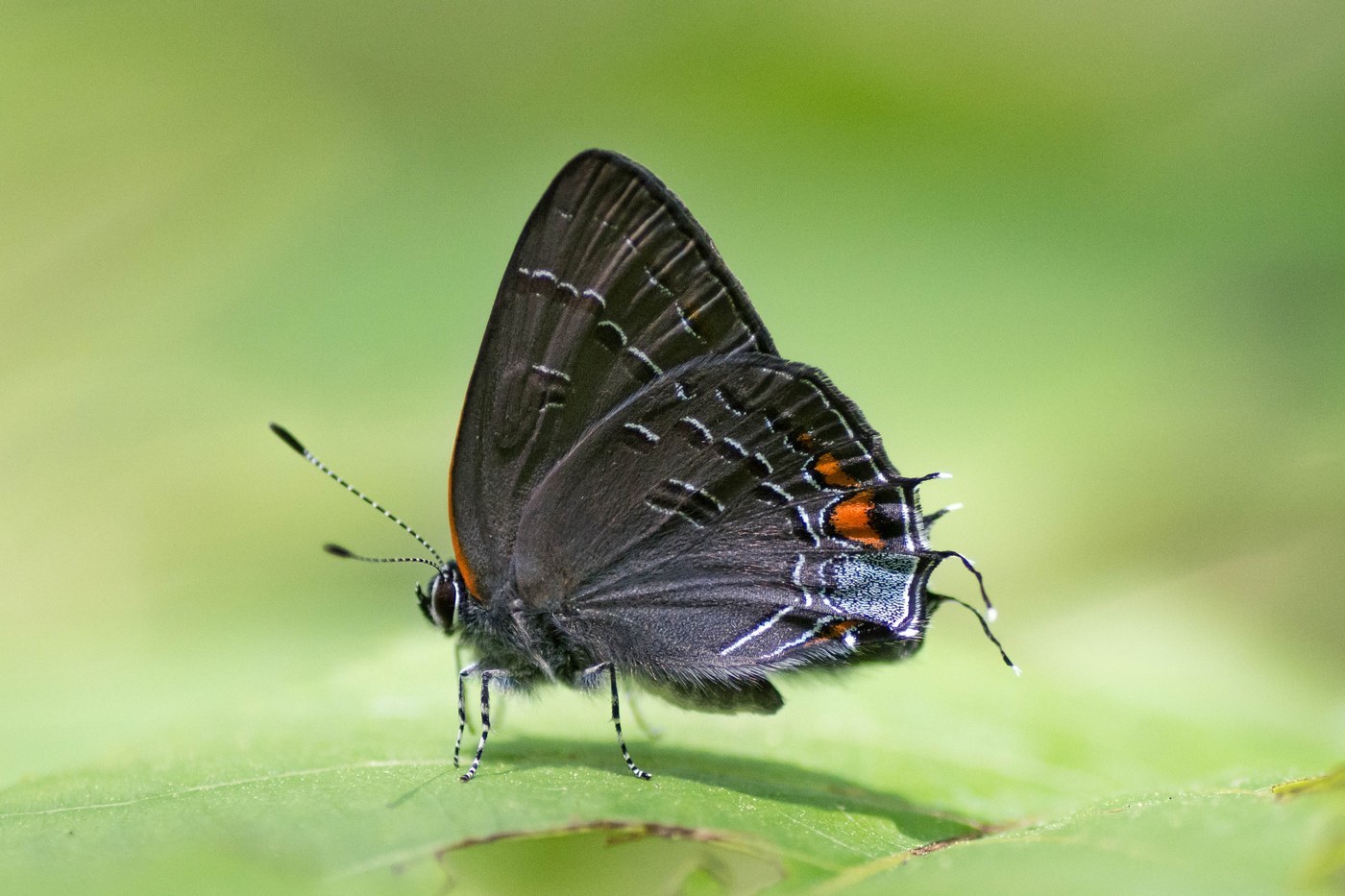
Banded Hairstreak
Deciduous woodlands and edges with oaks and hickories
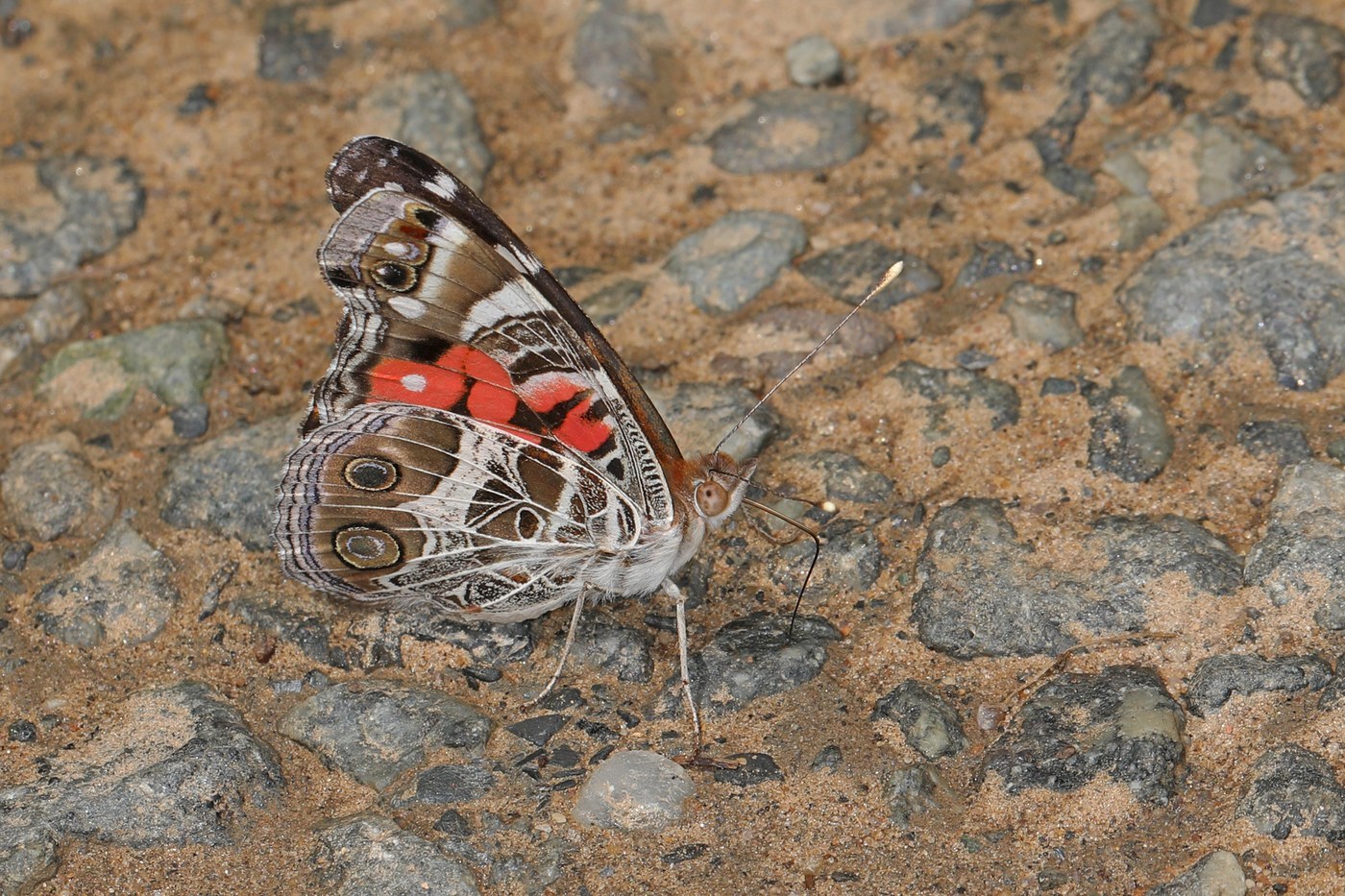
American Lady
Open fields, meadows, gardens, roadsides
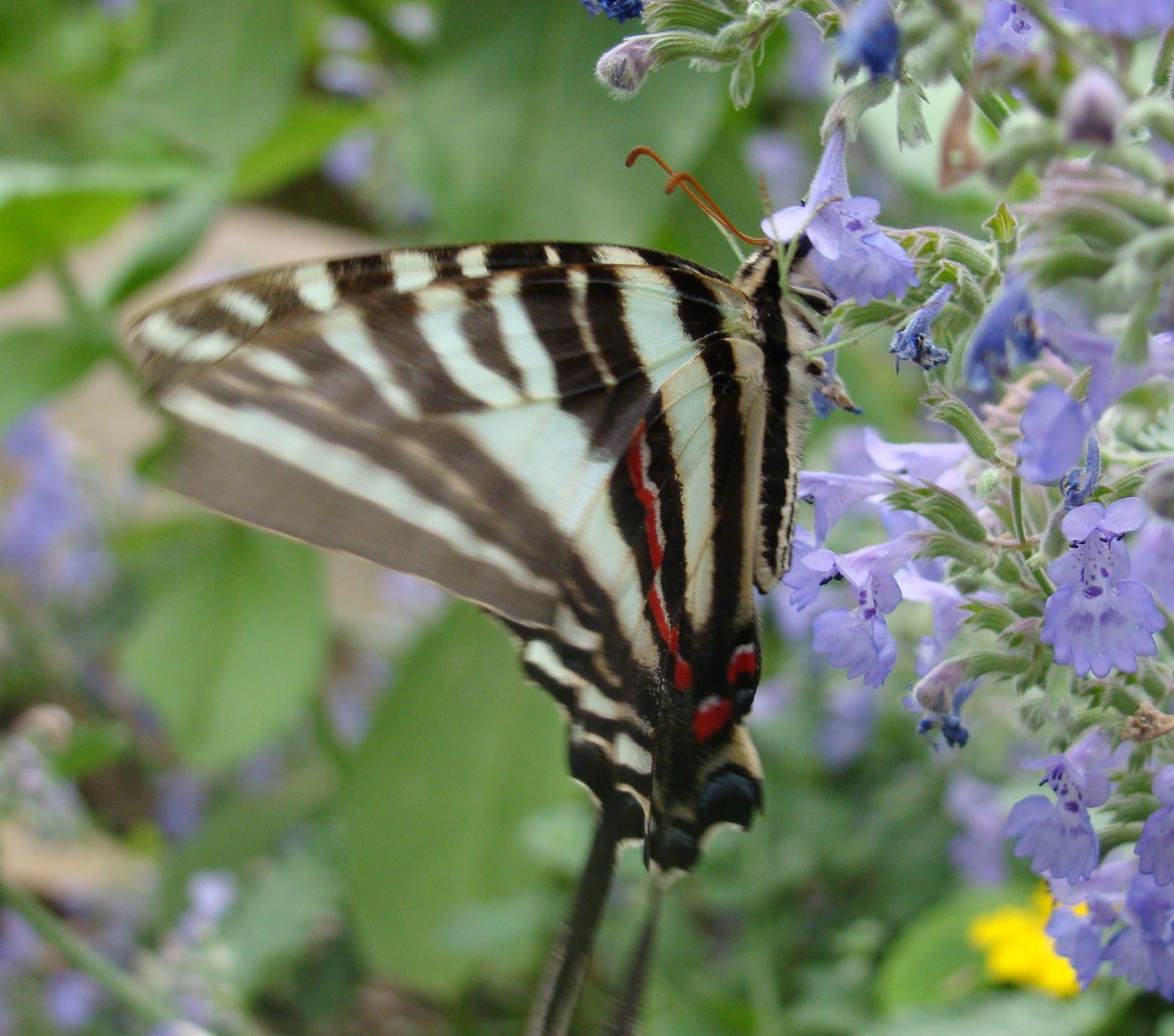
Zebra Swallowtail
Woodlands, floodplains, forest edges near pawpaw
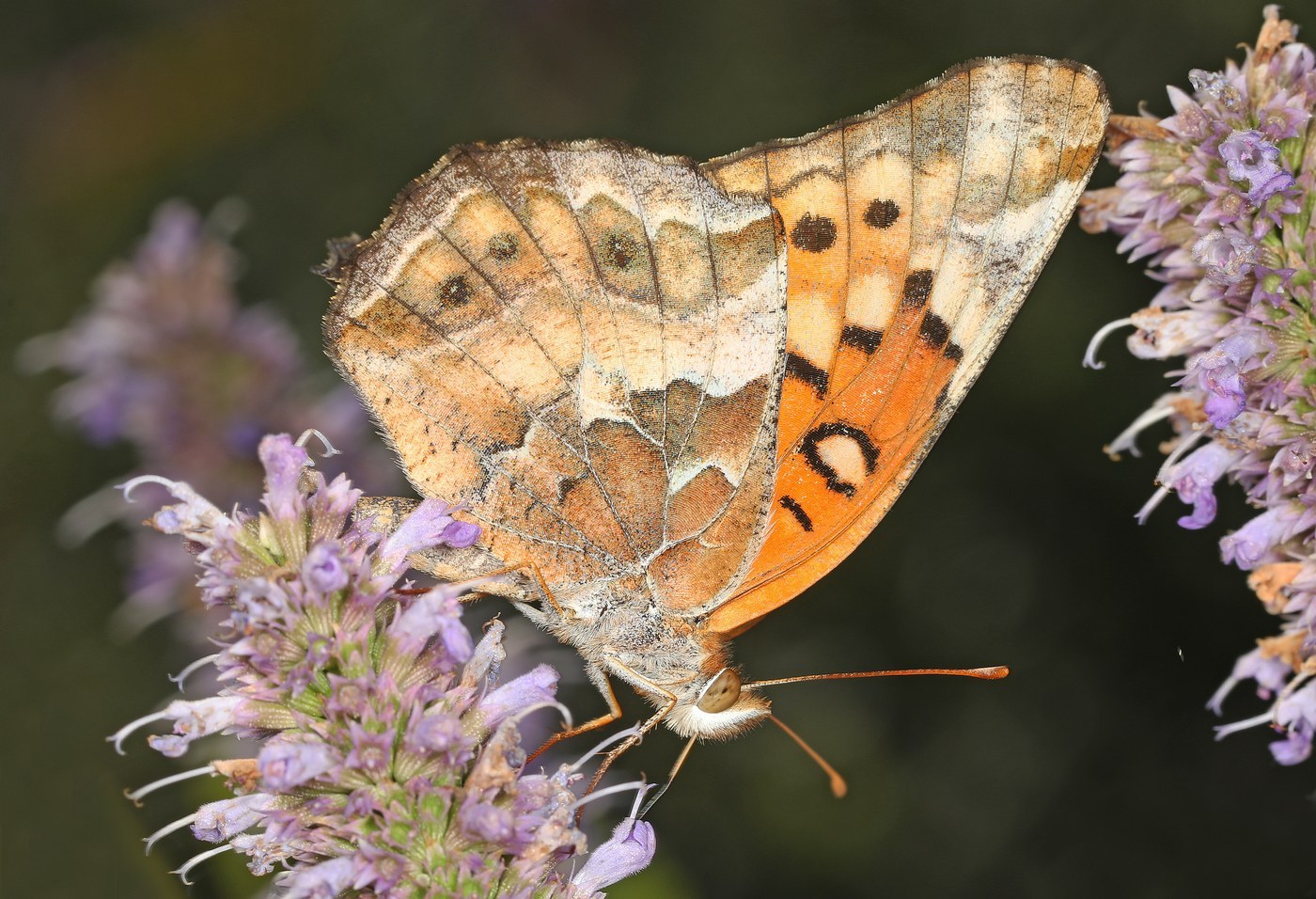
Variegated Fritillary
Open fields, prairies, roadsides, and disturbed ground across most of the United States
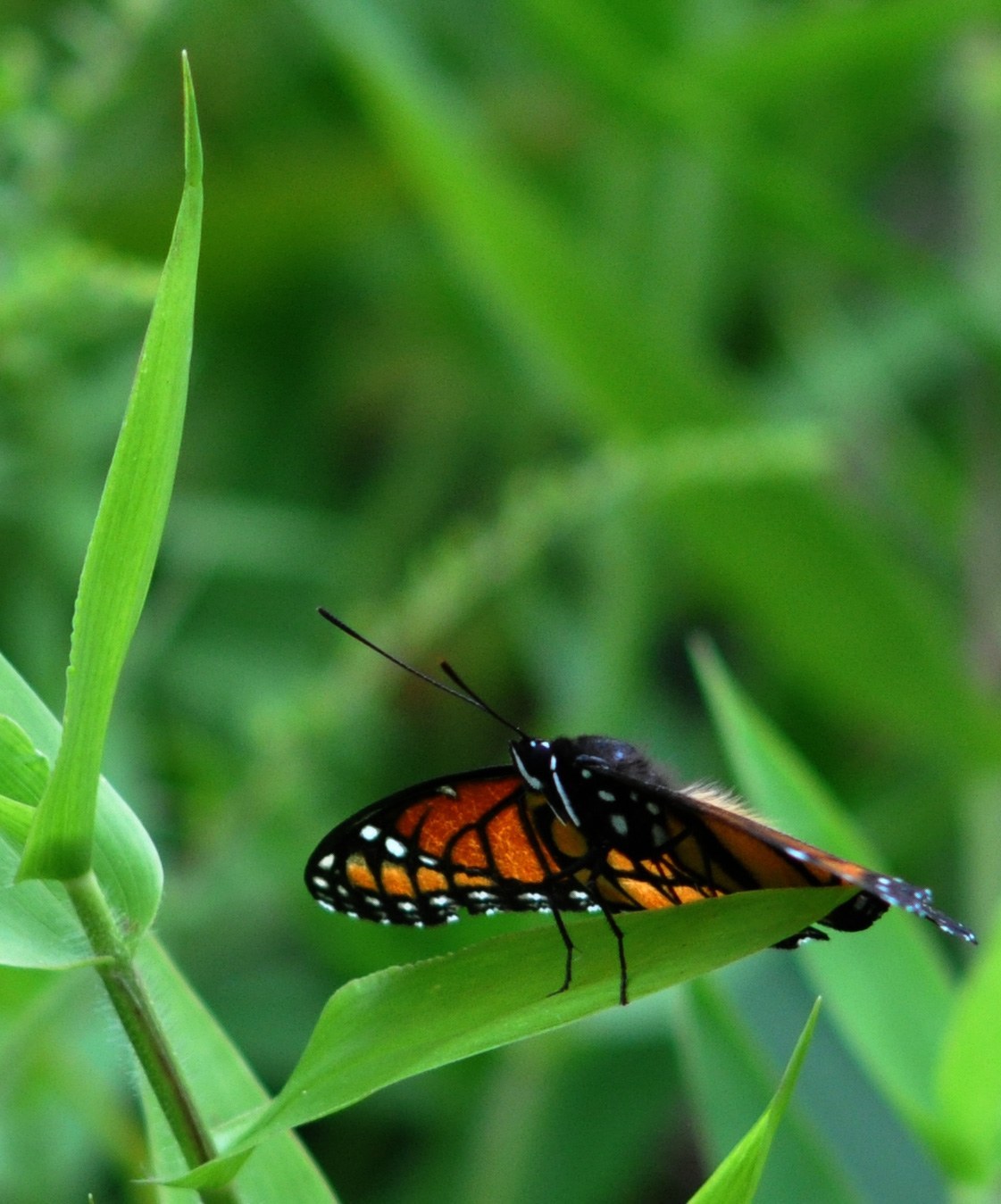
Viceroy Butterfly
Wetlands, meadows, riverbanks, willow thickets (North America)
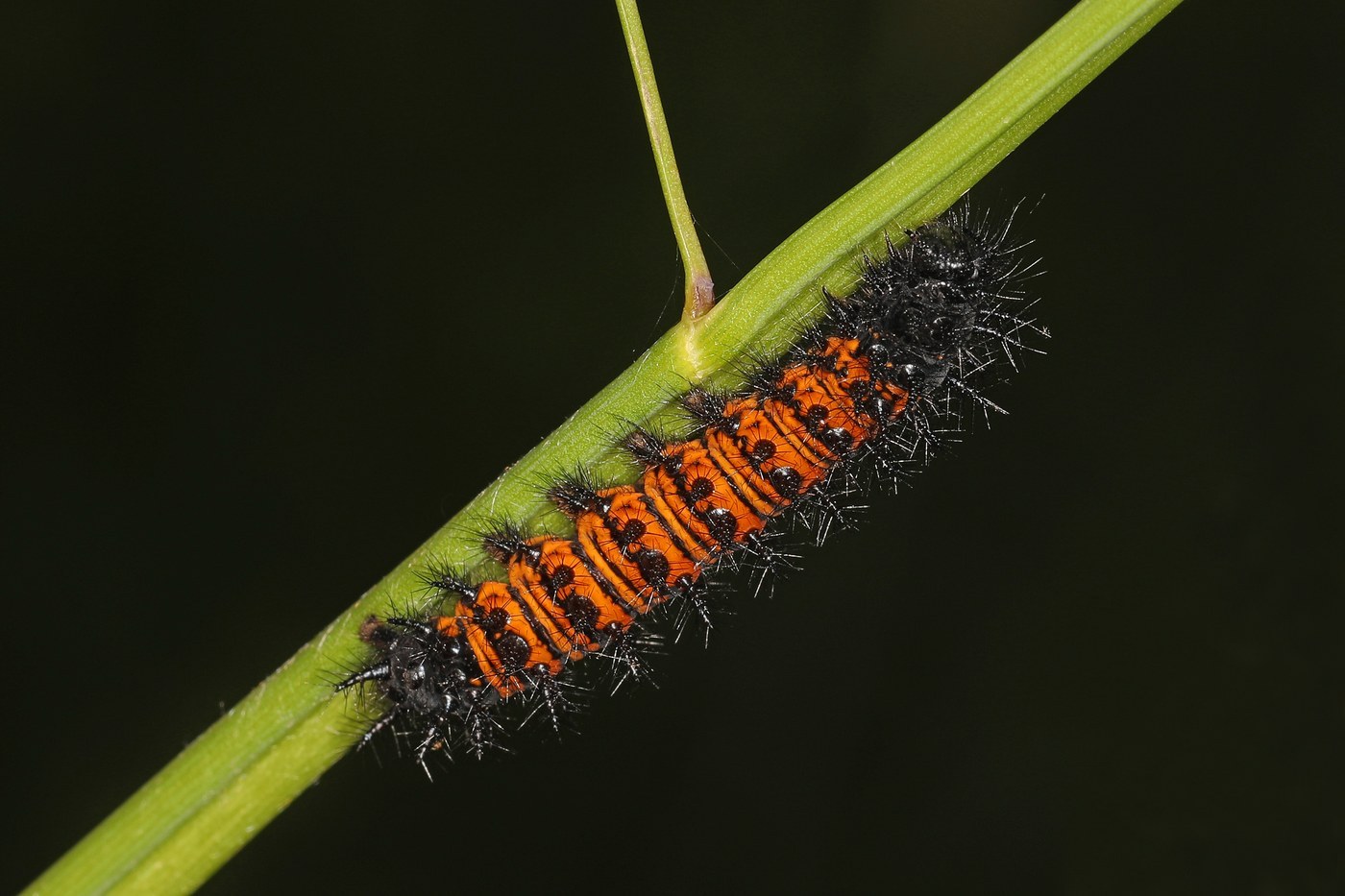
Baltimore Checkerspot
Wet meadows, bogs, and marshy fields in the northeastern and Appalachian US
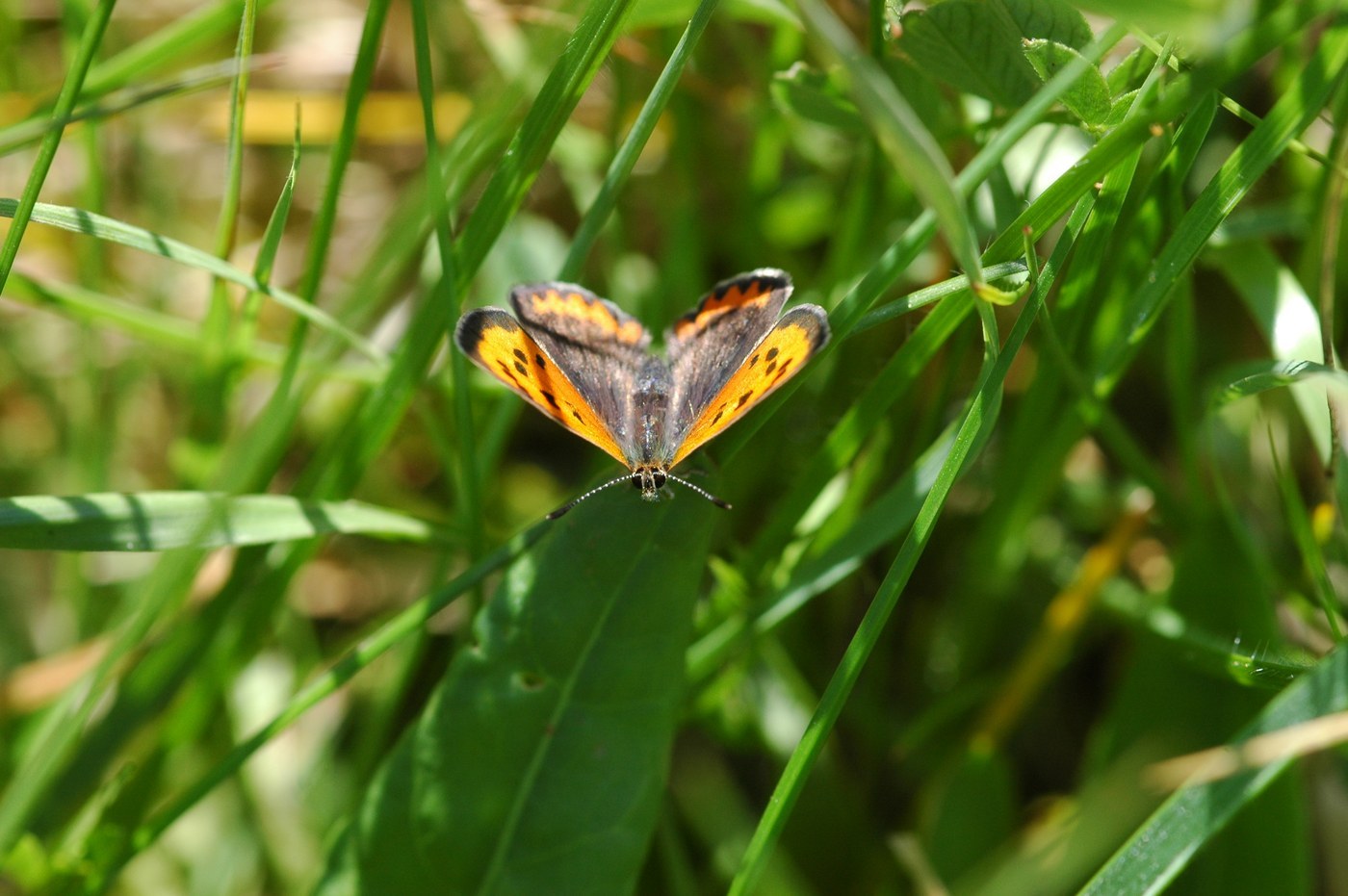
American Copper
Old fields, roadsides, and disturbed open ground with sorrel or dock
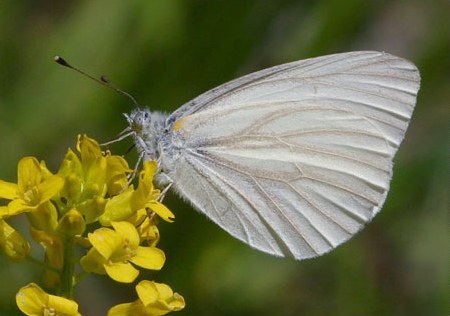
West Virginia White
Rich deciduous forest floors, especially near seeps and streams
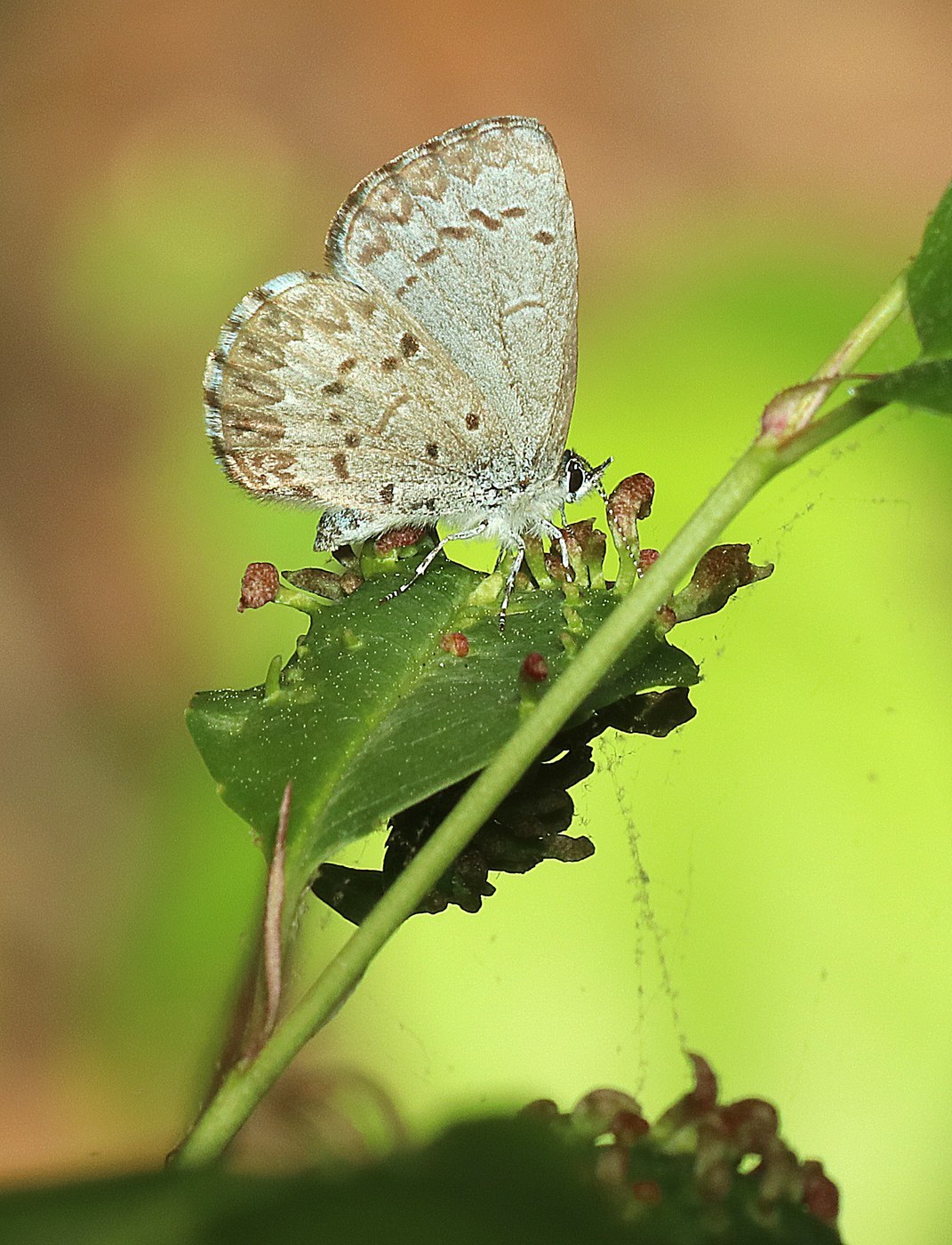
Spring Azure
Woodland edges, gardens, shrubby clearings
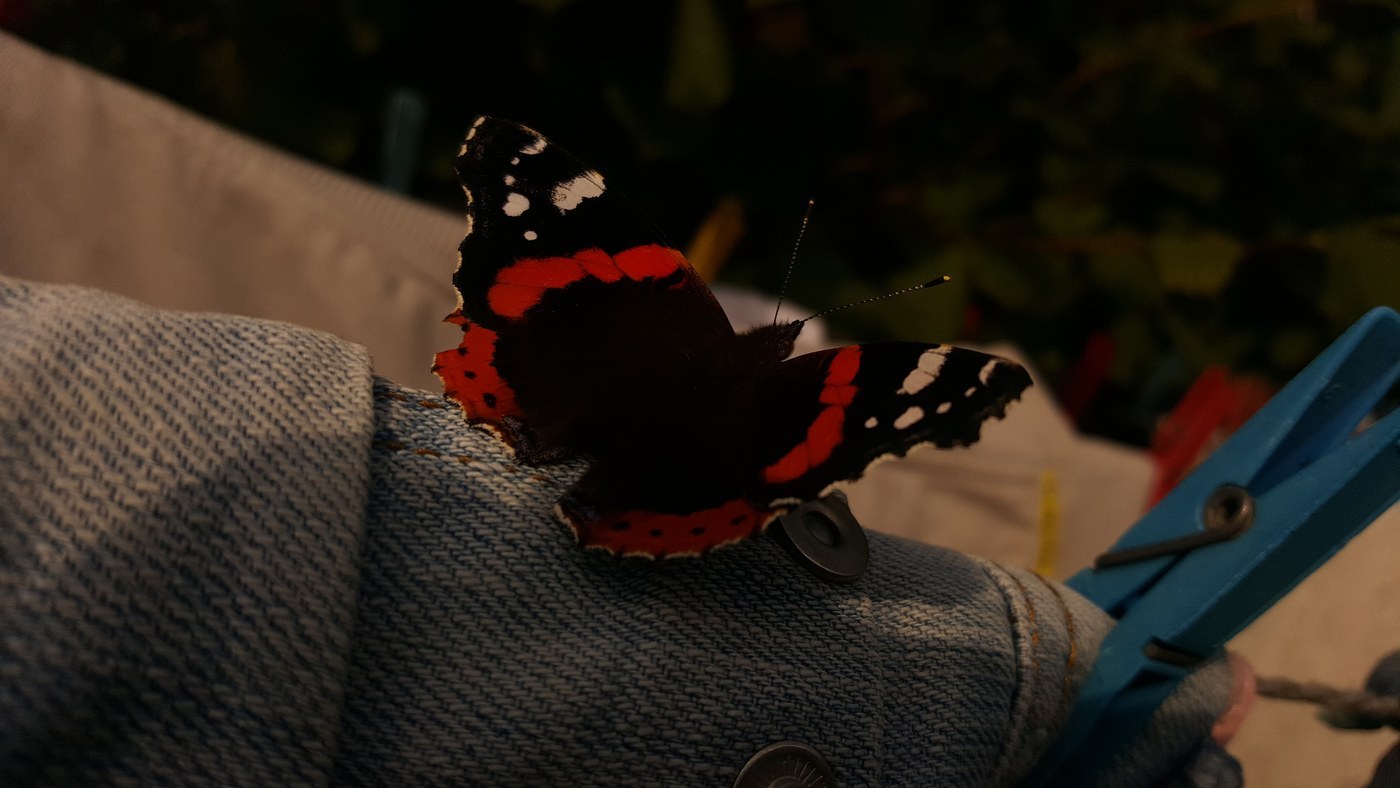
Red Admiral
Gardens, woodland edges, parks, meadows
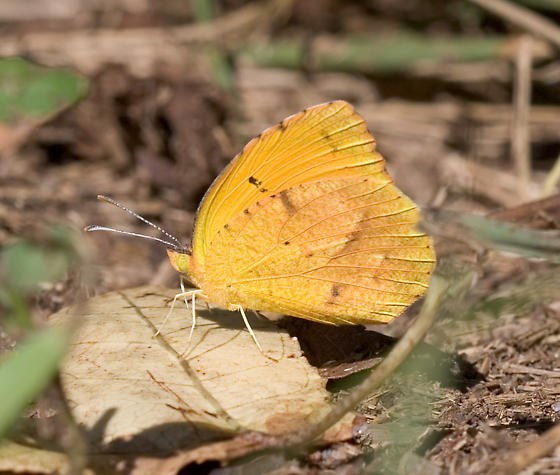
Sleepy Orange
Open woodland, fields, roadsides, and disturbed ground
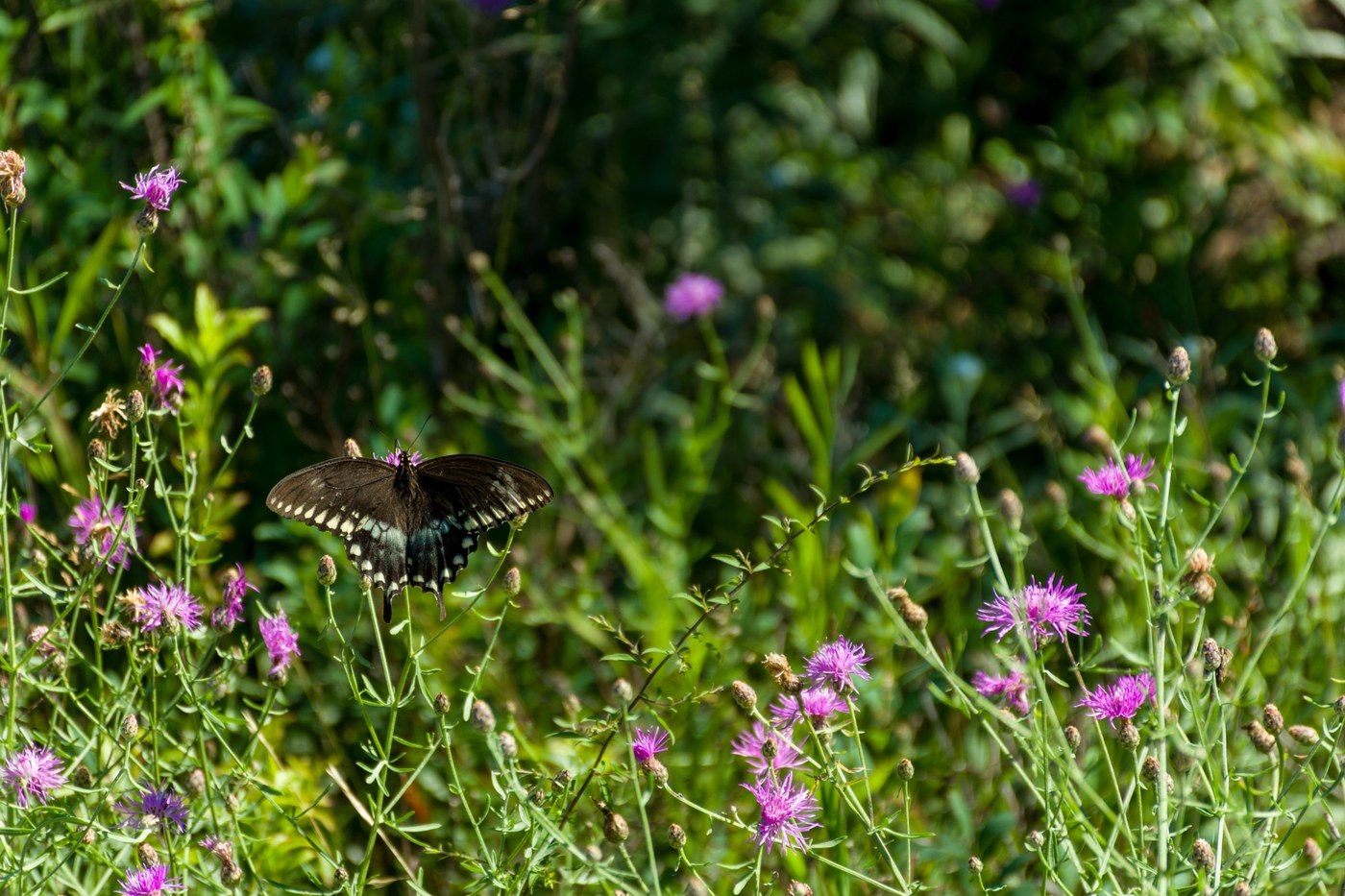
Spicebush Swallowtail
Deciduous forests, woodland edges, gardens