
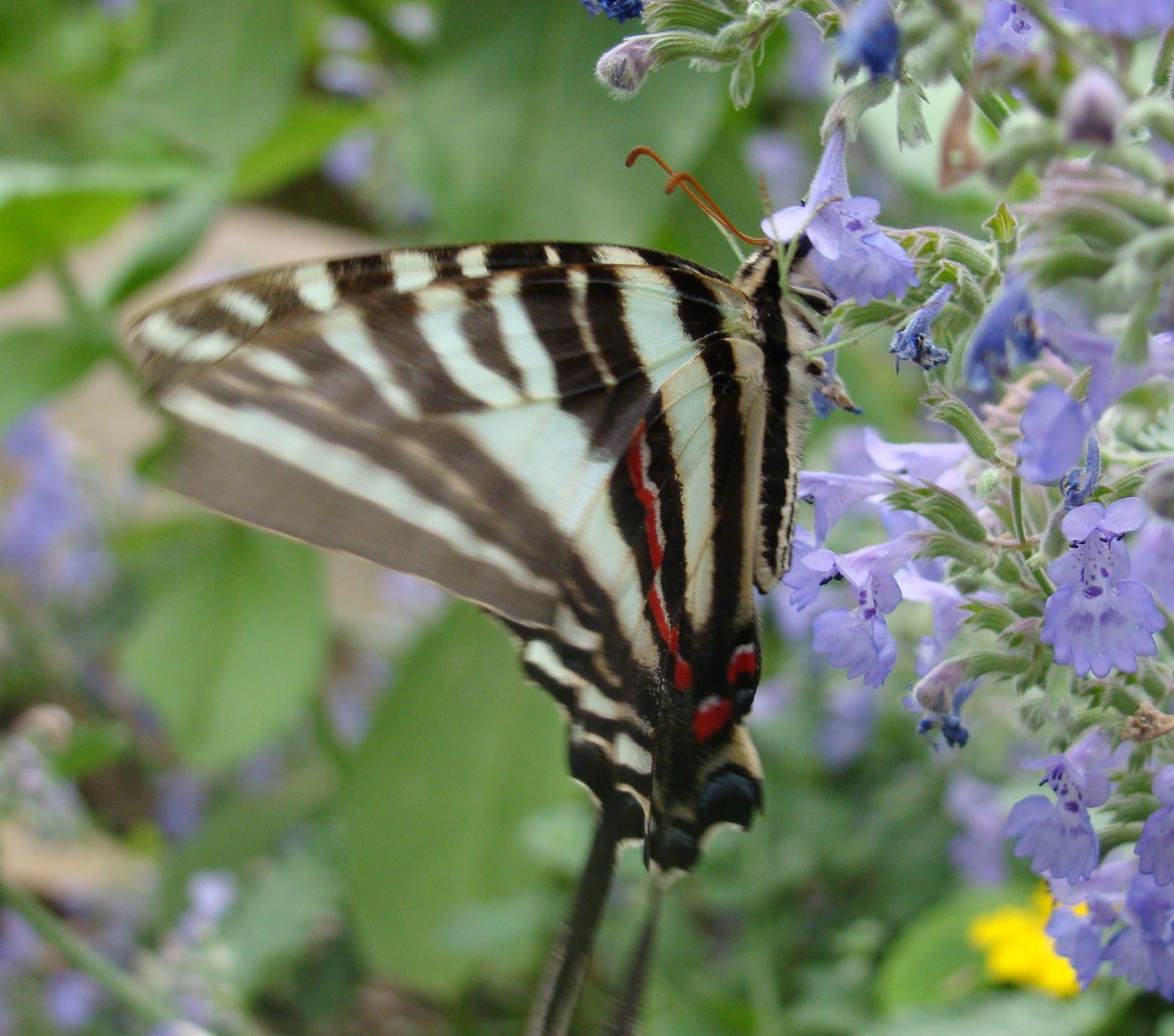
Zebra Swallowtail
Eurytides marcellus
A sleek, triangular-winged swallowtail striped boldly in black and pale green-white like a zebra, with long tails and red-and-blue accent spots, whose caterpillars feed exclusively on pawpaw trees.
- Size
- 2.5–4 in wingspan
- Habitat
- Woodlands, floodplains, forest edges near pawpaw
- Danger
- Harmless
Spotted a bug like this?
Identify any bug or insect from a photo, free.
Overview
The Zebra Swallowtail is a distinctive member of the swallowtail family Papilionidae, placed in its own small genus-level group closely related to the kite-swallowtails. It occurs throughout the eastern United States, with its distribution tightly tied to the range of its sole larval host plant, the pawpaw tree (Asimina triloba), making it a strong indicator species for pawpaw-rich forest understories.
The butterfly's long, triangular wings and bold black-and-white striping give it an unmistakable, elegant appearance quite different from other North American swallowtails. It produces two distinct seasonal forms: a smaller, paler spring brood with shorter tails, and a larger, more boldly marked summer brood with longer tails, a form of seasonal polyphenism related to day length and temperature during development.
As a specialist herbivore uniquely dependent on pawpaw, the Zebra Swallowtail is ecologically significant as a bioindicator of healthy pawpaw understory habitat in eastern deciduous forests.
How to Identify
- Wings are elongated and triangular, boldly striped in black and pale greenish-white running roughly parallel across both fore- and hindwings, giving a distinctive zebra-like pattern.
- Hindwing bears long, slender black tails and a small patch of red and blue spots near the tail base and along the inner margin.
- Body is black with thin white striping.
- Spring-form individuals are smaller and paler with shorter tails, while summer-form individuals are larger, more vividly striped, and have notably longer tails; unmistakable among North American butterflies due to its unique striping pattern.
Habitat & Range
Found throughout the eastern United States from the Great Lakes region south to Florida and west to the edge of the Great Plains, closely tracking the distribution of pawpaw trees in moist woodlands, floodplains, and forest understories.
Adults fly in multiple broods from early spring through fall, with the spring brood emerging as pawpaw leaves first unfurl and later broods appearing through summer.
Behavior & Diet
Adults are fast, low fliers that visit a variety of flowers for nectar, including redbud, blueberry, and common milkweed, and males patrol along forest edges and stream corridors in search of females. Caterpillars feed exclusively on pawpaw leaves, which contain natural compounds that the larvae are specially adapted to tolerate, though it is not established whether these compounds are strongly sequestered into the adult stage.
The species' close dependence on a single host genus makes its local abundance a useful signal of pawpaw grove health within its forest habitat. Caterpillars rest along the midrib of pawpaw leaves and can extend an osmeterium gland when disturbed.
Life Cycle
Females lay single pale green eggs on young pawpaw leaves. Caterpillars are green with thin black and yellow banding, feeding on pawpaw foliage through several instars while resting along leaf midribs.
The chrysalis is green or brown depending on its surroundings and attached with a silk girdle to a twig or leaf stem. The species produces two to three generations per year through complete metamorphosis, overwintering as a chrysalis, with distinct spring and summer adult forms differing in size, color intensity, and tail length.
Frequently asked questions
Why does it only occur where pawpaw grows?
Its caterpillars feed exclusively on pawpaw trees, so the butterfly's distribution and abundance are tightly tied to the presence of this host plant in forest understories.
Why do spring and summer individuals look different?
The species shows seasonal polyphenism: spring-brood adults are smaller and paler with shorter tails, while summer-brood adults are larger, more vividly striped, and have longer tails.
How can I recognize it from other swallowtails?
Its elongated triangular wings with bold black-and-white zebra-like stripes and long slender tails are unique among North American swallowtails.
Where does it spend the winter?
As a chrysalis attached by silk to a twig or leaf near the pawpaw host plant.
Zebra Swallowtail guides
In-depth guides for identifying, understanding, and living alongside Zebra Swallowtail.
Other bugs you may enjoy
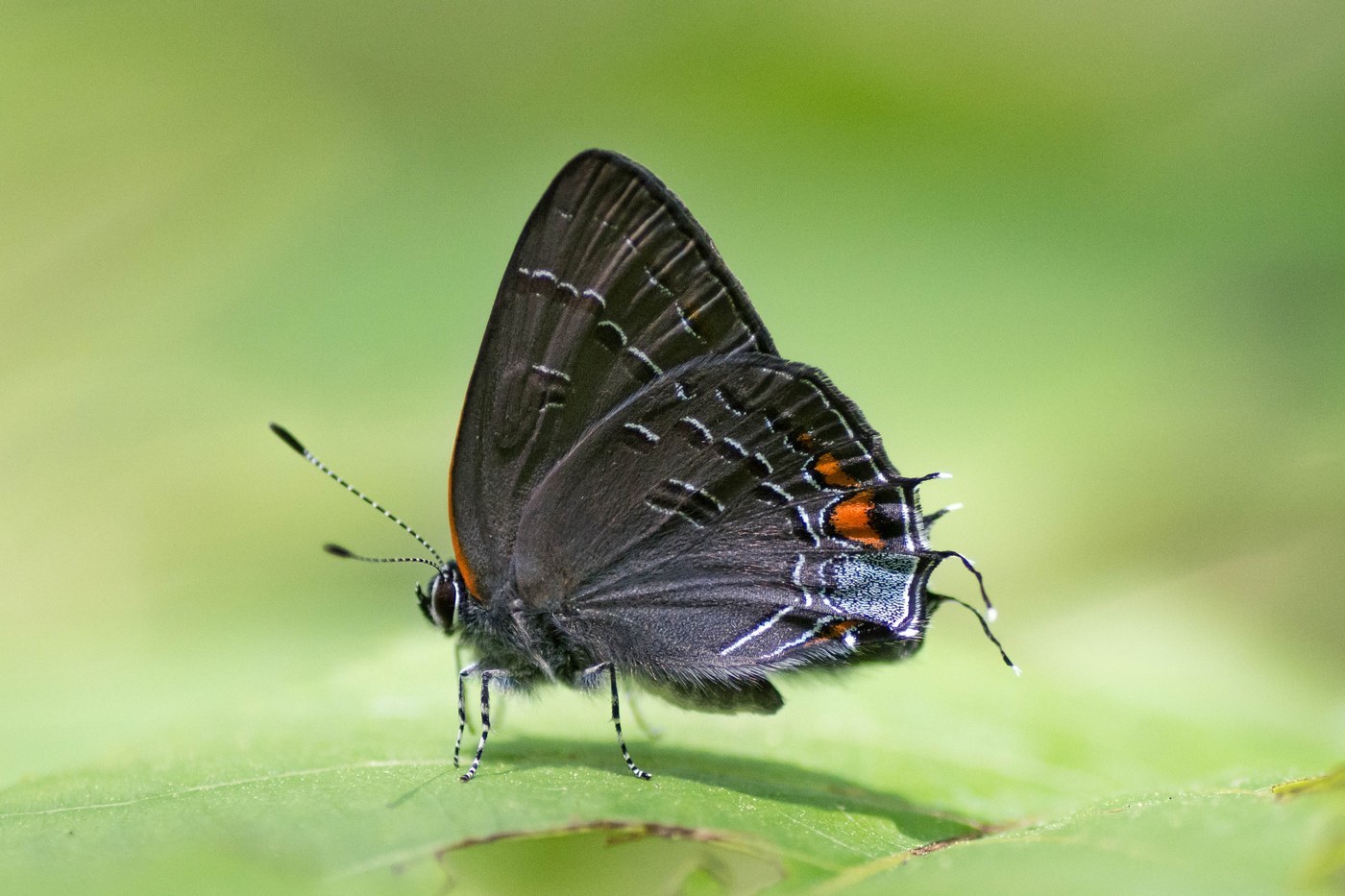
Banded Hairstreak
Deciduous woodlands and edges with oaks and hickories
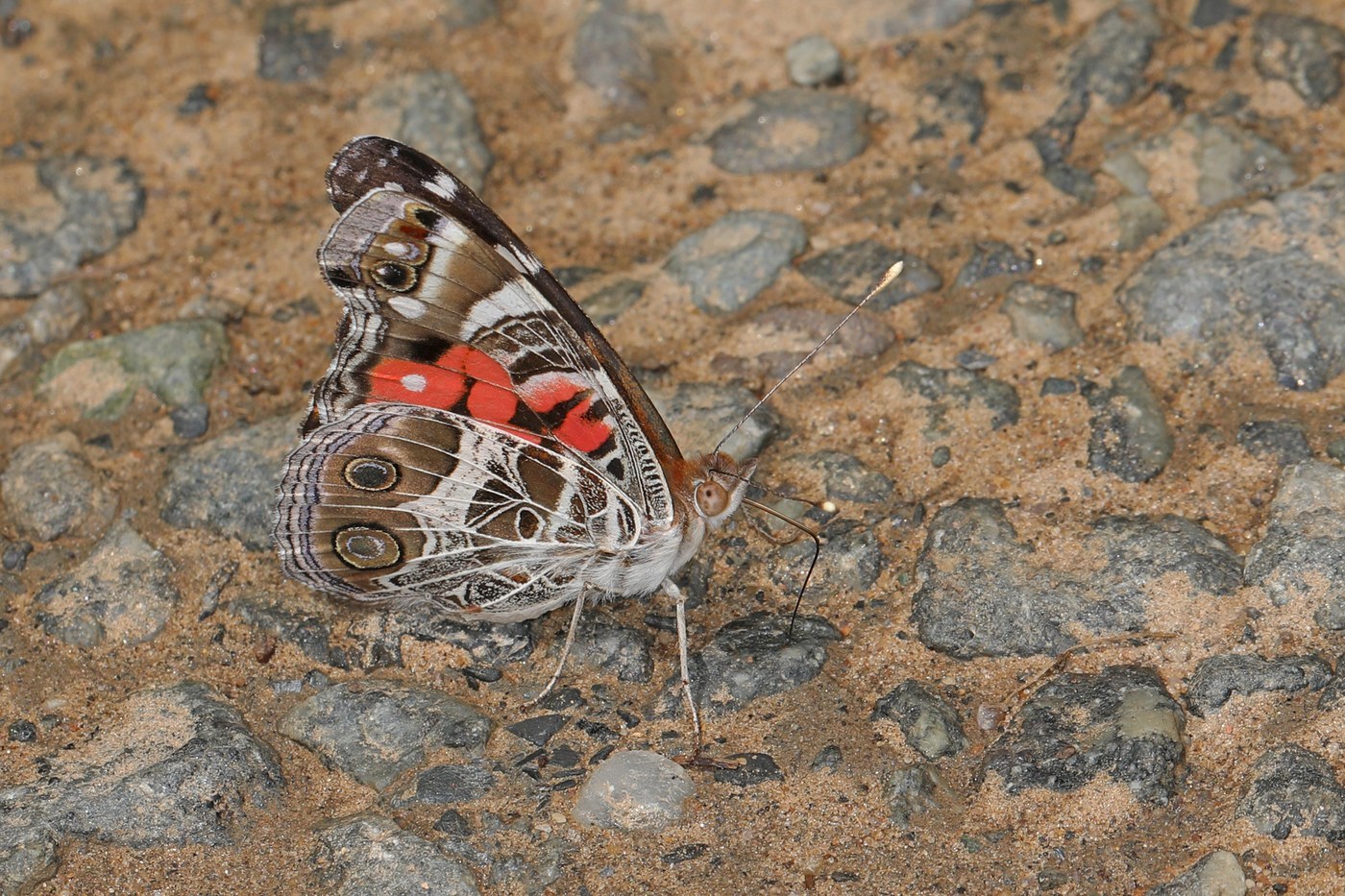
American Lady
Open fields, meadows, gardens, roadsides
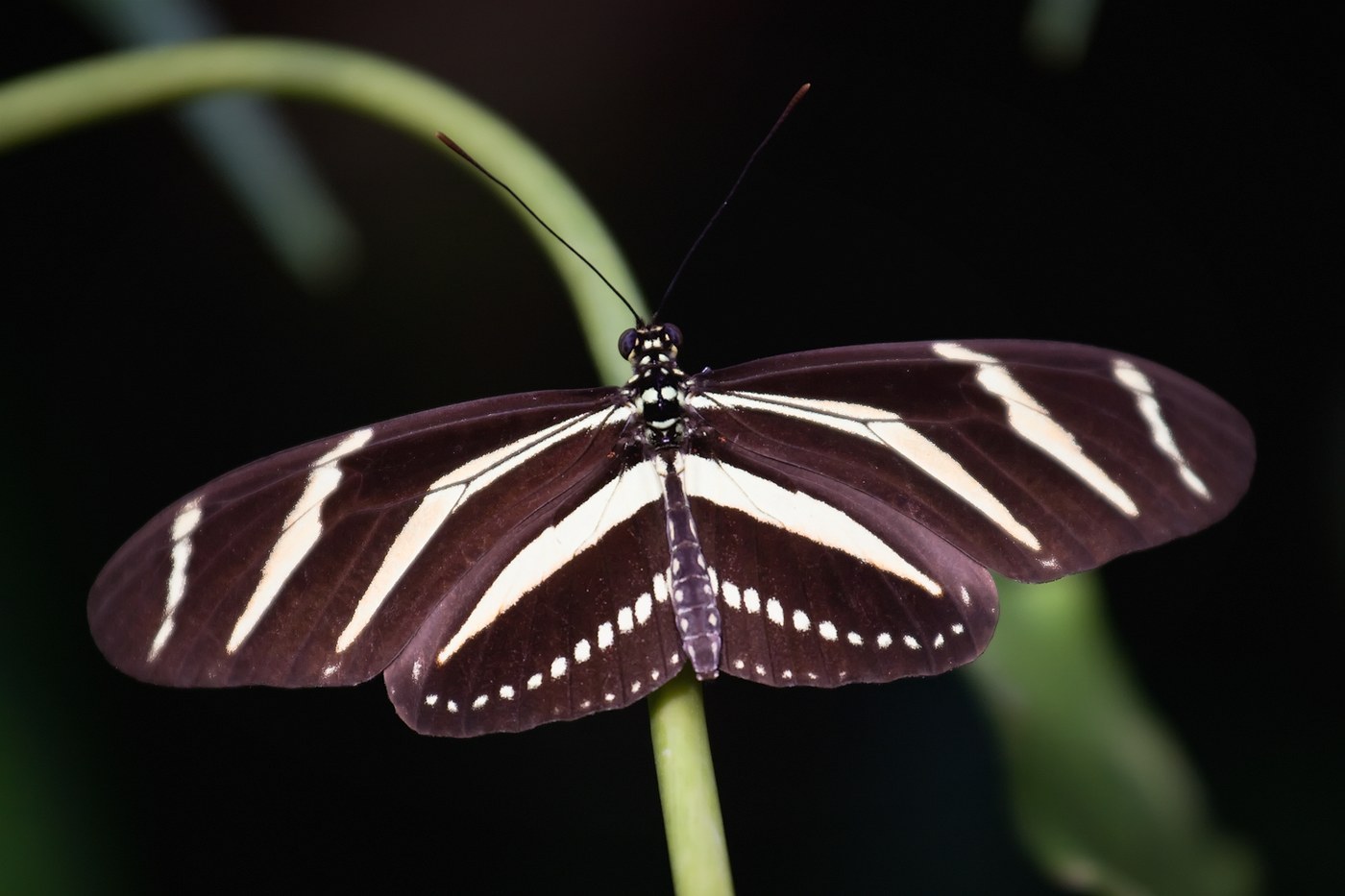
Zebra Longwing
Tropical hammocks, gardens, forest edges
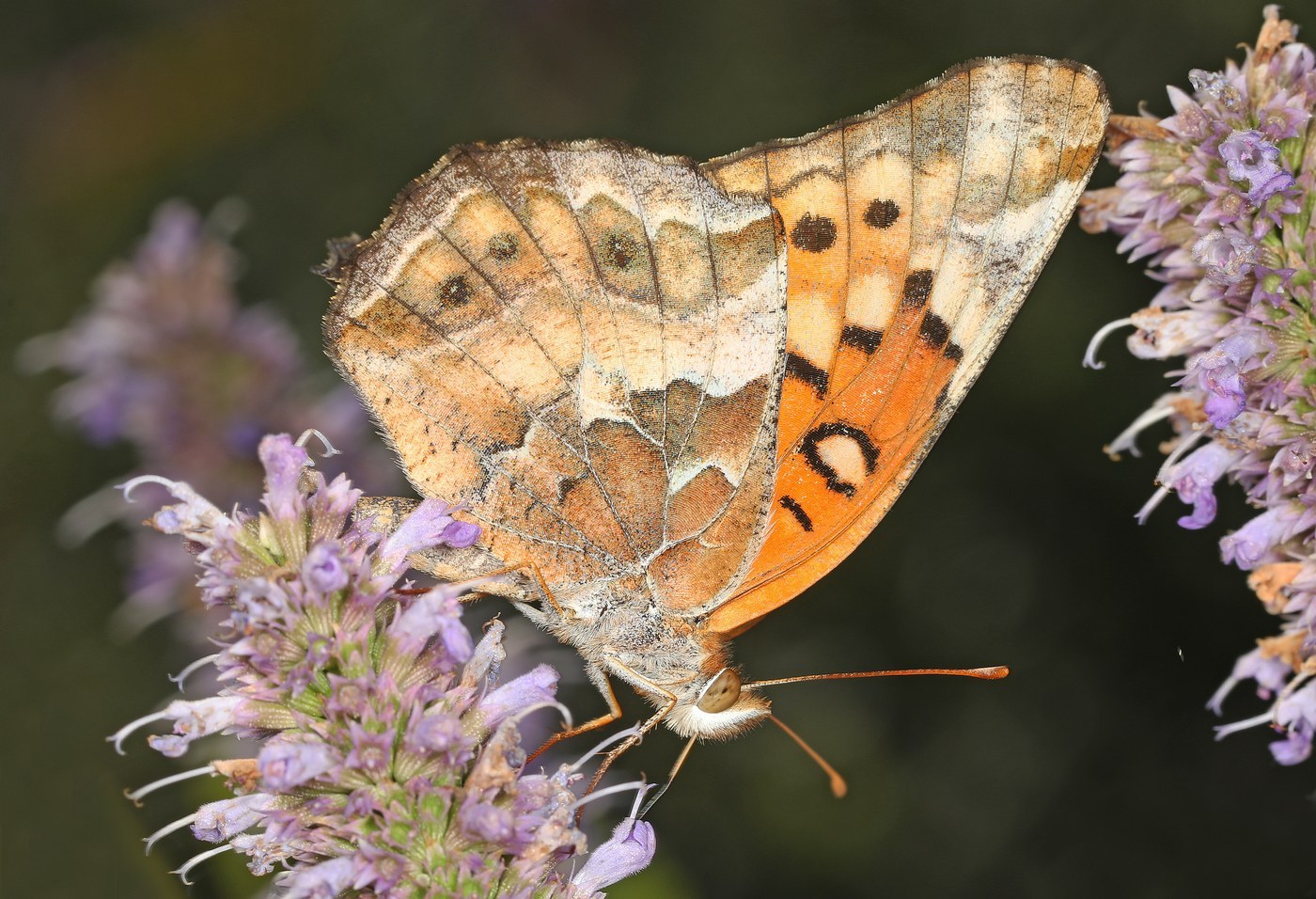
Variegated Fritillary
Open fields, prairies, roadsides, and disturbed ground across most of the United States
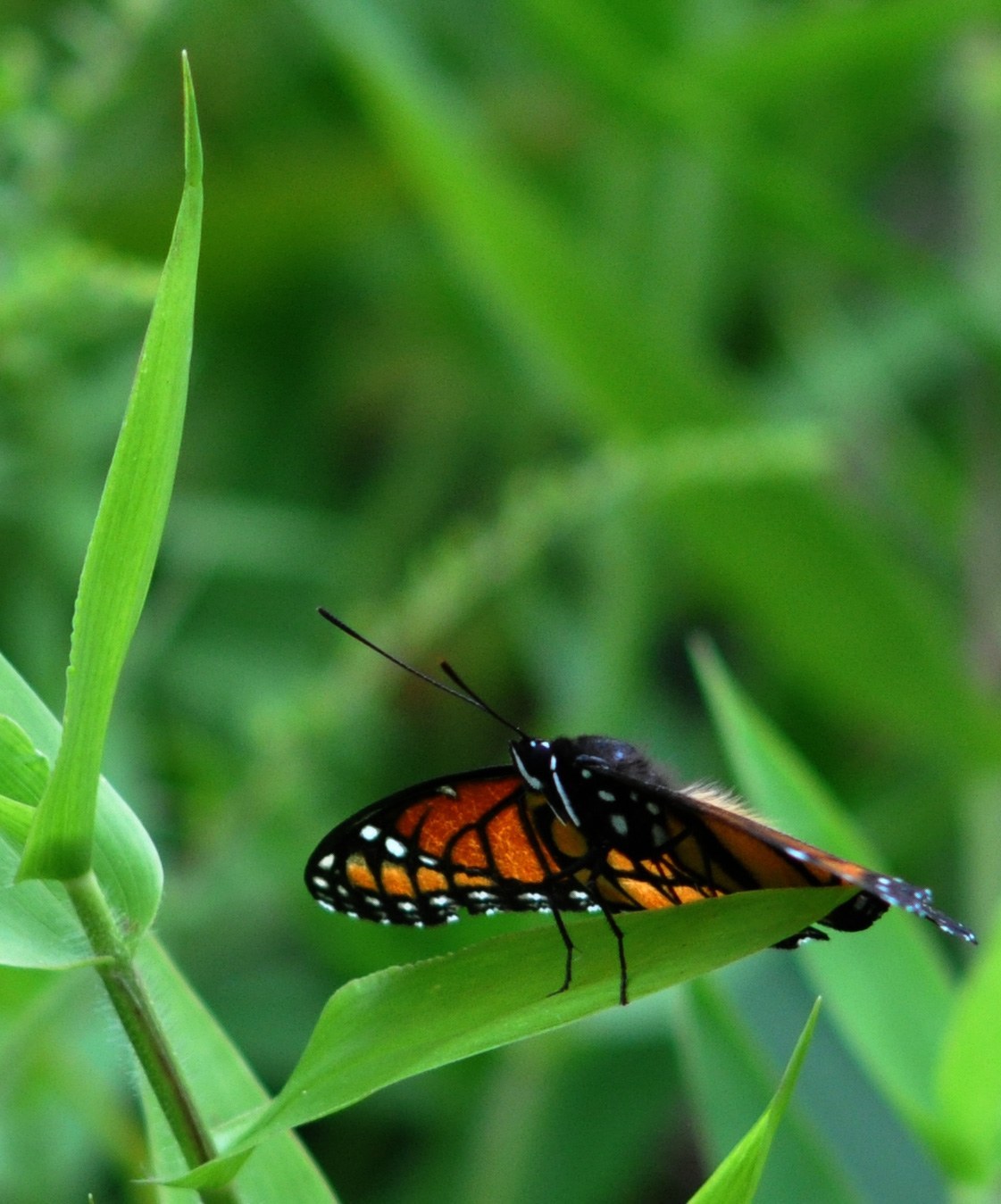
Viceroy Butterfly
Wetlands, meadows, riverbanks, willow thickets (North America)
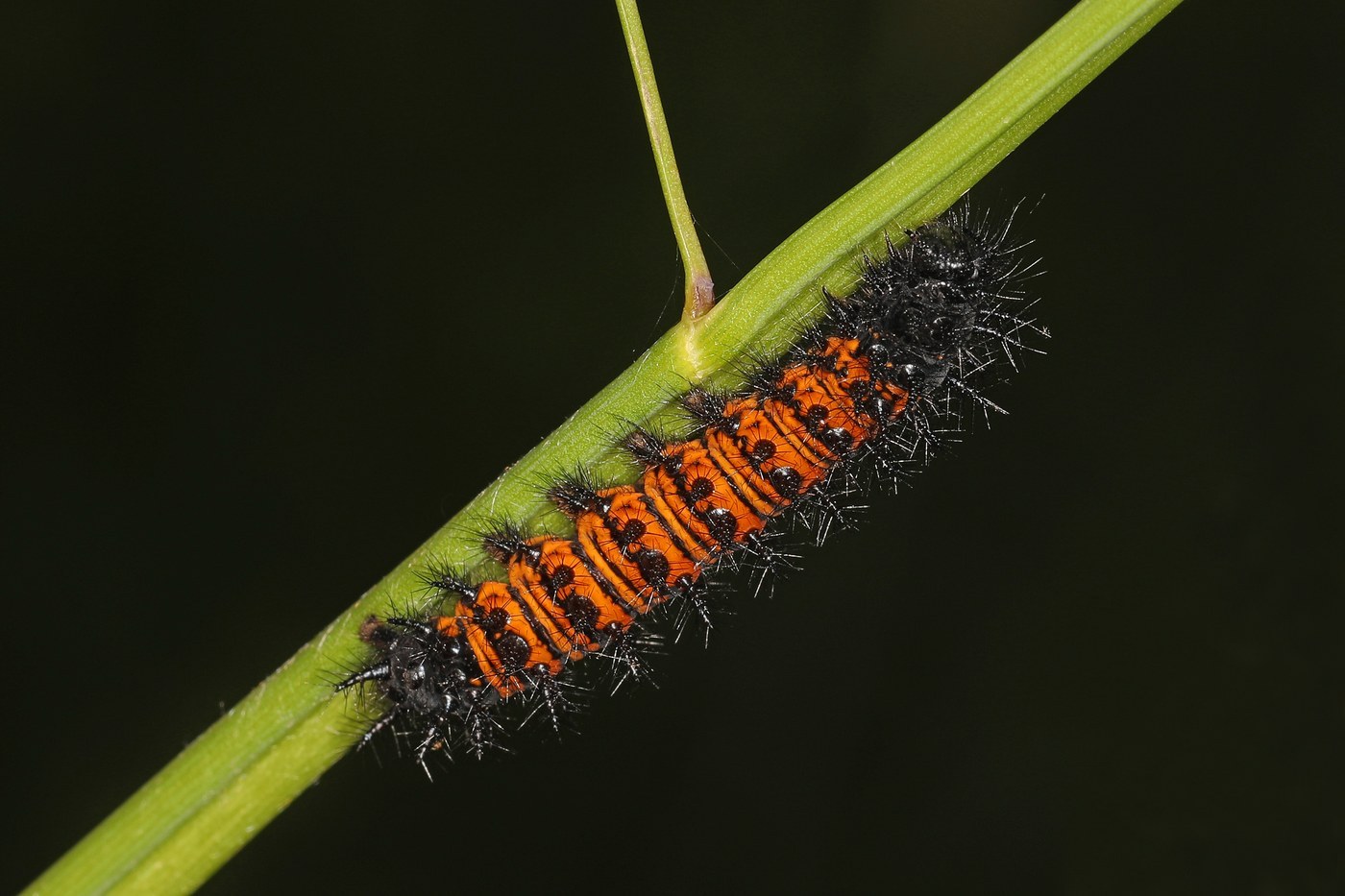
Baltimore Checkerspot
Wet meadows, bogs, and marshy fields in the northeastern and Appalachian US
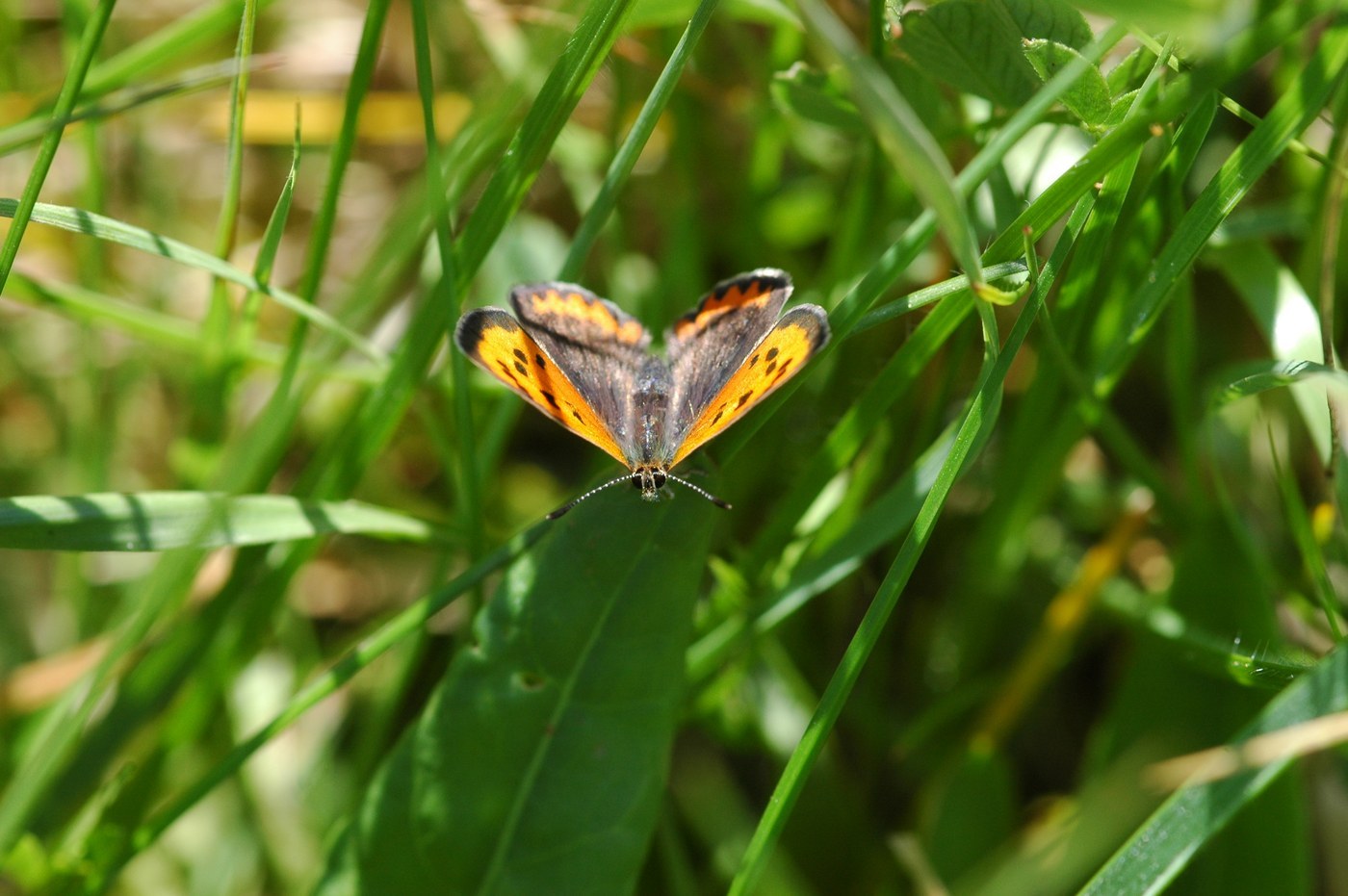
American Copper
Old fields, roadsides, and disturbed open ground with sorrel or dock
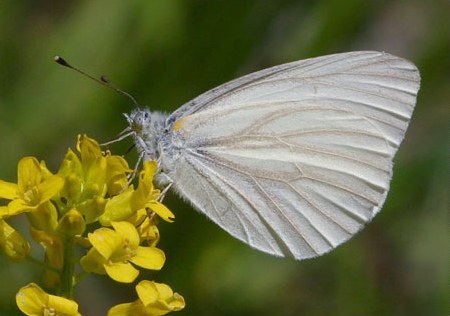
West Virginia White
Rich deciduous forest floors, especially near seeps and streams
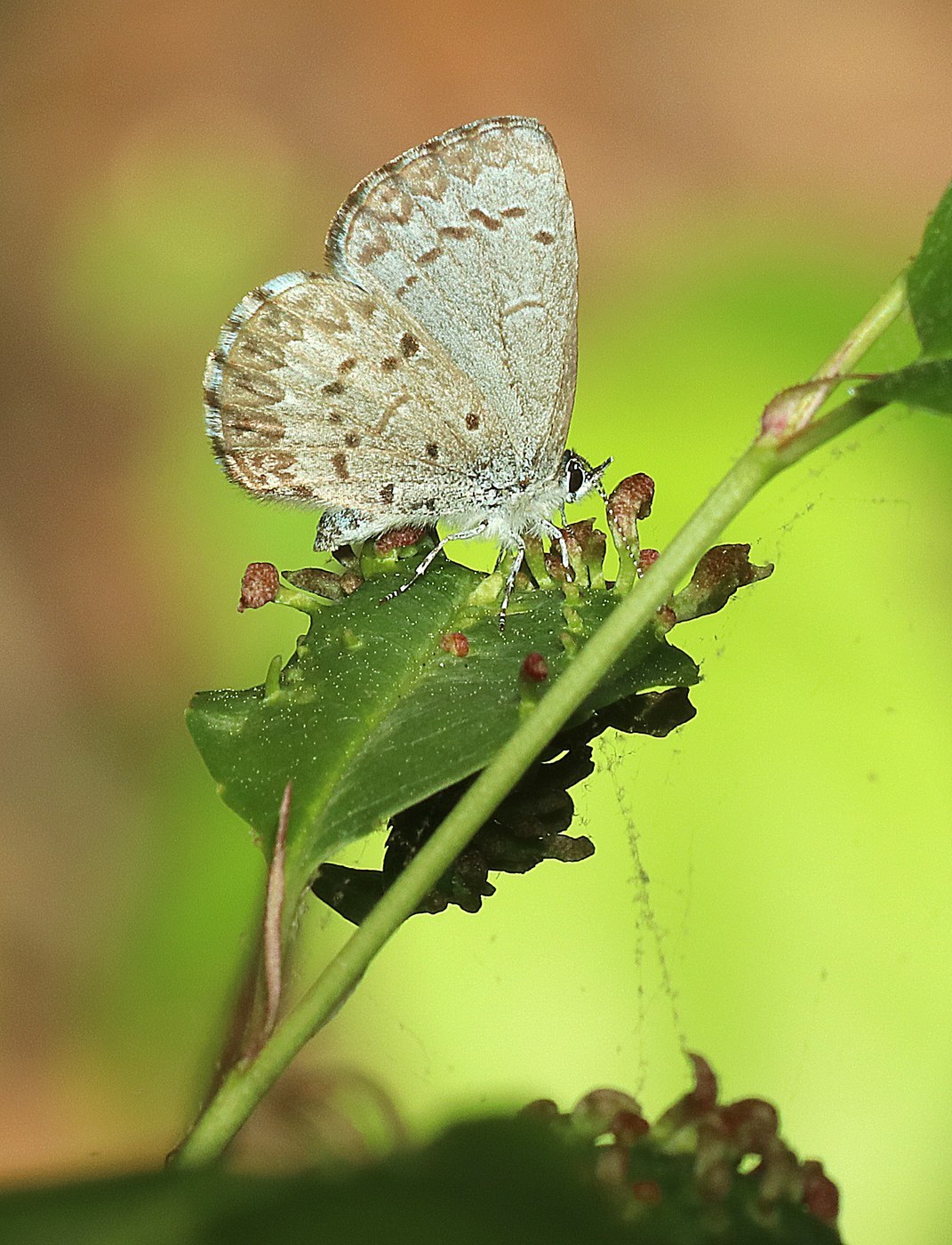
Spring Azure
Woodland edges, gardens, shrubby clearings
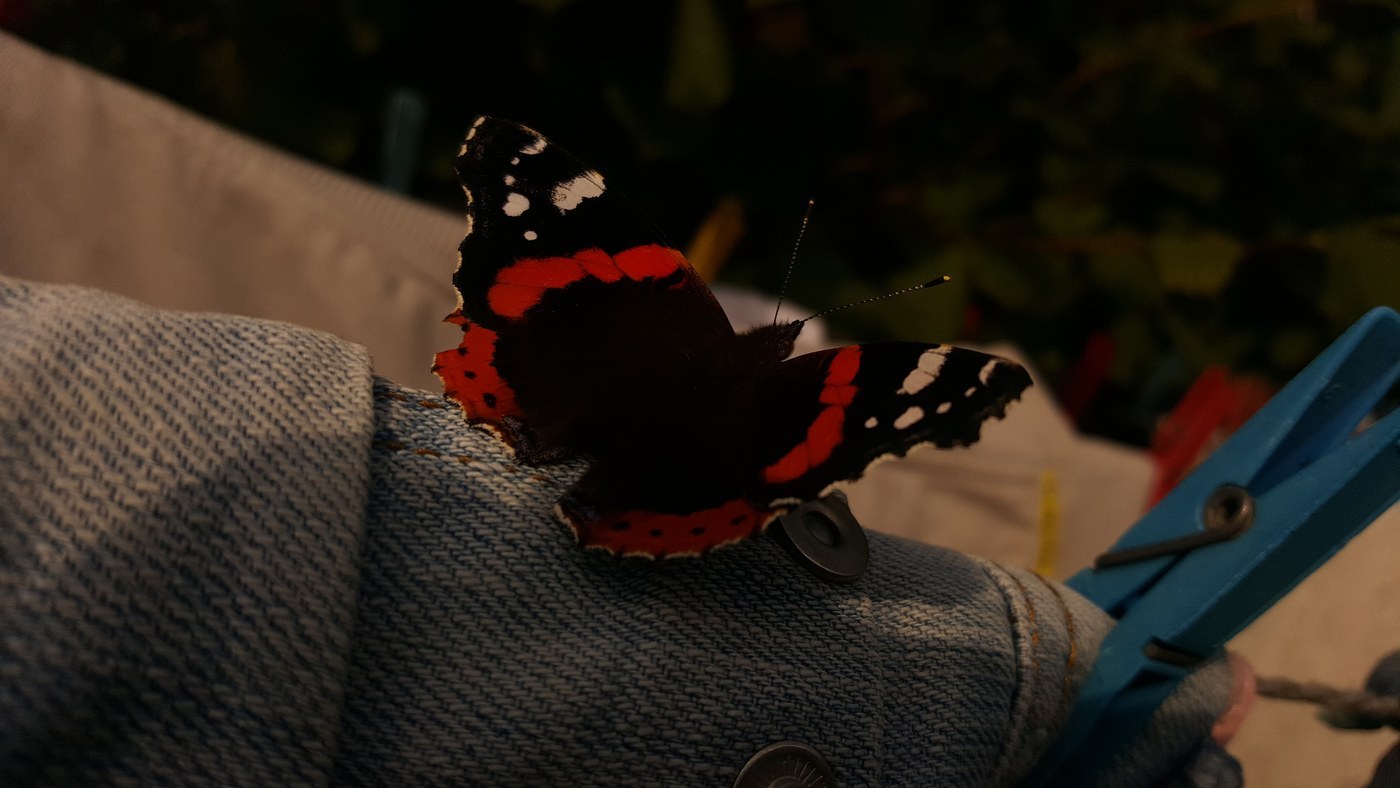
Red Admiral
Gardens, woodland edges, parks, meadows
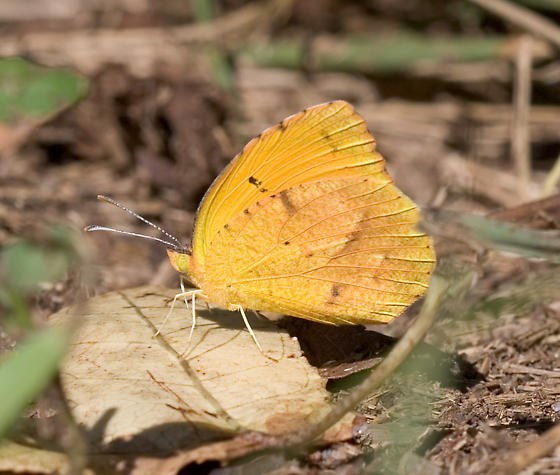
Sleepy Orange
Open woodland, fields, roadsides, and disturbed ground
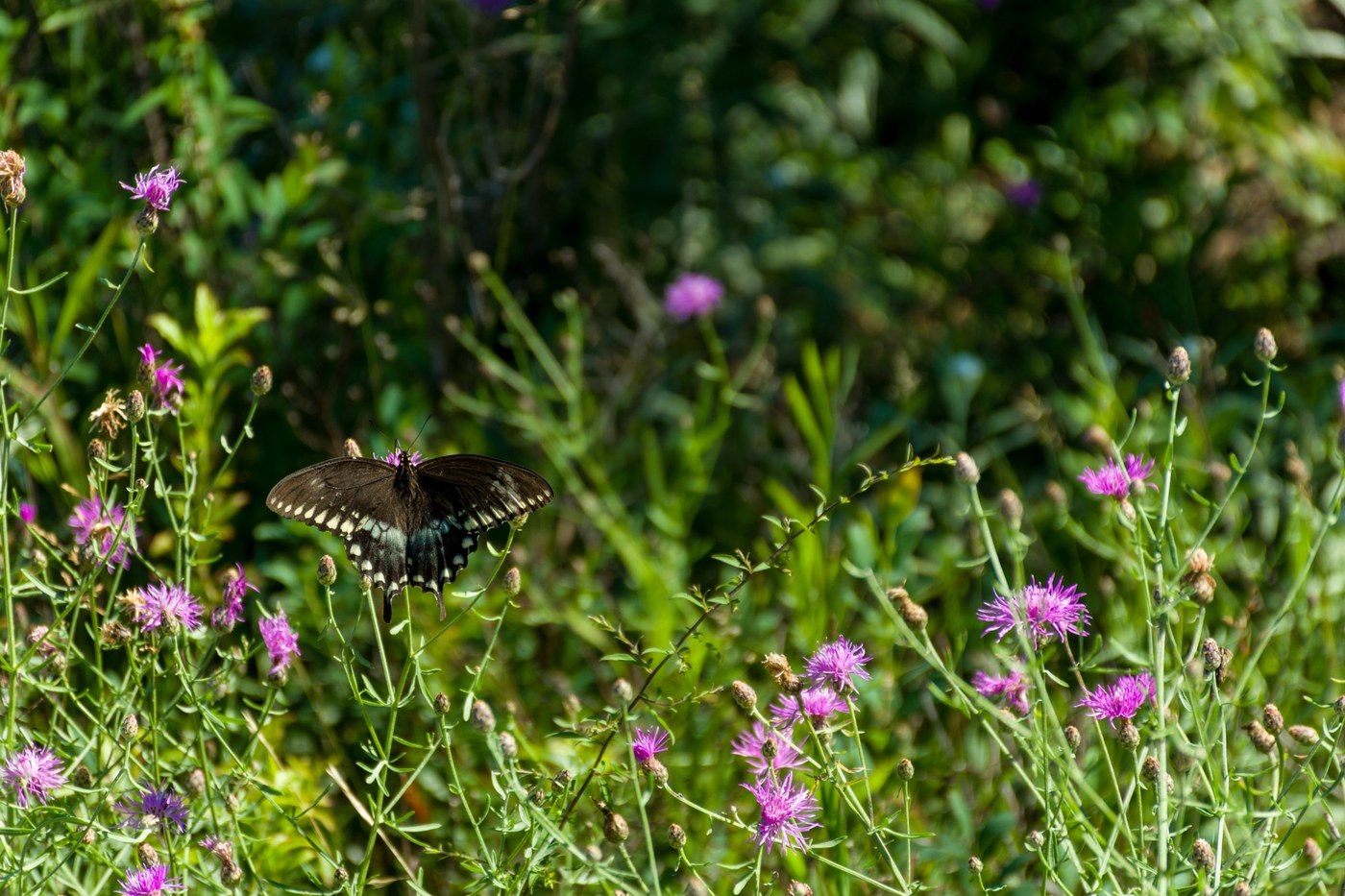
Spicebush Swallowtail
Deciduous forests, woodland edges, gardens