
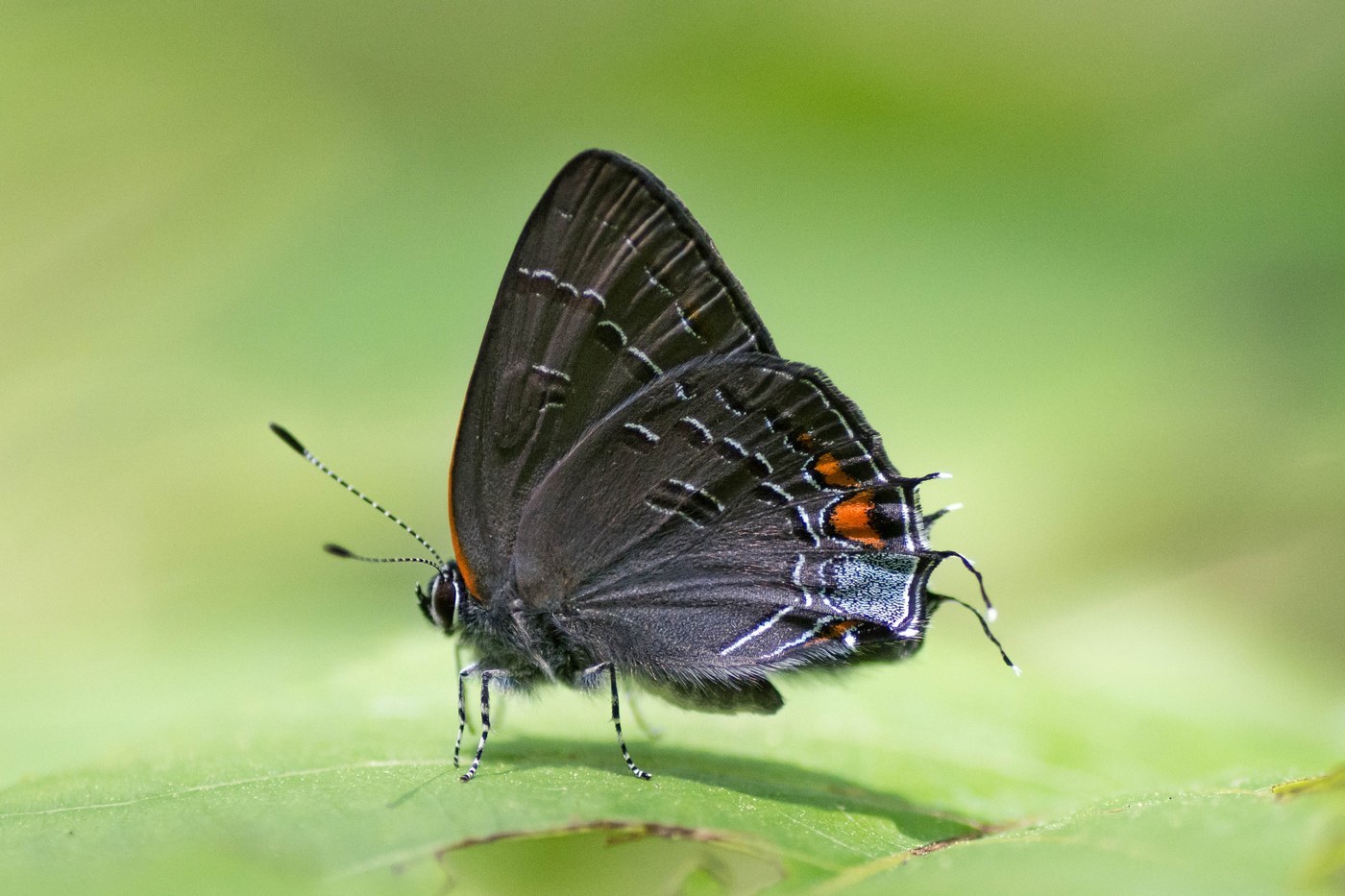
Banded Hairstreak
Satyrium calanus
A gray-brown, tailed hairstreak marked by a postmedian band of white-edged dark spots on the hindwing underside and a small orange-capped blue spot near the tail, closely tied to oak and hickory woodlands.
- Size
- 1.0–1.4 in wingspan
- Habitat
- Deciduous woodlands and edges with oaks and hickories
- Danger
- Harmless
Spotted a bug like this?
Identify any bug or insect from a photo, free.
Overview
The Banded Hairstreak is a small butterfly in the gossamer-wing family (Lycaenidae), widespread across the eastern half of North America wherever oak and hickory trees grow. It is part of a large and often confusing genus, Satyrium, whose members share similar gray-brown coloring and require careful attention to spot patterns for accurate identification.
This species is closely linked to deciduous forest habitat because its caterpillars feed on the foliage of oaks and hickories, tying its distribution and abundance directly to the presence of mature or regenerating hardwood trees. It is one of the more commonly encountered woodland hairstreaks in its range.
Adults appear for a single flight period each summer, often visiting flowering shrubs and wildflowers at woodland edges, making mid-summer forest margins one of the best places to find the species.
How to Identify
- Upperside is plain grayish-brown with a thin tail on the hindwing.
- Underside is gray-brown crossed by a postmedian band of dark spots, each edged narrowly in white, forming a broken banded pattern across both wings.
- Near the hindwing tail there is a small blue spot capped with orange, a common hairstreak "false head" feature.
- Lookalikes: several other Satyrium hairstreaks (such as the Hickory Hairstreak and Striped Hairstreak) have very similar banding and often require close comparison of spot shape, spacing, and host tree association to separate reliably.
Habitat & Range
Ranges across the eastern United States and adjacent southern Canada, generally following the distribution of oak and hickory trees. It is found in deciduous woodlands, forest edges, and wooded parks and yards where these host trees are present. Adults fly for a single period in early to mid-summer, typically June and July depending on latitude.
Behavior & Diet
Adults perch and feed at woodland-edge flowers such as dogbane, milkweed, and sumac, often basking with wings closed on leaves in dappled sunlight. Caterpillars feed on the young leaves of oaks and hickories, typically favoring newly opened spring foliage. As with many hairstreaks, larvae may be attended by ants that benefit from their secretions in exchange for a degree of protection from predators. The species is a minor but consistent component of woodland-edge pollinator communities during its flight period.
Life Cycle
Eggs are laid singly on twigs of oak or hickory host trees in summer and remain there, dormant, through fall and winter. Caterpillars emerge the following spring to feed on newly emerging leaf buds, an important timing adaptation that matches larval development to fresh, tender foliage. Pupation occurs in leaf litter or bark crevices near the host tree. There is one generation per year (univoltine), with the species overwintering in the egg stage.
Frequently asked questions
How can I tell a Banded Hairstreak from similar Satyrium hairstreaks?
The banded pattern is very similar across several related species; close attention to the exact shape and spacing of the white-edged spots, along with knowing the host tree nearby, helps narrow down the identification.
What trees do the caterpillars need?
They feed specifically on the young leaves of oaks and hickories, so the butterfly is generally found near stands of these trees.
When would I see one flying?
It has a single flight period in early to mid-summer, typically June and July.
Does it have tails like other hairstreaks?
Yes, it has a thin tail on each hindwing along with the small orange-and-blue false-head spot near the tail base.
Banded Hairstreak guides
In-depth guides for identifying, understanding, and living alongside Banded Hairstreak.
Other bugs you may enjoy
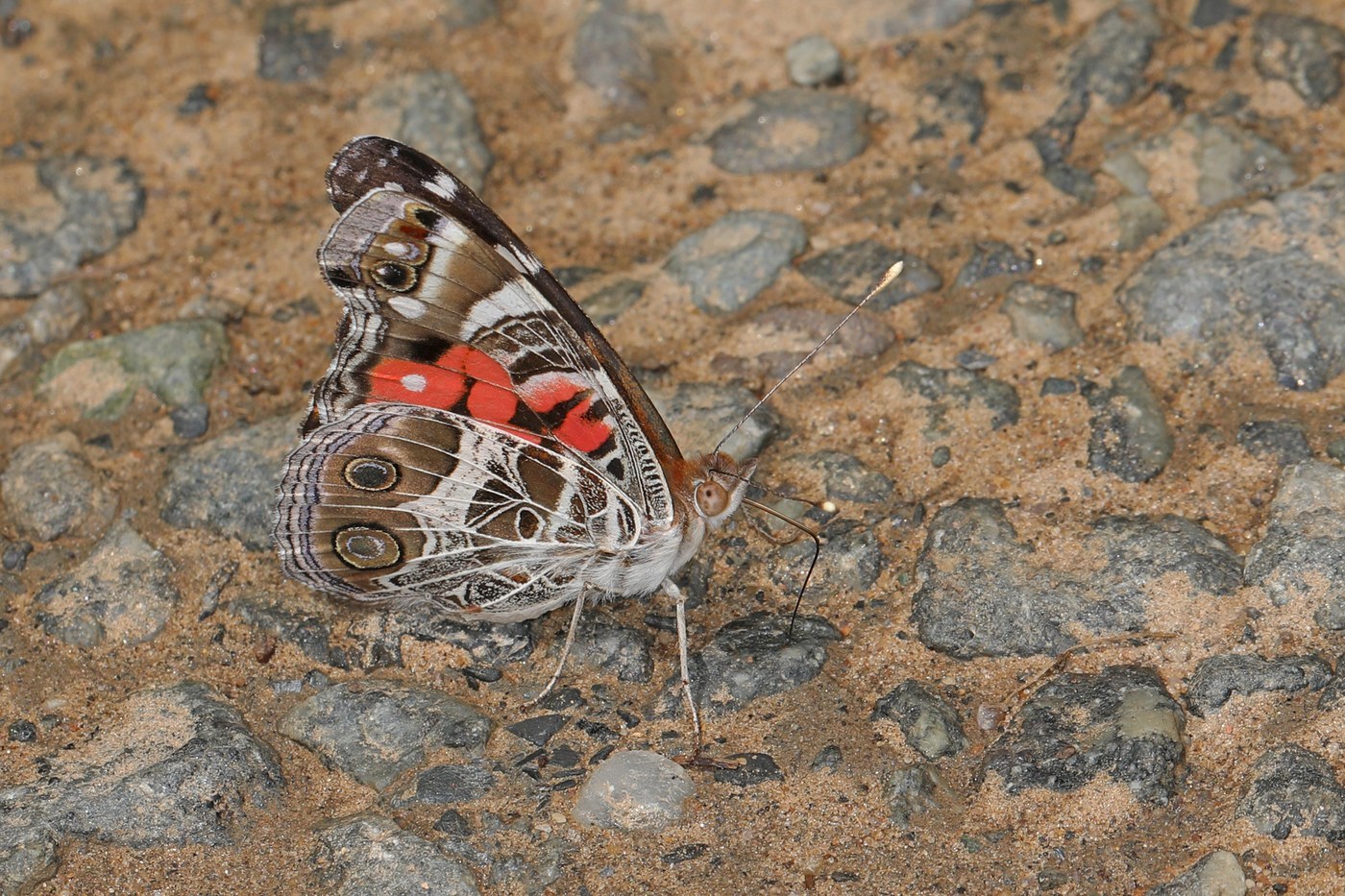
American Lady
Open fields, meadows, gardens, roadsides
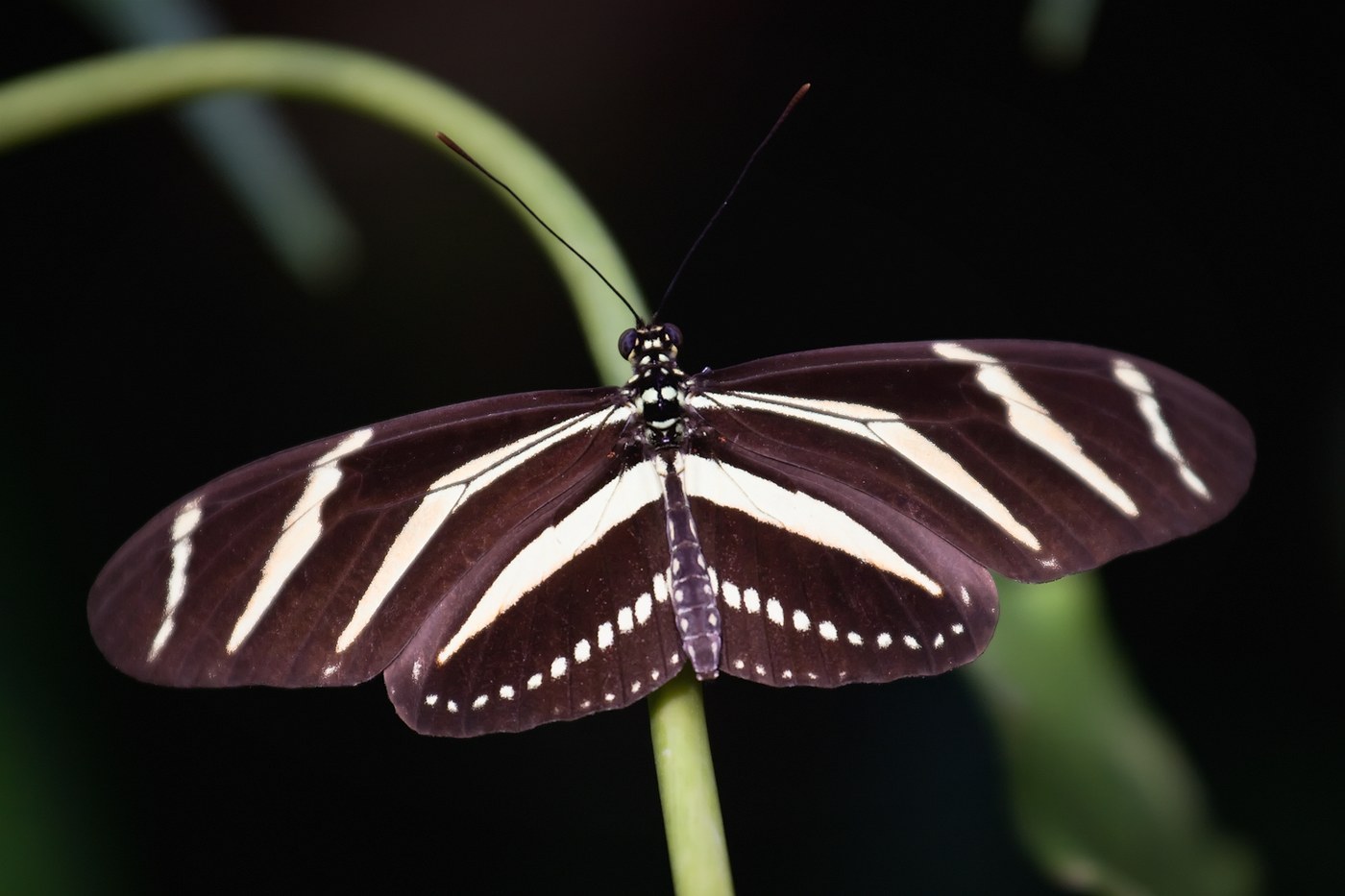
Zebra Longwing
Tropical hammocks, gardens, forest edges
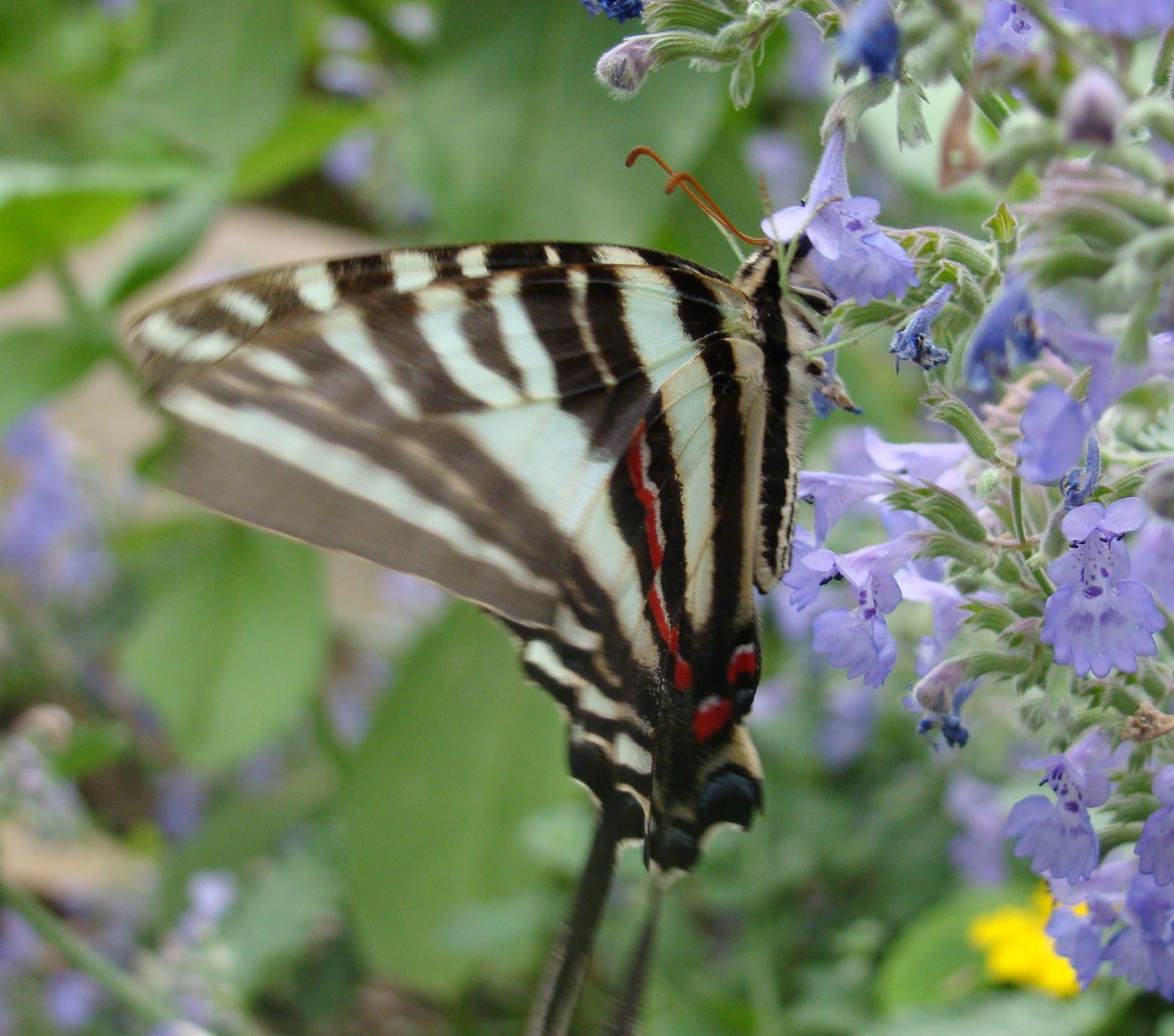
Zebra Swallowtail
Woodlands, floodplains, forest edges near pawpaw
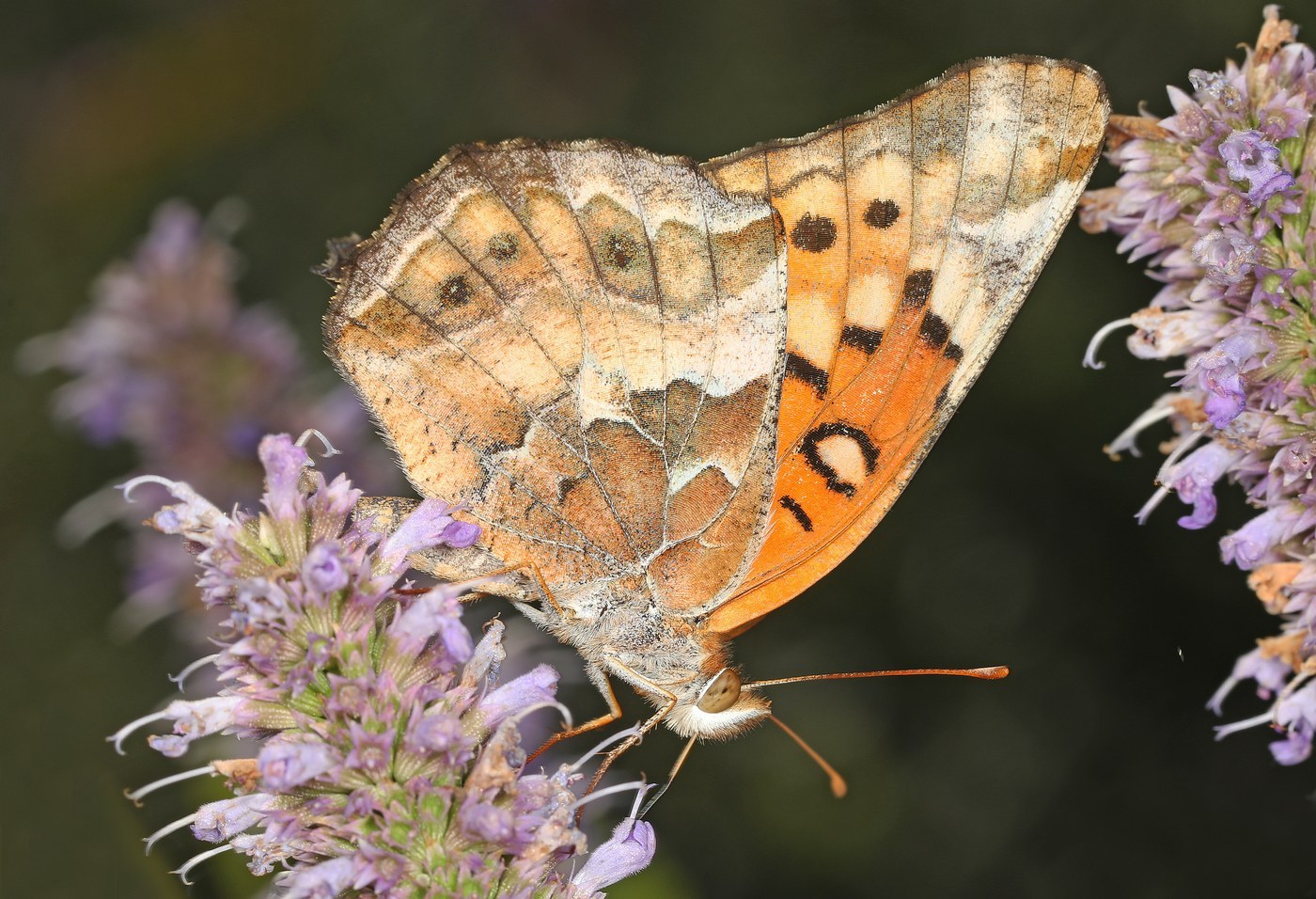
Variegated Fritillary
Open fields, prairies, roadsides, and disturbed ground across most of the United States
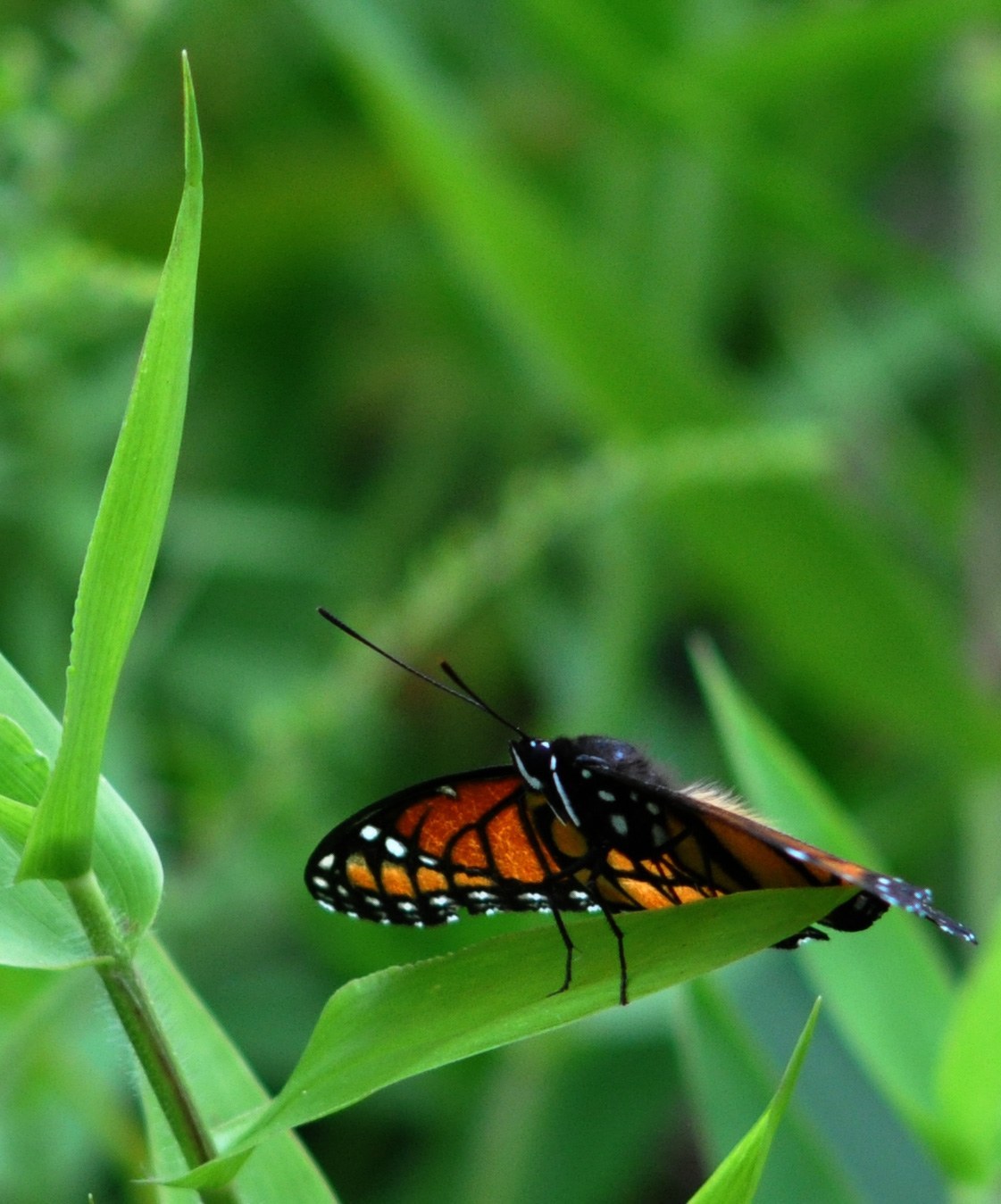
Viceroy Butterfly
Wetlands, meadows, riverbanks, willow thickets (North America)
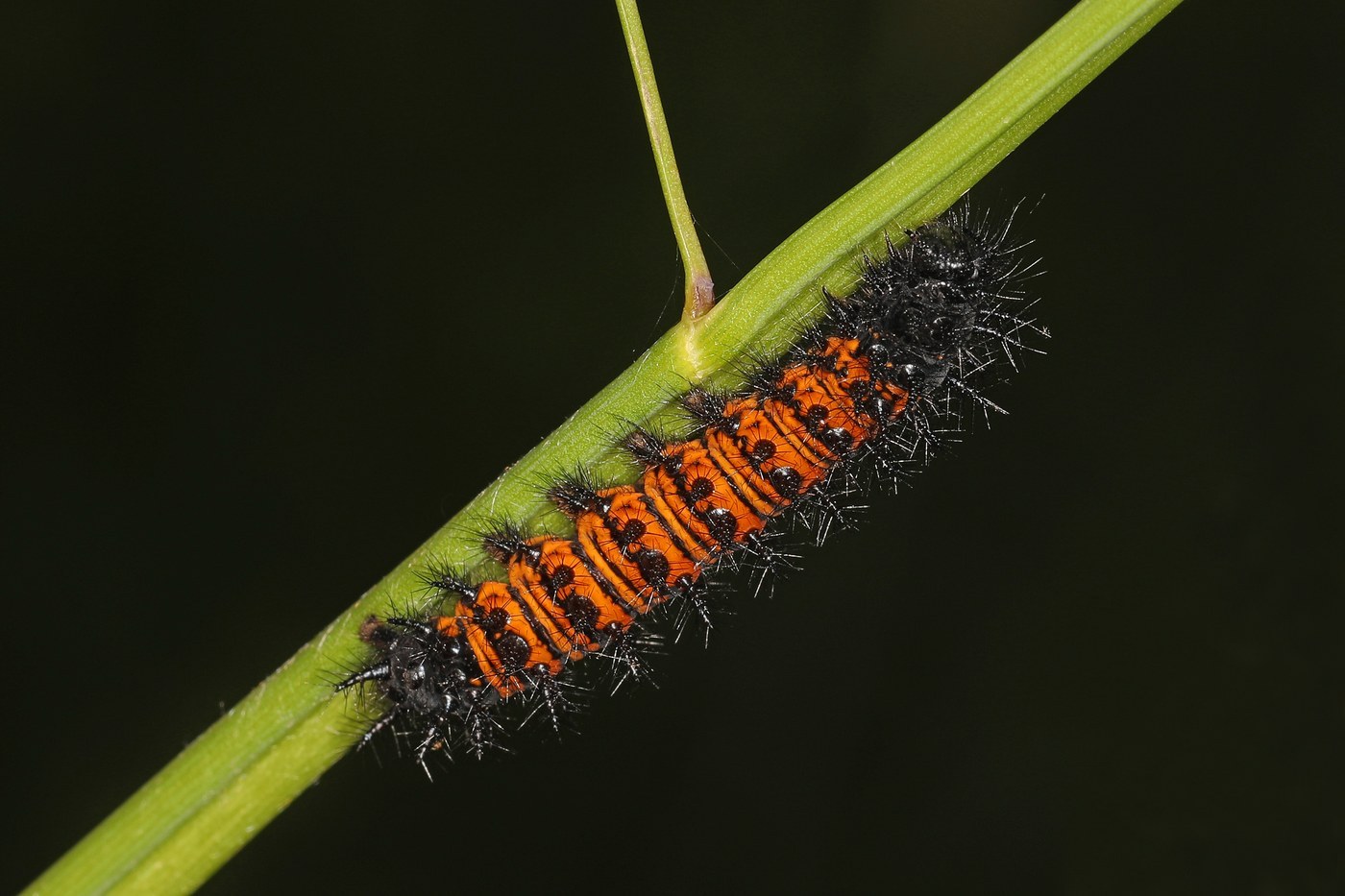
Baltimore Checkerspot
Wet meadows, bogs, and marshy fields in the northeastern and Appalachian US
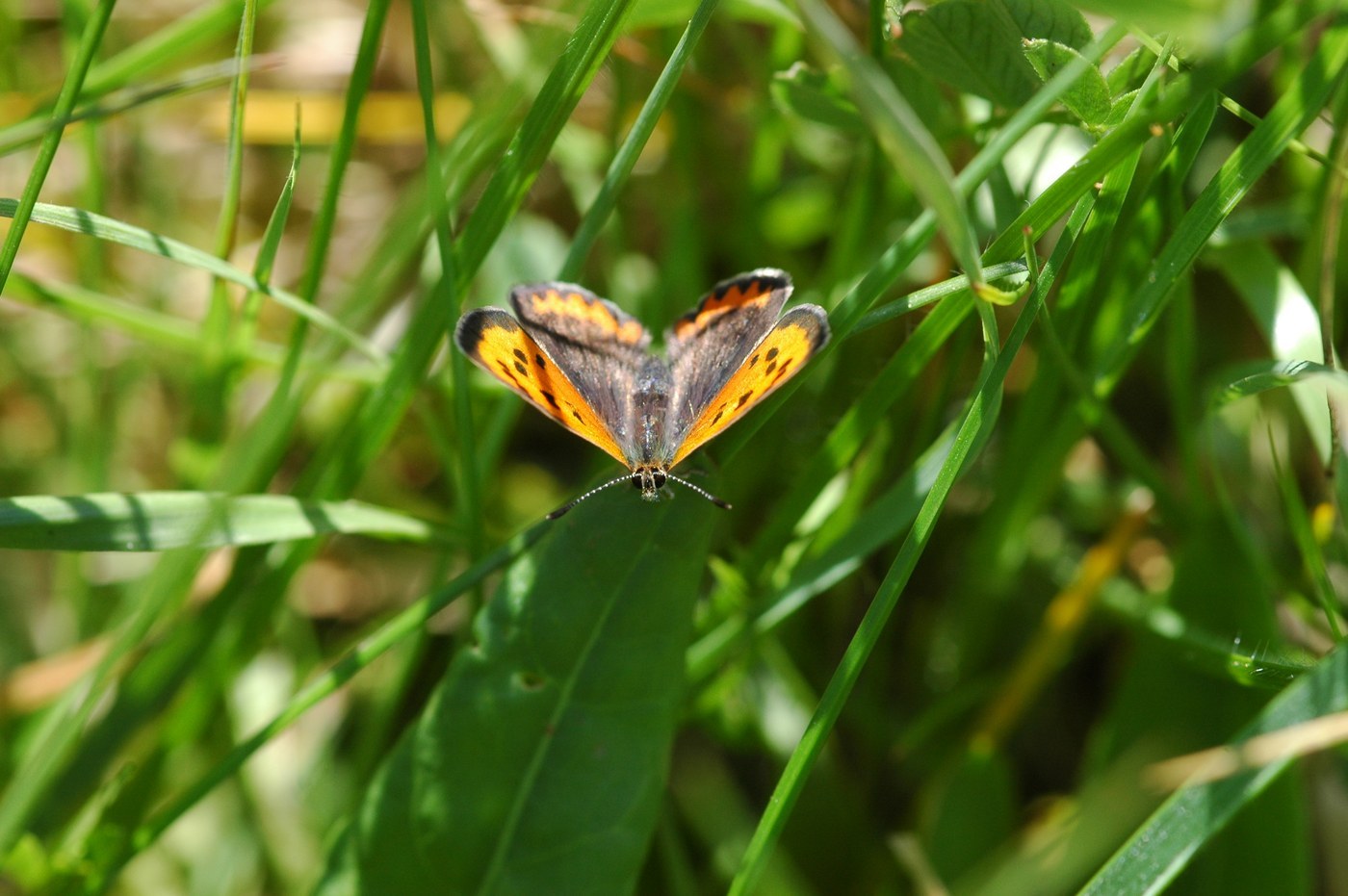
American Copper
Old fields, roadsides, and disturbed open ground with sorrel or dock
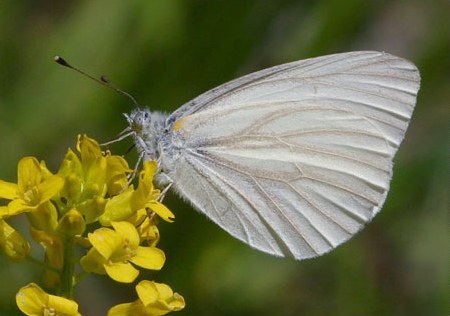
West Virginia White
Rich deciduous forest floors, especially near seeps and streams
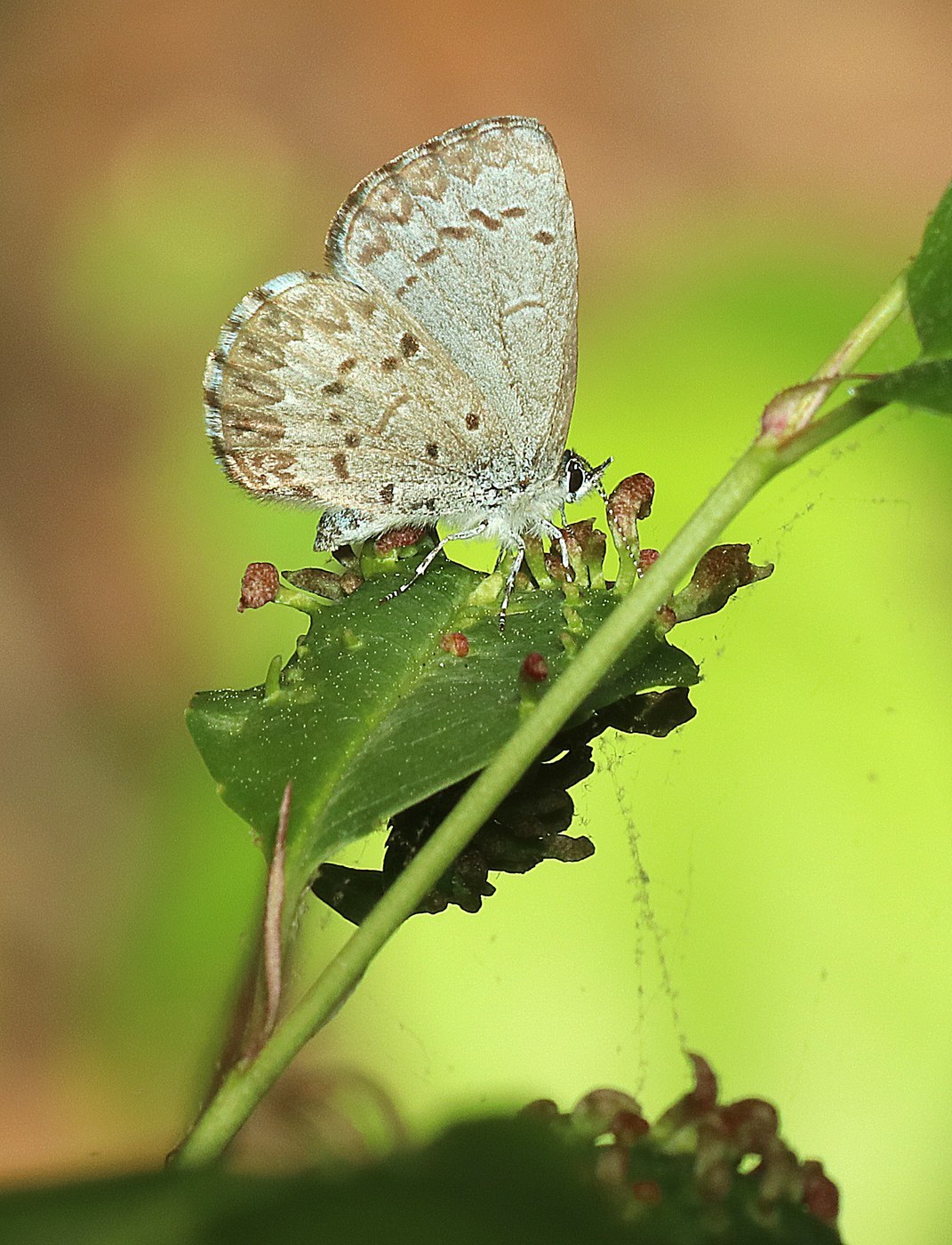
Spring Azure
Woodland edges, gardens, shrubby clearings
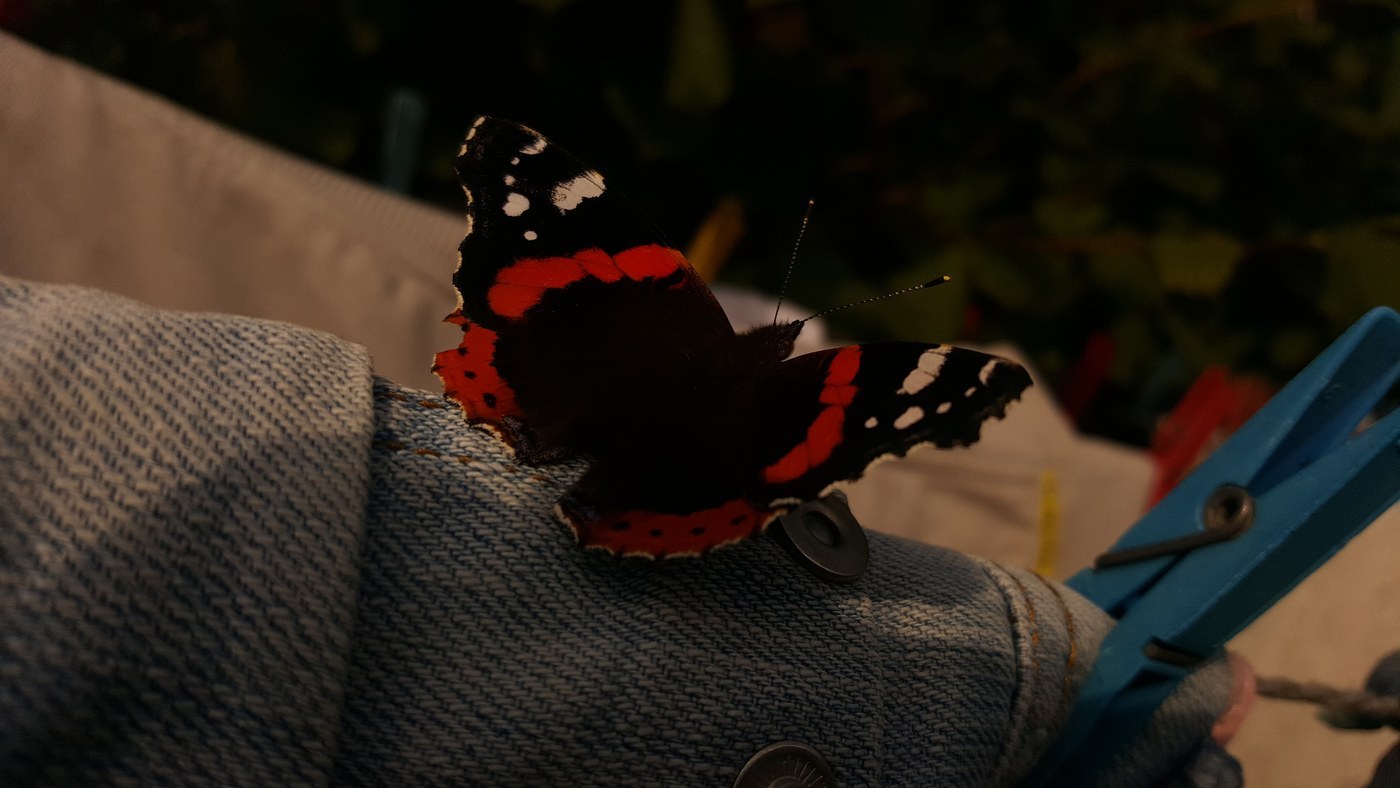
Red Admiral
Gardens, woodland edges, parks, meadows
Sleepy Orange
Open woodland, fields, roadsides, and disturbed ground
Spicebush Swallowtail
Deciduous forests, woodland edges, gardens