
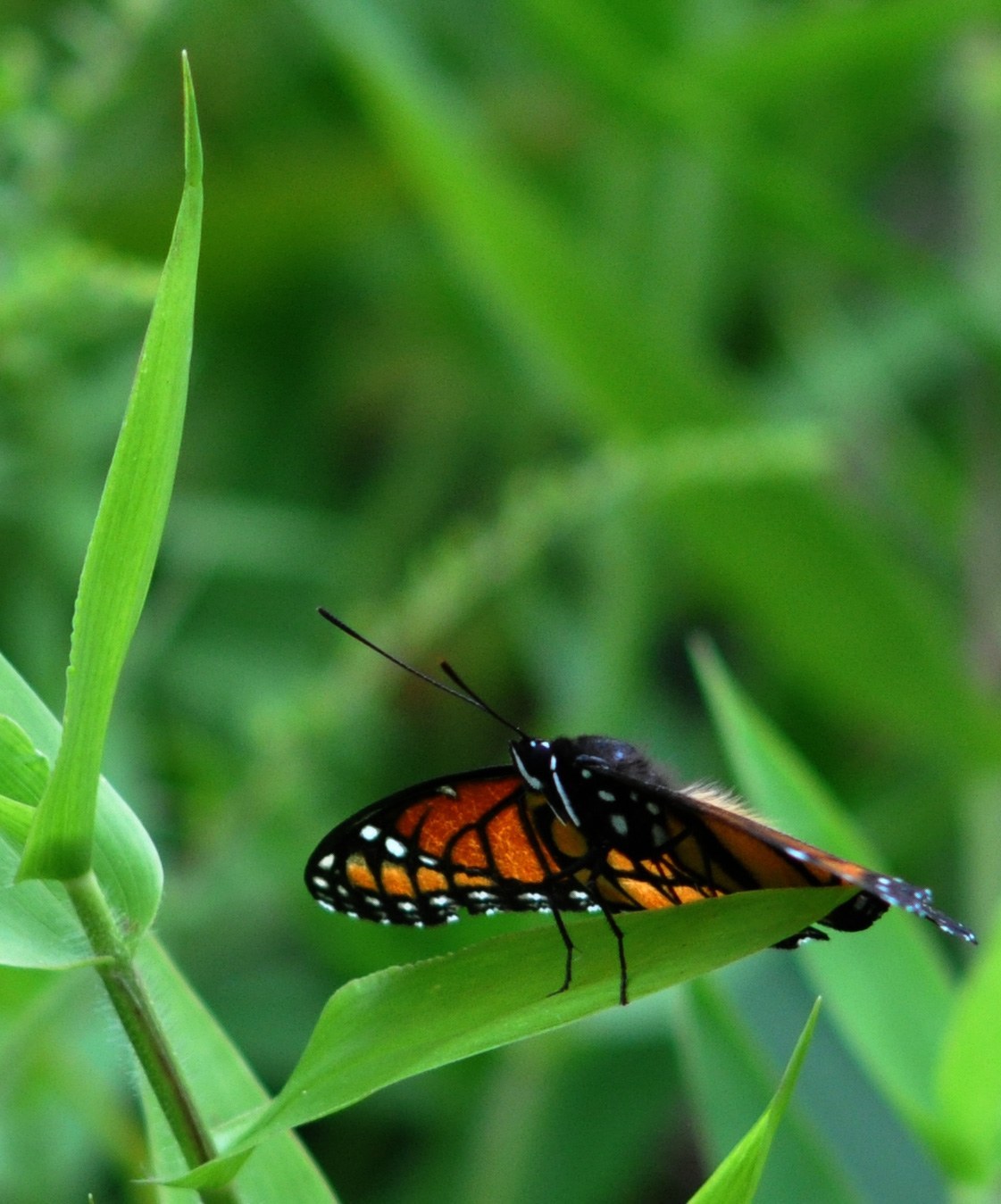
Viceroy Butterfly
Limenitis archippus
An orange-and-black butterfly closely resembling the monarch, distinguished by a smaller size and a distinctive black line crossing the veins of the hindwing, and long cited as a classic example of mimicry between two unrelated species.
- Size
- 5.3–8.1 cm wingspan
- Habitat
- Wetlands, meadows, riverbanks, willow thickets (North America)
- Danger
- Harmless
Spotted a bug like this?
Identify any bug or insect from a photo, free.
Overview
The viceroy is a North American brushfoot butterfly (Nymphalidae) famous chiefly for its close resemblance to the much larger and unrelated monarch butterfly, a similarity long used as a textbook example of mimicry in evolutionary biology. Early explanations described the viceroy as a palatable mimic gaining protection by resembling the presumably less palatable monarch, a pattern called Batesian mimicry, though later research has suggested that viceroys themselves are also unpalatable to many predators, making the relationship closer to mutual mimicry between two similarly protected species, called Mullerian mimicry.
Although similar in overall color pattern, the viceroy belongs to an entirely different genus and subfamily than the monarch, being more closely related to the admirals, and has a very different caterpillar and host plant relationship, feeding on willows, poplars, and cottonwoods rather than milkweed. This makes the viceroy a striking case of two unrelated lineages converging on a similar warning-style appearance.
The species ranges across most of the continental United States and southern Canada, generally favoring wetter habitats near its willow and poplar host plants, and is a common, easily observed butterfly of streamside and marshy environments through summer.
How to Identify
- Wingspan roughly 5.3–8.1 cm, noticeably smaller on average than the monarch.
- Wings are orange with black vein lines and a black wing border spotted with white, closely resembling the monarch's pattern.
- The most reliable distinguishing feature is a black line that crosses the veins horizontally across the hindwing, a mark the monarch does not have.
- Flight is faster and more direct/flapping compared to the monarch's slower, more gliding flight.
- Lookalikes: the monarch is the obvious lookalike, distinguished by larger size, absence of the black hindwing line, and slower gliding flight; the queen butterfly in the southern U.S. is also orange but lacks the crisp black-and-white monarch-style pattern.
Habitat & Range
Found across most of the continental United States and southern Canada, favoring wetter habitats such as marshes, wet meadows, riverbanks, pond edges, and willow thickets where its host plants grow. Adults are active from spring through fall, with the number of generations varying by latitude, more in southern areas and fewer further north. It is less common in very arid regions, generally tracking the distribution of willow, poplar, and cottonwood trees.
Behavior & Diet
Adults feed on nectar from a variety of flowers, and also visit rotting fruit, aphid honeydew, dung, and carrion for additional nutrients and minerals rather than relying solely on floral nectar. Males often perch on tree branches to watch for passing females and rivals. Caterpillars feed on the leaves of willow, poplar, aspen, and cottonwood, and are noted for a distinctive appearance that closely mimics a bird dropping, an effective camouflage against predators while resting exposed on a leaf or twig.
Life Cycle
Complete metamorphosis, with two to three generations per year across most of the range. Eggs are laid singly at the tip of a host plant leaf; caterpillars are mottled olive-brown and white with a humped thorax and short fleshy projections, closely resembling bird droppings, an appearance that helps them avoid detection by predators. Late-season caterpillars construct a small rolled-leaf shelter called a hibernaculum, in which they overwinter as partially grown larvae, resuming feeding and development the following spring before pupating in a mottled brown chrysalis and emerging as adults.
Frequently asked questions
How can I tell a viceroy from a monarch?
Look for a black line crossing the veins of the hindwing, which the monarch lacks, along with the viceroy's somewhat smaller size and faster, more direct flight style.
Is the viceroy actually related to the monarch?
No, despite their similar coloring the two are not closely related; the viceroy is grouped with the admirals, while the monarch belongs to a separate subfamily of milkweed butterflies.
What does a viceroy caterpillar eat?
It feeds on the leaves of willow, poplar, aspen, and cottonwood trees rather than milkweed.
Why do the two species look so similar if they aren't related?
Their resemblance is a well-studied example of mimicry, in which two species converge on a similar warning-style appearance, which is thought to provide a shared protective benefit against predators.
Viceroy Butterfly guides
In-depth guides for identifying, understanding, and living alongside Viceroy Butterfly.
Other bugs you may enjoy
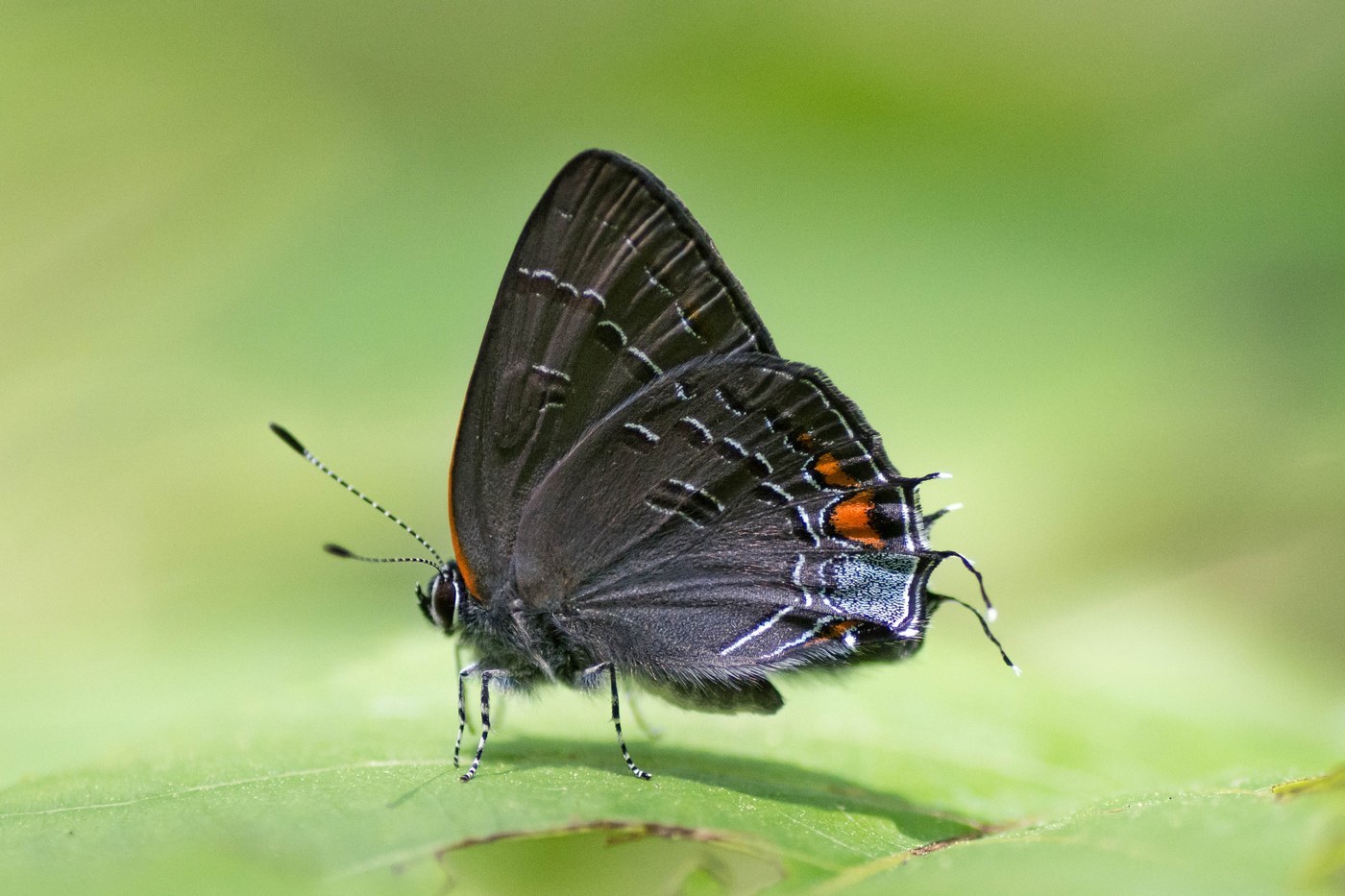
Banded Hairstreak
Deciduous woodlands and edges with oaks and hickories
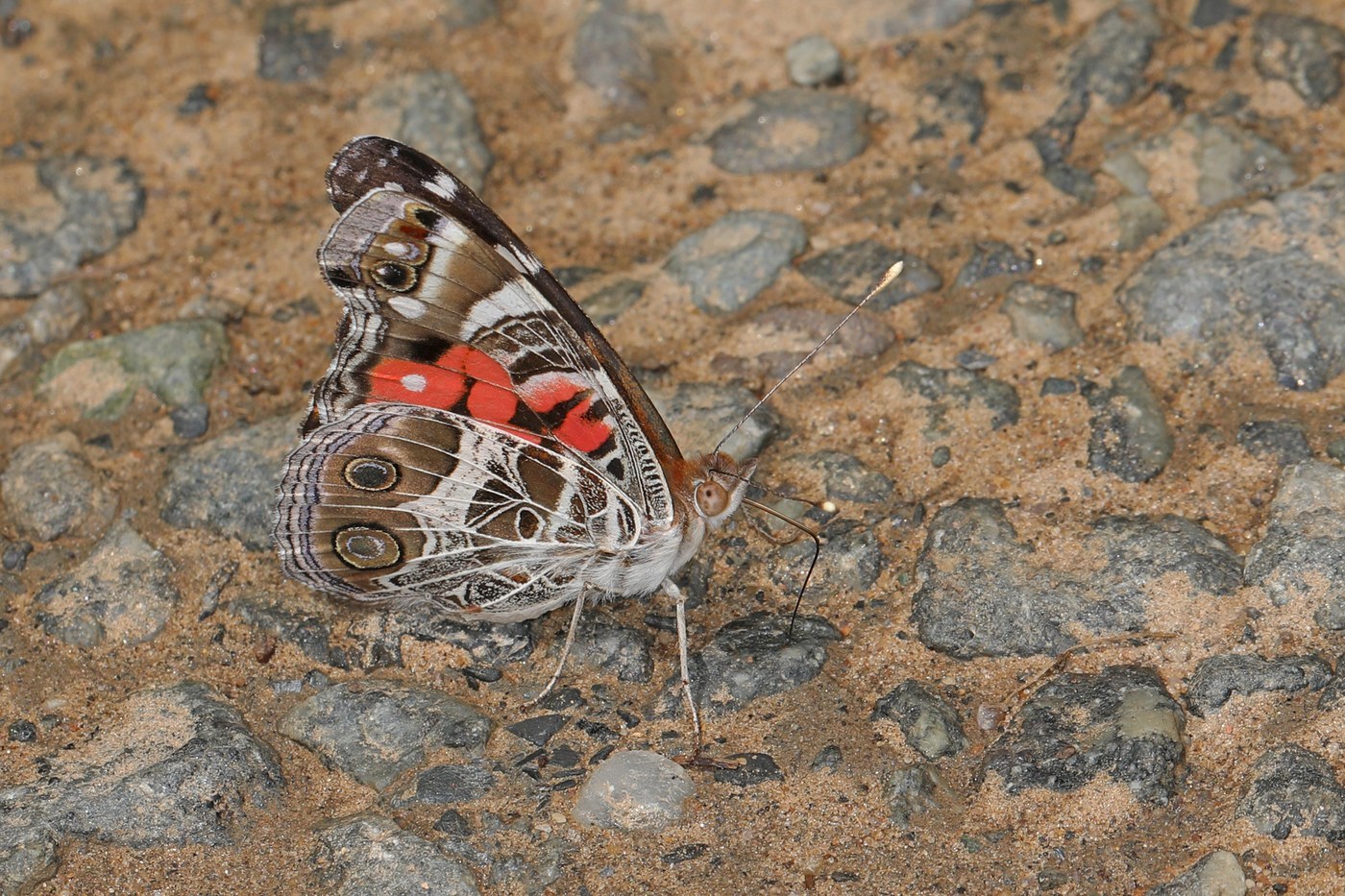
American Lady
Open fields, meadows, gardens, roadsides
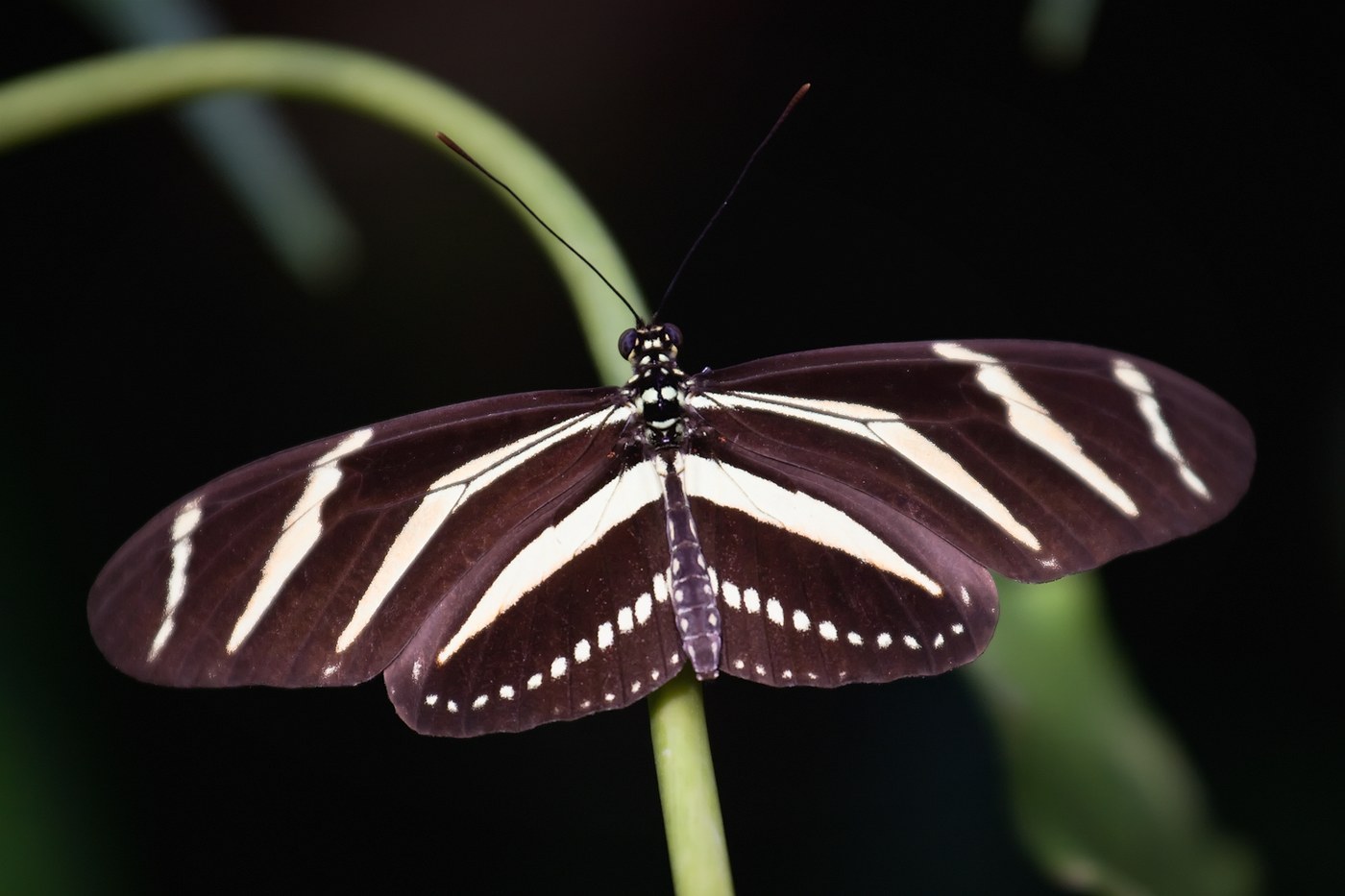
Zebra Longwing
Tropical hammocks, gardens, forest edges
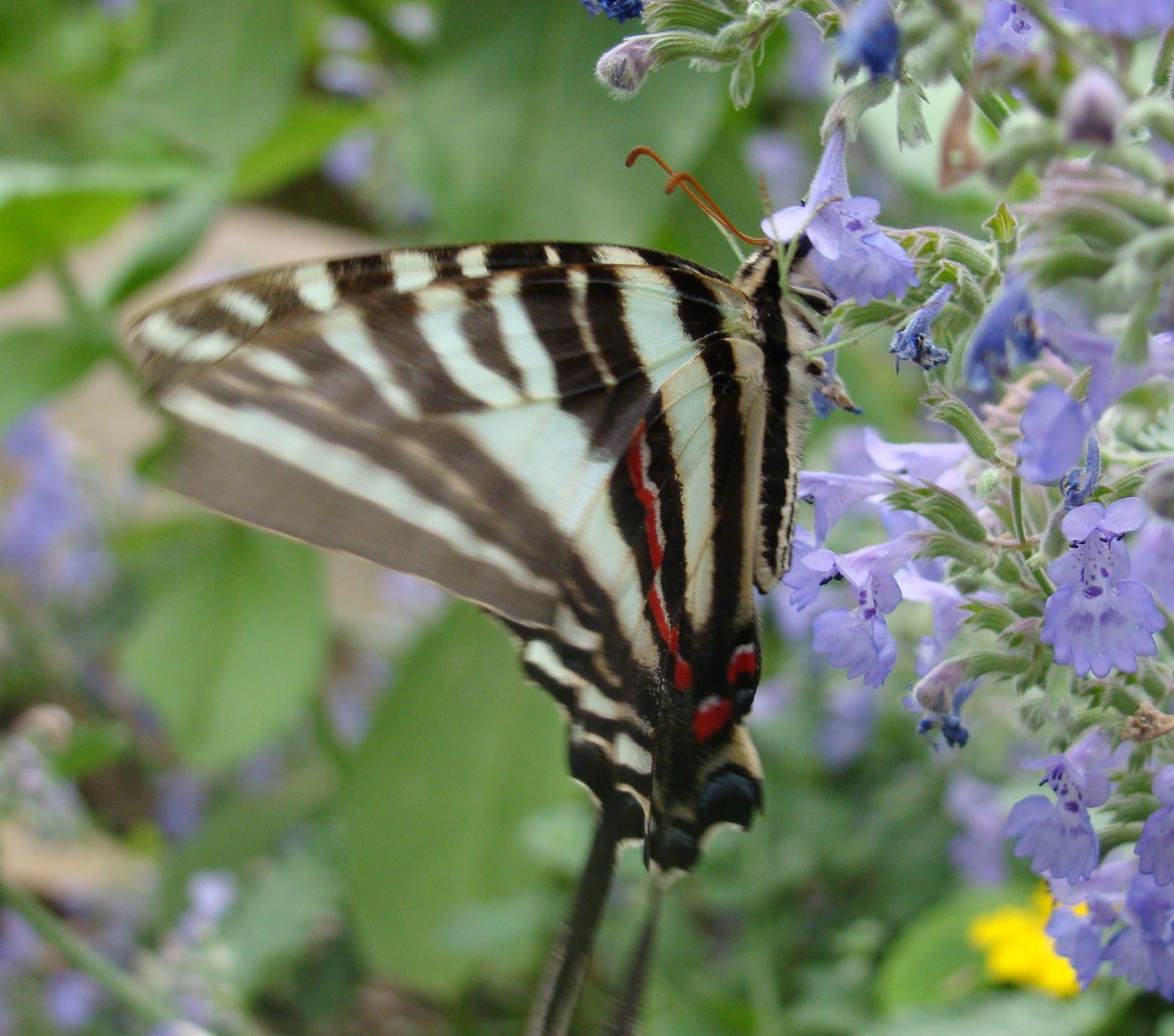
Zebra Swallowtail
Woodlands, floodplains, forest edges near pawpaw
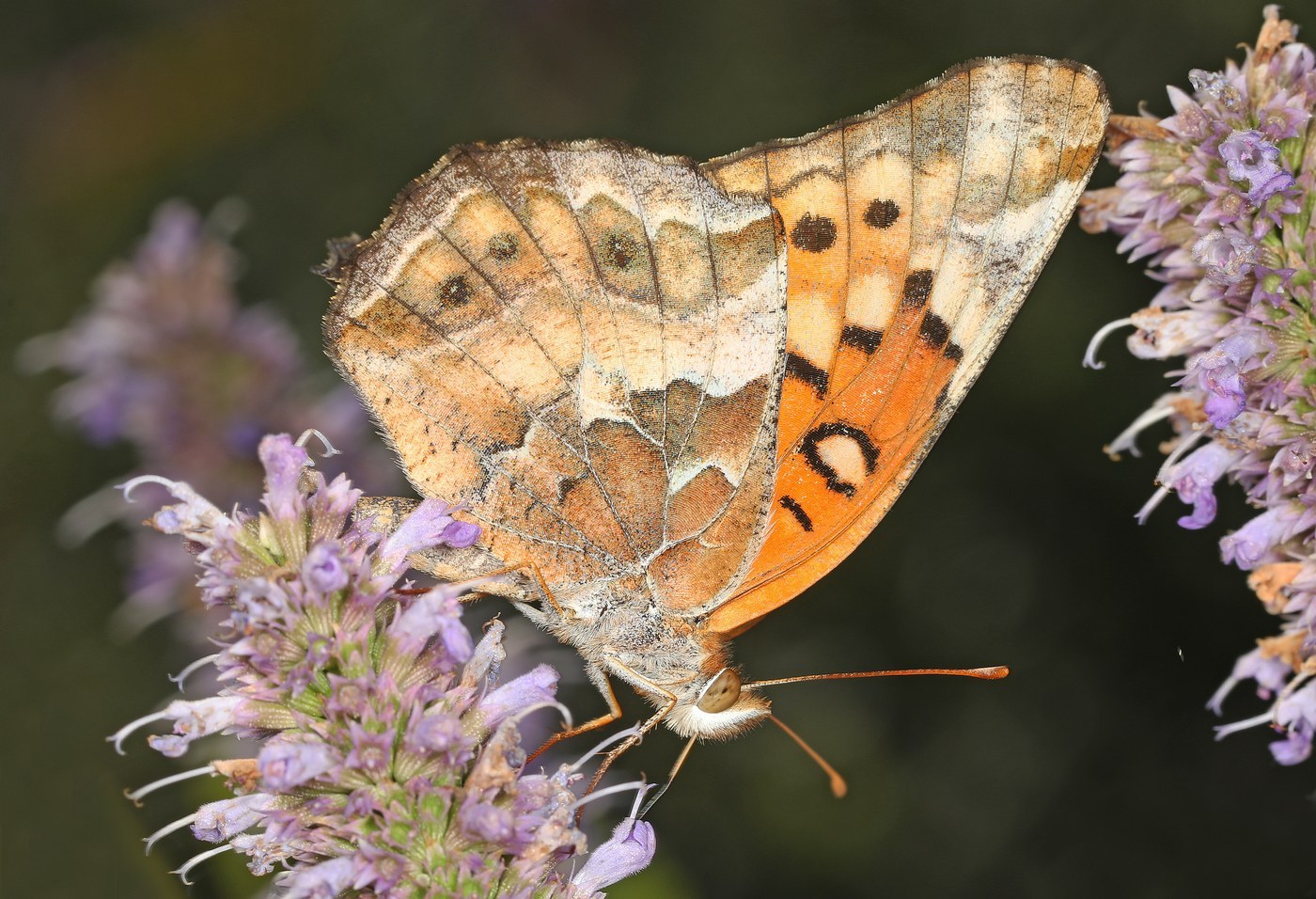
Variegated Fritillary
Open fields, prairies, roadsides, and disturbed ground across most of the United States
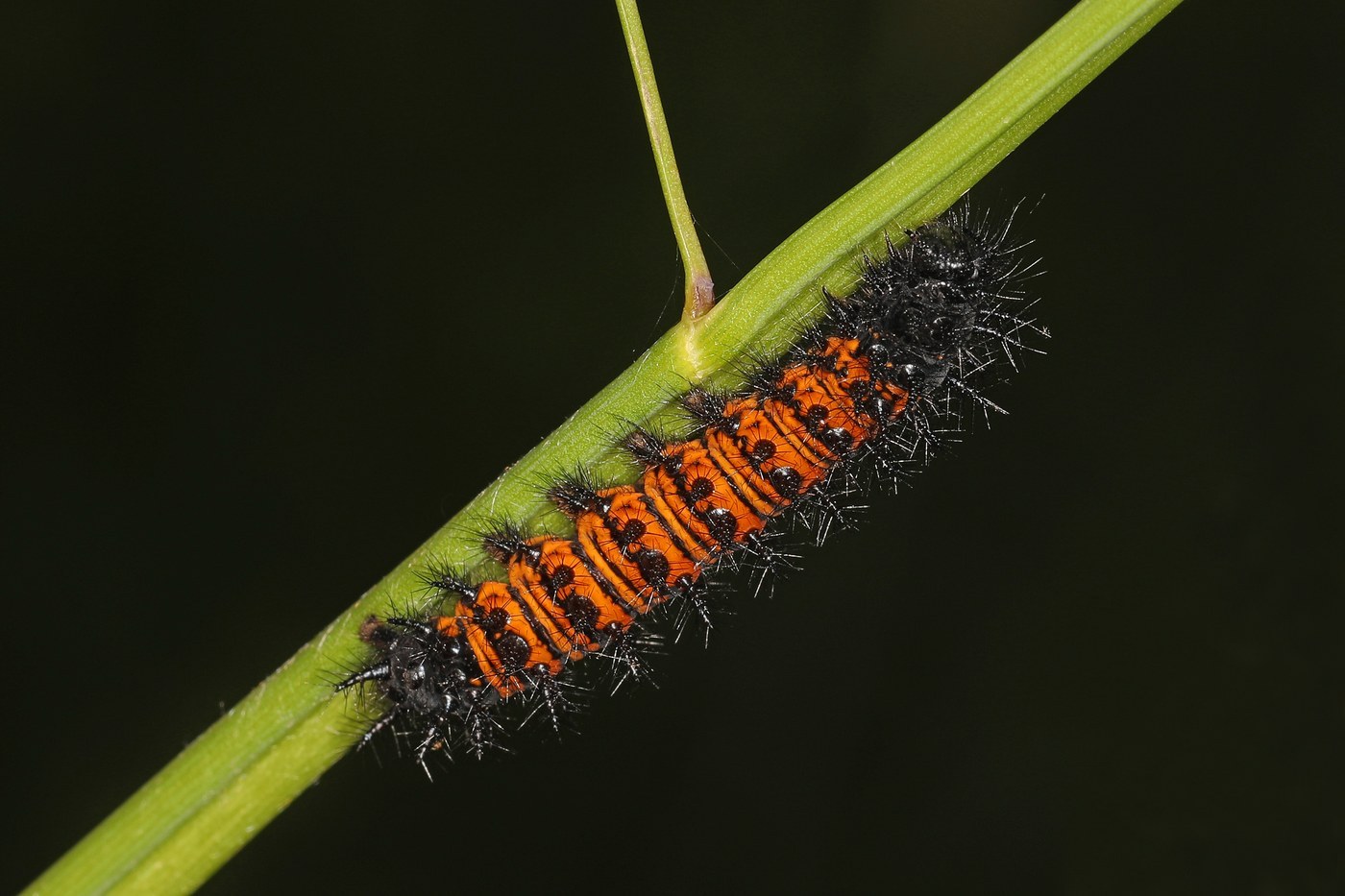
Baltimore Checkerspot
Wet meadows, bogs, and marshy fields in the northeastern and Appalachian US
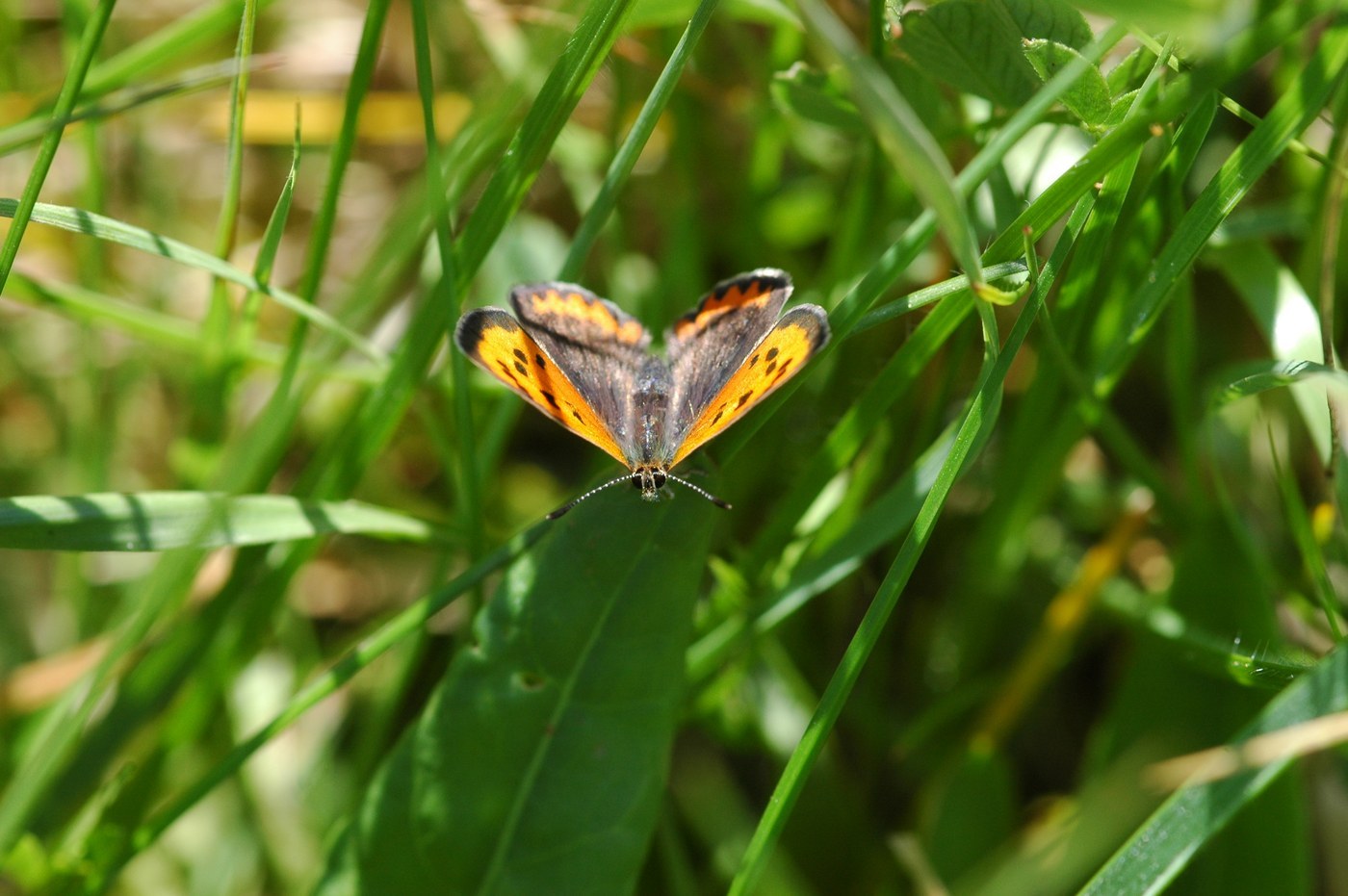
American Copper
Old fields, roadsides, and disturbed open ground with sorrel or dock
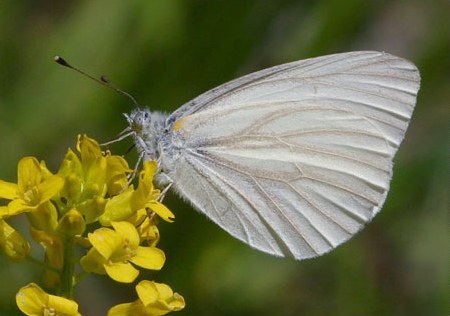
West Virginia White
Rich deciduous forest floors, especially near seeps and streams
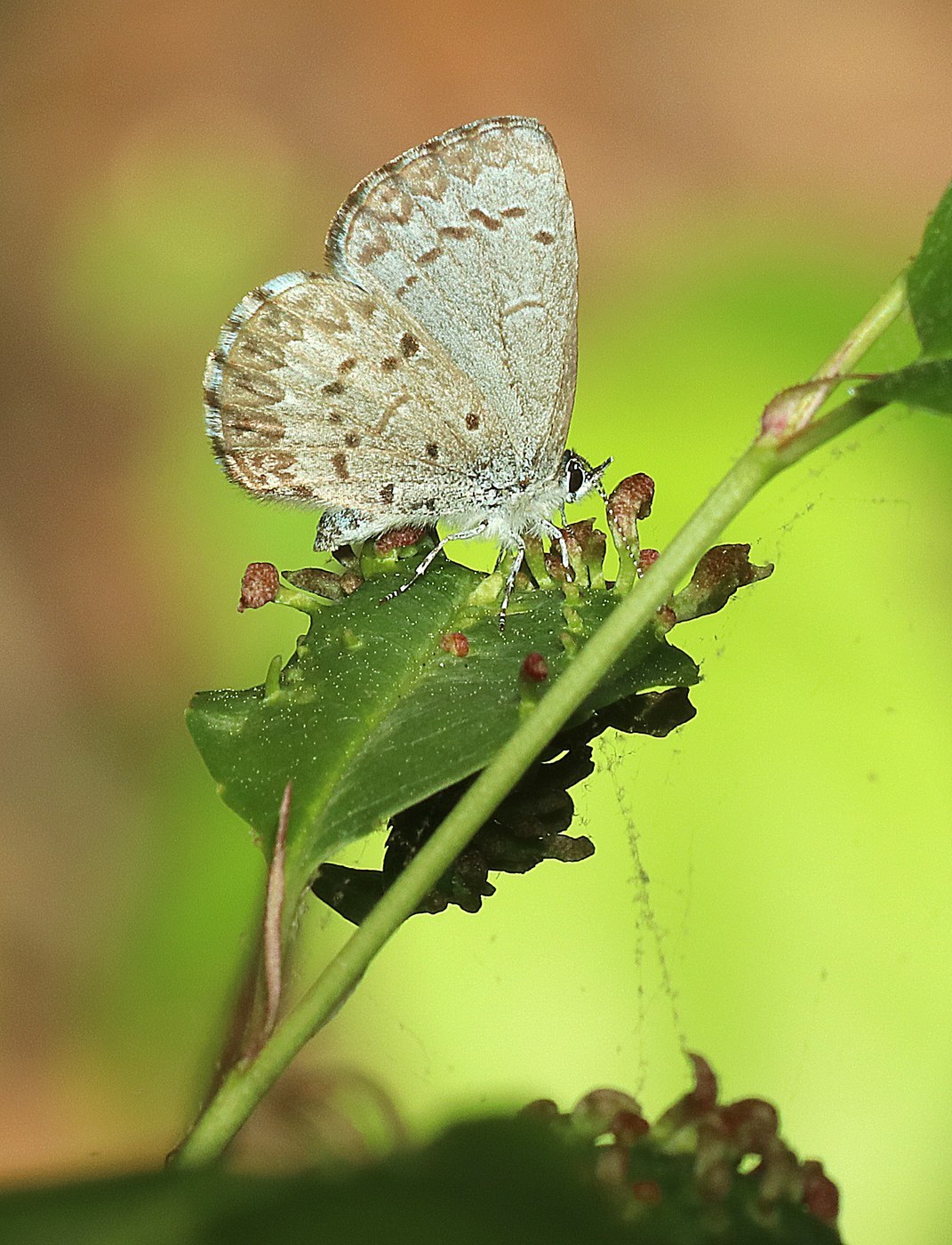
Spring Azure
Woodland edges, gardens, shrubby clearings
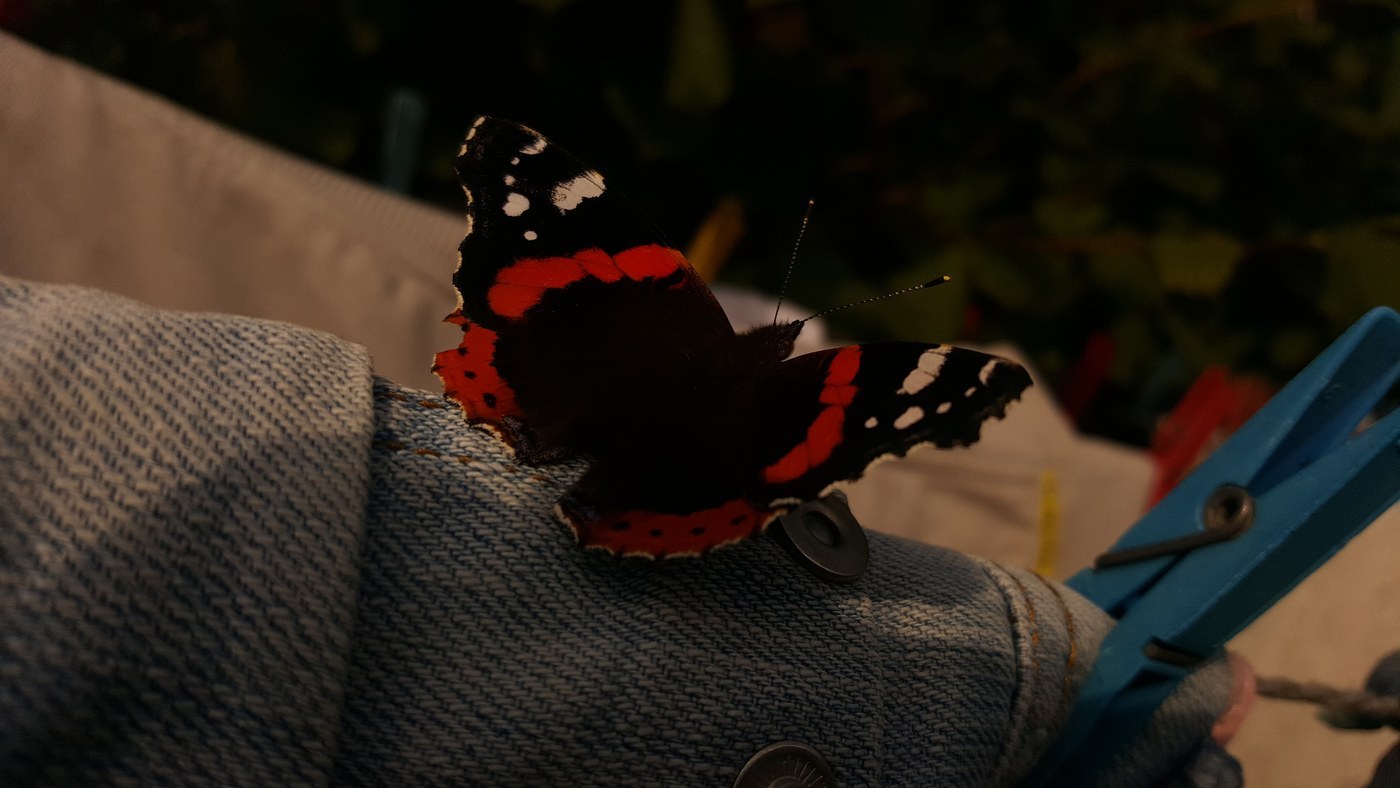
Red Admiral
Gardens, woodland edges, parks, meadows
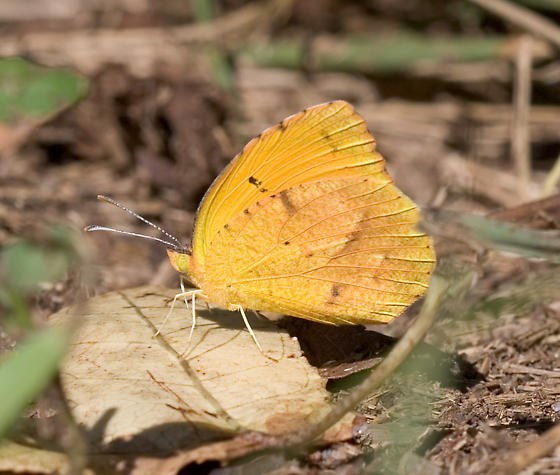
Sleepy Orange
Open woodland, fields, roadsides, and disturbed ground
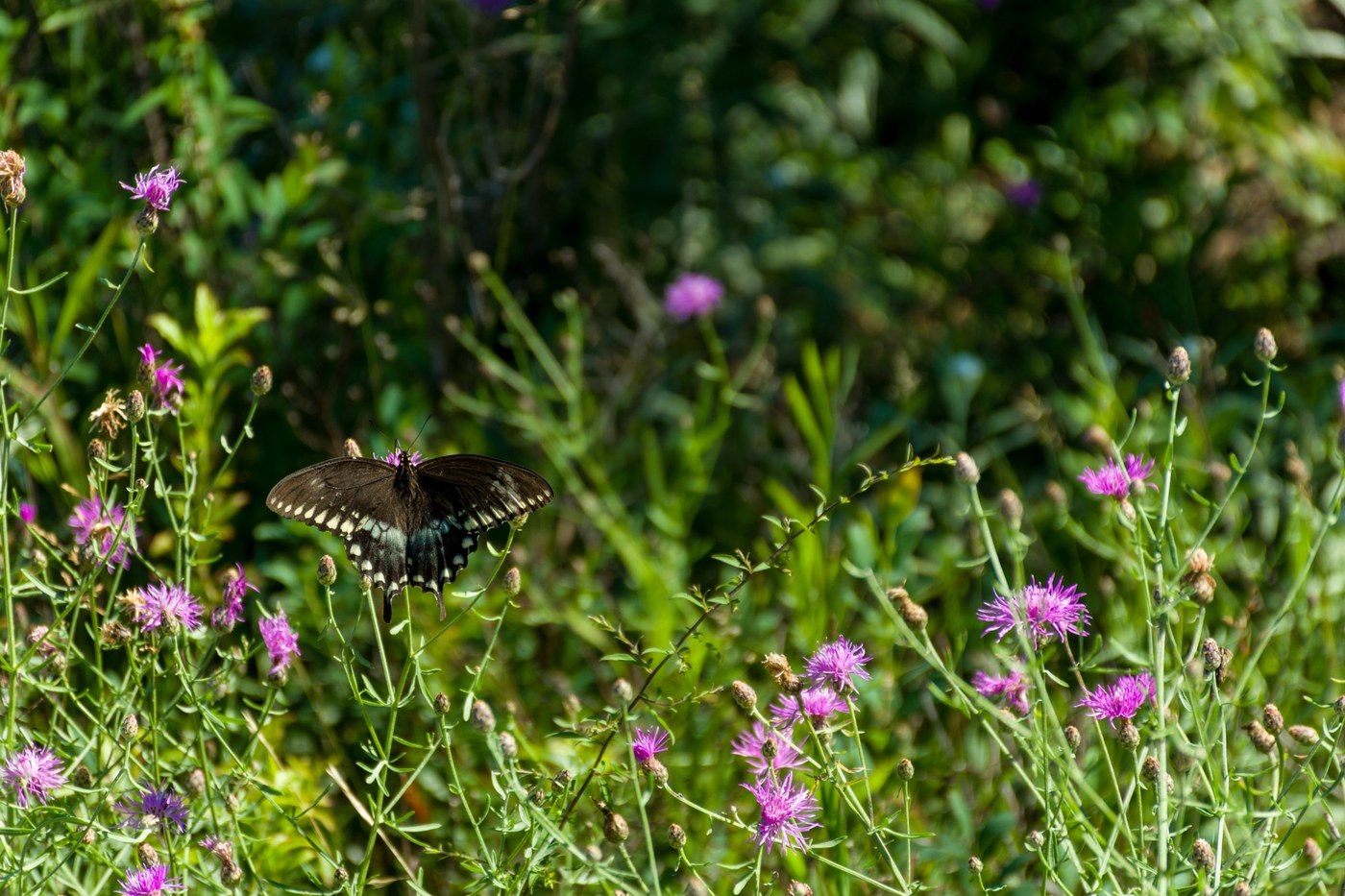
Spicebush Swallowtail
Deciduous forests, woodland edges, gardens