
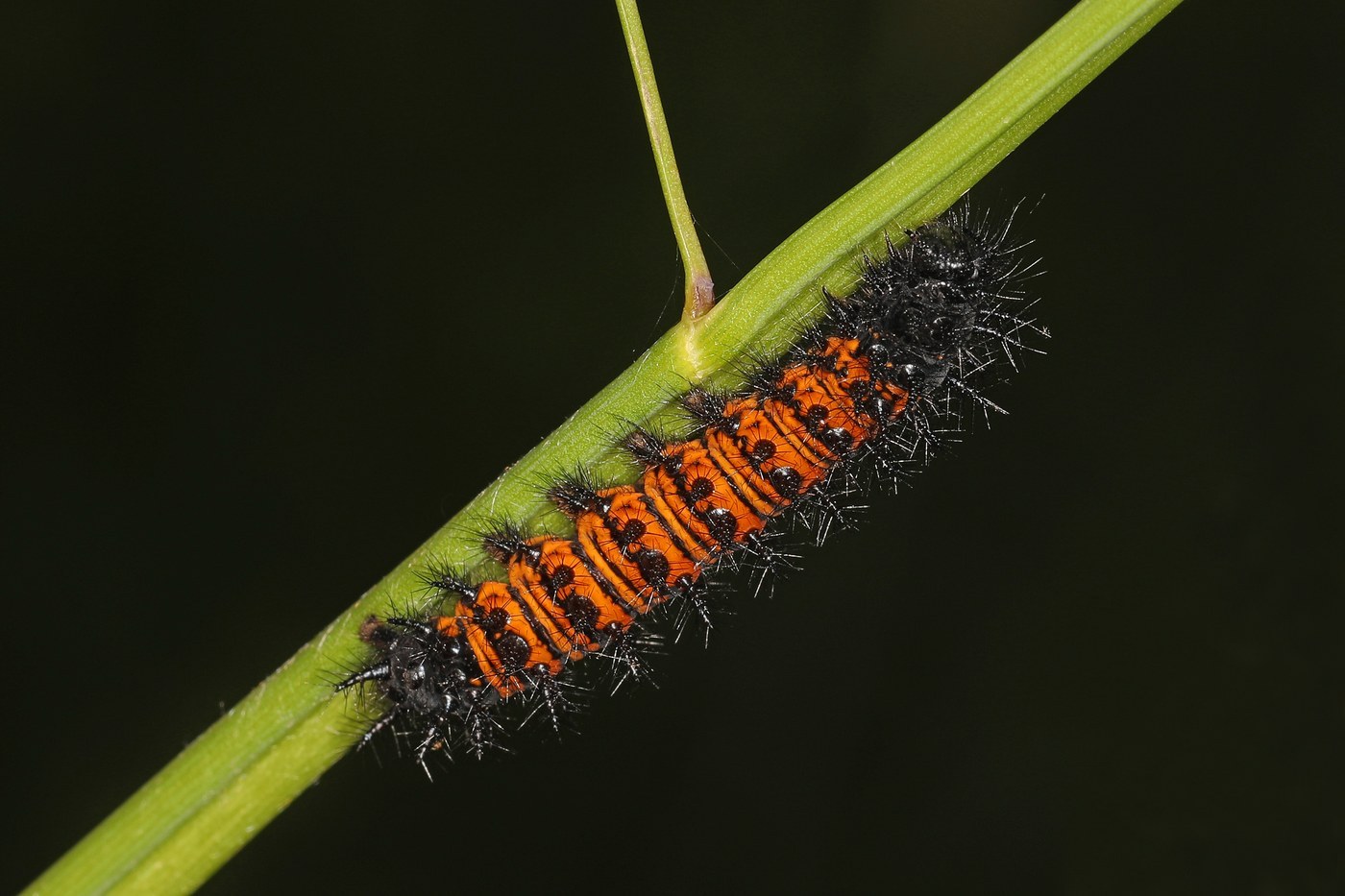
Baltimore Checkerspot
Euphydryas phaeton
A striking black butterfly checkered with rows of orange and cream-white spots, closely associated with wet meadows and its turtlehead host plant, and recognized as a state insect symbol in parts of its range.
- Size
- 1.7–2.7 in wingspan
- Habitat
- Wet meadows, bogs, and marshy fields in the northeastern and Appalachian US
- Danger
- Harmless
Spotted a bug like this?
Identify any bug or insect from a photo, free.
Overview
The Baltimore Checkerspot is a brushfoot butterfly (family Nymphalidae, subfamily Nymphalinae) found in wetland meadows and bogs across the northeastern United States and parts of the Appalachian region, extending into the upper Midwest and southern Canada. Its bold black, orange, and cream checkerboard pattern makes it one of the most visually distinctive checkerspots in North America.
The species has a close ecological relationship with turtlehead, a wetland wildflower that serves as its primary caterpillar host plant, tying its distribution tightly to the wet meadow and marsh habitats where turtlehead grows. Where turtlehead is scarce, the caterpillars sometimes shift to alternate host plants such as certain plantains or other wetland herbs.
The species holds cultural significance as the state insect of Maryland, chosen for the resemblance of its black-and-orange coloring to the colors associated with Lord Baltimore, after whom the state's colonial founder was named.
How to Identify
- Wings are black above, checkered with rows of orange-red and cream-white spots arranged in bands.
- Underside is more boldly patterned, with larger orange and cream patches separated by black lines.
- Body is dark with fine white speckling.
- Rounded wing shape typical of checkerspot butterflies, with a moderate wingspan.
- Lookalikes: the Silvery Checkerspot has a more orange-brown overall tone without the bold black-dominant pattern, and shows silvery crescents on the underside hindwing margin rather than the Baltimore's cream-and-orange checkering.
Habitat & Range
Found primarily in the northeastern United States and Appalachian region, with populations extending into the upper Midwest, Great Lakes states, and southeastern Canada. It is closely tied to wet meadows, bogs, marshy fields, and stream-side wetlands where turtlehead grows in abundance. Adults fly for a single period in early to mid-summer, generally June and July depending on latitude.
Behavior & Diet
Adults fly with a somewhat slow, fluttering pattern low over wet meadow vegetation and nectar at a variety of wetland and meadow wildflowers including milkweed and viburnum. Caterpillars are gregarious when young, feeding communally in a silk web spun over turtlehead foliage, a behavior that offers some protection from predators through group vigilance. As caterpillars mature they may disperse to feed individually and sometimes move onto alternate host plants. The species plays a role in wetland meadow pollination during its flight period and its distinctive black-and-orange caterpillars are a recognizable component of wet meadow insect communities.
Life Cycle
Eggs are laid in large clusters on the underside of turtlehead leaves. Young caterpillars feed gregariously within a communal silk web through summer, then enter a resting stage as partially grown larvae to overwinter, often within a shelter of webbing and leaf litter at the base of the host plant. Feeding resumes the following spring, after which caterpillars disperse before pupating individually in a hanging chrysalis. There is one generation per year (univoltine), with the species overwintering as a partly grown caterpillar.
Frequently asked questions
Why is it called the Baltimore Checkerspot?
Its black-and-orange coloring was thought to resemble the heraldic colors associated with Lord Baltimore, and the species was later adopted as Maryland's state insect.
What plant does it depend on most?
Turtlehead is its primary host plant, and the butterfly's distribution closely follows wet meadow habitats where this wildflower grows, though caterpillars can sometimes use alternate host plants.
Are the caterpillars social?
Yes, young caterpillars feed together in a communal silk web on the host plant before dispersing to feed individually as they mature.
When and where would I see one flying?
In wet meadows and bogs of the northeastern and Appalachian United States during a single flight period in early to mid-summer.
Baltimore Checkerspot guides
In-depth guides for identifying, understanding, and living alongside Baltimore Checkerspot.
Other bugs you may enjoy
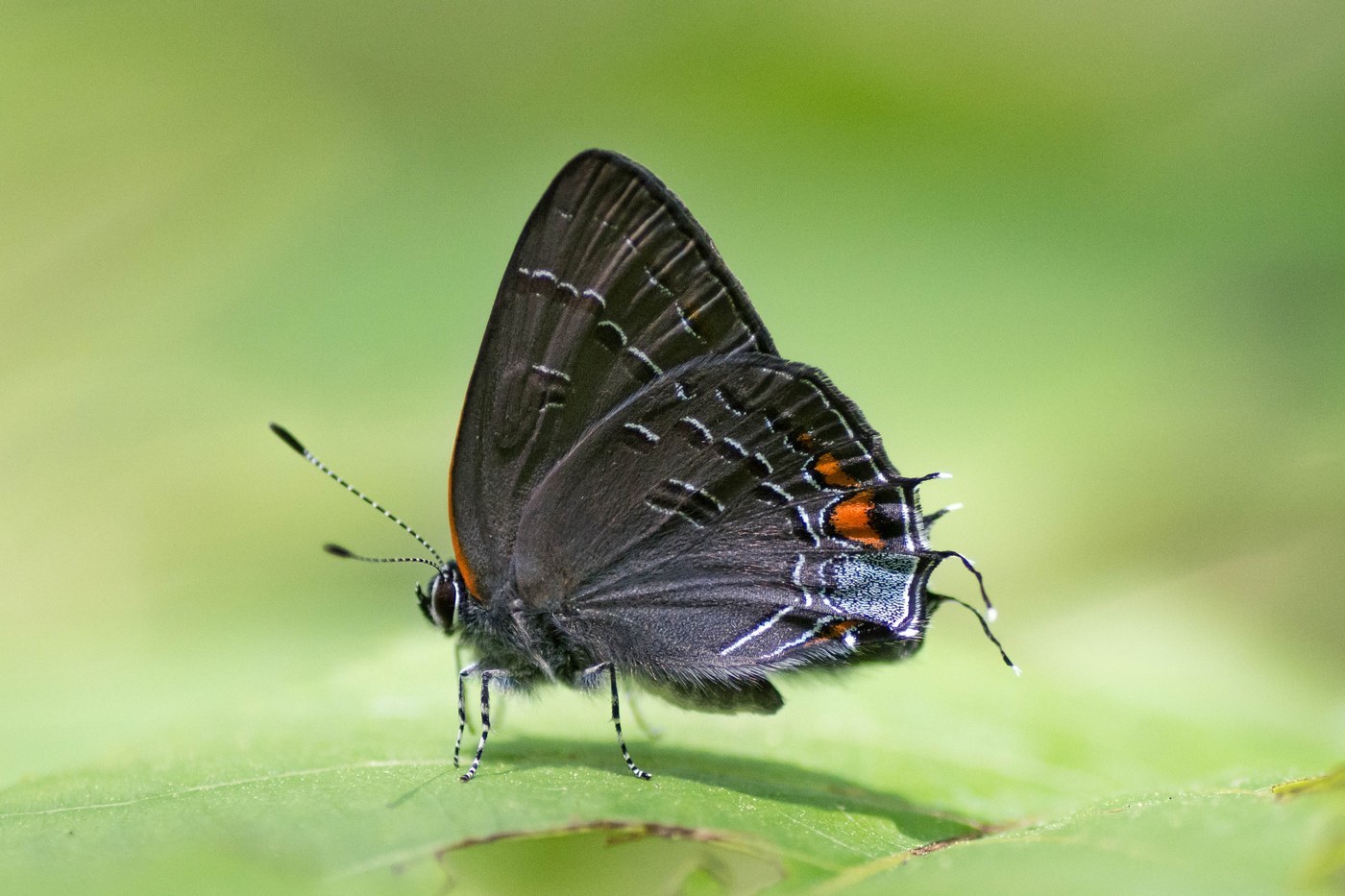
Banded Hairstreak
Deciduous woodlands and edges with oaks and hickories
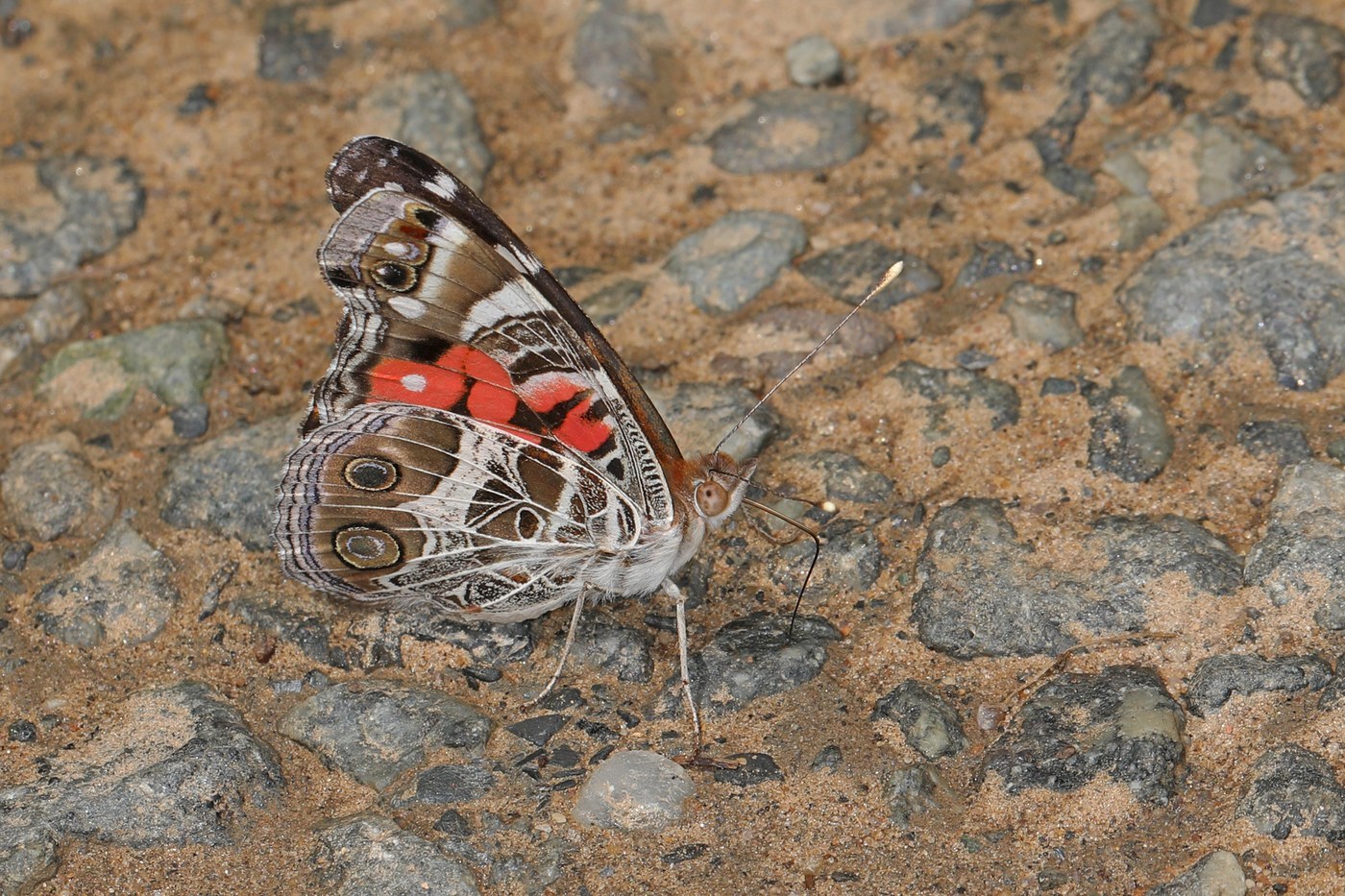
American Lady
Open fields, meadows, gardens, roadsides
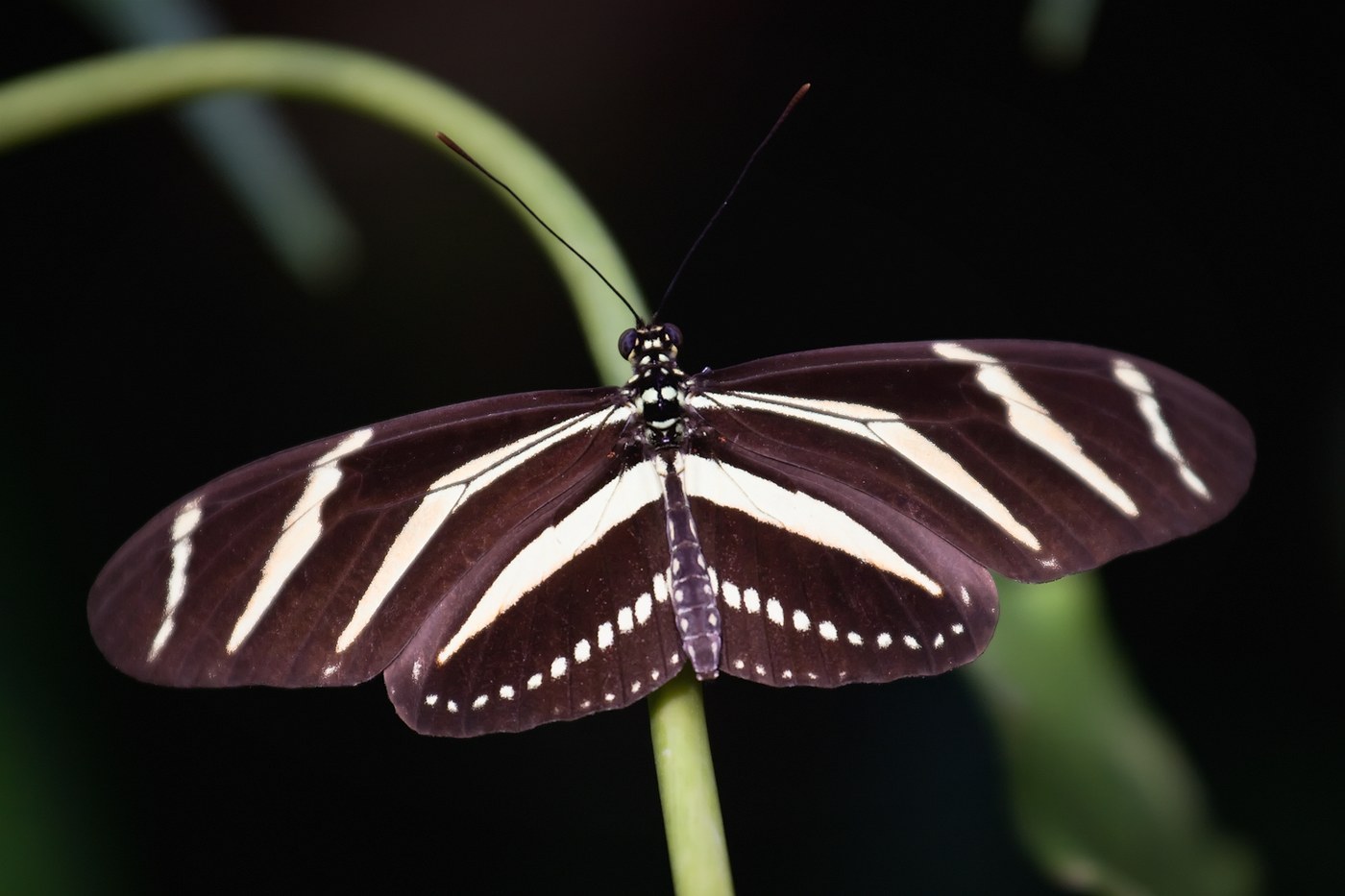
Zebra Longwing
Tropical hammocks, gardens, forest edges
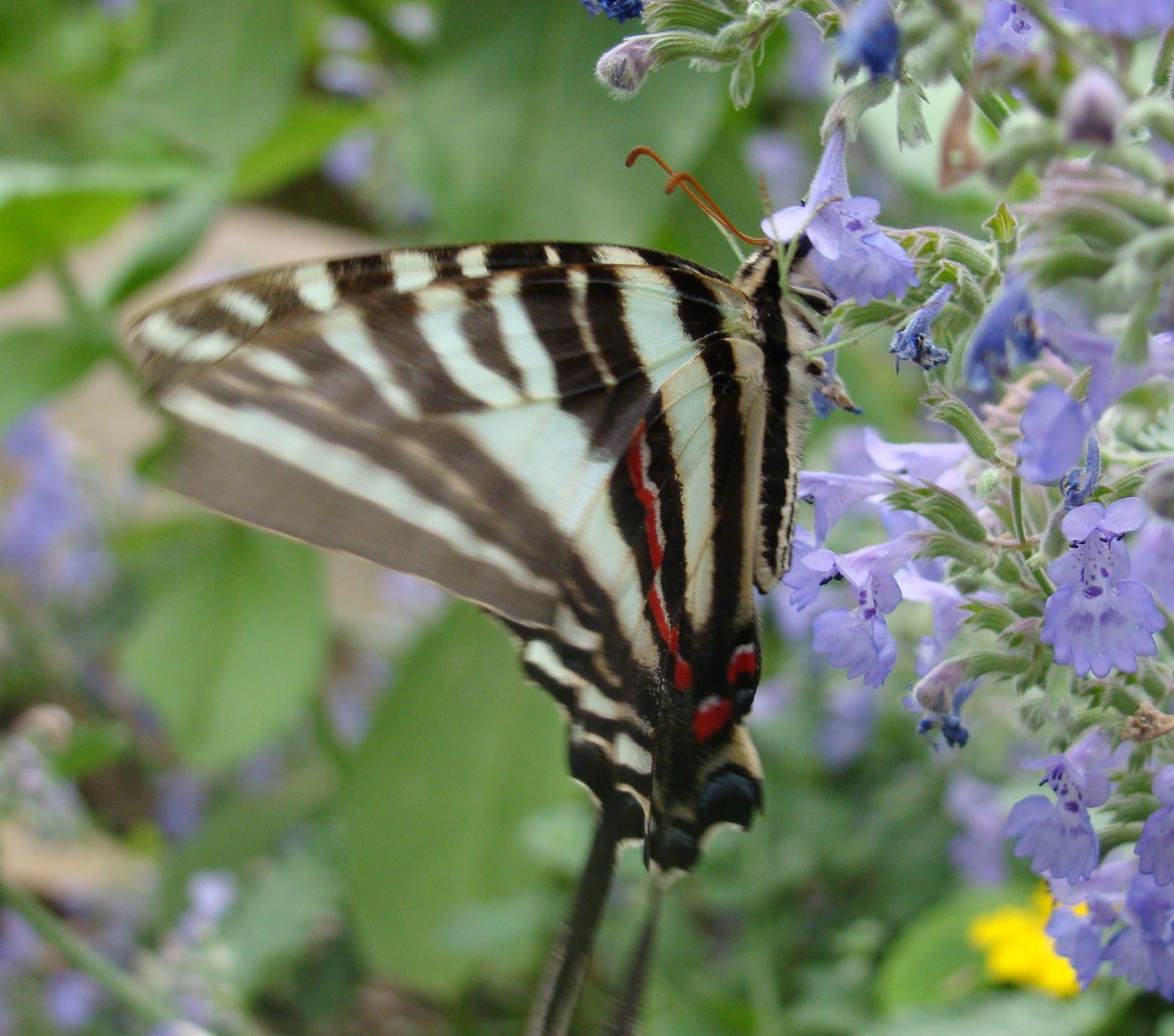
Zebra Swallowtail
Woodlands, floodplains, forest edges near pawpaw
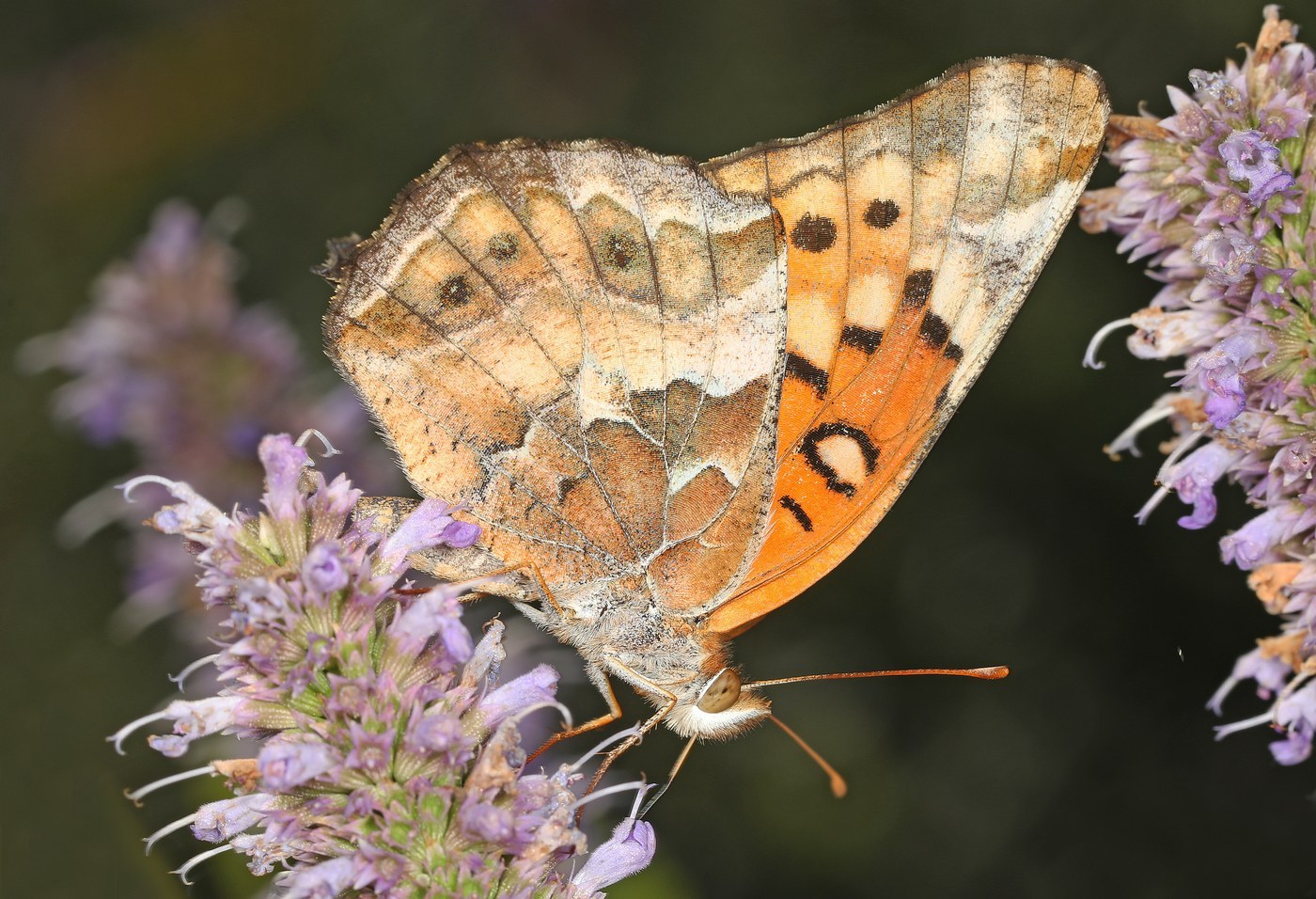
Variegated Fritillary
Open fields, prairies, roadsides, and disturbed ground across most of the United States
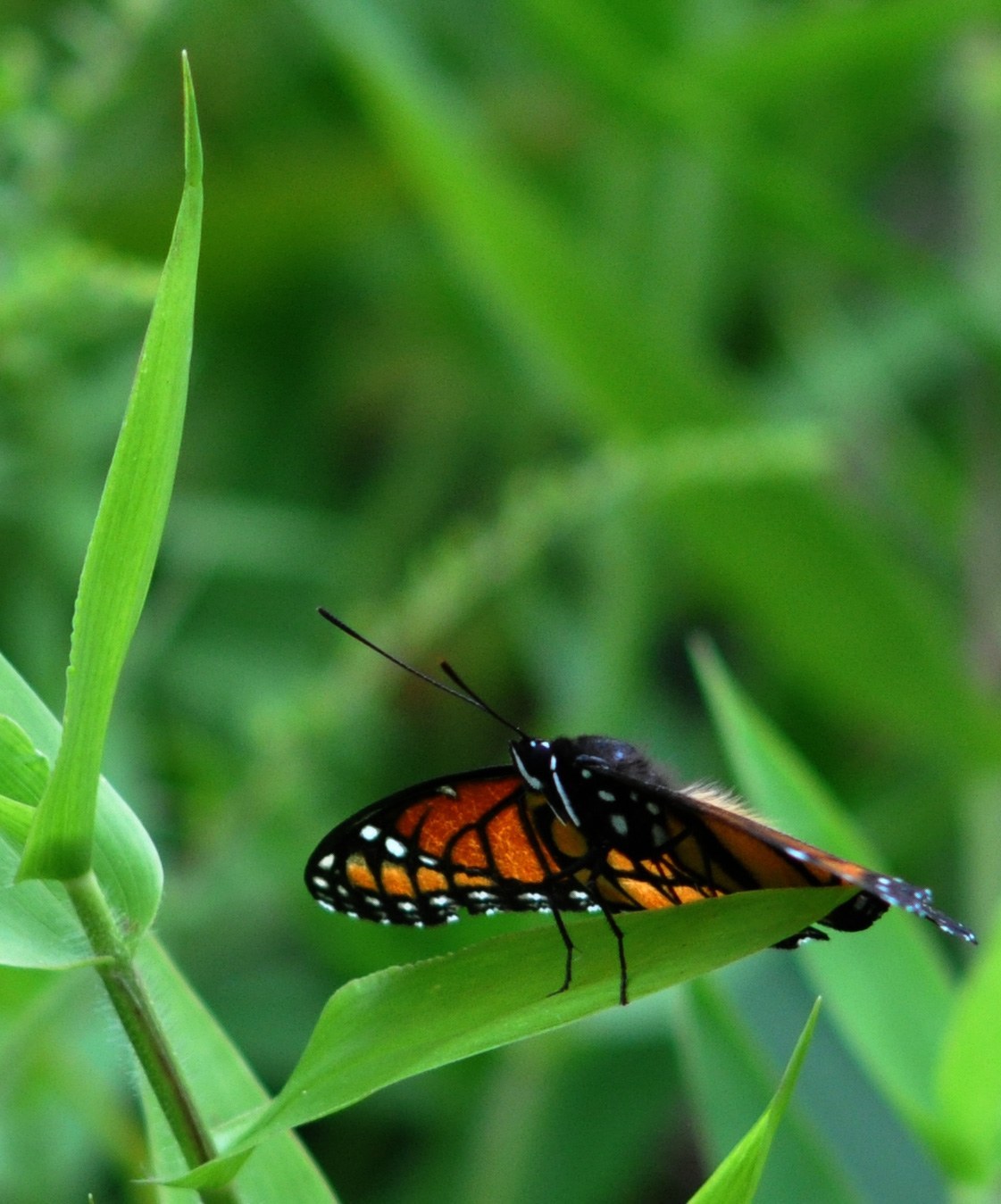
Viceroy Butterfly
Wetlands, meadows, riverbanks, willow thickets (North America)
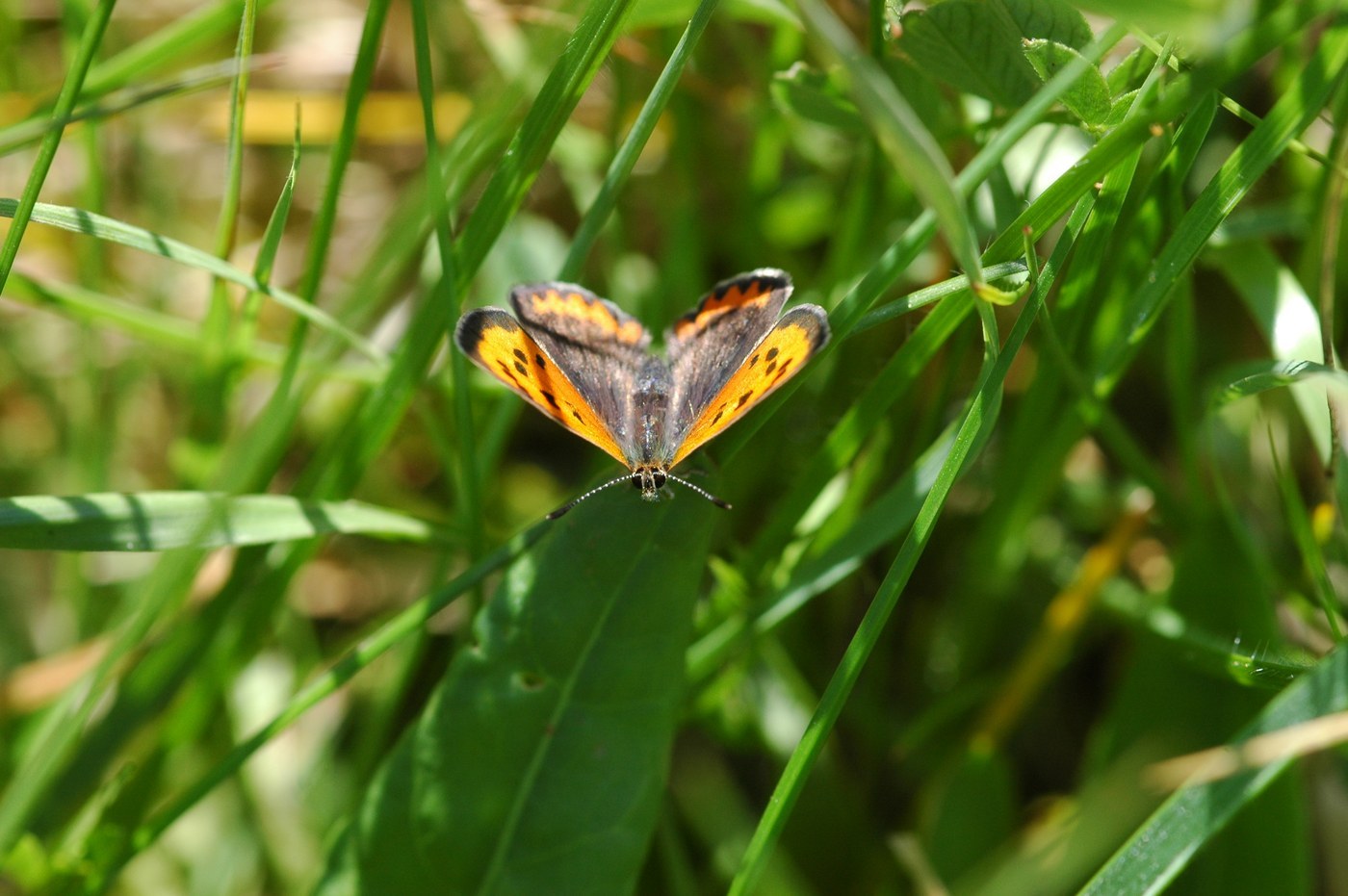
American Copper
Old fields, roadsides, and disturbed open ground with sorrel or dock
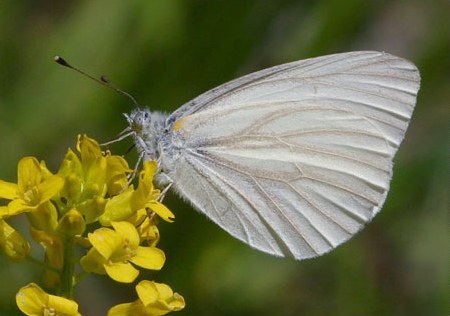
West Virginia White
Rich deciduous forest floors, especially near seeps and streams
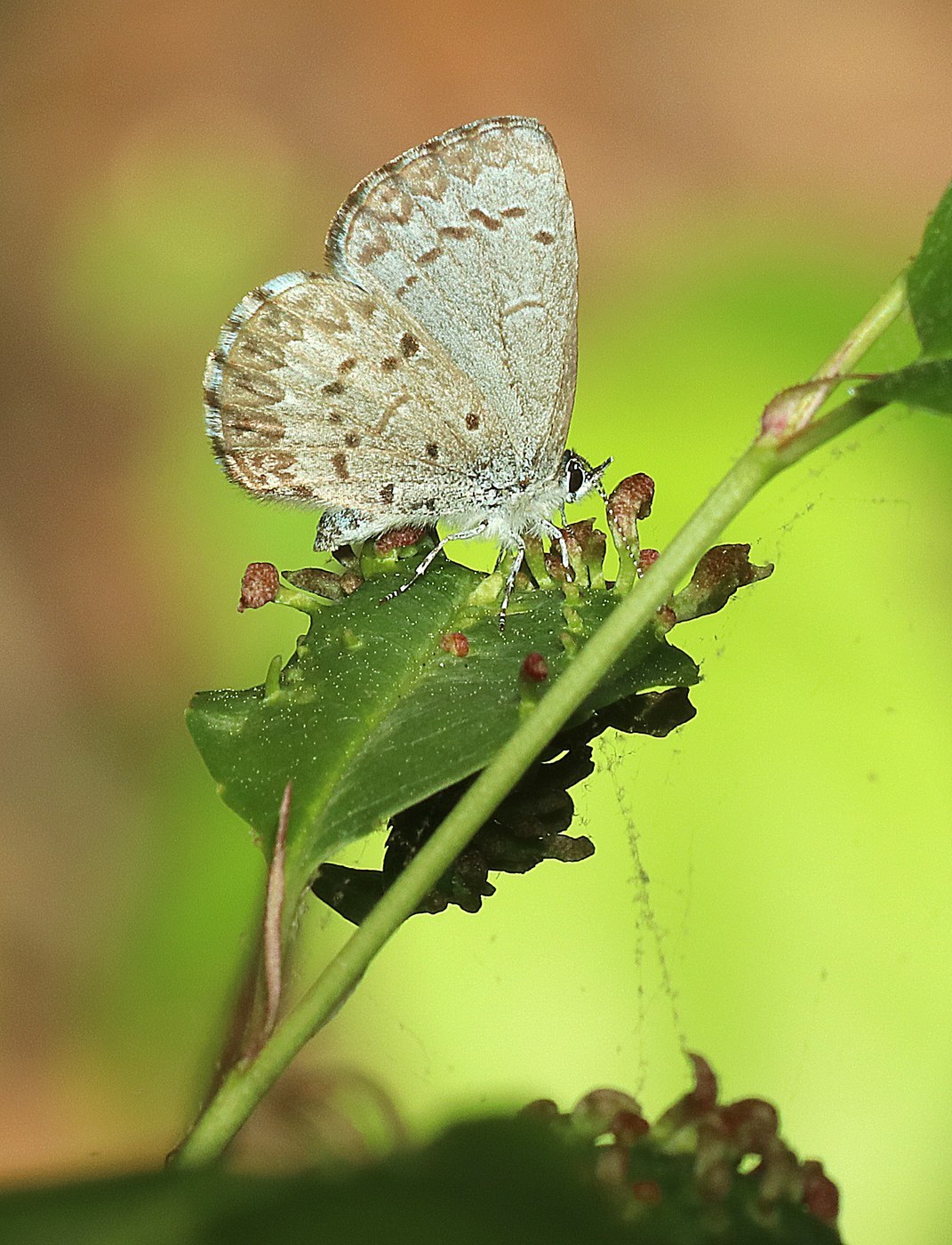
Spring Azure
Woodland edges, gardens, shrubby clearings
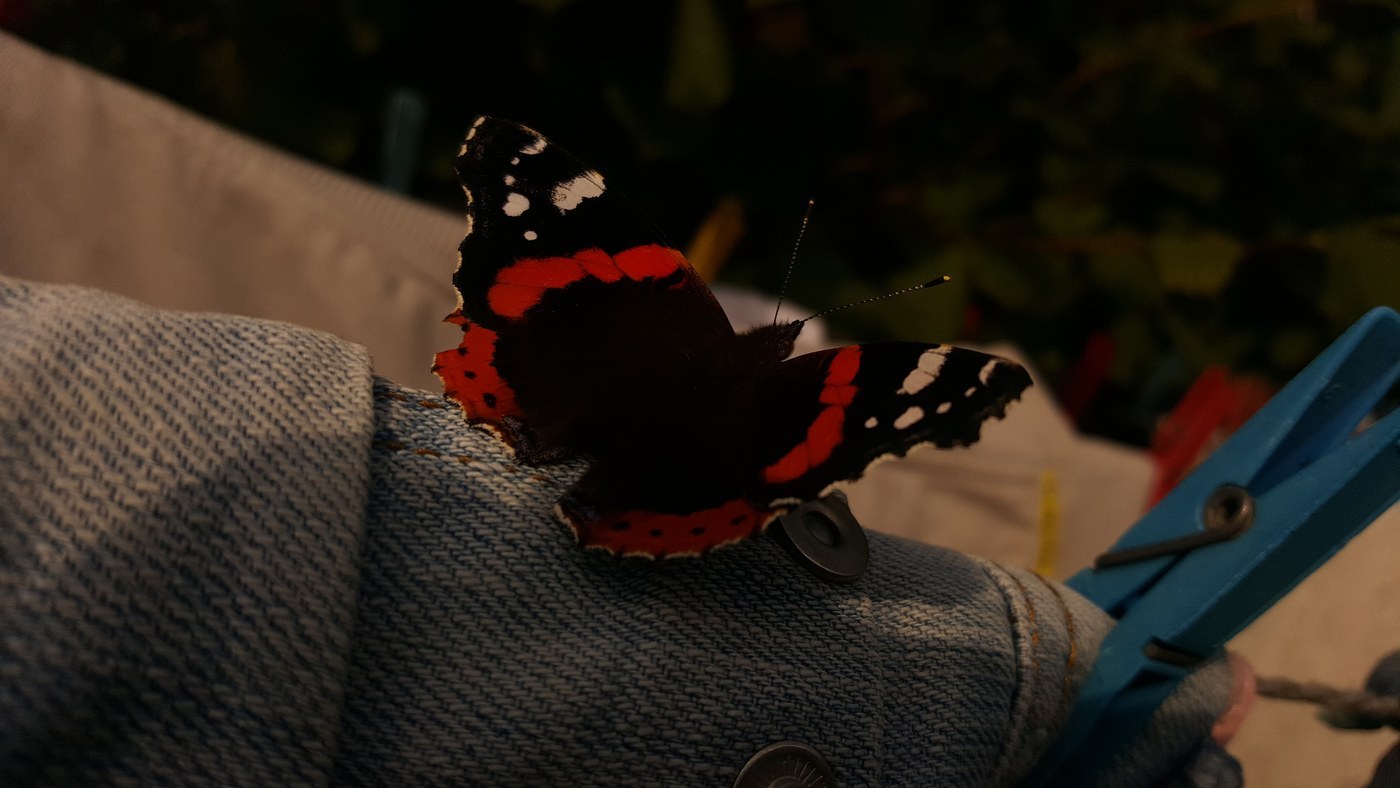
Red Admiral
Gardens, woodland edges, parks, meadows
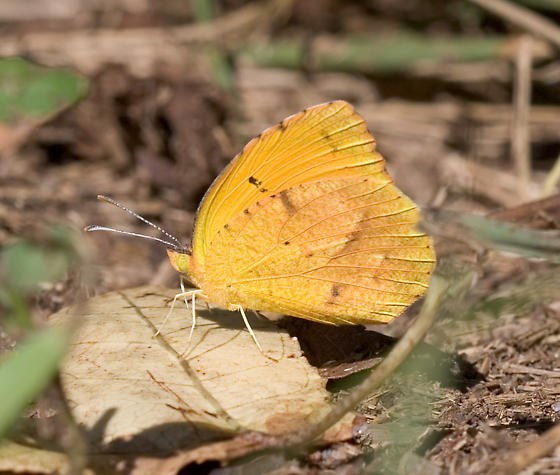
Sleepy Orange
Open woodland, fields, roadsides, and disturbed ground
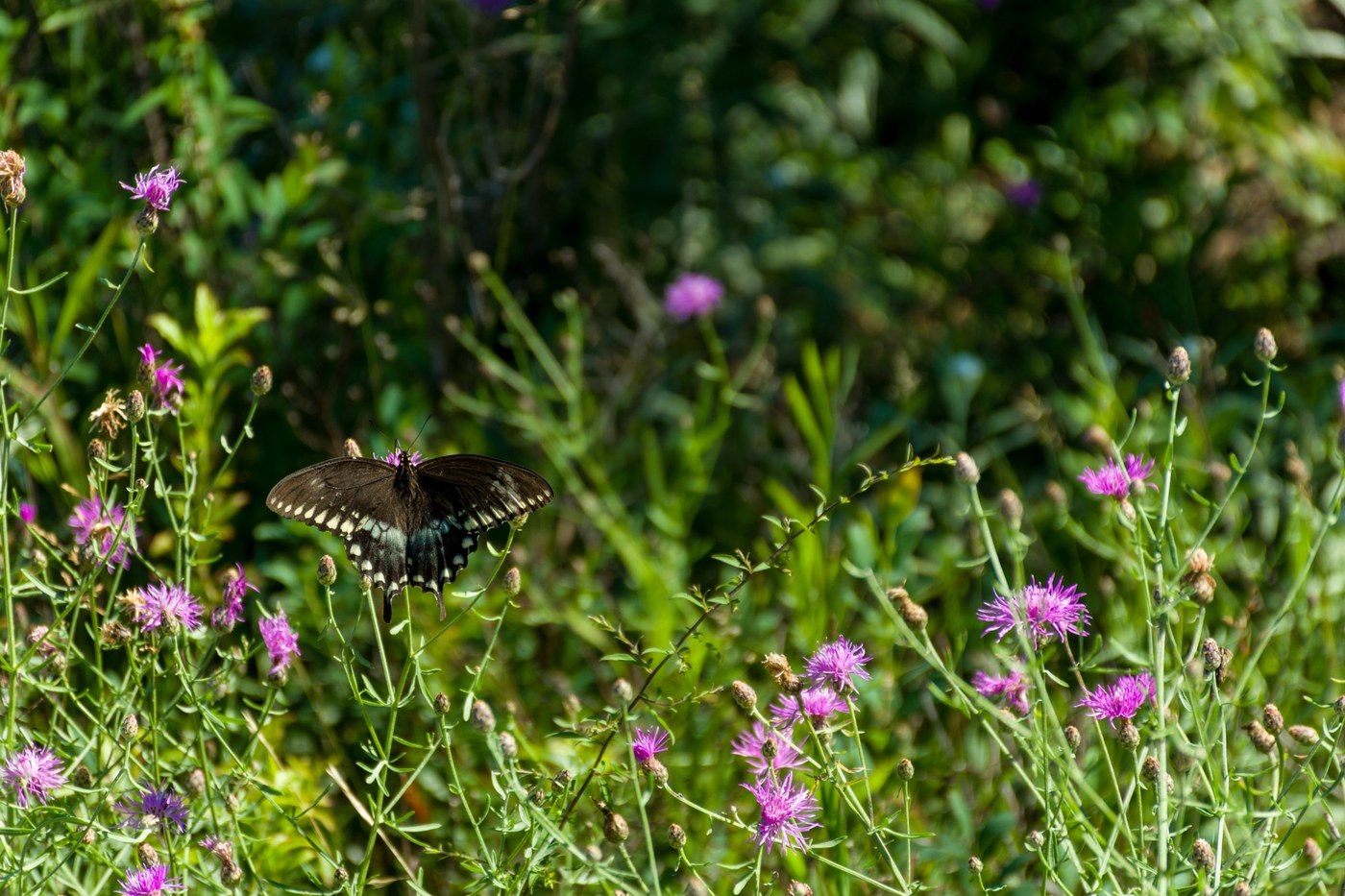
Spicebush Swallowtail
Deciduous forests, woodland edges, gardens