
Spring Azure
Celastrina ladon
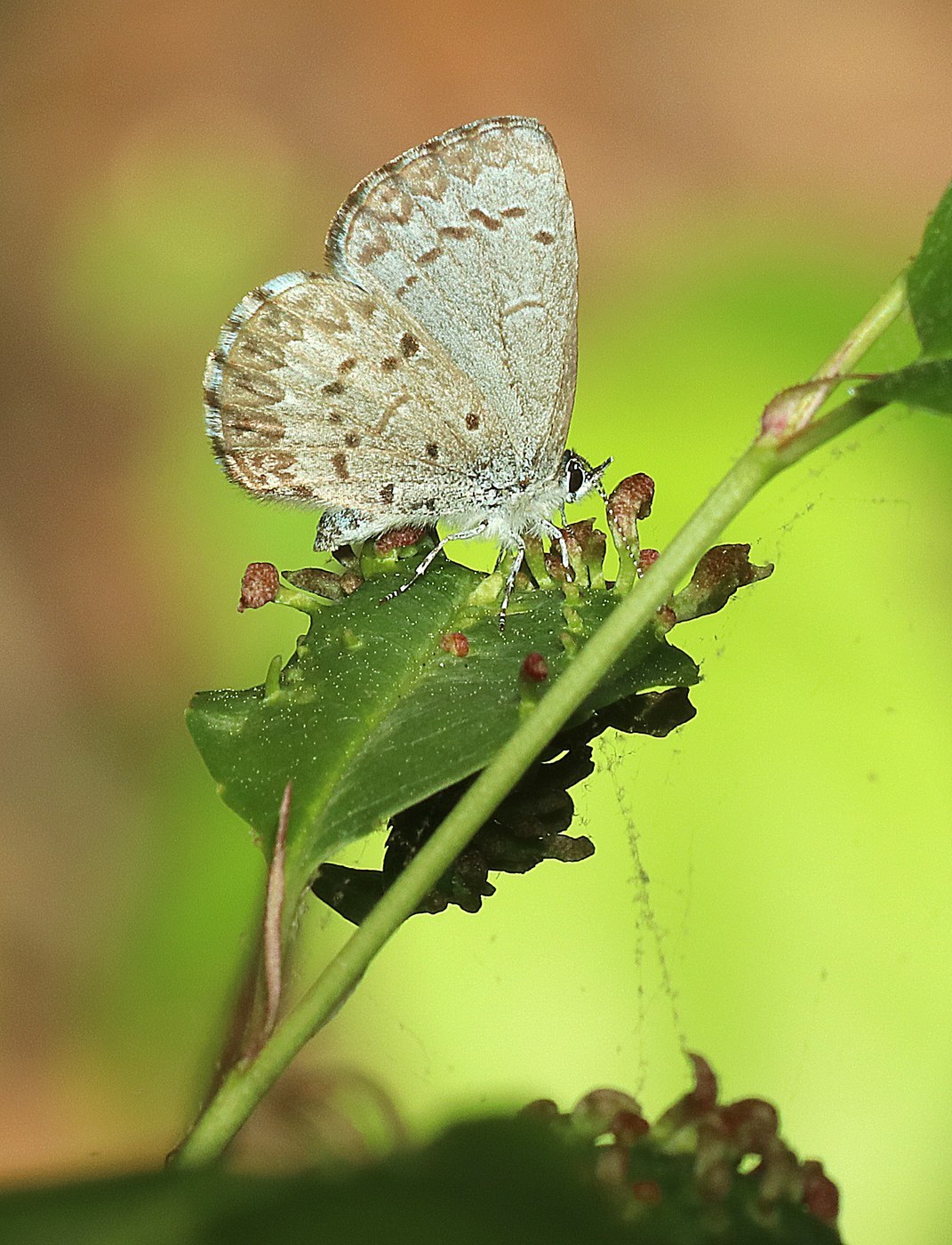
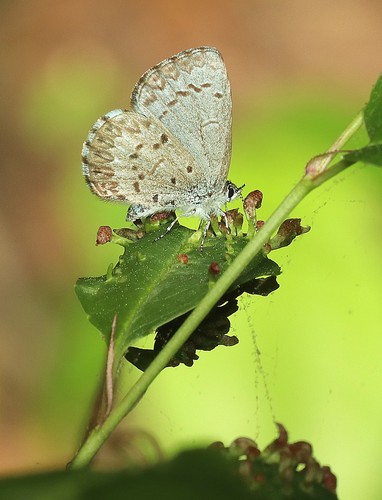
One of the earliest-flying small blue butterflies of spring, with soft pale-blue upperwings, a whitish gray underside dotted with faint dark markings, and no tails on the hindwing.
- Size
- 0.8–1.2 in wingspan
- Habitat
- Woodland edges, gardens, shrubby clearings
- Danger
- Harmless
Spotted a bug like this?
Identify any bug or insect from a photo, free.
Overview
The Spring Azure is a small member of the gossamer-wing family Lycaenidae and one of the first butterflies to appear in many parts of North America each year, often emerging alongside the very earliest spring wildflowers. It is now recognized as part of a complex of closely related, difficult-to-distinguish azure species and subspecies rather than a single uniform taxon, reflecting considerable regional variation in host plant use and flight timing.
Its pale, soft-blue coloring and small size make it a delicate and easily overlooked presence in woodland edges and shrubby openings, where it often perches on damp soil or low flowers. Unlike many other small blues, it develops on a range of woody shrub and tree hosts rather than herbaceous legumes.
As an early-season pollinator, the Spring Azure plays a modest ecological role visiting the first blooms of the year, and its emergence is often used informally as a seasonal indicator of early spring in temperate woodlands.
How to Identify
- Upperside is pale to soft powder-blue, sometimes with a faint dusky border, without any tails on the hindwing.
- Underside is pale whitish-gray with small, faint dark spots and dashes, lacking the bold spotting seen in some other blues.
- Very small size with a light, fluttery, low flight typical of the group.
- Distinguished from the Eastern Tailed-Blue by the complete absence of hindwing tails and the more subdued, sparser underside markings.
Habitat & Range
Found across much of North America, from Canada south through the United States, generally avoiding the driest desert regions. It favors woodland edges, shrubby clearings, stream corridors, and gardens where its various woody host plants occur.
Adults are among the earliest butterflies to fly each year, typically appearing in very early spring as soon as temperatures warm, with flight period varying regionally and by host plant availability.
Behavior & Diet
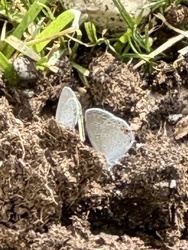
Adults nectar at early spring blooms and are also frequently seen puddling at damp soil, mud, or animal droppings to obtain minerals. Males patrol along woodland edges and shrub lines searching for newly emerged females during the brief early-season flight period.
Caterpillars feed on the flower buds and young leaves of various woody shrubs and trees, including dogwood, viburnum, and blueberry, rather than the herbaceous legumes favored by many other small blues. As with related Lycaenidae, larvae may be tended by ants in a mutualistic relationship.
Life Cycle
Females lay small pale eggs on the flower buds of host shrubs, timed to coincide with early spring blooming. Caterpillars are slug-shaped and variably colored, feeding on flower buds and developing leaves, sometimes tended by ants.
The chrysalis is small and rounded, typically formed near the base of the host plant or in leaf litter, where it overwinters. The species undergoes complete metamorphosis with generally one main generation in northern areas (occasionally a partial second brood farther south), overwintering as a chrysalis.
Frequently asked questions
Why is it called the Spring Azure?
It is named for its pale blue coloring and its habit of being one of the very first butterflies to appear in early spring in many parts of North America.
How is it different from the Eastern Tailed-Blue?
The Spring Azure lacks any tails on the hindwing and has more subdued, sparser underside markings, whereas the Eastern Tailed-Blue has a thin tail with a small orange spot near its base.
What do the caterpillars eat?
Flower buds and young leaves of woody shrubs and trees such as dogwood, viburnum, and blueberry, rather than herbaceous legumes.
Is 'Spring Azure' actually one single species?
Current understanding treats it as part of a complex of closely related azure species and subspecies that vary regionally in appearance, flight timing, and host plant use.
Spring Azure guides
In-depth guides for identifying, understanding, and living alongside Spring Azure.
Spring Azure identified by the community
Real finds identified with Bug Identifier.
Other bugs you may enjoy
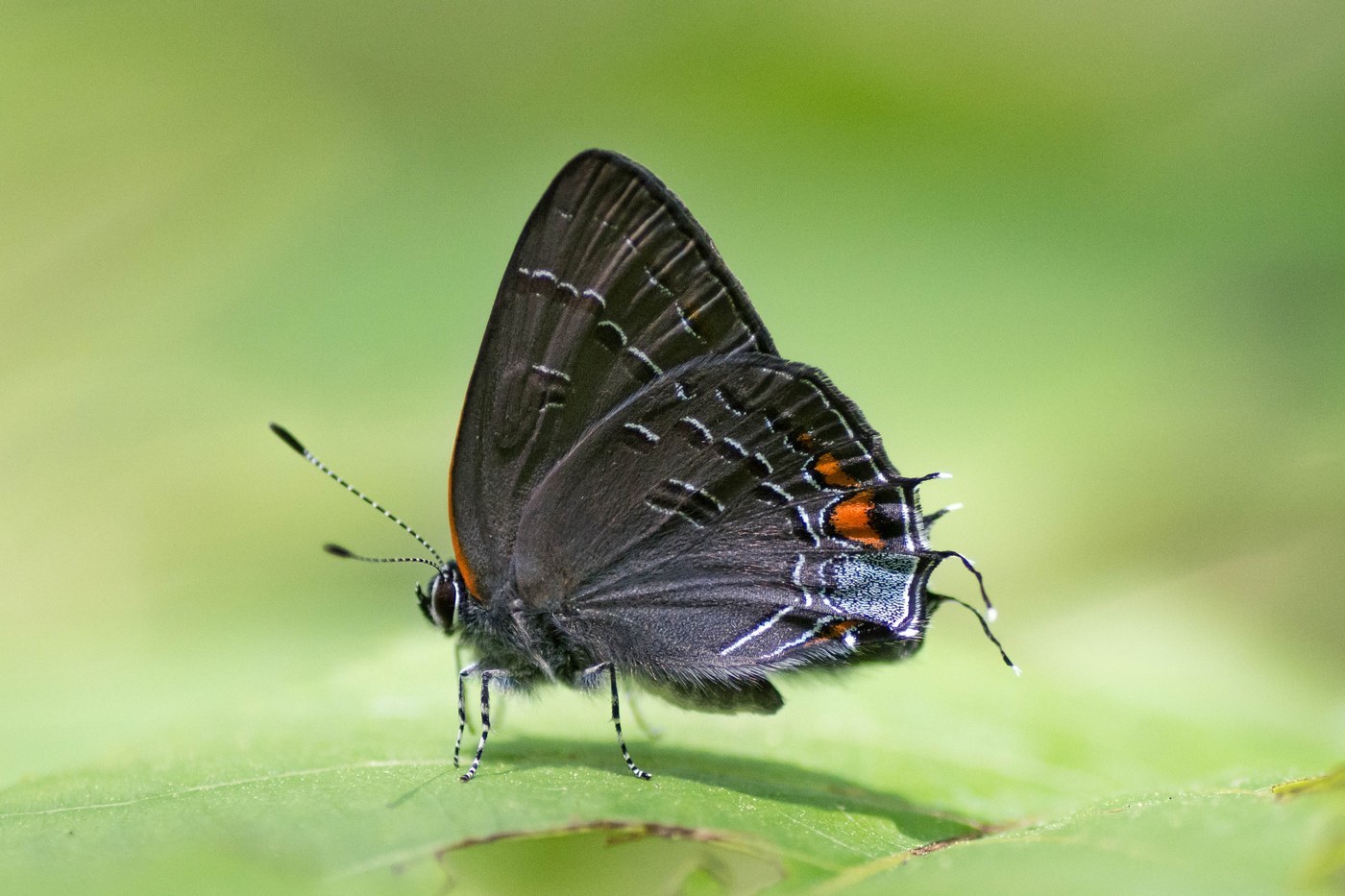
Banded Hairstreak
Deciduous woodlands and edges with oaks and hickories
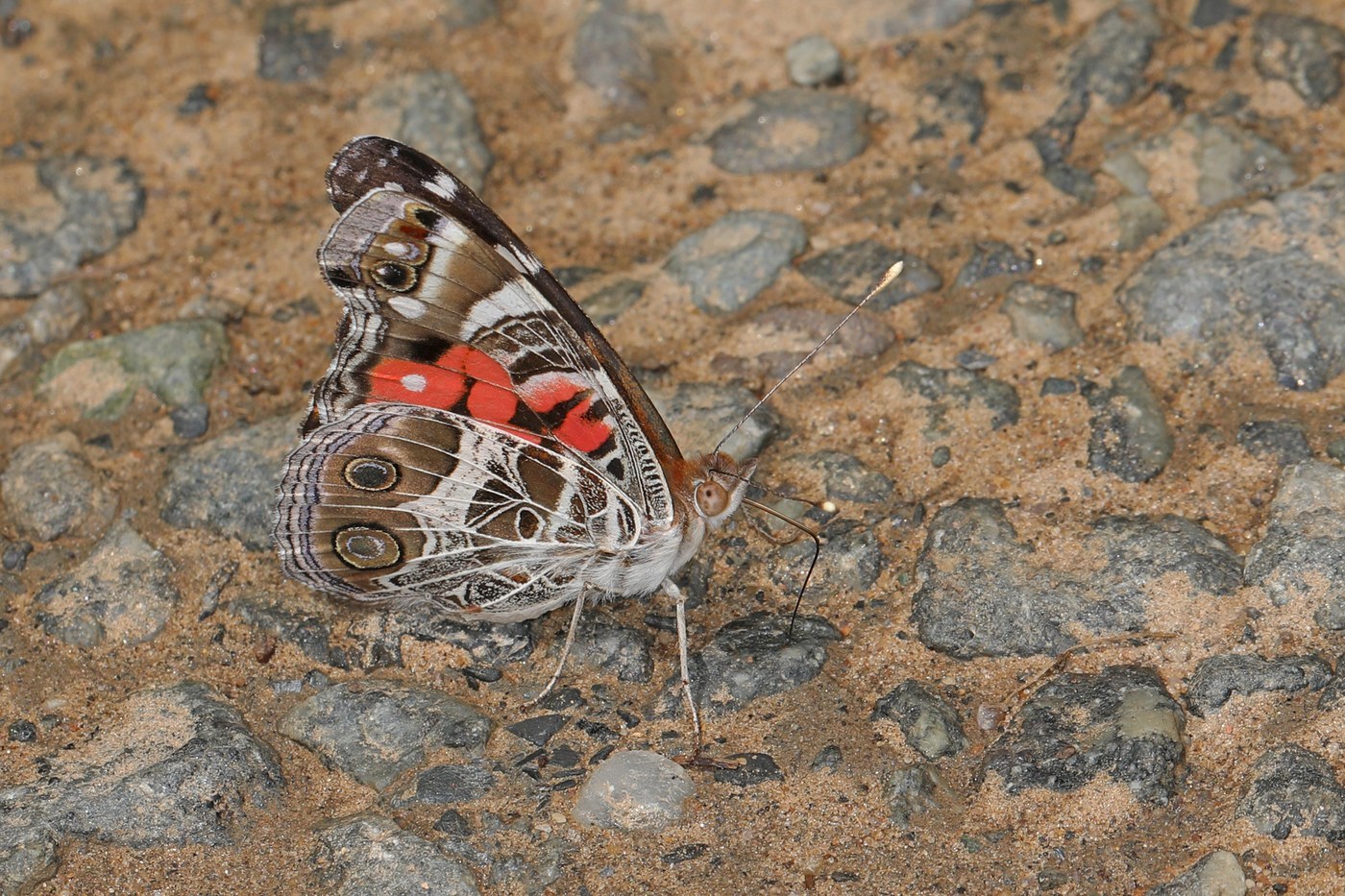
American Lady
Open fields, meadows, gardens, roadsides
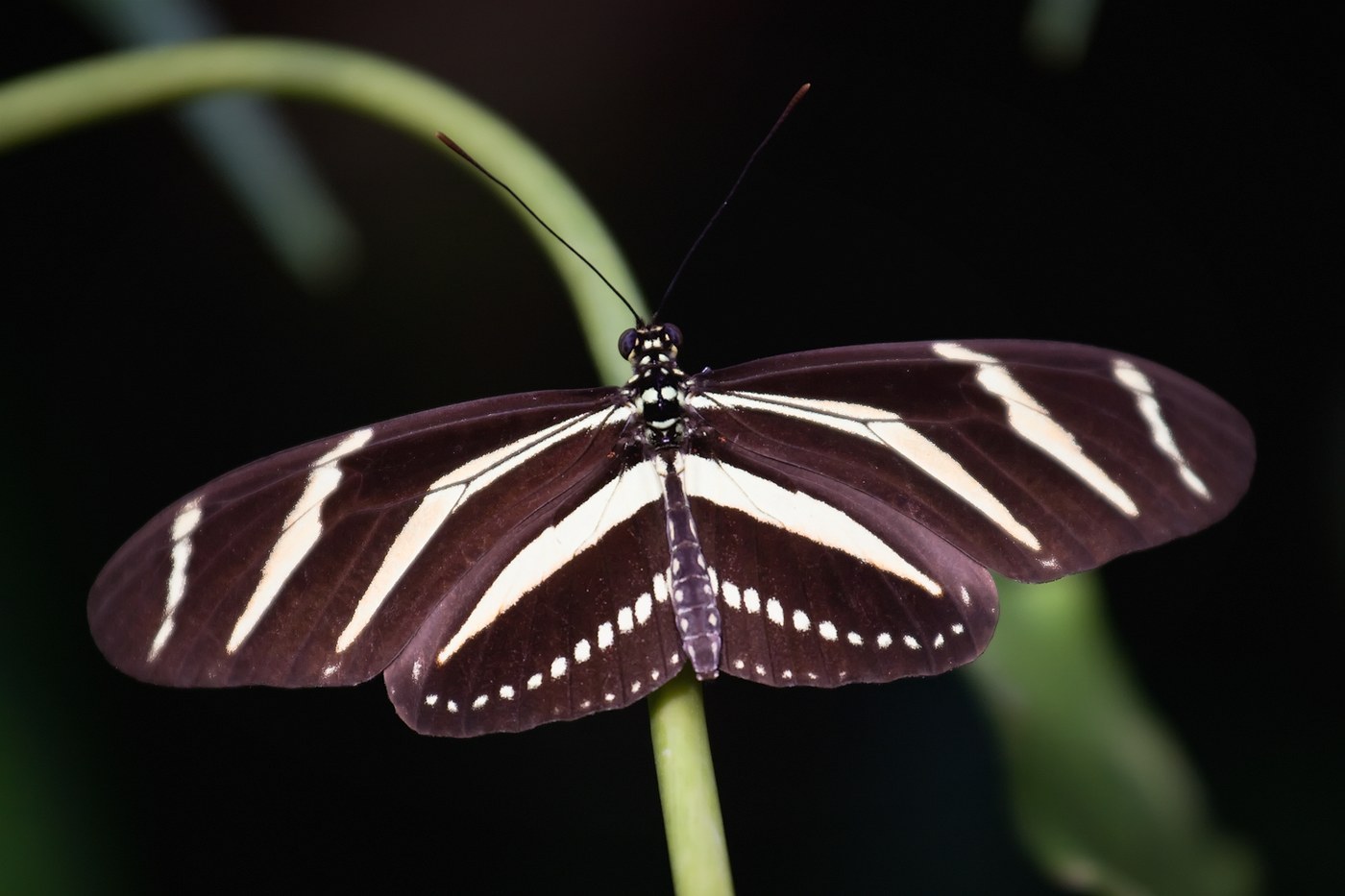
Zebra Longwing
Tropical hammocks, gardens, forest edges
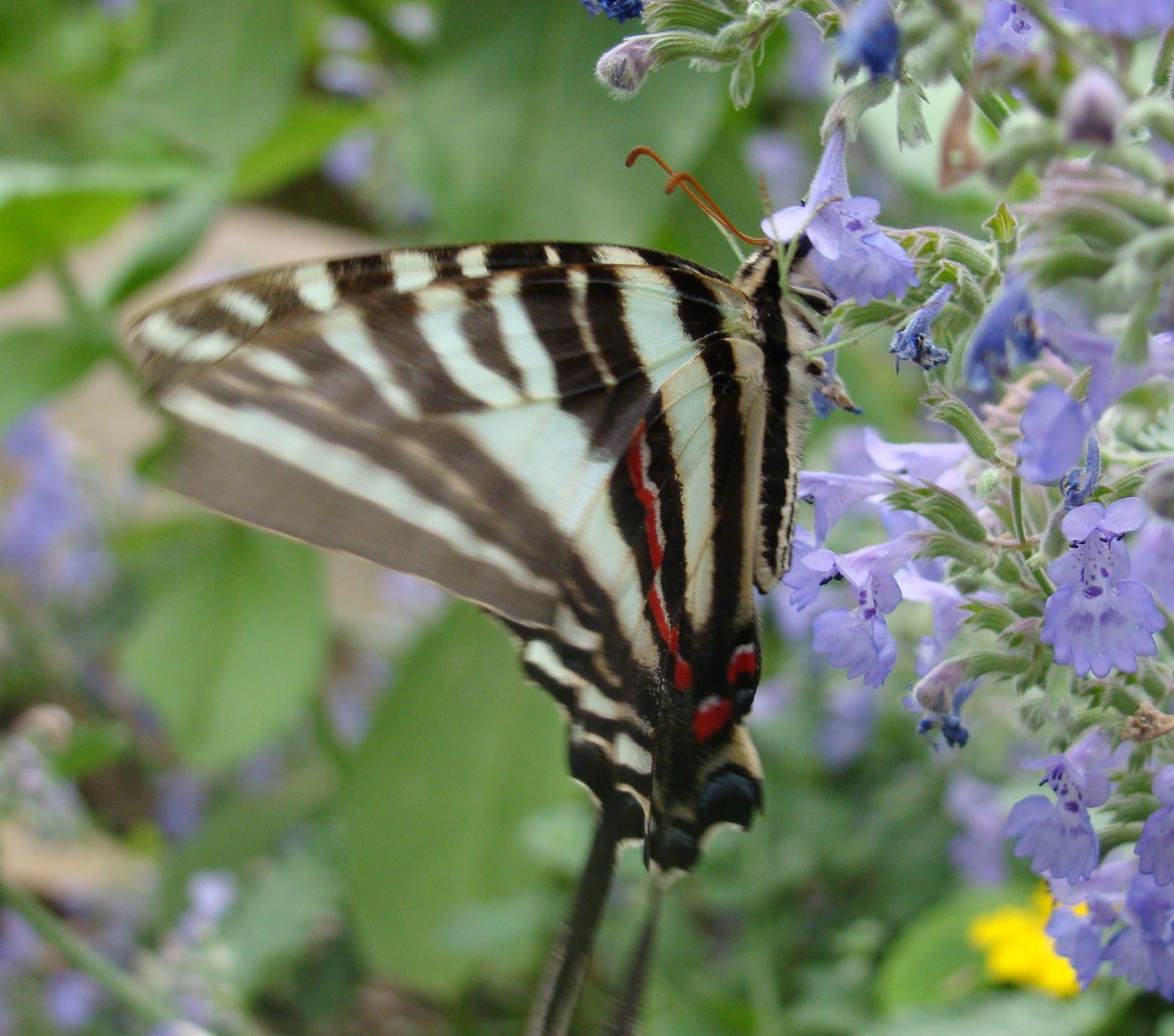
Zebra Swallowtail
Woodlands, floodplains, forest edges near pawpaw
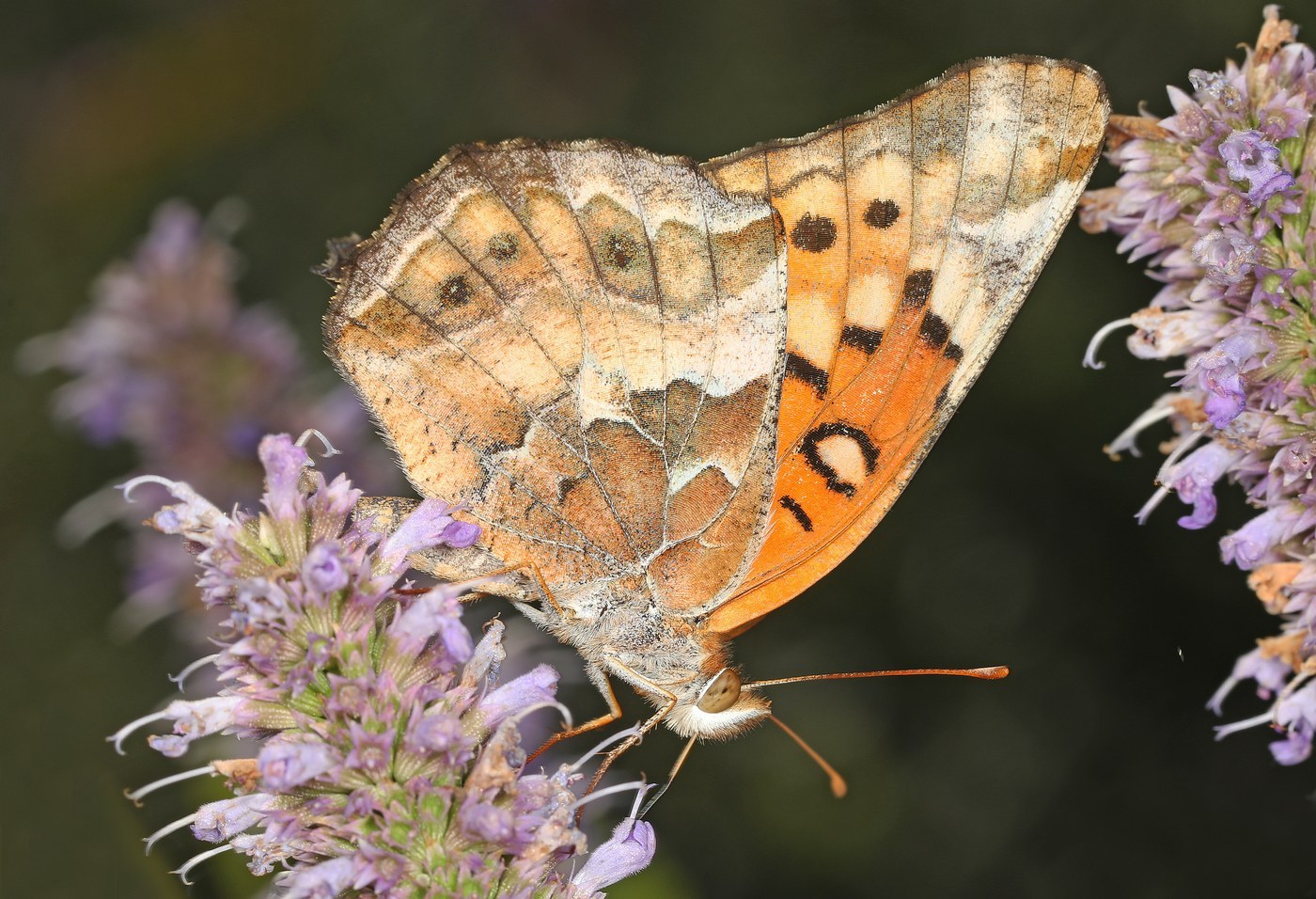
Variegated Fritillary
Open fields, prairies, roadsides, and disturbed ground across most of the United States
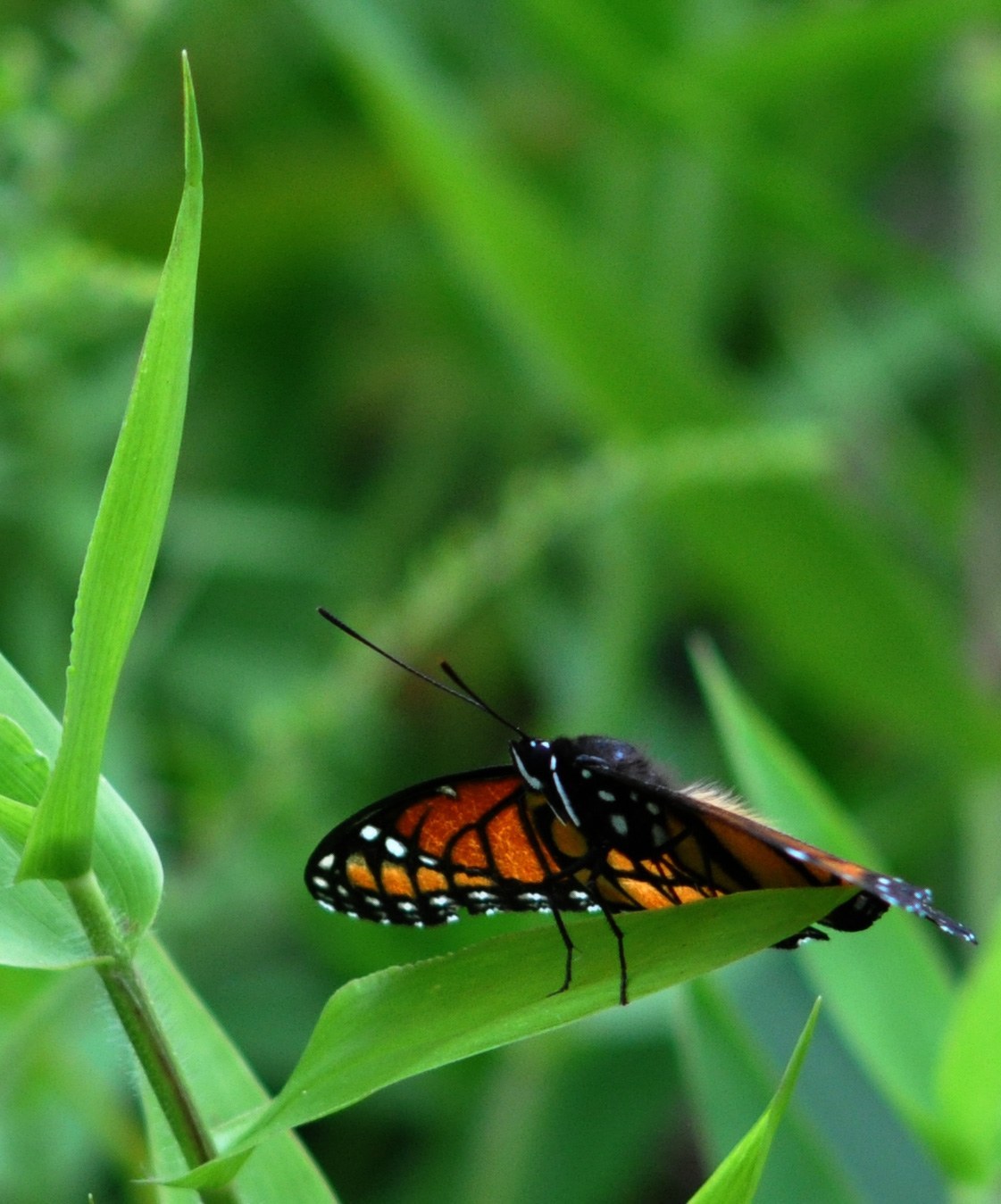
Viceroy Butterfly
Wetlands, meadows, riverbanks, willow thickets (North America)
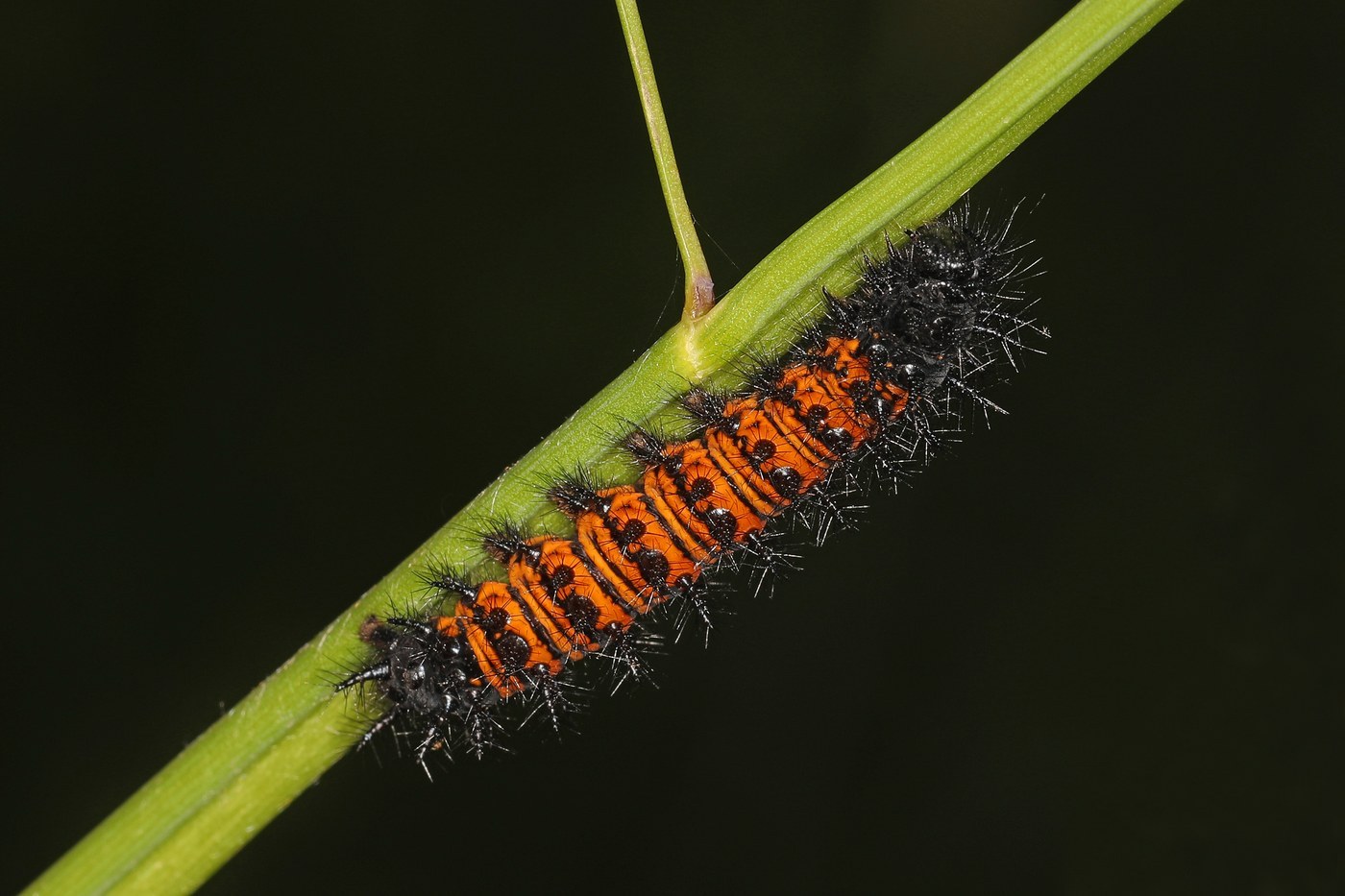
Baltimore Checkerspot
Wet meadows, bogs, and marshy fields in the northeastern and Appalachian US
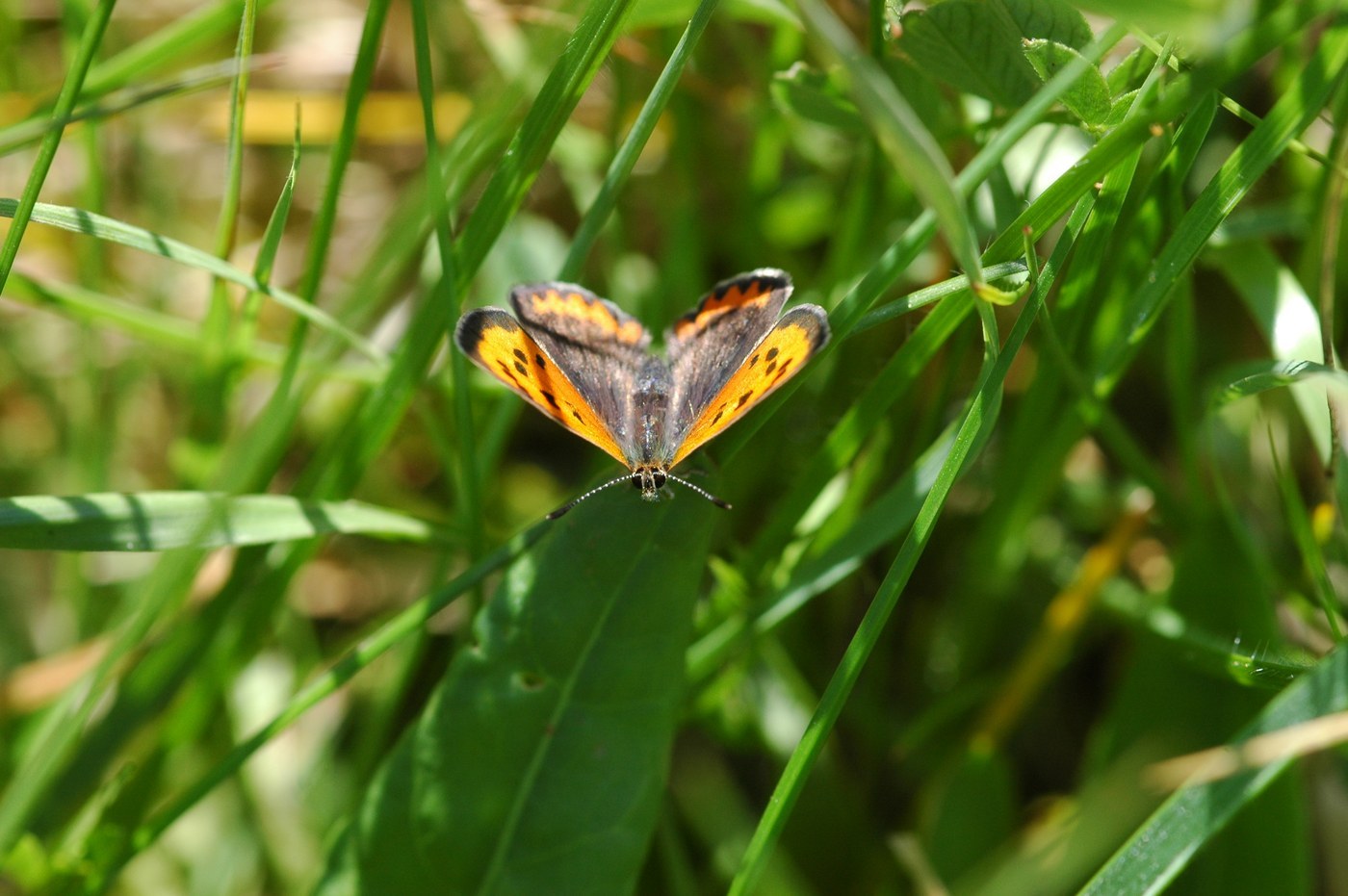
American Copper
Old fields, roadsides, and disturbed open ground with sorrel or dock
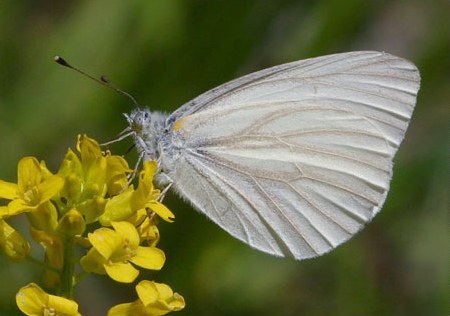
West Virginia White
Rich deciduous forest floors, especially near seeps and streams
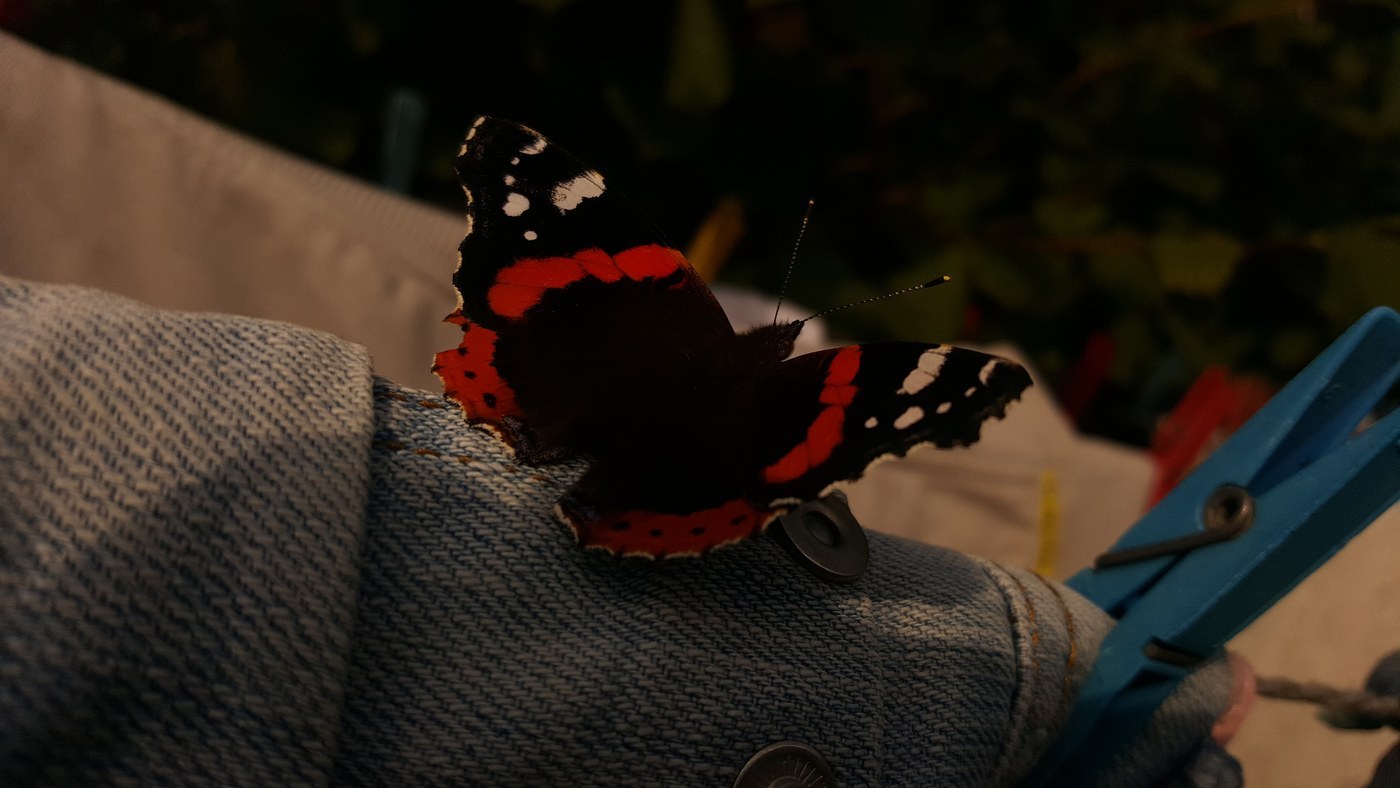
Red Admiral
Gardens, woodland edges, parks, meadows
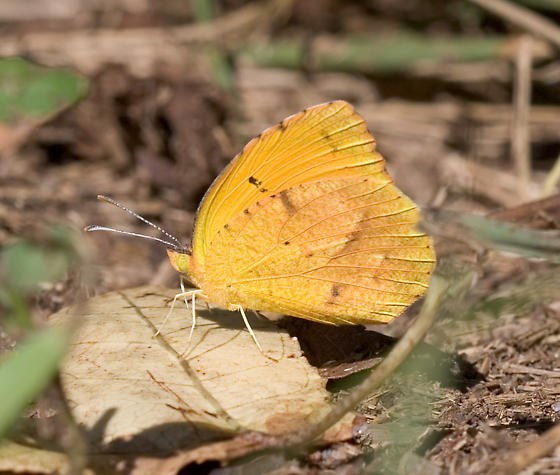
Sleepy Orange
Open woodland, fields, roadsides, and disturbed ground
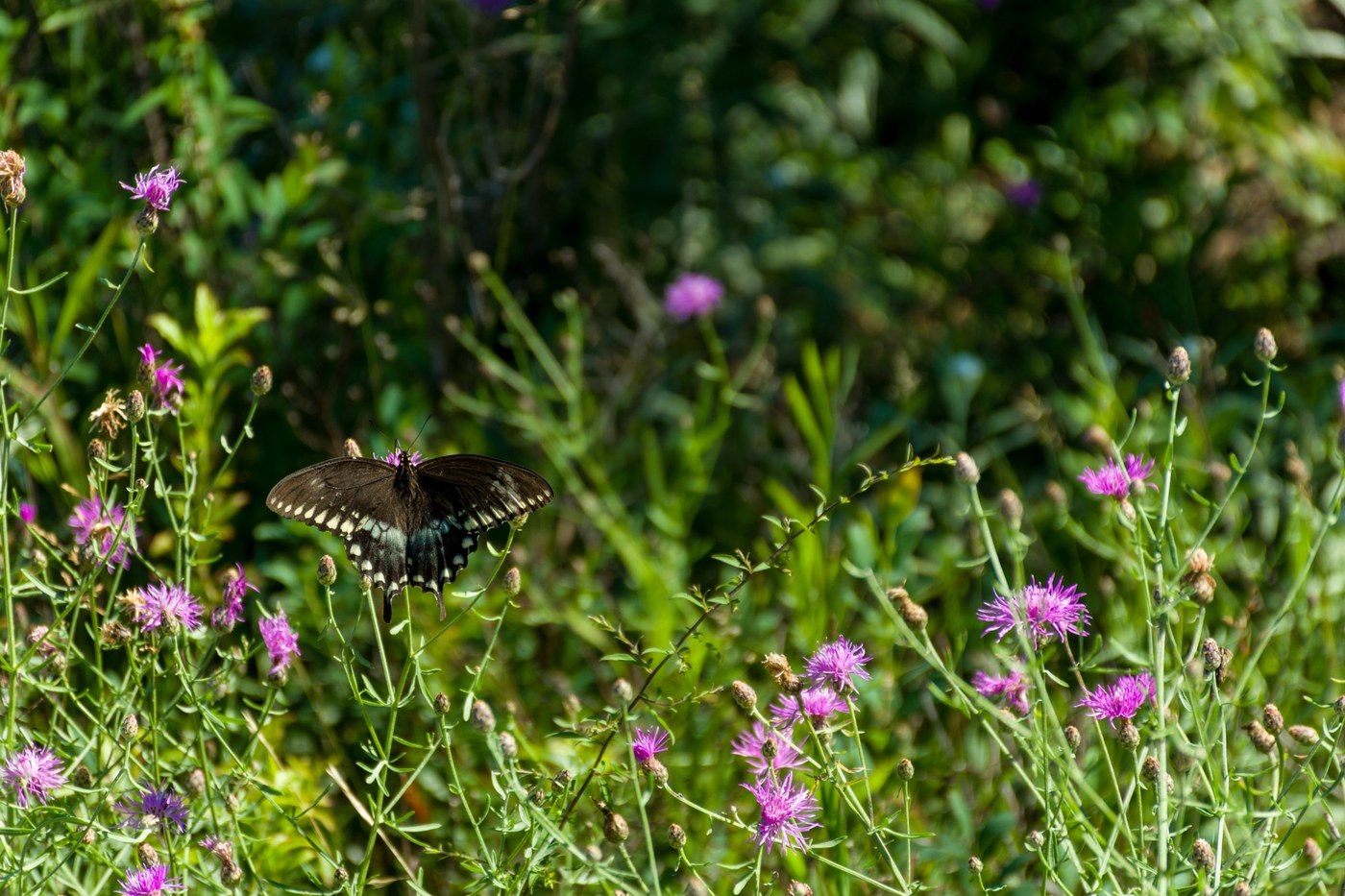
Spicebush Swallowtail
Deciduous forests, woodland edges, gardens