
Sleepy Orange
Abaeis nicippe
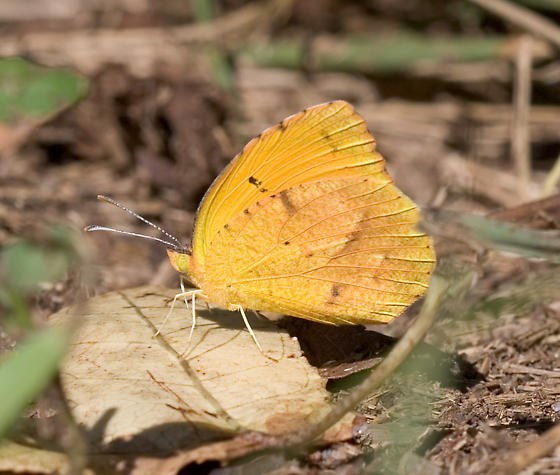
A small, deep orange sulphur butterfly with dark wing borders and a low, wandering flight, named for a faint dark mark that suggests a half-closed, sleepy eye.
- Size
- 1.4–1.8 in wingspan
- Habitat
- Open woodland, fields, roadsides, and disturbed ground
- Danger
- Harmless
Spotted a bug like this?
Identify any bug or insect from a photo, free.
Overview
The Sleepy Orange is a small to medium sulphur butterfly in the family Pieridae, common across the southern and central United States, Mexico, and into Central America, with seasonal strays reaching further north. Its rich orange color, deeper and warmer than many other sulphurs, along with a low, meandering flight, makes it a familiar sight along woodland trails and open fields in warm climates.
The common name is thought to reference the small, dark, downward-curved mark near the forewing edge that has a sleepy or closed-eye appearance, though the exact origin of the name is debated among lepidopterists. It belongs to the diverse sulphur group that also includes the Cloudless and Orange Sulphurs, sharing their pterin-pigmented yellow-orange wing colors.
Sleepy Oranges are especially associated with senna host plants and are frequently seen in disturbed or edge habitats where these legumes establish readily.
How to Identify
- Small to medium sulphur, deep orange above with a wide, irregular black border along the outer wing margins, more solid in males and more diffuse or spotted in females.
- A small dark cell spot is present on the forewing.
- Underside is orange to yellow-orange, often with fine dark speckling and seasonal color variation, appearing duller in cooler months.
- Antennae are pink to reddish and clubbed.
- Distinguished from the Little Yellow and other small sulphurs by its notably richer orange color and larger size, and from Orange Sulphur by its smaller size and different underside pattern.
Habitat & Range
Sleepy Oranges are found across the southern United States from California to Florida, through Mexico and Central America, with individuals straying north into the central and eastern United States during summer. They favor open woodland edges, fields, roadsides, and disturbed or weedy ground wherever senna host plants grow, and are active nearly year-round in the warmest parts of their range.
Behavior & Diet
Adults fly with a low, somewhat erratic pattern close to the ground, visiting a variety of flowers for nectar, including asters and other composites. Males patrol open habitat in search of mates and, like many sulphurs, may gather at damp soil to obtain minerals. Caterpillars feed on senna and partridge pea plants, blending into the foliage with green coloring, which offers protection from visually hunting predators.
Life Cycle
Eggs are laid singly on the leaves of senna or partridge pea host plants. The caterpillar is slender and green, sometimes with faint striping, feeding on foliage while resting along leaf midribs between meals. Pupation occurs in a slender green chrysalis attached to a stem. In warm southern regions the species breeds continuously with multiple overlapping generations, while individuals in more northern areas represent seasonal colonists that do not persist through cold winters.
Frequently asked questions
Why is it called the Sleepy Orange?
The name likely refers to a small, dark, downward-curved mark on the forewing that resembles a half-closed or sleepy eye.
How can I tell it apart from other orange or yellow sulphurs?
Its notably deep orange color and wide dark wing border, combined with its mid-sized build, help distinguish it from paler or smaller relatives like the Little Yellow.
What host plants do the caterpillars need?
They feed on senna species and partridge pea, common legumes of open and disturbed habitats.
Is it found year-round in the United States?
It is a permanent resident in the warm southern states, while individuals seen farther north are typically seasonal strays.
Sleepy Orange guides
In-depth guides for identifying, understanding, and living alongside Sleepy Orange.
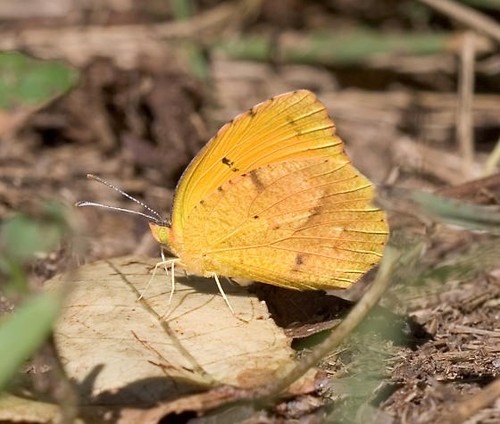
Sleepy Orange identified by the community
Real finds identified with Bug Identifier.
Other bugs you may enjoy
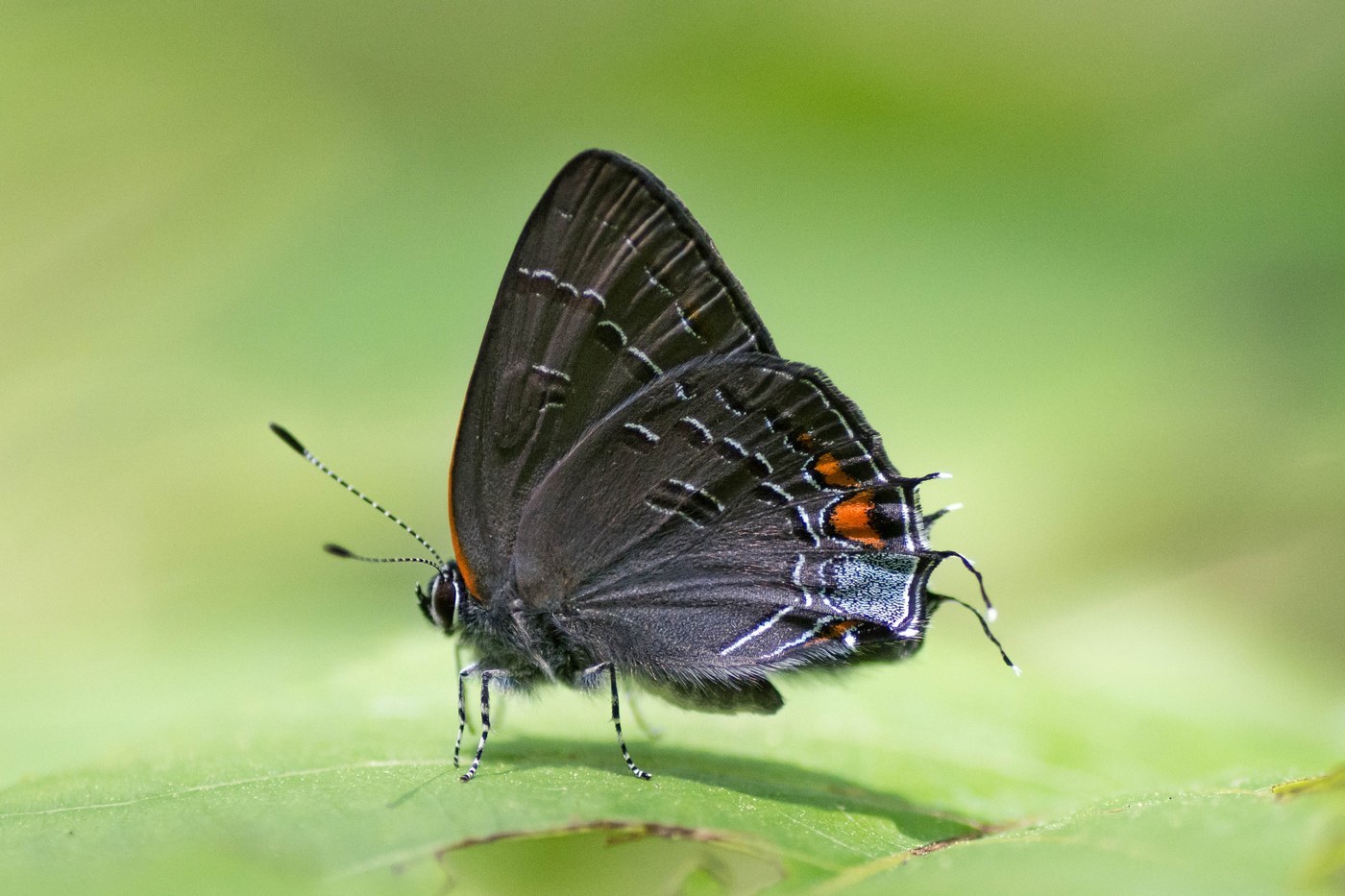
Banded Hairstreak
Deciduous woodlands and edges with oaks and hickories
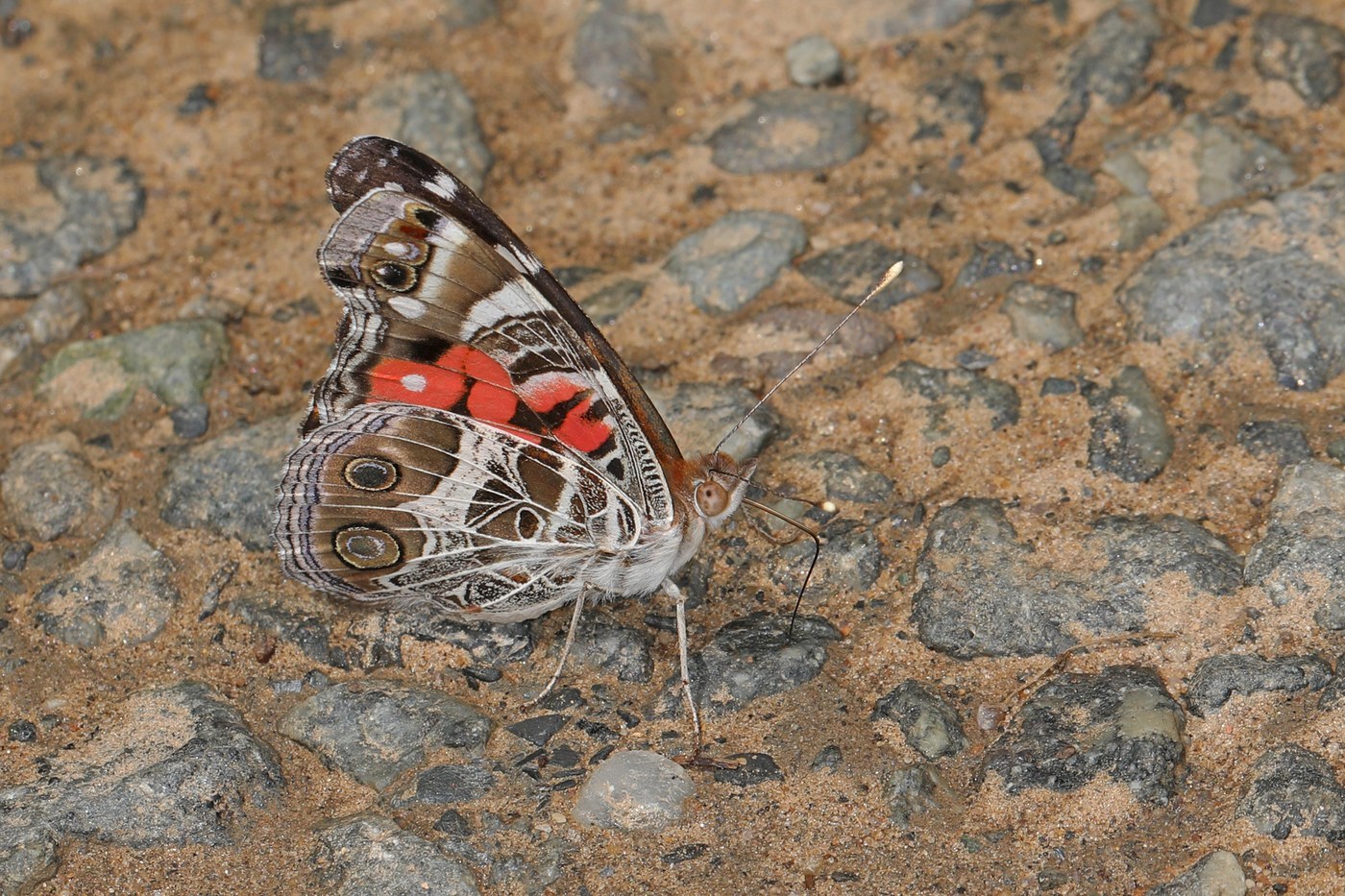
American Lady
Open fields, meadows, gardens, roadsides
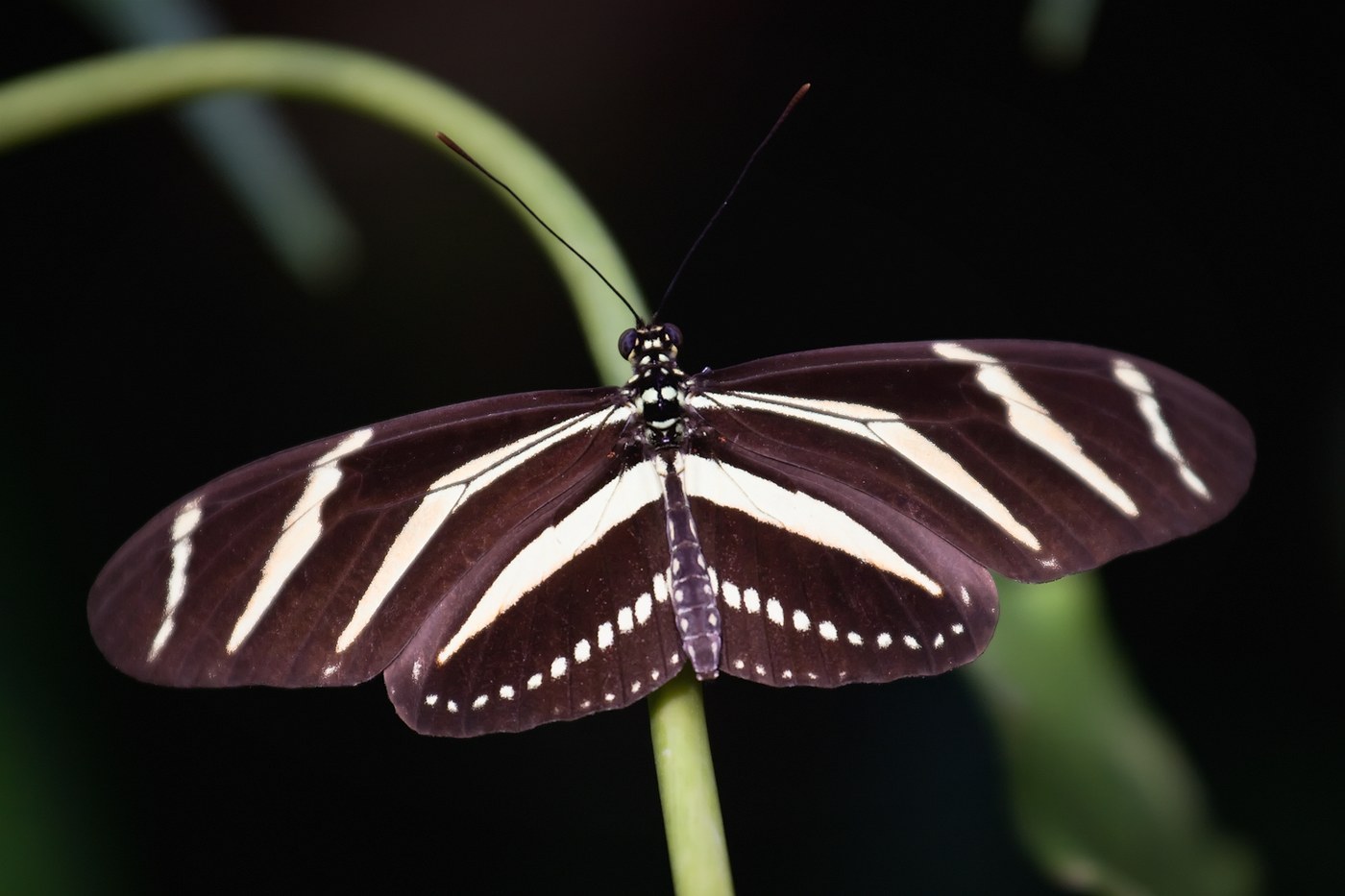
Zebra Longwing
Tropical hammocks, gardens, forest edges
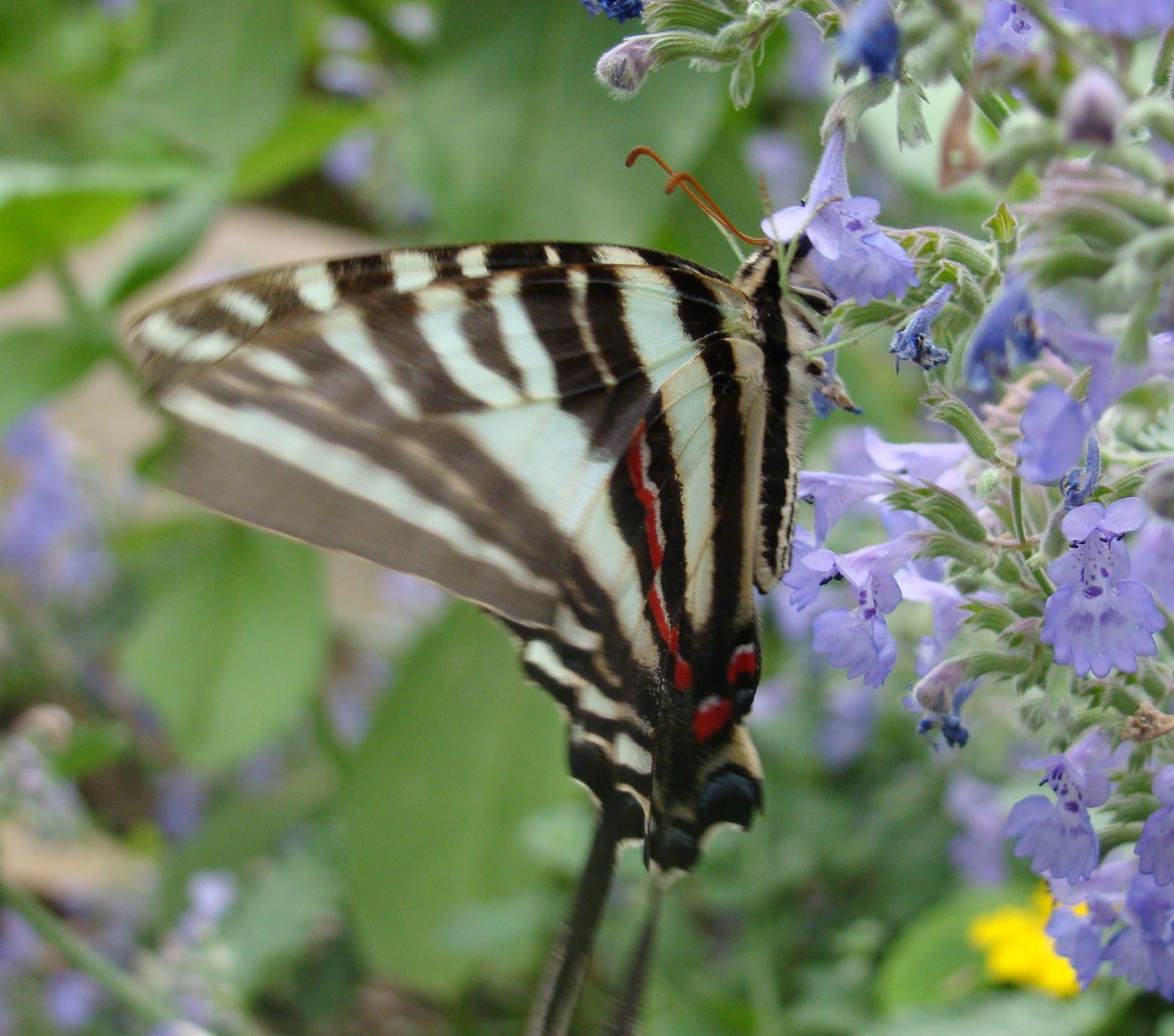
Zebra Swallowtail
Woodlands, floodplains, forest edges near pawpaw
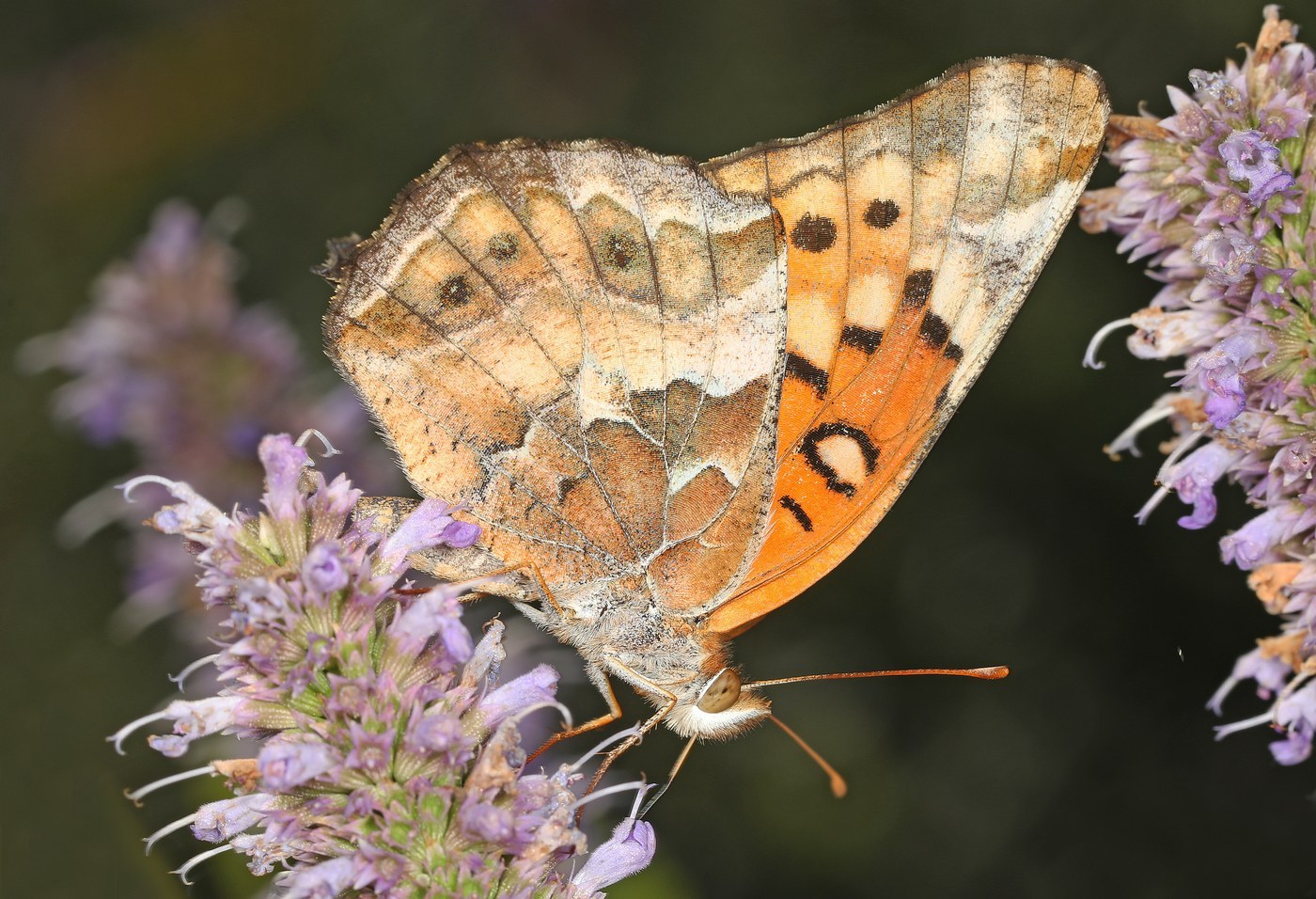
Variegated Fritillary
Open fields, prairies, roadsides, and disturbed ground across most of the United States
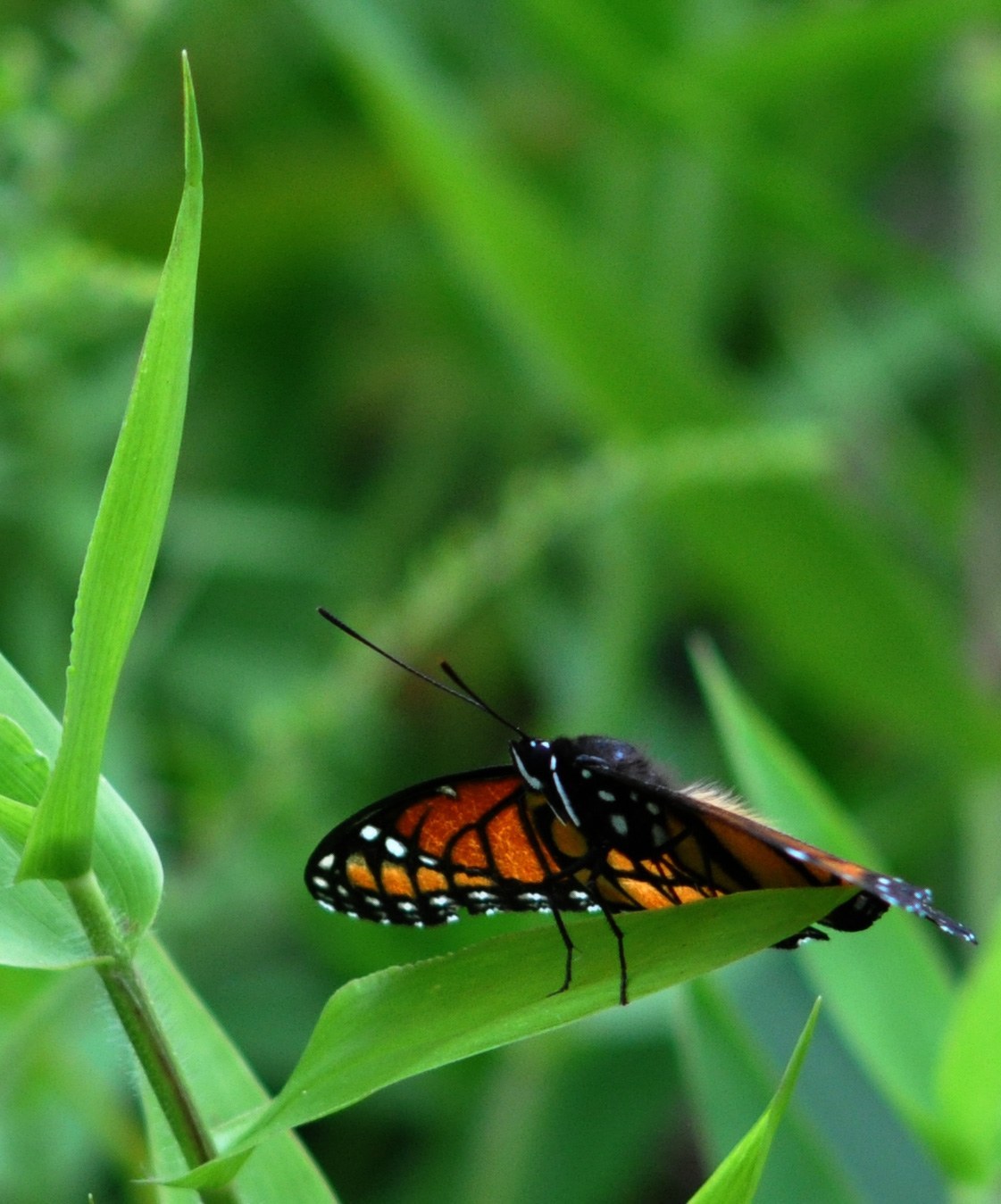
Viceroy Butterfly
Wetlands, meadows, riverbanks, willow thickets (North America)
Baltimore Checkerspot
Wet meadows, bogs, and marshy fields in the northeastern and Appalachian US
American Copper
Old fields, roadsides, and disturbed open ground with sorrel or dock
West Virginia White
Rich deciduous forest floors, especially near seeps and streams
Spring Azure
Woodland edges, gardens, shrubby clearings
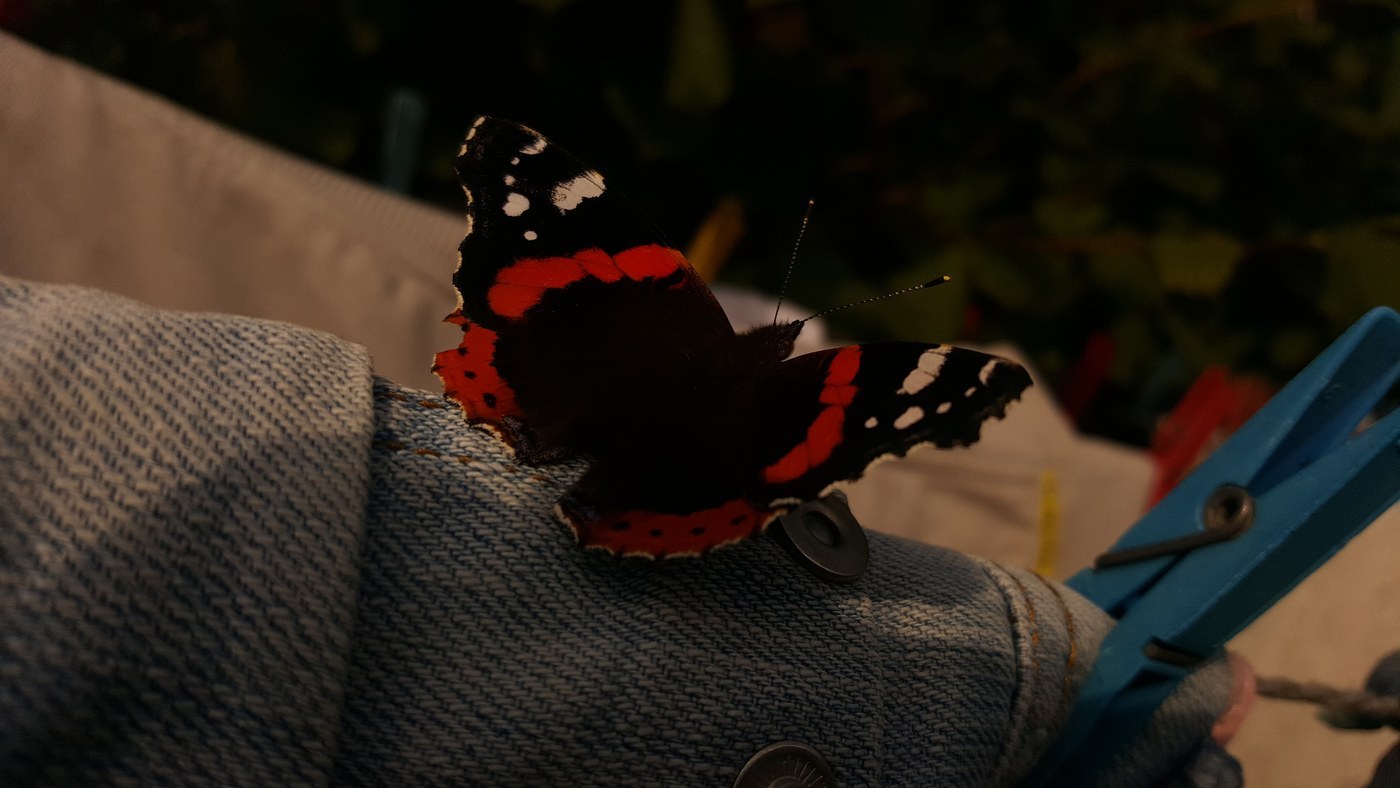
Red Admiral
Gardens, woodland edges, parks, meadows
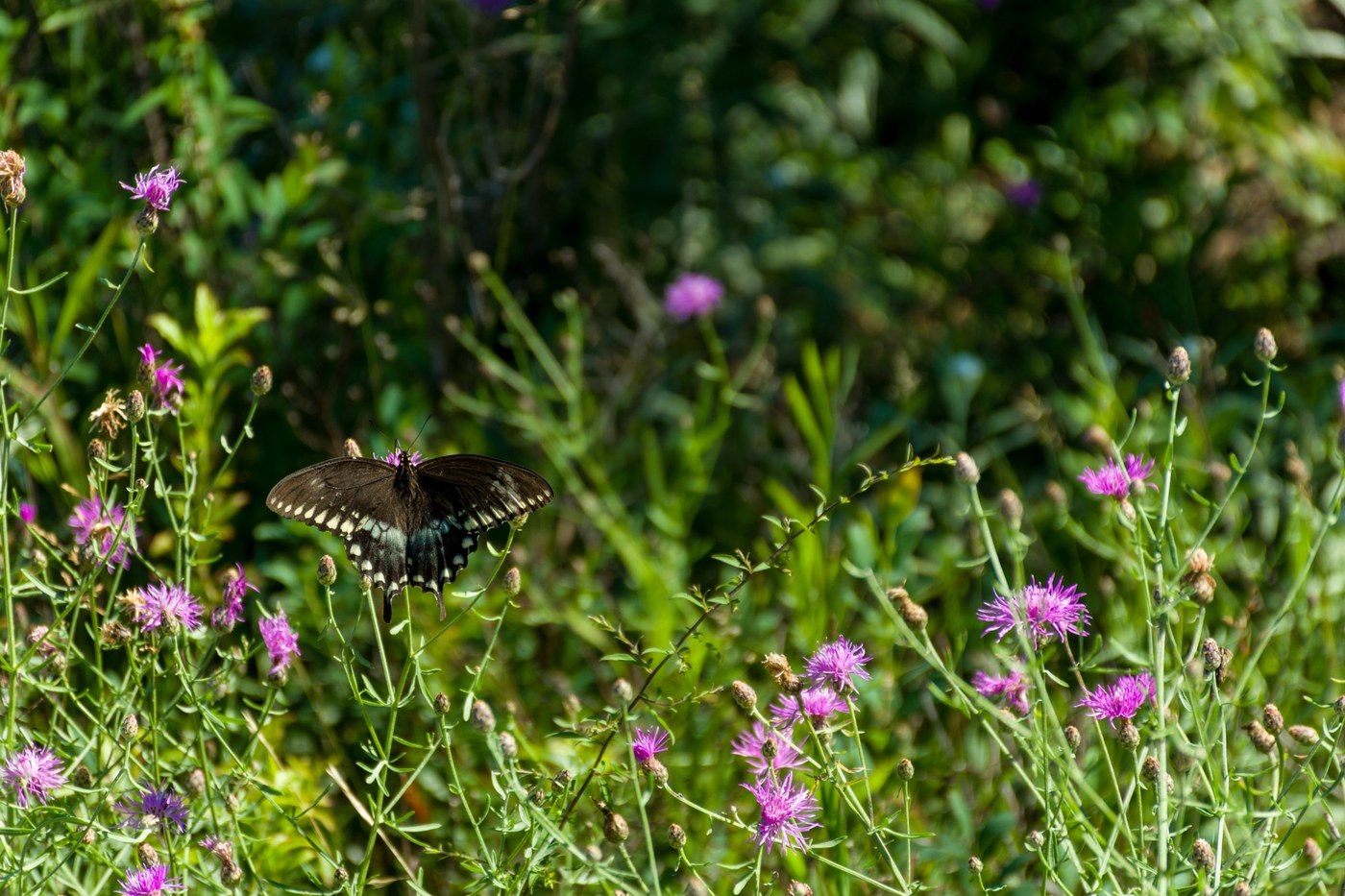
Spicebush Swallowtail
Deciduous forests, woodland edges, gardens