
Asian Longhorned Beetle
Anoplophora glabripennis
A large, glossy black longhorn beetle patterned with irregular white spots and boldly banded blue-white antennae, notable as one of the largest and most eye-catching wood-boring beetles seen in temperate hardwood trees.
- Size
- 20–35 mm
- Habitat
- Hardwood trees including maple, elm, birch, and willow, in urban and forested areas
- Danger
- Harmless
Spotted a bug like this?
Identify any bug or insect from a photo, free.
Overview
The Asian longhorned beetle is a striking member of the longhorn beetle family, Cerambycidae, prized among beetle enthusiasts for its bold black-and-white pattern and unusually long, banded antennae. Native to eastern Asia, including China and Korea, it has become established in several other regions through international trade in wood packaging materials.
This species is notable for developing in living hardwood trees rather than dead or decaying wood, which sets it apart ecologically from many other longhorn beetles. Its larvae bore into the heartwood of a broad range of deciduous trees, including maples, elms, birches, and willows, making it a beetle of particular interest to foresters and arborists wherever it occurs outside its native range.
As one of the largest and most visually distinctive longhorn beetles found in temperate hardwood forests and urban tree plantings, it is relatively easy to identify once seen, even by casual observers.
How to Identify
- Large, glossy jet-black body, 20–35 mm long, with irregular white or cream-colored spots scattered across the elytra.
- Antennae are exceptionally long, often exceeding body length, and distinctly banded in alternating black and bluish-white segments.
- Legs are also bluish-white at the joints, adding to the beetle's striking coloration.
- Body shape is elongated and cylindrical, typical of longhorn beetles, with a smooth, shiny cuticle.
- Lookalikes include the whitespotted sawyer beetle, but the Asian longhorned beetle lacks a white dot at the base of the elytra and has more uniformly scattered spotting.
Habitat & Range
Asian longhorned beetles are native to China and Korea and have become established in parts of North America and Europe. They favor a wide range of broadleaf hardwood trees, including maple, elm, birch, willow, and poplar, in both urban tree-lined streets and forested areas.
Adults are typically seen from late spring through fall, when temperatures are warm enough for flight and mating, while larvae develop inside host trees for one to two years depending on climate.
Behavior & Diet
Larvae feed within the heartwood and sapwood of living hardwood trees, boring deep galleries that can extend well into the trunk and larger branches. Adults feed externally on tree bark, leaf petioles, and leaf veins, and are capable of relatively strong flight for a beetle of their size, allowing dispersal between host trees.
Within their native range, the species is a natural component of hardwood forest ecosystems, contributing to the natural turnover of aging or stressed trees. Where introduced outside their native range, they are notable for their impact on hardwood tree health, though no management approaches are described here.
Life Cycle
Development follows complete metamorphosis: egg, larva, pupa, and adult. Females chew small oval pits into the bark of host trees and lay a single egg in each, and larvae bore inward upon hatching to feed within the wood.
The larval stage typically lasts one to two years, depending on climate, with the larva progressing deeper into the heartwood before pupating within a chamber near the surface. Adults emerge through large, round exit holes roughly the size of a pencil, mate, and disperse to new host trees, generally producing one generation per year in warmer climates or one generation every two years in cooler regions.
Frequently asked questions
How can I identify an Asian longhorned beetle?
Look for a large glossy black body with irregular white spots and long antennae banded in black and bluish-white.
What kinds of trees does it develop in?
It develops in a range of hardwood trees, including maple, elm, birch, willow, and poplar.
Is it native to North America or Europe?
No, it is native to eastern Asia and has become established elsewhere through international trade.
How is it different from native longhorn beetles like the whitespotted sawyer?
The Asian longhorned beetle lacks the single white dot at the base of the elytra seen in the whitespotted sawyer and has more evenly scattered white spotting overall.
Asian Longhorned Beetle guides
In-depth guides for identifying, understanding, and living alongside Asian Longhorned Beetle.
Other bugs you may enjoy
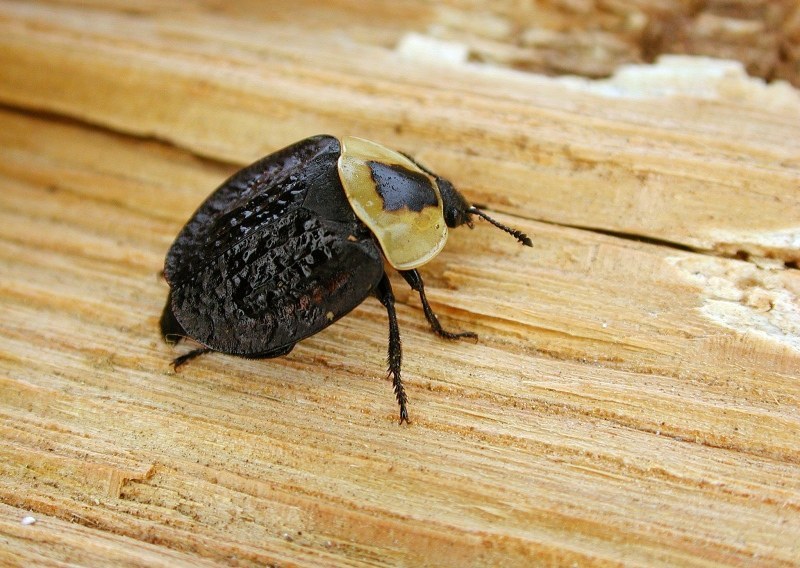
American Carrion Beetle
Forests, fields, and roadsides across North America, near decaying animal carcasses
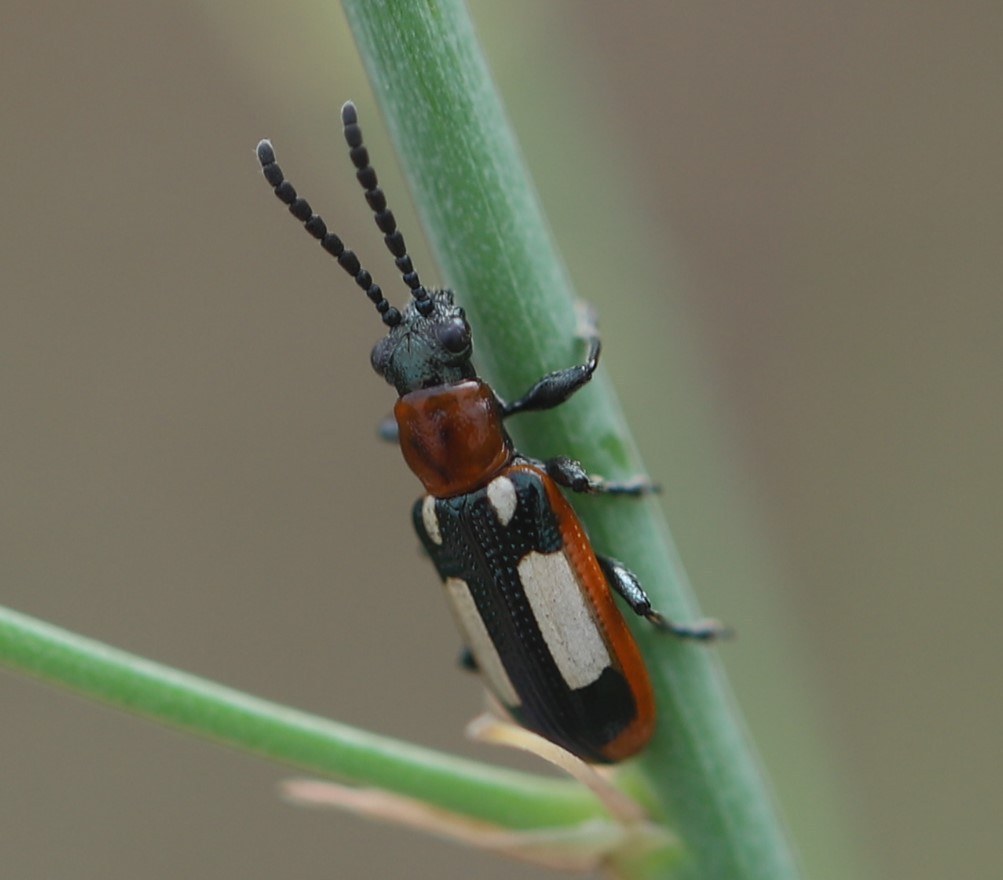
Asparagus Beetle
Asparagus patches, gardens, and farm fields

Asian Lady Beetle
Gardens, crop fields, woodlands, buildings
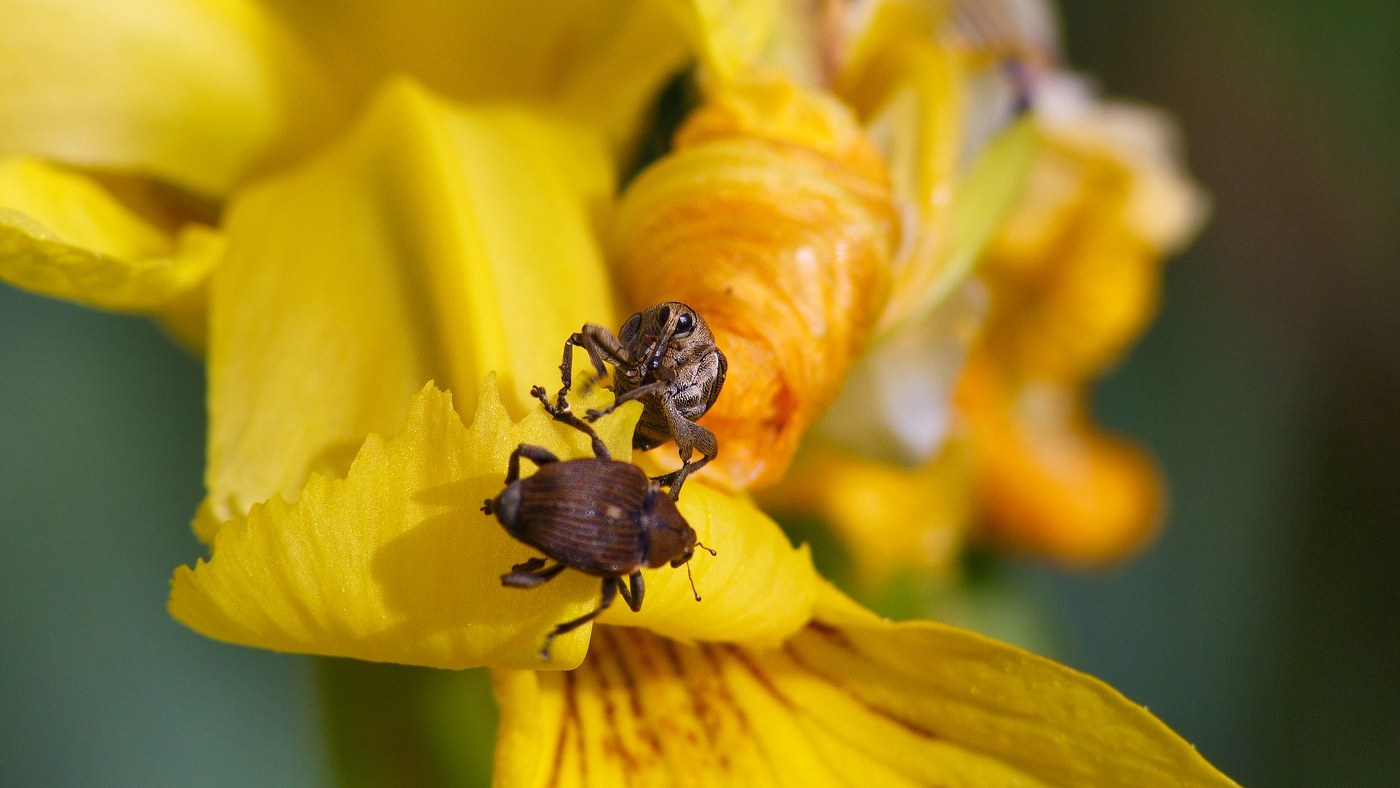
Acorn Weevil
Oak woodlands and forests, on and beneath oak trees
Wireworm
Soil of grasslands, gardens, and cultivated fields worldwide
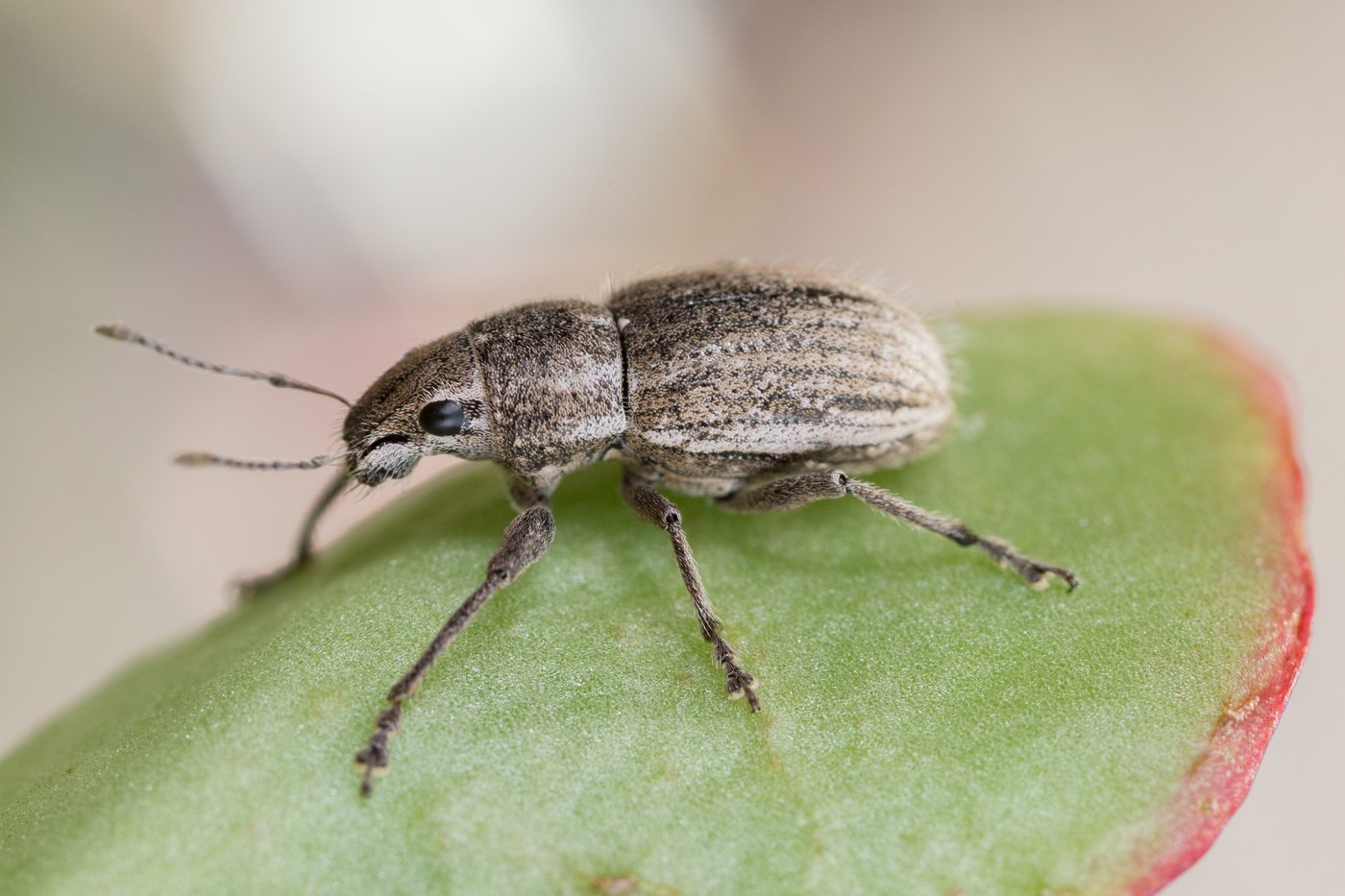
Whitefringed Beetle
Pastures, row crops, lawns, disturbed soils
Vine Weevil
Gardens, nurseries, greenhouses, and container plantings
Varied Carpet Beetle
Homes, nests of birds and mammals, and flowers outdoors
Atlas Beetle
Tropical forests of Southeast Asia
Titan Beetle
Amazon rainforest of South America
Ten-lined June Beetle
Sandy soils, pine forests, and orchards of western North America
Squash Beetle
Vegetable gardens and fields growing squash, pumpkin, and other cucurbits