
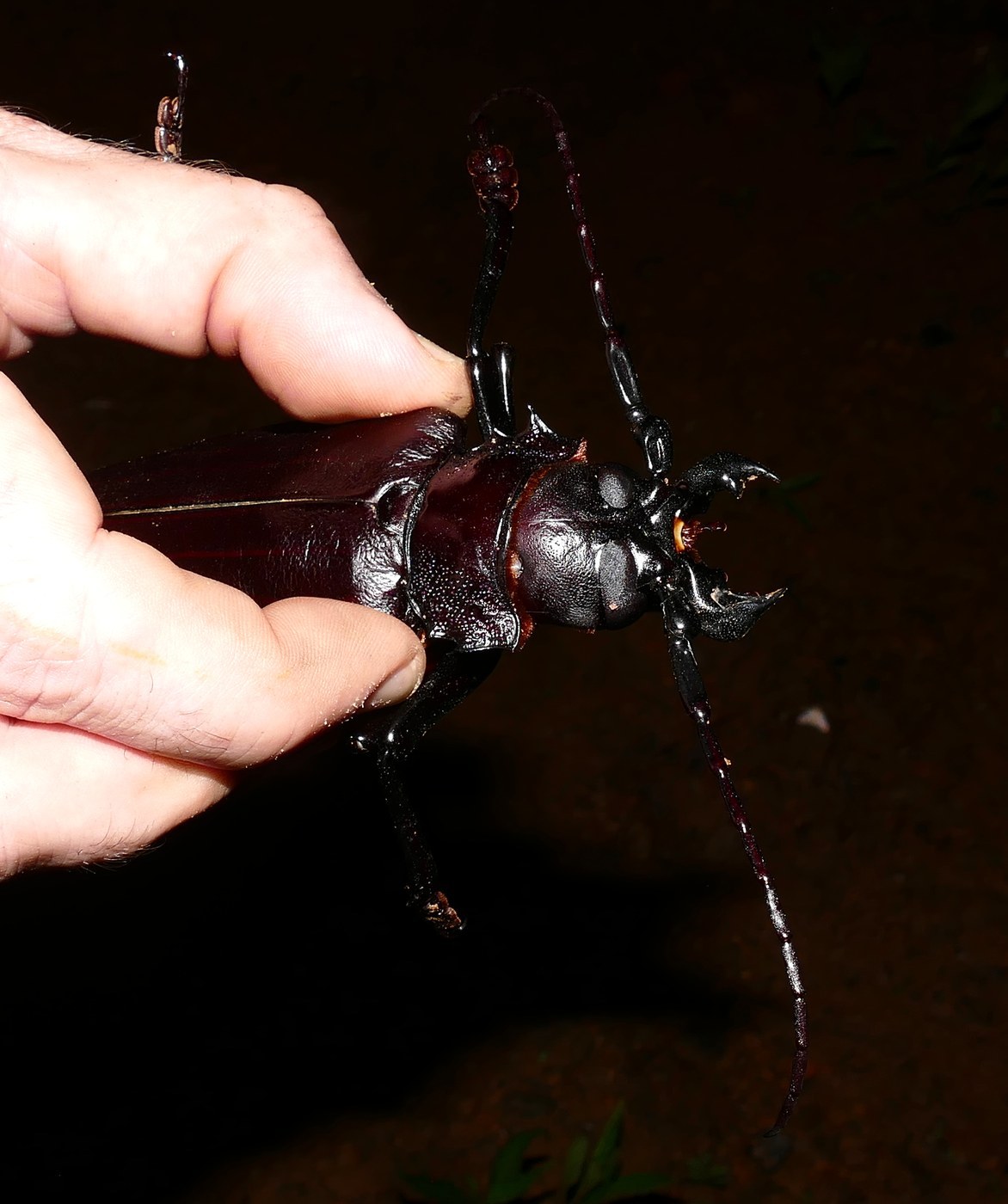
Titan Beetle
Titanus giganteus
One of the largest insects on Earth, the titan beetle is a colossal longhorn from the Amazon whose body can exceed 16 cm. Its powerful jaws and loud hiss make it an imposing rainforest giant.
- Size
- Up to 16-17 cm
- Habitat
- Amazon rainforest of South America
- Danger
- Bites
Spotted a bug like this?
Identify any bug or insect from a photo, free.
Overview
The titan beetle, Titanus giganteus, is one of the largest known beetles and among the largest insects by body length, with specimens reaching about 16 to 17 cm. It is a member of the longhorn beetle family (Cerambycidae) and lives deep in the tropical rainforests of northern South America.
Adults are robust and brown to blackish, with formidable mandibles capable of a strong bite. Despite their fearsome jaws, adult titan beetles are rarely seen feeding, and it is thought they may not feed at all as adults, instead living on reserves built up during the larval stage.
Much about the titan beetle remains mysterious. The larvae have never been definitively identified in the wild, though they are believed to be enormous and to bore through decaying wood. Adult males are attracted to lights at night and are the specimens most often encountered.
How to Identify
Look for these features:
- Enormous size, with a body length up to about 16-17 cm
- Robust brown to blackish body
- Large, powerful mandibles at the front of the head
- Moderately long antennae typical of longhorn beetles
- Sharp spines along the edges of the thorax
There are no close lookalikes at this scale; only a few other beetles approach its size, and none combine this bulk with longhorn features in its range.
Habitat & Range
The titan beetle inhabits humid lowland rainforest in the Amazon Basin, including parts of Brazil, French Guiana, Guyana, Suriname, Colombia, Ecuador, Peru, and Venezuela. Adults are encountered near forest clearings and are frequently drawn to bright lights at night during the warm, wet season.
Behavior & Diet
Adult titan beetles are believed to feed little or not at all, surviving on energy stored during larval development, and males fly in search of mates and gather at lights. When threatened, the beetle can hiss by rubbing body parts together and deliver a strong bite with its mandibles. The wood-boring larvae are thought to play a role in breaking down decaying rainforest timber.
Life Cycle
The titan beetle undergoes complete metamorphosis, though its full life cycle is poorly documented. Females are thought to lay eggs in or near decaying wood. The larvae are believed to be very large grubs that tunnel through rotting wood for an extended period, possibly years, before pupating. Adults emerge to mate, with males dispersing to find females, and are relatively short-lived.
Frequently asked questions
How big is the titan beetle?
Its body can reach about 16 to 17 cm, making it one of the largest insects in the world by length.
Do adult titan beetles eat?
They are believed to feed little or not at all, living on energy stored during the larval stage.
Has anyone found its larva?
The larva has not been definitively identified in the wild but is thought to be a huge wood-boring grub.
Can it bite?
Yes, its powerful mandibles can deliver a strong bite if the beetle is handled or threatened.
Titan Beetle guides
In-depth guides for identifying, understanding, and living alongside Titan Beetle.
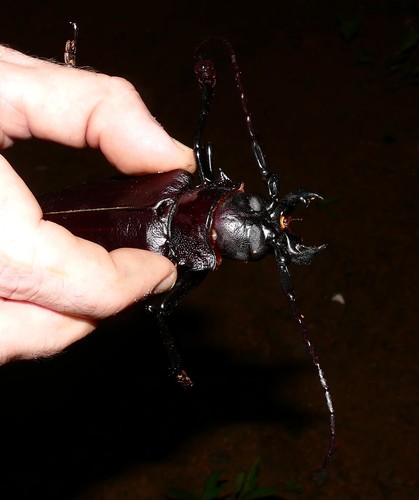
Titan Beetle identified by the community
Real finds identified with Bug Identifier.
Other bugs you may enjoy
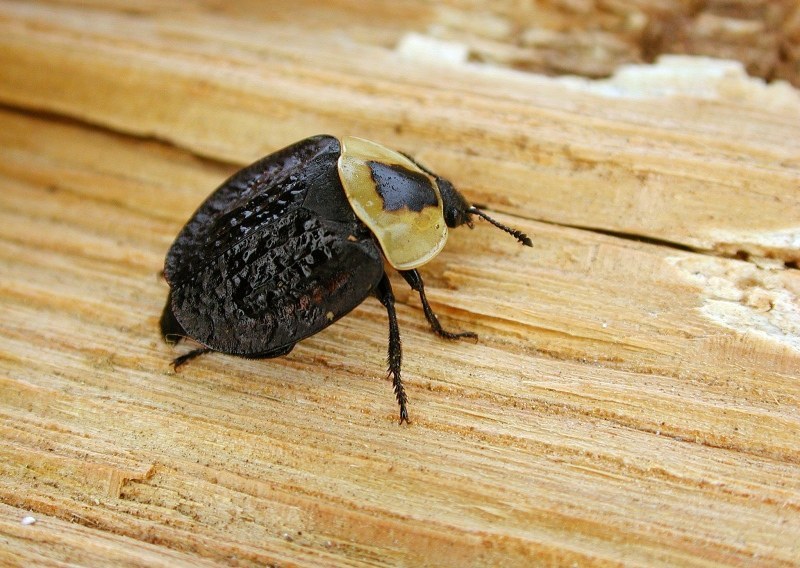
American Carrion Beetle
Forests, fields, and roadsides across North America, near decaying animal carcasses
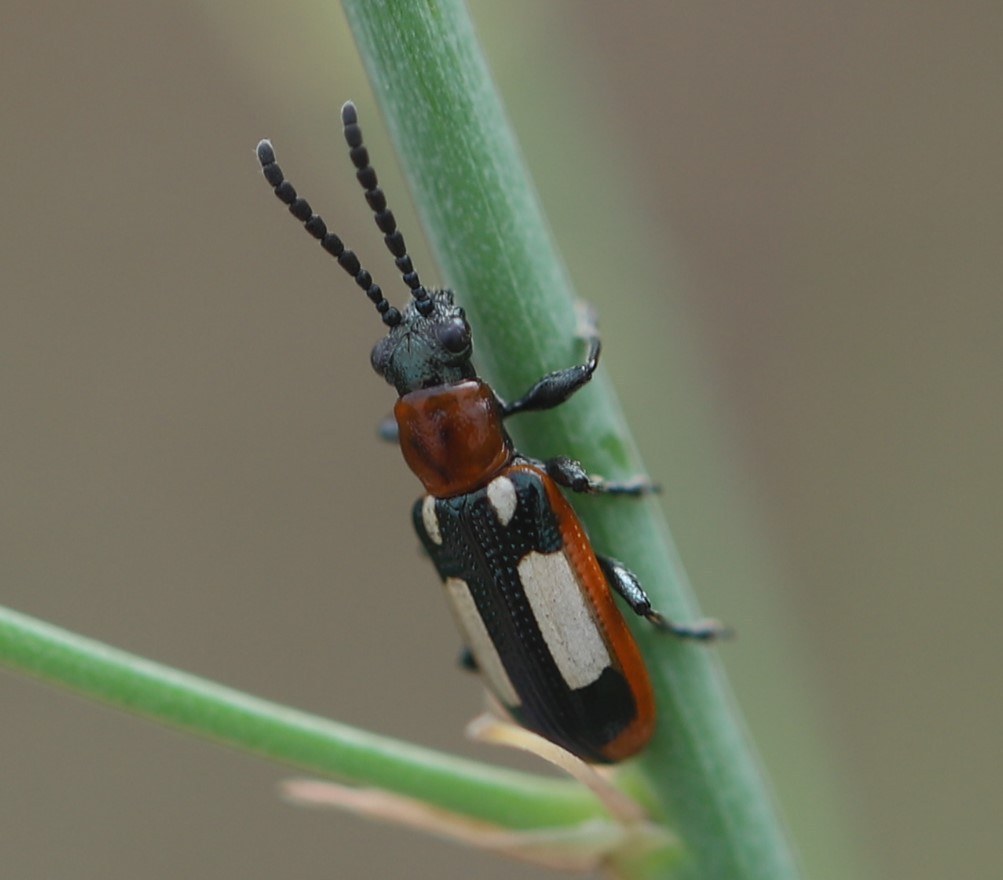
Asparagus Beetle
Asparagus patches, gardens, and farm fields
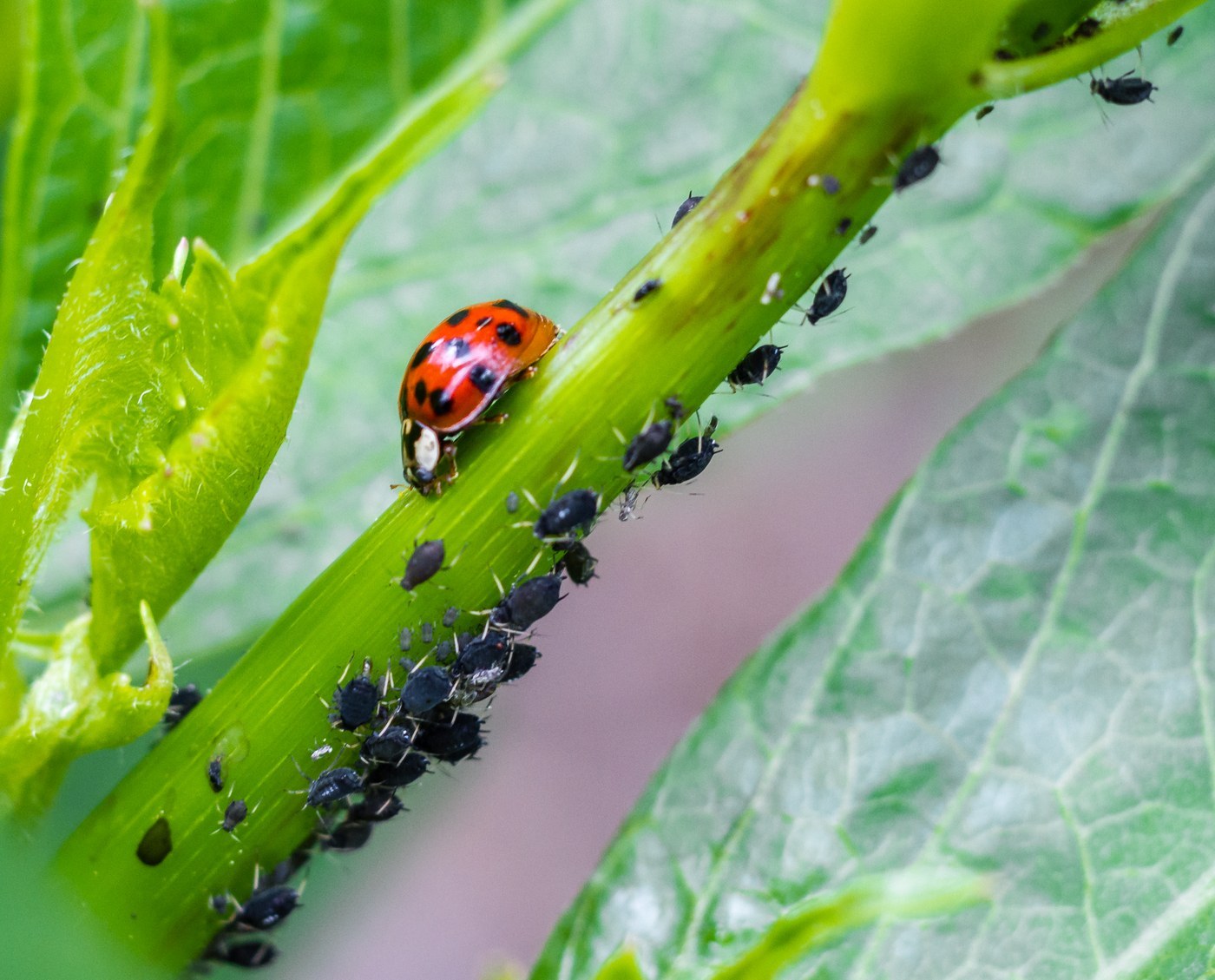
Asian Lady Beetle
Gardens, crop fields, woodlands, buildings
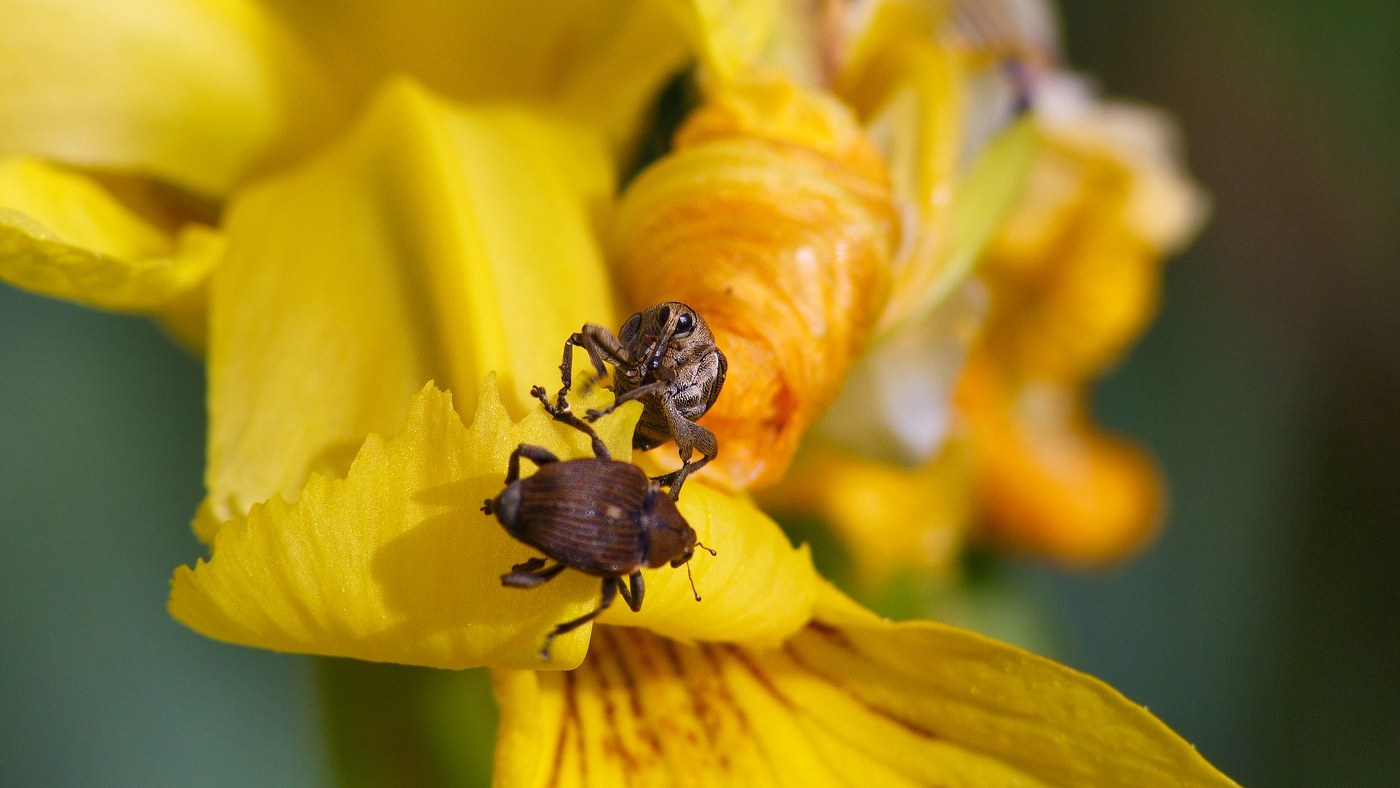
Acorn Weevil
Oak woodlands and forests, on and beneath oak trees
Wireworm
Soil of grasslands, gardens, and cultivated fields worldwide
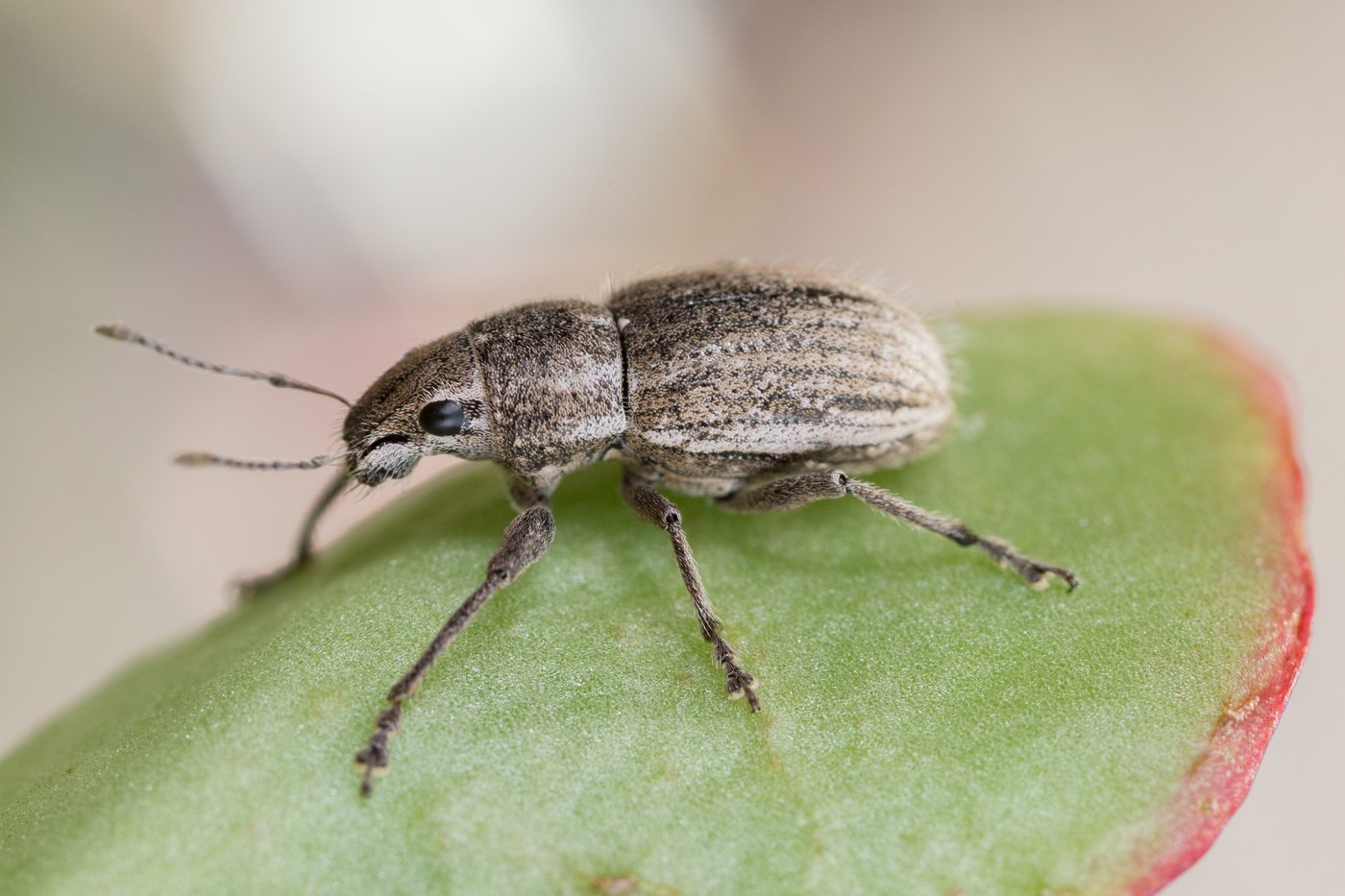
Whitefringed Beetle
Pastures, row crops, lawns, disturbed soils
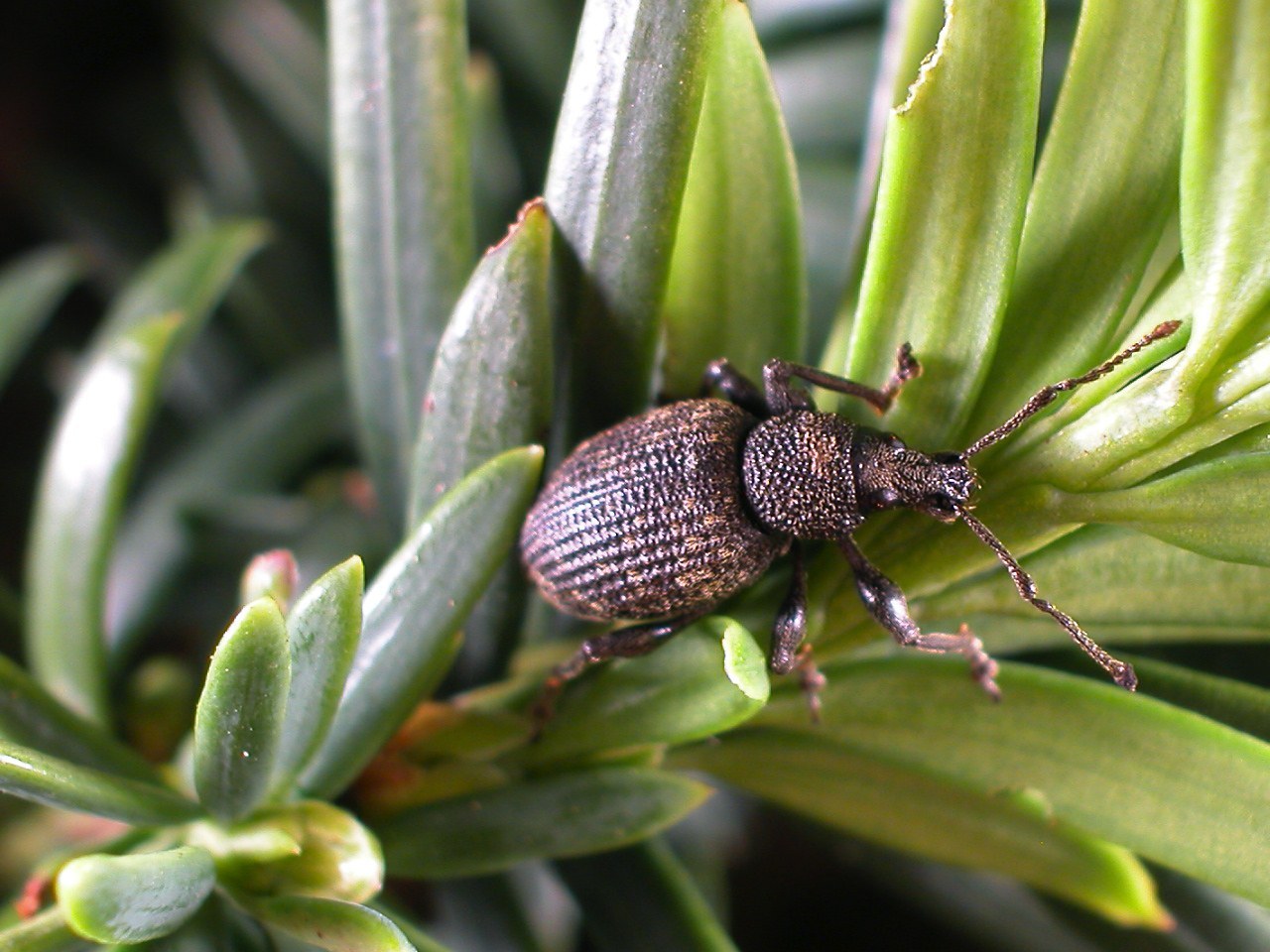
Vine Weevil
Gardens, nurseries, greenhouses, and container plantings
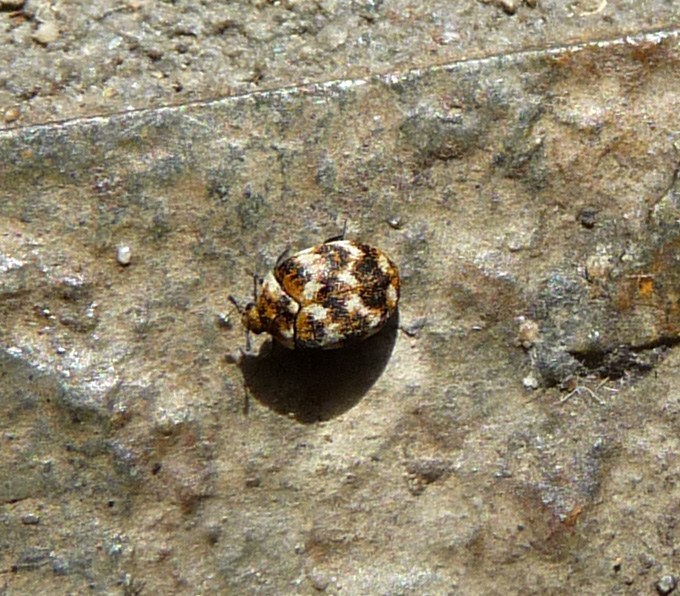
Varied Carpet Beetle
Homes, nests of birds and mammals, and flowers outdoors
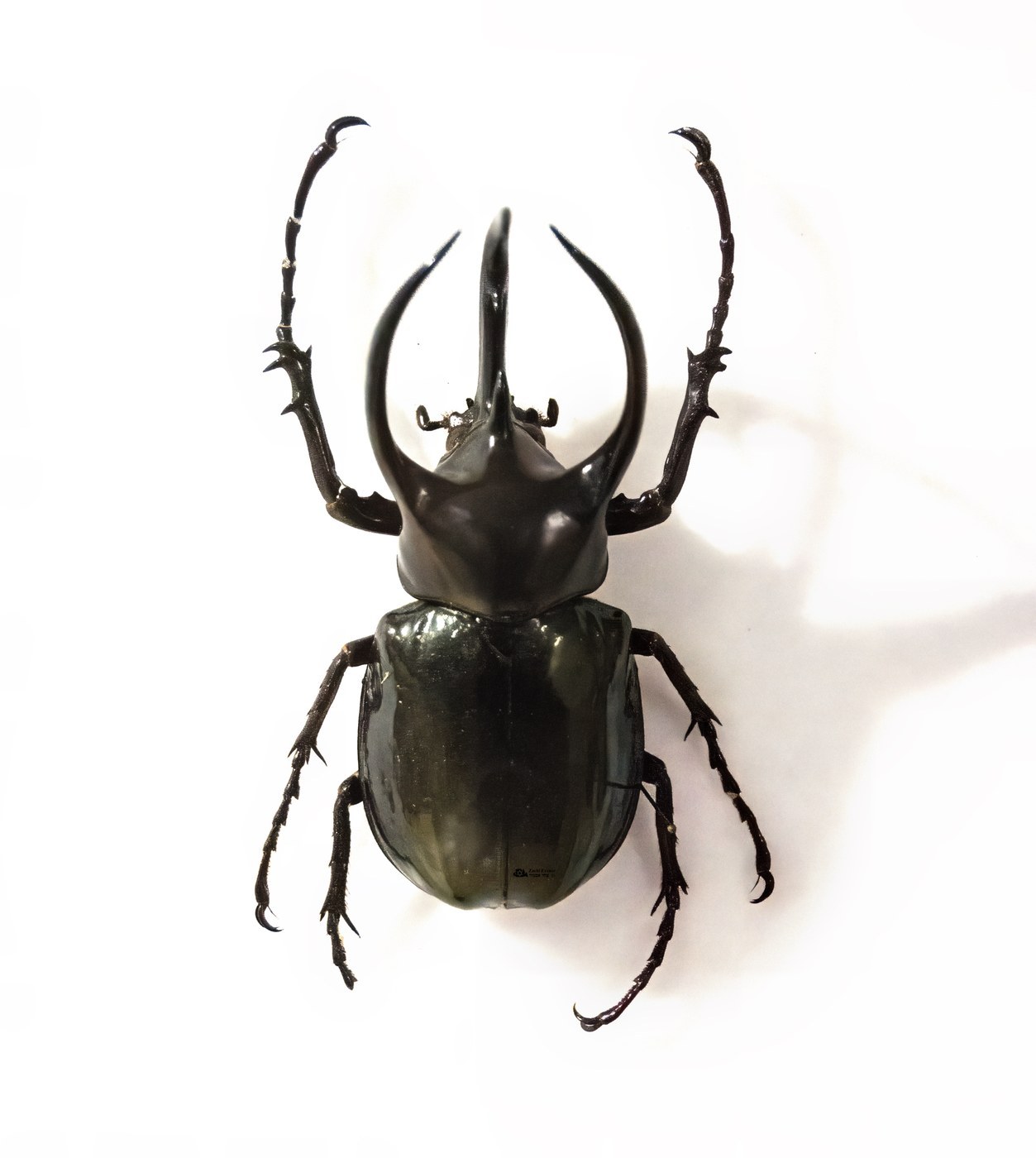
Atlas Beetle
Tropical forests of Southeast Asia
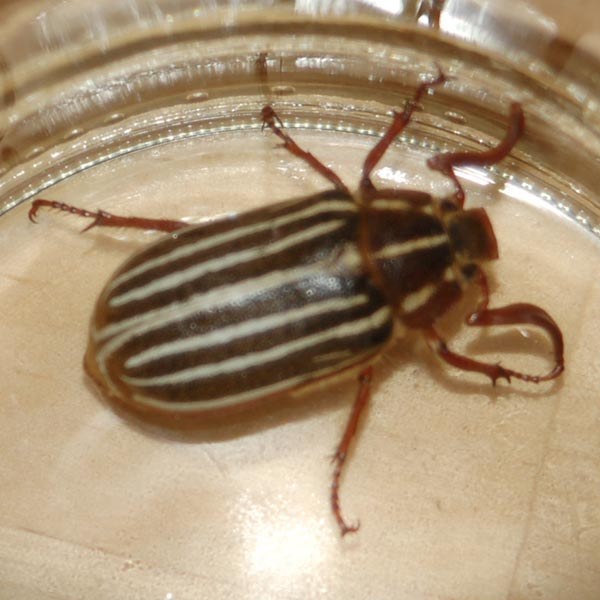
Ten-lined June Beetle
Sandy soils, pine forests, and orchards of western North America
Squash Beetle
Vegetable gardens and fields growing squash, pumpkin, and other cucurbits
Red Flour Beetle
Stored grain, flour, and dry food products in mills, warehouses, and pantries worldwide