
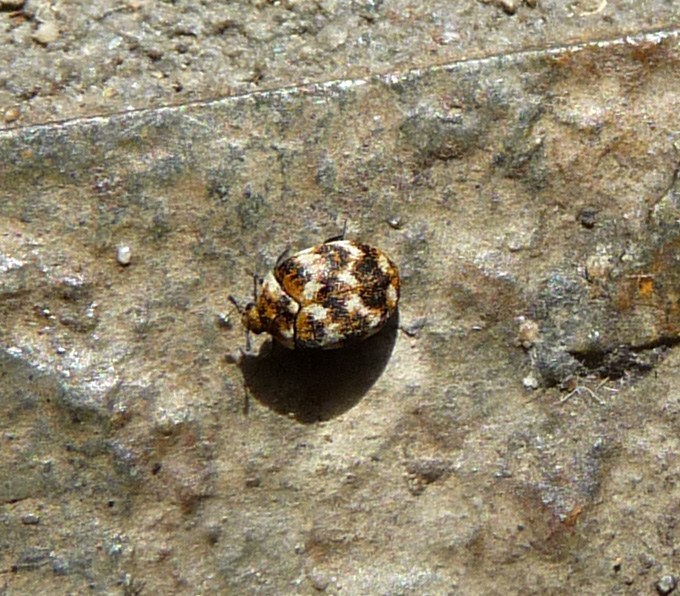
Varied Carpet Beetle
Anthrenus verbasci
A tiny beetle mottled with white, brown, and yellow scales that, as a fuzzy larva, quietly grazes on natural fibers tucked away in closets and attics.
- Size
- 1.5–4 mm long
- Habitat
- Homes, nests of birds and mammals, and flowers outdoors
- Danger
- Nuisance pest
Spotted a bug like this?
Identify any bug or insect from a photo, free.
Overview
The varied carpet beetle is a small, rounded beetle in the family Dermestidae, named for the mottled pattern of scales that covers its back. Adults are often seen visiting flowers outdoors, where they feed on pollen and nectar, while it is the larvae that are best known for developing indoors on stored natural-fiber materials.
In nature, varied carpet beetles and their relatives are important scavengers, with larvae feeding on dried animal material such as feathers, fur, skin, and dead insects found in bird and mammal nests. This scavenging role occasionally brings them into homes, where similar materials such as wool, silk, and feathers can support larval development.
The species is found across much of the Northern Hemisphere and has become one of the most commonly encountered dermestid beetles in and around houses, often arriving through open windows, cut flowers, or infested nesting material near eaves and vents.
How to Identify
- Adults are oval and convex, about 1.5–4 mm long
- Back is covered in tiny overlapping scales forming an irregular pattern of white, brown, and yellow-orange
- Antennae are short and end in a small club
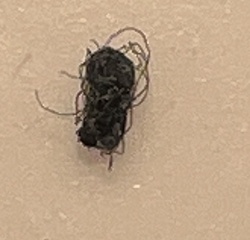
- Larvae are elongated, tapered, and densely covered in bristly brown hairs, giving them a fuzzy "woolly" appearance
- Larvae have tufts of longer hairs near the rear end
- Lookalikes include the black carpet beetle (Attagenus unicolor), which is uniformly dark and lacks the mottled scale pattern
Habitat & Range
Varied carpet beetles occur throughout much of North America, Europe, and Asia. Outdoors, adults are commonly found on flowers such as spirea, buttercup, and Queen Anne's lace, feeding on pollen. Indoors, larvae seek out dark, undisturbed spots such as closets, attics, wall voids, and areas near bird or rodent nests, where natural-fiber materials may be present. Activity often peaks in spring and summer, coinciding with adult flight and flowering periods.
Behavior & Diet
Adults are capable fliers and are frequently attracted to light and to flowers, where they graze on pollen and nectar; they do not feed on fabrics. Larvae, by contrast, are the fiber feeders, slowly consuming keratin-containing materials like wool, fur, feathers, and silk, as well as museum specimens and dry pantry goods in some cases. Larvae are shy of light and tend to hide in seams, folds, and undisturbed corners, molting multiple times and shedding bristly cast skins as they grow. In the wild, this same larval diet lets the species recycle nutrients from feathers and fur left behind in animal nests.
Life Cycle
Females lay eggs near suitable larval food, often in cracks, nests, or fiber materials, and eggs hatch within one to several weeks. Larvae pass through numerous instars over a period that can range from several months to more than a year, depending on temperature and food availability, growing slowly and molting repeatedly. When mature, the larva pupates within its last larval skin, and the adult beetle emerges shortly after. Development is slow compared with many household insects, often producing just one generation per year, with the insect overwintering as a larva in a sheltered location.
Frequently asked questions
Do adult carpet beetles eat fabric?
No, adults feed on pollen and nectar outdoors; it is the larvae that feed on natural fibers such as wool and fur.
How can I recognize a varied carpet beetle larva?
Look for a small, tapered, bristly brown larva with tufts of longer hairs near its rear end, often found in dark undisturbed areas.
Why do carpet beetles show up indoors?
They are commonly drawn in through open windows, on cut flowers, or from bird and rodent nesting material near a home's exterior.
How long does one generation take?
Development from egg to adult can take several months to over a year, often resulting in just one generation annually.
Varied Carpet Beetle guides
In-depth guides for identifying, understanding, and living alongside Varied Carpet Beetle.
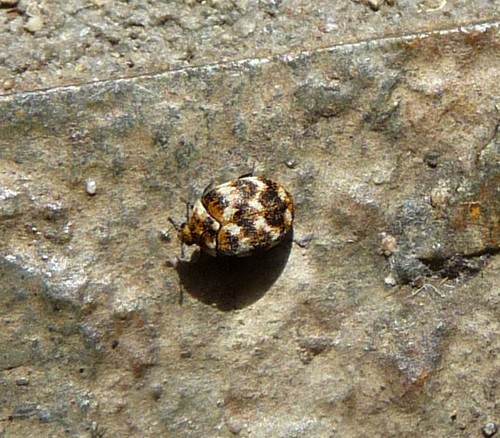
Varied Carpet Beetle identified by the community
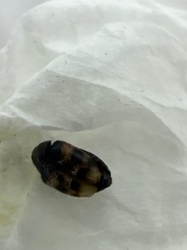
Real finds identified with Bug Identifier.

Other bugs you may enjoy
American Carrion Beetle
Forests, fields, and roadsides across North America, near decaying animal carcasses
Asparagus Beetle
Asparagus patches, gardens, and farm fields
Asian Lady Beetle
Gardens, crop fields, woodlands, buildings
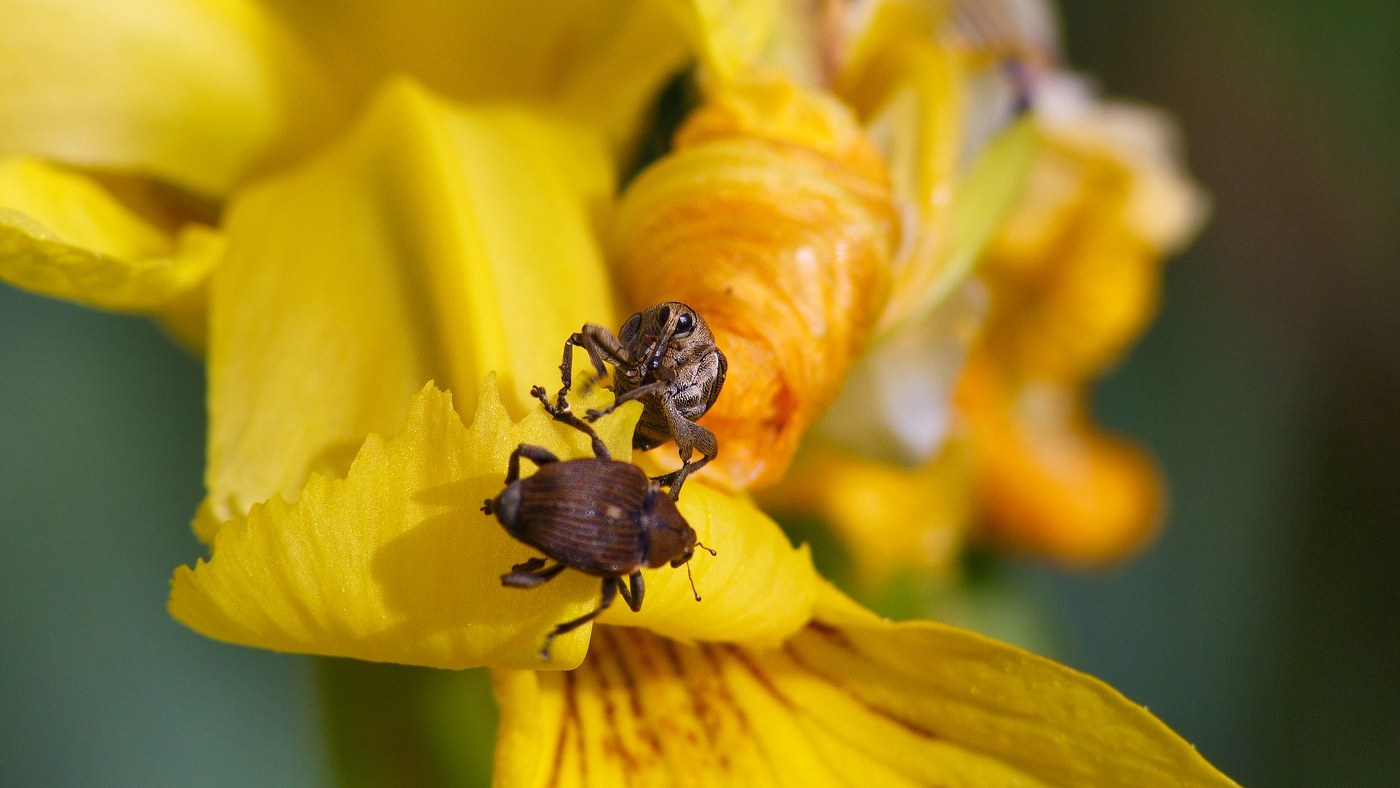
Acorn Weevil
Oak woodlands and forests, on and beneath oak trees
Wireworm
Soil of grasslands, gardens, and cultivated fields worldwide
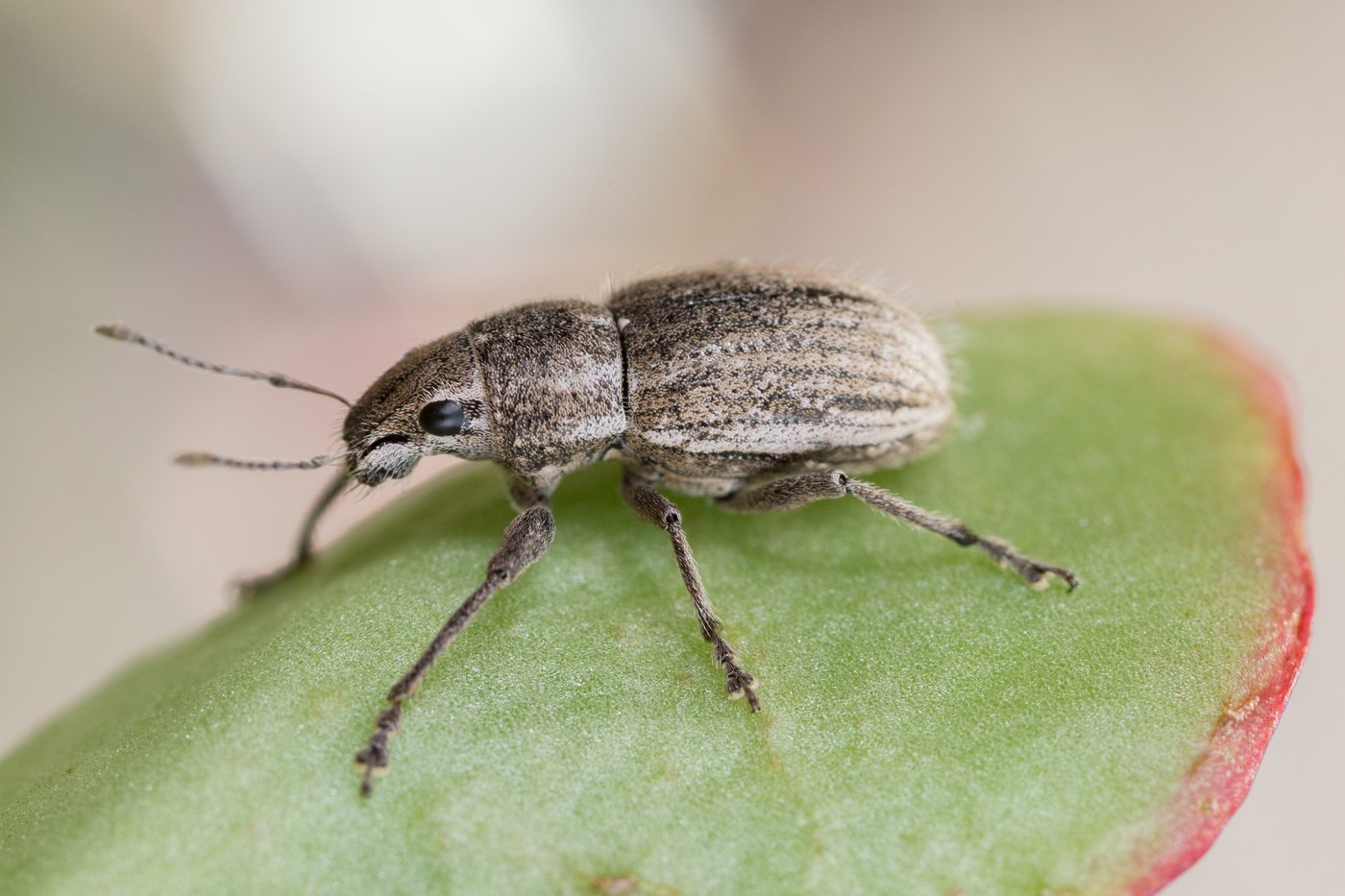
Whitefringed Beetle
Pastures, row crops, lawns, disturbed soils
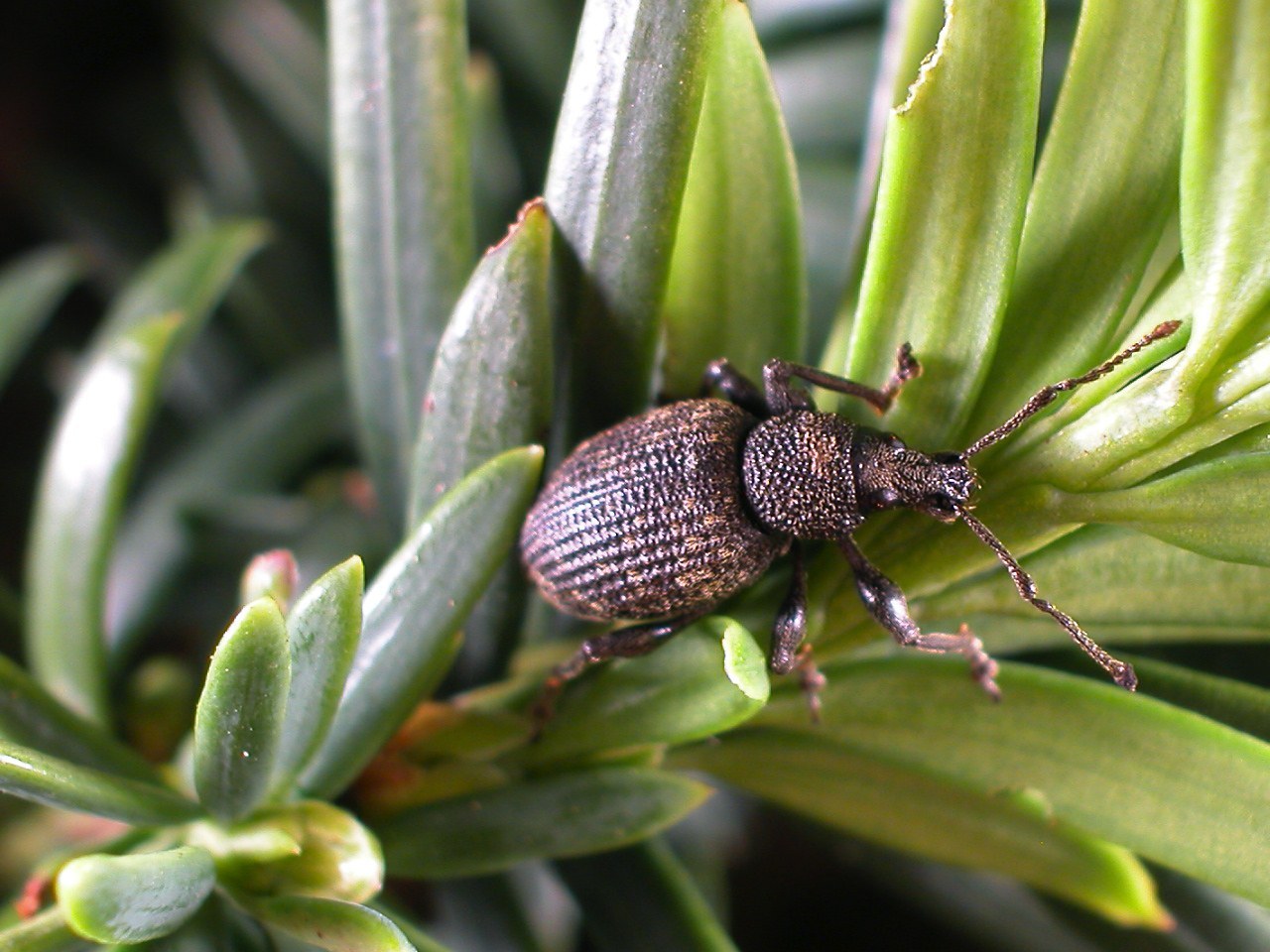
Vine Weevil
Gardens, nurseries, greenhouses, and container plantings
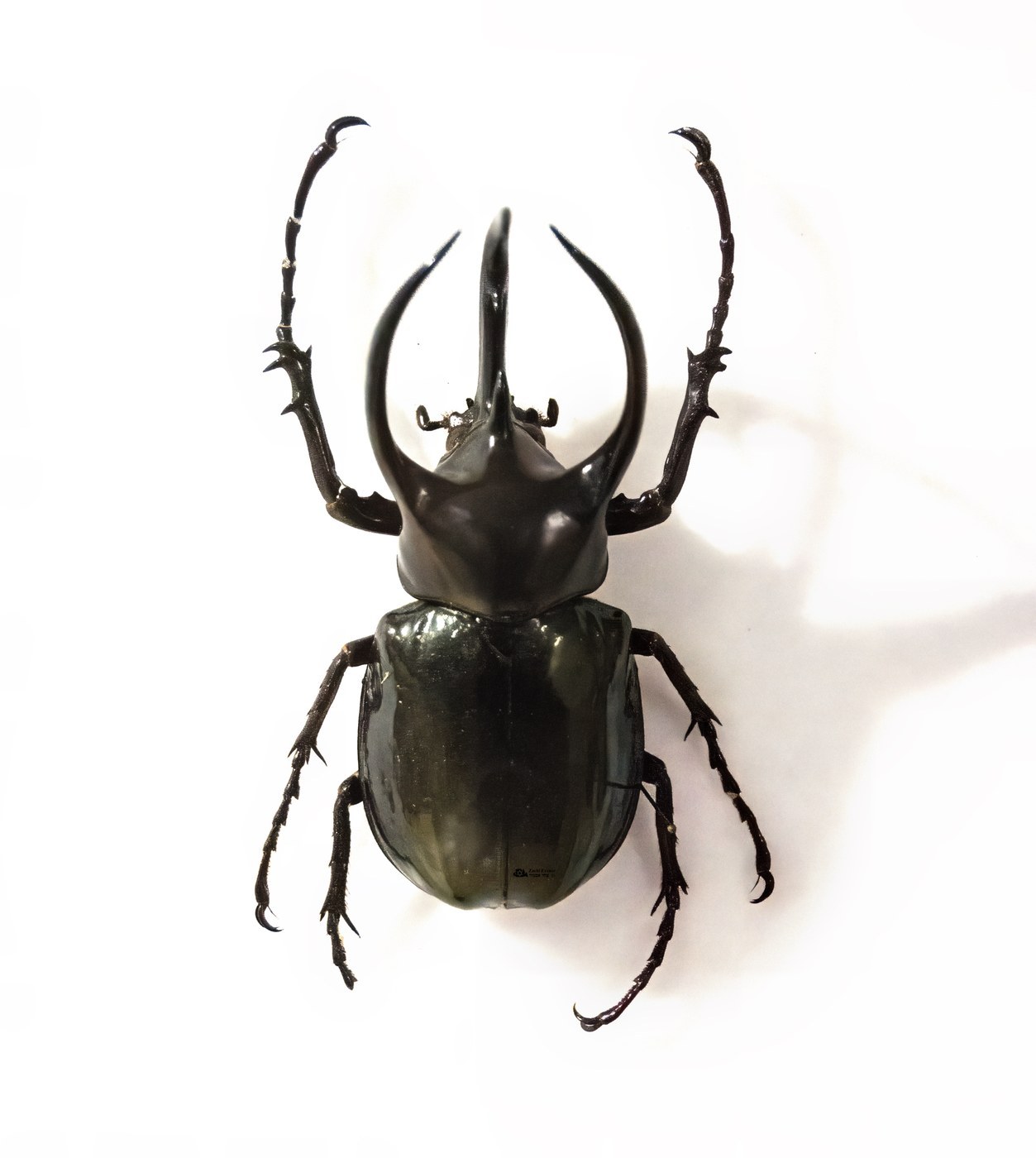
Atlas Beetle
Tropical forests of Southeast Asia
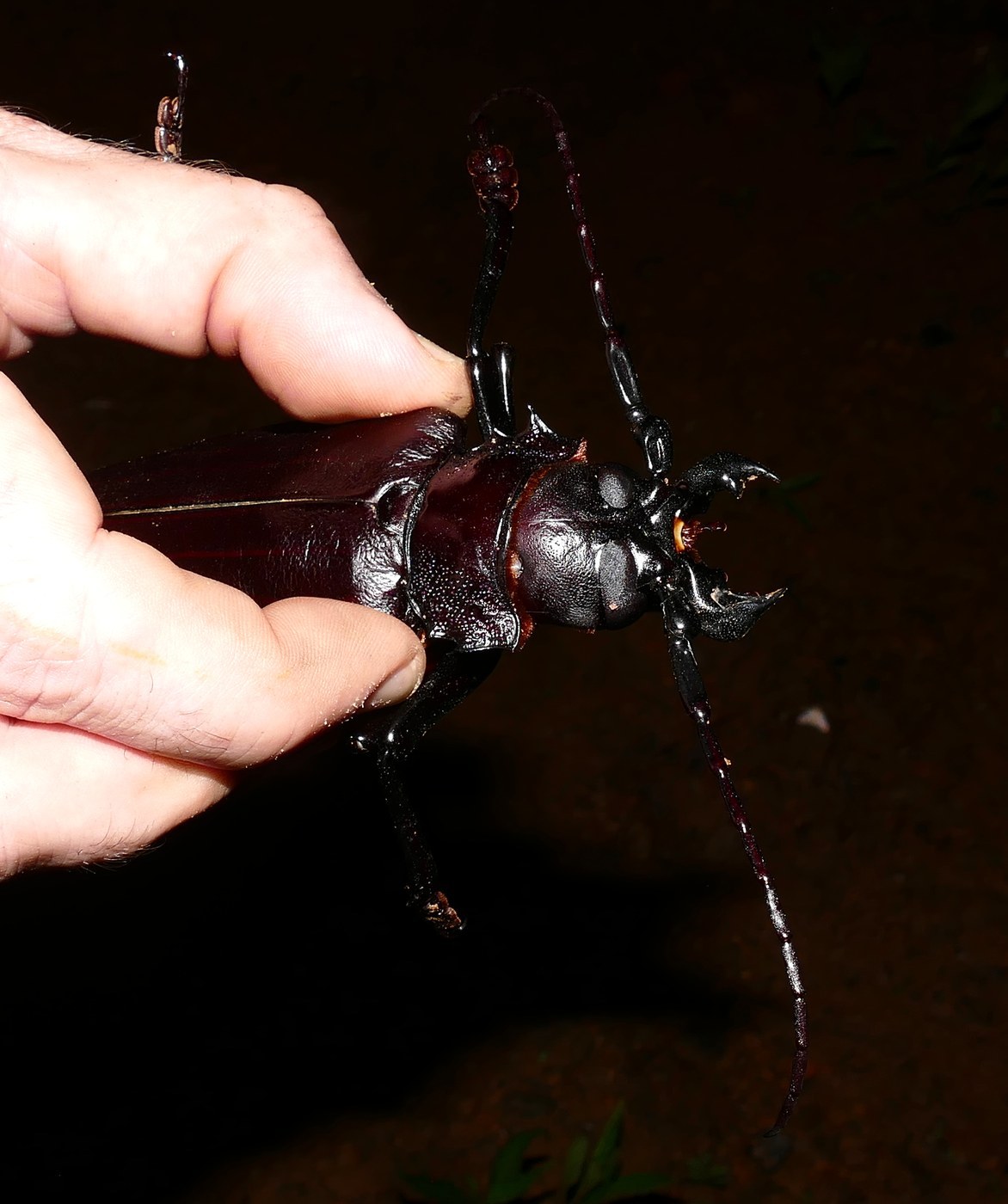
Titan Beetle
Amazon rainforest of South America
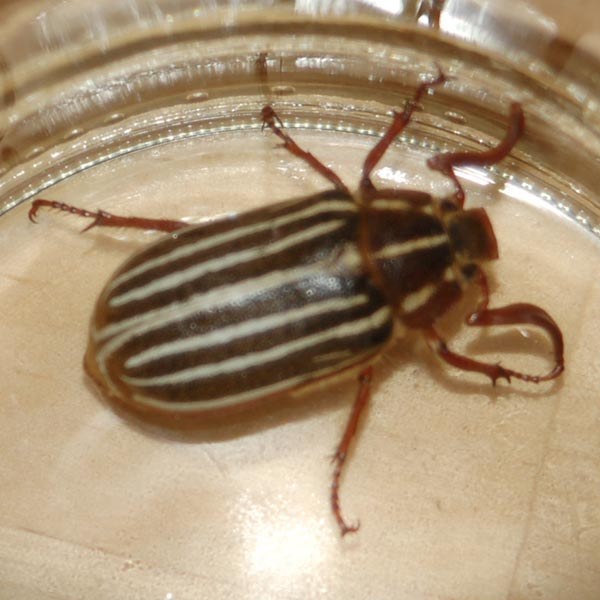
Ten-lined June Beetle
Sandy soils, pine forests, and orchards of western North America
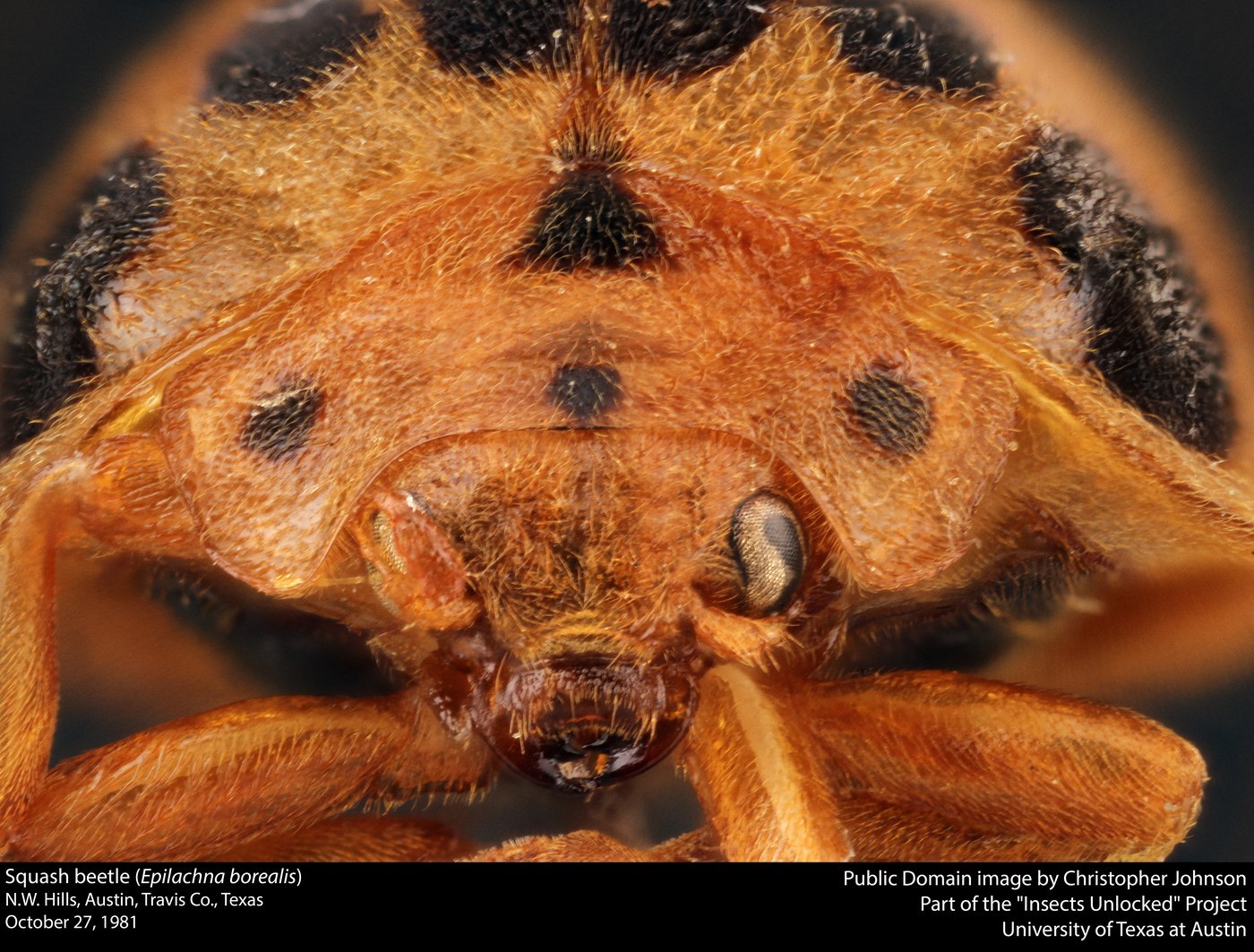
Squash Beetle
Vegetable gardens and fields growing squash, pumpkin, and other cucurbits
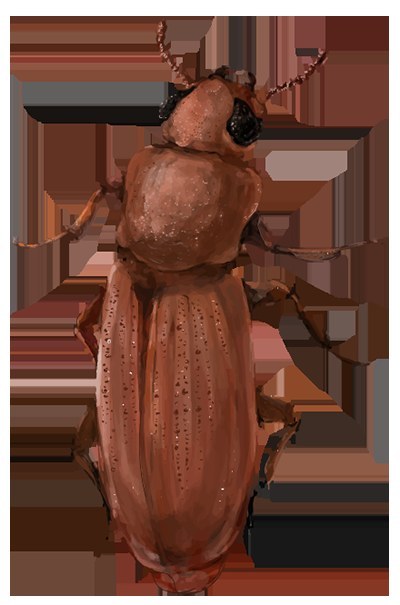
Red Flour Beetle
Stored grain, flour, and dry food products in mills, warehouses, and pantries worldwide