
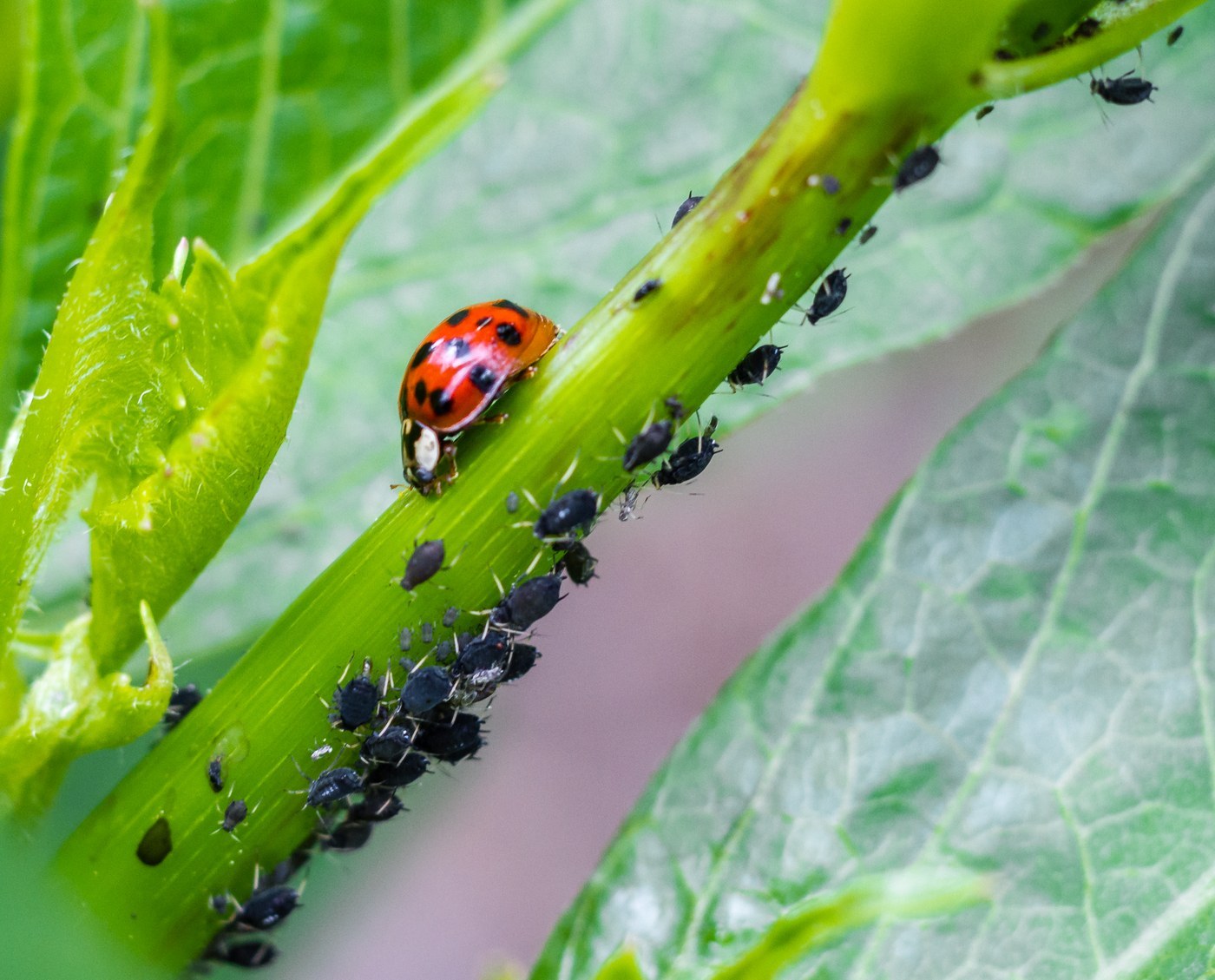
Asian Lady Beetle
Harmonia axyridis
A highly variable orange-to-red ladybird beetle, often bearing many black spots or none at all, famous for swarming into homes in large numbers during autumn.
- Size
- 5–8 mm
- Habitat
- Gardens, crop fields, woodlands, buildings
- Danger
- Bites
Spotted a bug like this?
Identify any bug or insect from a photo, free.
Overview
The Asian lady beetle is a member of the ladybird beetle family (Coccinellidae) and one of the most variable species in the group, with color patterns ranging from pale orange with numerous black spots to plain red or even black with red spots. It is native to eastern Asia but has been widely introduced to North America, Europe, and elsewhere as a biological control agent for aphids.
It is notable both as a highly effective predator of soft-bodied pests in agriculture and gardens, and as one of the most recognizable nuisance insects in temperate regions due to its habit of forming large overwintering aggregations inside buildings. This dual reputation, beneficial predator in summer and unwelcome houseguest in fall, makes it one of the best-known beetles to the general public.
Ecologically it is a generalist predator that has, in many introduced regions, become the dominant ladybird species, sometimes displacing native ladybird beetles through competition and predation.
How to Identify
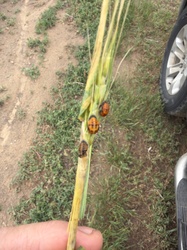
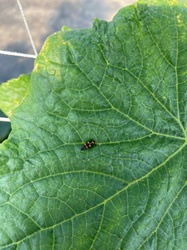
- Domed, oval body 5–8 mm long with extremely variable coloring, from pale yellow-orange to deep red, with anywhere from zero to nineteen black spots.
- A characteristic black "M" or "W"-shaped marking on the whitish pronotum (the plate behind the head) is present in most color forms.
- Legs and underside are typically brownish-black.
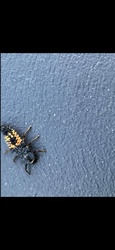
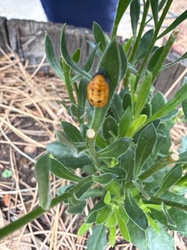
- Larvae are elongated, spiny, blue-gray to black grubs with orange markings, quite different in appearance from the adult.
- Lookalikes include native ladybird species such as the seven-spotted ladybird, but the pronotum's M/W marking and the sheer variability in spot number help distinguish the Asian lady beetle.
Habitat & Range
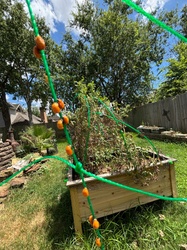
Native to China, Japan, Korea, and eastern Russia, this species is now established across North America, Europe, and other temperate regions where it was introduced. It occupies gardens, agricultural fields, orchards, and woodland edges during the warmer months, feeding wherever aphid colonies are abundant. In autumn it seeks out cracks and crevices, often on sun-warmed building exteriors, to form large winter aggregations indoors or in other sheltered structures.
Behavior & Diet
Both adults and larvae are voracious predators of aphids and other soft-bodied insects such as scale insects and mealybugs, making them valuable to gardeners and farmers for natural pest suppression. They are active fliers and strong climbers, often congregating in huge numbers on sunlit vertical surfaces before winter. When threatened, they can reflex-bleed a yellowish, foul-smelling hemolymph from their leg joints as a defensive deterrent, and they may bite defensively if handled. In the wider ecosystem they serve as an important aphid-control predator but can also compete with and prey upon native ladybird species.
Life Cycle
Development is complete metamorphosis: egg, larva, pupa, adult. Clusters of yellow, spindle-shaped eggs are laid near aphid colonies; the spiny larvae pass through four instars while actively hunting prey before pupating attached to a leaf or stem. Several generations can occur per year in warm climates. Adults overwinter gregariously in sheltered cracks and crevices, often in large clusters, and emerge in spring to resume feeding and breeding.
Frequently asked questions
Why do so many show up in my house in fall?
As temperatures drop, adults seek sheltered crevices to overwinter and are strongly attracted to sun-warmed building exteriors, often entering in large aggregations.
How can I tell it apart from a native ladybird?
Look for the black M- or W-shaped marking on the pale area behind the head, plus its highly variable spot pattern compared to more consistent native species.
Does it bite?
It can give a light defensive nip if handled, though it is not an aggressive insect.
What does it eat?
Both adults and larvae feed mainly on aphids and other small soft-bodied insects, making them significant predators in gardens and crops.
Asian Lady Beetle guides
In-depth guides for identifying, understanding, and living alongside Asian Lady Beetle.
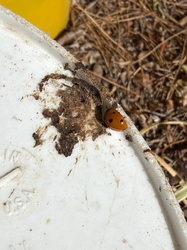
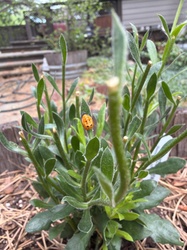
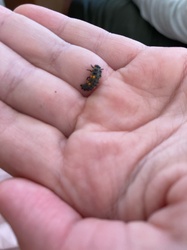
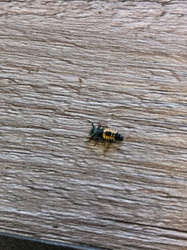
Asian Lady Beetle identified by the community
Real finds identified with Bug Identifier.
Other bugs you may enjoy
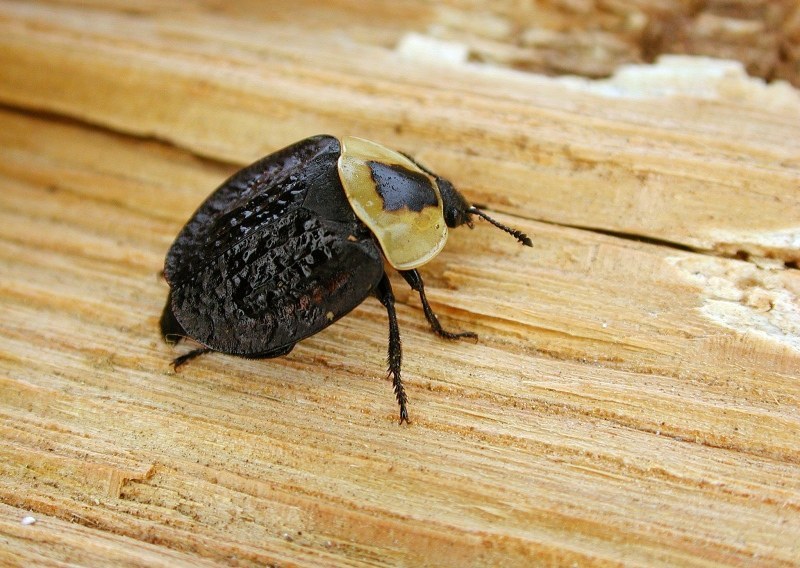
American Carrion Beetle
Forests, fields, and roadsides across North America, near decaying animal carcasses
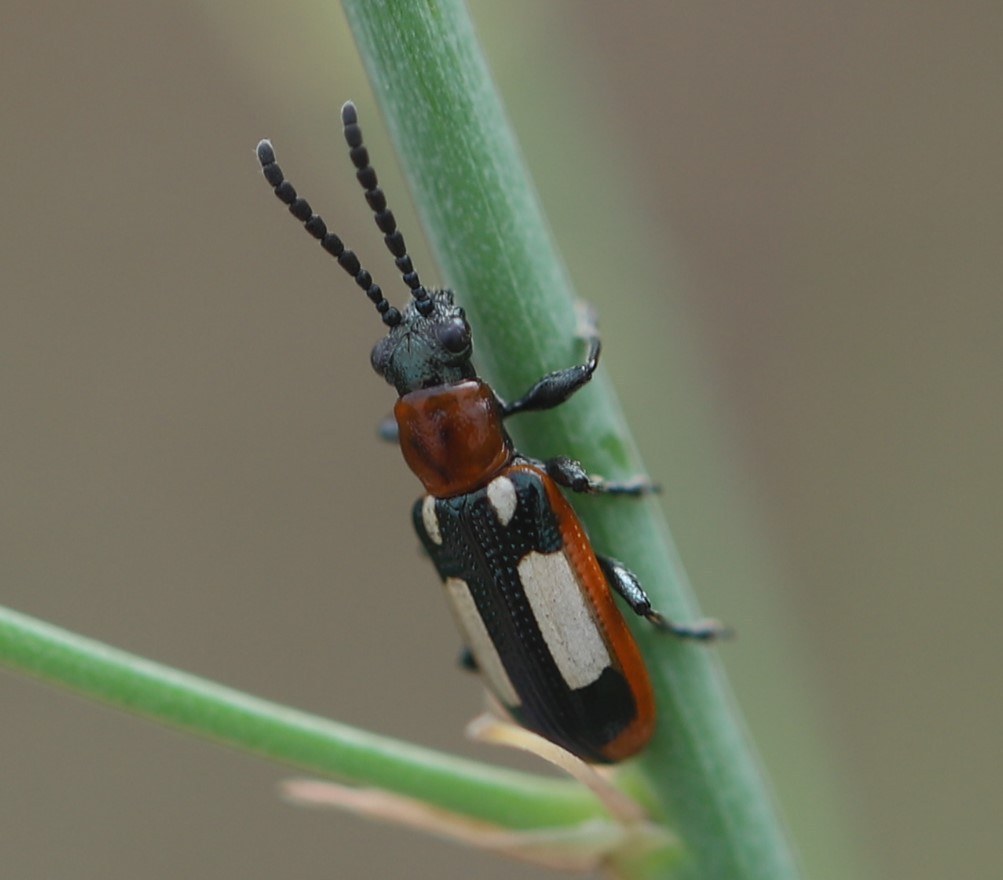
Asparagus Beetle
Asparagus patches, gardens, and farm fields
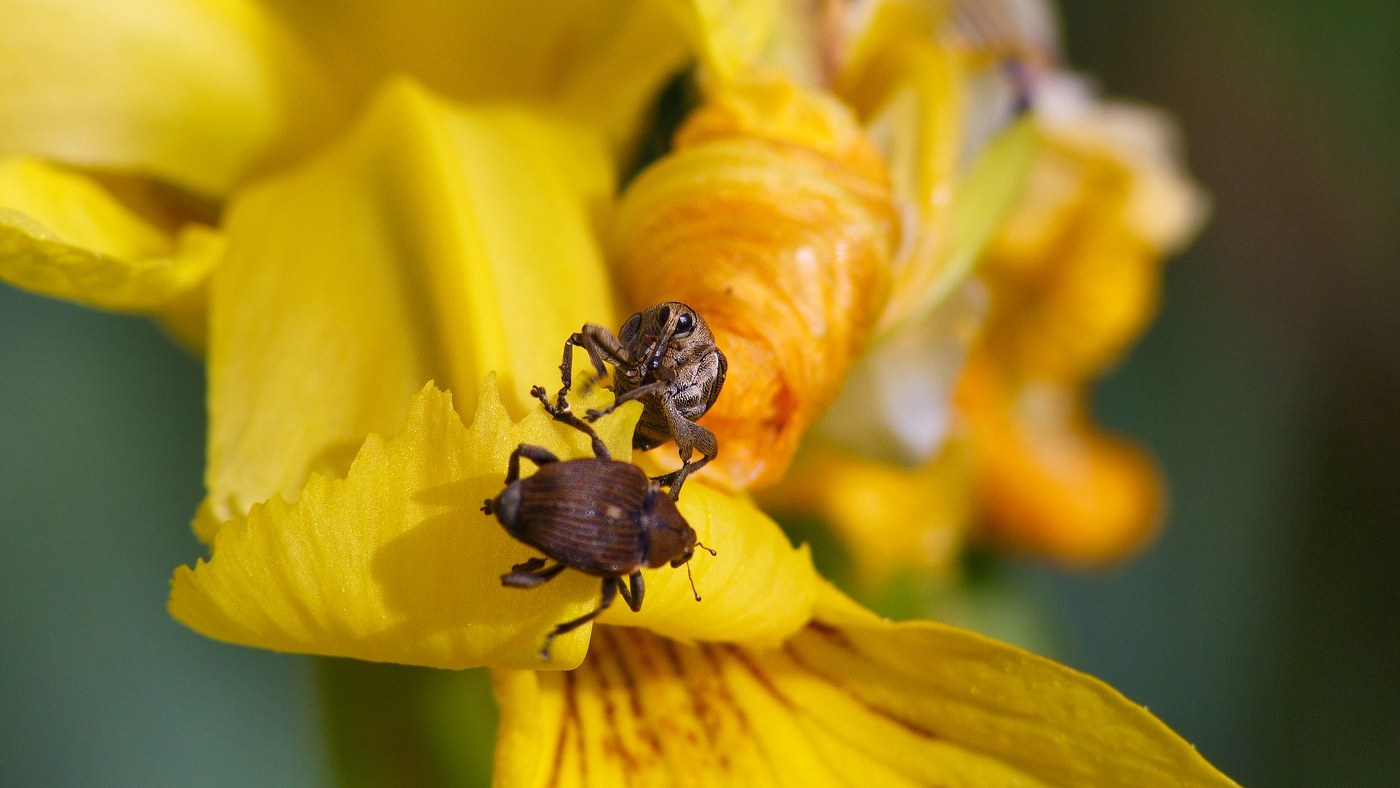
Acorn Weevil
Oak woodlands and forests, on and beneath oak trees
Wireworm
Soil of grasslands, gardens, and cultivated fields worldwide
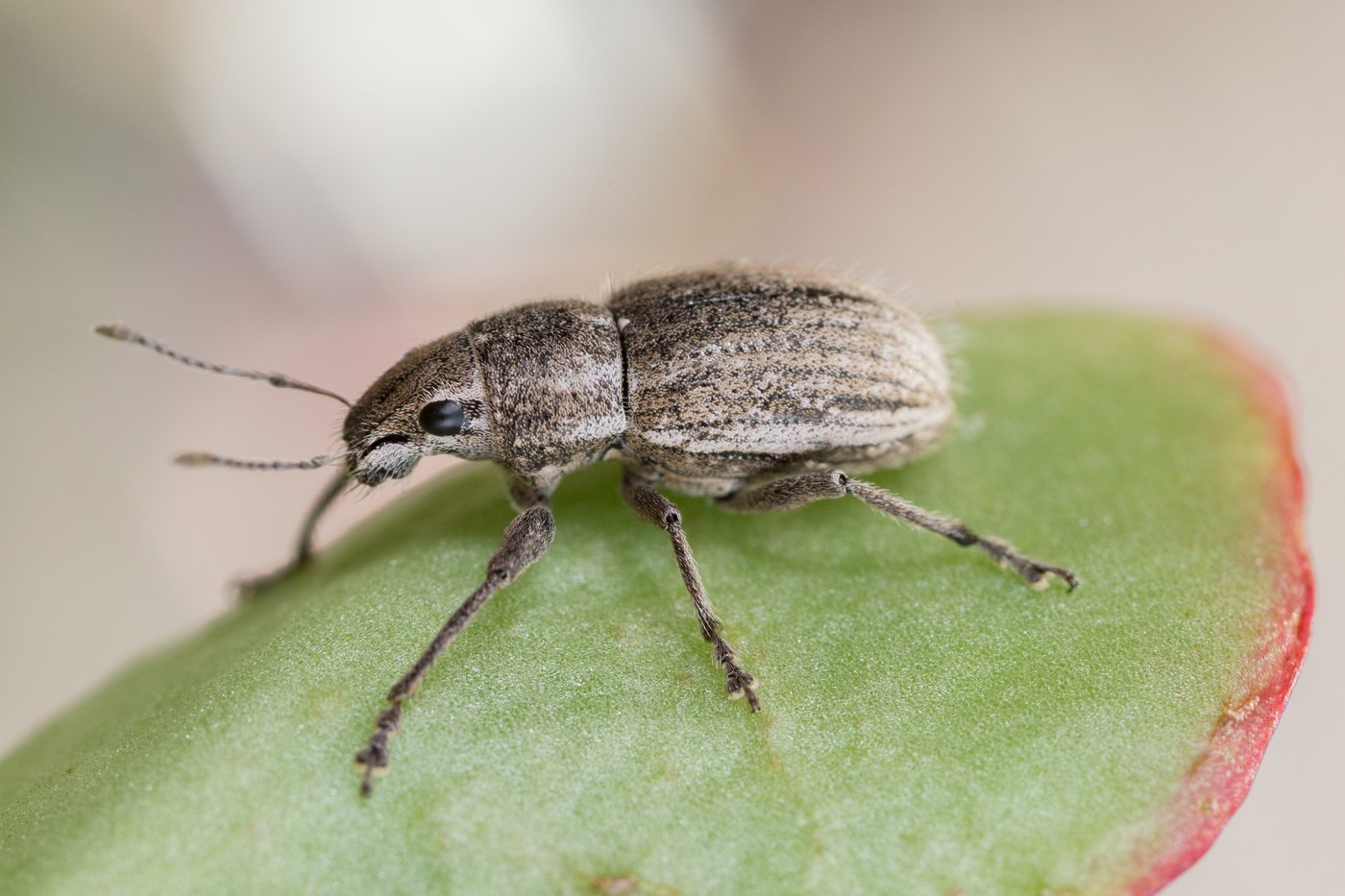
Whitefringed Beetle
Pastures, row crops, lawns, disturbed soils
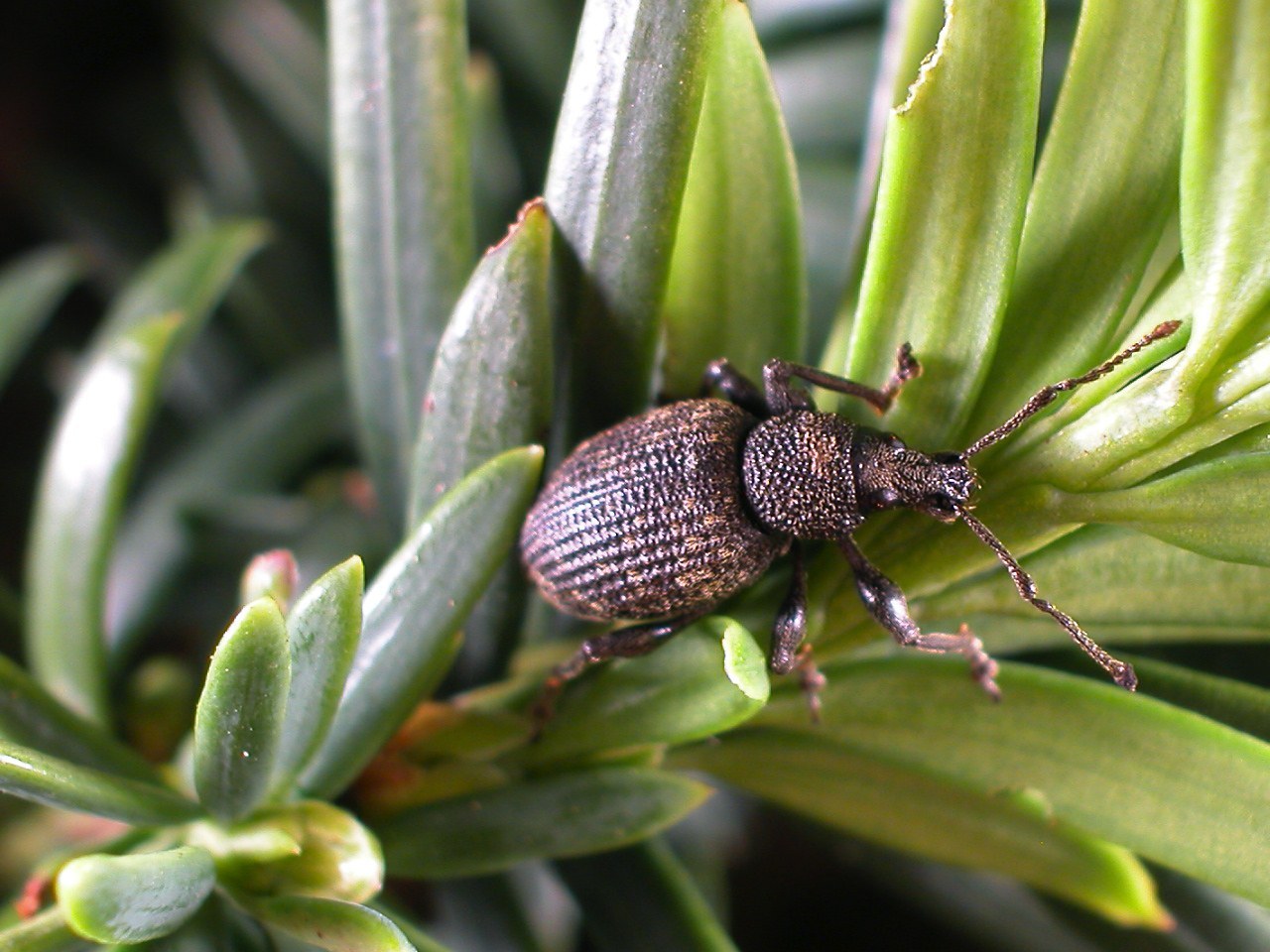
Vine Weevil
Gardens, nurseries, greenhouses, and container plantings
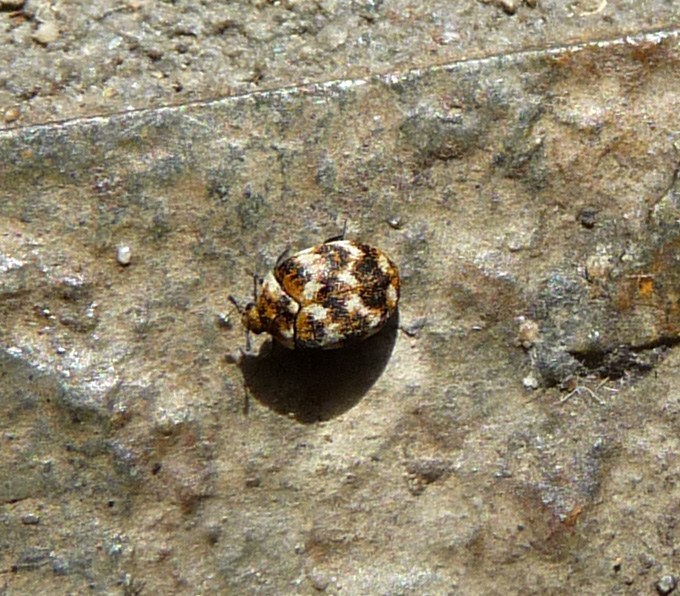
Varied Carpet Beetle
Homes, nests of birds and mammals, and flowers outdoors
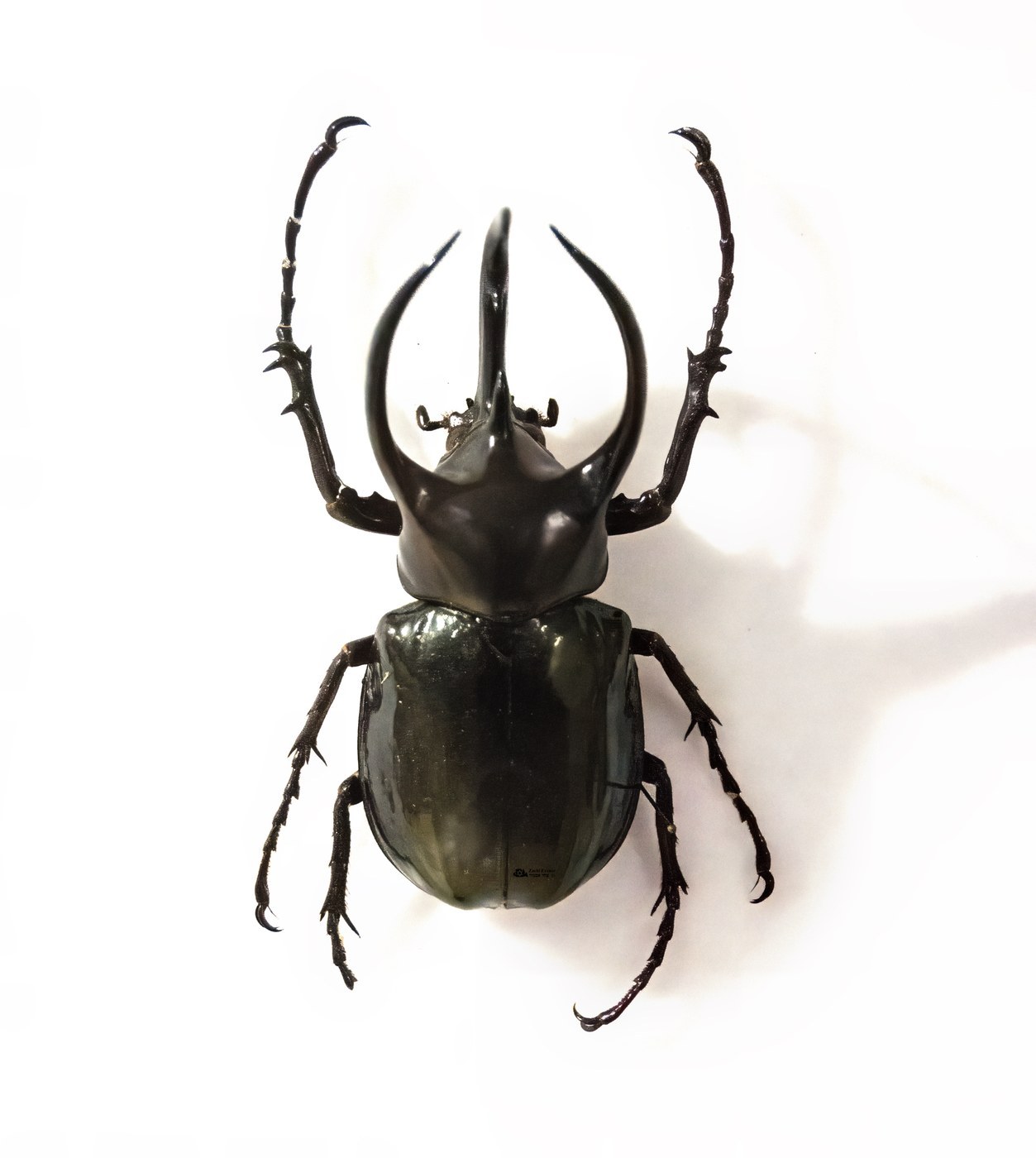
Atlas Beetle
Tropical forests of Southeast Asia
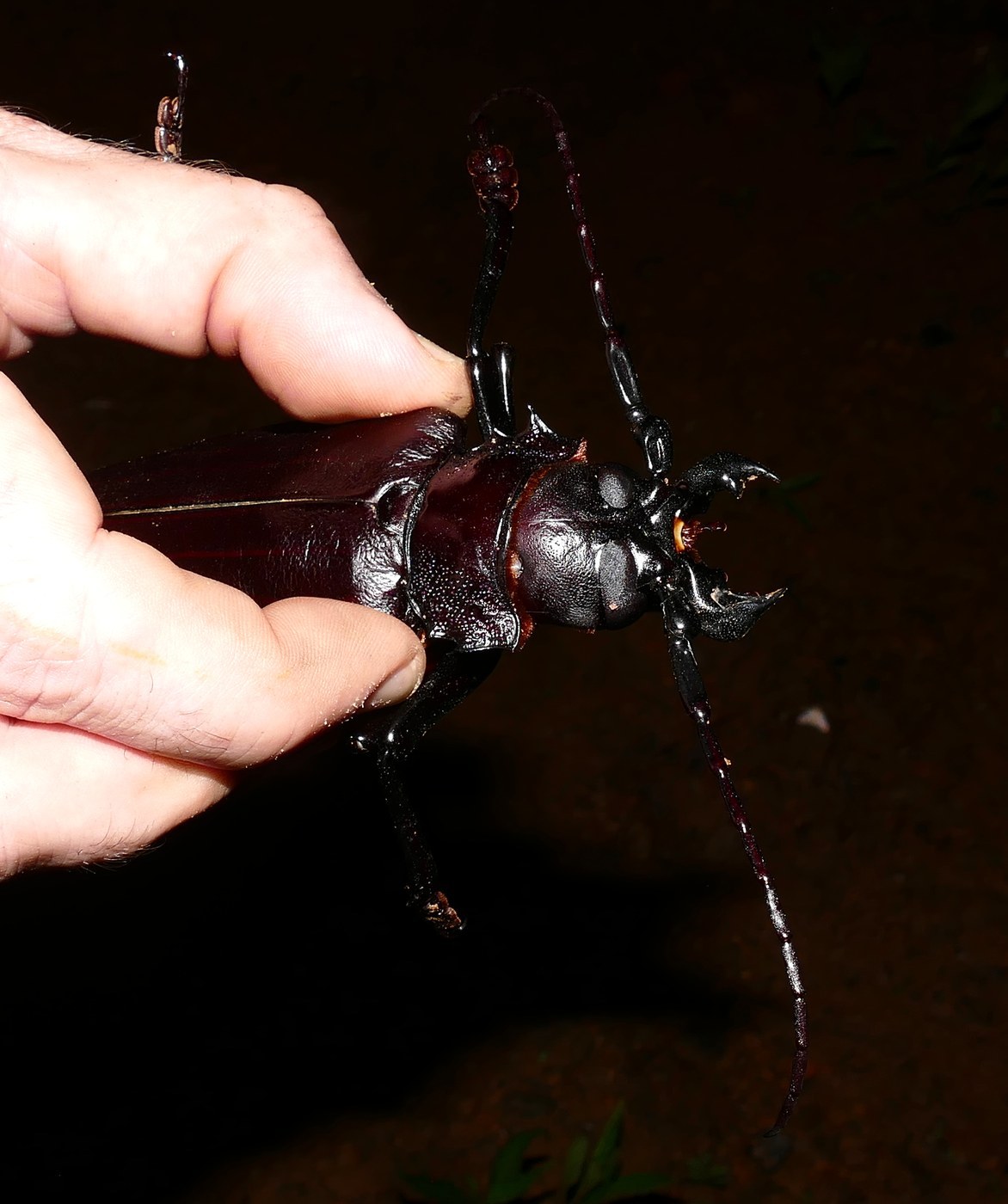
Titan Beetle
Amazon rainforest of South America
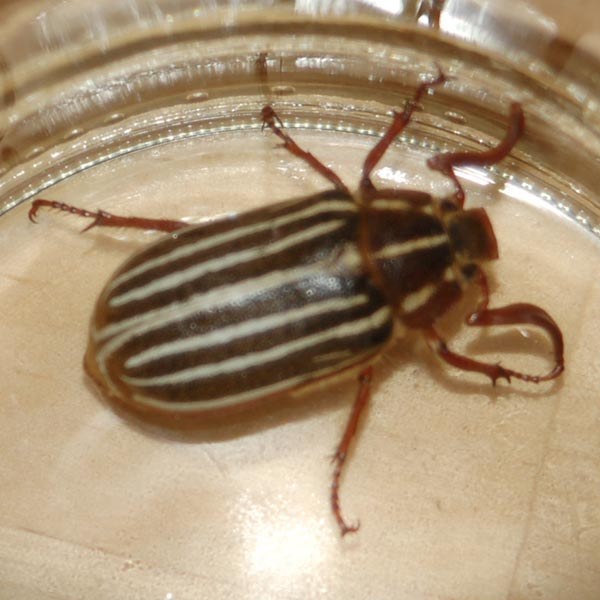
Ten-lined June Beetle
Sandy soils, pine forests, and orchards of western North America
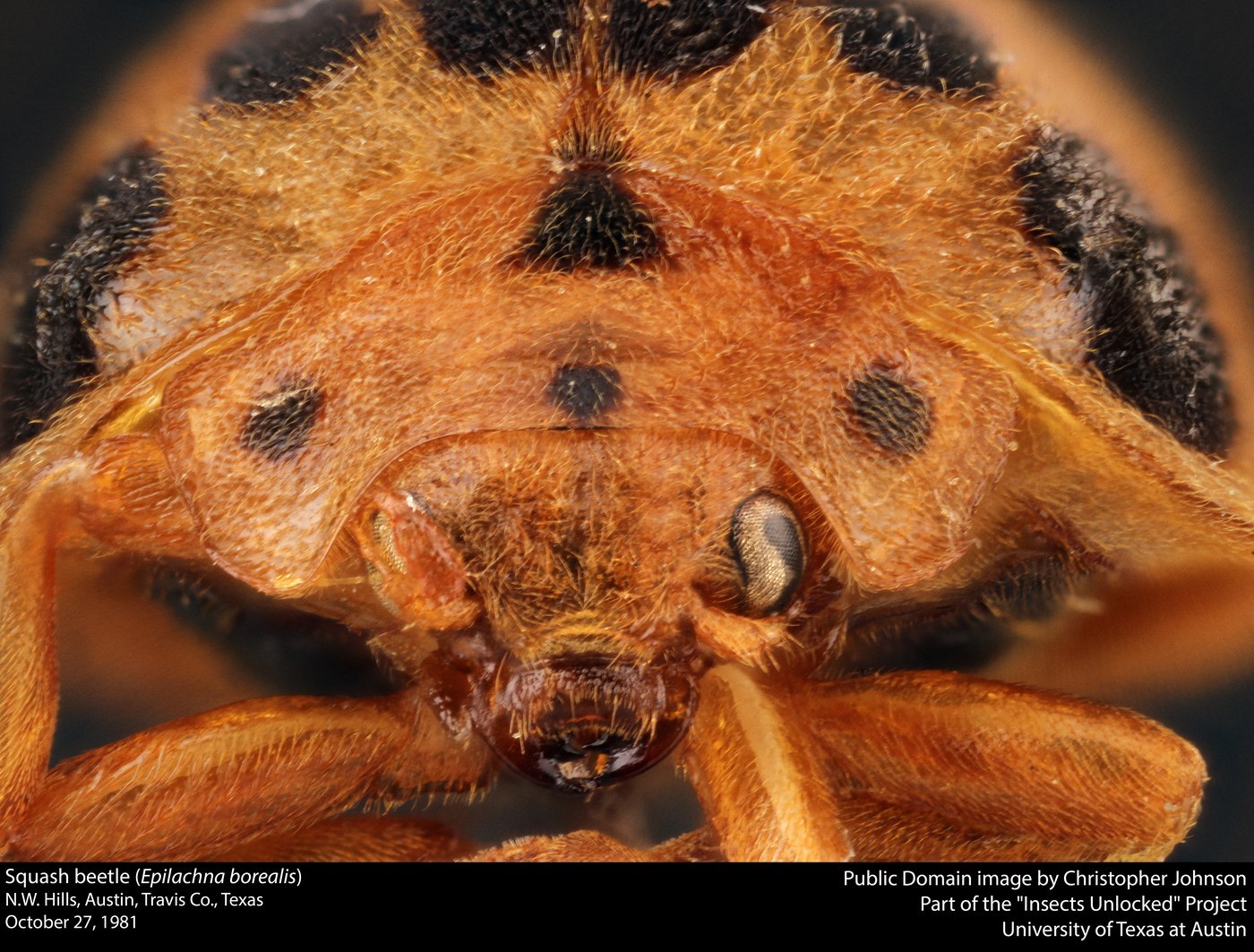
Squash Beetle
Vegetable gardens and fields growing squash, pumpkin, and other cucurbits
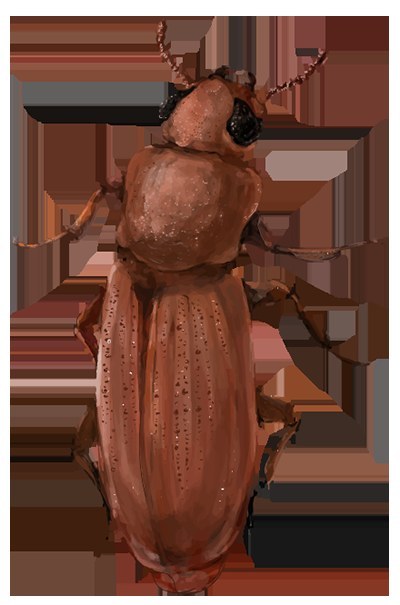
Red Flour Beetle
Stored grain, flour, and dry food products in mills, warehouses, and pantries worldwide