
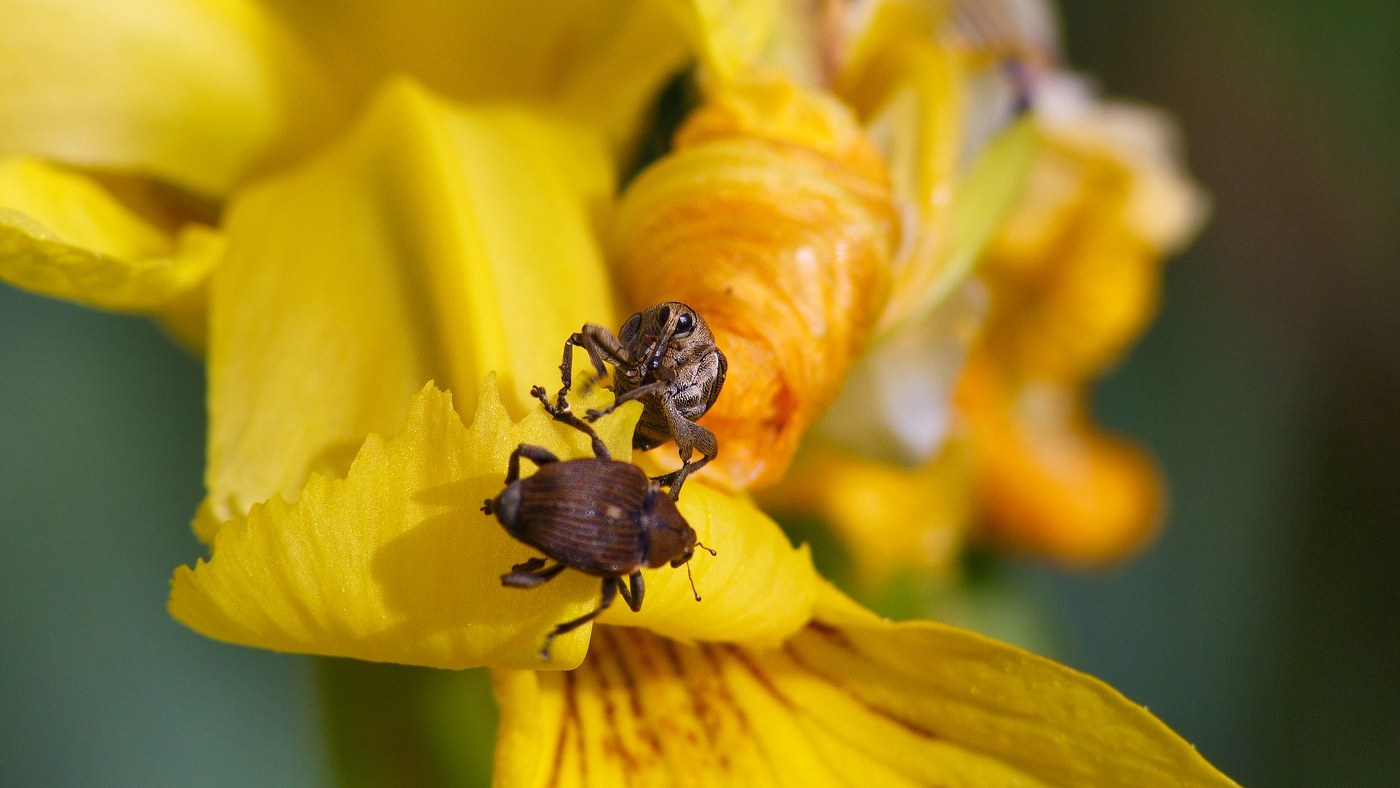
Acorn Weevil
Curculio spp.
A small brown weevil with an extraordinarily long, thread-thin snout, often longer than its own body, which it uses to drill into developing acorns before laying its eggs inside.
- Size
- 4–8 mm (snout excluded)
- Habitat
- Oak woodlands and forests, on and beneath oak trees
- Danger
- Harmless
Spotted a bug like this?
Identify any bug or insect from a photo, free.
Overview
Acorn weevils are a group of true weevils in the genus Curculio, family Curculionidae, known for having some of the most exaggerated snouts, or rostra, relative to body size of any beetle. Several species occur across oak-dominated forests, each generally specializing on acorns of particular oak species.
The defining feature of this genus is the female's remarkably long, needle-like snout, which she uses to drill a narrow channel deep into a developing acorn before turning around and laying an egg at the bottom of the tunnel using her much shorter ovipositor. This behavior makes the acorn weevil one of the more specialized seed-predating insects in temperate forests.
By consuming a portion of the acorn crop each year, acorn weevils play an ecological role in oak forest dynamics, influencing acorn survival rates and interacting with the broader community of wildlife, from squirrels to jays, that also depend on acorns as a food resource.
How to Identify
- Adult: 4–8 mm in body length excluding the snout, mottled brown to grayish-brown, oval body typical of true weevils.
- Snout is extremely long and thin, in females often exceeding the length of the entire body, curving slightly and tipped with small chewing mouthparts.
- Legs are long and thin, often held out to the sides, and antennae are elbowed and clubbed, arising partway along the snout.
- Lookalikes: the exceptionally long, hair-thin snout relative to body size distinguishes acorn weevils from other weevils, most of which have proportionally shorter rostra; males have a somewhat shorter snout than females.
Habitat & Range
Found throughout oak woodlands and forests across North America, Europe, and Asia, wherever oak trees produce acorns. Adults are most active in late summer and early fall when acorns are developing and maturing on the tree, and can also be found on the ground beneath oaks later in the season.
Behavior & Diet
Females use their long snout to drill a narrow hole into a developing acorn, then reposition to lay a single egg at the bottom of the tunnel using their ovipositor. Larvae feed within the acorn on the nutritious cotyledon tissue as the acorn matures and eventually falls, then chew a round exit hole and drop to the soil to complete development. Adults themselves feed lightly on acorn tissue, buds, or leaves. As acorn predators, they interact with the broader oak forest food web, competing with wildlife for the seasonal acorn crop.
Life Cycle
Eggs are laid inside developing acorns in late summer, and larvae feed within the acorn as it matures on the tree or after it falls to the ground. Mature larvae chew a round exit hole through the acorn shell and burrow into the soil, where they construct an earthen cell and may remain for one or more years before pupating. Adults emerge from the soil, often the following year or later, to mate and repeat the cycle, meaning the full life cycle can span one to two years depending on species and conditions.
Frequently asked questions
Why does it have such a long snout?
The female uses her long, thin snout to drill deep into a developing acorn to create a channel in which she then lays a single egg.
Does it damage acorns?
Larvae feed inside individual acorns as they develop, which can cause infested acorns to drop early or fail to germinate.
How can I tell if an acorn has a weevil?
A small round exit hole in an otherwise intact acorn shell is a typical sign that a larva has completed feeding and left.
Is the acorn weevil a single species?
No, the name refers to several closely related species in the genus Curculio, each often associated with particular oak species.
Acorn Weevil guides
In-depth guides for identifying, understanding, and living alongside Acorn Weevil.
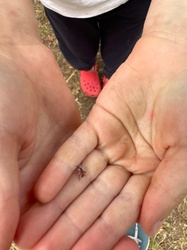
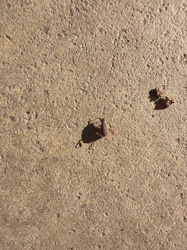
Acorn Weevil identified by the community
Real finds identified with Bug Identifier.
Other bugs you may enjoy
American Carrion Beetle
Forests, fields, and roadsides across North America, near decaying animal carcasses
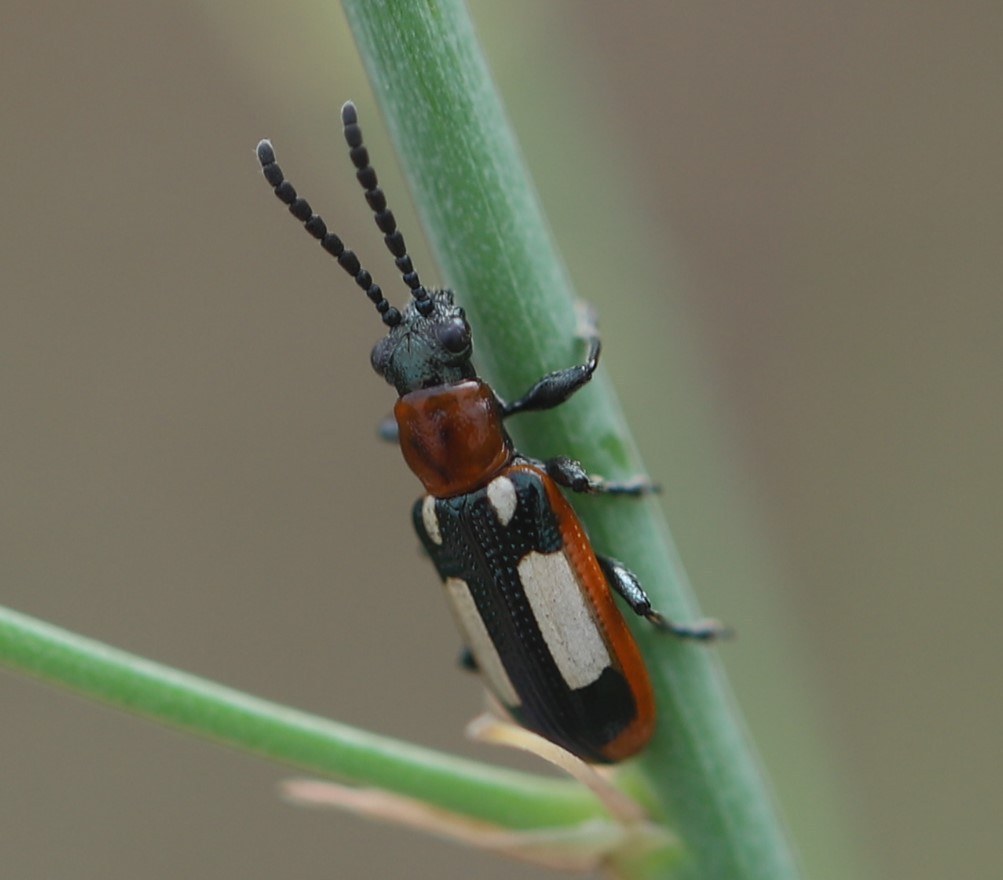
Asparagus Beetle
Asparagus patches, gardens, and farm fields
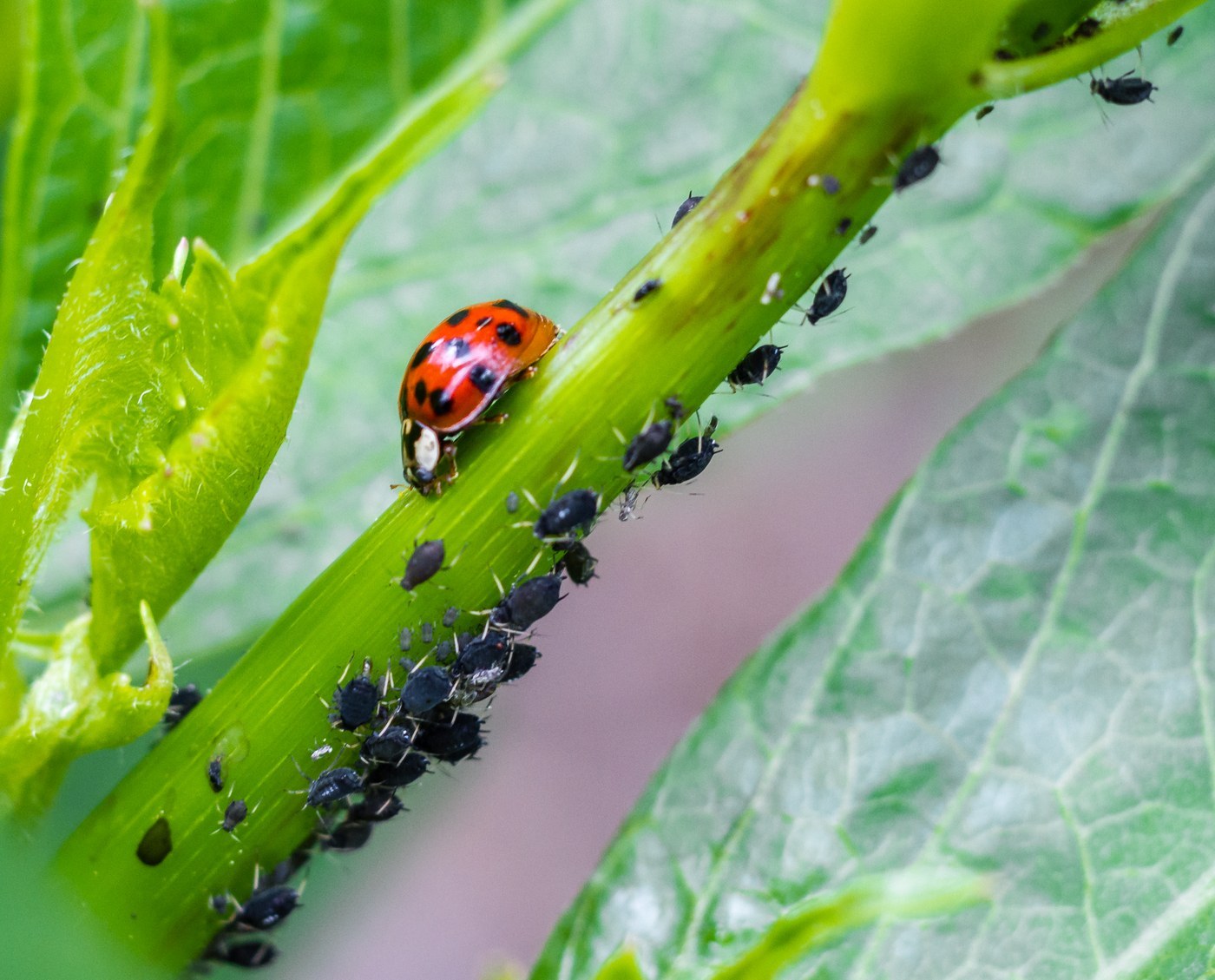
Asian Lady Beetle
Gardens, crop fields, woodlands, buildings
Wireworm
Soil of grasslands, gardens, and cultivated fields worldwide
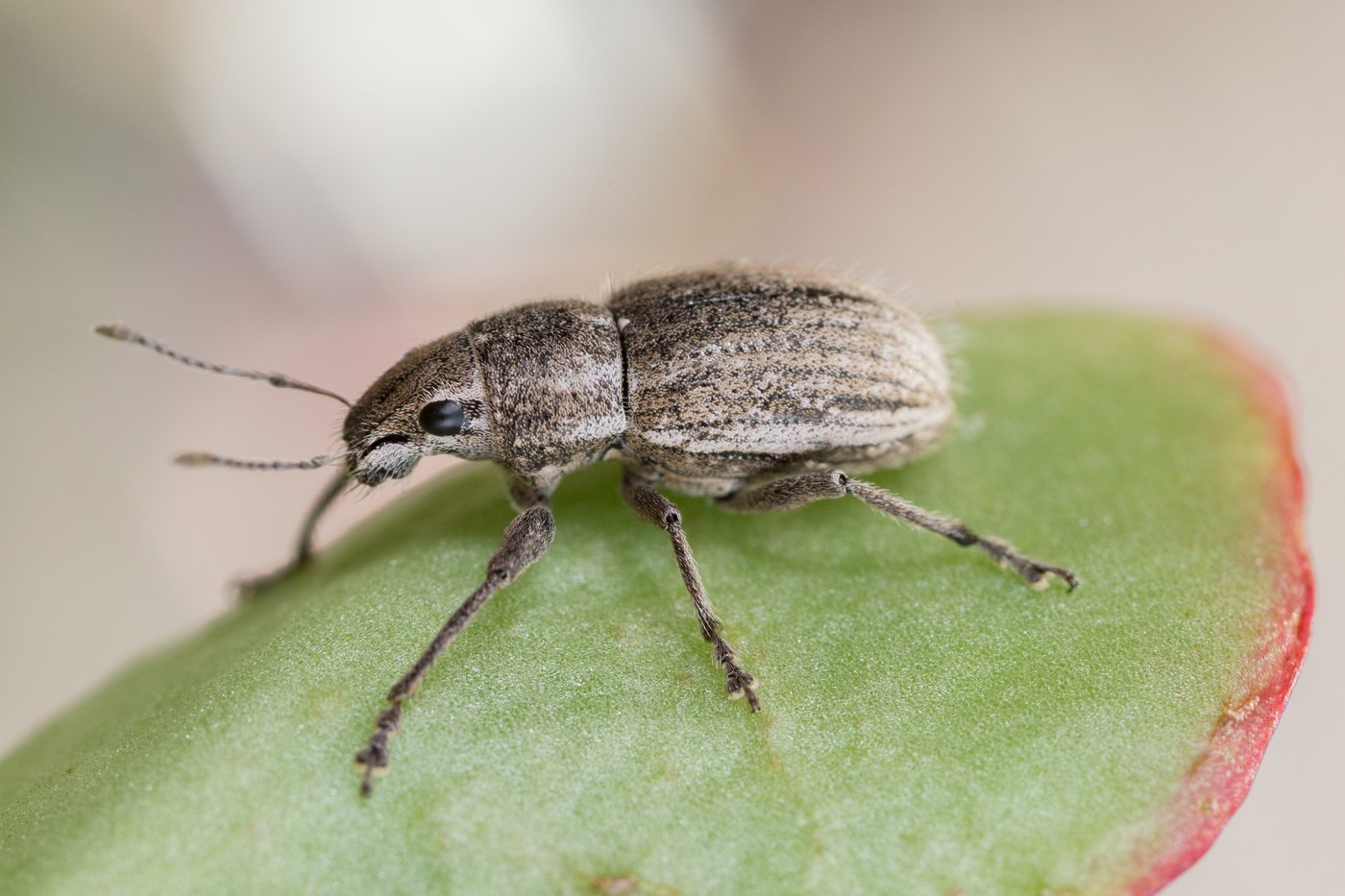
Whitefringed Beetle
Pastures, row crops, lawns, disturbed soils
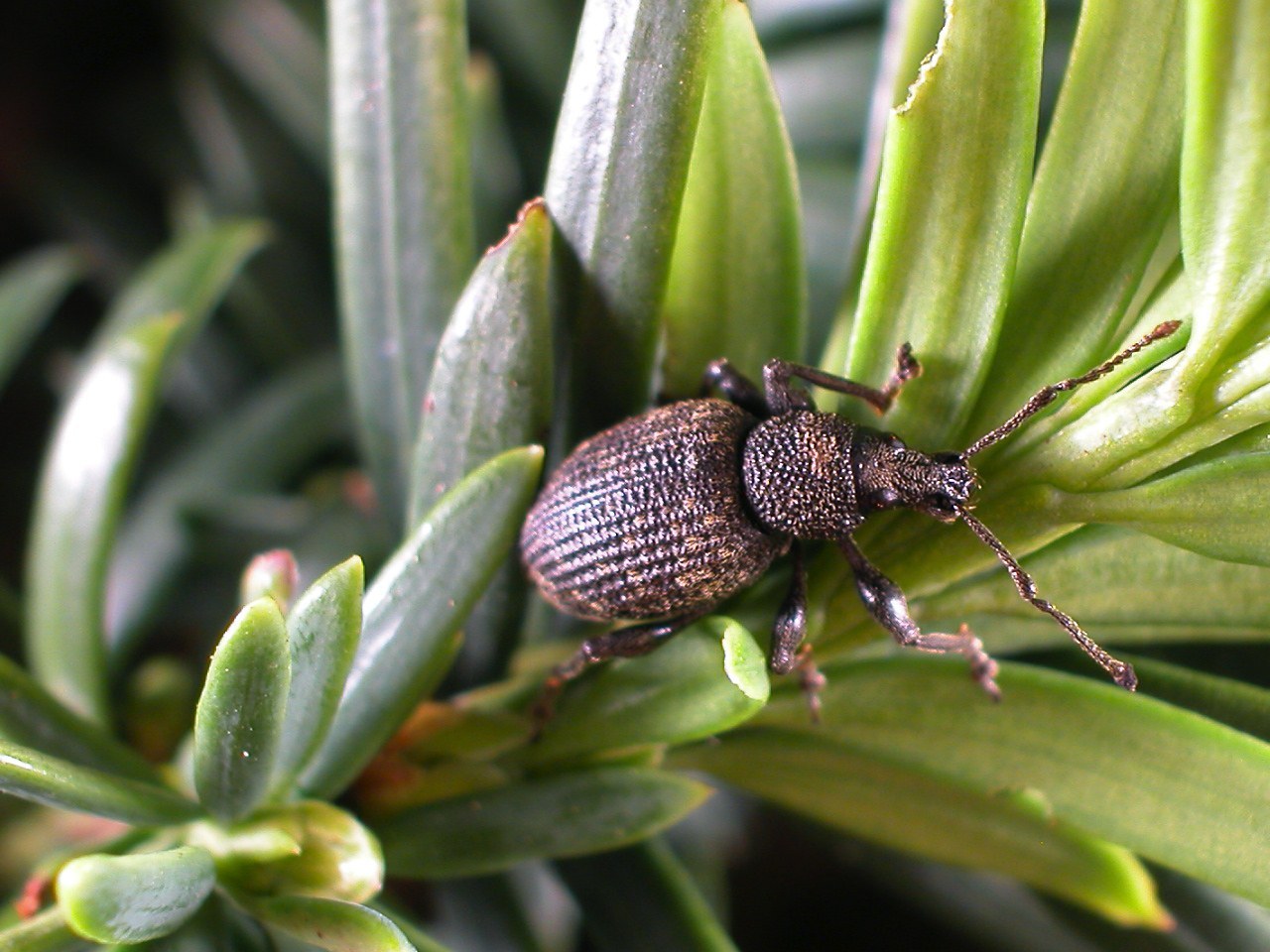
Vine Weevil
Gardens, nurseries, greenhouses, and container plantings
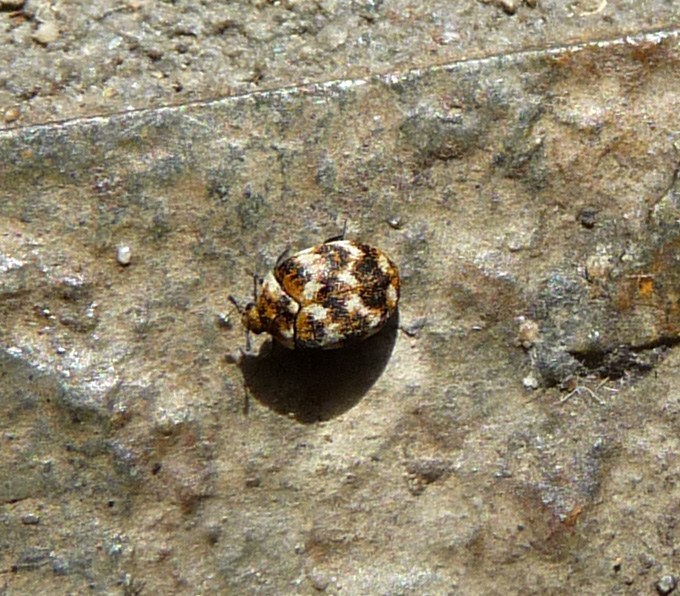
Varied Carpet Beetle
Homes, nests of birds and mammals, and flowers outdoors
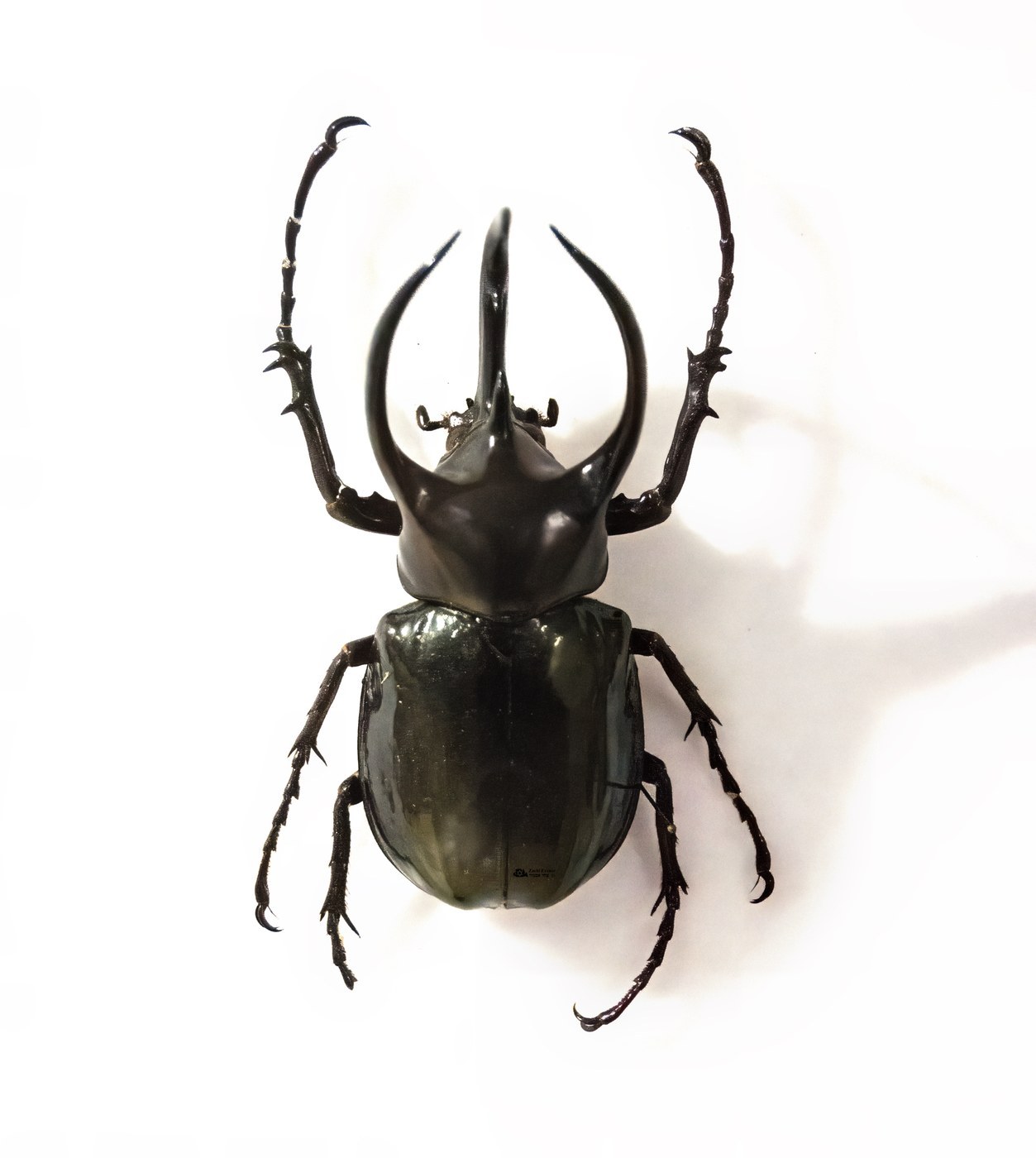
Atlas Beetle
Tropical forests of Southeast Asia
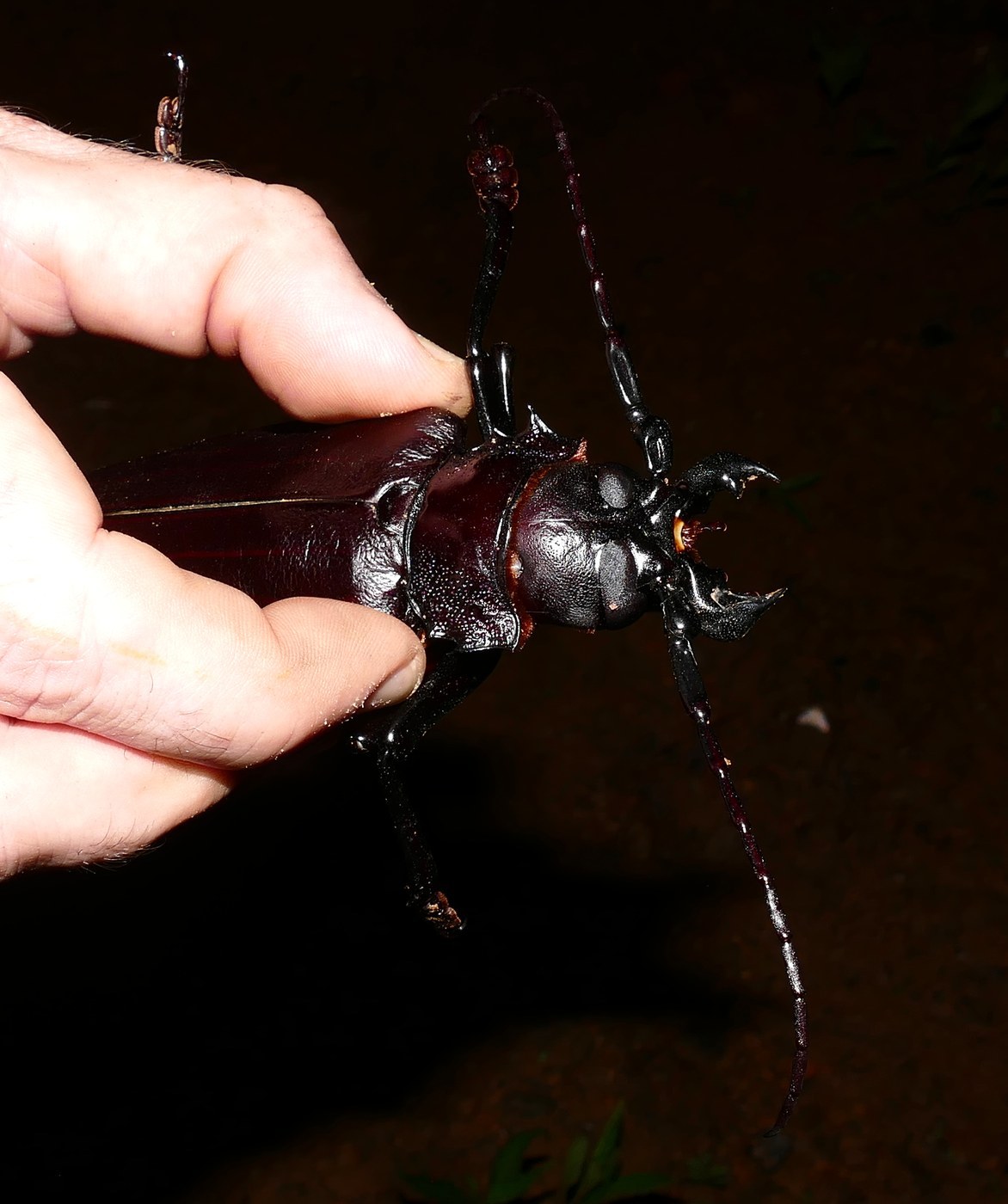
Titan Beetle
Amazon rainforest of South America
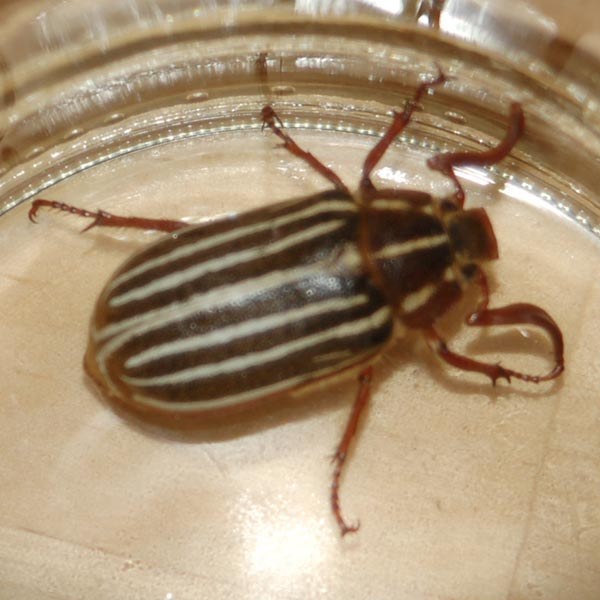
Ten-lined June Beetle
Sandy soils, pine forests, and orchards of western North America
Squash Beetle
Vegetable gardens and fields growing squash, pumpkin, and other cucurbits
Red Flour Beetle
Stored grain, flour, and dry food products in mills, warehouses, and pantries worldwide