
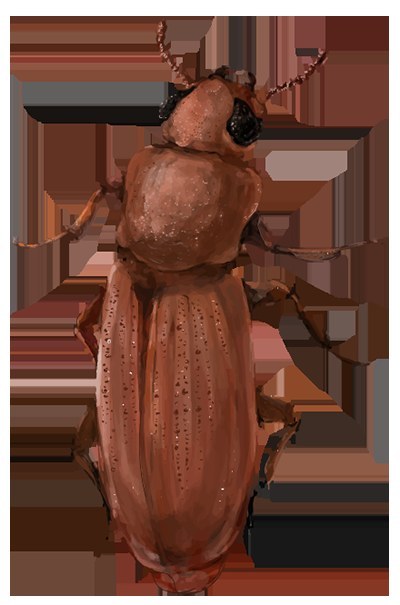
Red Flour Beetle
Tribolium castaneum
A tiny, flattened, rust-red beetle found in stored flour and grain worldwide, capable of flight and closely resembling the confused flour beetle apart from the shape of its antennal club.
- Size
- 3–4 mm
- Habitat
- Stored grain, flour, and dry food products in mills, warehouses, and pantries worldwide
- Danger
- Nuisance pest
Spotted a bug like this?
Identify any bug or insect from a photo, free.
Overview
The red flour beetle is a small darkling beetle (family Tenebrionidae) and one of the most widespread and well-studied insects associated with stored food products. It occurs across the globe wherever grain and flour are stored, from commercial mills to household pantries.
Its reddish-brown coloring and flattened, oval shape closely resemble the confused flour beetle, and the two species are frequently confused with one another, though the red flour beetle can be separated by the shape of its antennal club and its ability to fly.
Beyond its status as a common stored-product insect, the red flour beetle is a widely used model organism in genetics, developmental biology, and pest-management research due to its short life cycle and ease of rearing.
How to Identify
- Small, flattened, oval body with a shiny, rust-red to reddish-brown color.
- Antennae end abruptly in a distinct three-segmented club — the main feature distinguishing it from the confused flour beetle's more gradual four-segmented club.
- Fully functional wings allow it to fly, unlike the confused flour beetle.
- Lookalikes: nearly indistinguishable from the confused flour beetle without close examination of the antennae under magnification.
Habitat & Range
This beetle is found worldwide in association with stored grain, flour, cereal, and other dry food products, thriving in mills, warehouses, grocery stores, and pantries. It favors warm conditions and can build up populations quickly in heated indoor storage environments year-round.
Behavior & Diet
Both adults and larvae feed on flour, milled grain, and other finely processed dry food products, often building up dense populations within infested packages. Its ability to fly allows it to disperse more readily between food sources than the flightless confused flour beetle. As a widely distributed inhabitant of stored food, it is recognized as one of the most common pantry and stored-product pests globally.
Life Cycle
The red flour beetle undergoes complete metamorphosis. Eggs are laid within flour or grain, and the small, slender, pale larvae feed and grow through several instars directly in the food material before pupating nearby. Under warm conditions, development from egg to adult can take only a few weeks, allowing for numerous overlapping generations throughout the year in indoor stored-product environments.
Frequently asked questions
How can I tell it apart from the confused flour beetle?
Look closely at the antennae: the red flour beetle's club is abrupt and three-segmented, while the confused flour beetle's club widens gradually over four segments. The red flour beetle can also fly.
Where is it commonly found?
In stored flour, cereal, and other dry food products in mills, warehouses, and household pantries worldwide.
Can it fly?
Yes, unlike the confused flour beetle, the red flour beetle has fully functional wings and can fly.
Why is it used in scientific research?
Its small size, short life cycle, and ease of laboratory rearing have made it a popular model species for genetics and developmental biology studies.
Red Flour Beetle guides
In-depth guides for identifying, understanding, and living alongside Red Flour Beetle.
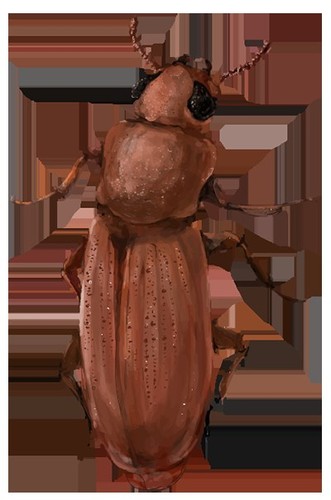
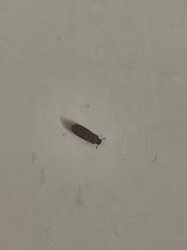
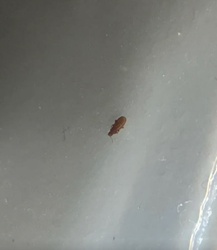
Red Flour Beetle identified by the community
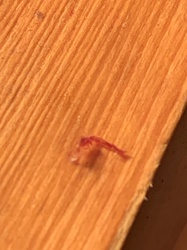
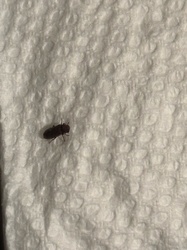
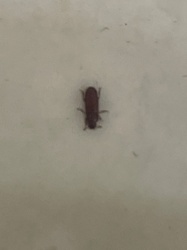
Real finds identified with Bug Identifier.

Other bugs you may enjoy
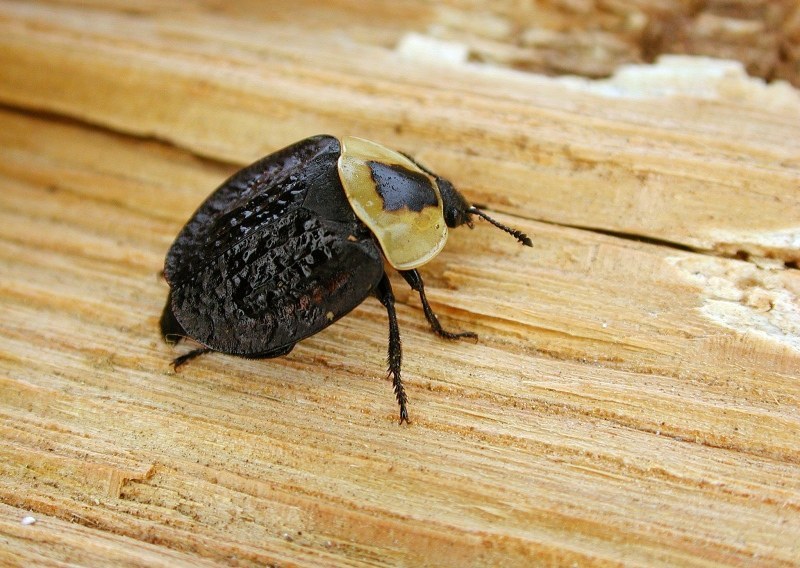
American Carrion Beetle
Forests, fields, and roadsides across North America, near decaying animal carcasses
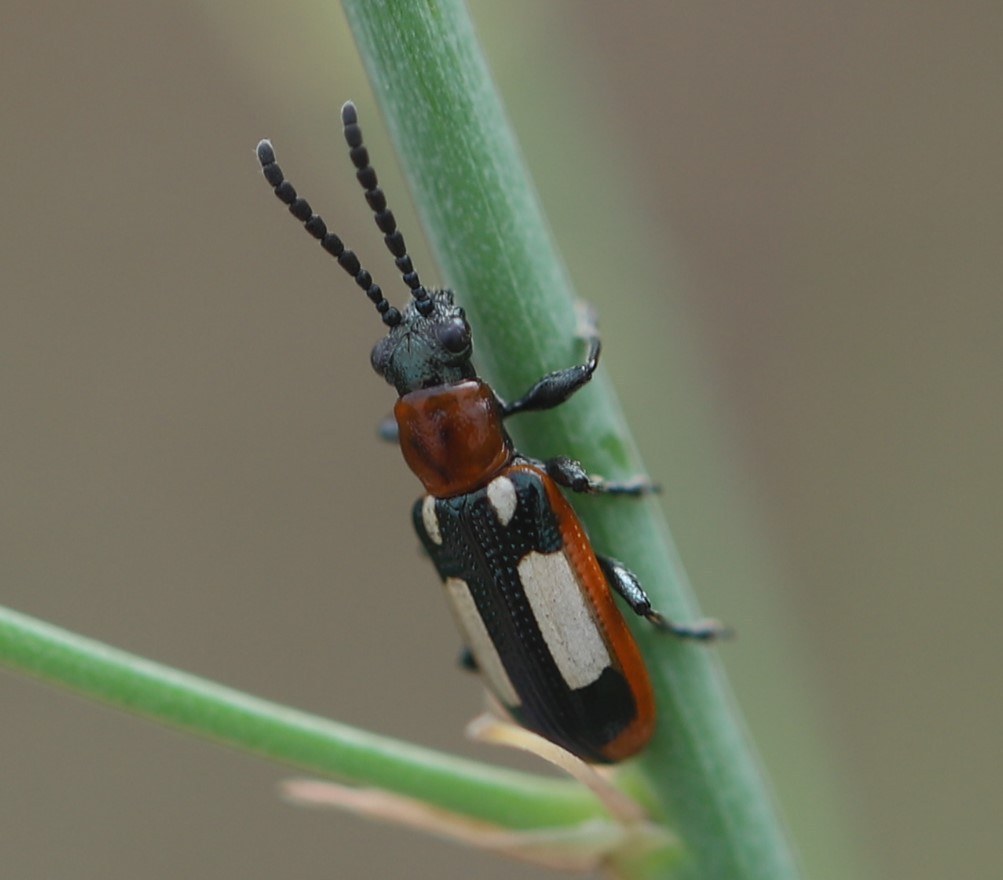
Asparagus Beetle
Asparagus patches, gardens, and farm fields
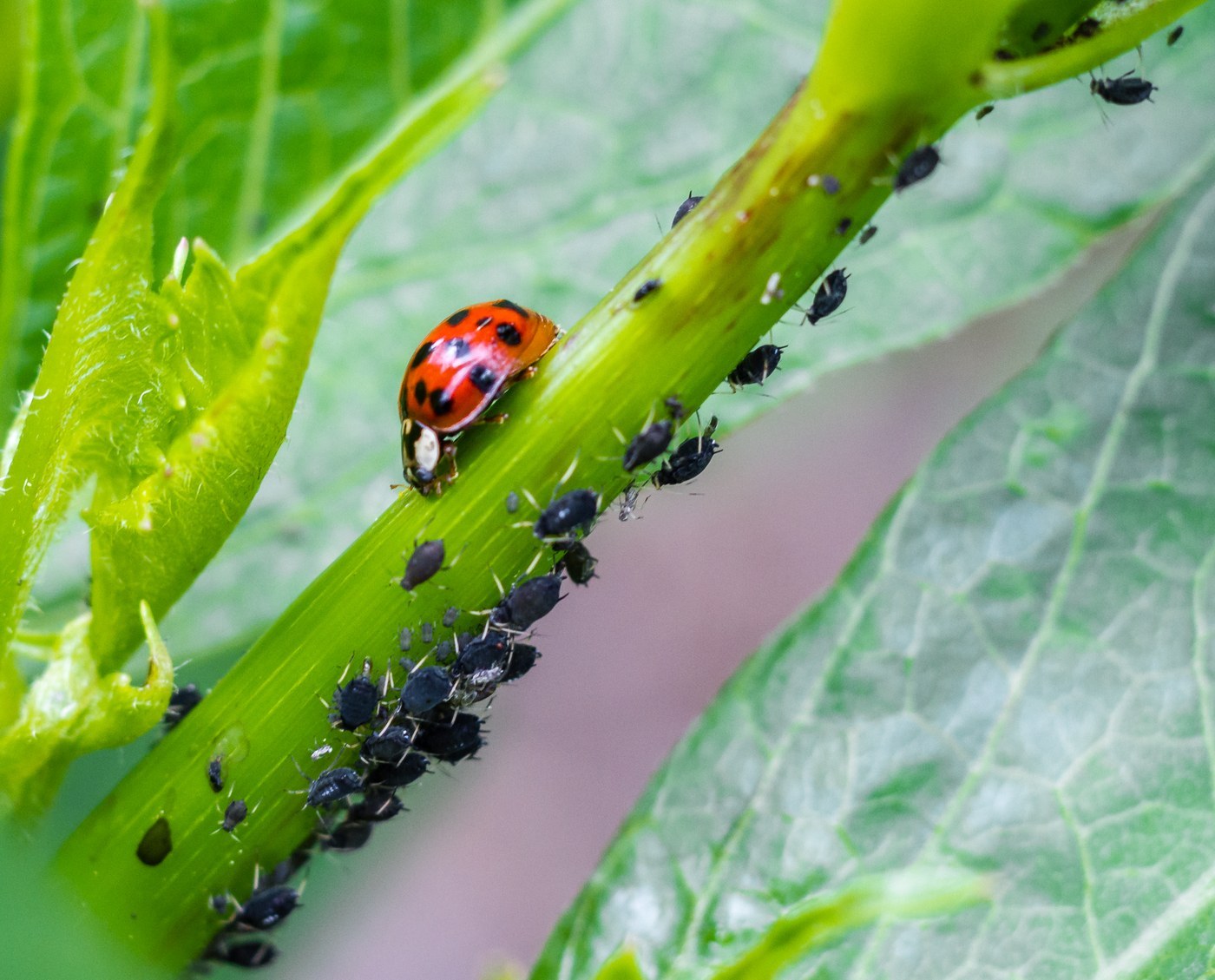
Asian Lady Beetle
Gardens, crop fields, woodlands, buildings
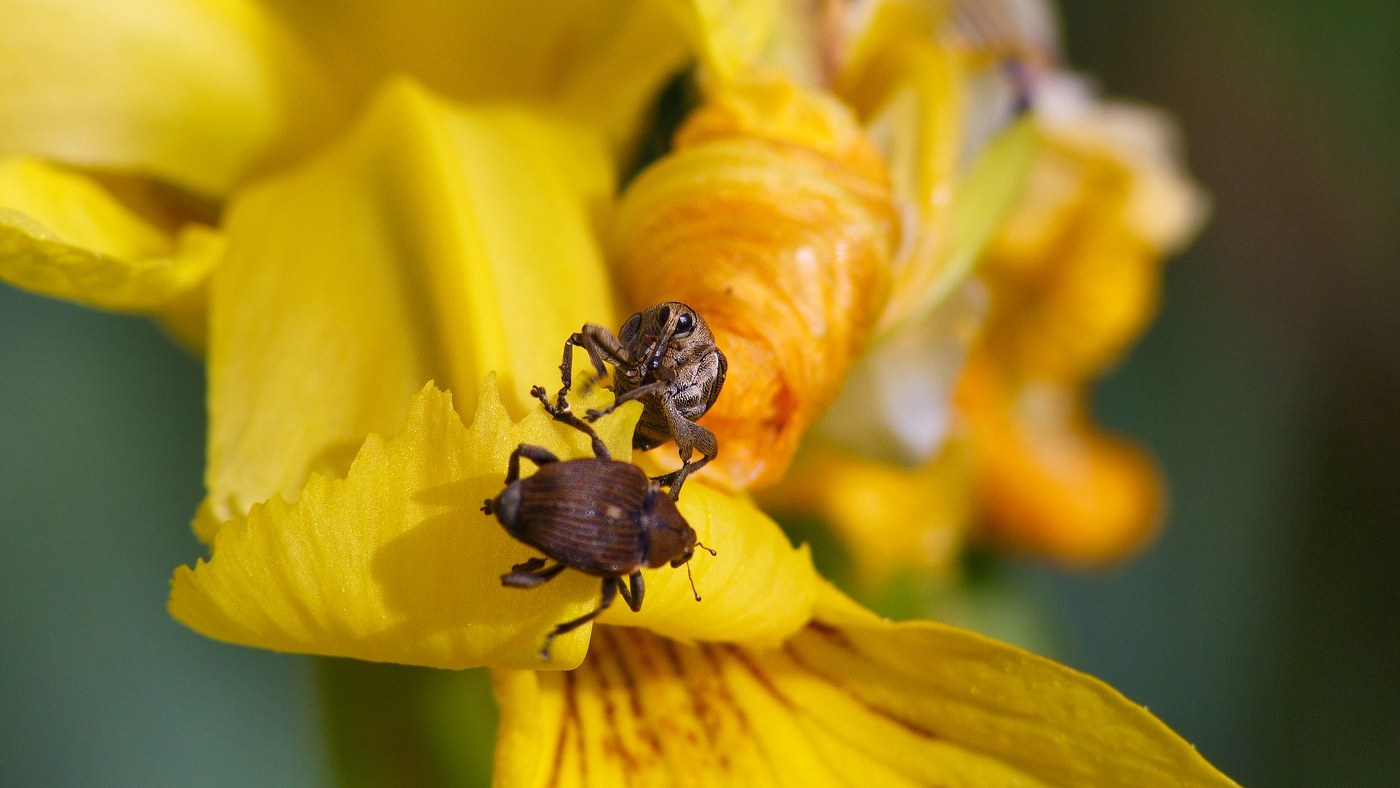
Acorn Weevil
Oak woodlands and forests, on and beneath oak trees
Wireworm
Soil of grasslands, gardens, and cultivated fields worldwide
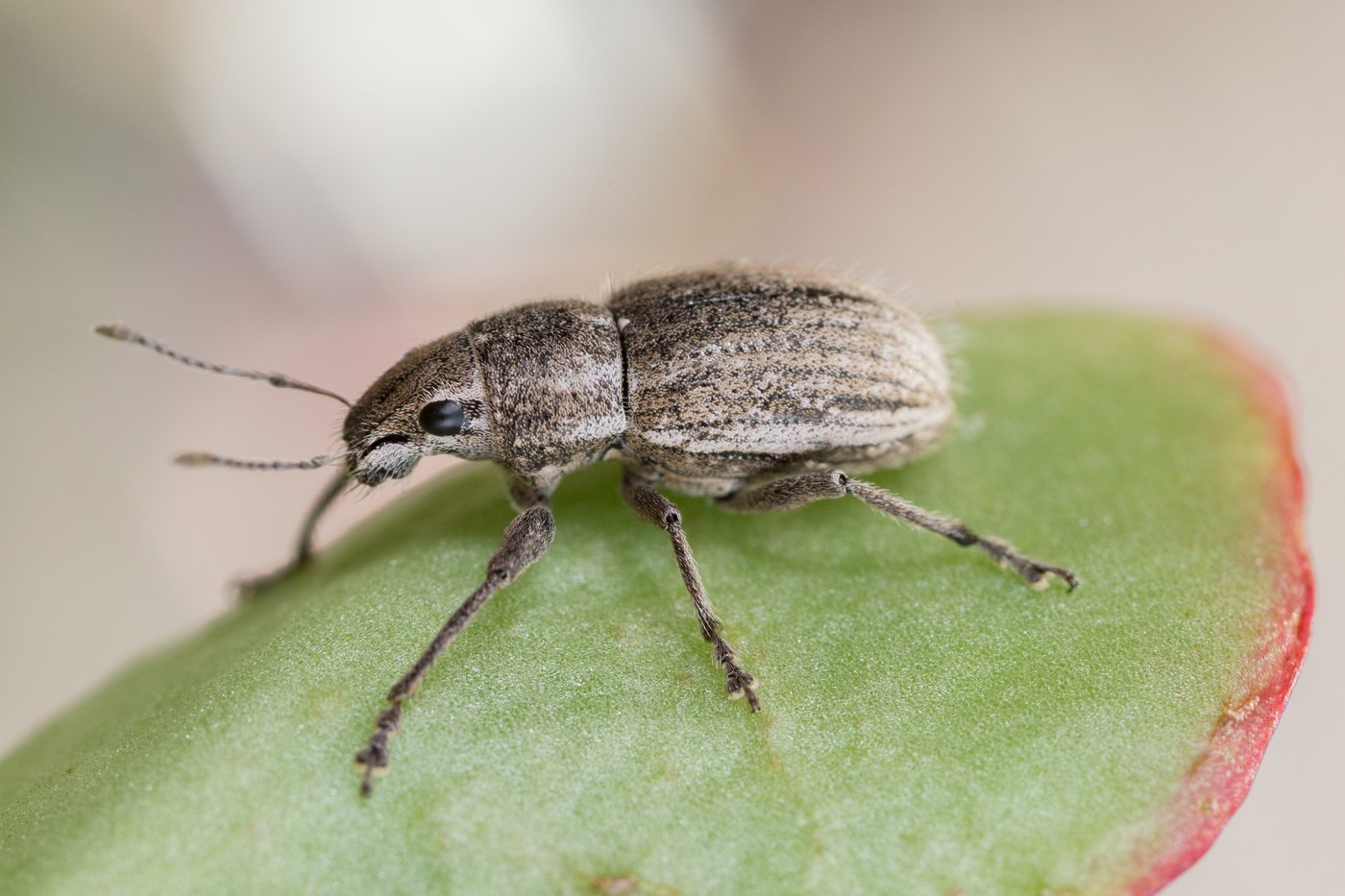
Whitefringed Beetle
Pastures, row crops, lawns, disturbed soils
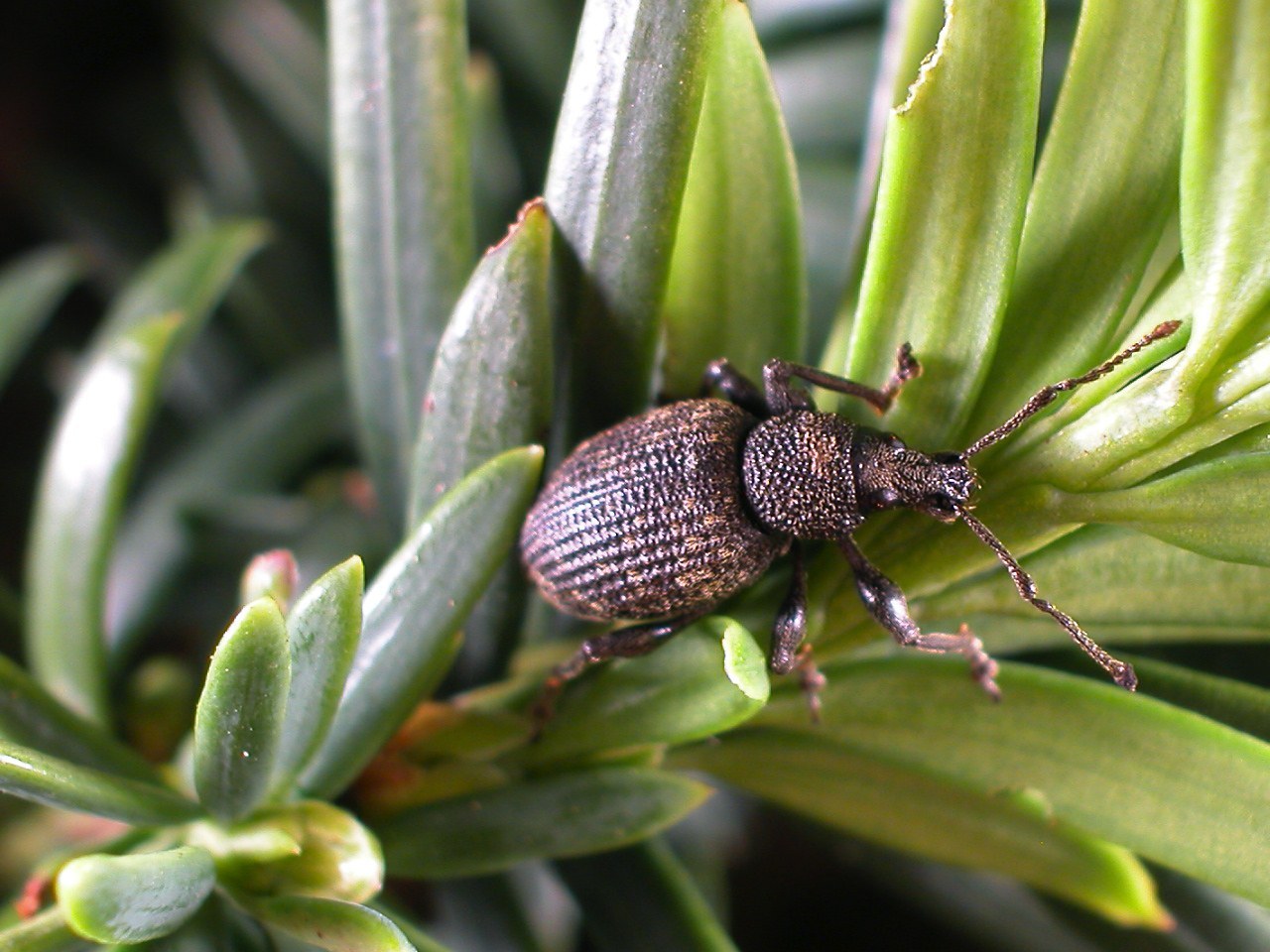
Vine Weevil
Gardens, nurseries, greenhouses, and container plantings
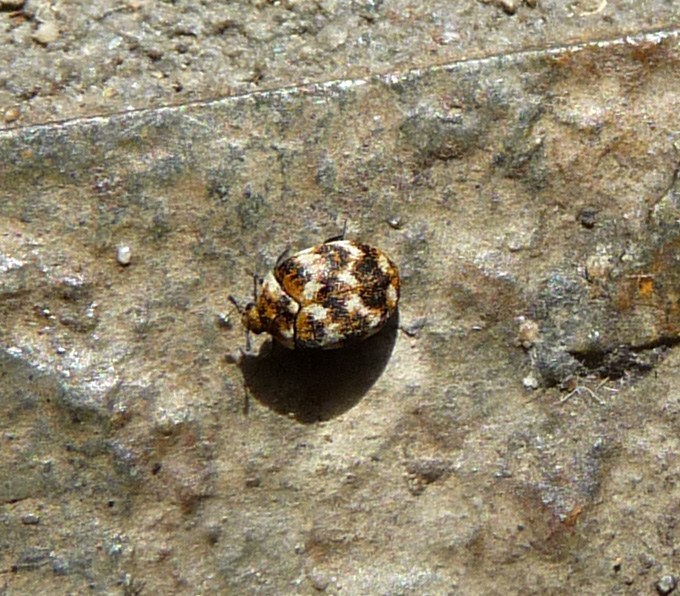
Varied Carpet Beetle
Homes, nests of birds and mammals, and flowers outdoors
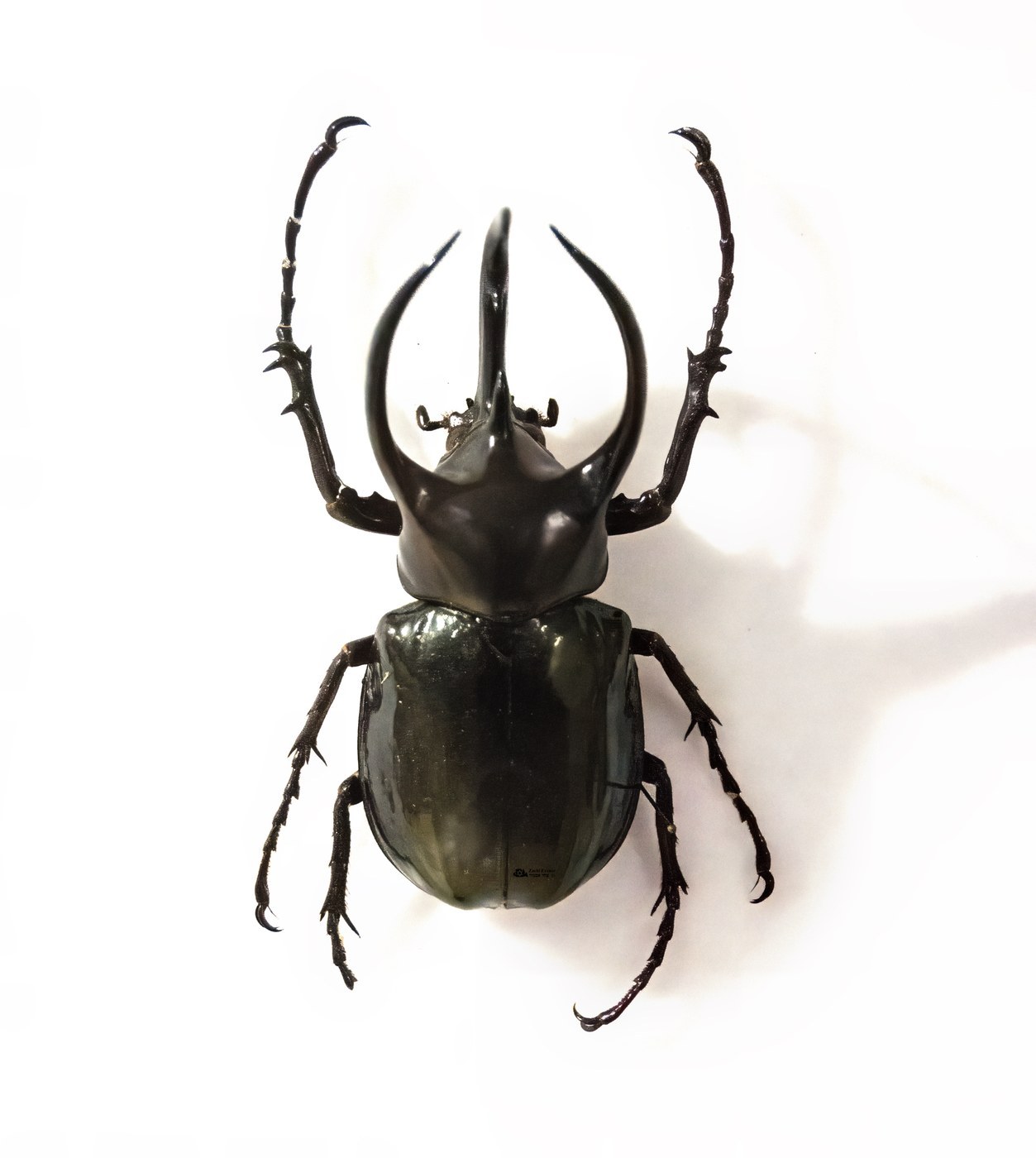
Atlas Beetle
Tropical forests of Southeast Asia
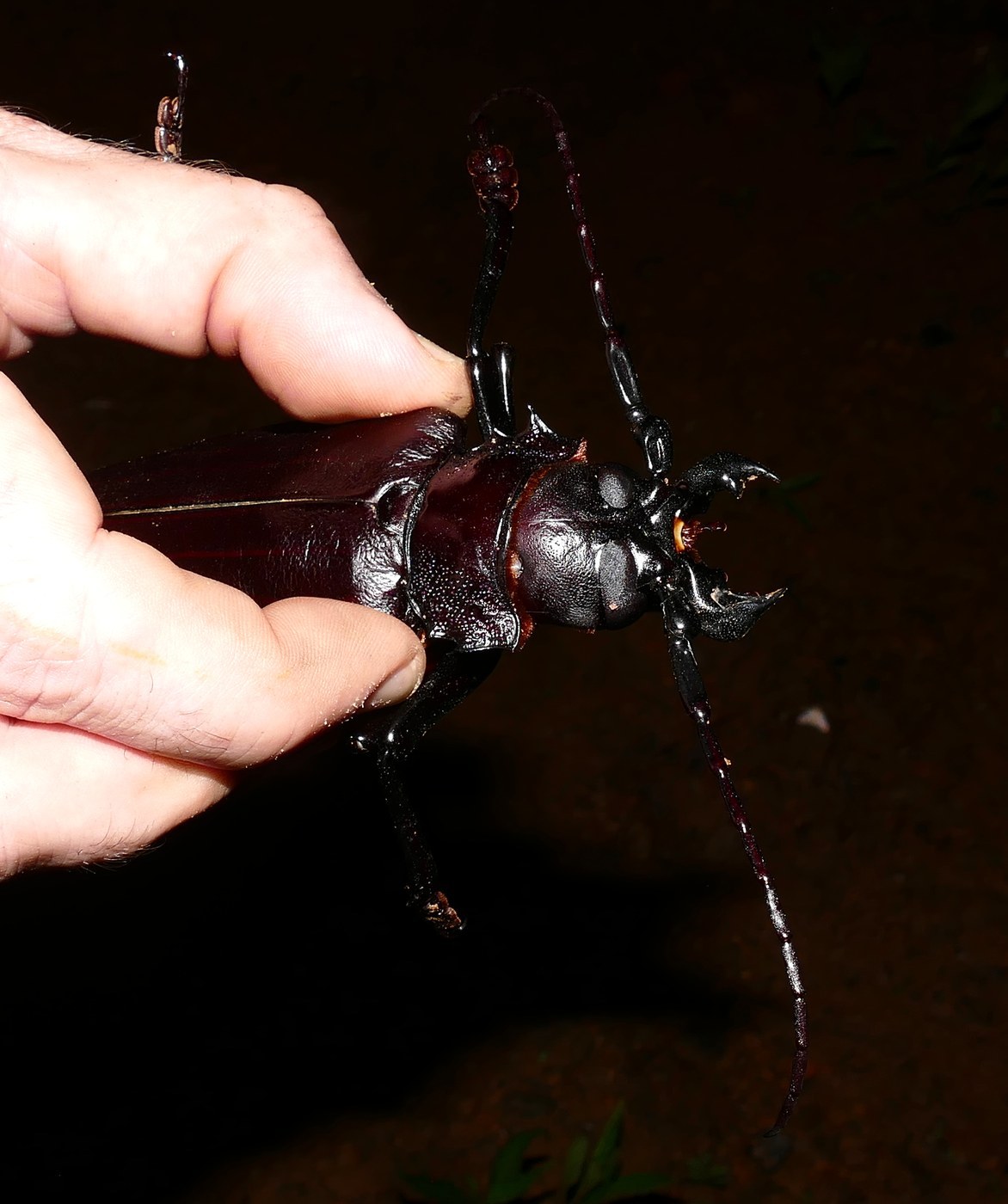
Titan Beetle
Amazon rainforest of South America
Ten-lined June Beetle
Sandy soils, pine forests, and orchards of western North America
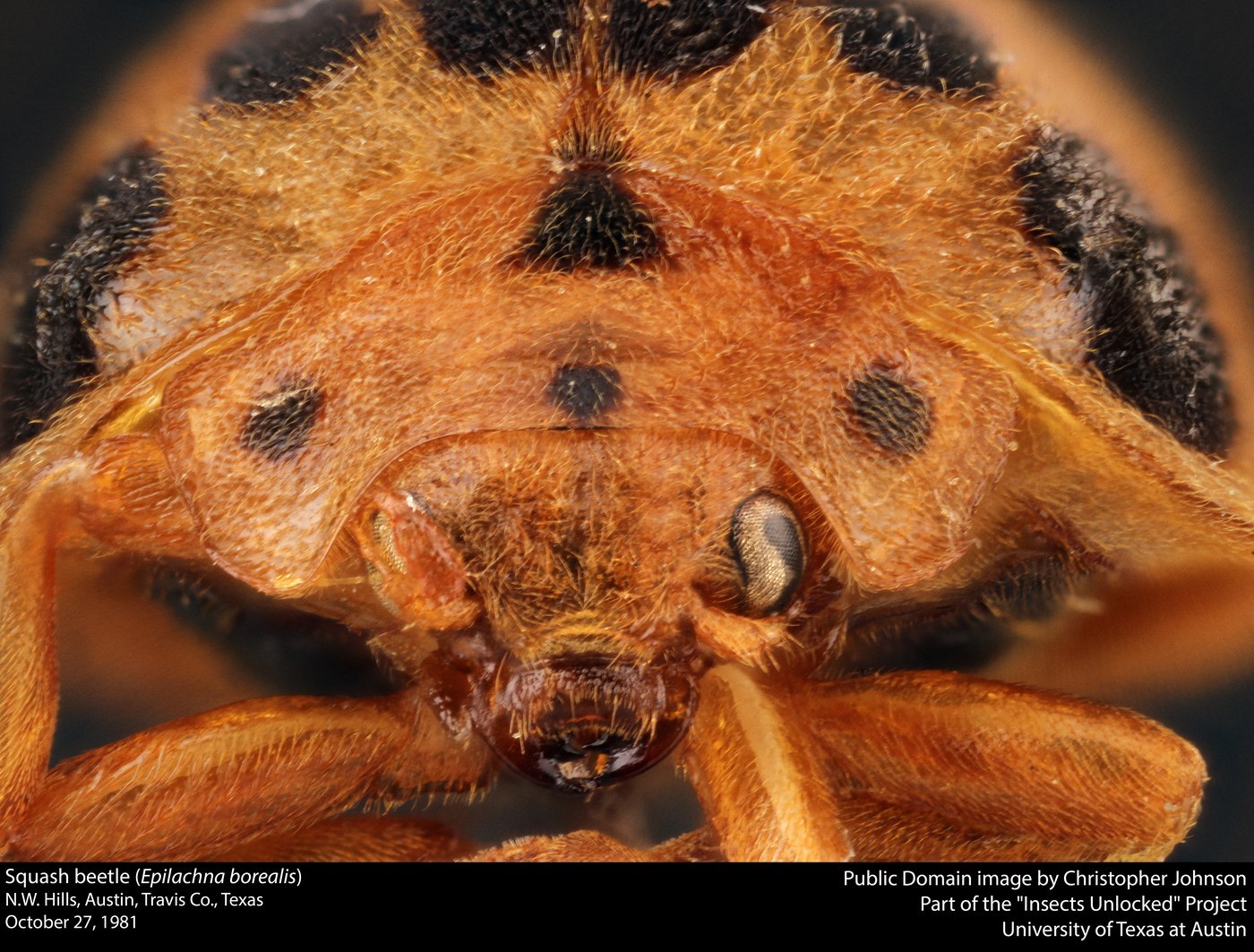
Squash Beetle
Vegetable gardens and fields growing squash, pumpkin, and other cucurbits