
Wireworm
Agriotes spp.
Slender, shiny, and armor-hard, the wireworm is the long-lived soil-dwelling larva of a click beetle, spending years underground feeding on seeds, roots, and tubers before ever taking beetle form.
- Size
- Up to 1.5-2.5 cm (0.6-1 in) long
- Habitat
- Soil of grasslands, gardens, and cultivated fields worldwide
- Danger
- Nuisance pest
Spotted a bug like this?
Identify any bug or insect from a photo, free.
Overview
Wireworms are the larvae of click beetles (family Elateridae), a large group with hundreds of species across North America and Europe, several of which, including species in the genus Agriotes, are commonly encountered in gardens and farm fields. The name refers to the larva's tough, wire-like, cylindrical body, which is far more durable than the soft grubs of many other beetle families.
Unlike most beetle larvae, wireworms spend an unusually long time in the larval stage, often two to five years depending on species and conditions, living entirely underground where they feed on seeds, roots, and below-ground stems of a wide variety of plants.
Because of this extended larval period spent feeding on planted seeds and root crops, wireworms are a well-known and closely monitored soil pest in agriculture, particularly affecting cereal grains, potatoes, and other root vegetables.
How to Identify
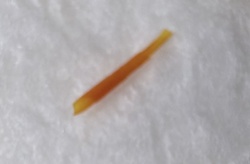
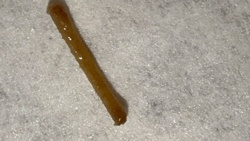
- Body is slender, cylindrical, and hard-shelled, with a smooth, shiny yellow-brown to orange-brown surface
- Reaches about 1.5-2.5 cm (0.6-1 in) in length depending on species and age
- Has three pairs of short, small legs near the head and a distinct, slightly flattened head capsule
- Segments are uniform in width along most of the body, giving it a wire-like appearance that distinguishes it from the C-shaped, soft-bodied grubs of scarab beetles
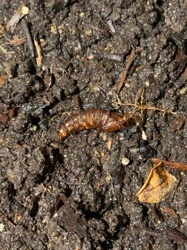
- Found in soil rather than on foliage, usually only visible when digging
Habitat & Range
Found in soil across temperate regions of North America and Europe, particularly in grasslands, pastures, and cultivated fields that were previously in sod or grass cover. Wireworms are most active in the upper layers of soil during cool, moist conditions in spring and fall, moving deeper during summer heat and winter cold.
Behavior & Diet
Wireworms feed underground on germinating seeds, roots, tubers, and below-ground stems, a diet that gives them their status as a soil pest of cereal crops, potatoes, and other root vegetables. They move vertically through the soil profile in response to temperature and moisture, staying closer to the surface in mild, moist conditions and retreating deeper during extremes of heat, cold, or drought. As soil-dwelling detritivore-herbivores, they are part of the broader soil food web and are preyed upon by ground beetles, birds, and other soil-foraging predators.
Life Cycle
Adult click beetles lay eggs in soil, usually in grassy or weedy areas, in late spring or early summer. Larvae hatch and begin an unusually long developmental period underground, often spanning two to five years and multiple instars, during which they feed intermittently on plant material. When fully grown, the larva forms a small earthen cell and pupates, typically in late summer, before emerging as an adult click beetle the following spring. Adults are relatively short-lived compared to the extended larval stage.
Frequently asked questions
How long do wireworms live underground before becoming beetles?
Depending on the species and conditions, the larval stage can last anywhere from about two to five years before pupation.
What is a wireworm the larva of?
It is the larval stage of a click beetle, a family of beetles known for the audible clicking sound they make when righting themselves.
How can I tell a wireworm from other soil-dwelling grubs?
Wireworms have a hard, shiny, wire-like body of uniform width, unlike the soft, C-shaped grubs of scarab beetles such as June beetles.
What do wireworms feed on?
They feed underground on germinating seeds, roots, tubers, and below-ground stems of a wide range of plants.
Wireworm guides
In-depth guides for identifying, understanding, and living alongside Wireworm.
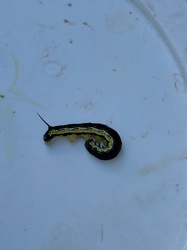
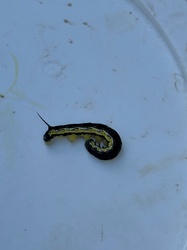
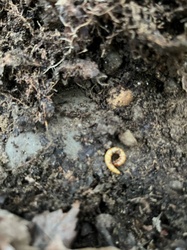
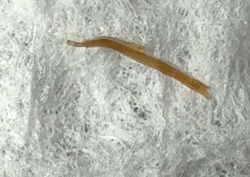
Wireworm identified by the community
Real finds identified with Bug Identifier.

Other bugs you may enjoy
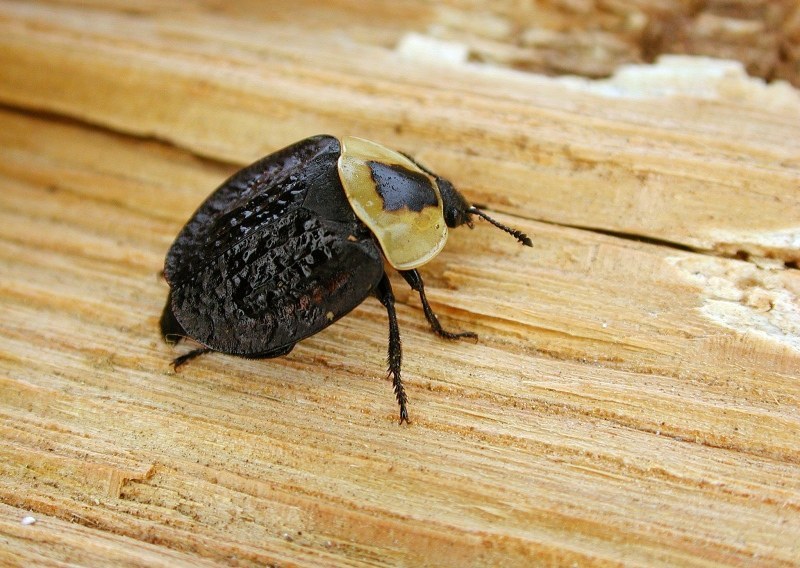
American Carrion Beetle
Forests, fields, and roadsides across North America, near decaying animal carcasses
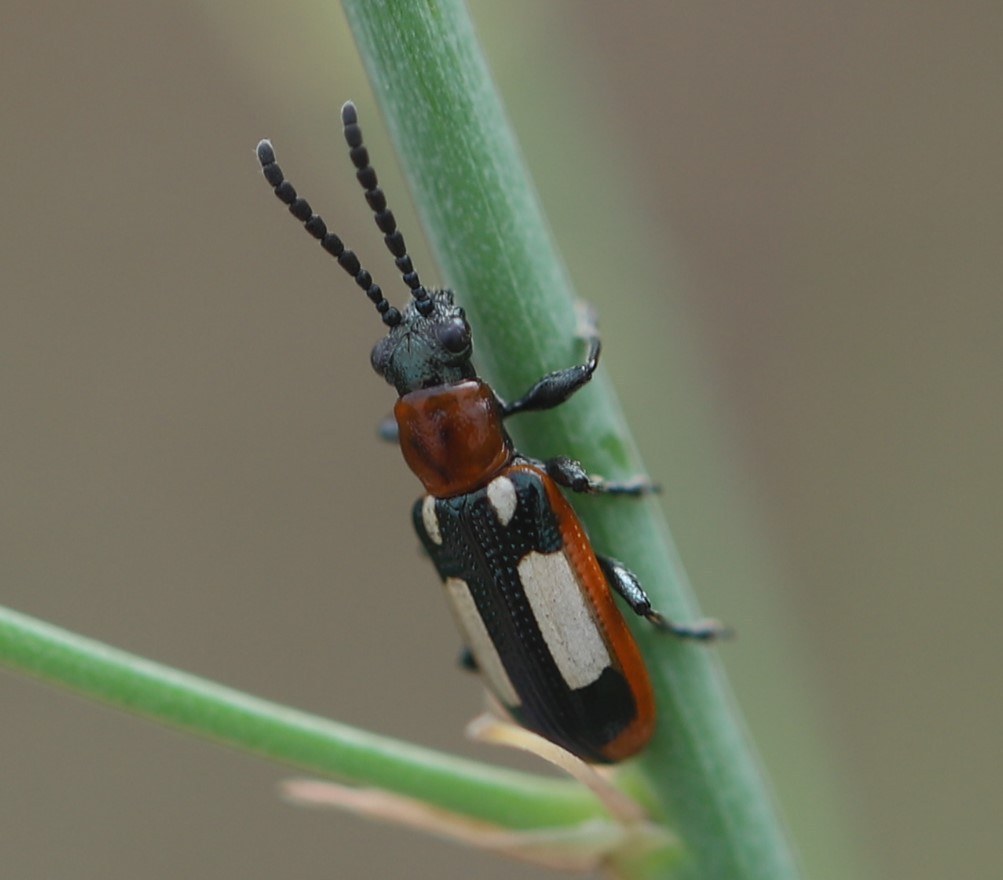
Asparagus Beetle
Asparagus patches, gardens, and farm fields
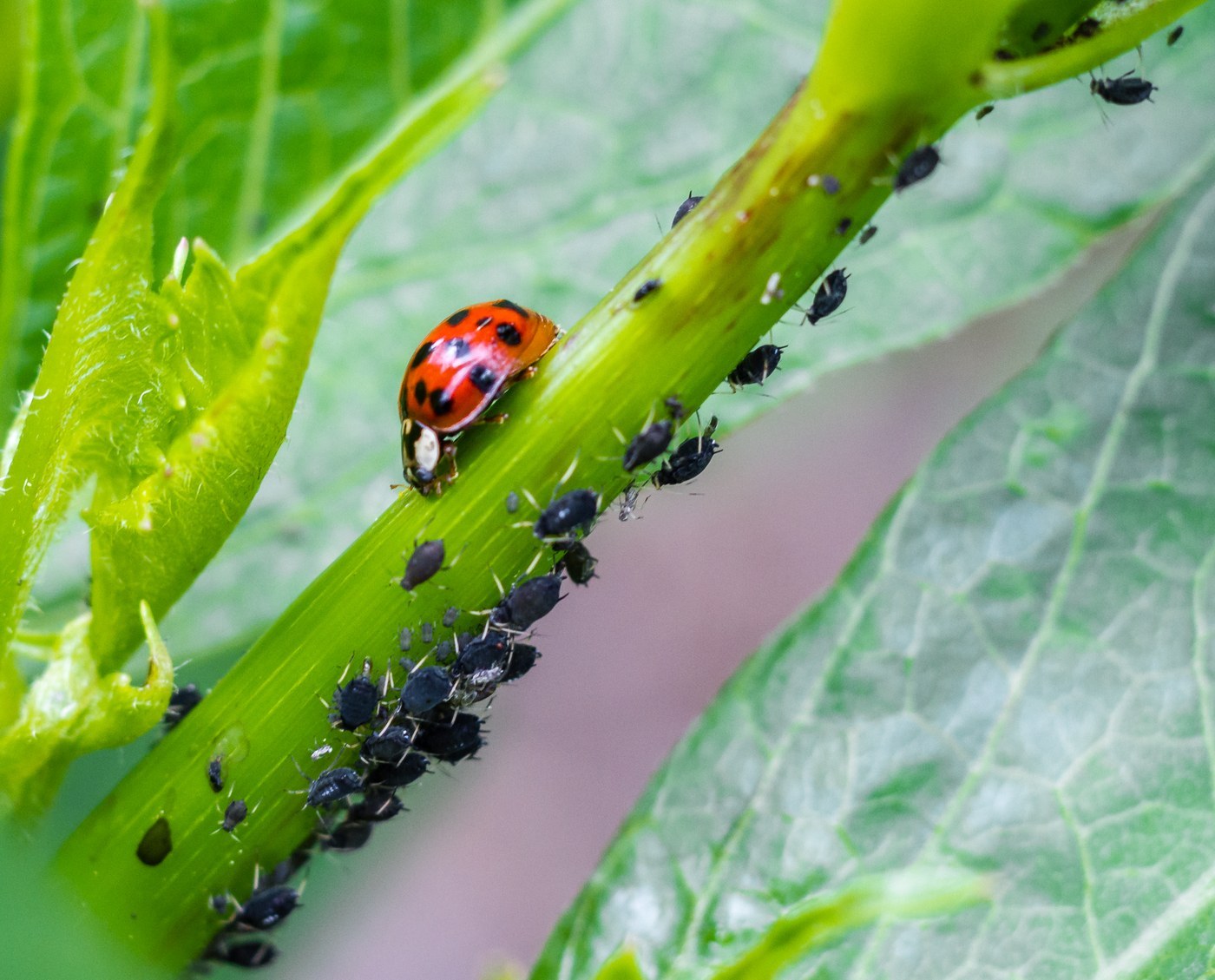
Asian Lady Beetle
Gardens, crop fields, woodlands, buildings
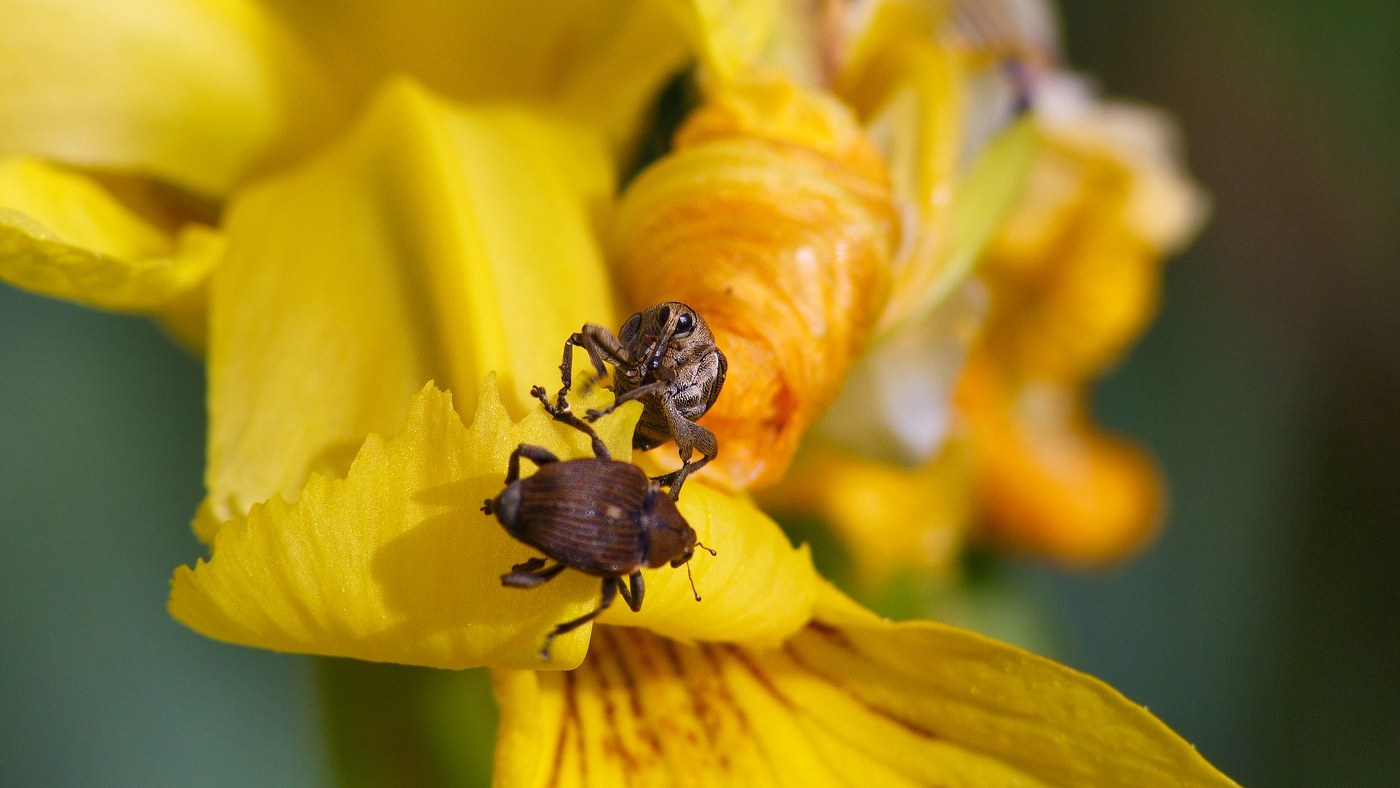
Acorn Weevil
Oak woodlands and forests, on and beneath oak trees
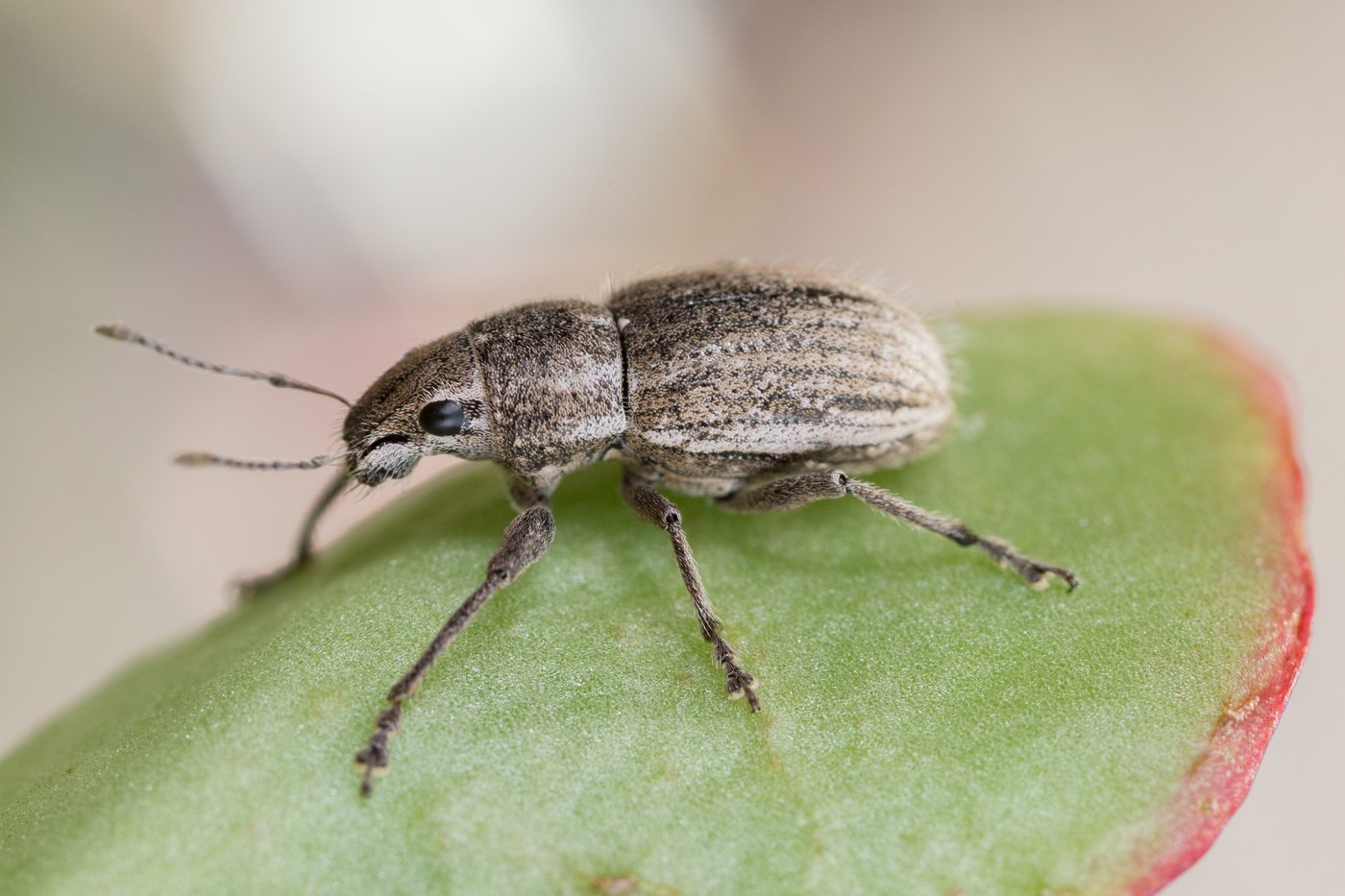
Whitefringed Beetle
Pastures, row crops, lawns, disturbed soils
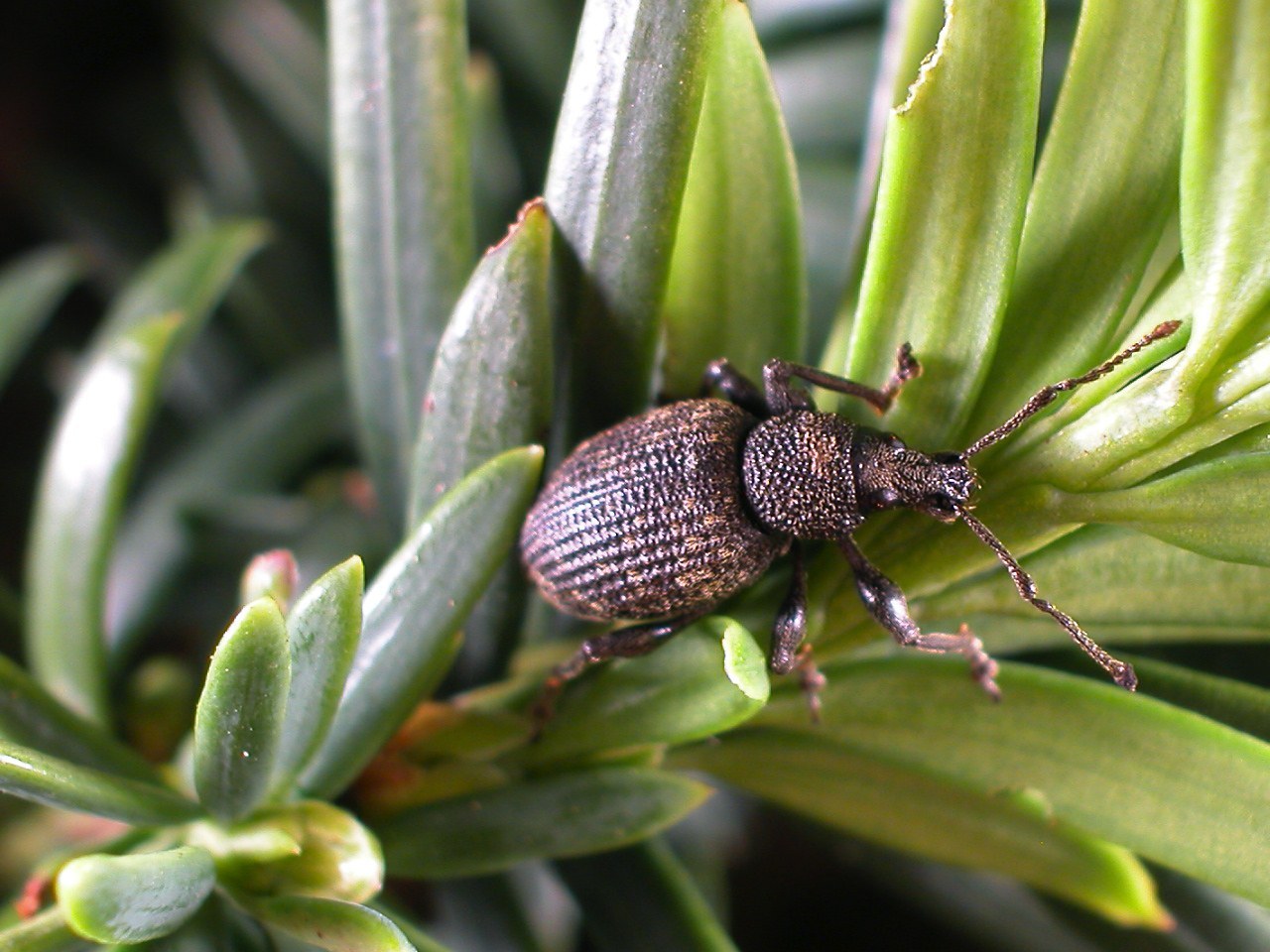
Vine Weevil
Gardens, nurseries, greenhouses, and container plantings
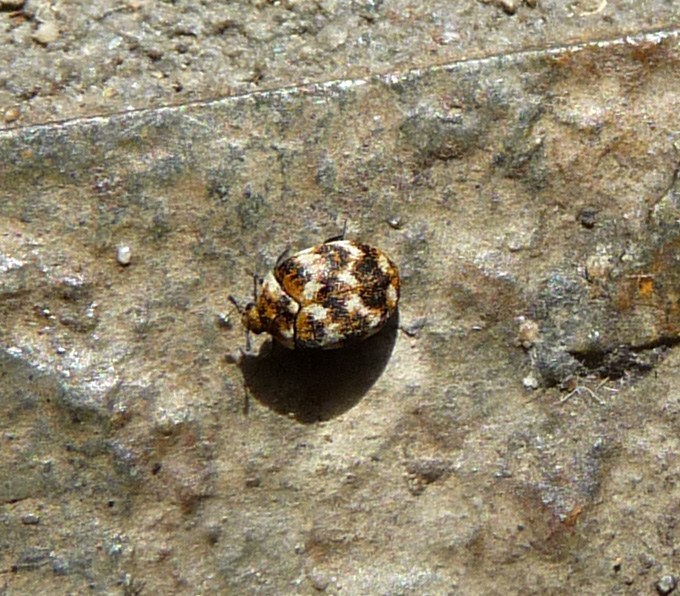
Varied Carpet Beetle
Homes, nests of birds and mammals, and flowers outdoors
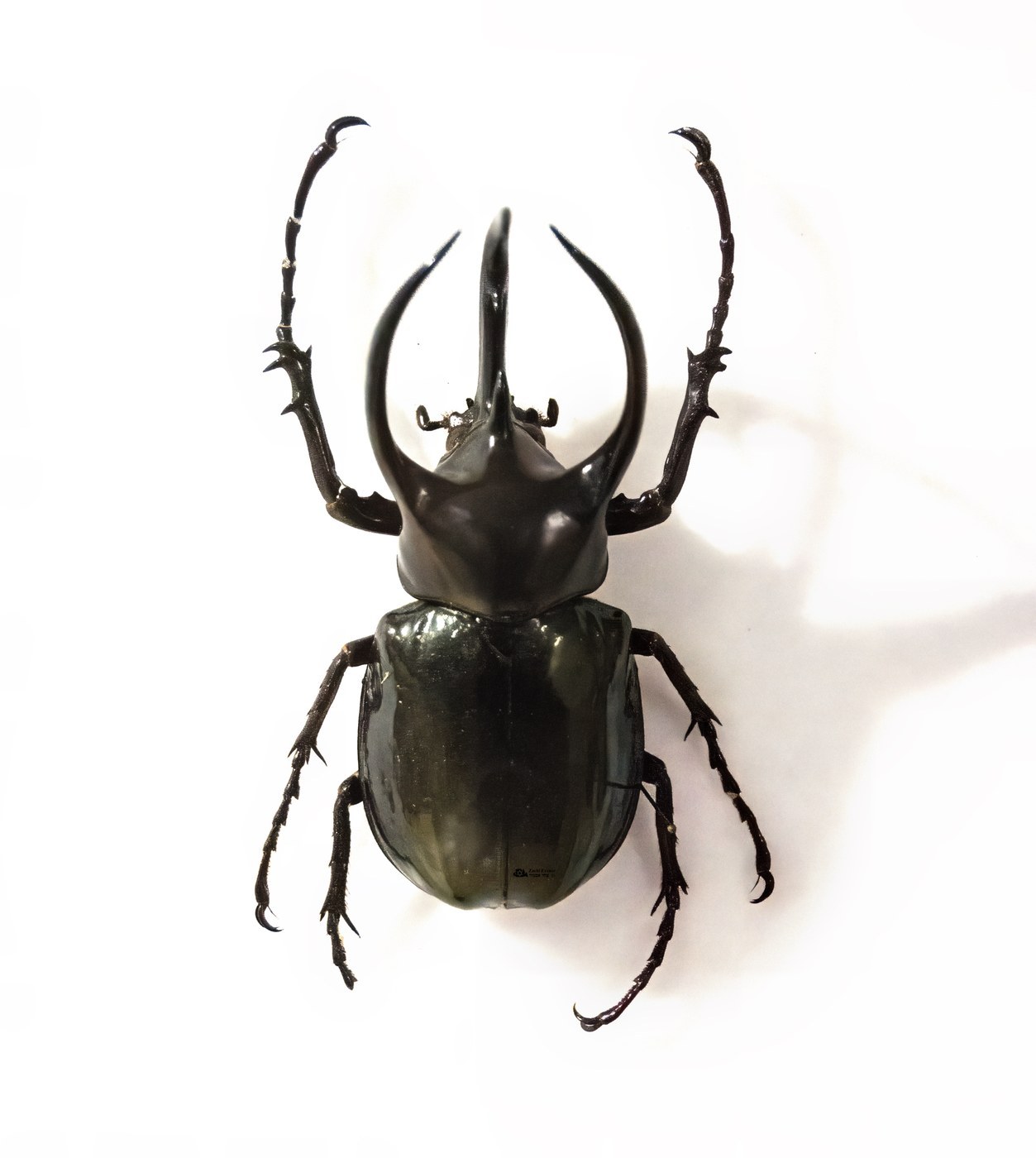
Atlas Beetle
Tropical forests of Southeast Asia
Titan Beetle
Amazon rainforest of South America
Ten-lined June Beetle
Sandy soils, pine forests, and orchards of western North America
Squash Beetle
Vegetable gardens and fields growing squash, pumpkin, and other cucurbits
Red Flour Beetle
Stored grain, flour, and dry food products in mills, warehouses, and pantries worldwide