
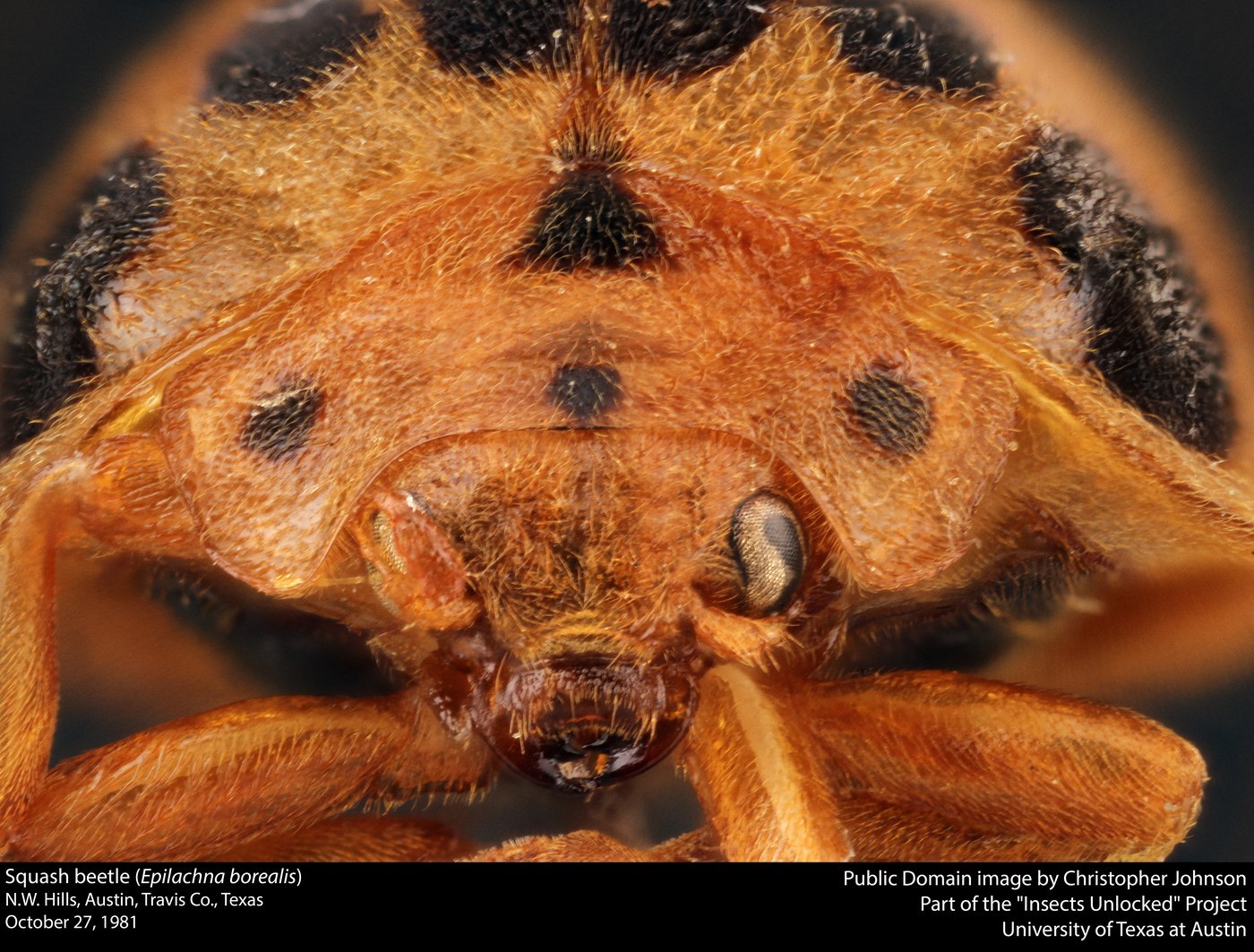
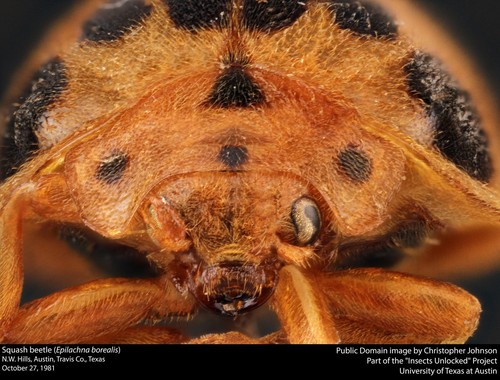
Squash Beetle
Epilachna borealis
A large, coppery-orange, spotted beetle that resembles an oversized ladybird but, unlike most of its relatives, feeds on squash and pumpkin leaves rather than aphids.
- Size
- 7–10 mm
- Habitat
- Vegetable gardens and fields growing squash, pumpkin, and other cucurbits
- Danger
- Nuisance pest
Spotted a bug like this?
Identify any bug or insect from a photo, free.
Overview
The squash beetle is one of the few plant-eating members of the ladybird beetle family (Coccinellidae), a family otherwise best known for predatory species that eat aphids and scale insects. It belongs to the subfamily Epilachninae, a small group of herbivorous lady beetles that specialize in feeding on cucurbit vines and a few other plants.
Its dome-shaped body and bold black spots on a yellow-orange to coppery background give it a superficial resemblance to a beneficial ladybird, which can be misleading in the garden since this species is a leaf-feeder rather than a predator. Adults and larvae both chew distinctive circular feeding patterns into squash, pumpkin, and cucumber leaves.
As one of relatively few phytophagous coccinellids in North America, the squash beetle offers an interesting counterpoint to the predatory reputation most people associate with lady beetles, illustrating the ecological diversity within a single beetle family.
How to Identify
- Adult: 7–10 mm, large and strongly domed like a classic ladybird, but colored coppery-orange to yellow-brown with roughly 14 large black spots arranged across the elytra.
- Body surface has a fine, fuzzy texture compared to the smooth, shiny shell of predatory lady beetles.
- Larvae are pale yellow and covered in branched, spiny projections, quite different from the smooth alligator-shaped larvae of predatory ladybirds.
- Lookalikes: easily mistaken for the beneficial spotted lady beetle, but the squash beetle is larger, duller, and always found actively chewing cucurbit leaves rather than hunting aphids.
Habitat & Range
Occurs in home vegetable gardens, farm fields, and open weedy areas throughout much of the eastern and central United States wherever squash, pumpkins, melons, and other cucurbit vines are grown. Adults and larvae are active from late spring through late summer, feeding on the host plant's foliage during the growing season.
Behavior & Diet
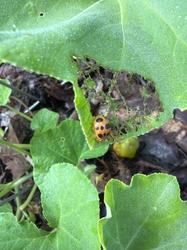
Both adults and larvae feed on the leaves of squash, pumpkin, and other cucurbit vines, often chewing circular trenches around a feeding area before consuming the leaf tissue within, a behavior thought to interrupt the plant's defensive latex flow. This skeletonizing feeding pattern can leave leaves looking lace-like. As a specialist herbivore, the squash beetle plays a role in the natural pruning of wild cucurbit vines and is regarded as an occasional garden pest of cultivated squash.
Life Cycle
Adults overwinter in garden debris or leaf litter and emerge in late spring to feed and mate. Females lay clusters of yellow eggs on the undersides of cucurbit leaves, which hatch into spiny larvae within about a week. Larvae pass through several molts while feeding on foliage, then pupate attached to the underside of a leaf. New adults emerge within a couple of weeks, and the species typically produces one to two generations per year depending on climate.
Frequently asked questions
Is the squash beetle a type of ladybug?
Yes, it belongs to the same family as ladybirds (Coccinellidae) but is one of the few plant-feeding members rather than a predator of aphids.
How can I tell it apart from a beneficial ladybug?
It is larger and duller in color with a fuzzy texture, and it is found chewing squash or pumpkin leaves rather than hunting small insects.
What does the feeding damage look like?
Look for circular trenches chewed into leaves with skeletonized, lace-like patches inside the trenched area.
What plants does it prefer?
It feeds mainly on squash, pumpkin, and other cucurbit vines, occasionally on related garden plants.
Squash Beetle guides
In-depth guides for identifying, understanding, and living alongside Squash Beetle.
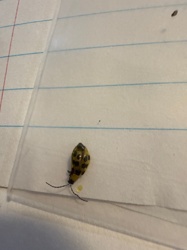
Squash Beetle identified by the community
Real finds identified with Bug Identifier.
Other bugs you may enjoy
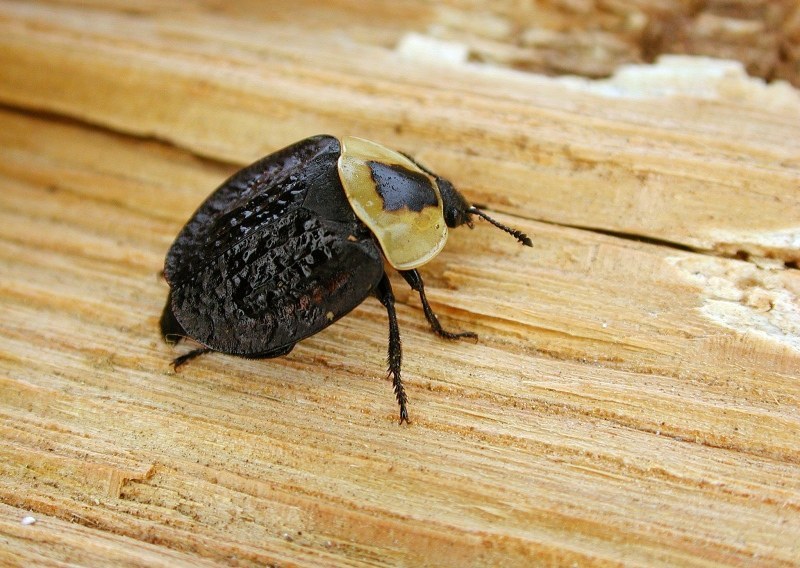
American Carrion Beetle
Forests, fields, and roadsides across North America, near decaying animal carcasses
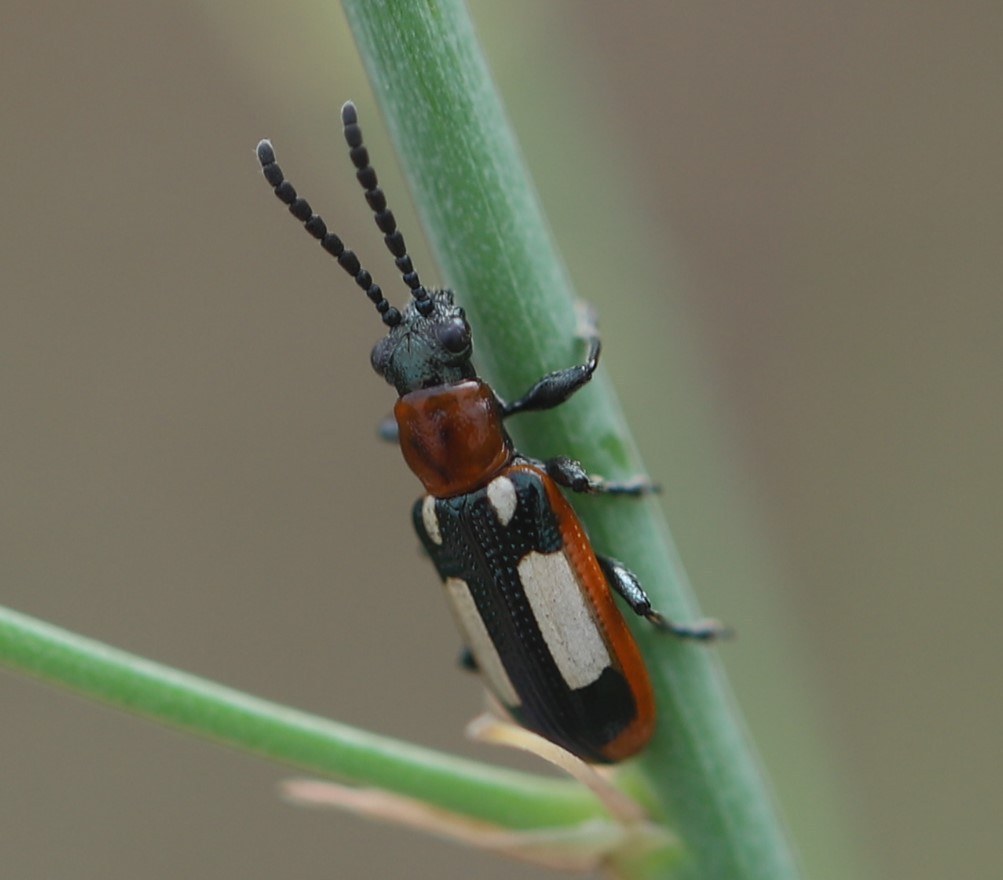
Asparagus Beetle
Asparagus patches, gardens, and farm fields
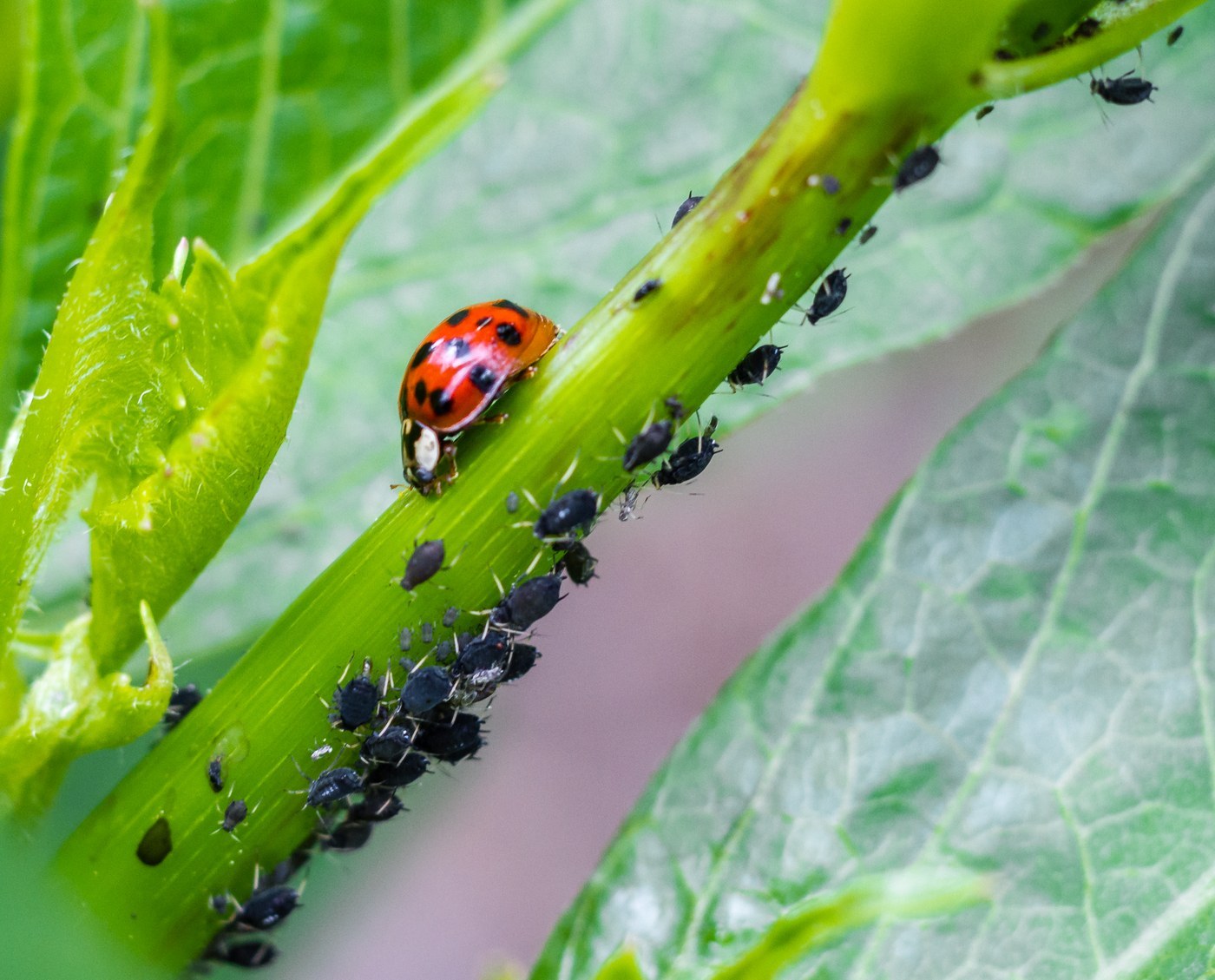
Asian Lady Beetle
Gardens, crop fields, woodlands, buildings
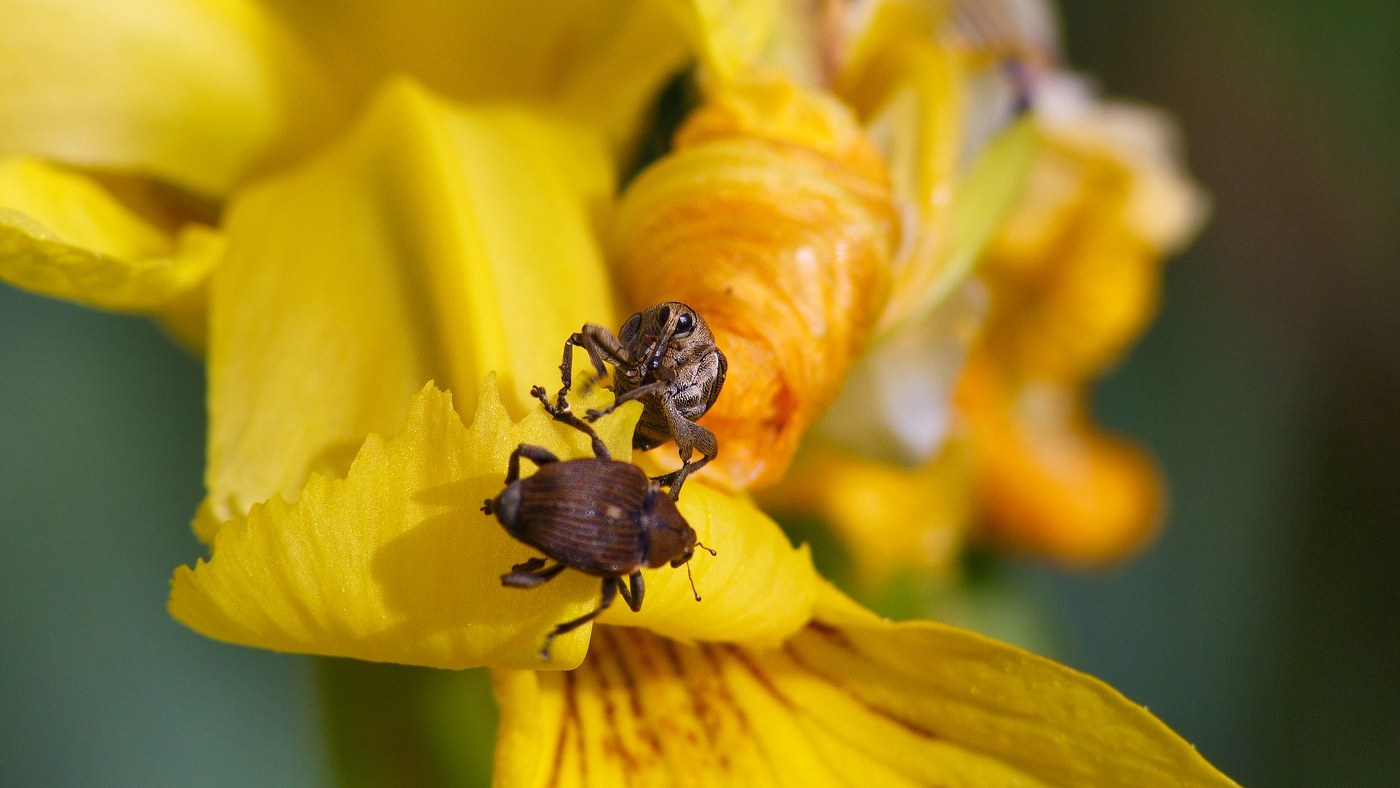
Acorn Weevil
Oak woodlands and forests, on and beneath oak trees
Wireworm
Soil of grasslands, gardens, and cultivated fields worldwide
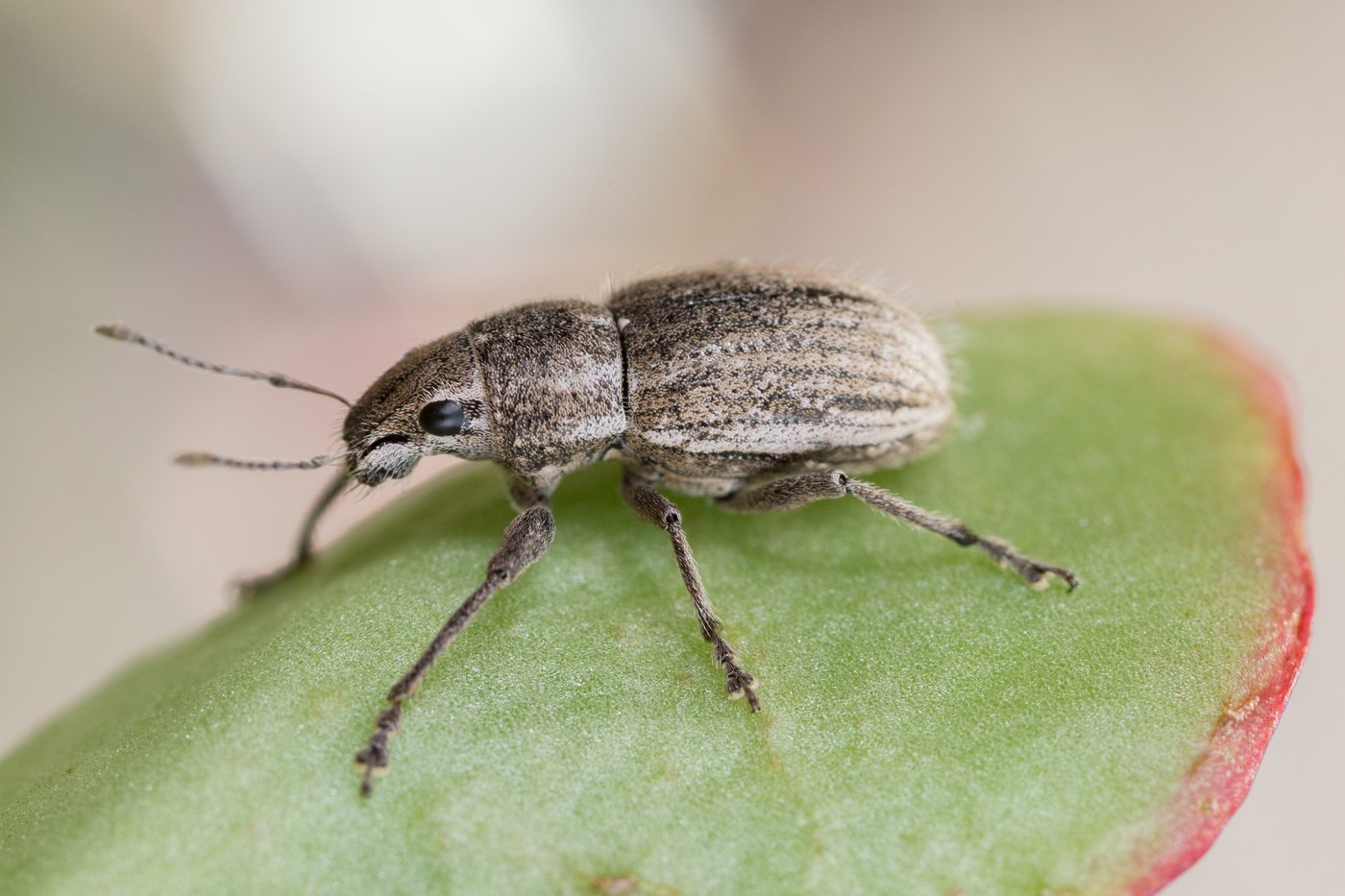
Whitefringed Beetle
Pastures, row crops, lawns, disturbed soils
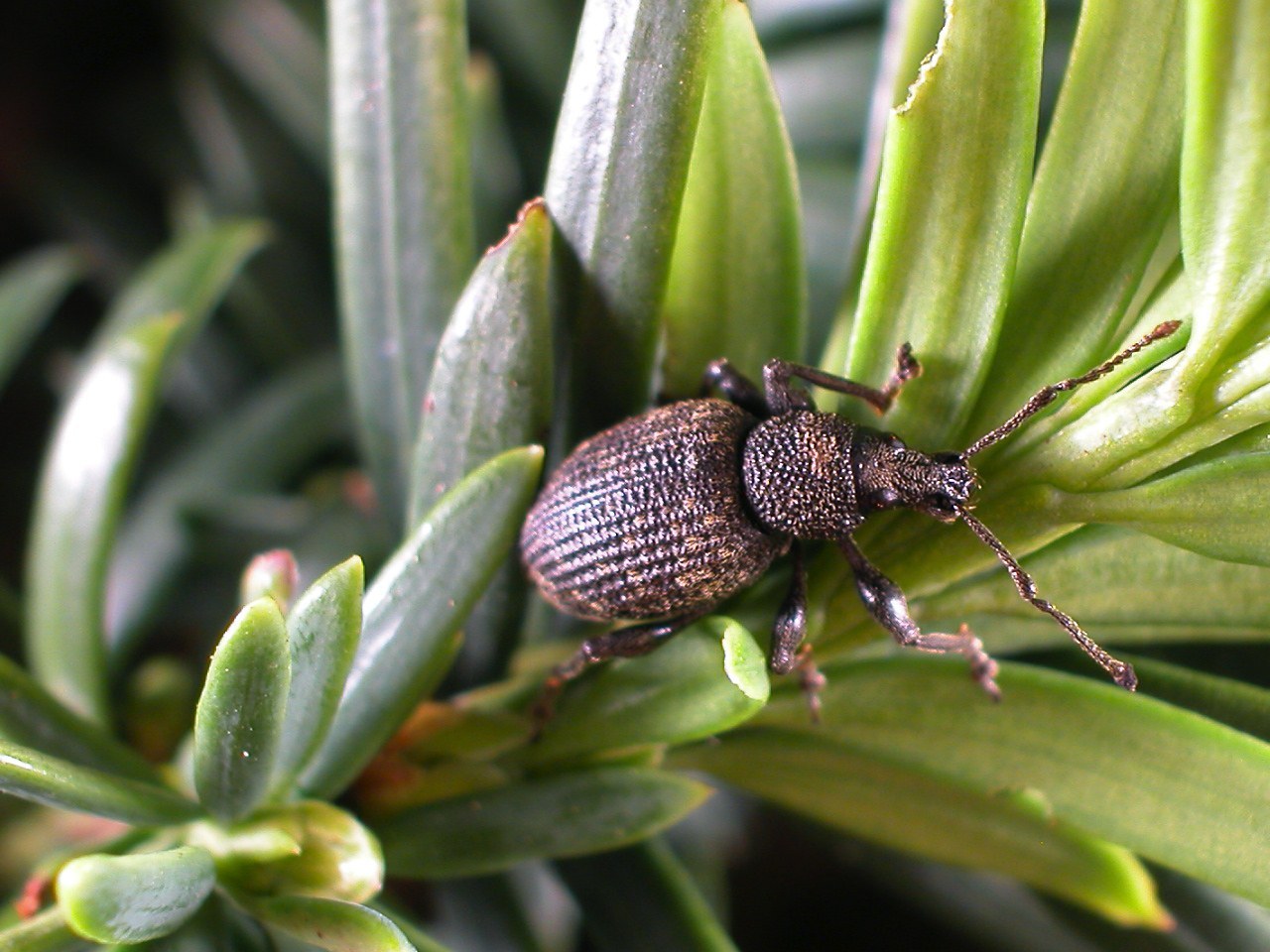
Vine Weevil
Gardens, nurseries, greenhouses, and container plantings
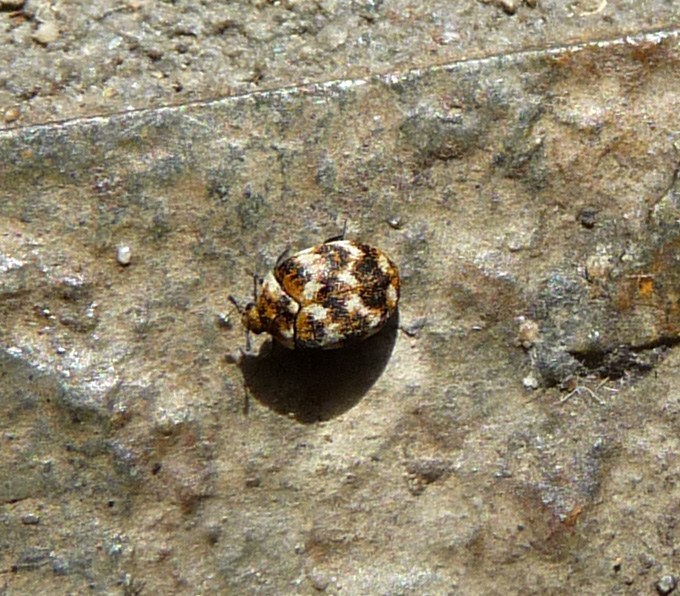
Varied Carpet Beetle
Homes, nests of birds and mammals, and flowers outdoors
Atlas Beetle
Tropical forests of Southeast Asia
Titan Beetle
Amazon rainforest of South America
Ten-lined June Beetle
Sandy soils, pine forests, and orchards of western North America
Red Flour Beetle
Stored grain, flour, and dry food products in mills, warehouses, and pantries worldwide