
Big-Eyed Bug
Geocoris spp.
A small, broad-headed true bug named for its noticeably large, bulging compound eyes, the big-eyed bug is a beneficial predator that patrols low vegetation and soil surfaces for small pest insects.
- Size
- 3–5 mm
- Habitat
- Lawns, fields, and ground-level vegetation
- Danger
- Harmless
Spotted a bug like this?
Identify any bug or insect from a photo, free.
Overview
The big-eyed bug, genus Geocoris, belongs to the family Geocoridae within the order Hemiptera. Its most distinguishing feature, and the source of its common name, is a pair of unusually large, prominent compound eyes set on a broad, flattened head, giving it excellent vision for spotting prey.
Big-eyed bugs are compact, ground-dwelling predators commonly found scurrying across soil, leaf litter, and low vegetation in search of small arthropod prey. They are considered one of the more important generalist predators in agricultural and garden settings due to their broad diet.
Ecologically, big-eyed bugs contribute to natural pest suppression by feeding on a wide variety of small insects and mites found near the ground, making them a valued presence in crop fields, lawns, and gardens.
How to Identify
- Small, broad, somewhat flattened body with a distinctly wide head dominated by large, bulging compound eyes.
- Coloration ranges from grayish to tan or pale brown, often with subtle mottling.
- Antennae are moderately long and thread-like.
- Wings, when present, lie flat over the back, giving an oval overall outline.
- Lookalikes include chinch bugs and other small ground-dwelling true bugs, but the exaggerated eye size relative to head width is the clearest distinguishing feature of big-eyed bugs.
Habitat & Range
Big-eyed bugs are found in lawns, pastures, crop fields, and gardens across North America and other temperate regions, typically at or near ground level among grasses, low foliage, and soil litter. They are active throughout the warmer months and often become more numerous in habitats with abundant small prey, such as mite- or aphid-infested vegetation.
Behavior & Diet
Big-eyed bugs are active generalist predators, moving quickly across soil and low vegetation to hunt small arthropods including mites, aphids, small caterpillars, and insect eggs, which they consume by piercing with their beak. Their large eyes aid in detecting movement of prey at close range. They are considered beneficial insects in many settings due to feeding on a broad range of small pest species found near the ground.
Life Cycle
Big-eyed bugs undergo incomplete metamorphosis (egg, nymph, adult). Eggs are laid on or near host plants, and nymphs hatch resembling smaller, wingless versions of adults, already equipped with the characteristic large eyes and predatory habits. Nymphs molt through several instars while hunting small prey, gradually developing wing pads before reaching adulthood. Multiple generations can occur per growing season in warmer climates.
Frequently asked questions
Why is it called a big-eyed bug?
It has unusually large, prominent compound eyes relative to the width of its head, a feature that gives the species its common name.
Is the big-eyed bug harmful to plants?
No, it is a predator of other small insects and mites rather than a plant feeder, and it is generally considered beneficial in gardens and crop fields.
What does a big-eyed bug eat?
It feeds on small arthropods such as mites, aphids, small caterpillars, and insect eggs found near the ground.
Where would I find a big-eyed bug?
They are commonly found in lawns, pastures, and crop fields, typically moving across soil and low vegetation.
Big-Eyed Bug guides
In-depth guides for identifying, understanding, and living alongside Big-Eyed Bug.
Other bugs you may enjoy
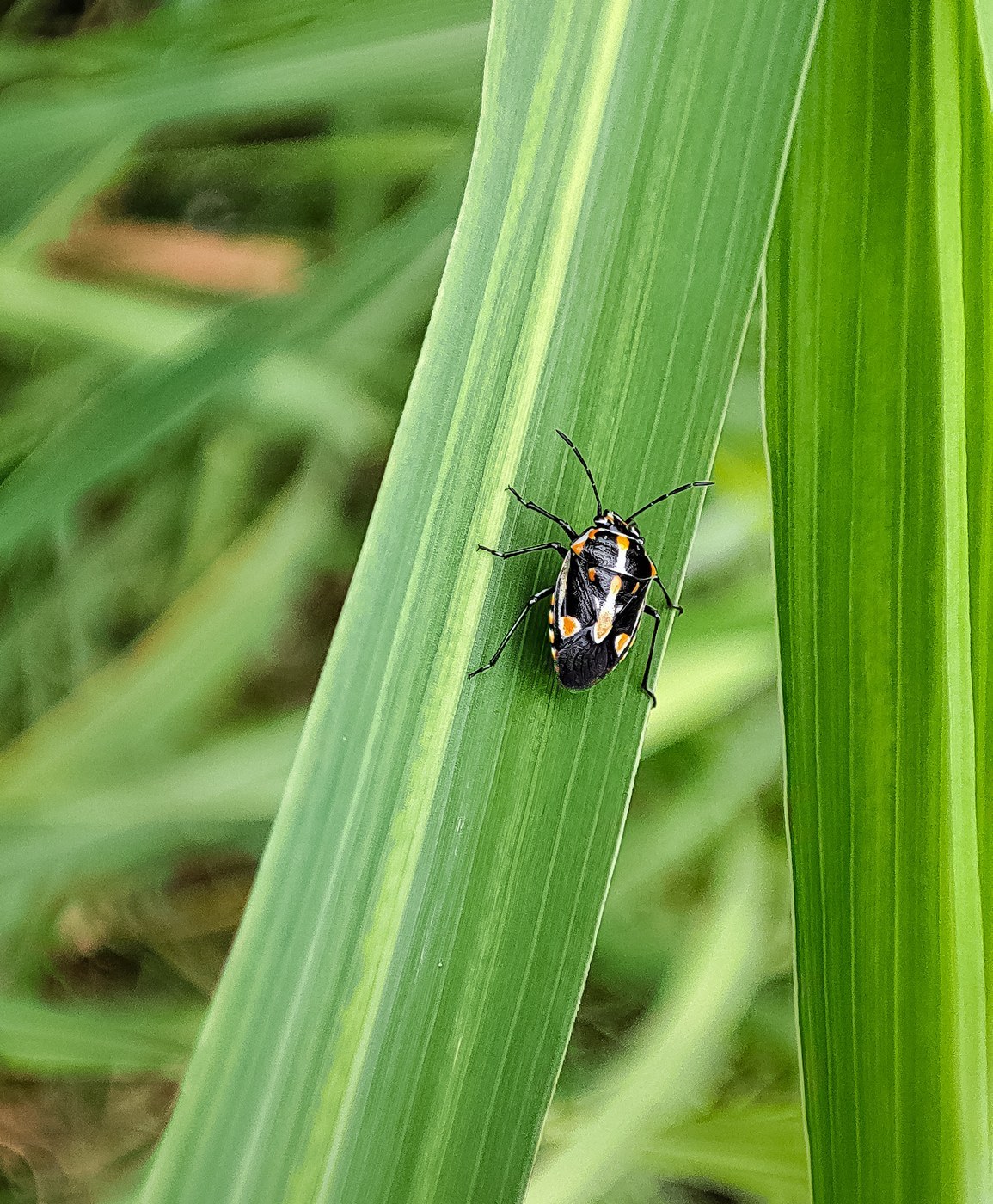
Bagrada Bug
Arid gardens, crucifer fields, desert-adjacent croplands
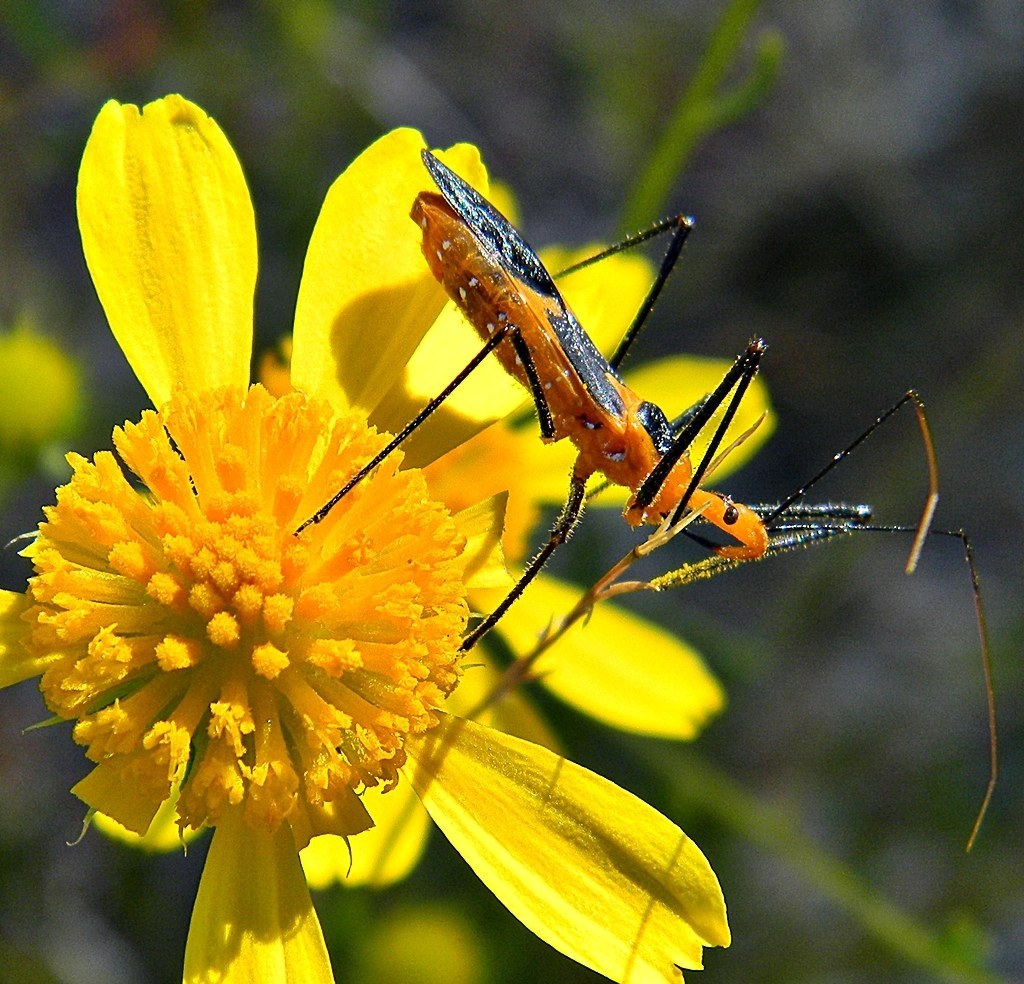
Assassin Bug
Gardens, meadows, and vegetation worldwide
Water Boatman Bug
Ponds, lakes, and slow-moving freshwater
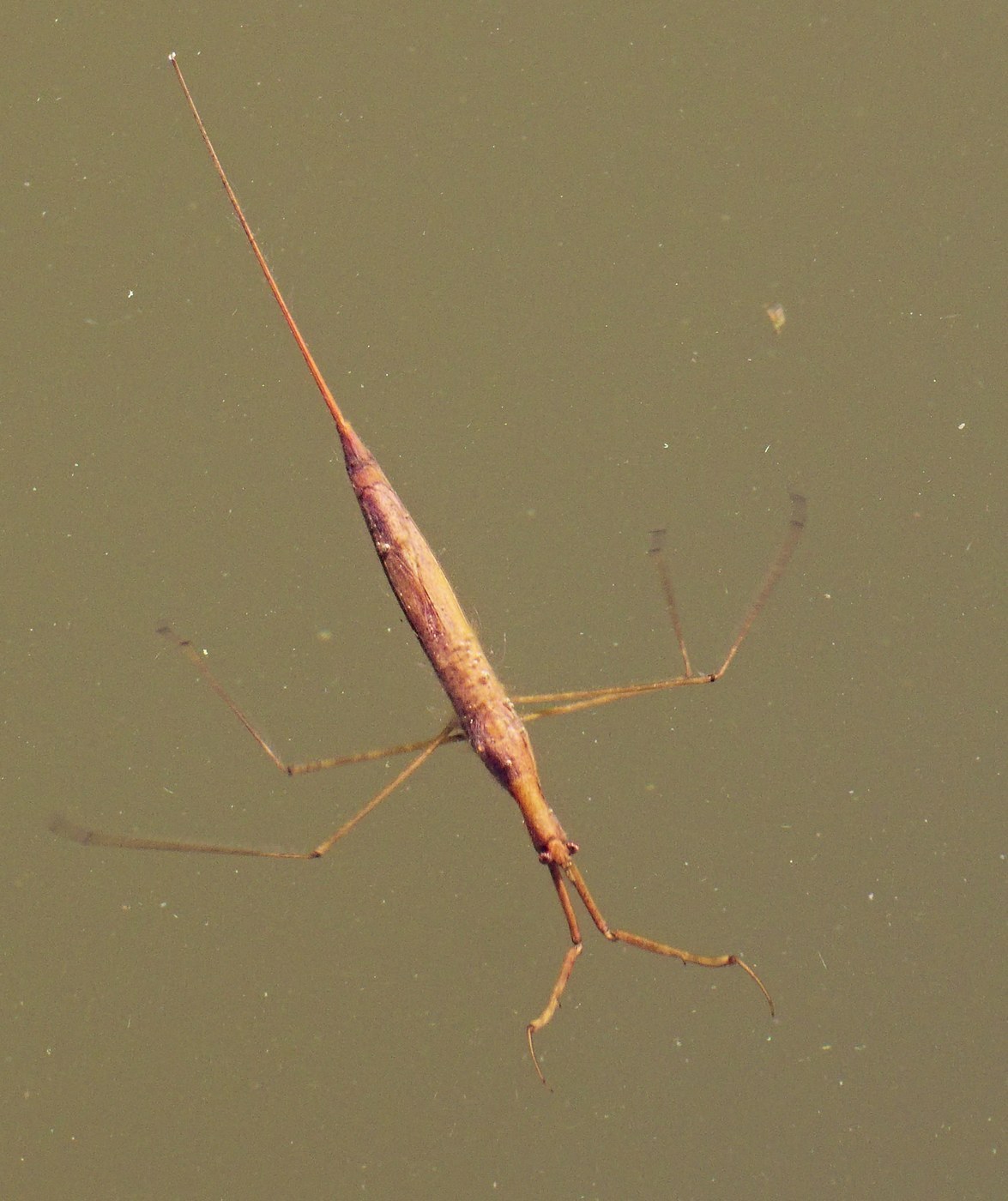
Water Stick Insect
Still and slow-moving water with dense submerged vegetation
Rough Stink Bug
Tree bark, woodlands, orchards, and shrubby vegetation
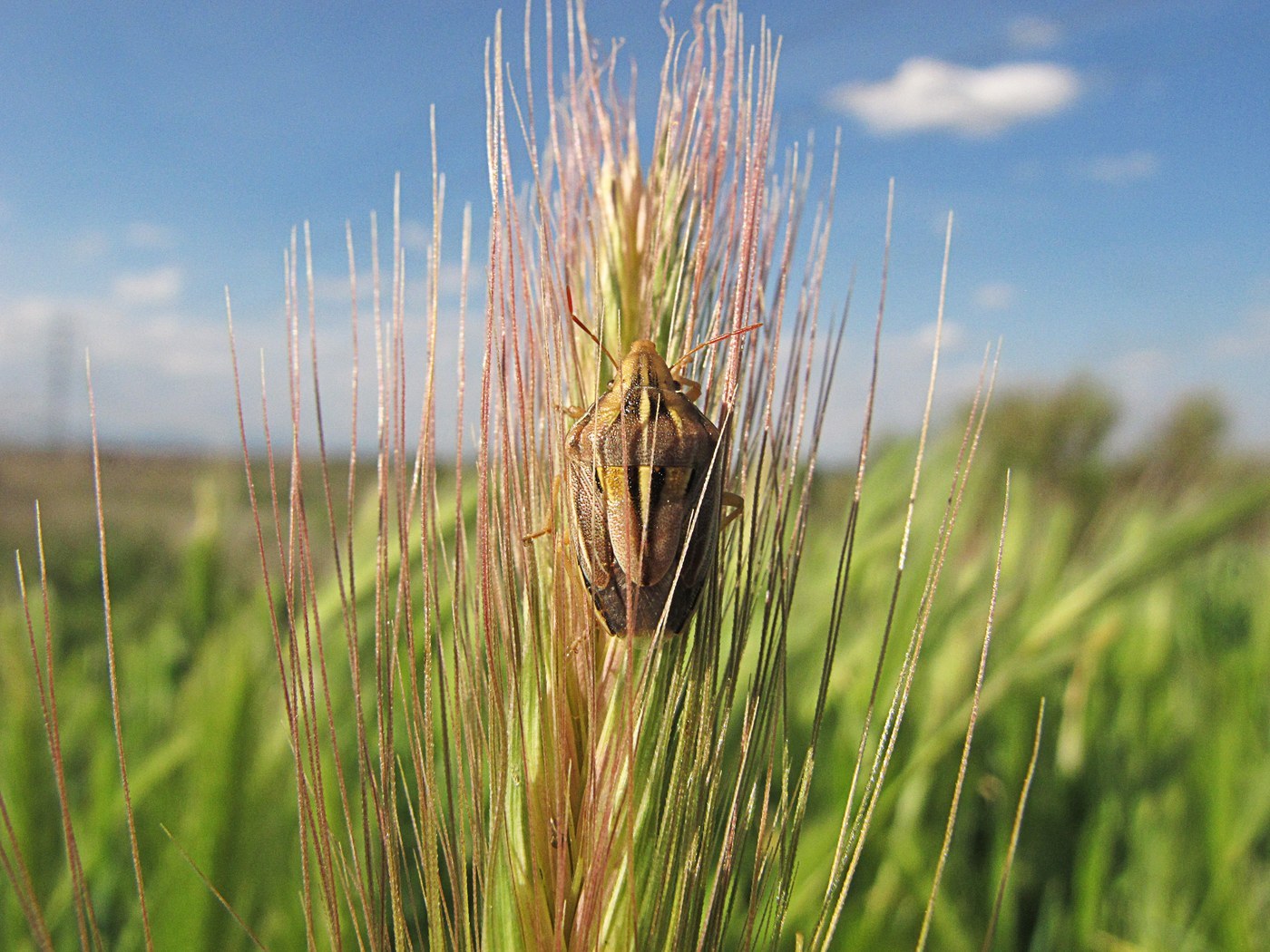
Stink Bug
Gardens, crop fields, and woodlands across temperate and subtropical regions
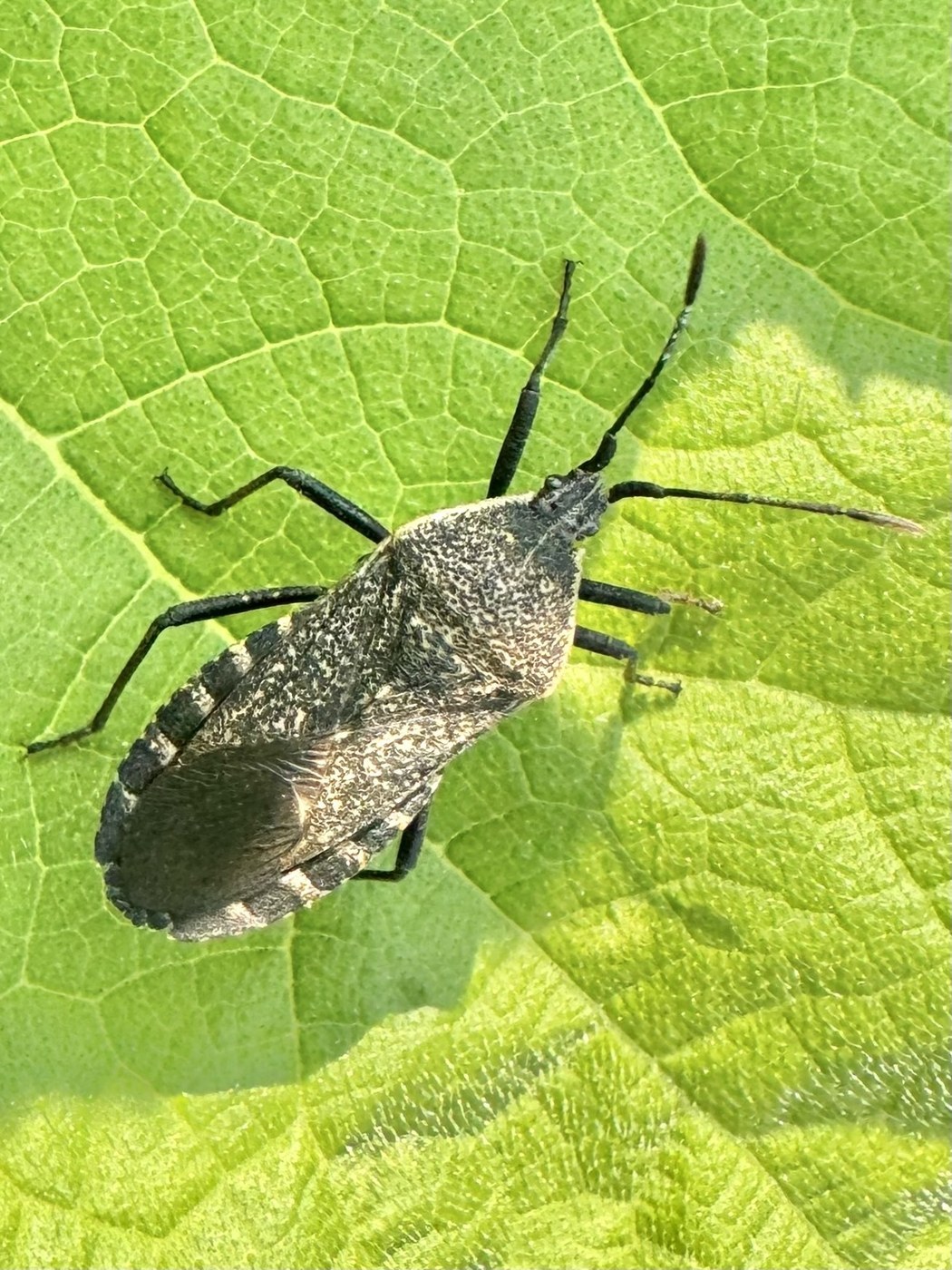
Squash Bug
Vegetable gardens and farm fields growing squash, pumpkin, and other cucurbits
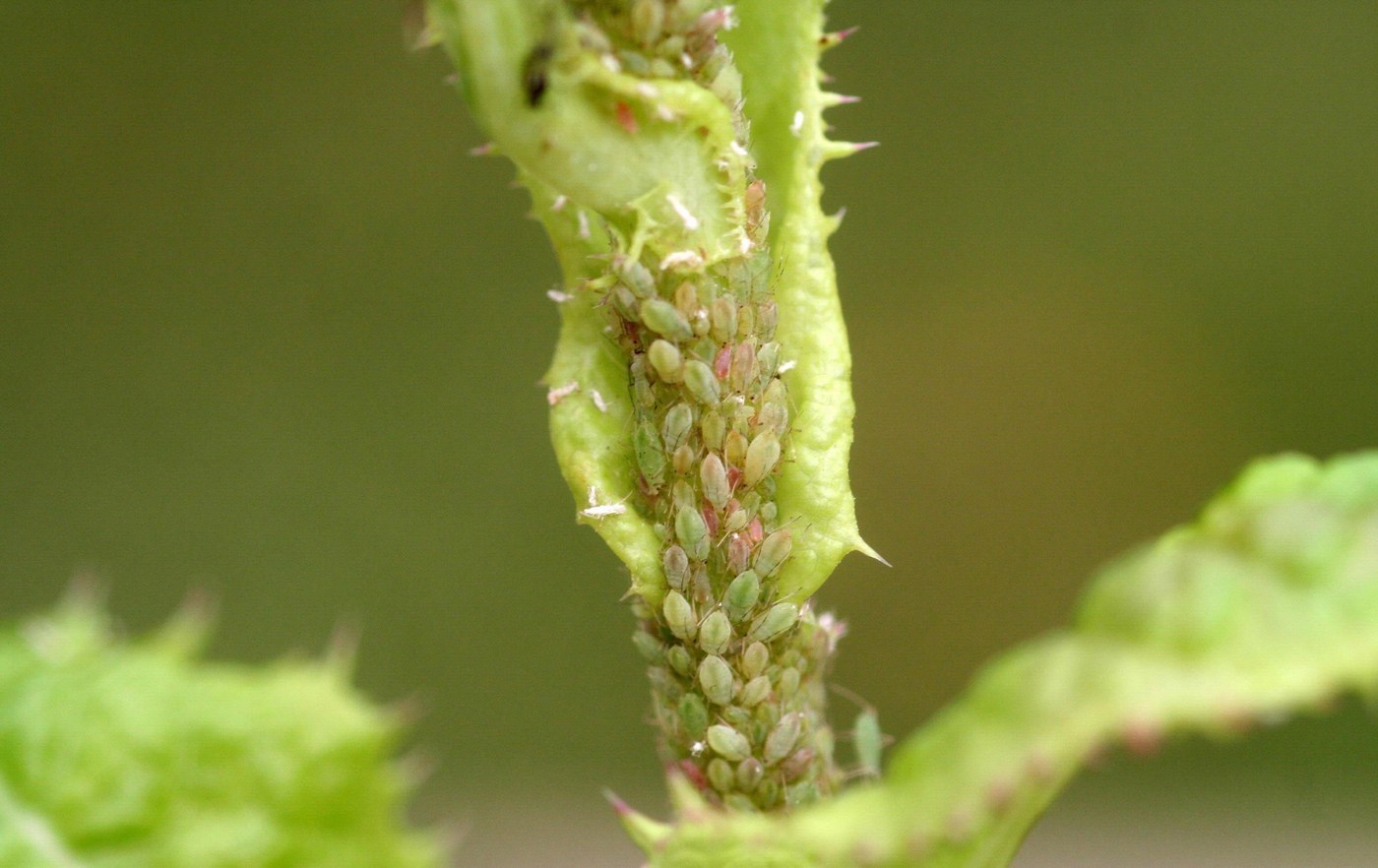
Aphid
On stems, leaves, and buds of a very wide range of host plants
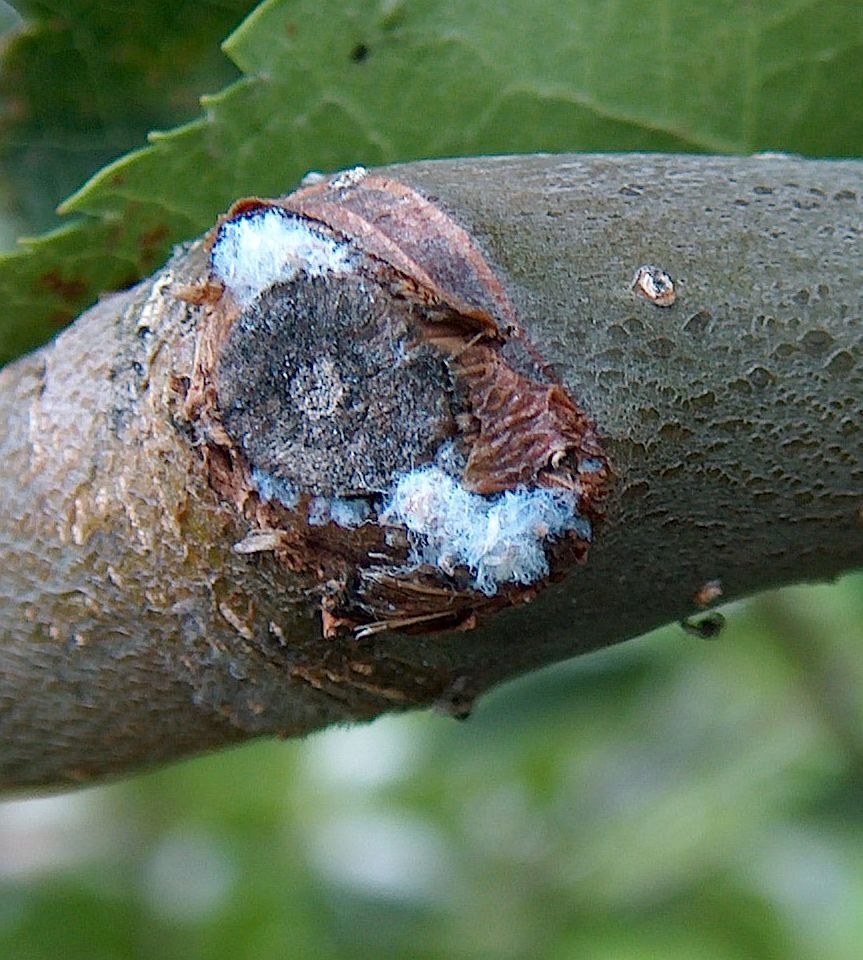
Woolly Aphid
Bark crevices, root collars, and twigs of apple, elm, and alder trees
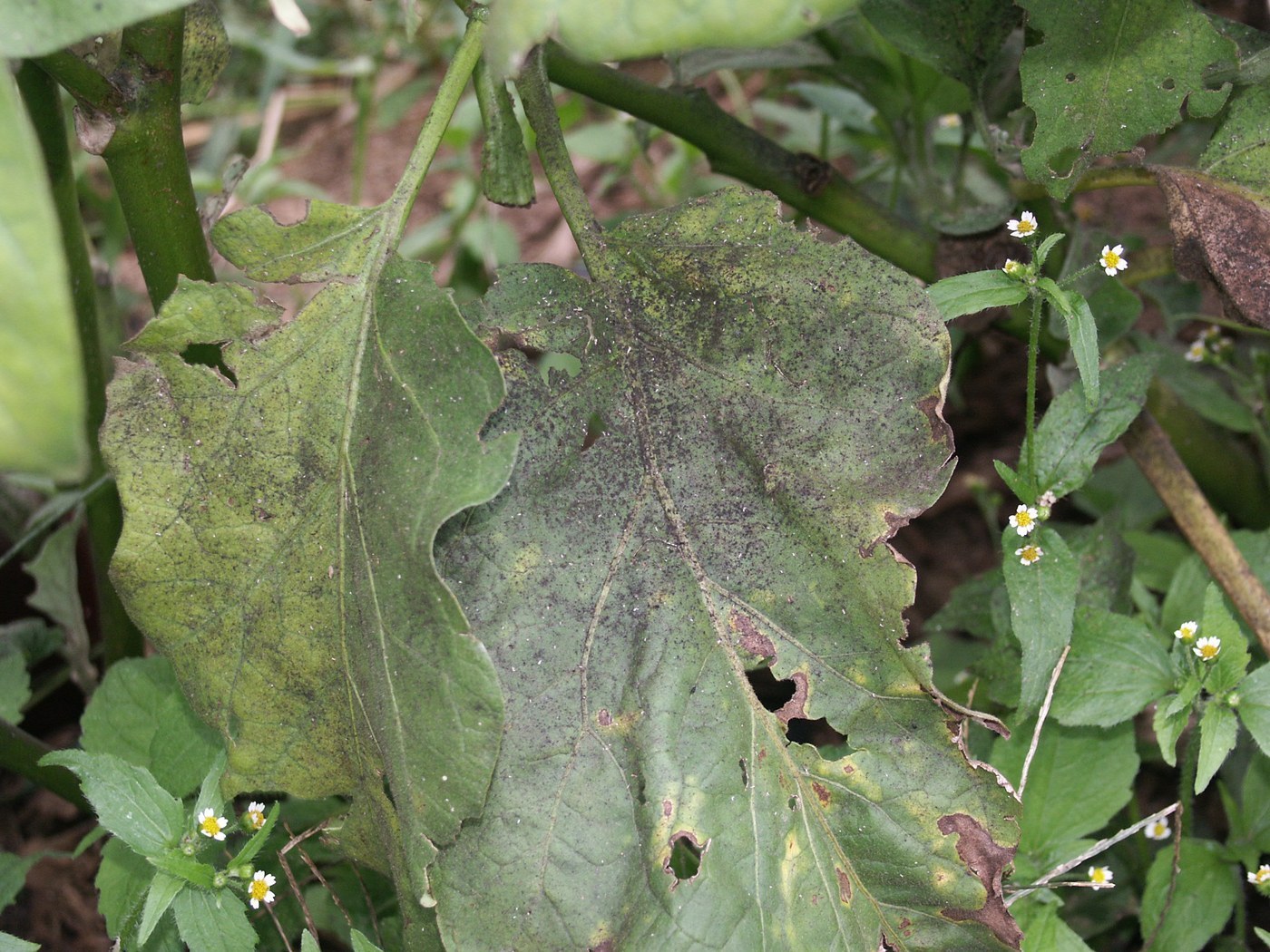
Whitefly
Greenhouses, gardens, and undersides of leaves on host plants
Water Measurer
Quiet edges of ponds, marshes, and slow streams
Two-Spotted Stink Bug
Gardens and fields with potato and nightshade-family plants