
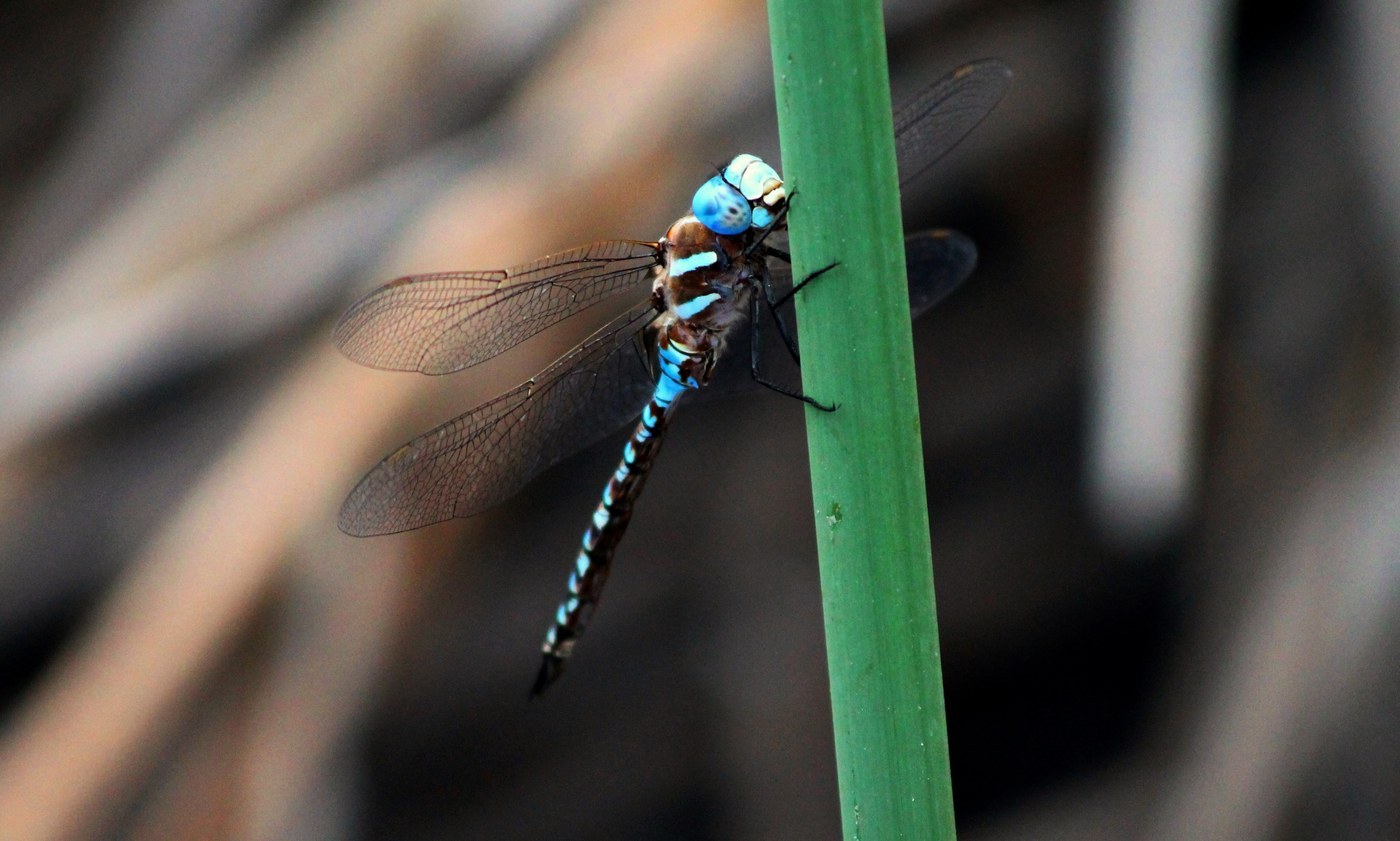
Blue-eyed Darner
Rhionaeschna multicolor
A large, fast-flying darner with brilliant sky-blue eyes that meet in a seam across the top of the head, patrolling ponds and open fields well into the evening.
- Size
- Body about 2.5–2.9 in (63–73 mm) long; wingspan around 3.5–4 in (89–102 mm)
- Habitat
- Ponds, lakes, and slow streams across the western United States and Canada
- Danger
- Harmless
Spotted a bug like this?
Identify any bug or insect from a photo, free.
Overview
The Blue-eyed Darner is a large member of the family Aeshnidae, the darners or hawkers, dragonflies known for their strong, continuous flight and large compound eyes that meet along the top of the head. As its name suggests, this species is best known for its vivid blue eyes, paired with a brown thorax marked by blue or blue-green stripes.
Unlike many skimmers that spend much of their time perched, darners like this one are almost constantly airborne, cruising back and forth over water or open ground while hunting. This gives them a hawk-like presence, and they are often noticed at dusk when other dragonflies have already settled down for the night.
Widespread across the western half of North America, the Blue-eyed Darner is a familiar sight over ponds, irrigation ditches, and open fields far from any water body.
How to Identify
- Large darner with eyes that are bright blue and meet broadly across the top of the head
- Thorax brown with pale blue or blue-green lateral stripes
- Abdomen dark brown to black with a series of blue spots in males; females may show blue or duller brownish spotting (color polymorphism)
- Long, slender abdomen and narrow-based wings typical of the darner family
- Lookalikes: other Rhionaeschna and Aeshna species look similar; eye color and precise thoracic stripe pattern are needed to separate closely related darners with certainty
Habitat & Range
Common across the western United States, western Canada, and into Mexico, the Blue-eyed Darner breeds in ponds, lakes, and slow streams that have some fringing vegetation. Adults frequently range far from water, foraging over meadows, agricultural fields, and even parking lots or gardens well away from any pond. They are active from late spring through fall depending on elevation and latitude.
Behavior & Diet
This species is a relentless flier, patrolling back and forth over open areas for long stretches without landing, and it is one of the last dragonflies still hunting as light fades in the evening. When it does perch, it typically hangs vertically from a twig or tree trunk rather than resting horizontally. Adults feed on small to medium flying insects captured in flight, including mosquitoes, flies, and moths, making them valuable predators over open fields as well as around water. Larvae are active climbers among submerged plants, ambushing aquatic invertebrates and small fish fry.
Life Cycle
Mating pairs form a characteristic wheel shape, after which females typically insert eggs individually into plant stems or floating vegetation just below or at the waterline, sometimes without the male standing guard. Eggs hatch into elongate aquatic nymphs that climb through submerged plants using long legs, preying on other invertebrates as they grow through multiple instars over one or more years. Mature nymphs crawl out of the water onto emergent vegetation to complete their final molt into winged adults, typically in late spring or early summer.
Frequently asked questions
What makes the Blue-eyed Darner easy to identify?
Its strikingly blue eyes, which touch across the top of the head, combined with blue-striped shoulders, help separate it from many other large darners.
Do Blue-eyed Darners stay near water?
Not always; adults often forage far from ponds or lakes, patrolling meadows, fields, and gardens well away from any water source.
When are Blue-eyed Darners most active?
They are frequently seen hunting later in the day than many other dragonflies, sometimes still patrolling as dusk approaches.
How do Blue-eyed Darner nymphs develop?
The aquatic nymphs climb among submerged vegetation, hunting other invertebrates, and pass through multiple molts before crawling out of the water to emerge as adults.
Blue-eyed Darner guides
In-depth guides for identifying, understanding, and living alongside Blue-eyed Darner.
Other bugs you may enjoy
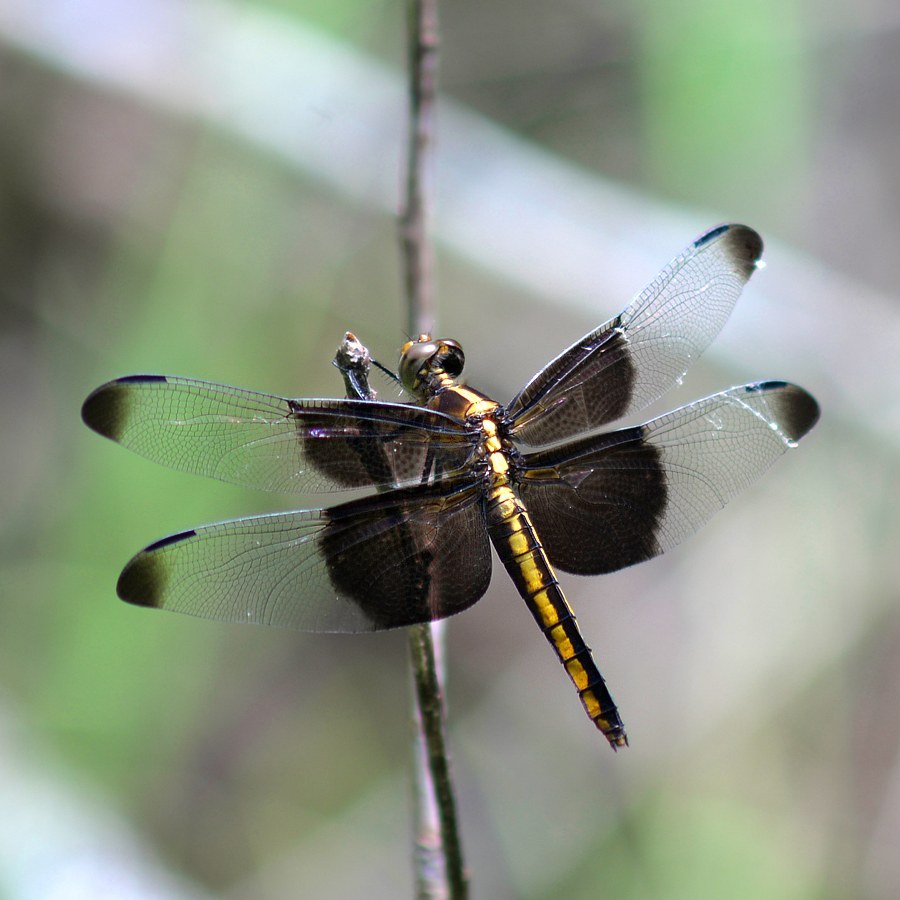
Widow Skimmer
ponds, lakes, and slow-moving streams with open shoreline vegetation across much of the United States
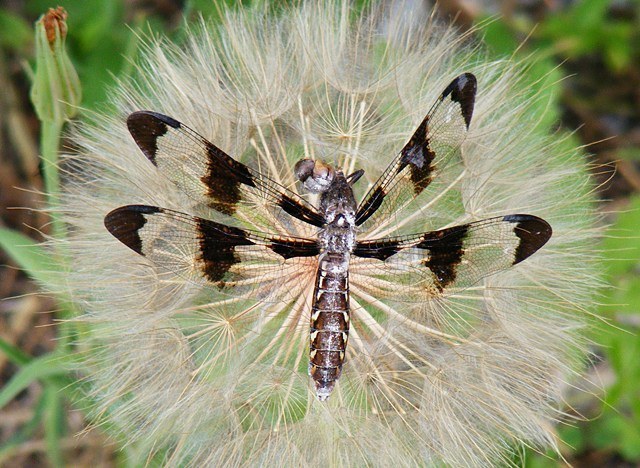
Twelve-spotted Skimmer
Ponds, lakes, and slow streams with open, sunny shorelines
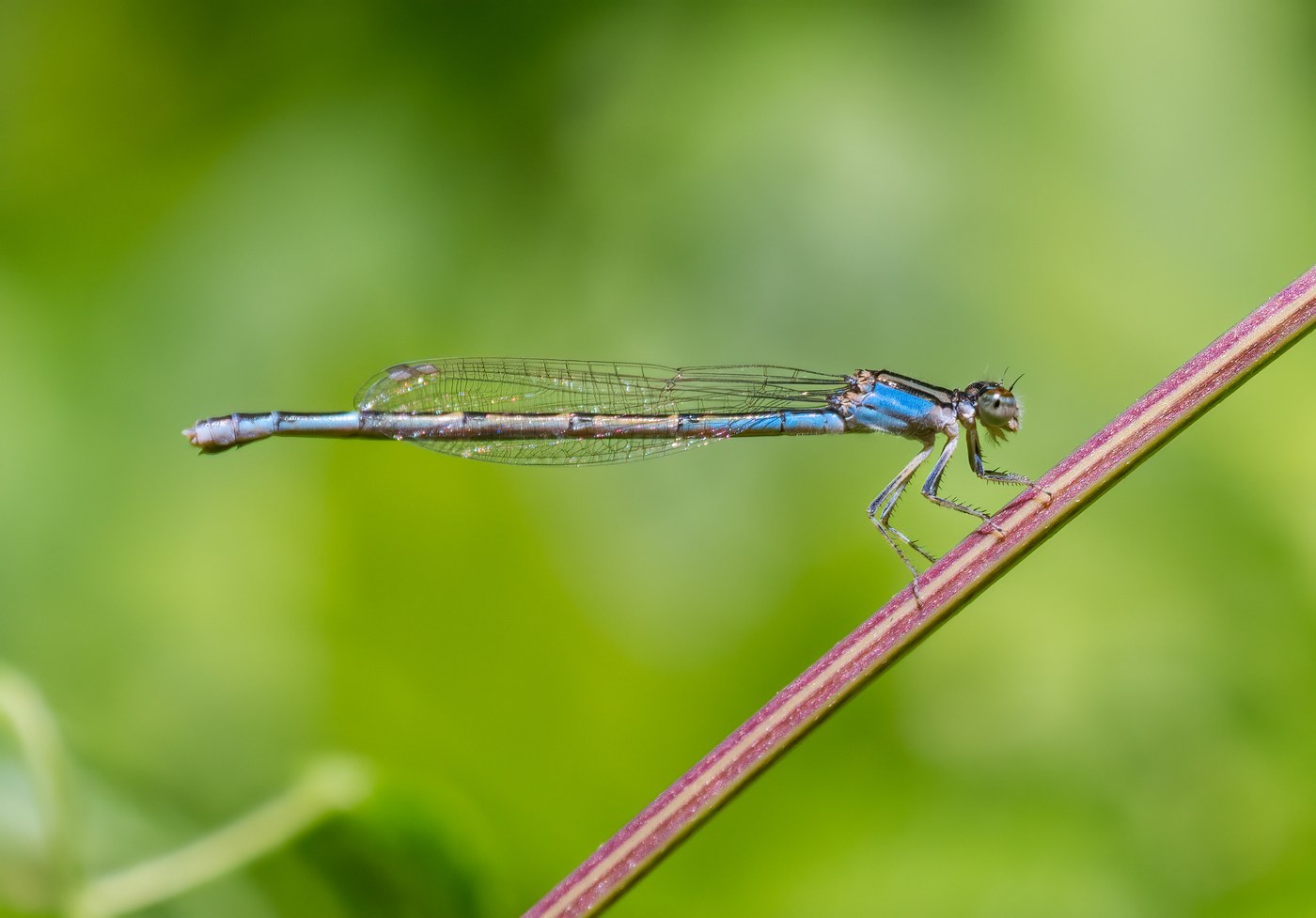
Azure Bluet
ponds, lakes, and slow streams with abundant aquatic vegetation
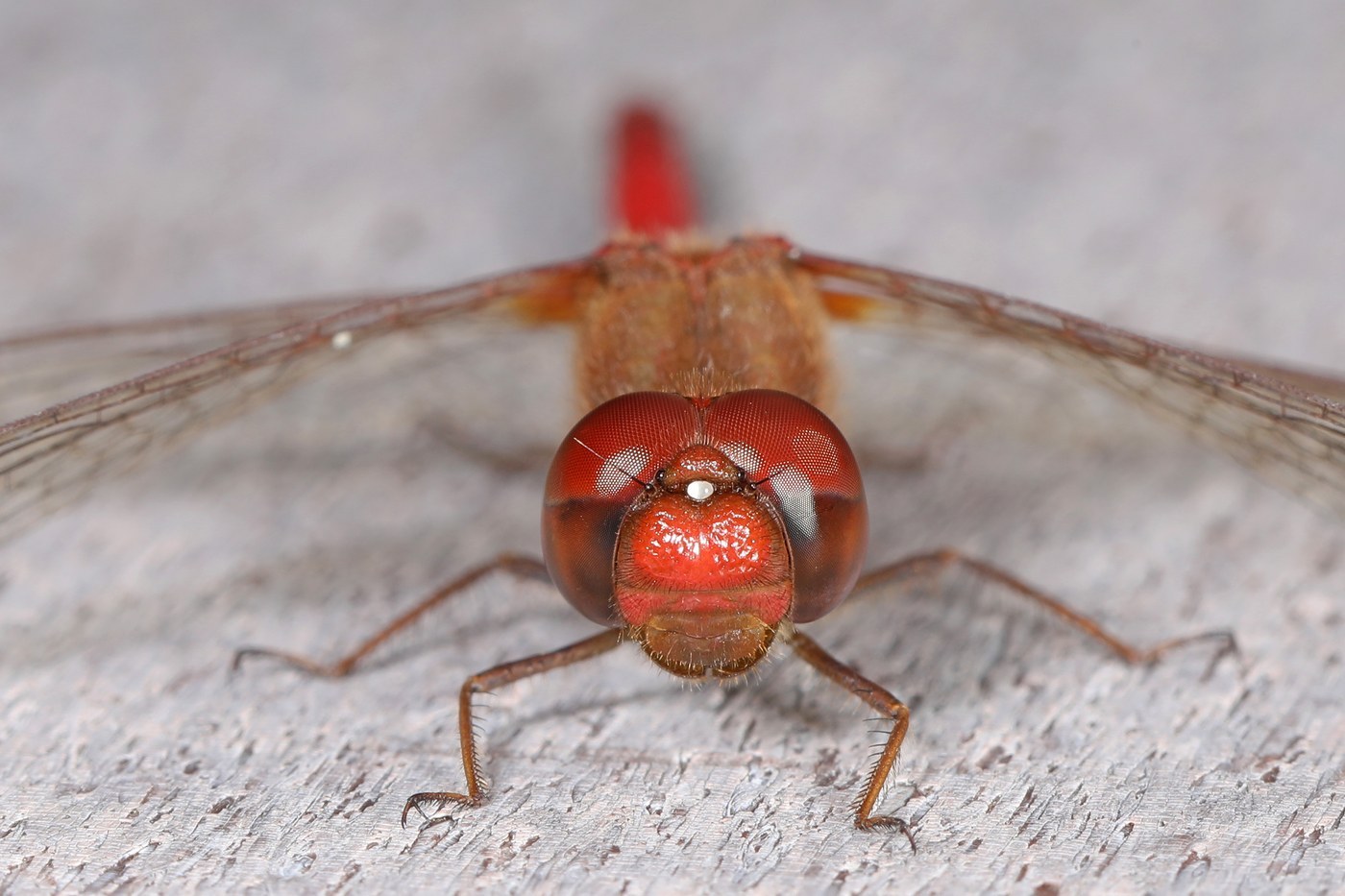
Autumn Meadowhawk
Ponds, marshes, and slow streams, often lingering into late fall
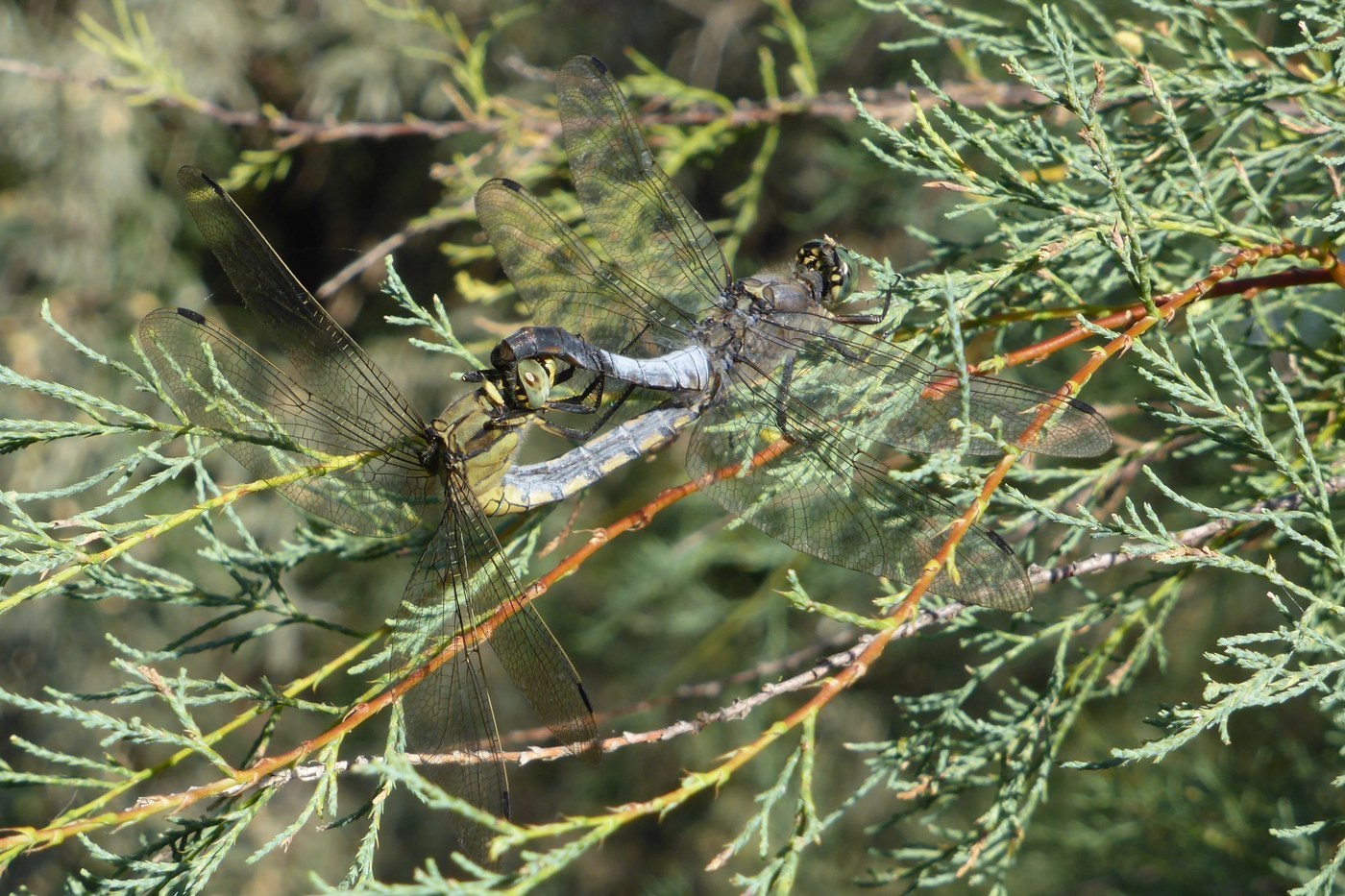
Spangled Skimmer
Ponds, lakes, and marshes with open sunny shorelines
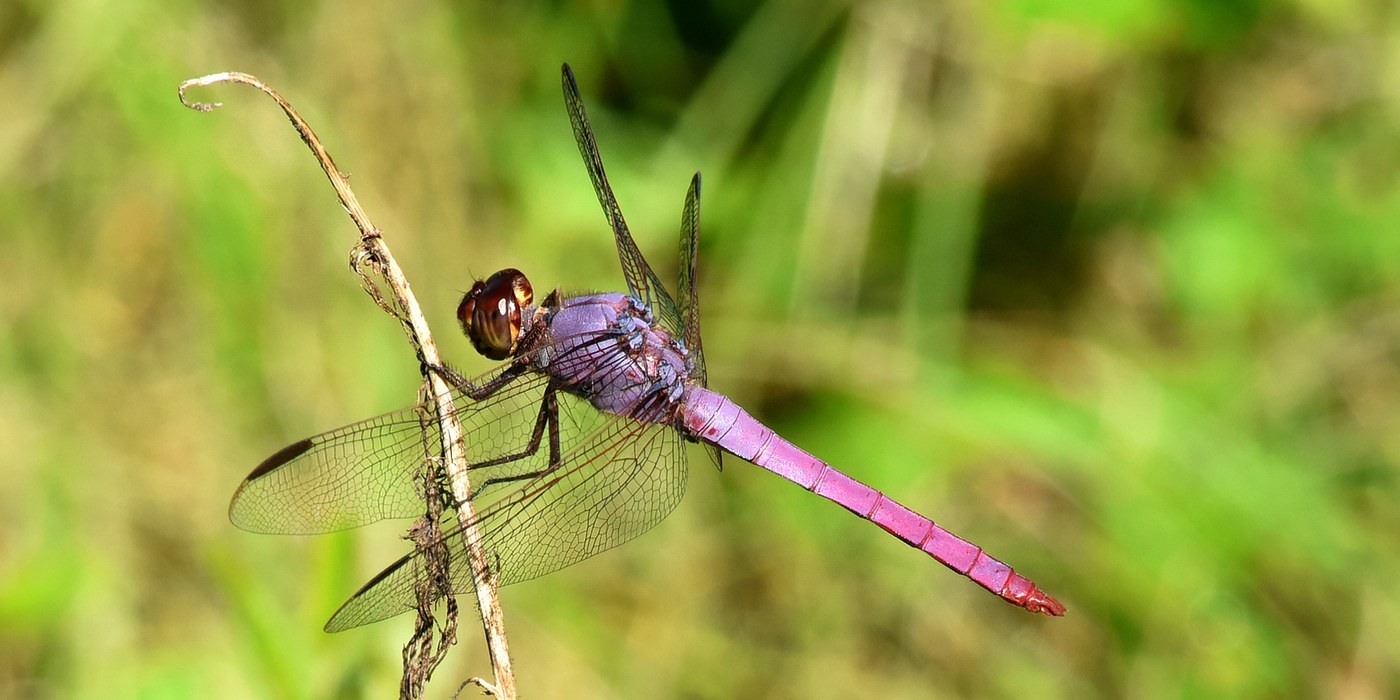
Roseate Skimmer
Ponds, ditches, and canals across the southern United States
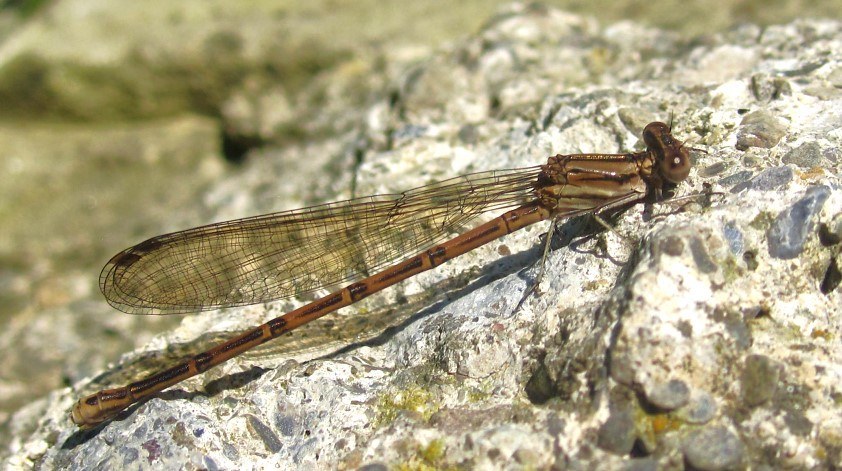
Variable Dancer
streams, rivers, and pond margins, especially in wooded or partly shaded settings
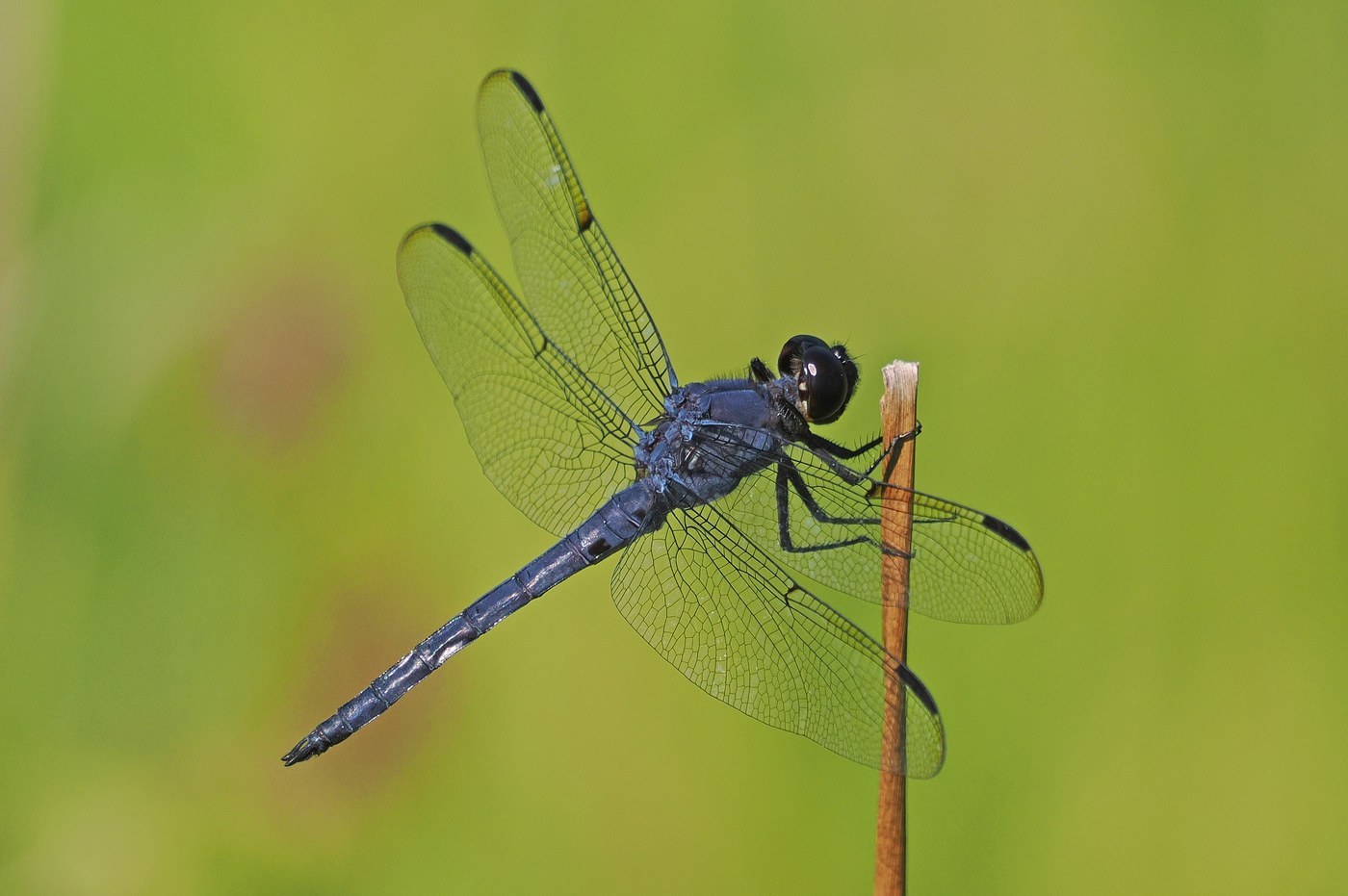
Slaty Skimmer
Still or slow-moving ponds, lakes, and marshes with open shoreline
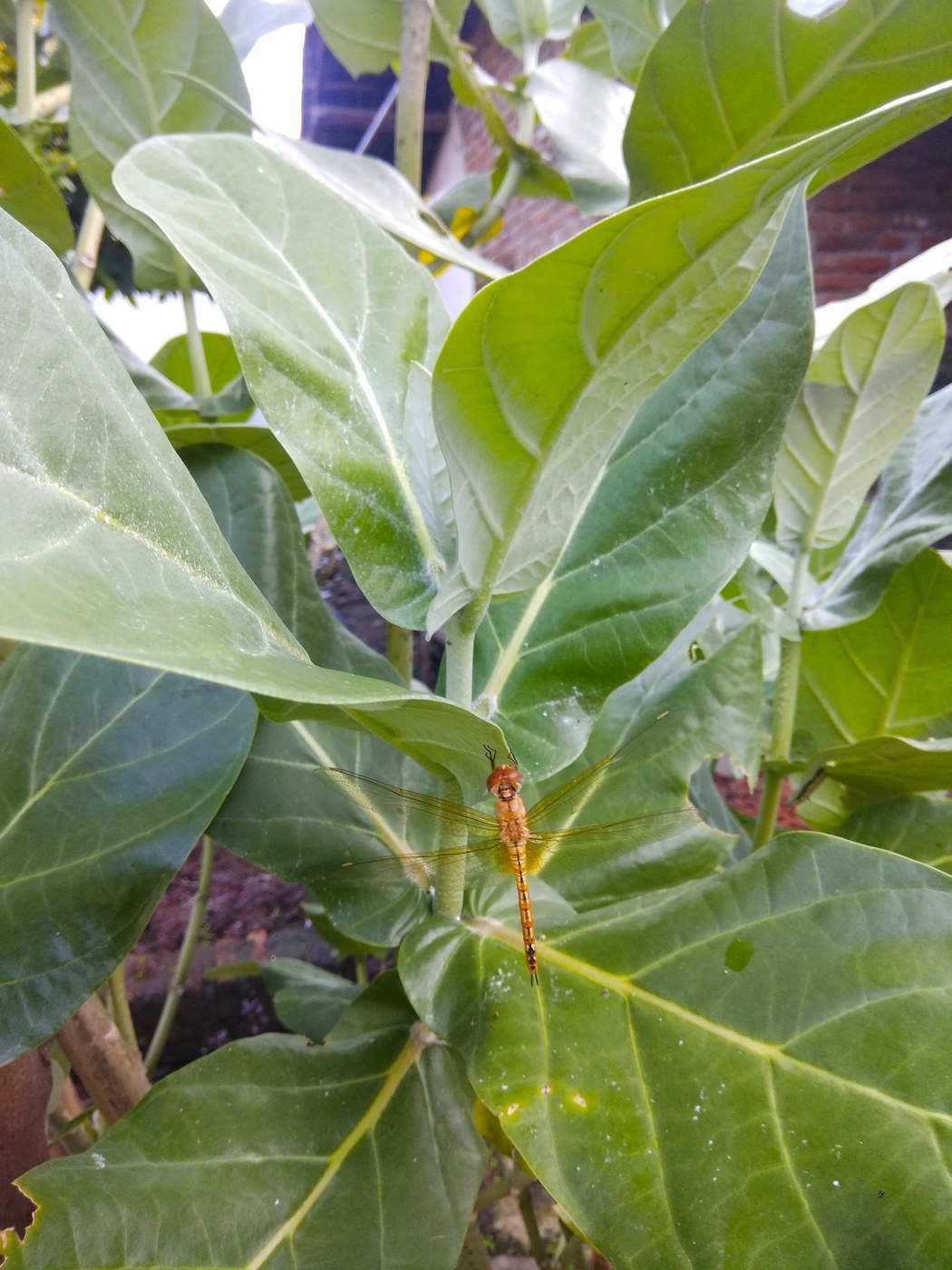
Wandering Glider
Temporary pools, open fields, and coastlines nearly worldwide
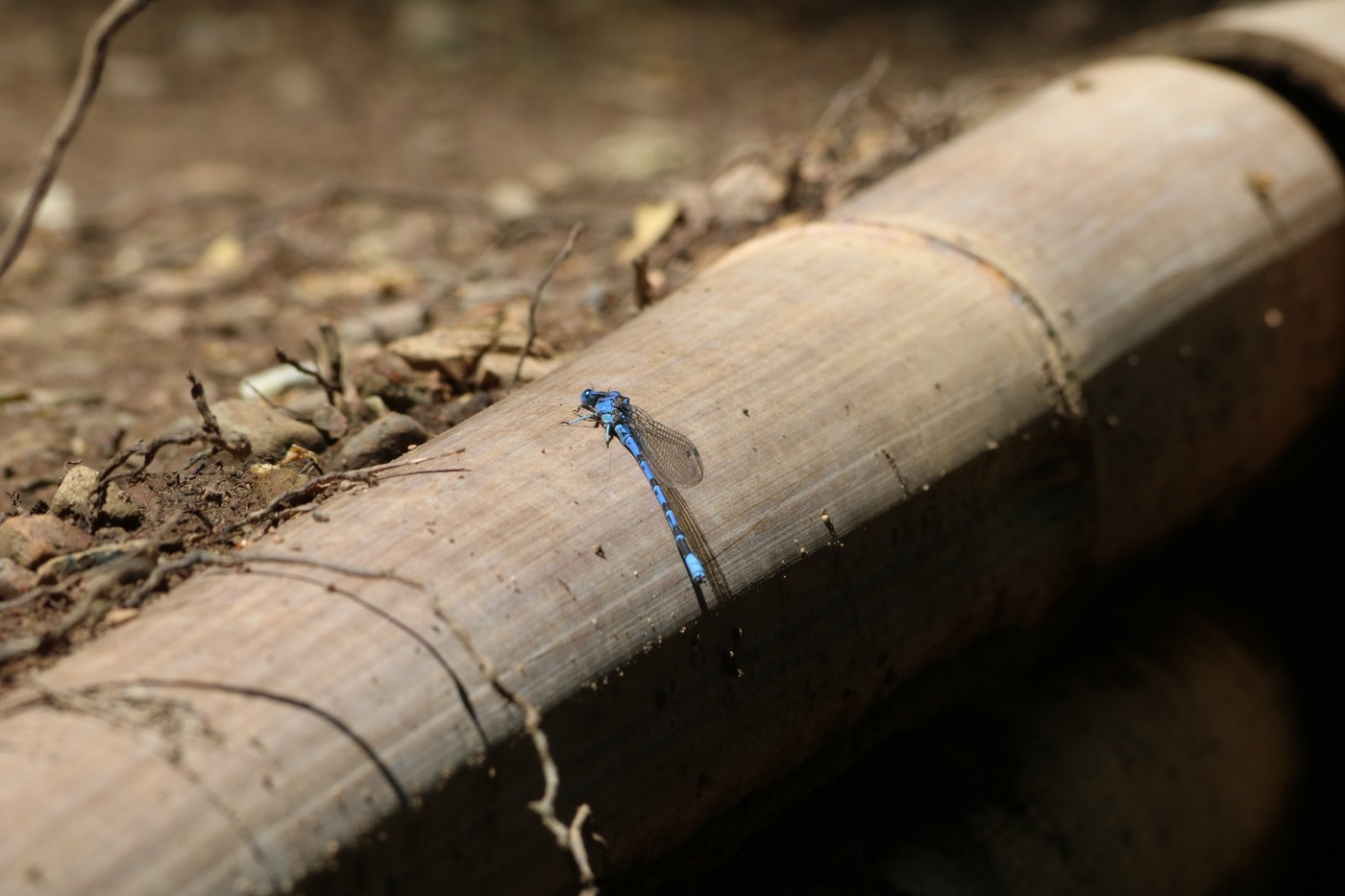
Vivid Dancer
rocky streams, seeps, and spring-fed creeks, often near thermal or warm springs
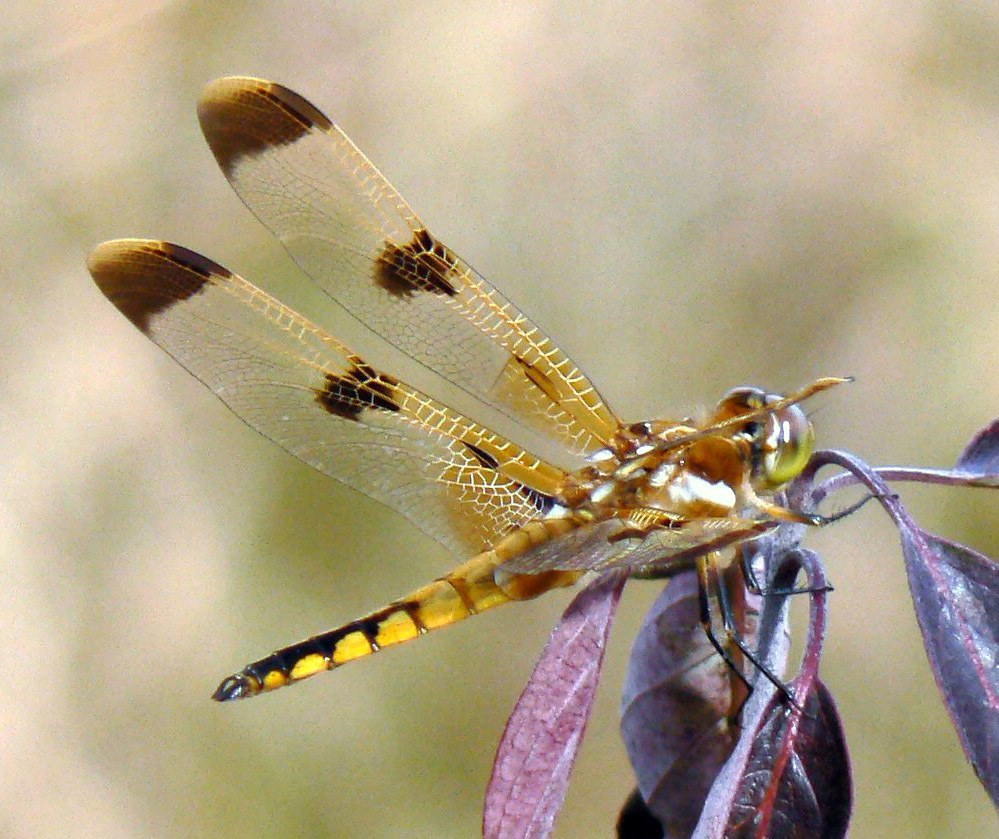
Painted Skimmer
Ponds, marshes, and slow-moving vegetated waters, including temporary pools
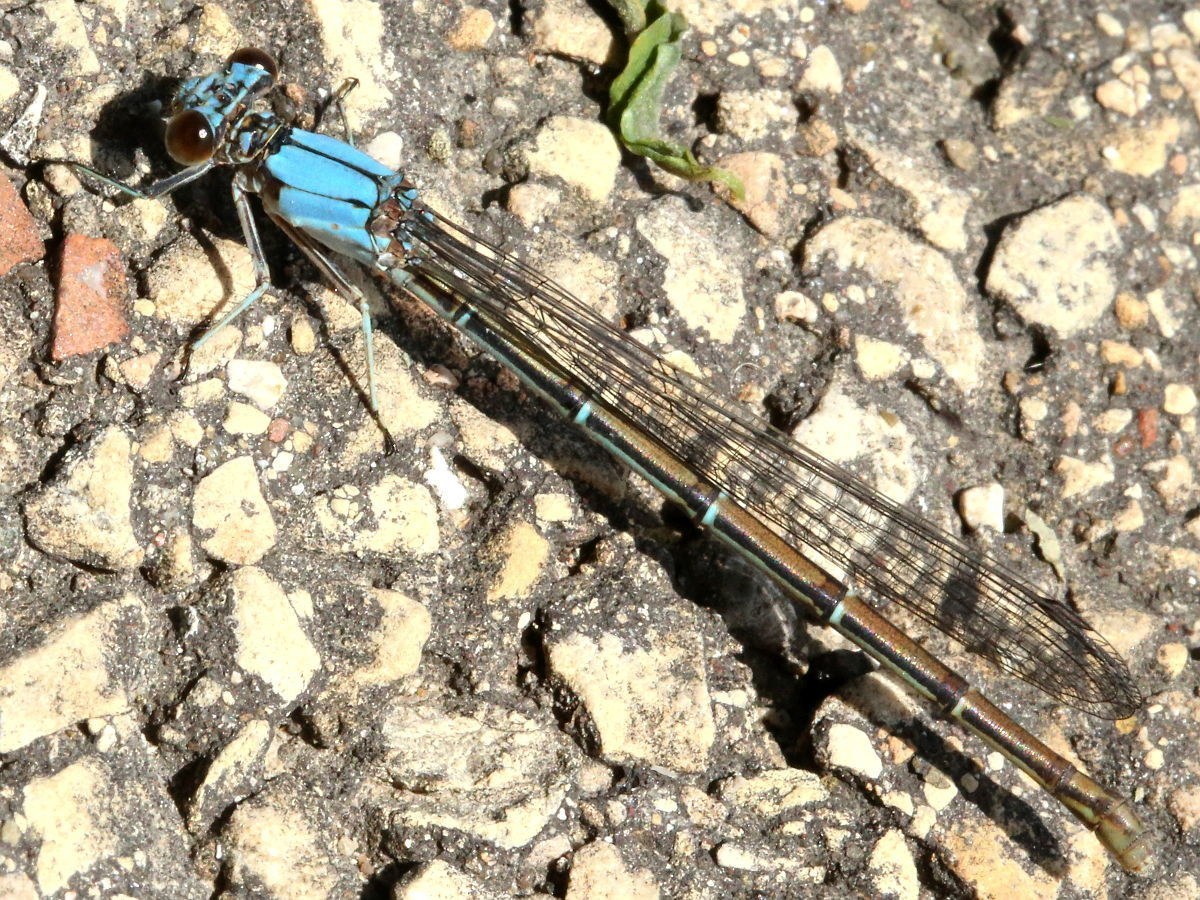
Powdered Dancer
rocky and gravelly rivers, streams, and lake shorelines