
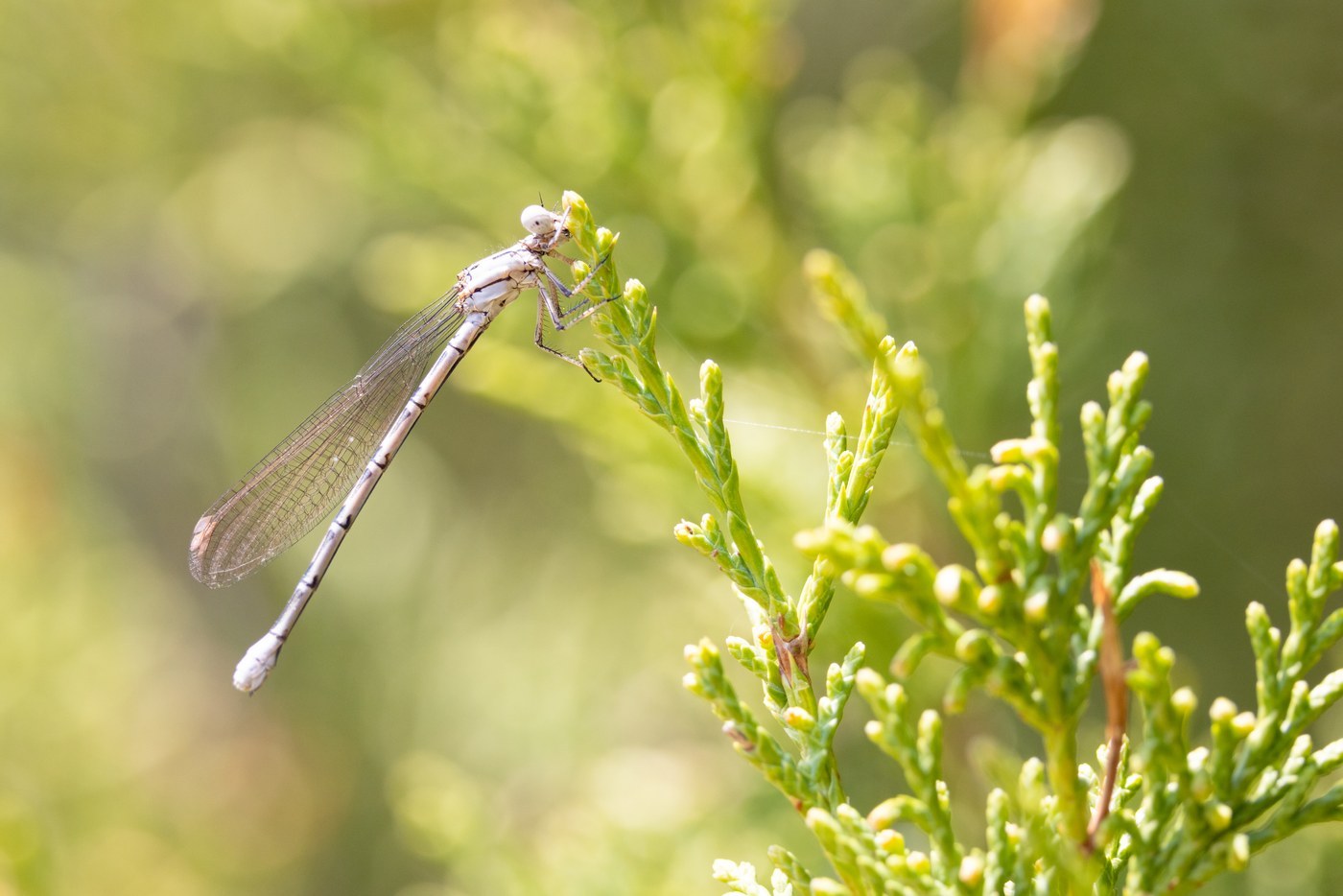
Bluet Damselfly
Enallagma spp.
Small and delicate, bluet damselflies flash brilliant blue and black along the vegetated edges of ponds and lakes, forming mating pairs that fly in tandem while laying eggs directly into plant stems underwater.
- Size
- Body length 2.5-4 cm (1-1.6 in)
- Habitat
- Ponds, lakes, and slow-flowing streams with vegetation
- Danger
- Harmless
Spotted a bug like this?
Identify any bug or insect from a photo, free.
Overview
Bluets are a large group of slender, narrow-winged damselflies in the genus Enallagma, widespread across ponds, lakes, and slow streams in North America and parts of Europe. Males of most species are bright blue with black markings along the thorax and abdomen, while females tend to be duller, often showing more brown, tan, or pale blue-green coloring, making accurate species identification within the group challenging without close examination.
Like other damselflies, bluets rest with their wings folded together above the body rather than spread flat, and they have a comparatively weak, fluttering flight compared to true dragonflies. They are frequently seen in mating pairs or ovipositing females forming a connected tandem chain, with the male continuing to grip the female behind the head while she deposits eggs into submerged or floating vegetation.
How to Identify
- Small, slender body with narrow, clear wings held together above the back at rest
- Males typically bright blue with black markings on the thorax and abdominal segments
- Females usually duller, often brownish, tan, or pale blue-green rather than vivid blue
- Eyes set apart on a relatively narrow head, unlike the touching or nearly touching eyes of true dragonflies
- Many bluet species look nearly identical and often require close inspection of abdominal markings to distinguish reliably
Habitat & Range
Bluet damselflies are found around still or slow-moving freshwater with abundant aquatic or emergent vegetation, including ponds, lake margins, marshes, and quiet stream backwaters, across much of North America and parts of Europe. Adults are typically active from late spring through late summer, staying close to the water where they developed.
Behavior & Diet
Adults hunt small flying insects such as midges and mosquitoes, catching prey on the wing near vegetation close to the water. Mating pairs often fly in tandem, with the male continuing to grasp the female while she lays eggs into plant tissue at or below the water surface. The aquatic nymphs are predators of smaller invertebrates among submerged plants, and both adults and nymphs serve as important prey for fish, birds, and other predators within pond and lake food webs.
Life Cycle
Females insert eggs into the stems or leaves of aquatic plants, sometimes submerging much of their body to reach suitable tissue underwater. The nymphs that hatch live among submerged vegetation, molting through several instars over a period of weeks to about a year depending on species and climate, while hunting small aquatic invertebrates. When development is complete, the nymph climbs out of the water onto a plant stem, where the winged adult emerges, hardens its wings, and disperses to begin hunting and mating near the same water body.
Frequently asked questions
How can I identify a bluet damselfly?
Look for a small, slender damselfly with narrow wings held together above the body; males are typically bright blue with black markings, though many bluet species look very similar.
Why do bluet pairs fly connected together?
During egg-laying, the male continues to grip the female behind the head while she deposits eggs into plant tissue, a behavior called tandem oviposition that helps guard her from rival males.
What do bluet damselflies eat?
Adults catch small flying insects such as midges and mosquitoes on the wing, while the aquatic nymphs prey on smaller invertebrates among submerged vegetation.
Where do bluet damselflies live?
They are found around ponds, lakes, and slow streams with plenty of aquatic vegetation, mainly across North America and parts of Europe.
Bluet Damselfly guides
In-depth guides for identifying, understanding, and living alongside Bluet Damselfly.
Other bugs you may enjoy
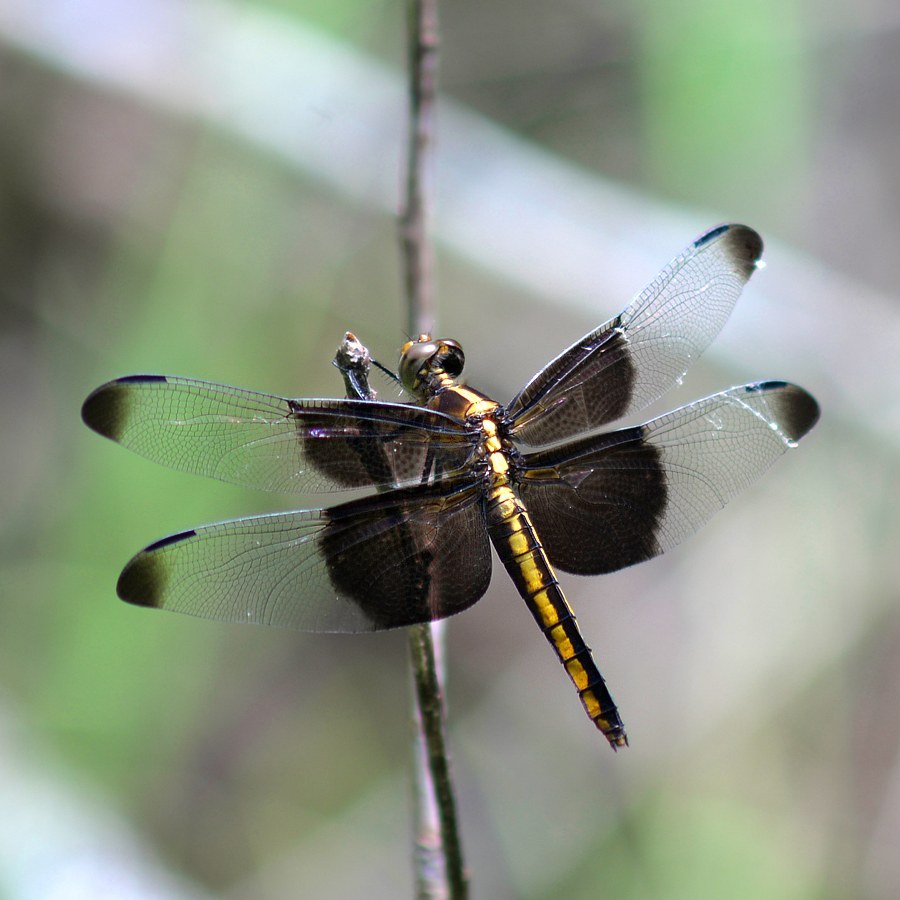
Widow Skimmer
ponds, lakes, and slow-moving streams with open shoreline vegetation across much of the United States
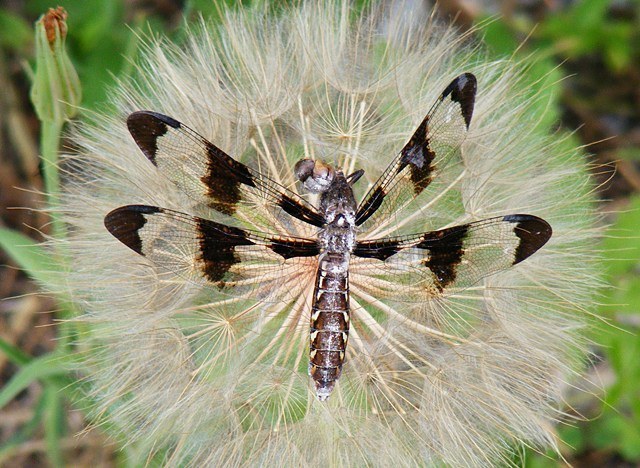
Twelve-spotted Skimmer
Ponds, lakes, and slow streams with open, sunny shorelines
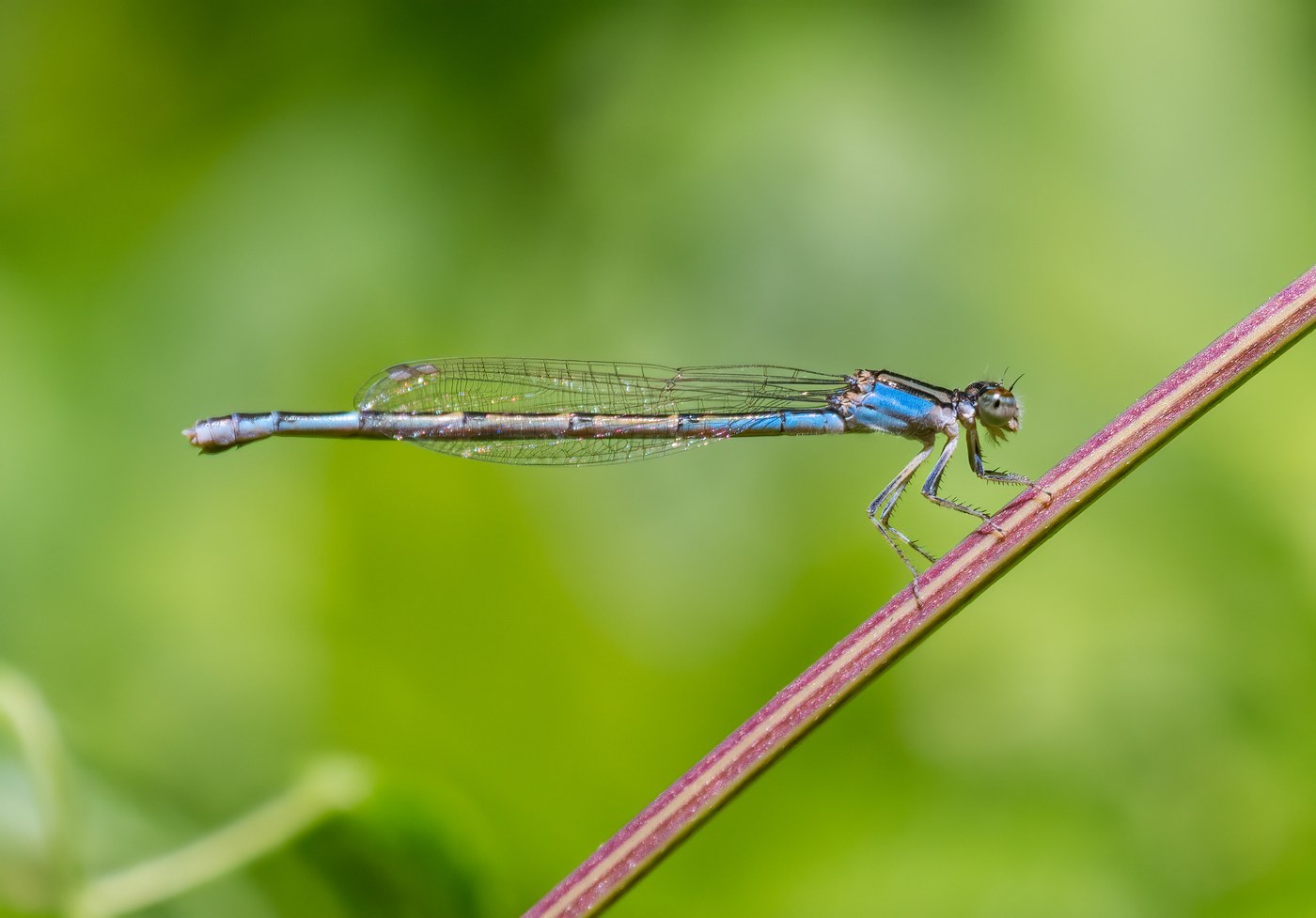
Azure Bluet
ponds, lakes, and slow streams with abundant aquatic vegetation
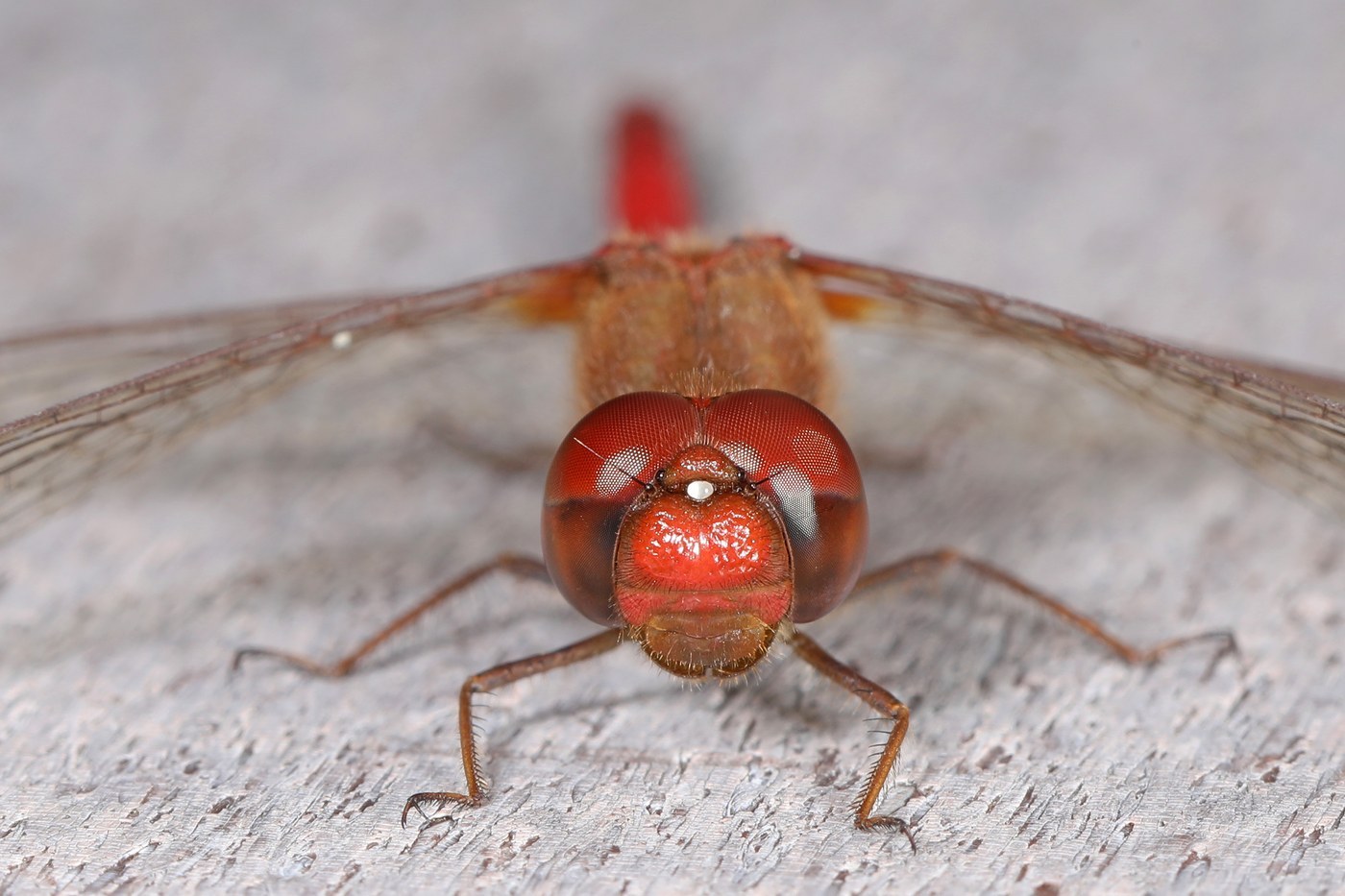
Autumn Meadowhawk
Ponds, marshes, and slow streams, often lingering into late fall
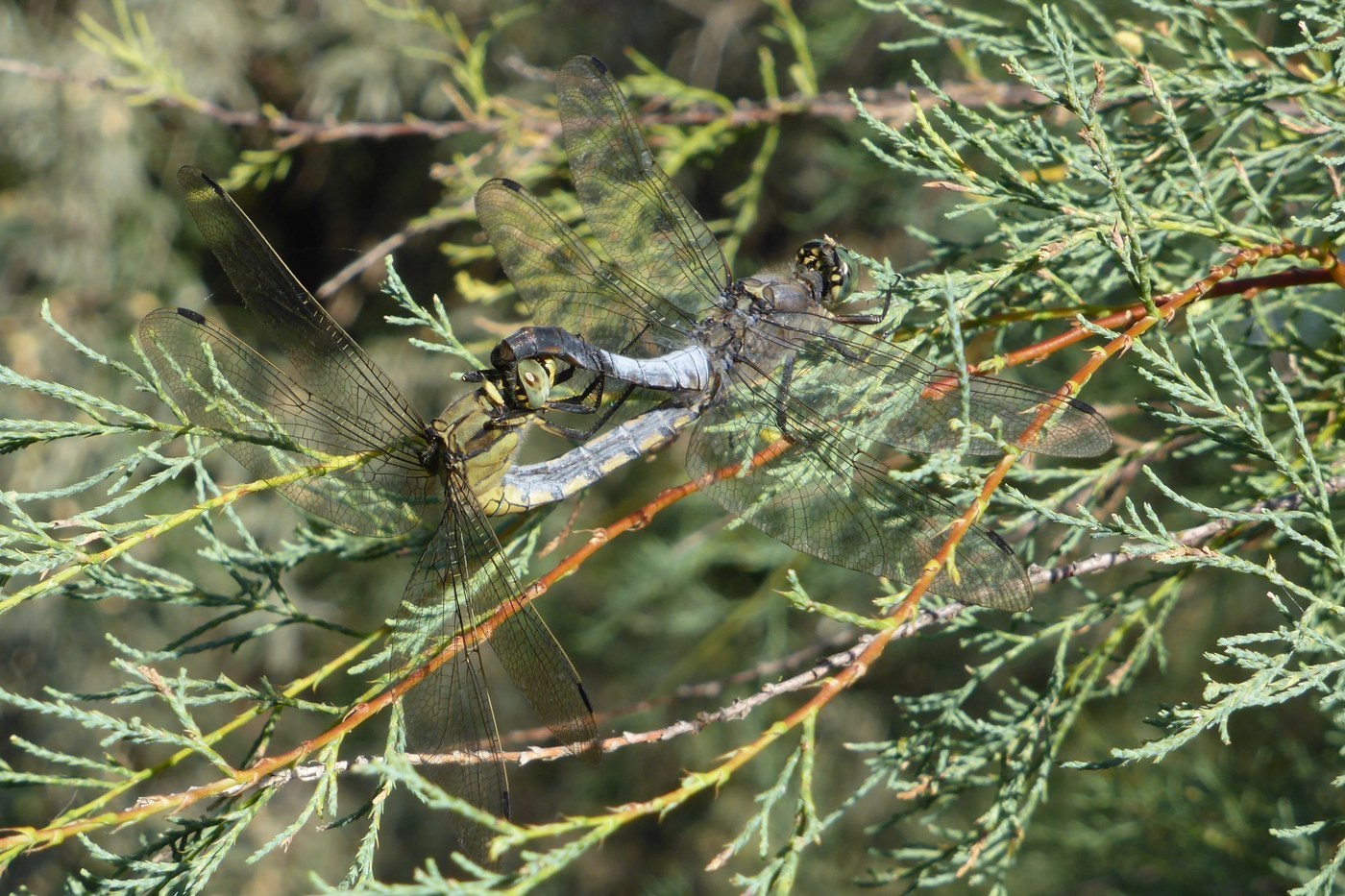
Spangled Skimmer
Ponds, lakes, and marshes with open sunny shorelines
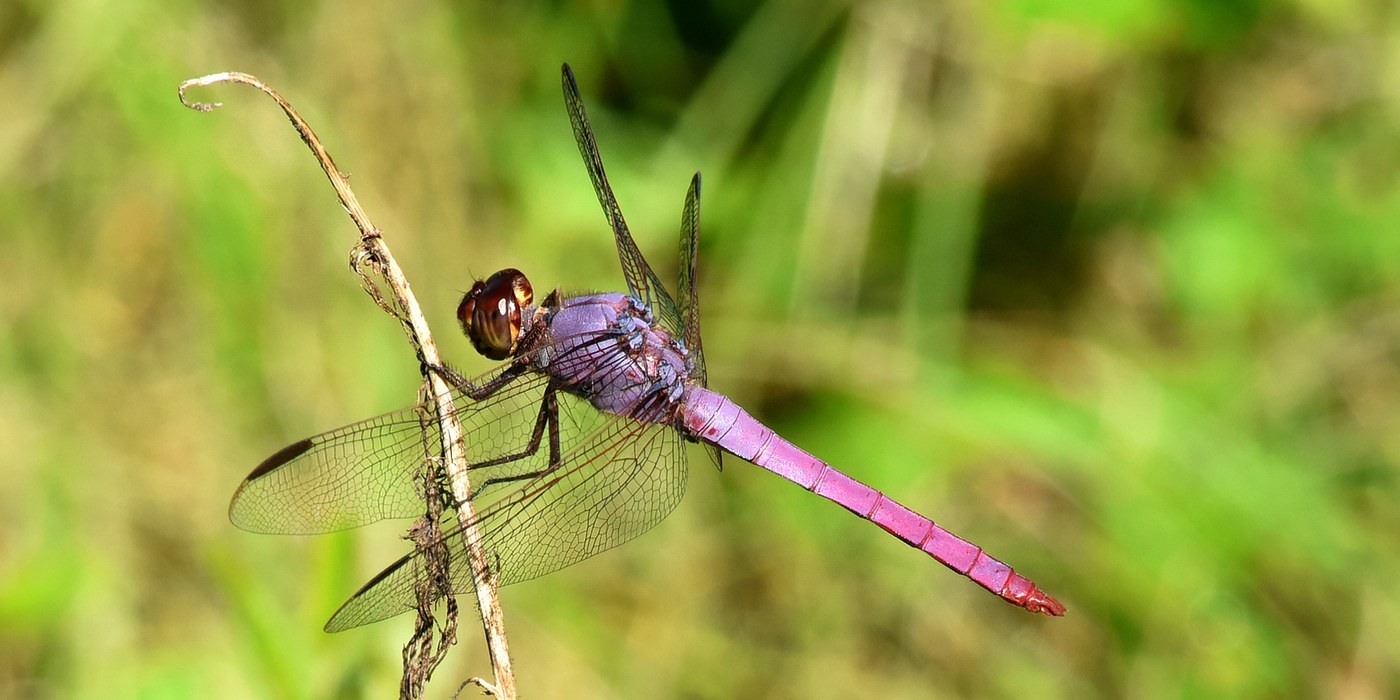
Roseate Skimmer
Ponds, ditches, and canals across the southern United States
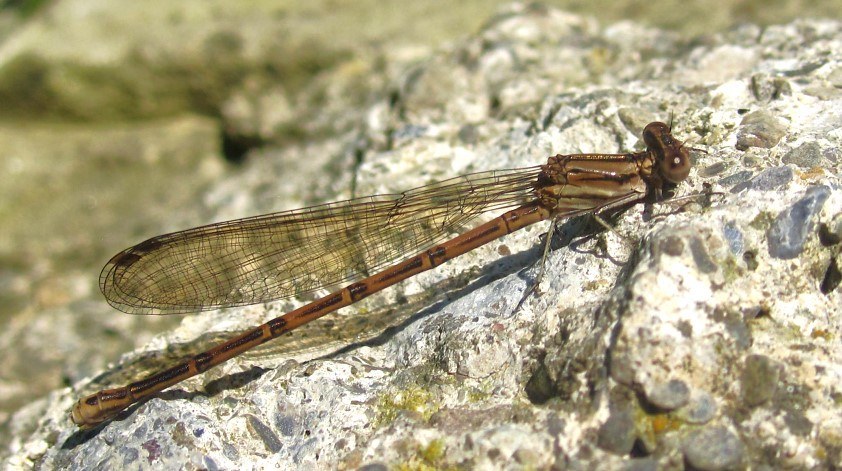
Variable Dancer
streams, rivers, and pond margins, especially in wooded or partly shaded settings
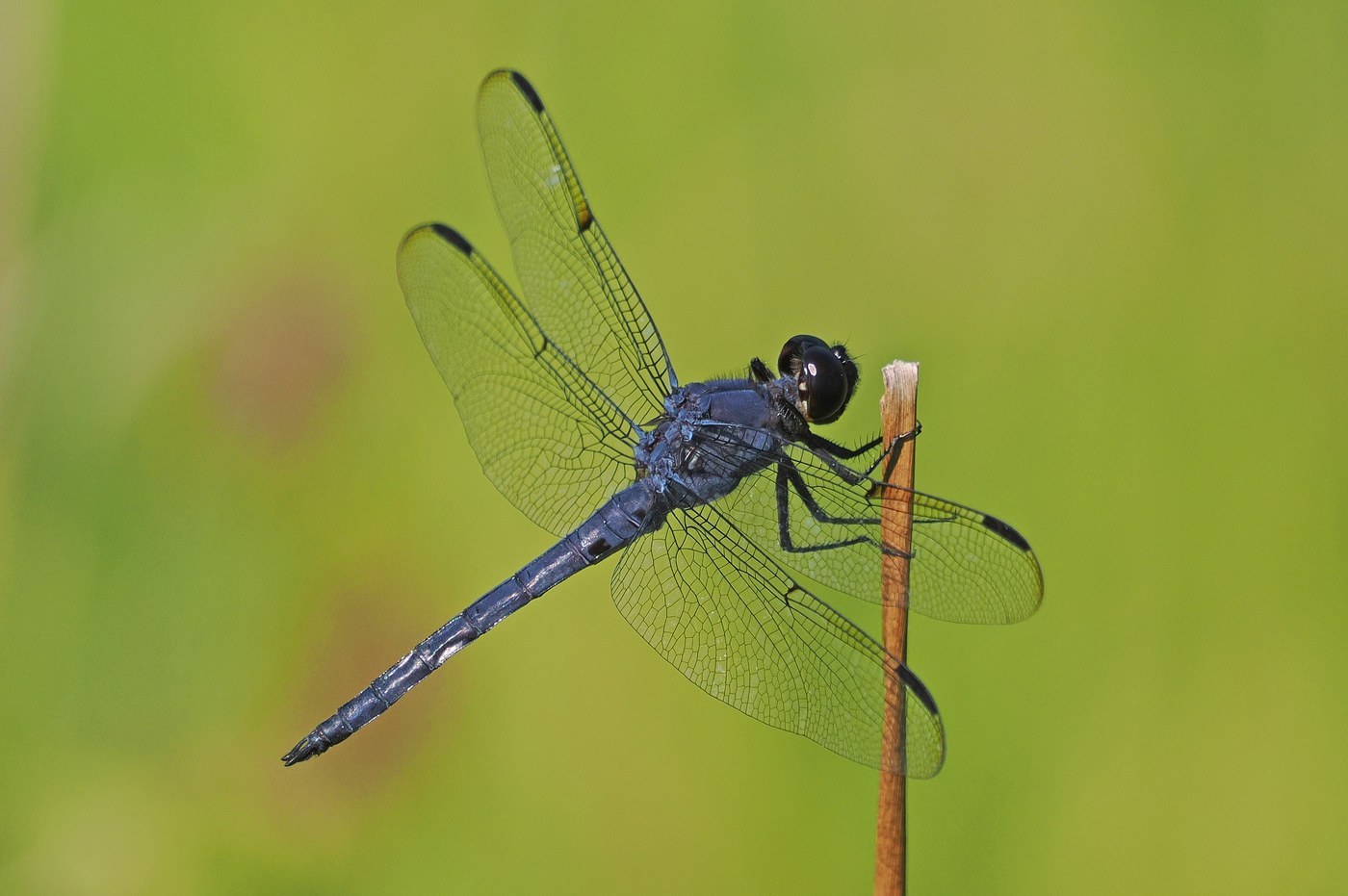
Slaty Skimmer
Still or slow-moving ponds, lakes, and marshes with open shoreline
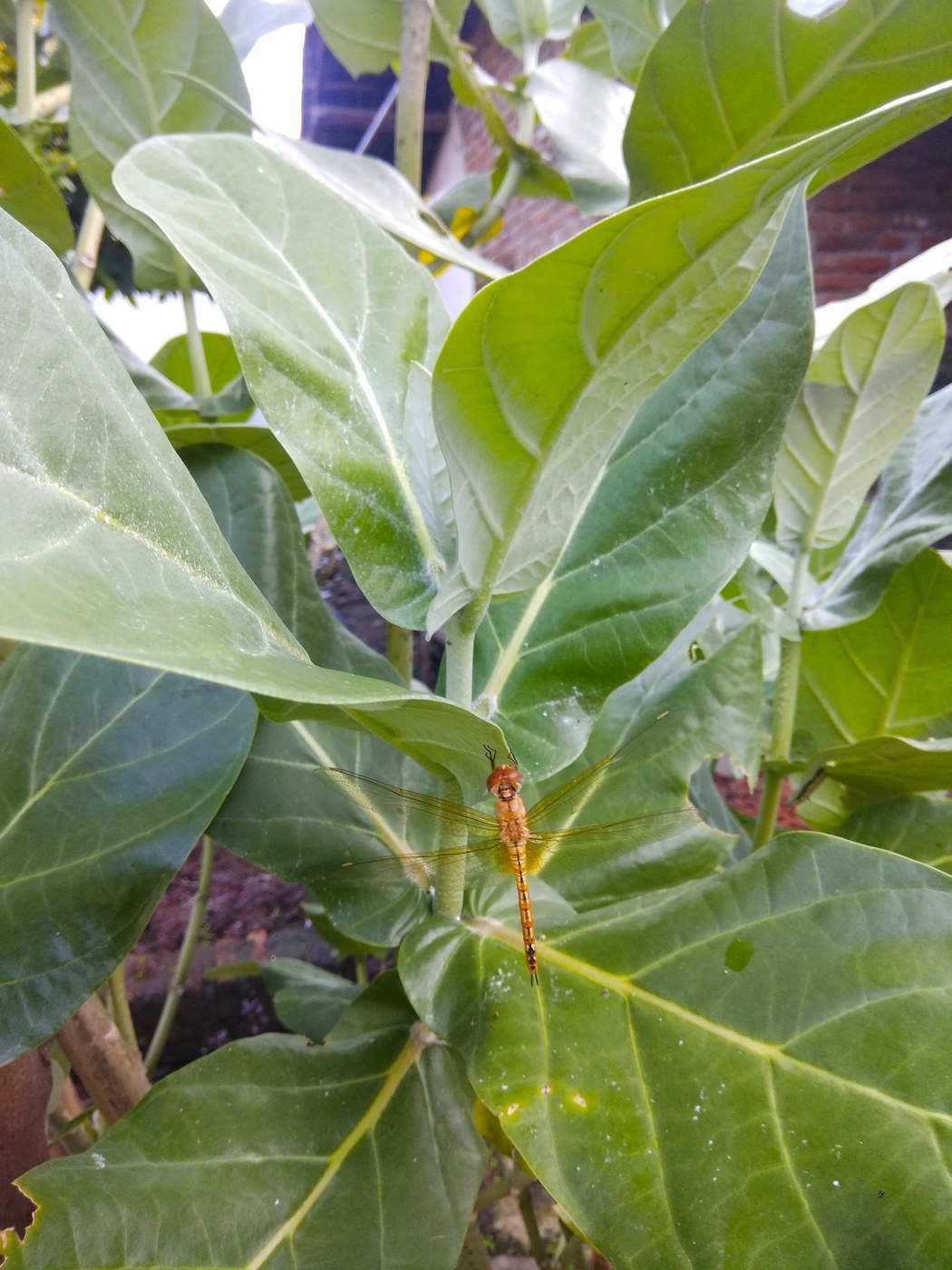
Wandering Glider
Temporary pools, open fields, and coastlines nearly worldwide
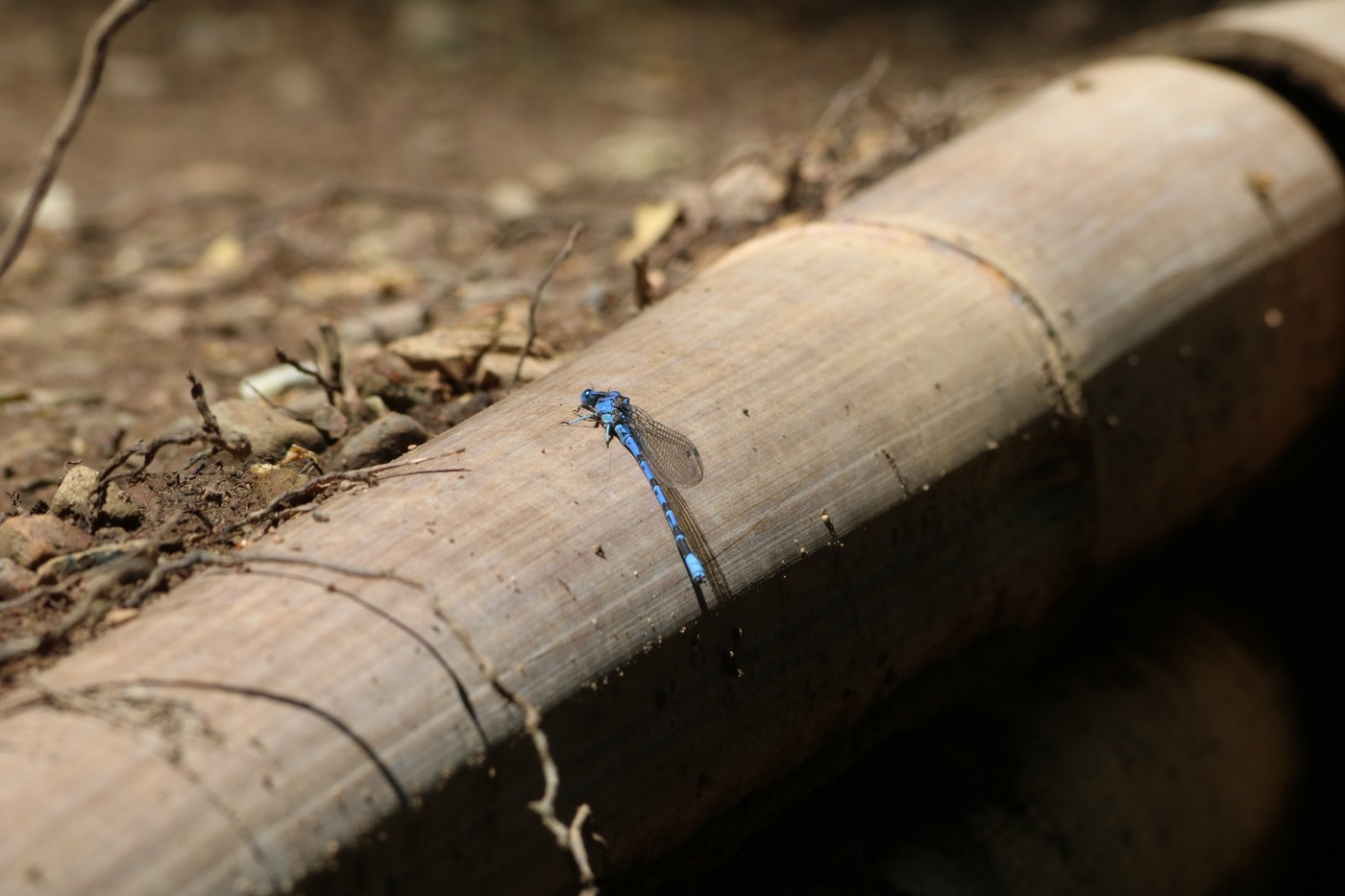
Vivid Dancer
rocky streams, seeps, and spring-fed creeks, often near thermal or warm springs
Painted Skimmer
Ponds, marshes, and slow-moving vegetated waters, including temporary pools
Powdered Dancer
rocky and gravelly rivers, streams, and lake shorelines