
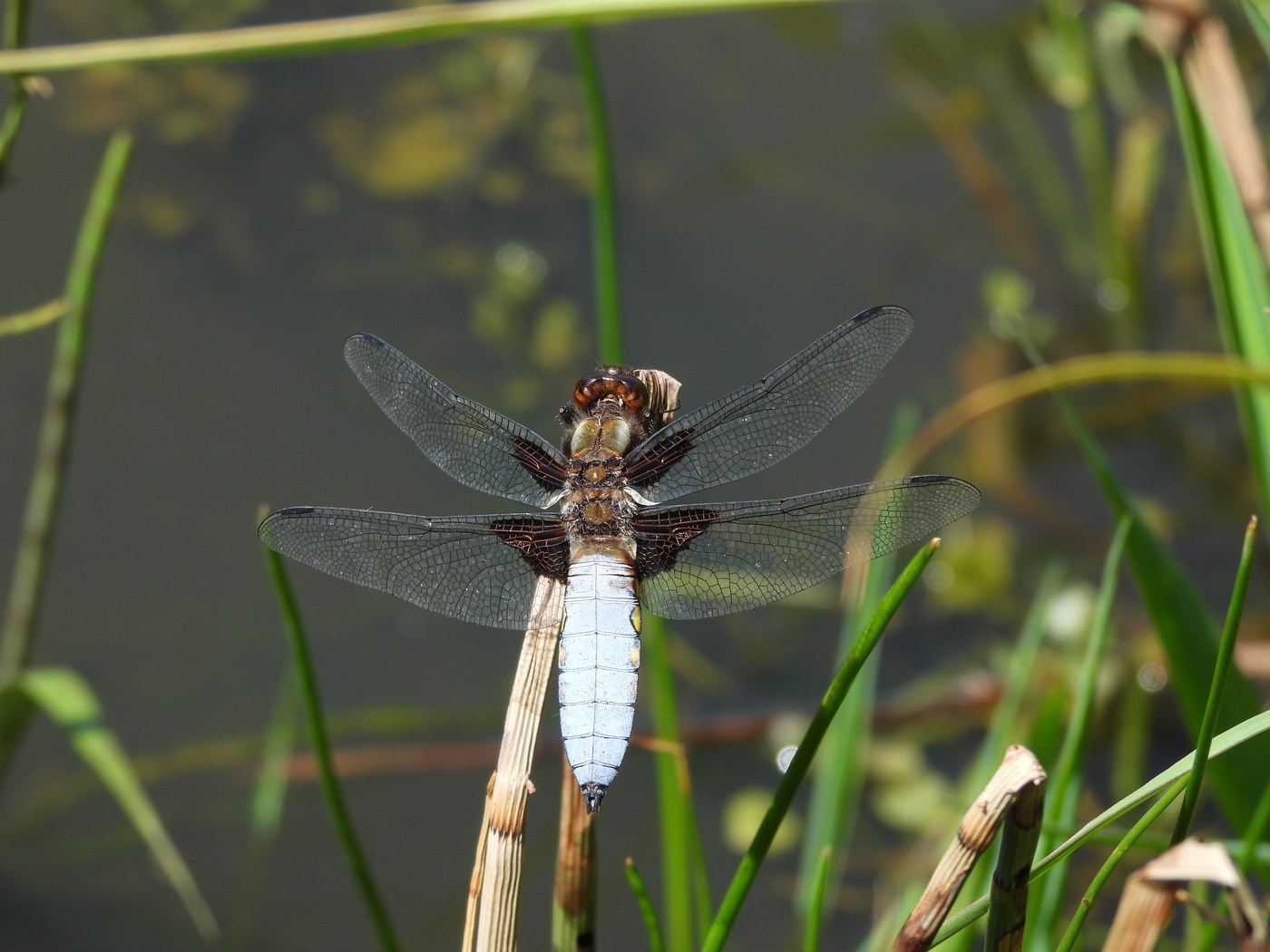
Broad-Bodied Chaser
Libellula depressa
A stout, flat-bodied dragonfly that is often the first to colonise a new garden pond, with males showing a powdery pale blue abdomen and females a warm golden-brown one.
- Size
- Body length 39-48 mm; wingspan 70-80 mm
- Habitat
- Small ponds, garden ponds and shallow lakes
- Danger
- Harmless
Spotted a bug like this?
Identify any bug or insect from a photo, free.
Overview
The broad-bodied chaser is a compact, distinctively shaped dragonfly found across much of Europe and parts of temperate Asia, easily told apart from most other dragonflies by its noticeably flattened, wide abdomen. It belongs to the skimmer family (Libellulidae), a group generally characterised by broader bodies and shorter, stockier proportions than the slender hawkers.
Mature males develop a powdery blue bloom (pruinescence) over the abdomen, while females and immature males retain a golden-brown to yellowish abdomen with rows of pale spots along the sides, giving the species a striking difference in appearance between the sexes. Both sexes have distinctive dark, triangular patches at the base of each wing.
This species is well known for being one of the earliest dragonflies to colonise newly created ponds, sometimes appearing within the first year, which has made it a familiar sight in garden wildlife ponds. It plays a role in local food webs as both a predator of flying insects and, in its nymphal stage, of small aquatic invertebrates.
How to Identify
- Short, notably broad and flattened abdomen, wider than in most other dragonfly species
- Males: abdomen covered in a powdery pale blue bloom (pruinescence) as they mature
- Females and immature males: abdomen golden-brown to yellow-brown with two rows of small pale yellow spots along the edges
- Dark brown, triangular patches at the base of all four wings, a key identification feature
- Stocky build and comparatively short body length compared with hawker dragonflies
- Perches frequently on low vegetation or bare twigs near water, often returning to the same spot
Habitat & Range
Broad-bodied chasers favour small, shallow, sunny ponds, including newly dug garden ponds, as well as ditches and small lakes with some open water and marginal vegetation. They are widespread across Europe into western Asia and are often among the very first dragonfly species to appear at a freshly created pond, sometimes arriving within weeks of it filling with water. Adults are on the wing mainly from late spring into mid-summer, with a shorter flight season than many other dragonfly species.
Behavior & Diet
Males are territorial and typically perch on a prominent low twig or stem near the water's edge, making short, fast sorties to chase off rival males or intercept passing insects before returning to the same perch, a habit that gives the "chaser" group its name. Both sexes feed on small flying insects such as midges and flies, caught and eaten on the wing. After mating, females lay eggs by repeatedly dipping the tip of the abdomen into the water surface while in flight, scattering eggs rather than inserting them into plant tissue. The aquatic nymphs are ambush predators of small invertebrates living among pond debris and vegetation, contributing to the pond's food web much as the adults do above the surface.
Life Cycle
Eggs are broadcast onto the water surface and sink to settle among sediment or debris, hatching into aquatic nymphs that develop through incomplete metamorphosis with no pupal stage. Nymphs typically take one to two years to mature, depending on water temperature and food availability, before climbing out onto emergent vegetation to emerge as winged adults. Adult broad-bodied chasers usually live for only a few weeks during the warmer months, and the species overwinters underwater as a nymph, with one generation generally completing over one to two years.
Frequently asked questions
Why does the broad-bodied chaser look so different from other dragonflies?
Its abdomen is unusually short and flattened compared with the long, slender abdomens of hawker dragonflies, giving it a stocky, wide-bodied silhouette.
Why is it one of the first dragonflies at new ponds?
Adults are strong, wide-ranging fliers that actively seek out fresh open water for egg-laying, allowing them to colonise newly created ponds quickly.
How can you tell males from females?
Mature males have a powdery pale blue abdomen, while females and young males have a golden-brown abdomen marked with rows of pale spots.
What do the nymphs eat?
Aquatic nymphs are ambush predators that feed on small invertebrates such as insect larvae living among pond sediment and vegetation.
Broad-Bodied Chaser guides
In-depth guides for identifying, understanding, and living alongside Broad-Bodied Chaser.
Other bugs you may enjoy
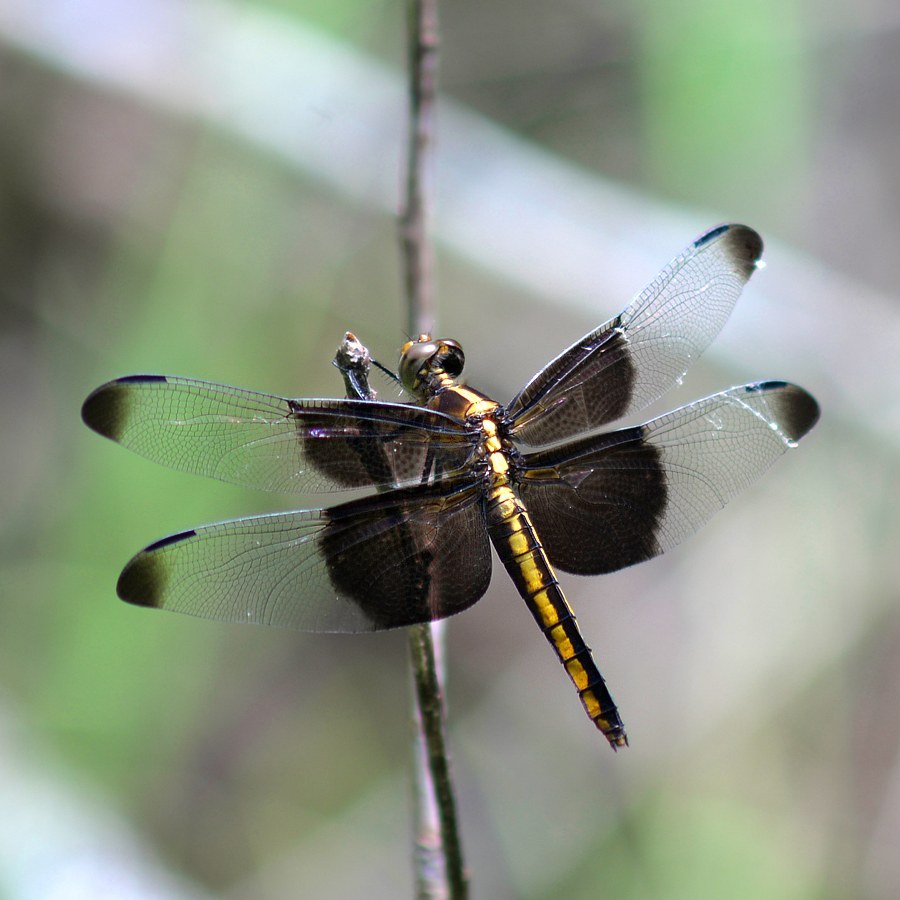
Widow Skimmer
ponds, lakes, and slow-moving streams with open shoreline vegetation across much of the United States
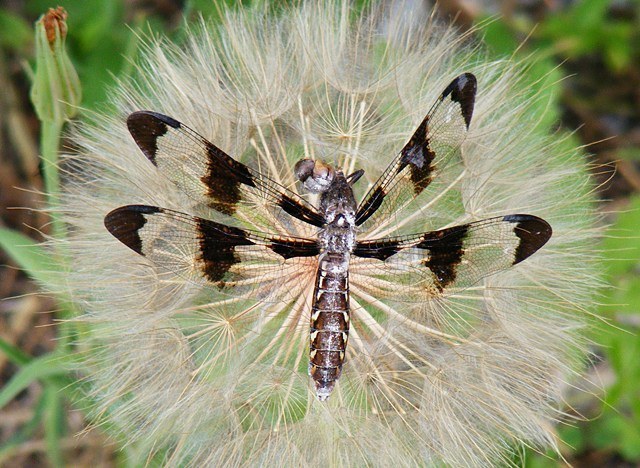
Twelve-spotted Skimmer
Ponds, lakes, and slow streams with open, sunny shorelines
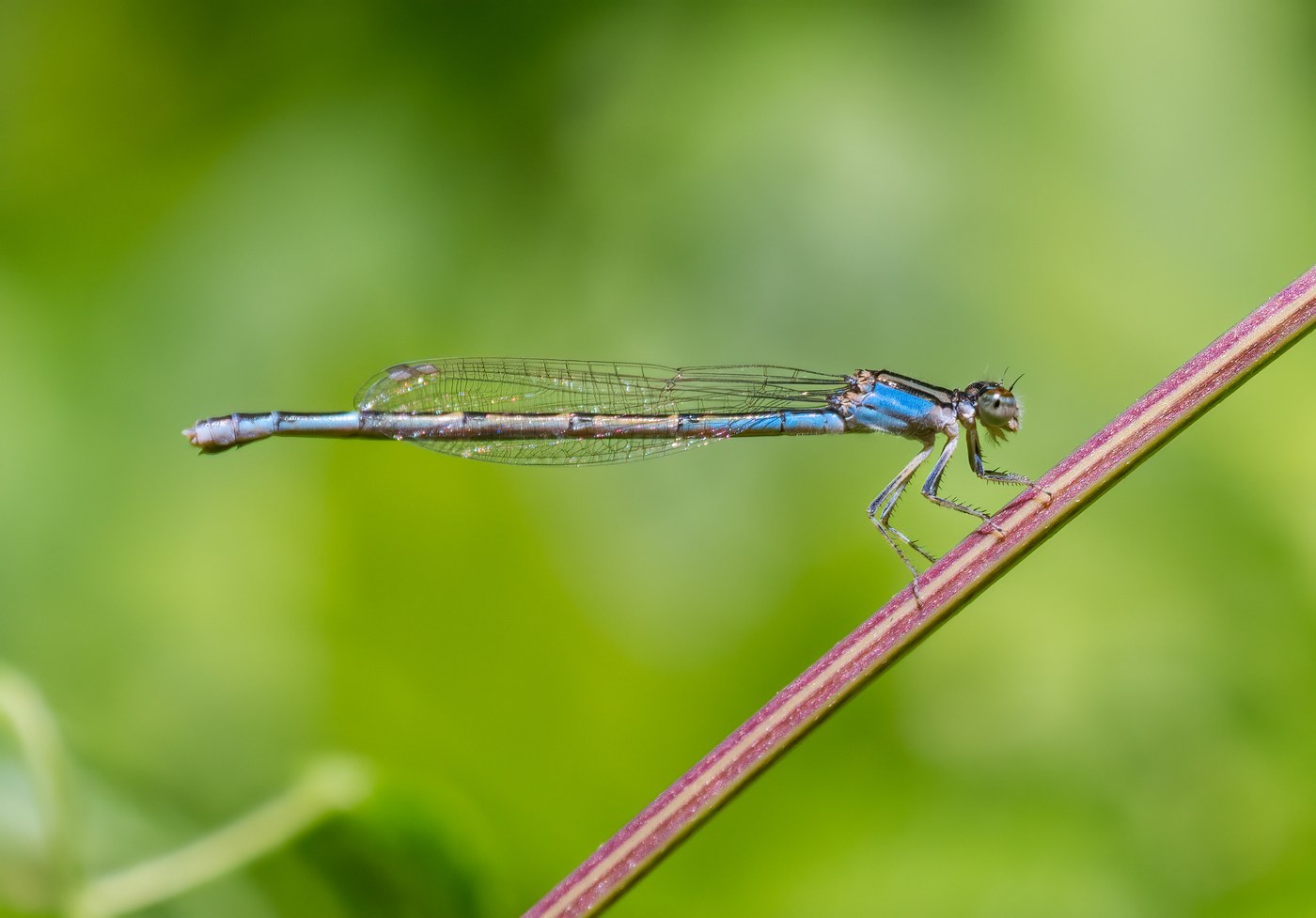
Azure Bluet
ponds, lakes, and slow streams with abundant aquatic vegetation
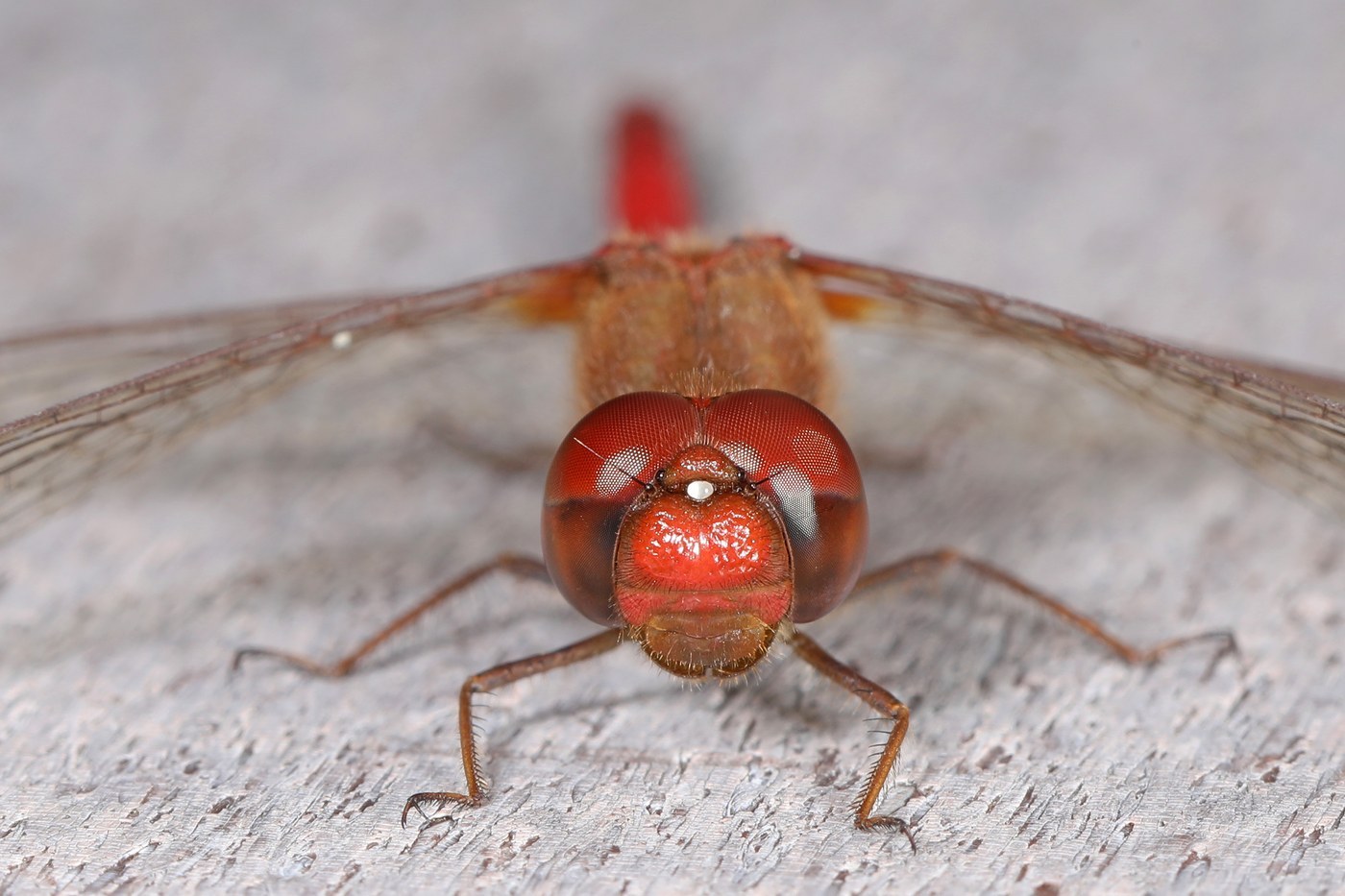
Autumn Meadowhawk
Ponds, marshes, and slow streams, often lingering into late fall
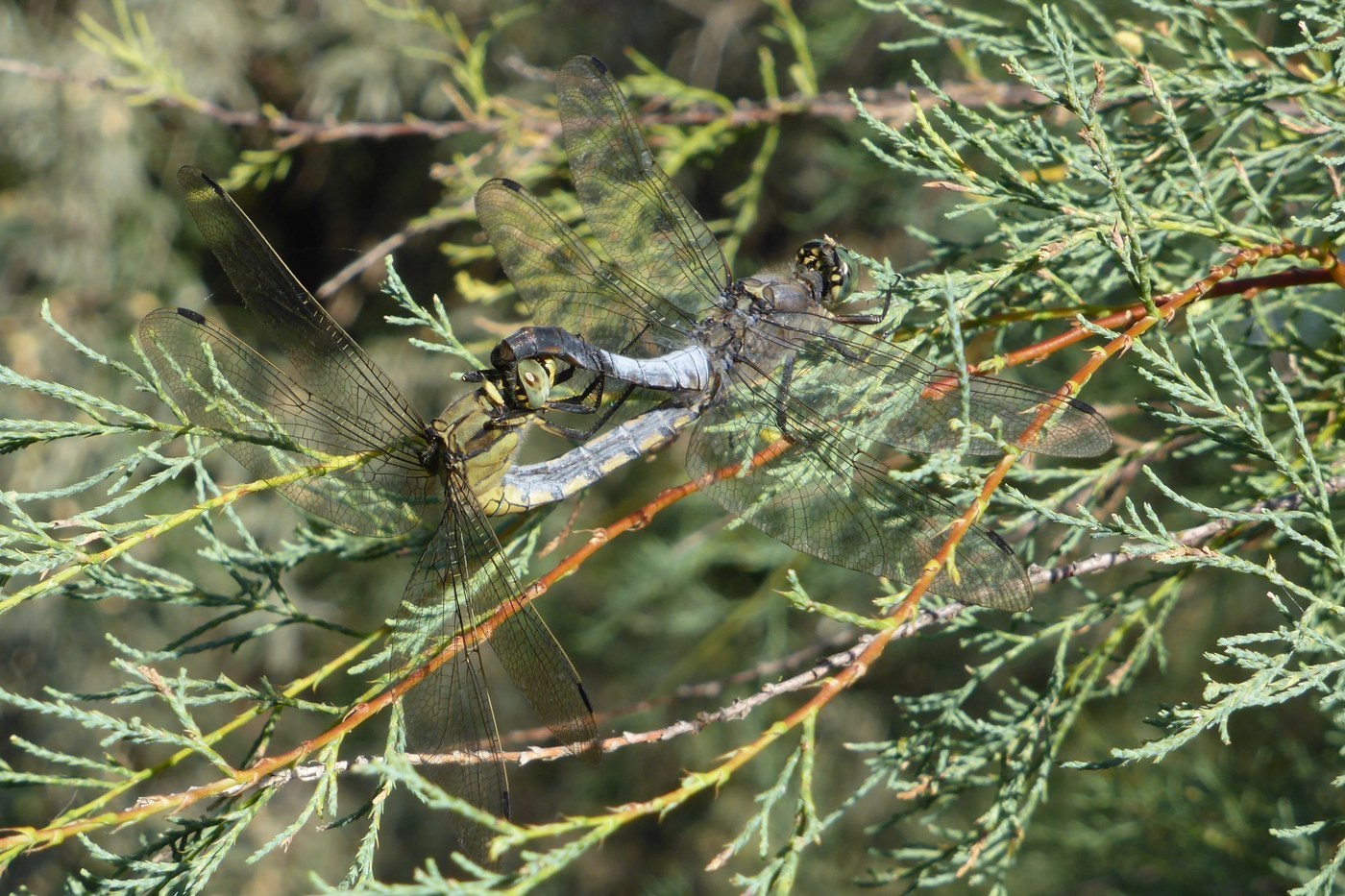
Spangled Skimmer
Ponds, lakes, and marshes with open sunny shorelines
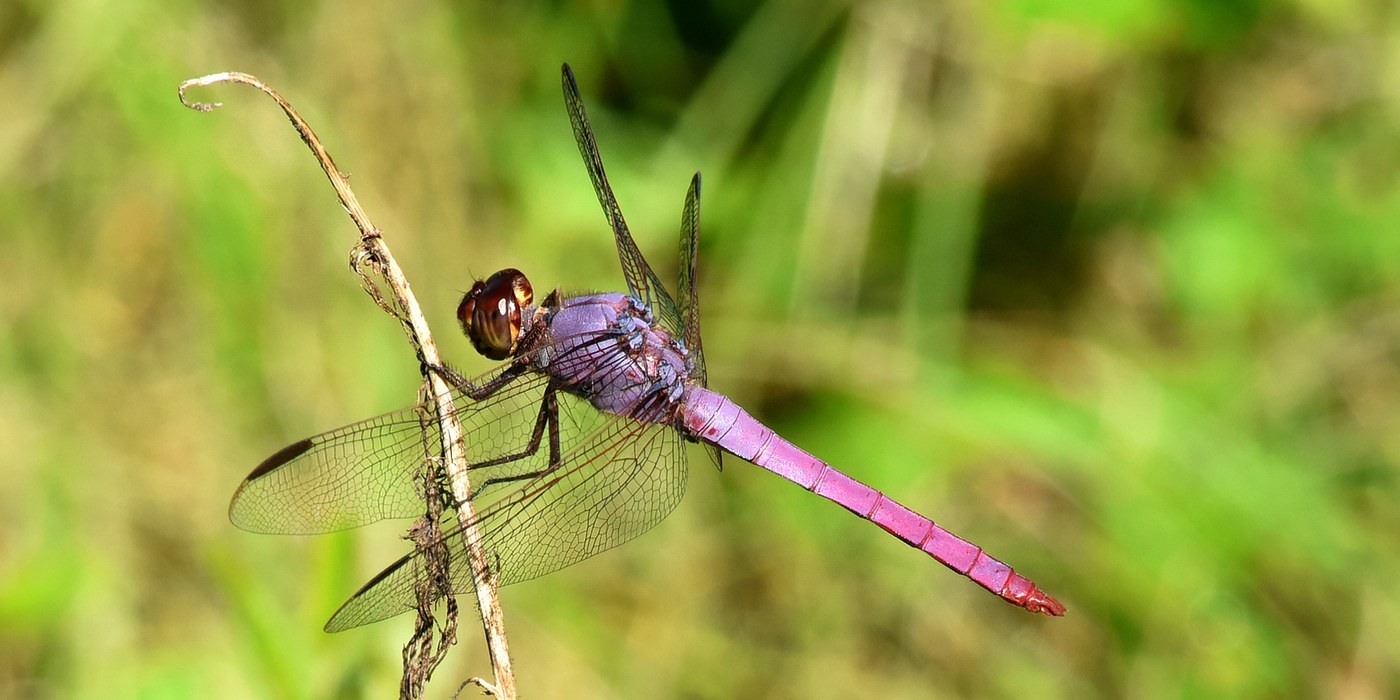
Roseate Skimmer
Ponds, ditches, and canals across the southern United States
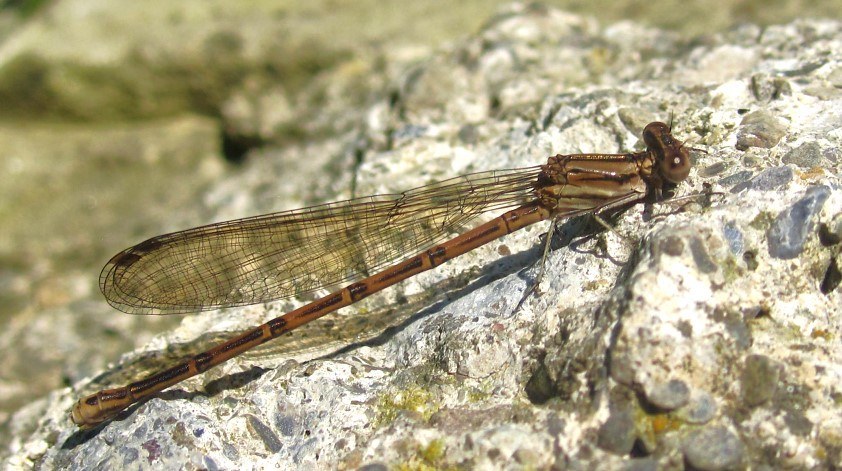
Variable Dancer
streams, rivers, and pond margins, especially in wooded or partly shaded settings
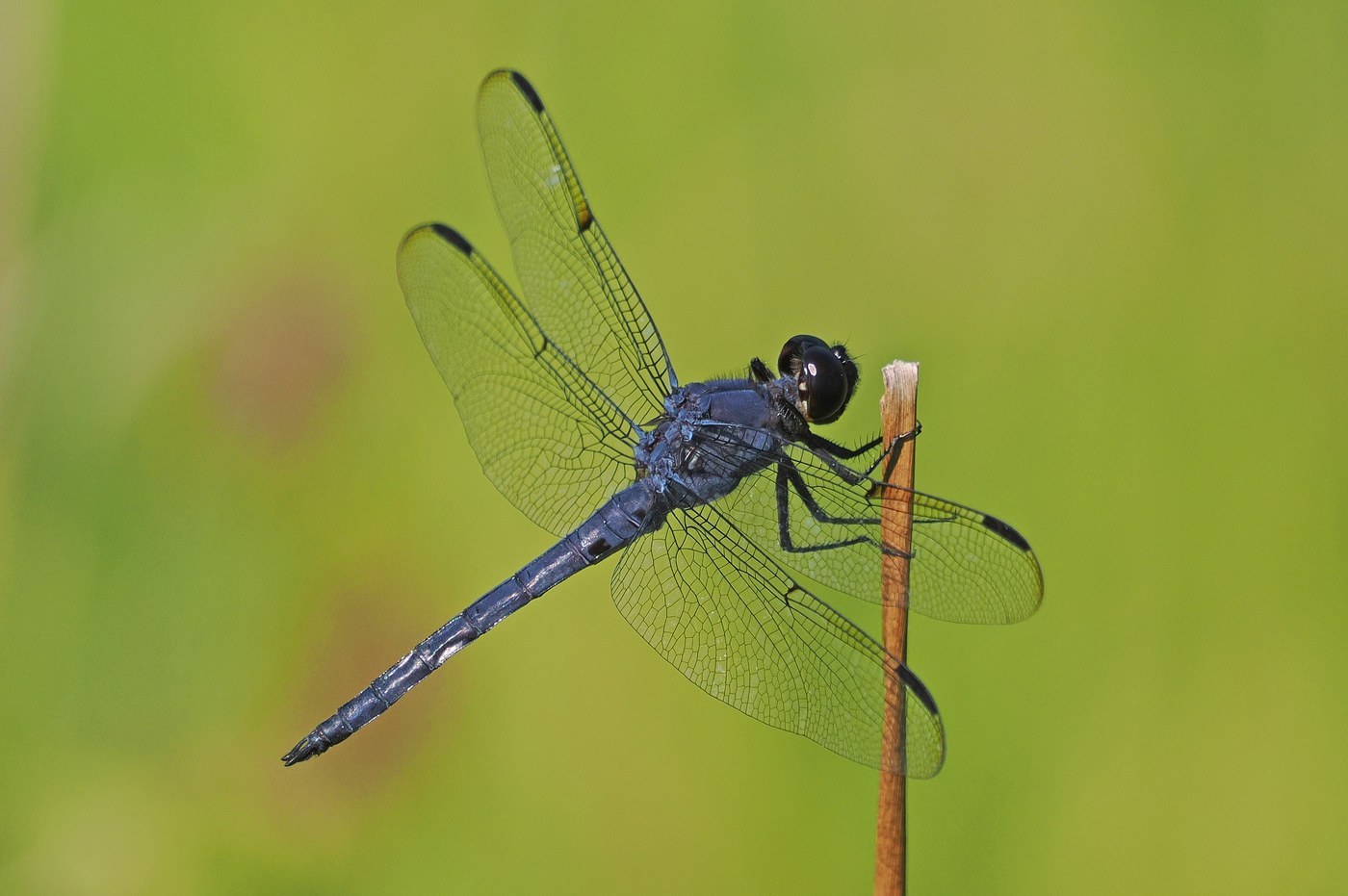
Slaty Skimmer
Still or slow-moving ponds, lakes, and marshes with open shoreline
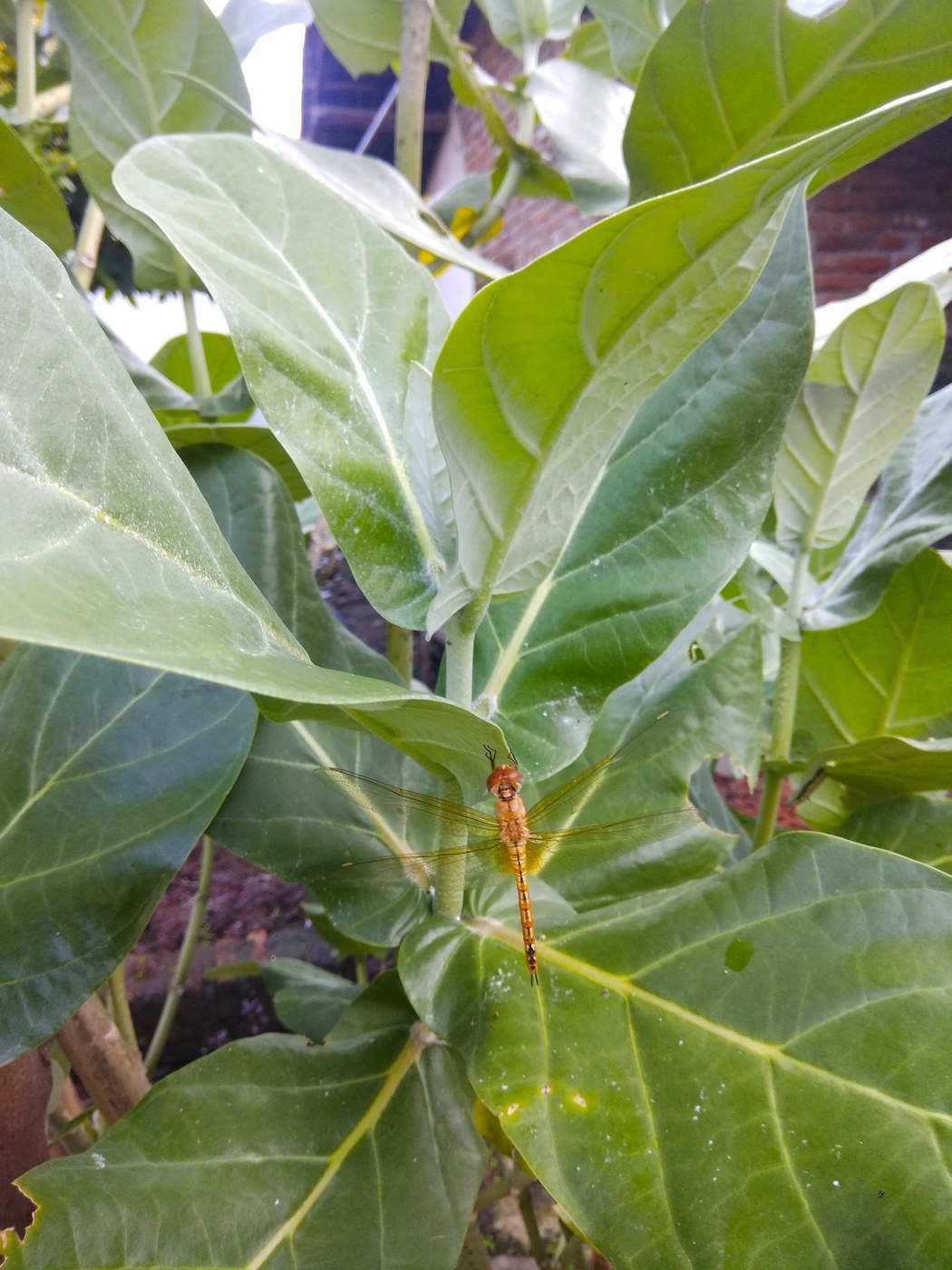
Wandering Glider
Temporary pools, open fields, and coastlines nearly worldwide
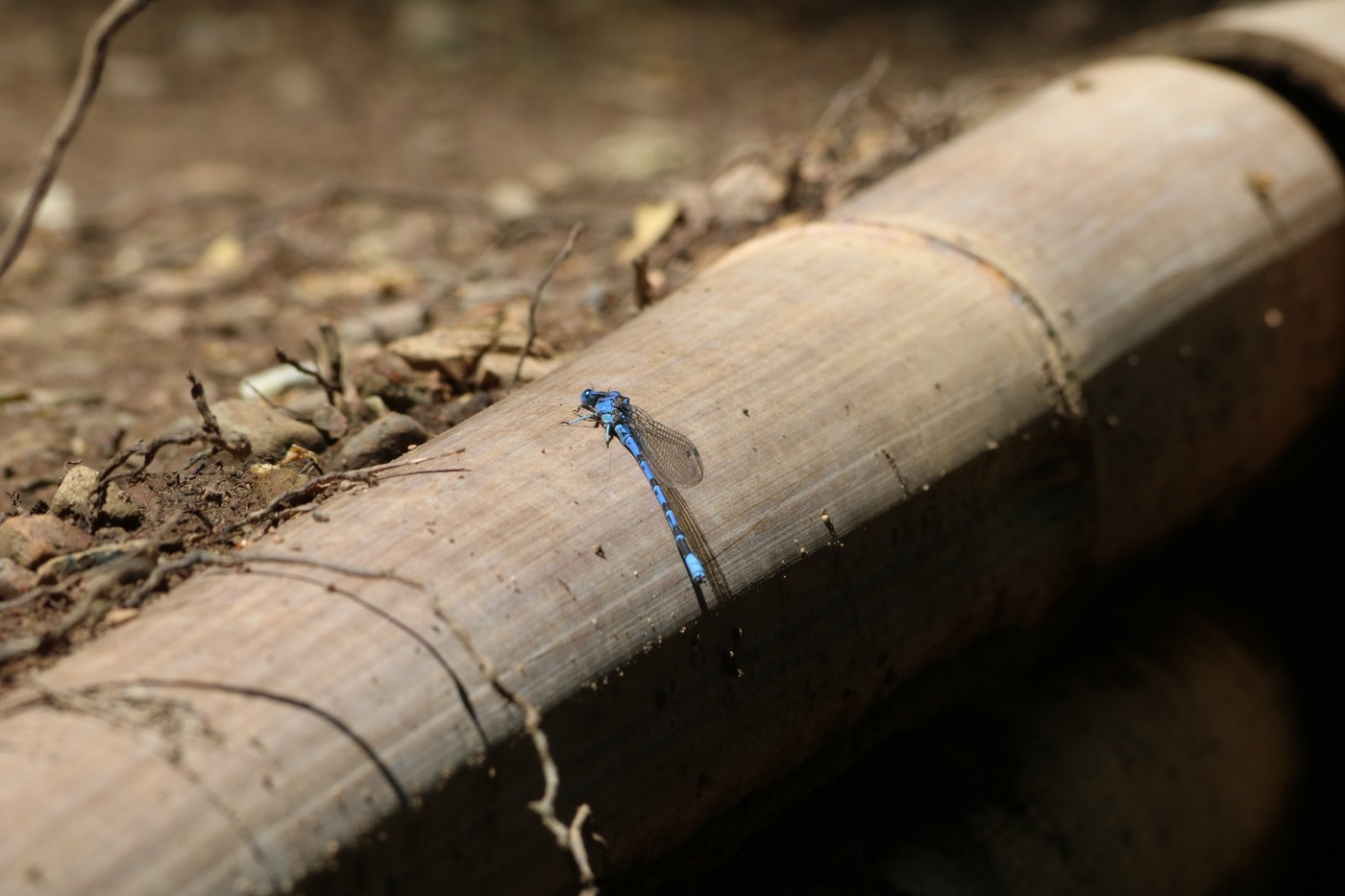
Vivid Dancer
rocky streams, seeps, and spring-fed creeks, often near thermal or warm springs
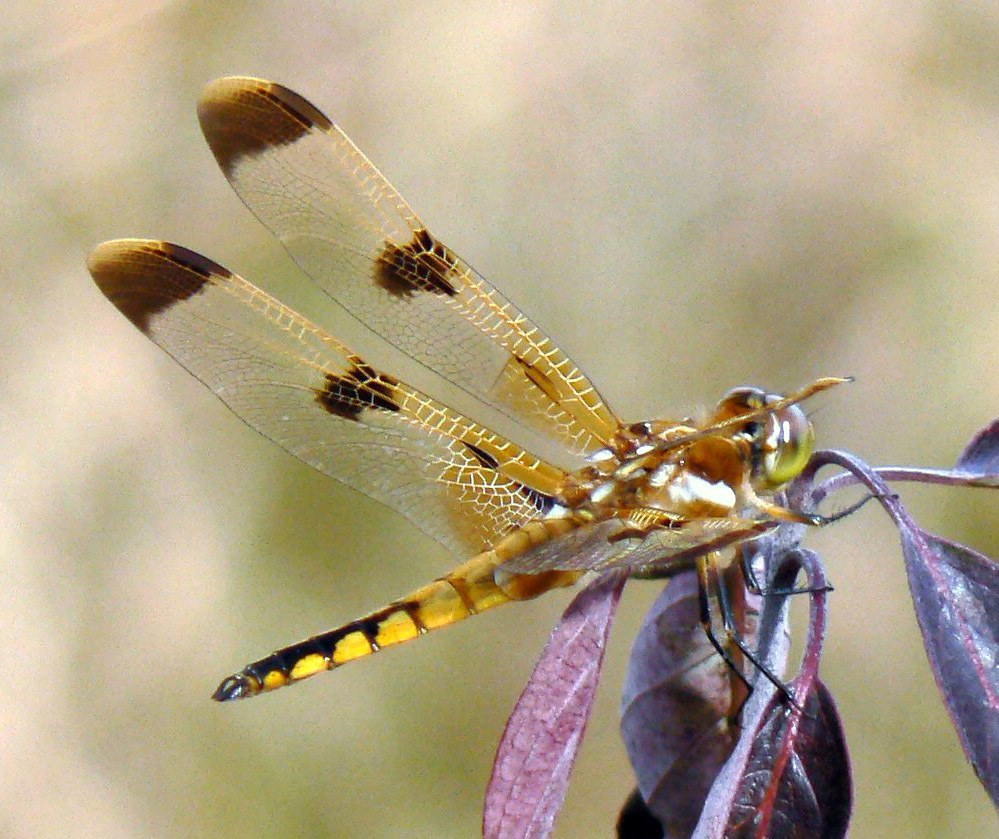
Painted Skimmer
Ponds, marshes, and slow-moving vegetated waters, including temporary pools
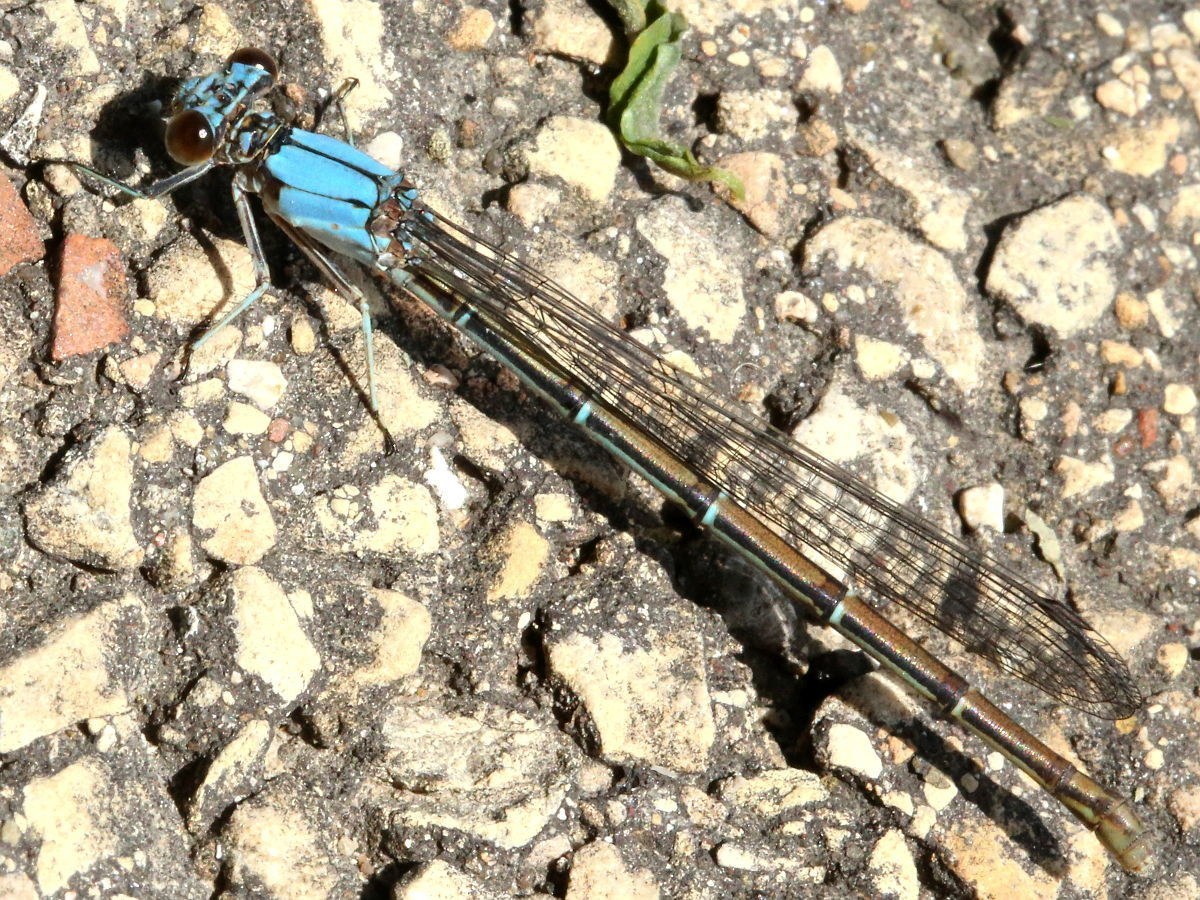
Powdered Dancer
rocky and gravelly rivers, streams, and lake shorelines