
Bumble Bee Queen
Bombus spp.
The large, robust foundress of a bumble bee colony, noticeably bigger and fuzzier than her worker offspring, seen alone in early spring searching for a nesting cavity before her colony's first workers emerge.
- Size
- 20–30 mm
- Habitat
- Meadows, gardens, woodland edges; underground burrows or leaf litter for overwintering
- Danger
- Stings
Spotted a bug like this?
Identify any bug or insect from a photo, free.
Overview
The bumble bee queen refers to the reproductive female caste of any bumble bee species in the genus Bombus, family Apidae, rather than a single species. She represents the founding and, later, the sole egg-laying member of an annual bumble bee colony, and is distinguished from her worker offspring primarily by her considerably larger size.
She is notable for her solitary early-season behavior: after mating in late summer or fall, a new queen is the only member of her colony to survive winter, hibernating alone underground or in leaf litter before emerging in spring to find a nest site and single-handedly begin raising the first generation of workers, foraging and incubating her own brood without help until enough workers have matured to take over colony tasks.
Ecologically, bumble bee queens are critical to the survival and continuity of their species from year to year, since bumble bee colonies, unlike honey bee colonies, do not persist through winter; the entire colony's future for the coming season depends on individual queens successfully overwintering and founding new nests.
How to Identify
- Notably large and robust for a bee, 20–30 mm long depending on species, considerably bigger than the worker bumble bees produced later by the same colony.
- Densely covered in long, soft hair in patterns of black, yellow, orange, or white banding that vary by species.
- Broad, rounded body shape typical of bumble bees, with a loud, low-pitched buzz in flight.
- Distinguished from worker bumble bees chiefly by larger overall size, and from carpenter bees by dense hairy abdomen (carpenter bees have a shiny, mostly hairless abdomen).
Habitat & Range
Bumble bee queens are found across temperate and even subarctic regions of North America, Europe, and Asia, wherever their respective Bombus species occur, favoring meadows, gardens, hedgerows, and woodland edges with abundant flowers. In late summer or fall, newly mated queens seek sheltered spots such as loose soil, leaf litter, or abandoned rodent burrows to hibernate through winter, then emerge in early spring to search for a suitable underground or ground-level cavity to found a new nest.
Behavior & Diet
In early spring, a solitary queen forages for nectar and pollen to build up her energy reserves, then selects a nest site and begins laying eggs, initially incubating and feeding the first small brood of workers entirely on her own. Once this first generation of workers matures, they take over foraging and brood care duties, allowing the queen to focus solely on egg-laying for the remainder of the colony's annual cycle. Later in the season, the queen produces new queens and males, after which the colony declines and the founding queen, along with the workers and males, dies off by autumn, leaving only the newly mated queens to survive into the next year.
Life Cycle
Bumble bee colonies are annual and undergo complete metamorphosis at the individual level. A mated queen overwinters alone, emerges in spring to found a new nest, and lays eggs that develop through larval and pupal stages into workers, then later into reproductive males and new queens as the colony matures over summer. Only newly mated queens survive winter, entering a dormant hibernation state (diapause) until the following spring, when each may found a new colony, restarting the annual cycle.
Frequently asked questions
How can I tell if a bumble bee I see is a queen?
Queens are noticeably larger than the worker bumble bees typically seen later in the season, and solitary large bumble bees in early spring are usually queens searching for a nest site.
Do bumble bee colonies survive the winter?
No, only newly mated queens survive winter in hibernation; the rest of the colony dies off each autumn.
Where does a bumble bee queen spend the winter?
She typically hibernates alone underground or in sheltered leaf litter until emerging the following spring.
Is a bumble bee queen a different species from worker bumble bees?
No, she is the same species, simply the reproductive female caste, distinguished by her larger size and role as colony founder and egg-layer.
Bumble Bee Queen guides
In-depth guides for identifying, understanding, and living alongside Bumble Bee Queen.
Other bugs you may enjoy
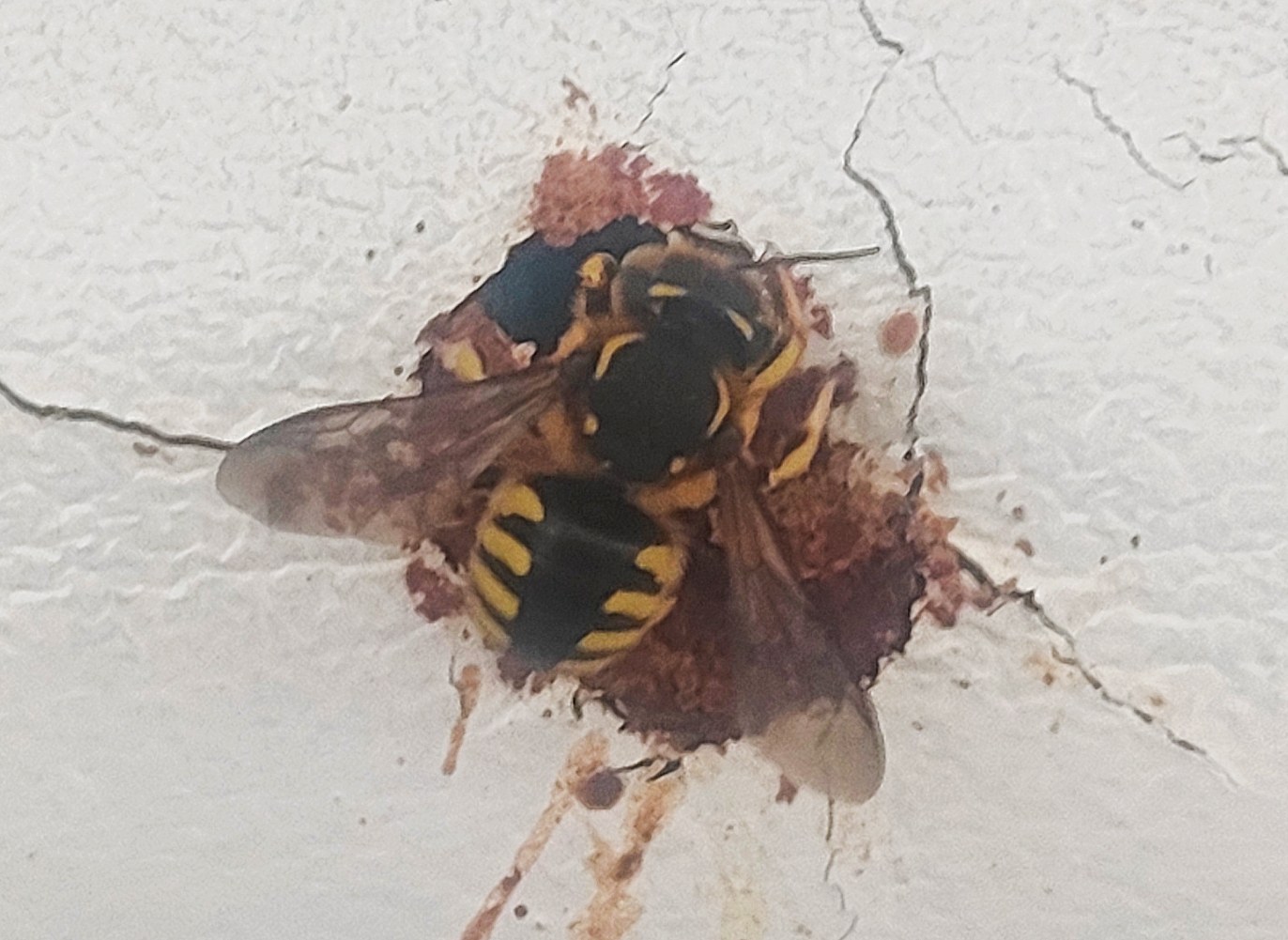
Wool Carder Bee
Gardens, meadows, urban green spaces with fuzzy-leaved plants
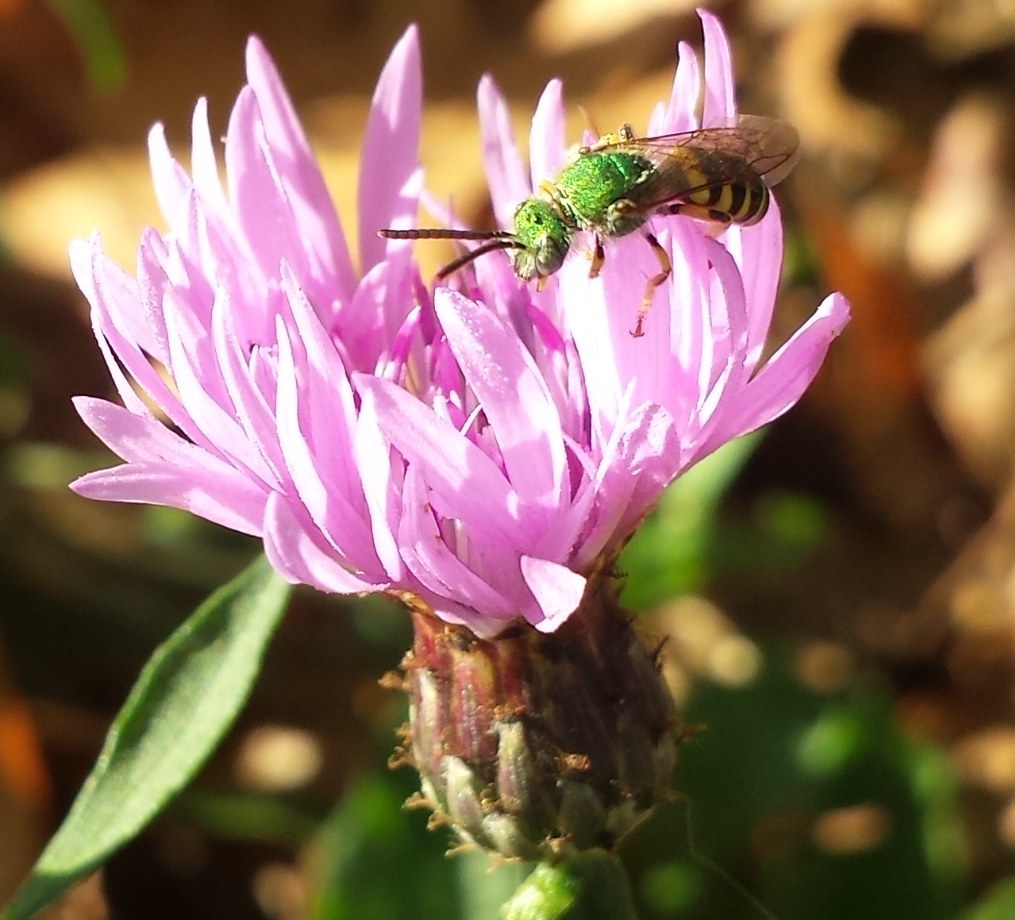
Sweat Bee
Gardens, meadows, and bare or sandy soil worldwide
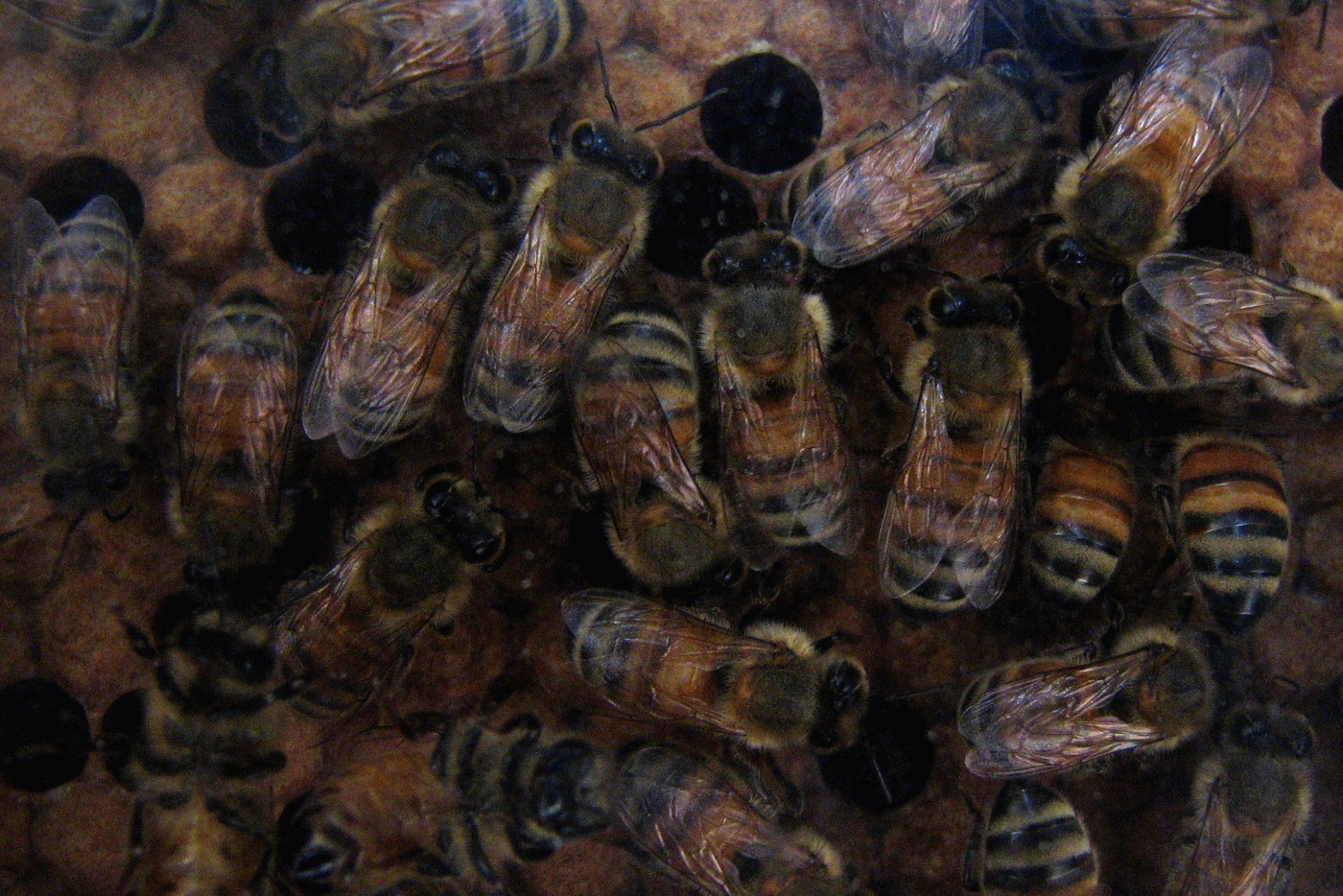
Western Honey Bee
Managed hives and wild colonies in tree cavities, worldwide in temperate and tropical climates
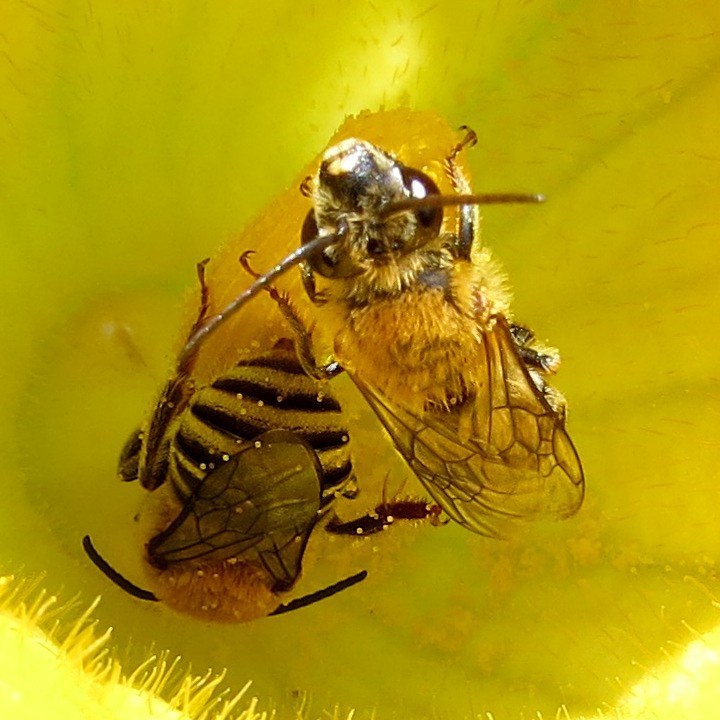
Squash Bee
Vegetable gardens and farm fields growing squash, pumpkin, and gourd plants
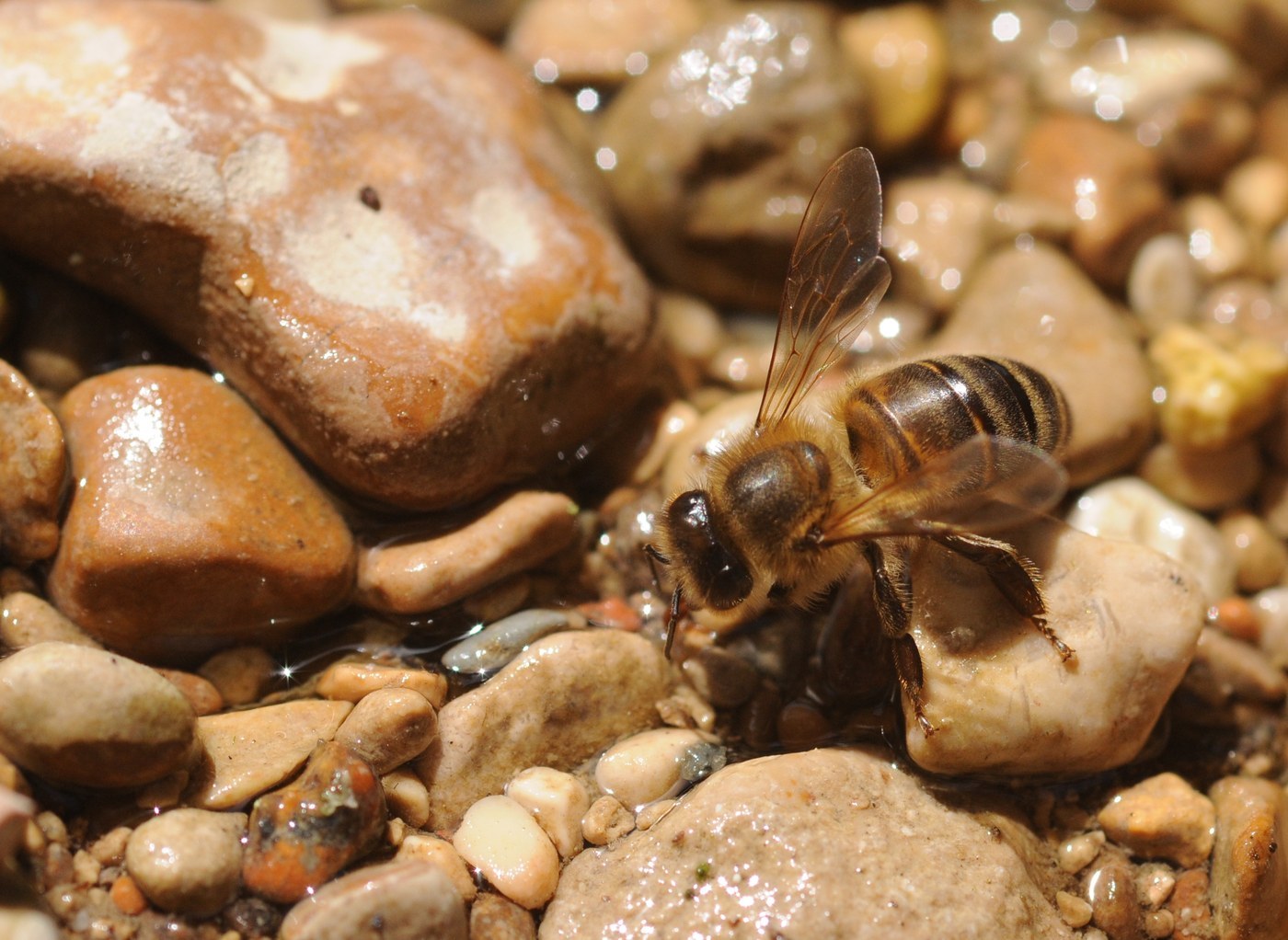
Honey Bee
Flowering meadows, gardens, orchards, and managed hives
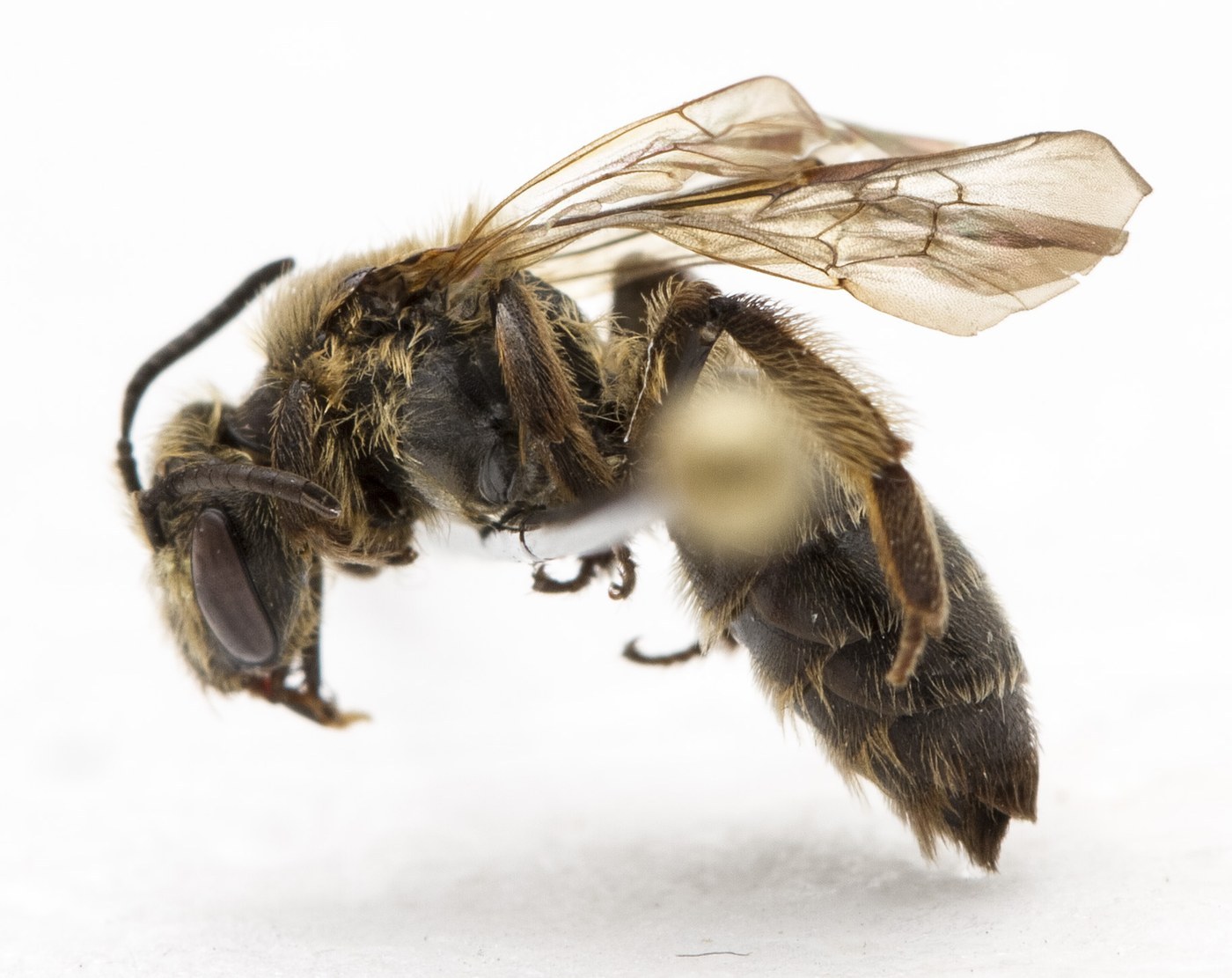
Mining Bee
Bare or sparsely vegetated soil, lawns, gardens, woodland edges
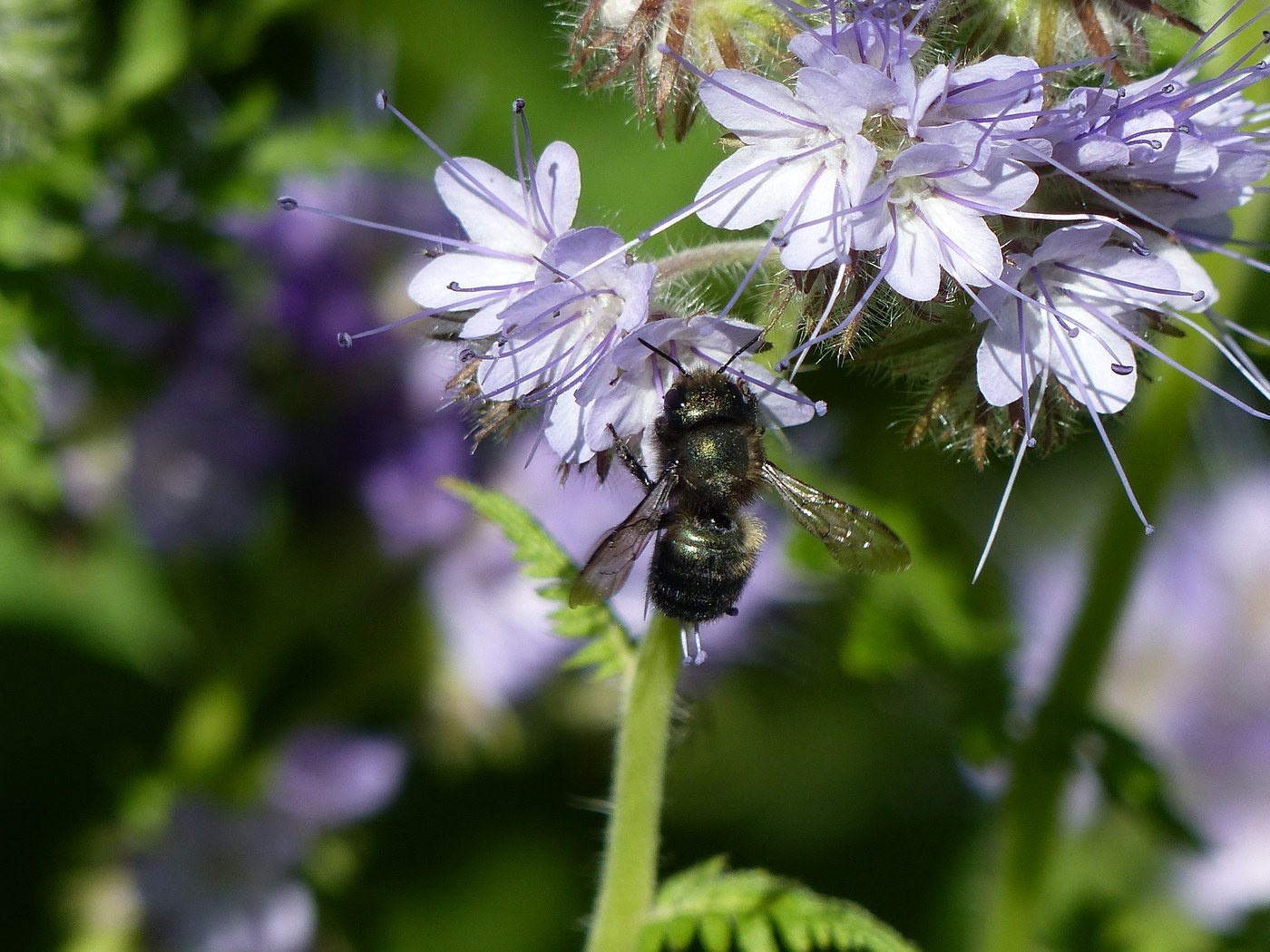
Mason Bee
Orchards, gardens, and wooded edges across temperate regions
Longhorn Bee
Prairies, meadows, gardens, sunflower and aster fields
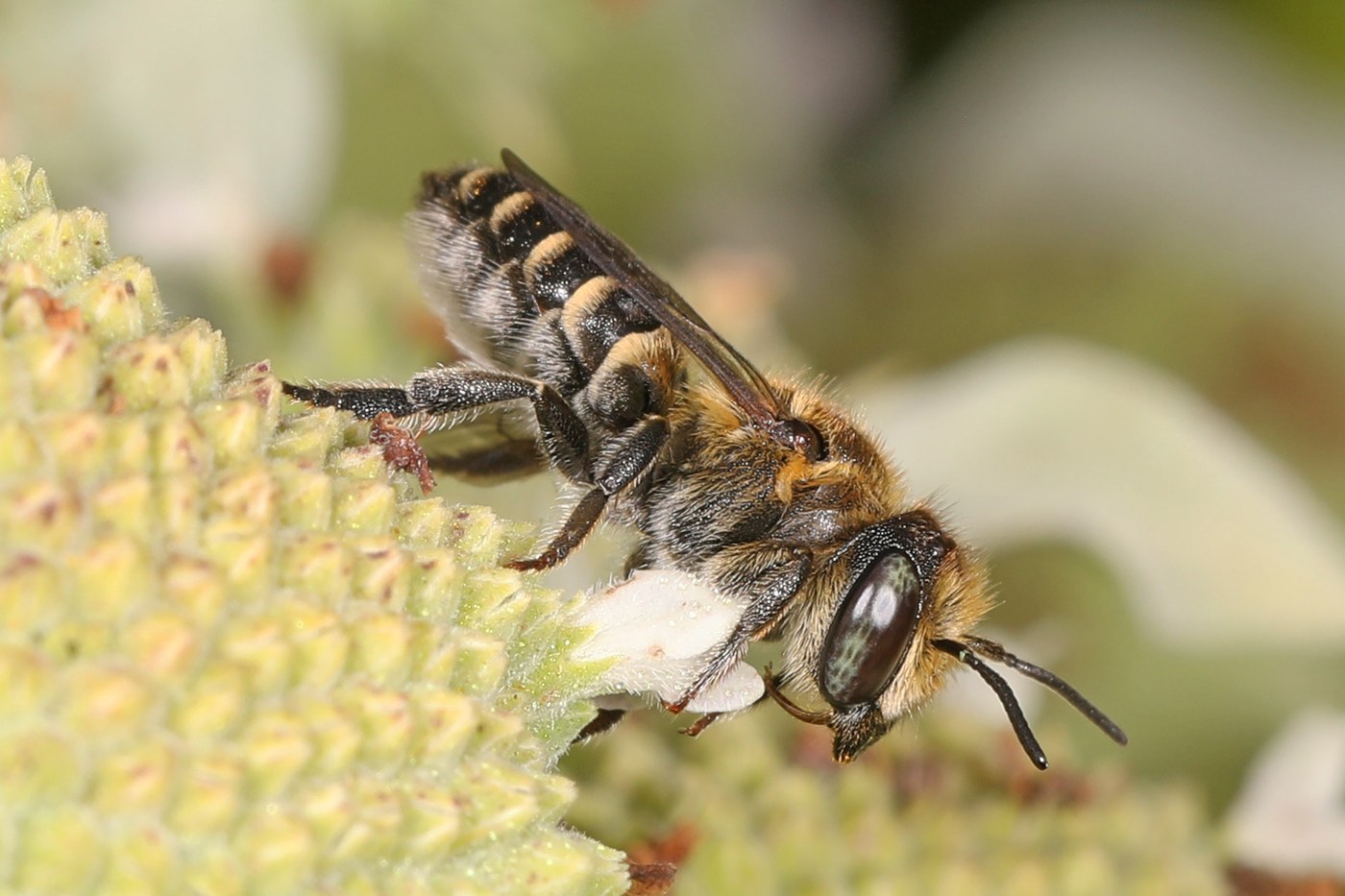
Leafcutter Bee
Gardens, meadows, and agricultural fields across temperate and subtropical regions
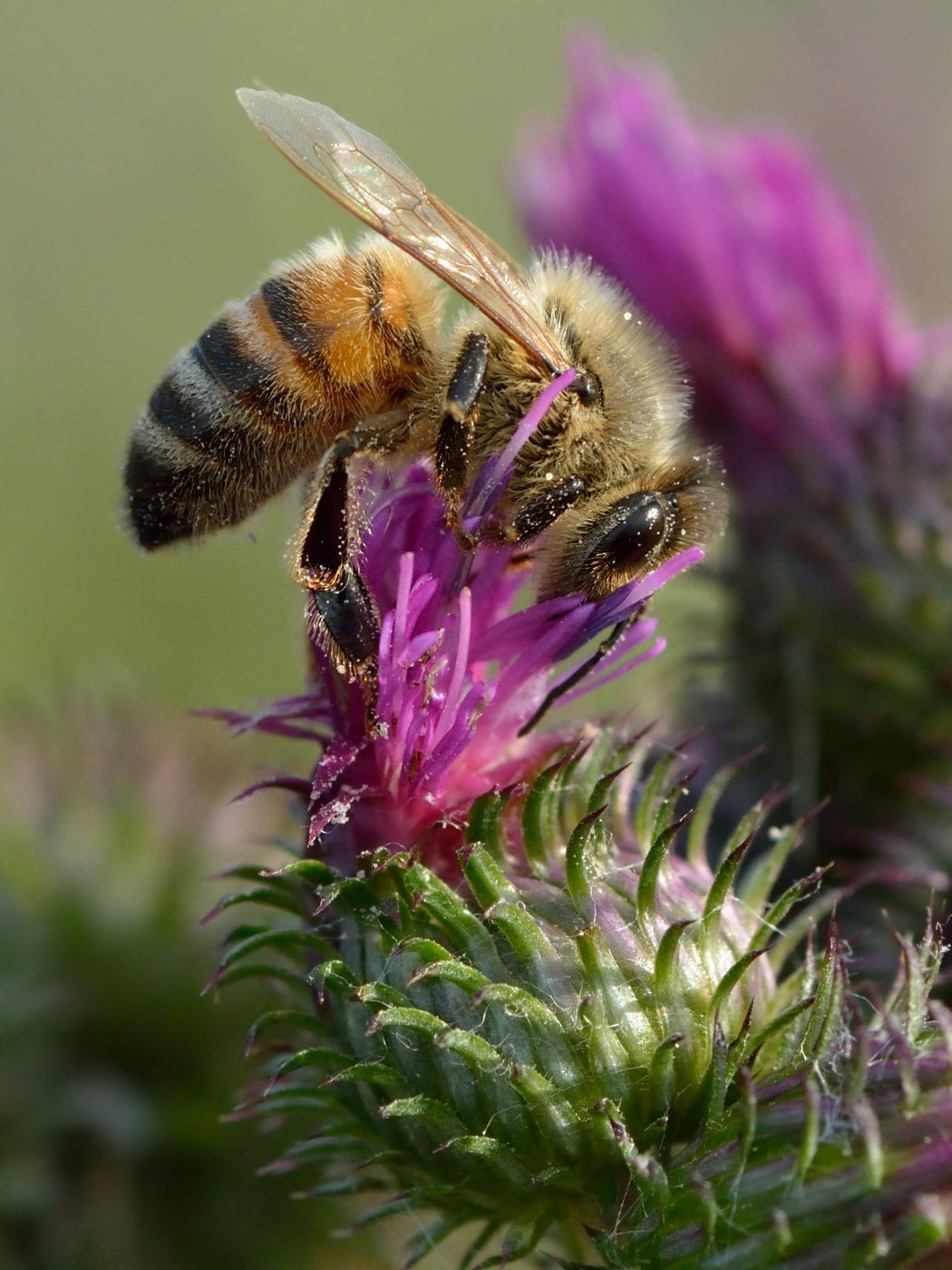
Honeybee
Managed hives, tree cavities, gardens, farmland, meadows
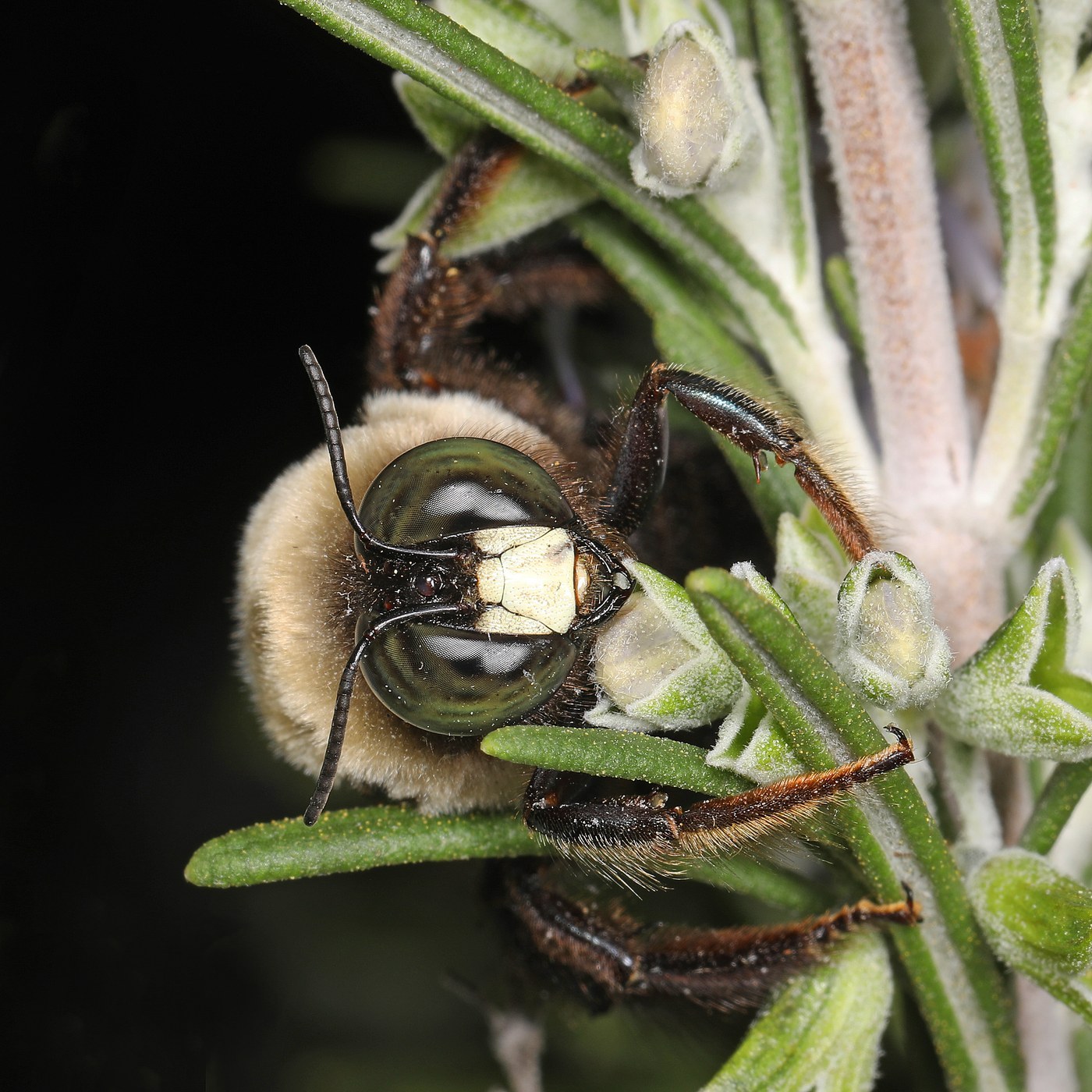
Carpenter Bee
Wooden structures, dead trees, and gardens across temperate and tropical regions
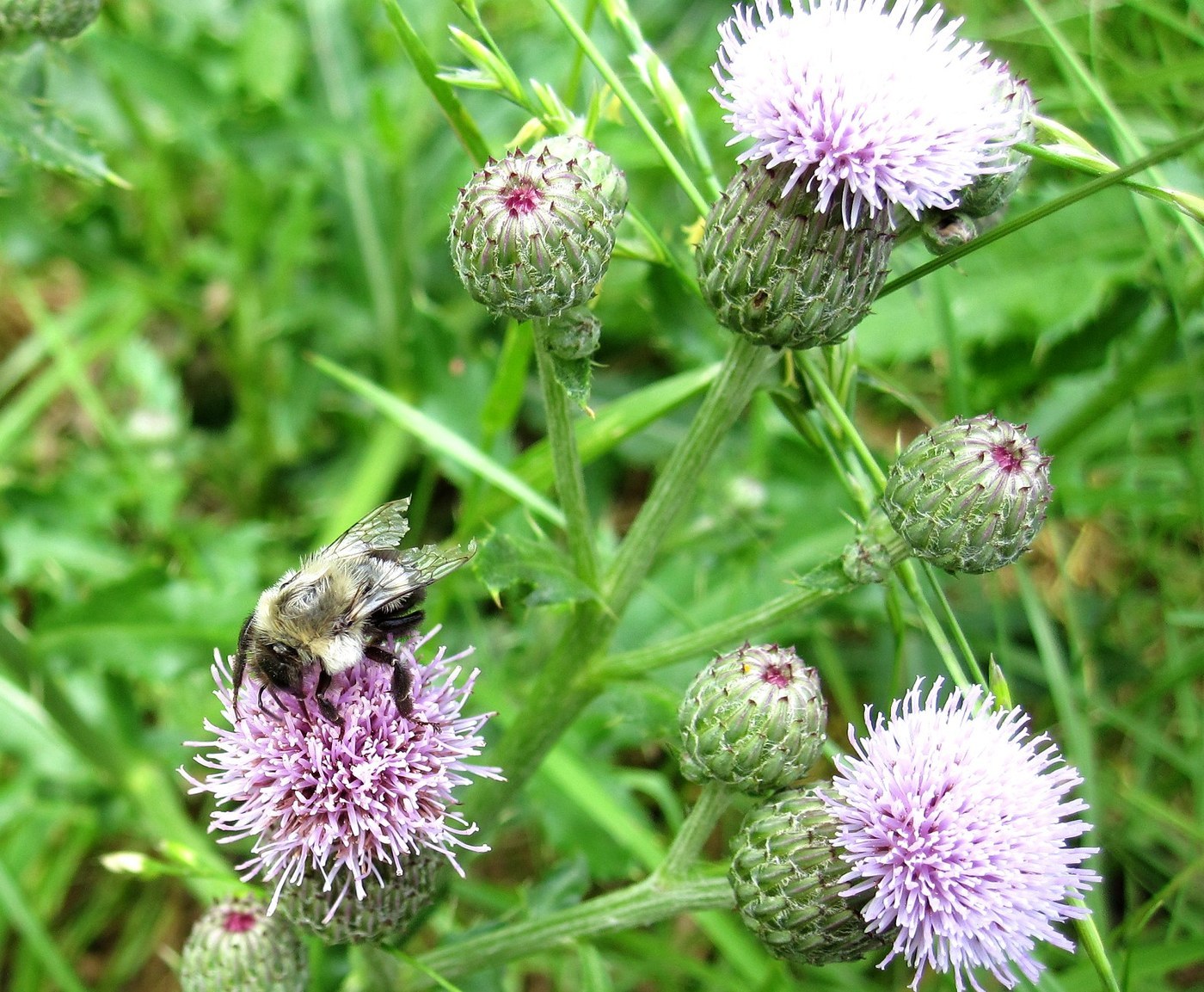
Bumblebee
Meadows, gardens, hedgerows, and open woodland edges