
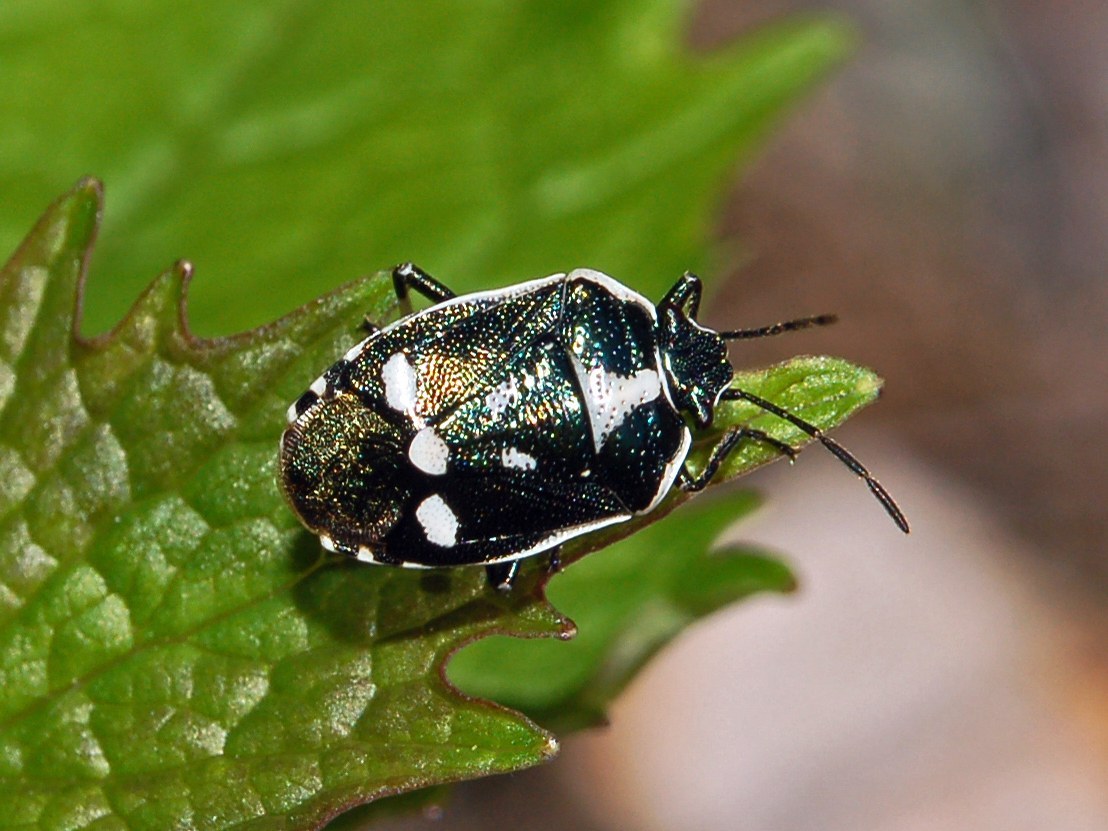
Cabbage Bug
Eurydema oleracea
A small, metallic shield bug patterned in contrasting patches of black with red, white, or yellow, closely tied to cabbage and other brassica crops across Europe and Asia.
- Size
- 6–9 mm
- Habitat
- Vegetable gardens, brassica fields, roadside mustard weeds
- Danger
- Nuisance pest
Spotted a bug like this?
Identify any bug or insect from a photo, free.
Overview
The cabbage bug is a member of the shield bug family Pentatomidae, in the genus Eurydema, a group of small, boldly patterned stink bugs found throughout Europe, North Africa, and temperate Asia. It is the Old World counterpart to the North American harlequin bug, occupying a similar ecological niche on brassica-family plants.
Cabbage bugs are notable for their compact, brightly patterned bodies, which combine an iridescent black or dark-green base with contrasting red, orange, cream, or white markings arranged in symmetrical blocks. Several closely related Eurydema species overlap in appearance and habitat, so the group as a whole is often referred to collectively under the name cabbage bug or brassica bug.
As specialist feeders on cultivated and wild mustard-family plants, cabbage bugs are a familiar sight in kitchen gardens and farmland across their range, frequently encountered basking on leaves in sunny weather.
How to Identify
- Compact, oval to shield-shaped body with a smooth, somewhat glossy surface.
- Dark metallic black, blue-black, or dark green base color broken by bold red, orange, or creamy-white patches on the pronotum and wing covers.
- Piercing-sucking mouthparts and short, segmented antennae typical of shield bugs.
- Nymphs are smaller, rounder, and often more uniformly colored before developing the adult's full pattern.
- Similar in general appearance to the harlequin bug but generally smaller, with more geometric, blockier markings rather than irregular blotches; best distinguished by range, as the two rarely overlap.
Habitat & Range
Widespread across Europe, the Mediterranean basin, and temperate parts of Asia, cabbage bugs are found wherever brassica crops or wild mustard relatives grow, including gardens, farm fields, hedgerows, and roadside verges.
Active from spring through late summer, they are most visible on sunny days when adults and nymphs bask and feed openly on leaf surfaces, retreating to leaf litter or plant debris during cooler or wetter periods.
Behavior & Diet
Cabbage bugs feed by piercing plant tissue and drawing out sap, which can cause pale stippling, wilting, or distorted growth on leaves of cabbage, mustard, and related crops. They often gather in small groups on a single plant, particularly during warm, sunny conditions.
Like other brightly patterned shield bugs, their contrasting coloration likely serves as a warning to predators of their unpalatability. They do not bite or sting people; their ecological role is centered on plant-sap feeding within brassica plant communities, where they in turn serve as occasional prey for birds and predatory insects.
Life Cycle
Females deposit small clusters of barrel-shaped eggs on the undersides of host plant leaves. The eggs hatch into wingless nymphs that pass through several instars, gradually developing wing pads and the adult's characteristic color pattern through incomplete metamorphosis.
Depending on climate, one to two generations occur per year. Adults typically overwinter in sheltered spots such as leaf litter, soil crevices, or under bark, re-emerging in spring to feed and reproduce on fresh brassica growth.
Frequently asked questions
Is the cabbage bug the same species as the harlequin bug?
No, they are closely related shield bugs in the same family but different genera and different geographic ranges — cabbage bug (Eurydema) in Europe and Asia, harlequin bug (Murgantia) in the Americas.
Will it damage my cabbage plants?
It feeds on plant sap and can cause leaf stippling or wilting when present in numbers, but it does not bite people.
How can I tell it apart from other shield bugs?
Look for its small size, glossy black base color, and bold blocky red or white patches, along with its close association with cabbage-family plants.
When is it most active?
From spring through late summer, especially on warm, sunny days when it basks and feeds openly on leaves.
Cabbage Bug guides
In-depth guides for identifying, understanding, and living alongside Cabbage Bug.
Other bugs you may enjoy
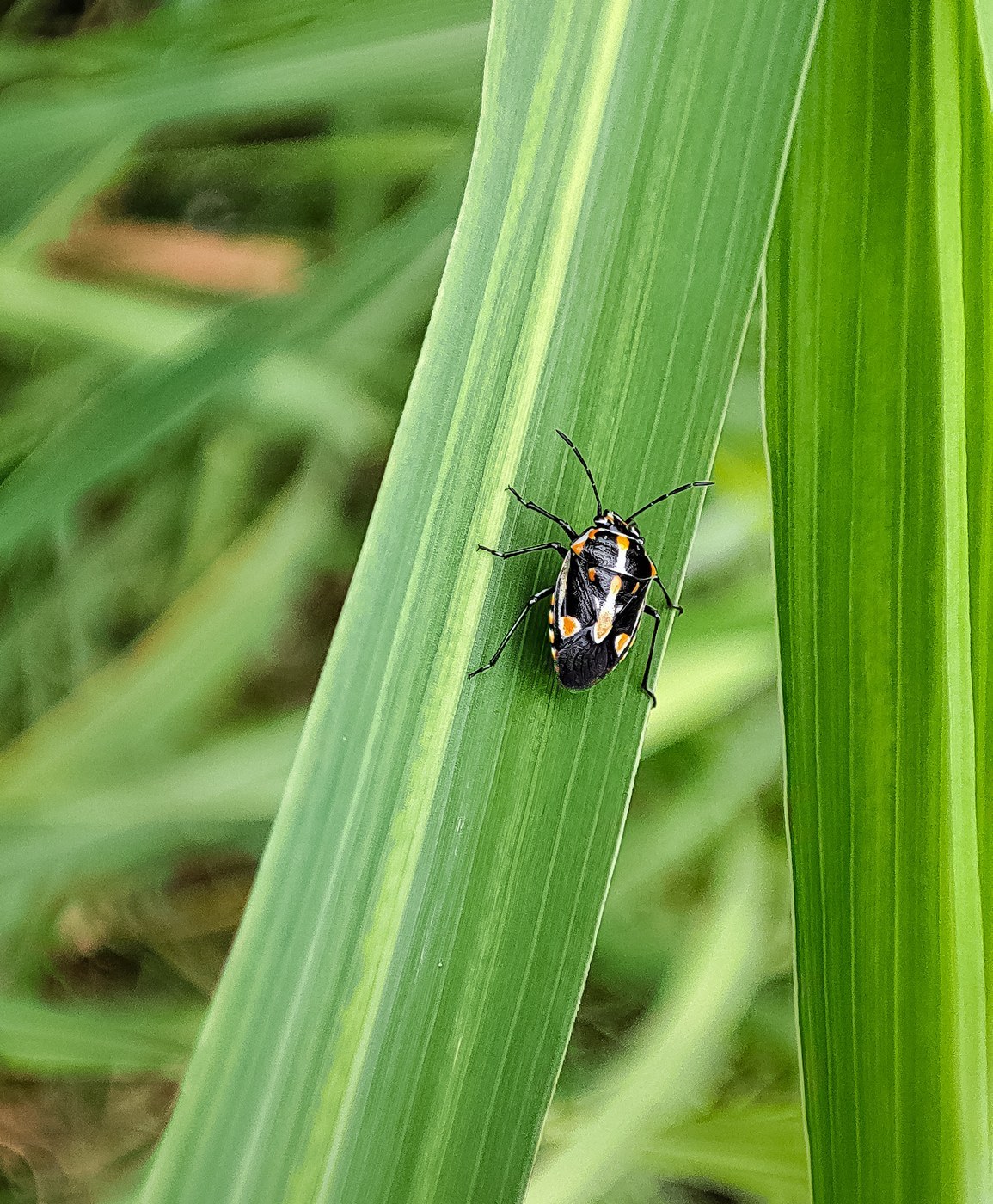
Bagrada Bug
Arid gardens, crucifer fields, desert-adjacent croplands
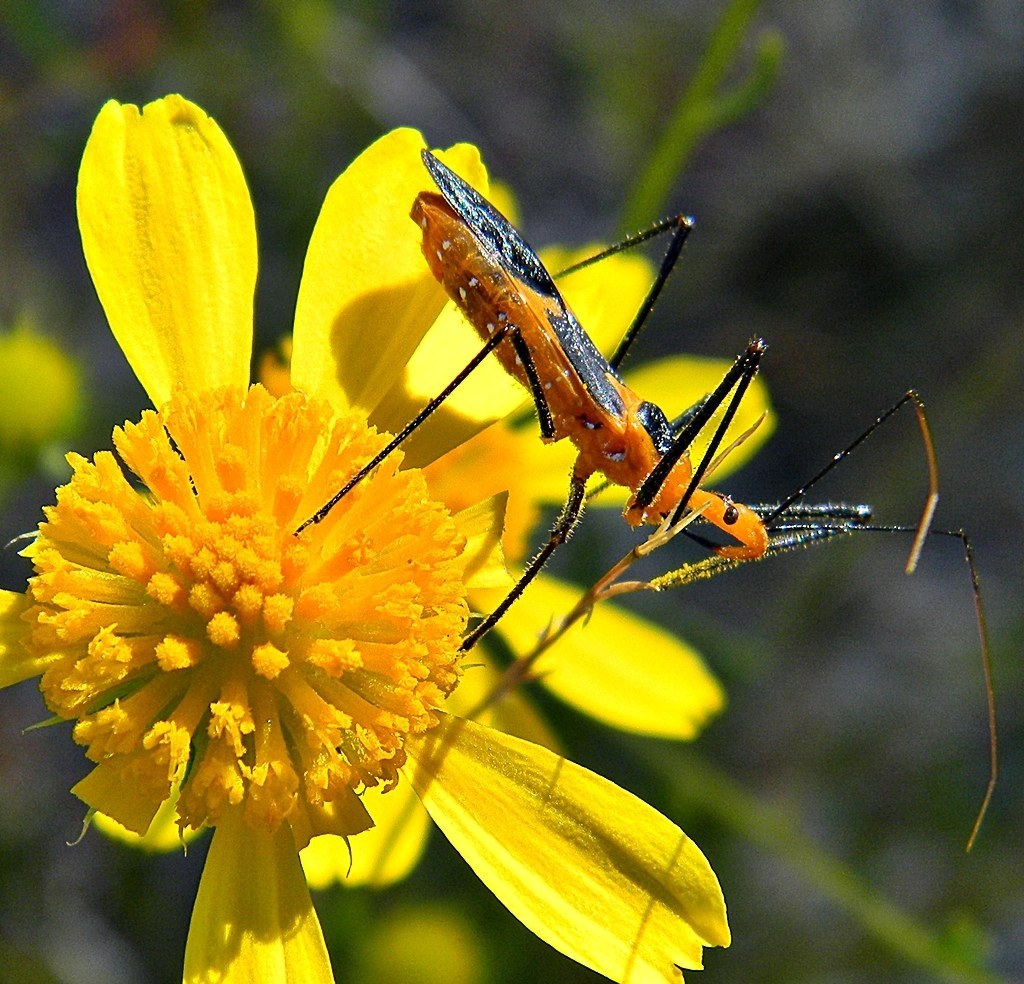
Assassin Bug
Gardens, meadows, and vegetation worldwide
Water Boatman Bug
Ponds, lakes, and slow-moving freshwater
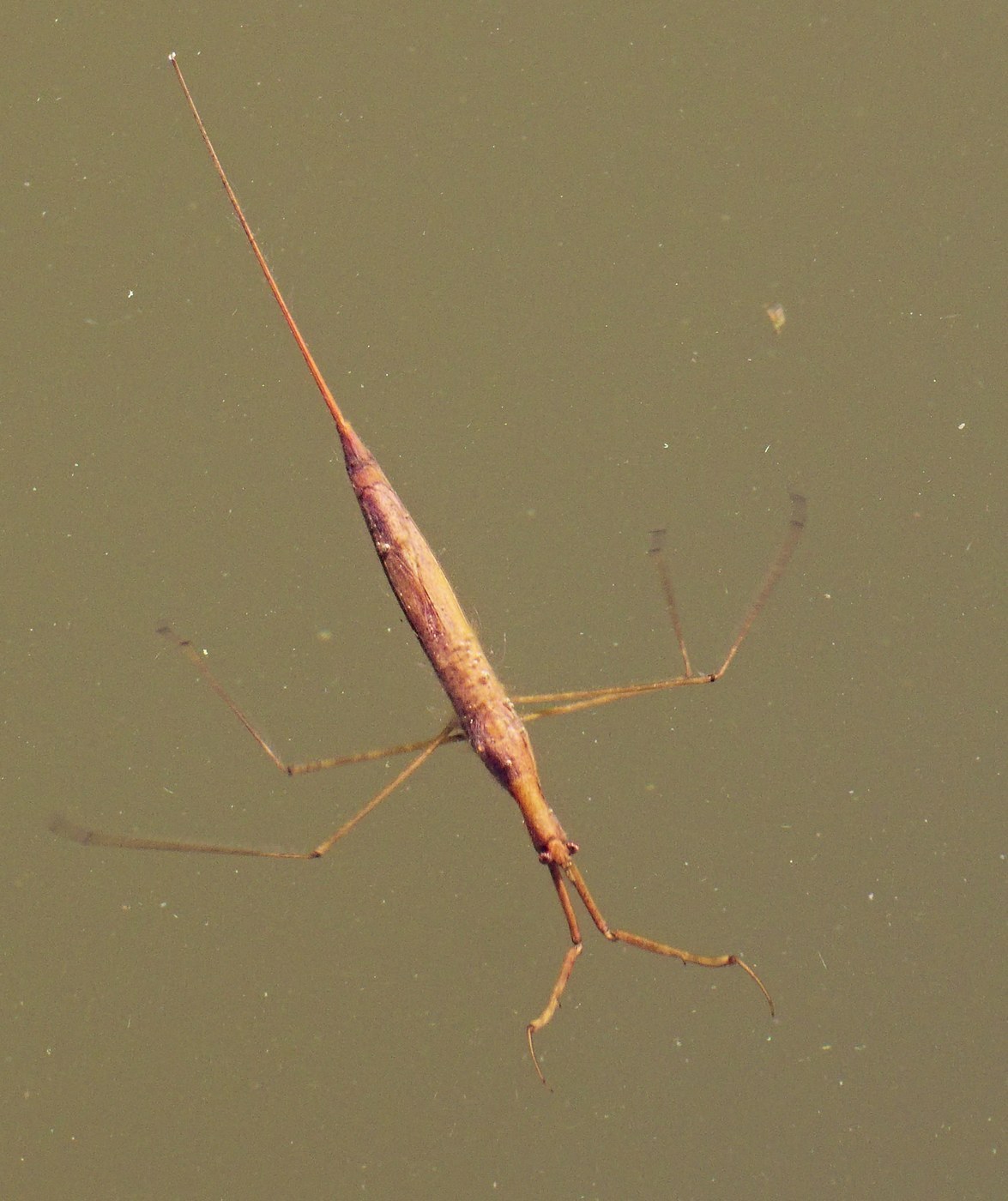
Water Stick Insect
Still and slow-moving water with dense submerged vegetation
Rough Stink Bug
Tree bark, woodlands, orchards, and shrubby vegetation
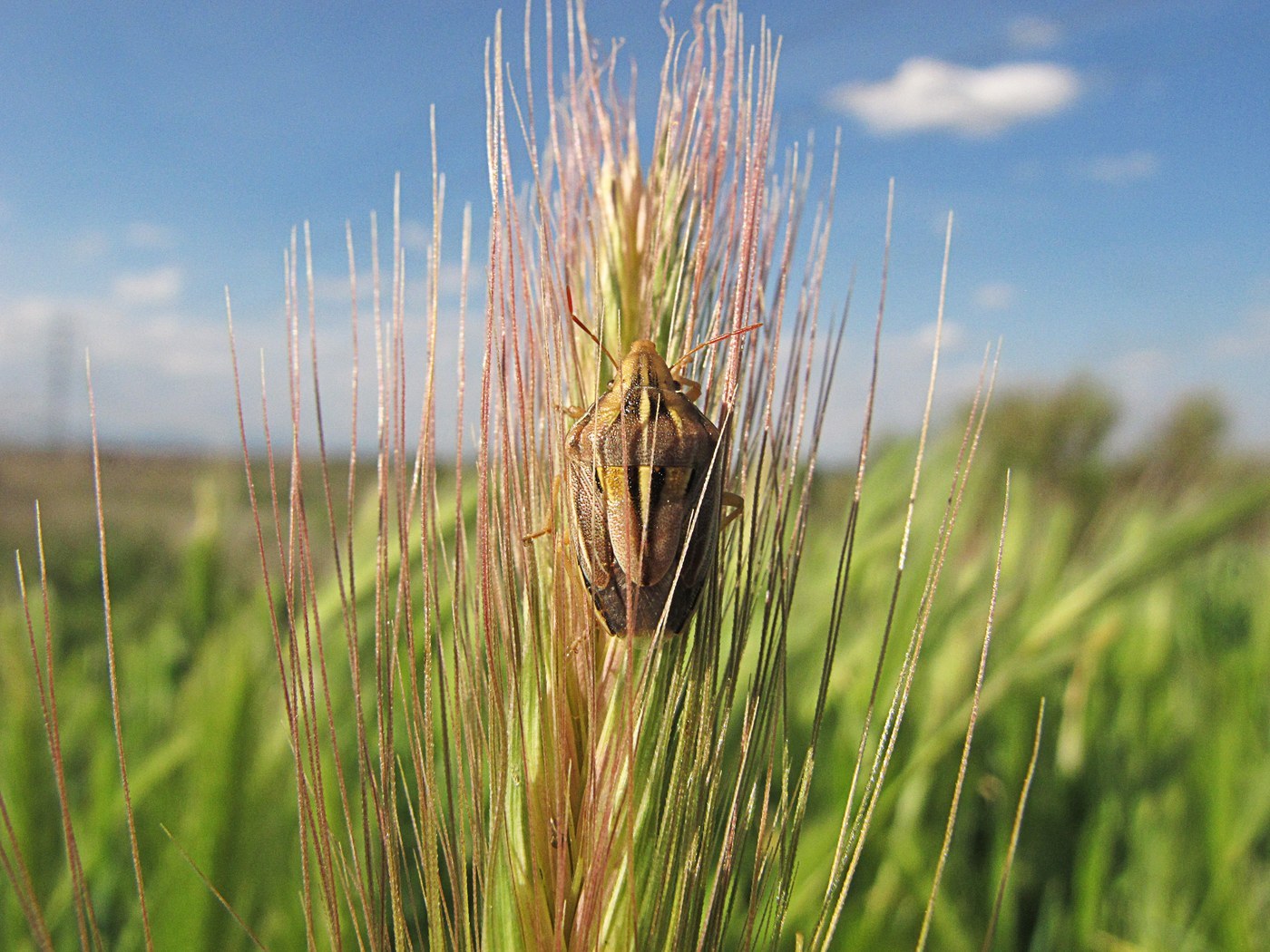
Stink Bug
Gardens, crop fields, and woodlands across temperate and subtropical regions
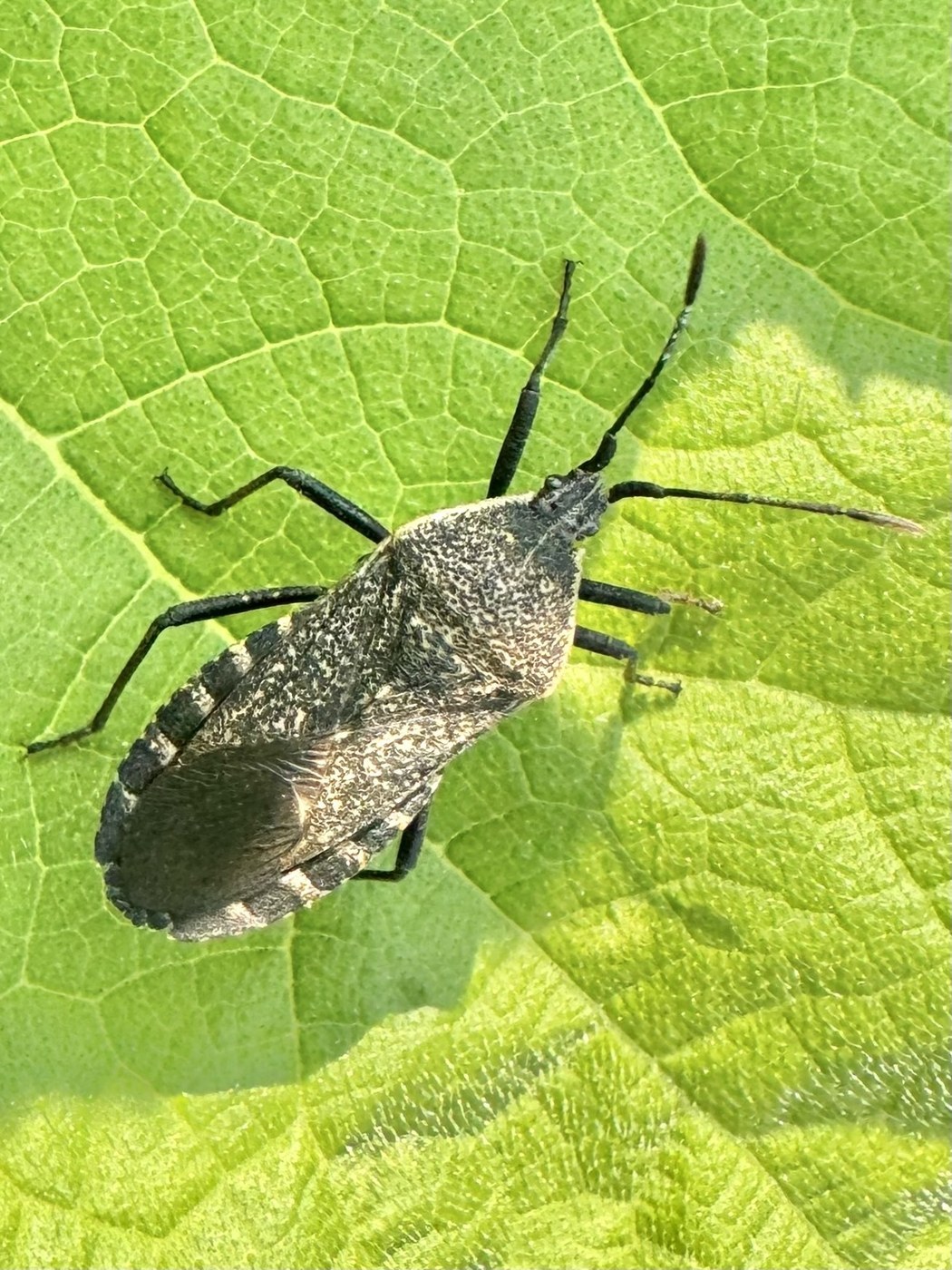
Squash Bug
Vegetable gardens and farm fields growing squash, pumpkin, and other cucurbits
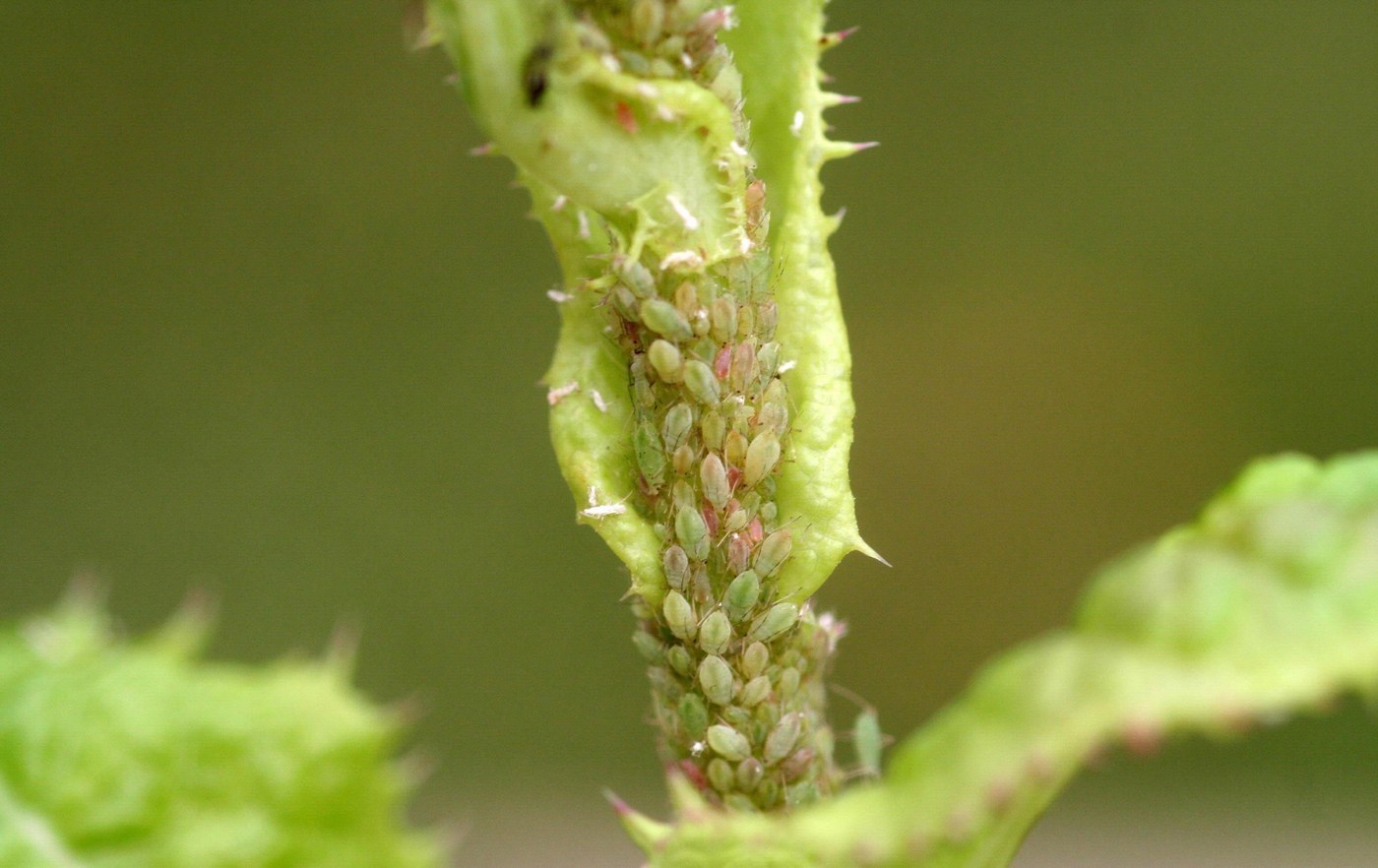
Aphid
On stems, leaves, and buds of a very wide range of host plants
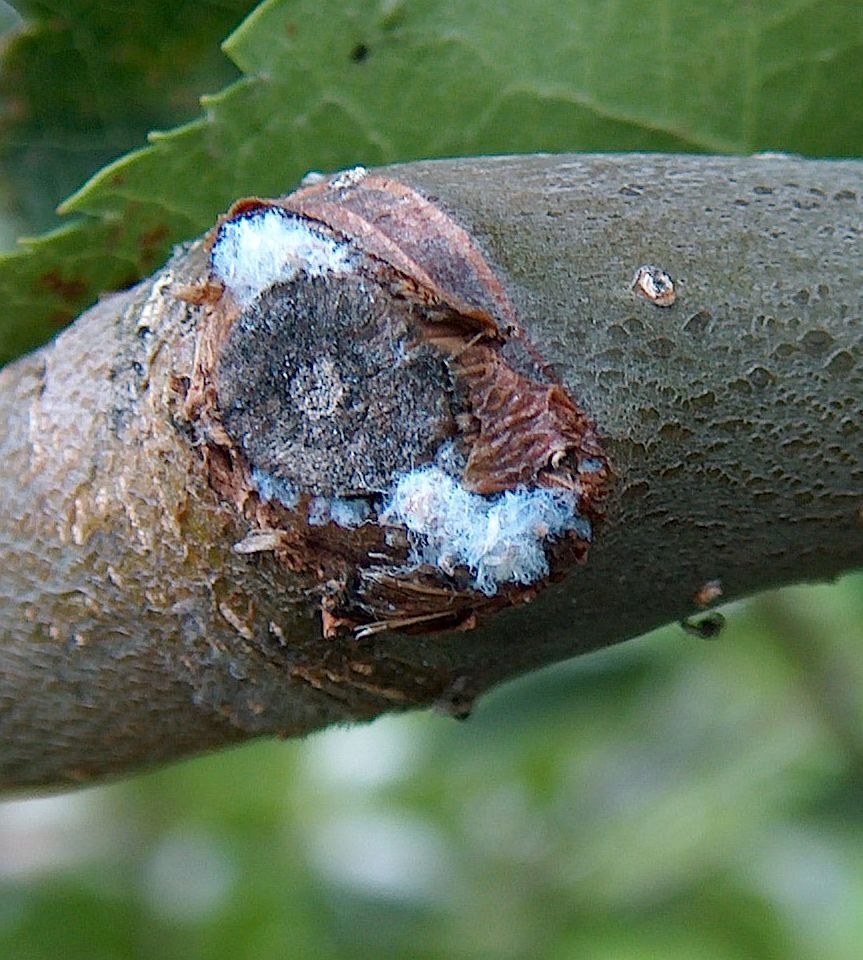
Woolly Aphid
Bark crevices, root collars, and twigs of apple, elm, and alder trees
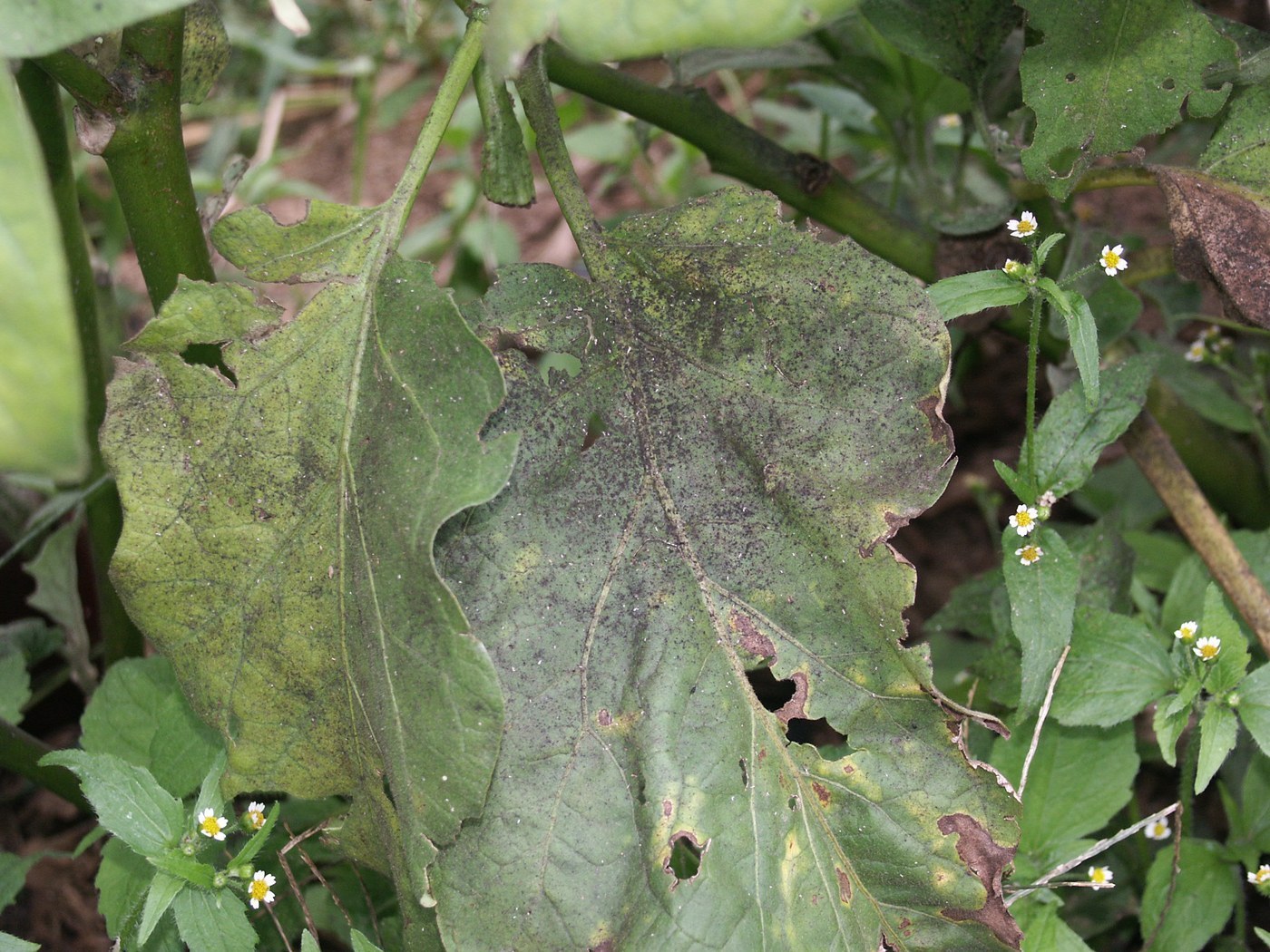
Whitefly
Greenhouses, gardens, and undersides of leaves on host plants
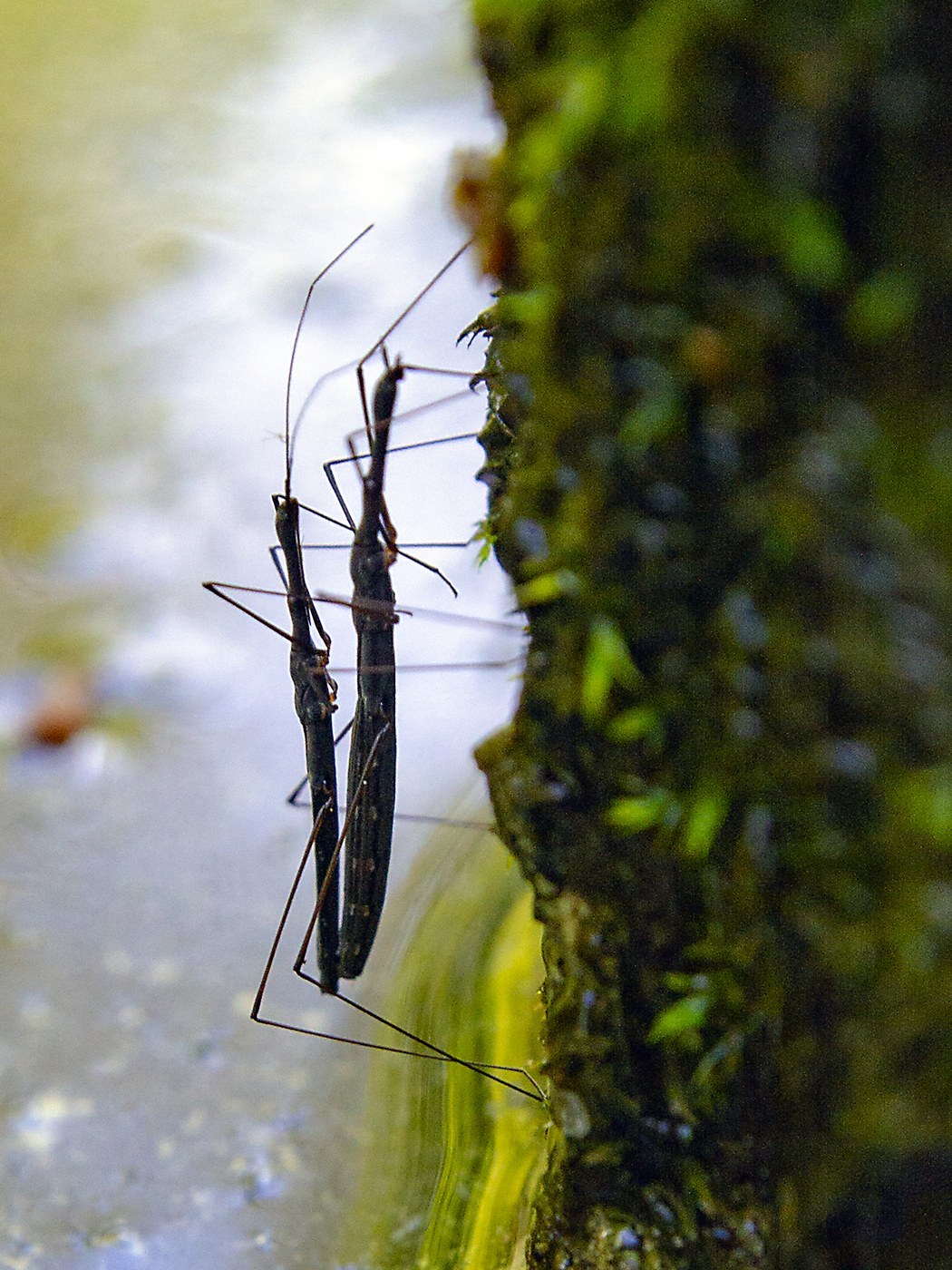
Water Measurer
Quiet edges of ponds, marshes, and slow streams
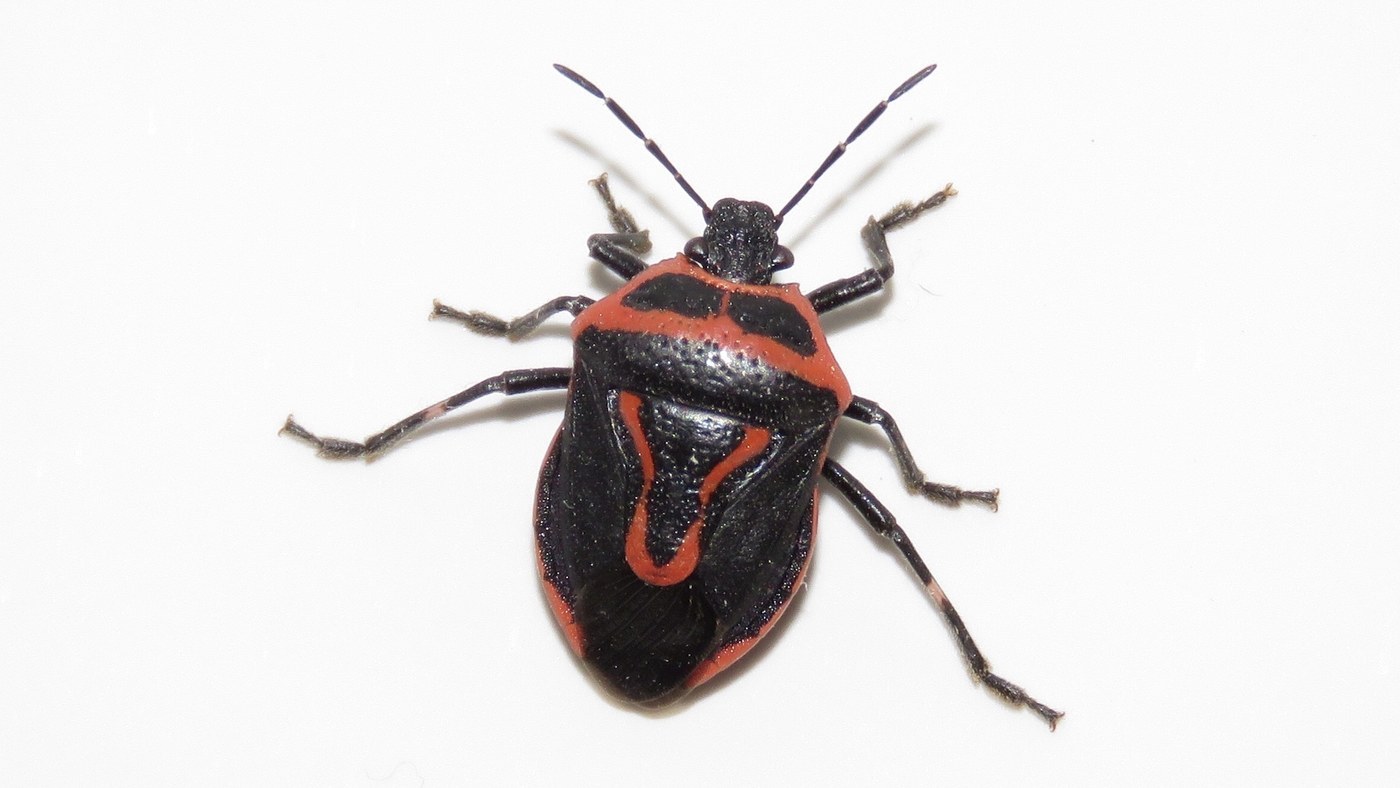
Two-Spotted Stink Bug
Gardens and fields with potato and nightshade-family plants