
Cabbage White Caterpillar
Pieris rapae
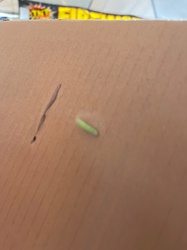
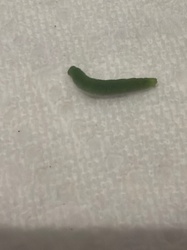
A velvety, bright green caterpillar with a faint yellow stripe down its back, the larval stage of the common white butterfly seen fluttering around vegetable gardens.
- Size
- 2.5-3.5 cm long
- Habitat
- gardens and fields with brassica plants
- Danger
- Nuisance pest
Spotted a bug like this?
Identify any bug or insect from a photo, free.
Overview
The cabbage white caterpillar is the larval stage of Pieris rapae, also known as the small white or imported cabbageworm, one of the most widespread and familiar butterflies in the world. Native to Europe, Asia, and North Africa, it was accidentally introduced to North America in the 1860s and has since spread across the continent, becoming one of the most common garden pests of brassica crops.
The caterpillar's velvety green body provides excellent camouflage against cabbage and related leaves, making it easy to overlook despite its voracious appetite. It is closely associated with cultivated cole crops but will also feed on wild mustard family plants growing along roadsides and in fields.
As a food source, cabbage white caterpillars support a range of parasitic wasps, particularly braconid wasps, which are important natural predators that help regulate populations, along with birds and other insectivorous animals.
How to Identify
- Smooth, velvety, bright to pale green body that blends closely with host plant leaves
- Faint, narrow yellow stripe running down the center of the back
- Fine, short hairs covering the body, giving it a slightly fuzzy texture up close
- Tapers gently at both ends, with a small green head
- Reaches about 2.5-3.5 cm long at full growth
- Lookalikes: cabbage looper, but the cabbage white caterpillar has a full set of prolegs and moves by crawling rather than looping, and lacks the looper's white side stripes
Habitat & Range
Cabbage white caterpillars are found nearly worldwide in temperate regions, including throughout North America, Europe, Asia, and parts of North Africa and Australia. They are most common in vegetable gardens, farm fields, and along roadsides wherever brassica plants such as cabbage, broccoli, kale, and wild mustards grow. Active from spring through fall in most regions, they can produce multiple generations across a single growing season.
Behavior & Diet
These caterpillars feed primarily on the leaves of cabbage and other brassica family plants, chewing ragged holes and sometimes concentrating damage near the center of the plant. They are diurnal feeders, active during the day, and rely on camouflage rather than speed to avoid predators. Cabbage white caterpillars play a role in the food web as prey for birds and especially as hosts for parasitic wasps, which lay their eggs inside the caterpillar and are a major natural control on populations.
Life Cycle
Adult female butterflies lay single, ribbed, bullet-shaped yellow eggs on the underside of host plant leaves. Eggs hatch within about a week into tiny caterpillars that pass through five instars over two to three weeks, feeding steadily on foliage. When mature, the caterpillar forms a chrysalis attached by silk to a plant stem or nearby structure, emerging as an adult butterfly after one to two weeks depending on temperature. The adult is a white butterfly with one or two black spots on each forewing. In warm climates, this species can produce three or more generations per year, overwintering as a chrysalis in colder regions.
Frequently asked questions
What does the adult cabbage white butterfly look like?
It is a medium-sized white butterfly with black wingtips and one or two small black spots on each forewing.
How can I tell a cabbage white caterpillar from a cabbage looper?
The cabbage white caterpillar has a full set of prolegs and crawls normally, while the looper has fewer prolegs and moves with an arching, looping motion.
What plants does the cabbage white caterpillar eat?
It primarily feeds on brassica family plants, including cultivated cabbage, broccoli, and kale, as well as wild mustards.
How many generations occur per year?
In warm climates it can complete three or more generations annually, overwintering as a chrysalis where winters are cold.
Cabbage White Caterpillar guides
In-depth guides for identifying, understanding, and living alongside Cabbage White Caterpillar.
Cabbage White Caterpillar identified by the community
Real finds identified with Bug Identifier.
Other bugs you may enjoy
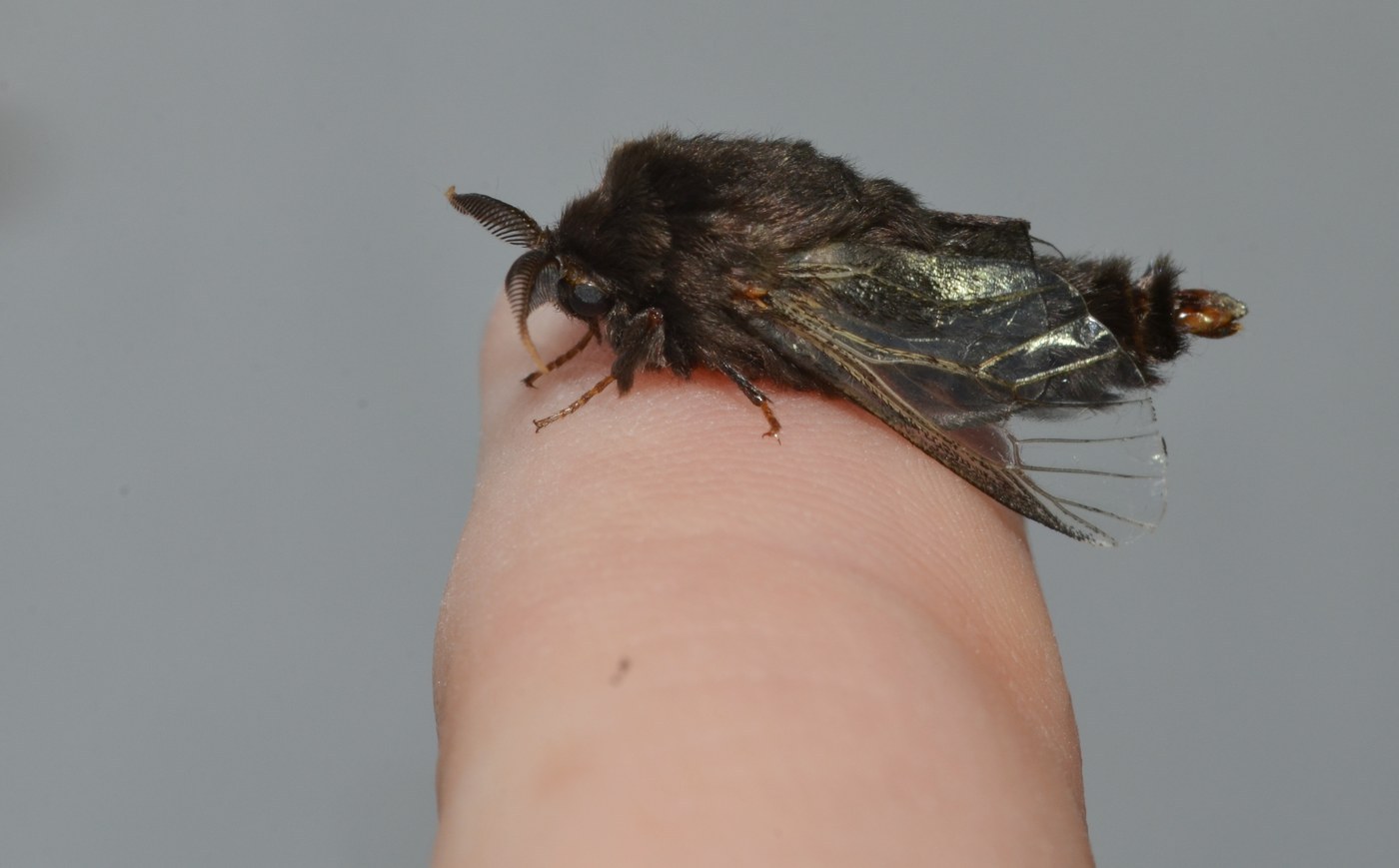
Bagworm
Trees and shrubs, especially conifers and ornamental landscaping
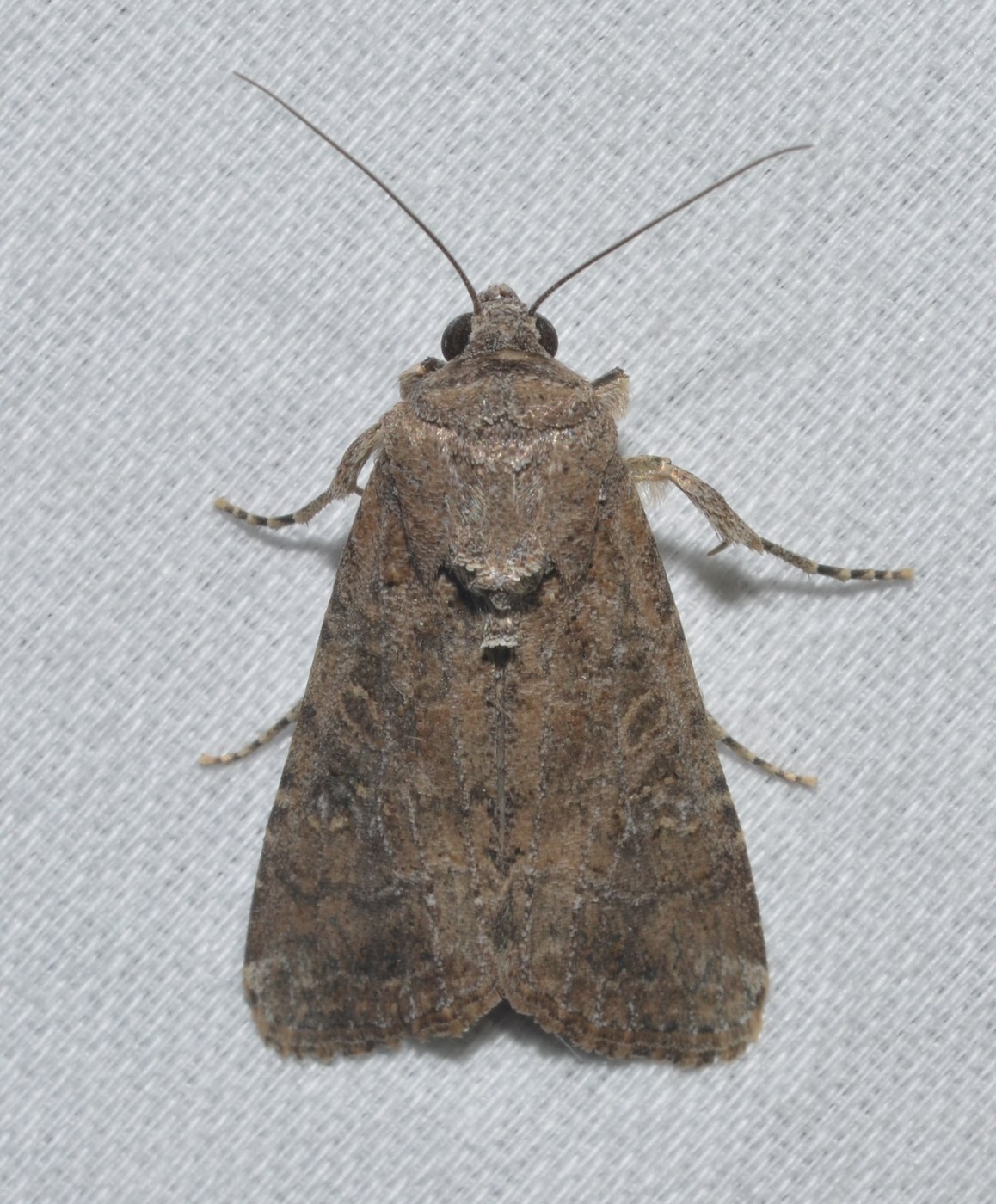
Armyworm
grasslands, pastures, and cereal crop fields
Zebra Longwing Caterpillar
Tropical and subtropical hammocks with passionflower vines
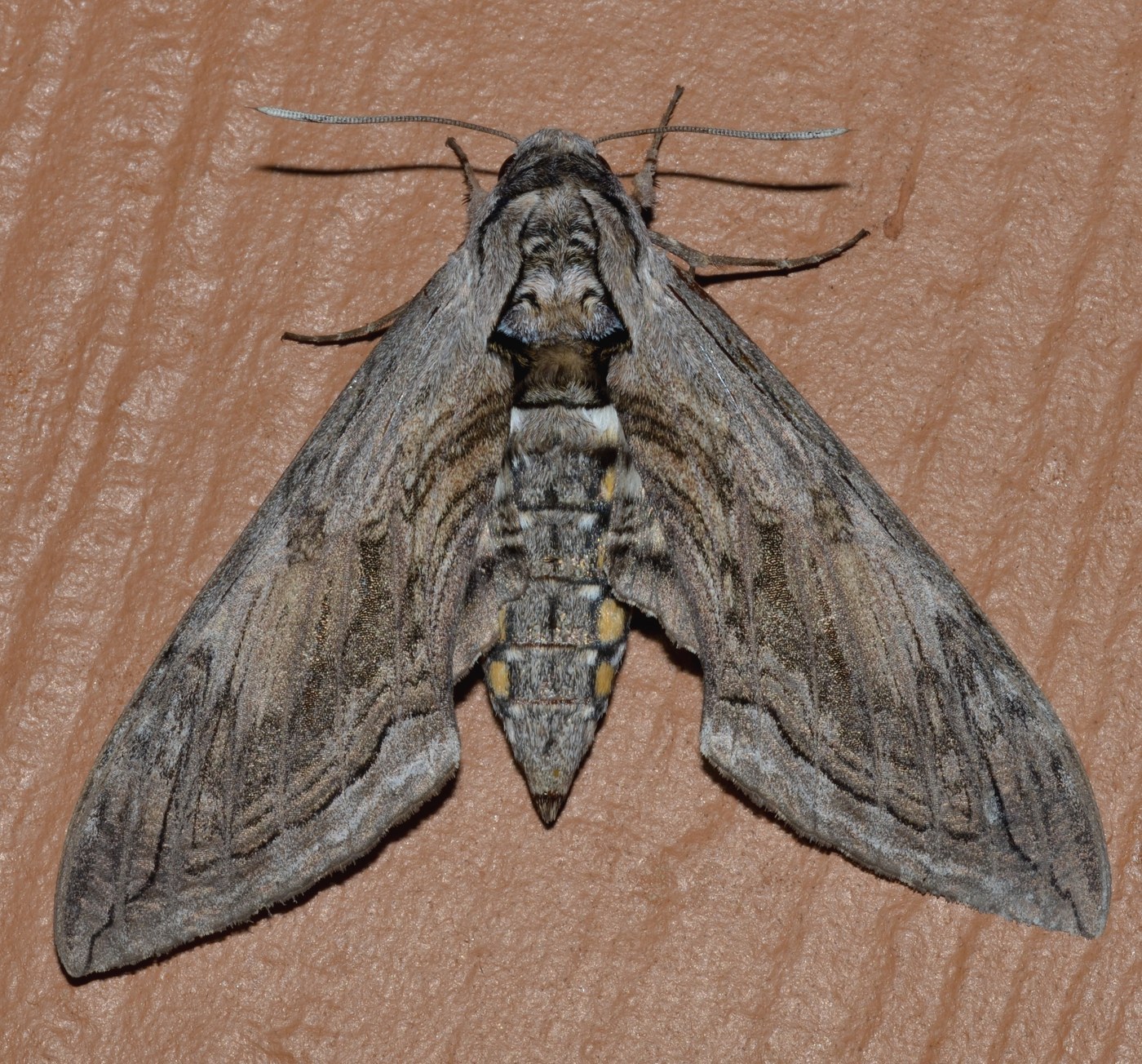
Tomato Hornworm
Gardens and fields with tomato, pepper, and other nightshade plants
Tent Caterpillar
Deciduous trees such as cherry, apple, and other rosaceous species
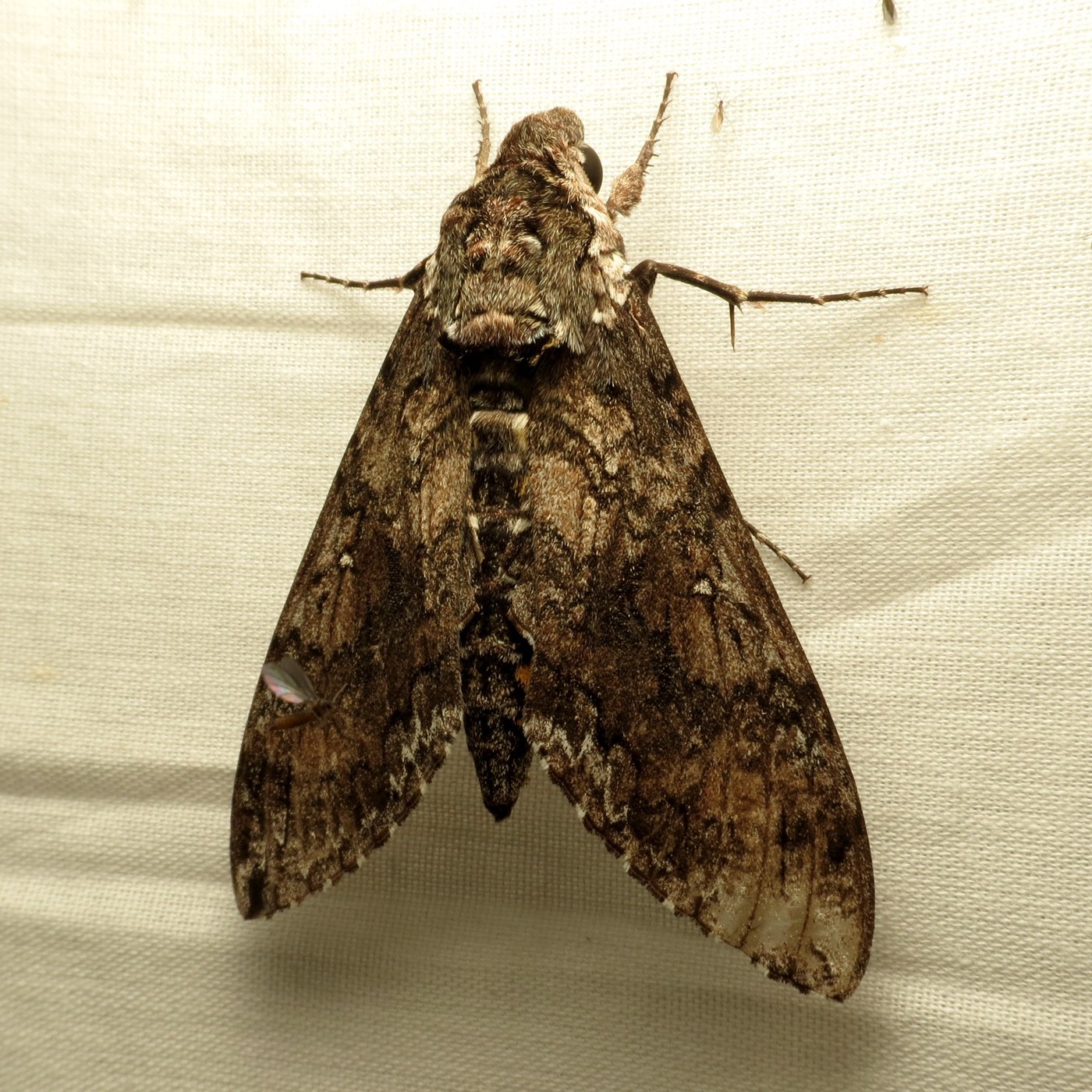
Tobacco Hornworm
tobacco, tomato, and pepper plants in gardens and fields
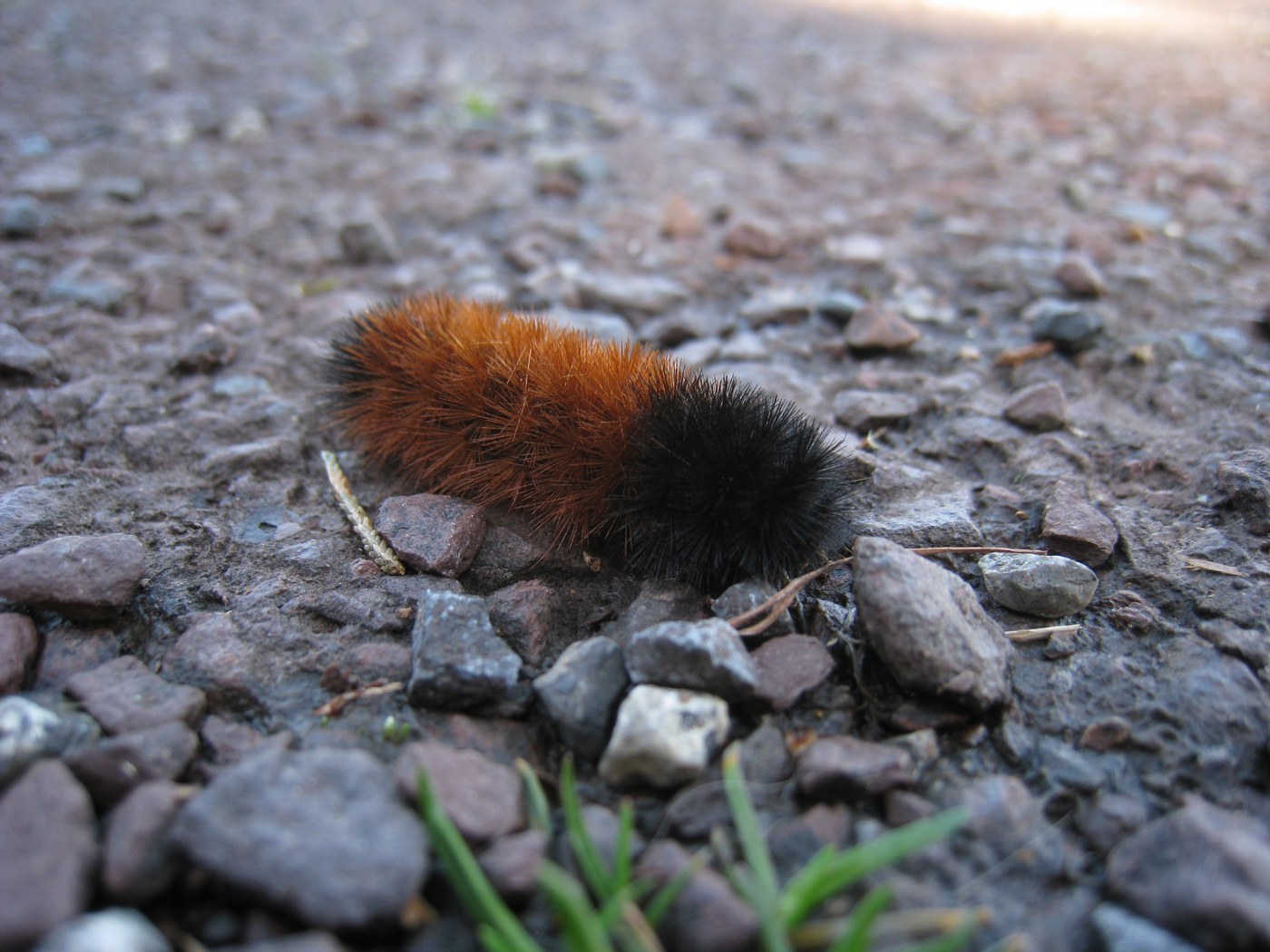
Woolly Bear Caterpillar
Gardens, meadows, roadsides, and woodland edges across North America
Sod Webworm
Turfgrass lawns, golf courses, pastures
Spiny Oak-slug Caterpillar
Deciduous forests and woodland edges with oak and other hardwoods
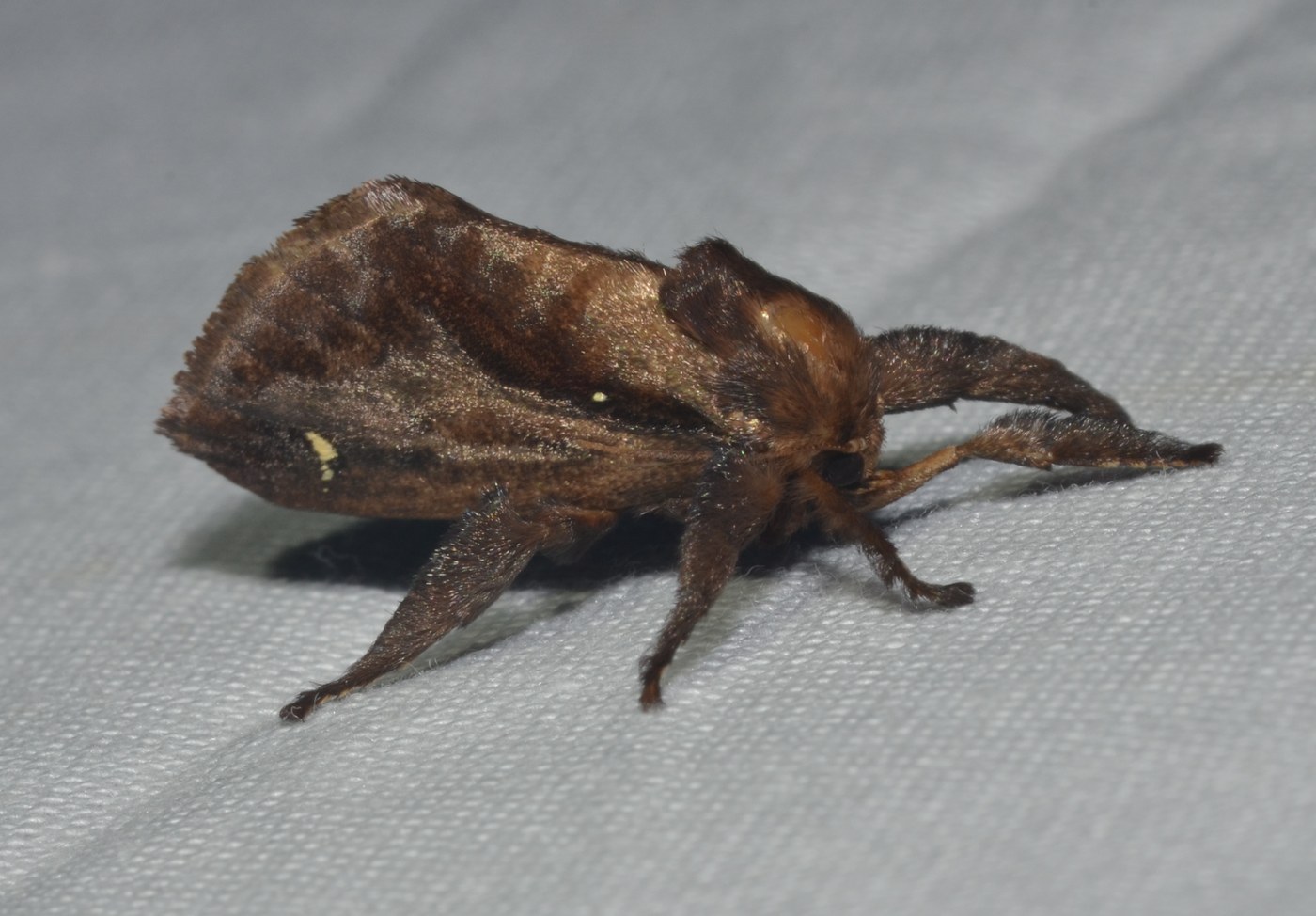
Saddleback Caterpillar
Deciduous trees and shrubs in eastern and southern North America
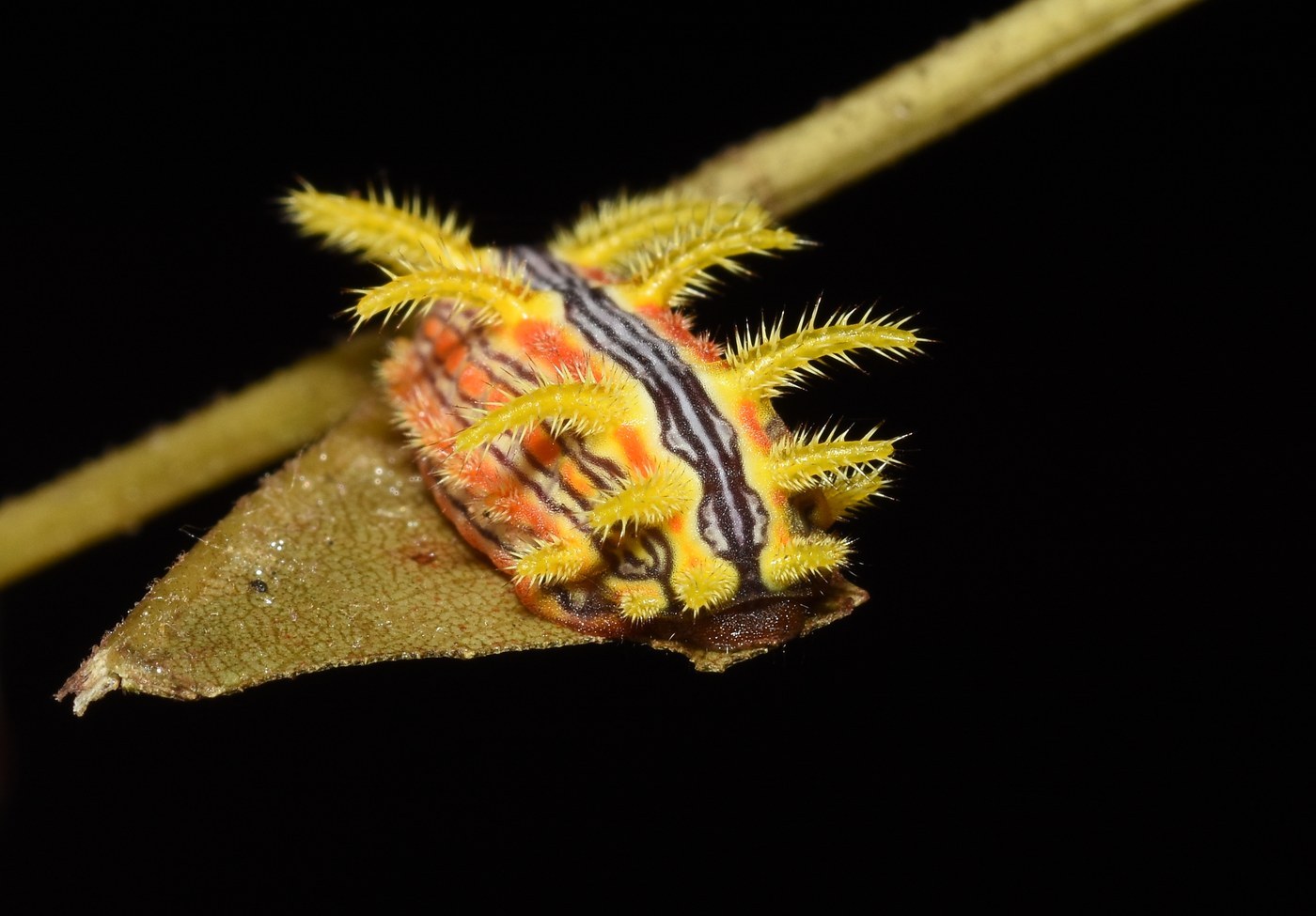
Stinging Rose Caterpillar
Gardens and woodlands with rose, dogwood, or oak
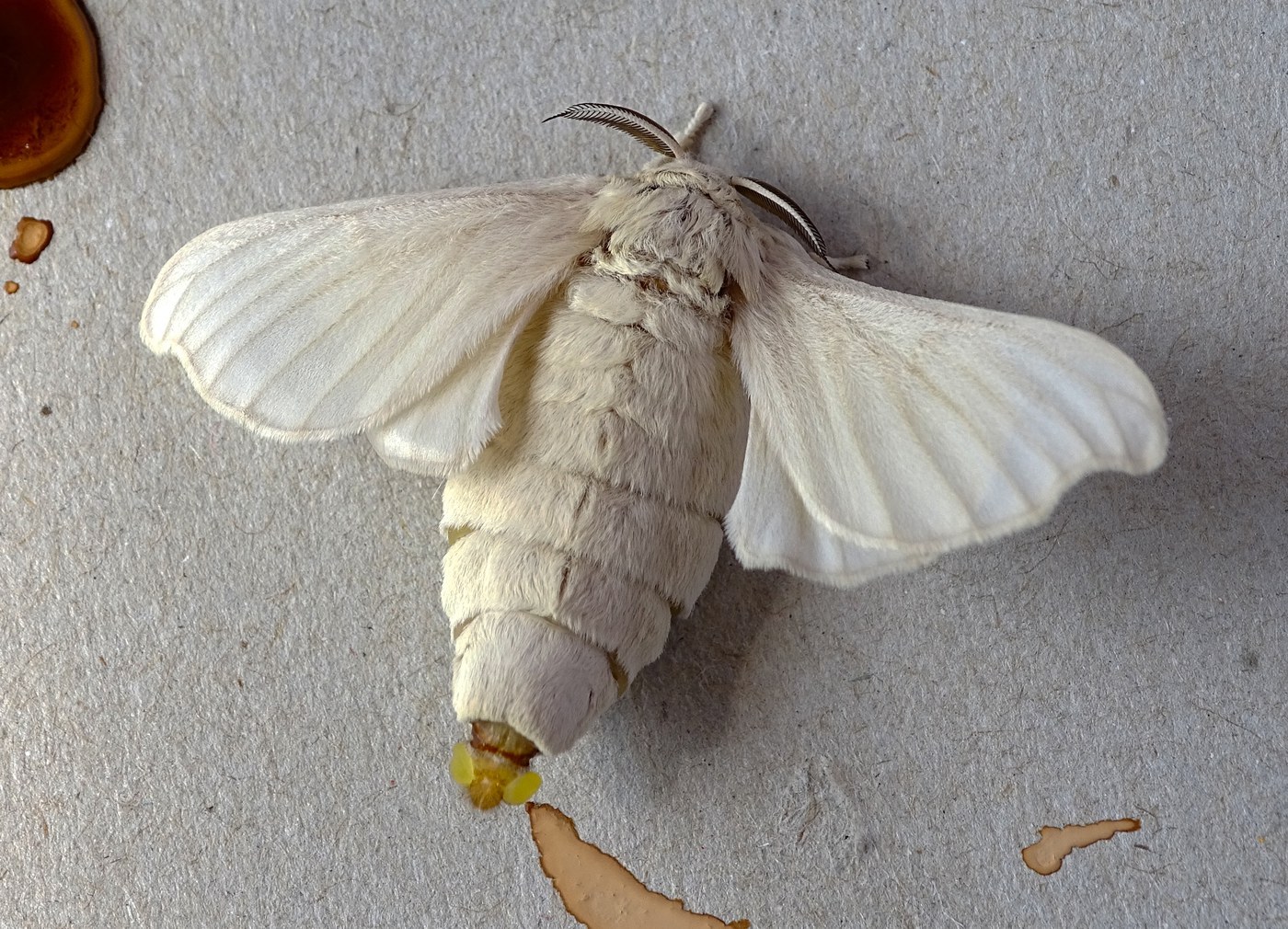
Silkworm
Reared exclusively in captivity on mulberry leaves; no independent wild population