
Tent Caterpillar
Malacosoma spp.
A social, blue-striped caterpillar that builds a conspicuous silken tent in the fork of a tree branch, sheltering large colonies of siblings that emerge together to feed on leaves.
- Size
- Larva up to 2 in (50 mm); adult moth wingspan about 1.5 in (38 mm)
- Habitat
- Deciduous trees such as cherry, apple, and other rosaceous species
- Danger
- Harmless
Spotted a bug like this?
Identify any bug or insect from a photo, free.
Overview
Tent caterpillars are the gregarious larvae of several closely related moth species in the genus Malacosoma, best known for constructing large, silken communal tents in the branches of host trees each spring. These tents serve as a shared shelter where the caterpillars rest between feeding bouts and help regulate the colony's temperature through basking behavior.
A single tent may house hundreds of caterpillars hatched from the same egg mass, and the colony works cooperatively, laying down silk trails that help members navigate to and from feeding sites on nearby foliage. As the caterpillars grow, the tent is enlarged to accommodate the expanding colony.
While heavy infestations can strip host trees of leaves in spring, most healthy deciduous trees are able to produce a second flush of foliage and generally survive, making tent caterpillar outbreaks a temporary and largely cosmetic concern most years, though populations can fluctuate dramatically between cyclical outbreak years.
How to Identify
- Larva is a colorful caterpillar reaching up to about 2 in (50 mm), typically dark with a pale stripe down the back bordered by blue spots and fine hairs
- Eastern tent caterpillar has a solid white stripe down the back; western and forest tent caterpillars have a row of pale keyhole- or footprint-shaped spots instead of a solid stripe
- Body covered in fine, soft hair-like setae rather than stiff spines
- Adult moth is stout-bodied and tan to reddish-brown with one or two pale diagonal bands across each forewing
- Silken tents built in the forks of branches, growing larger through spring, are the most recognizable sign of this group
Habitat & Range
Widespread across North America, tent caterpillars are found wherever suitable deciduous host trees grow, with eastern tent caterpillar favoring wild cherry, apple, and other rosaceous trees, while related species use aspen, oak, and other hardwoods. Egg masses overwinter on twigs, and larvae become active and begin building tents in early to mid-spring as host trees leaf out, with feeding and tent-building activity concluding by early summer.
Behavior & Diet
Larvae are highly social, living together in a shared silk tent and leaving in groups to feed on foliage, often following pheromone-marked silk trails laid down by scouting individuals. The colony basks together on the sun-facing side of the tent to raise its body temperature on cool spring mornings, a behavior thought to speed development. Tent caterpillars serve as an important spring food source for many birds, and outbreak populations are also kept in check over time by parasitic flies and wasps as well as viral diseases.
Life Cycle
Development is complete metamorphosis with one generation per year. Eggs are laid in a shiny, varnish-covered band encircling a twig in early summer and remain there through fall and winter. Larvae hatch as host trees leaf out in spring, feed and grow through several instars while sheltering in the communal tent, then disperse individually to spin a cocoon in a sheltered location once mature. Adults emerge in early to midsummer, live only briefly, and mate and lay the next generation's overwintering egg band before dying.
Frequently asked questions
Do tent caterpillars build a new tent every year?
Yes, each spring's colony builds its own tent from scratch after hatching from an overwintering egg band, gradually enlarging it as the caterpillars grow through the season.
Why do tent caterpillars cluster on the sunny side of the tent?
Basking together in the sun helps the group raise its body temperature on cool spring mornings, which is thought to speed up development and digestion.
Do trees usually survive being defoliated by tent caterpillars?
Most healthy deciduous trees can produce a second flush of leaves after being stripped in spring and typically recover over the course of the season.
How do tent caterpillars find their way back to the tent after feeding?
They lay down silk trails marked with pheromones while traveling to feeding sites, allowing colony members to follow the same paths back to the shared tent.
Tent Caterpillar guides
In-depth guides for identifying, understanding, and living alongside Tent Caterpillar.
Other bugs you may enjoy
Bagworm
Trees and shrubs, especially conifers and ornamental landscaping
Armyworm
grasslands, pastures, and cereal crop fields
Zebra Longwing Caterpillar
Tropical and subtropical hammocks with passionflower vines
Tomato Hornworm
Gardens and fields with tomato, pepper, and other nightshade plants
Tobacco Hornworm
tobacco, tomato, and pepper plants in gardens and fields
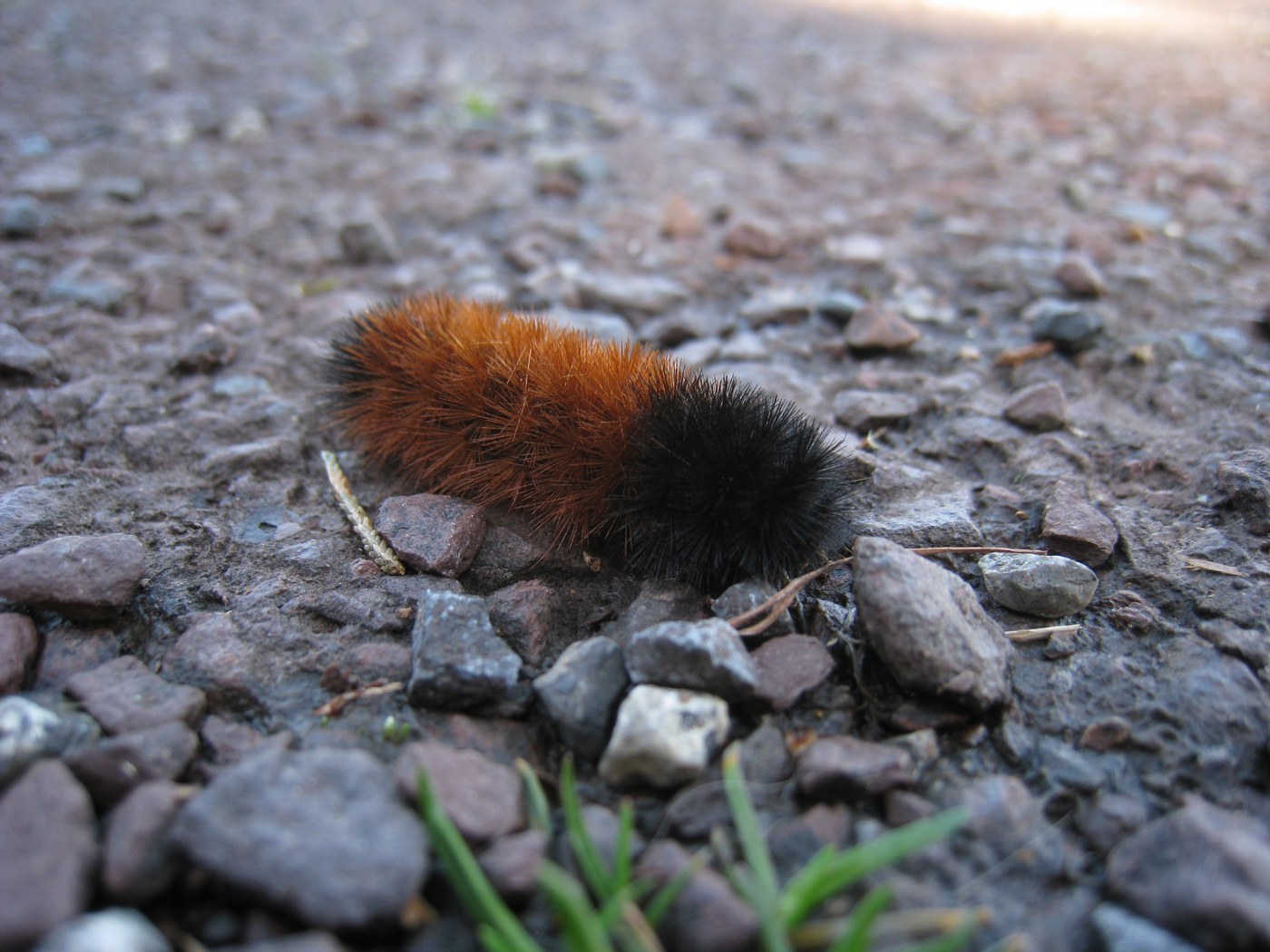
Woolly Bear Caterpillar
Gardens, meadows, roadsides, and woodland edges across North America
Sod Webworm
Turfgrass lawns, golf courses, pastures
Spiny Oak-slug Caterpillar
Deciduous forests and woodland edges with oak and other hardwoods
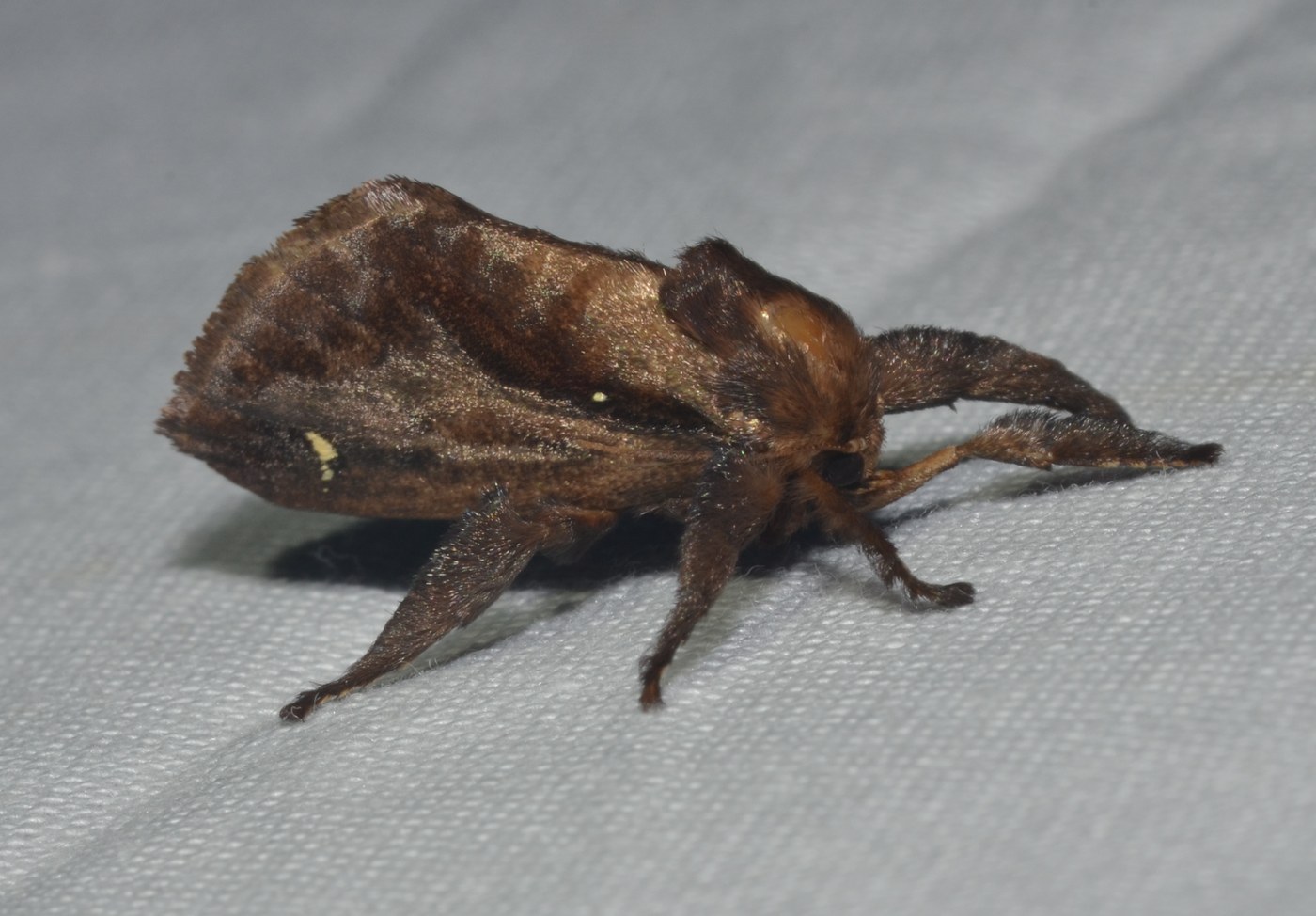
Saddleback Caterpillar
Deciduous trees and shrubs in eastern and southern North America
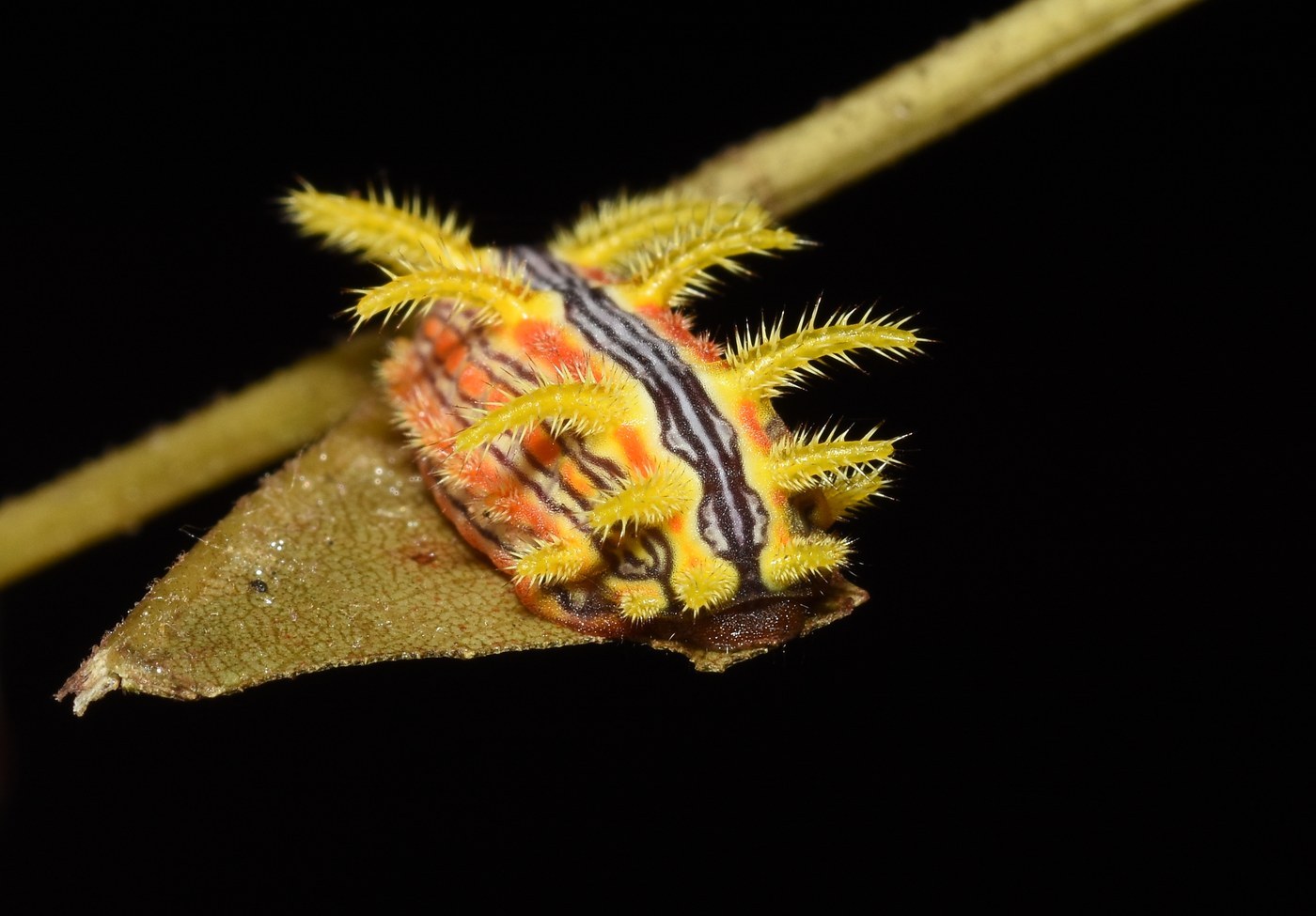
Stinging Rose Caterpillar
Gardens and woodlands with rose, dogwood, or oak
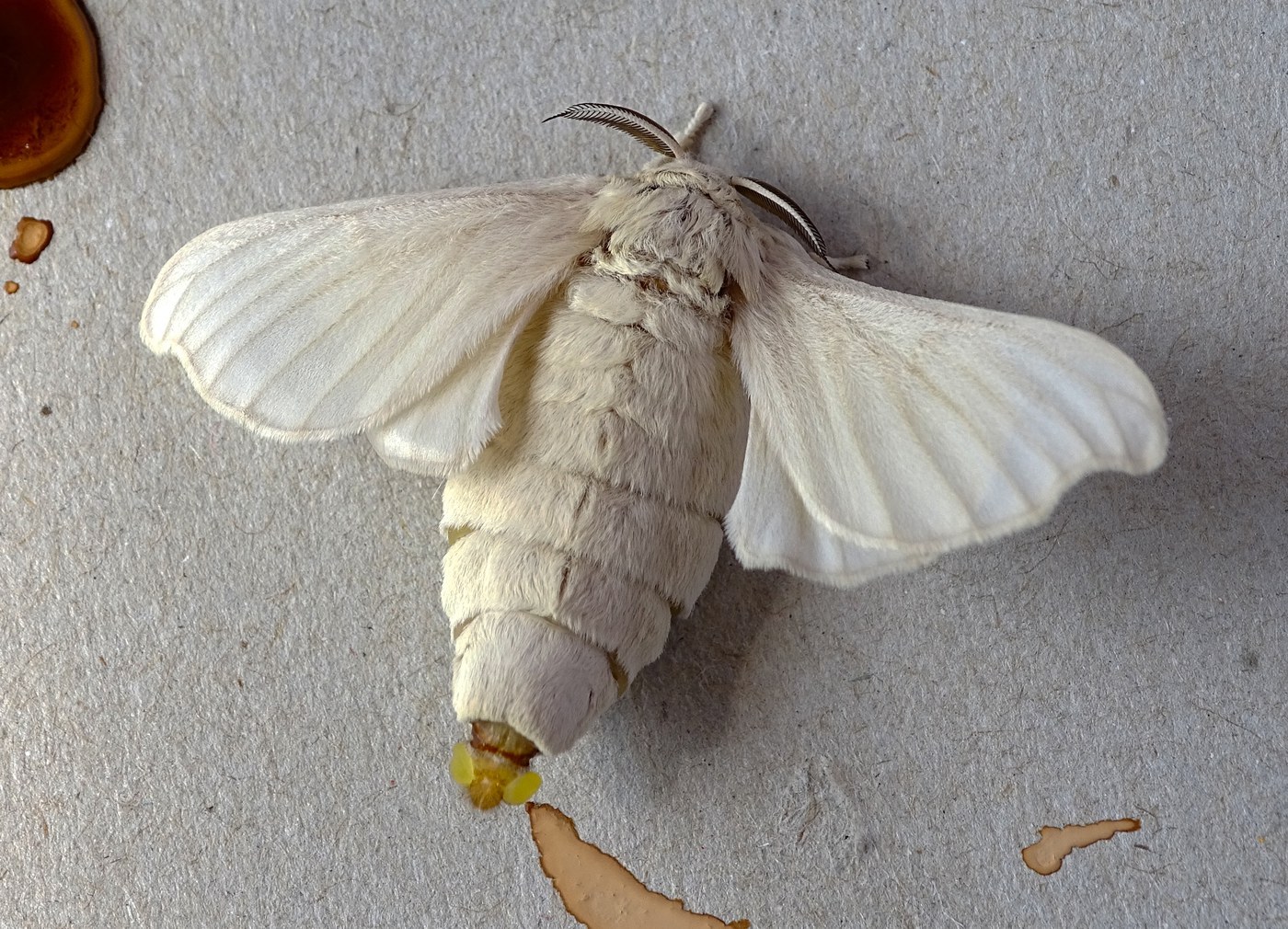
Silkworm
Reared exclusively in captivity on mulberry leaves; no independent wild population
Spicebush Swallowtail Caterpillar
Woodlands and thickets with spicebush or sassafras