
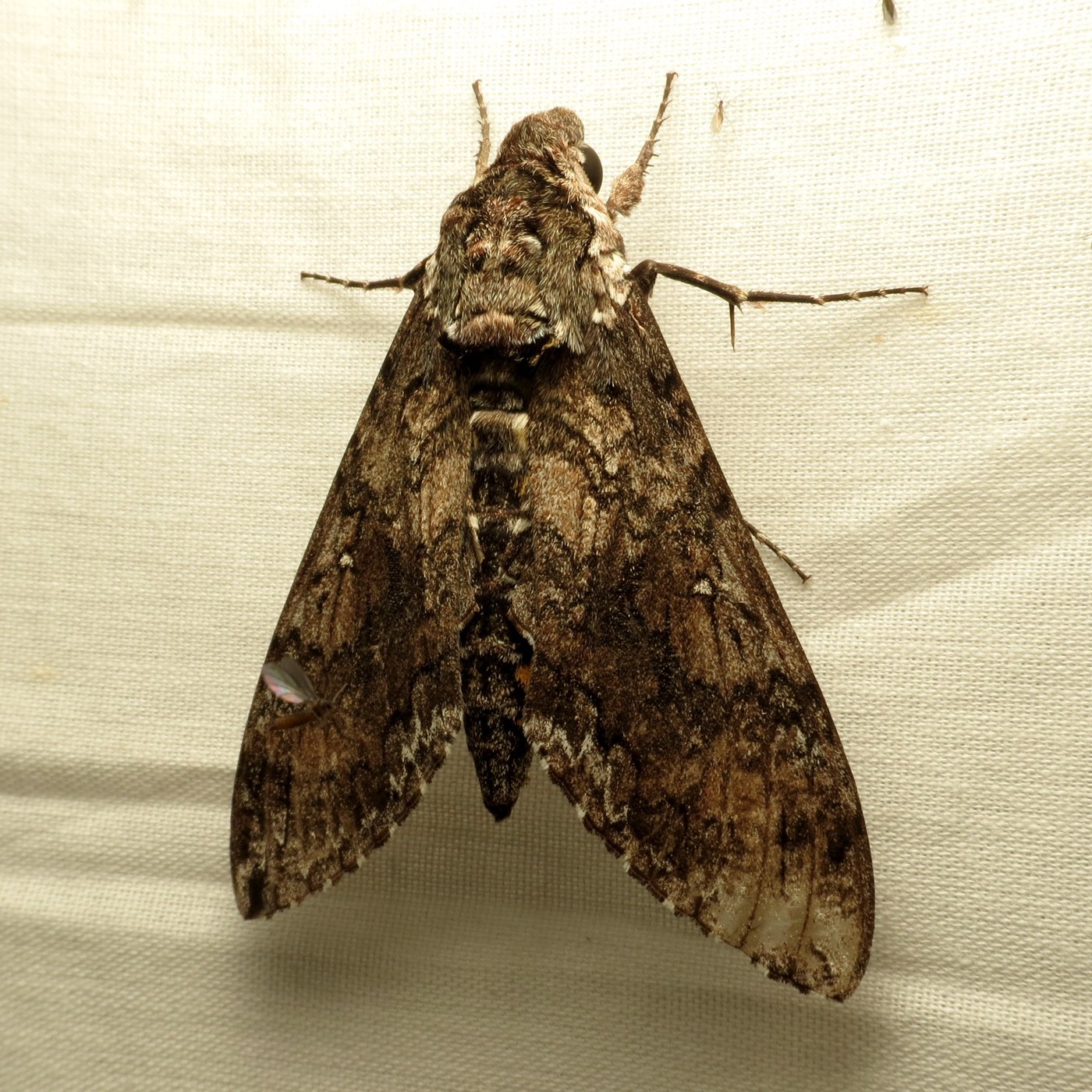
Tobacco Hornworm
Manduca sexta
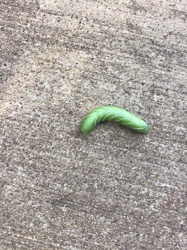
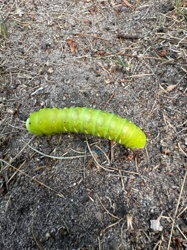
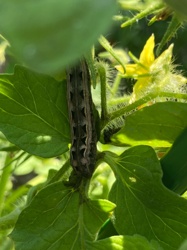
A large, chunky green caterpillar with diagonal white stripes and a curved red-orange horn at its tail end, often found stripping tomato and tobacco plants.
- Size
- 7-9 cm long
- Habitat
- tobacco, tomato, and pepper plants in gardens and fields
- Danger
- Harmless
Spotted a bug like this?
Identify any bug or insect from a photo, free.
Overview
The tobacco hornworm is the larval stage of the Carolina sphinx moth (Manduca sexta), a large, fast-flying hawk moth found throughout the Americas. Despite the name, this caterpillar is a well-known garden pest of tomatoes as well as tobacco, pepper, eggplant, and other nightshade family plants.
Its large size, bright green coloring, and prominent posterior horn make it one of the most recognizable caterpillars in North American gardens, though it is frequently confused with the very similar tomato hornworm (Manduca quinquemaculata). The tobacco hornworm can be distinguished by its seven diagonal white stripes and typically red horn, compared to the tomato hornworm's eight V-shaped markings and blue-black horn.
This species has also become one of the most important model organisms in insect physiology and neuroscience research, widely studied in laboratories for its large size and well-understood biology, in addition to its ecological role as food for birds and parasitic wasps in the wild.
How to Identify
- Large, thick-bodied caterpillar, bright green with seven diagonal white stripes along each side
- Prominent curved horn, usually reddish or orange, projecting from the rear end
- Small black spots often present along the sides near the stripes
- Grows to an impressive 7-9 cm in length at maturity
- Lookalikes: tomato hornworm (Manduca quinquemaculata), which has eight V-shaped white markings instead of diagonal stripes and a blue-black rather than red horn
Habitat & Range
Tobacco hornworms are found throughout much of the southern and eastern United States and into Latin America, wherever nightshade family host plants grow. They are common in tobacco fields, tomato and pepper gardens, and areas with related wild nightshades. Caterpillars are most active from late spring through late summer, feeding heavily during warm months before pupating in the soil.
Behavior & Diet
These caterpillars are voracious feeders on the leaves and sometimes fruit of tobacco, tomato, pepper, and other nightshade plants, capable of stripping significant foliage from a plant in a short time due to their large size and appetite. Their green coloring provides strong camouflage among leaves, making them surprisingly difficult to spot despite their bulk. Tobacco hornworms are an important food source for birds and are frequently parasitized by braconid wasps, whose white cocoons are often seen studding the caterpillar's back, an important natural population control.
Life Cycle
Adult female moths lay round, pale green eggs singly on the underside of host plant leaves. Eggs hatch within about a week, and the caterpillar passes through five instars over three to four weeks, growing rapidly and shedding its skin between each stage. When mature, the caterpillar drops to the ground and burrows into the soil to pupate, forming a dark brown pupa with a distinctive curved case enclosing the developing mouthparts. After two to four weeks, or after overwintering in colder regions, the adult Carolina sphinx moth emerges, a large gray-brown moth with a wingspan of up to 12 cm. The species can produce one to two generations per year depending on climate.
Frequently asked questions
How do you tell a tobacco hornworm from a tomato hornworm?
The tobacco hornworm has seven diagonal white stripes and a reddish horn, while the tomato hornworm has eight V-shaped markings and a blue-black horn.
What plants does the tobacco hornworm feed on?
It feeds on nightshade family plants, especially tobacco, tomato, pepper, and eggplant.
What moth does the tobacco hornworm turn into?
It develops into the Carolina sphinx moth, a large gray-brown hawk moth with a wingspan up to about 12 centimeters.
Where does the tobacco hornworm pupate?
The mature caterpillar burrows into the soil, where it forms a pupa before emerging as an adult moth.
Tobacco Hornworm guides
In-depth guides for identifying, understanding, and living alongside Tobacco Hornworm.
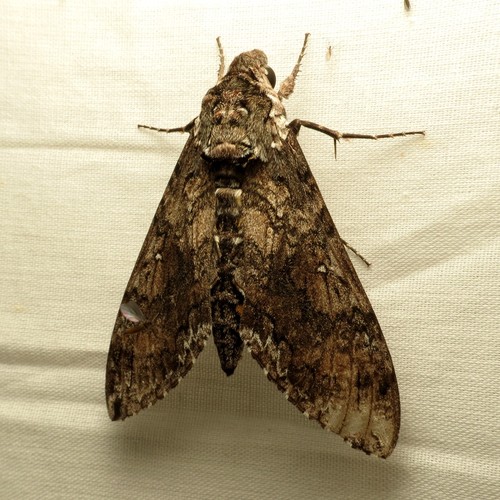
Tobacco Hornworm identified by the community
Real finds identified with Bug Identifier.
Other bugs you may enjoy
Bagworm
Trees and shrubs, especially conifers and ornamental landscaping
Armyworm
grasslands, pastures, and cereal crop fields
Zebra Longwing Caterpillar
Tropical and subtropical hammocks with passionflower vines
Tomato Hornworm
Gardens and fields with tomato, pepper, and other nightshade plants
Tent Caterpillar
Deciduous trees such as cherry, apple, and other rosaceous species
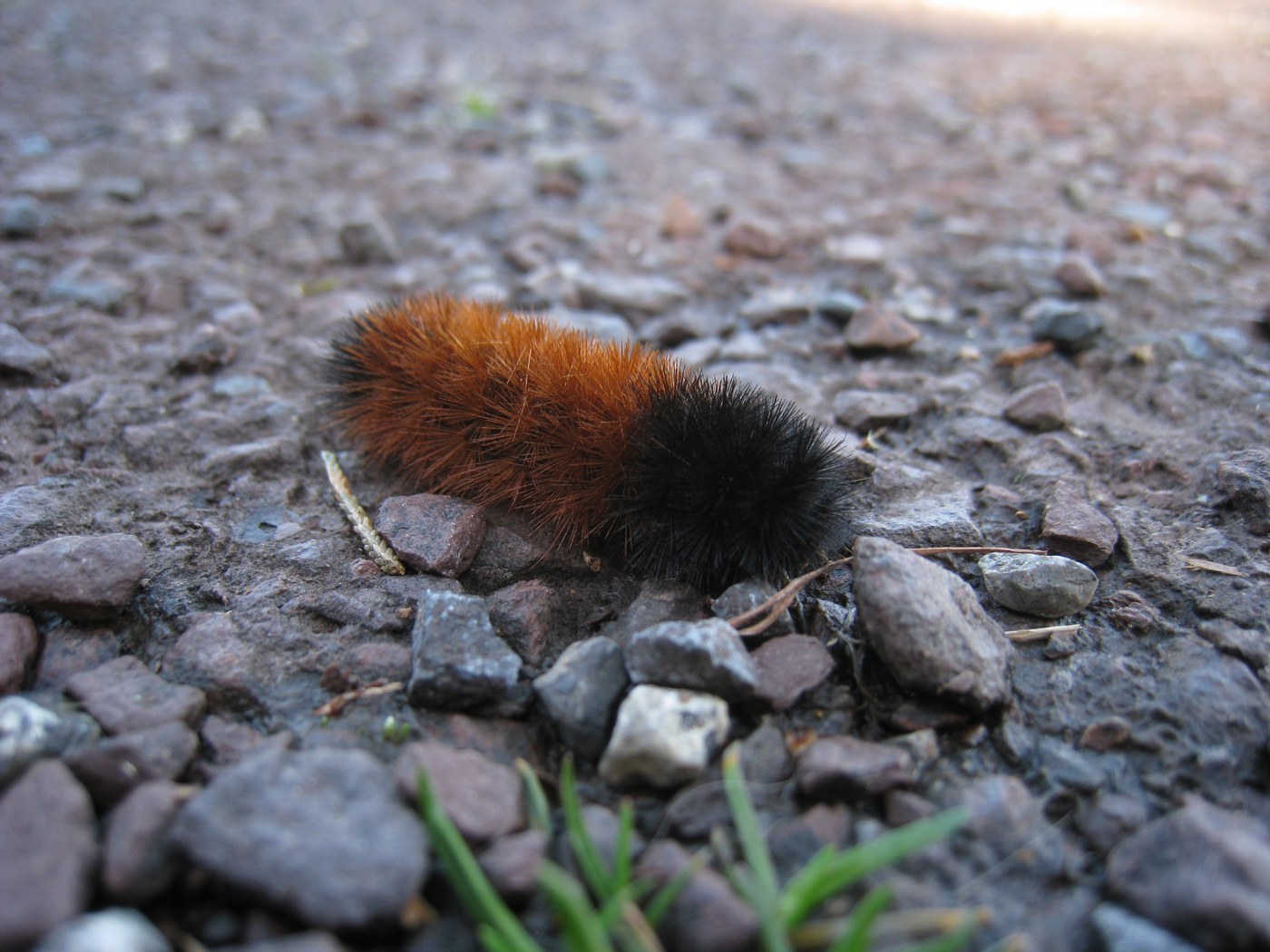
Woolly Bear Caterpillar
Gardens, meadows, roadsides, and woodland edges across North America
Sod Webworm
Turfgrass lawns, golf courses, pastures
Spiny Oak-slug Caterpillar
Deciduous forests and woodland edges with oak and other hardwoods
Saddleback Caterpillar
Deciduous trees and shrubs in eastern and southern North America
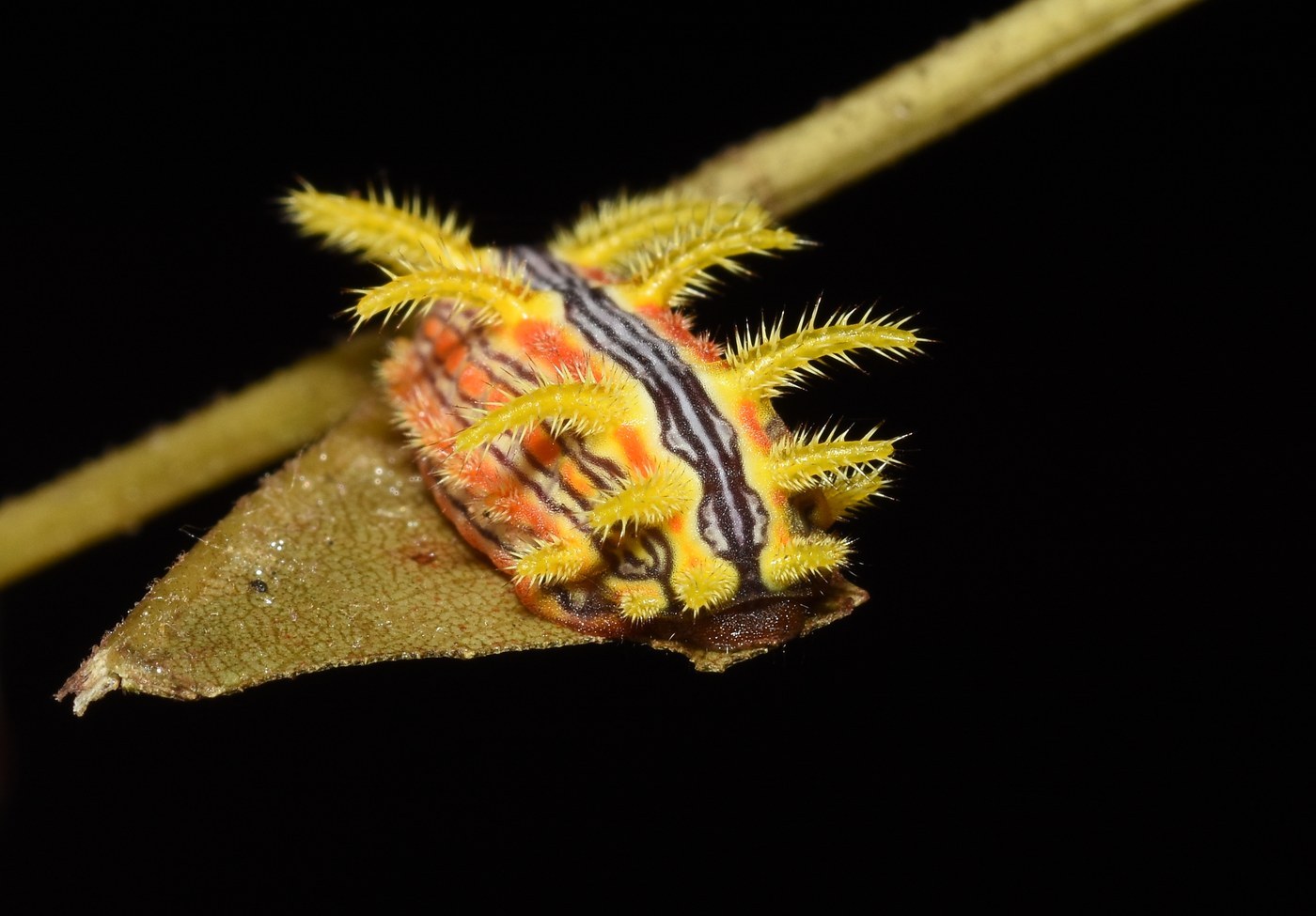
Stinging Rose Caterpillar
Gardens and woodlands with rose, dogwood, or oak
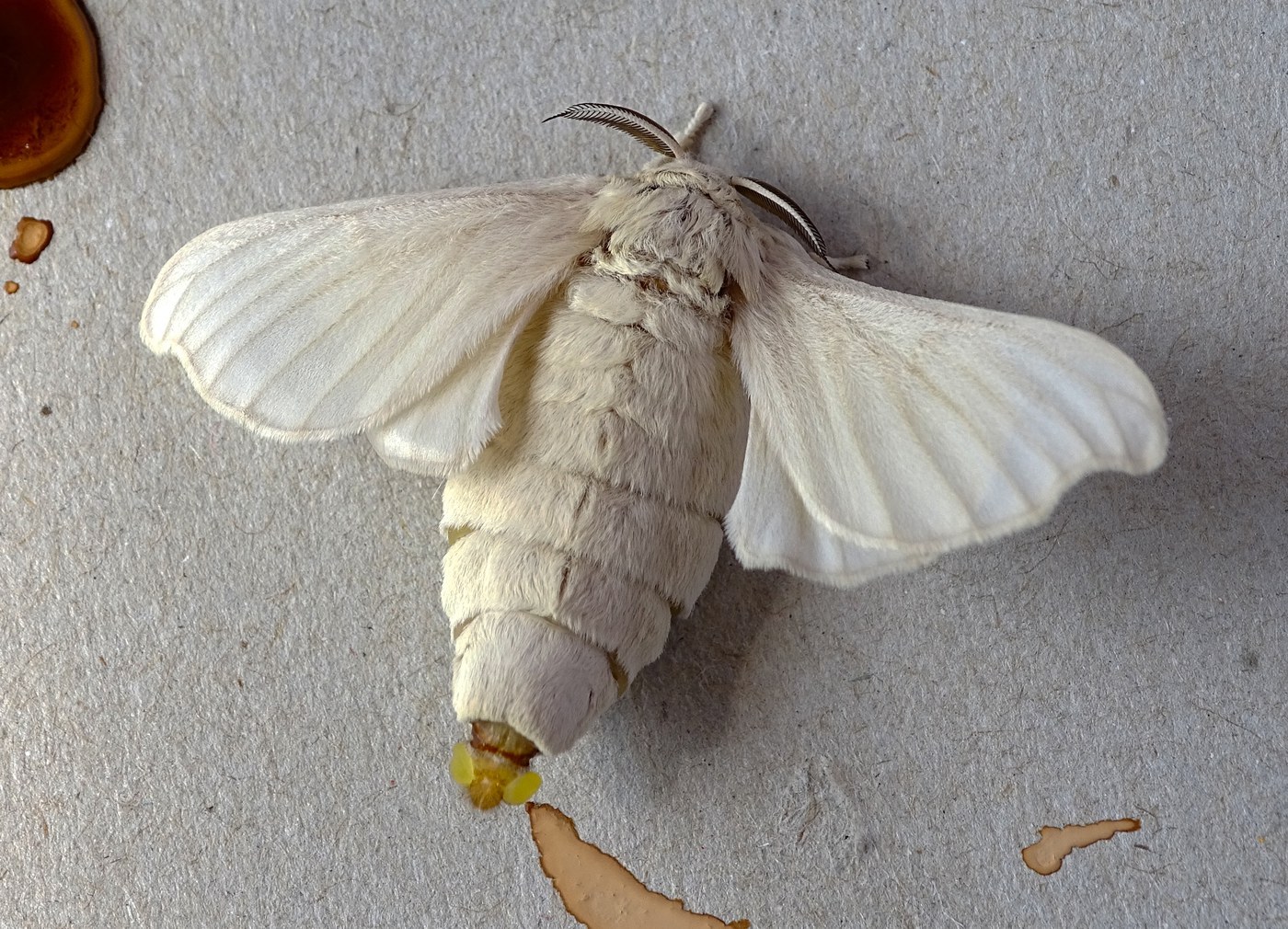
Silkworm
Reared exclusively in captivity on mulberry leaves; no independent wild population
Spicebush Swallowtail Caterpillar
Woodlands and thickets with spicebush or sassafras