
Spicebush Swallowtail Caterpillar
Papilio troilus
A bulging-eyed green caterpillar that lives folded inside its own silk-stitched leaf tent, looking every bit like a miniature snake peering out from cover.
- Size
- Up to 2 in (5 cm) long
- Habitat
- Woodlands and thickets with spicebush or sassafras
- Danger
- Harmless
Spotted a bug like this?
Identify any bug or insect from a photo, free.
Overview
The spicebush swallowtail caterpillar is the larva of a common woodland butterfly found throughout much of the eastern United States, named for one of its primary host plants, spicebush. Like several other swallowtail larvae, it uses eyespot mimicry to deter predators, but it takes the strategy further by building a distinctive folded-leaf retreat that it occupies during the day.
Over its development the caterpillar changes color dramatically, shifting from an early dark and white pattern to a bright yellow-green form and finally to a more subdued orange-yellow before pupation, tracking changes that help it blend with both green and senescing foliage.
How to Identify
- Later instars are bright yellow-green to blue-green with a swollen, rounded thorax
- Two large yellow-orange eyespots with black pupils sit atop the thorax, each ringed with black
- A row of small blue dots often lines the sides near the rear of the body
- Younger caterpillars are dark brown and white, resembling bird droppings
- Body is smooth and hairless
- Distinguished from the similar tiger swallowtail caterpillar by its host plant (spicebush or sassafras) and slightly more elongated eyespots
Habitat & Range
This species is found across the eastern United States, from the Gulf Coast north into New England and the Midwest, wherever its host plants grow in forest understories, woodland edges, and shaded thickets. Caterpillars are most commonly found from late spring through early fall on spicebush and sassafras shrubs.
Behavior & Diet
The caterpillar folds a leaf over itself with silk threads to create a tent-like shelter, resting inside during daylight hours and venturing out to feed mostly at night. This behavior, combined with its snake-like eyespots, helps it avoid detection and startle potential predators such as birds. It feeds exclusively on spicebush, sassafras, and occasionally related plants, and like other swallowtails it can evert a scent-releasing osmeterium gland when disturbed. As both caterpillar and adult butterfly, it plays a role in forest food webs and pollination.
Life Cycle
Females lay pale round eggs singly on the underside of host leaves. The larva develops through five instars over several weeks, shifting in color from a bird-dropping mimic to the bright green eyespotted form and finally to a duller orange hue before pupating. It forms a chrysalis that can be green or brown depending on its surroundings, attached to a stem or leaf litter by a silk girdle. The species overwinters as a chrysalis in cooler climates, with one to three generations annually depending on latitude.
Frequently asked questions
What does the spicebush swallowtail caterpillar eat?
It feeds primarily on spicebush and sassafras leaves, and occasionally on related plants.
Why does it build a leaf shelter?
It folds and silks together a leaf to create a tent-like retreat where it hides during the day to avoid predators.
Why does the caterpillar's color change as it grows?
Early instars mimic bird droppings for camouflage, while later instars turn bright green with eyespots that mimic a snake's face.
How can I tell it apart from a tiger swallowtail caterpillar?
The two look similar, but spicebush swallowtail caterpillars are found on spicebush or sassafras rather than cherry or tulip tree leaves.
Spicebush Swallowtail Caterpillar guides
In-depth guides for identifying, understanding, and living alongside Spicebush Swallowtail Caterpillar.
Spicebush Swallowtail Caterpillar identified by the community
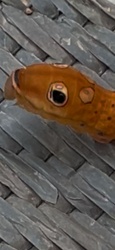
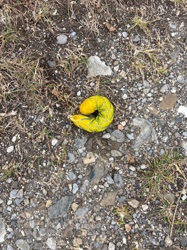
Real finds identified with Bug Identifier.
Other bugs you may enjoy
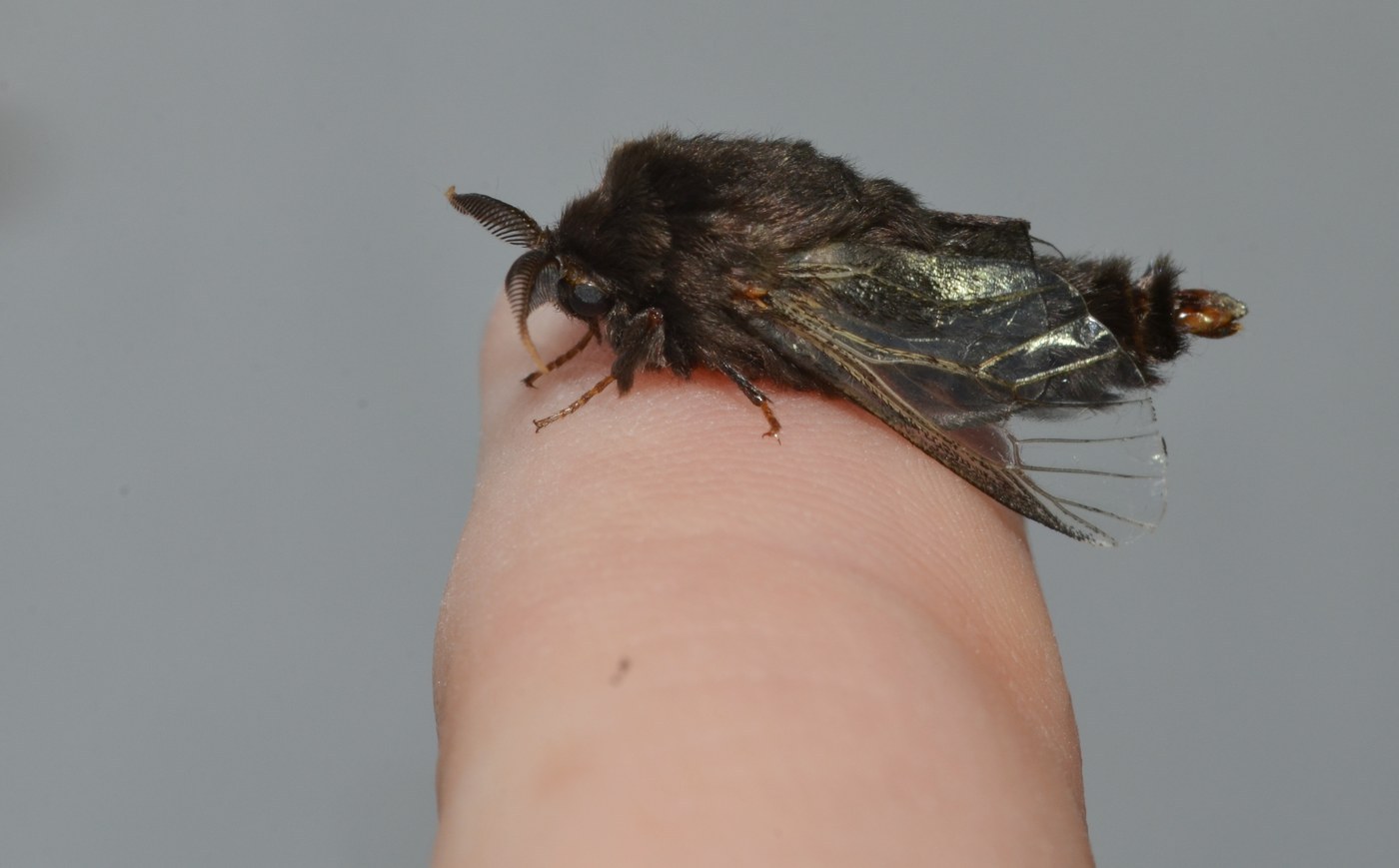
Bagworm
Trees and shrubs, especially conifers and ornamental landscaping
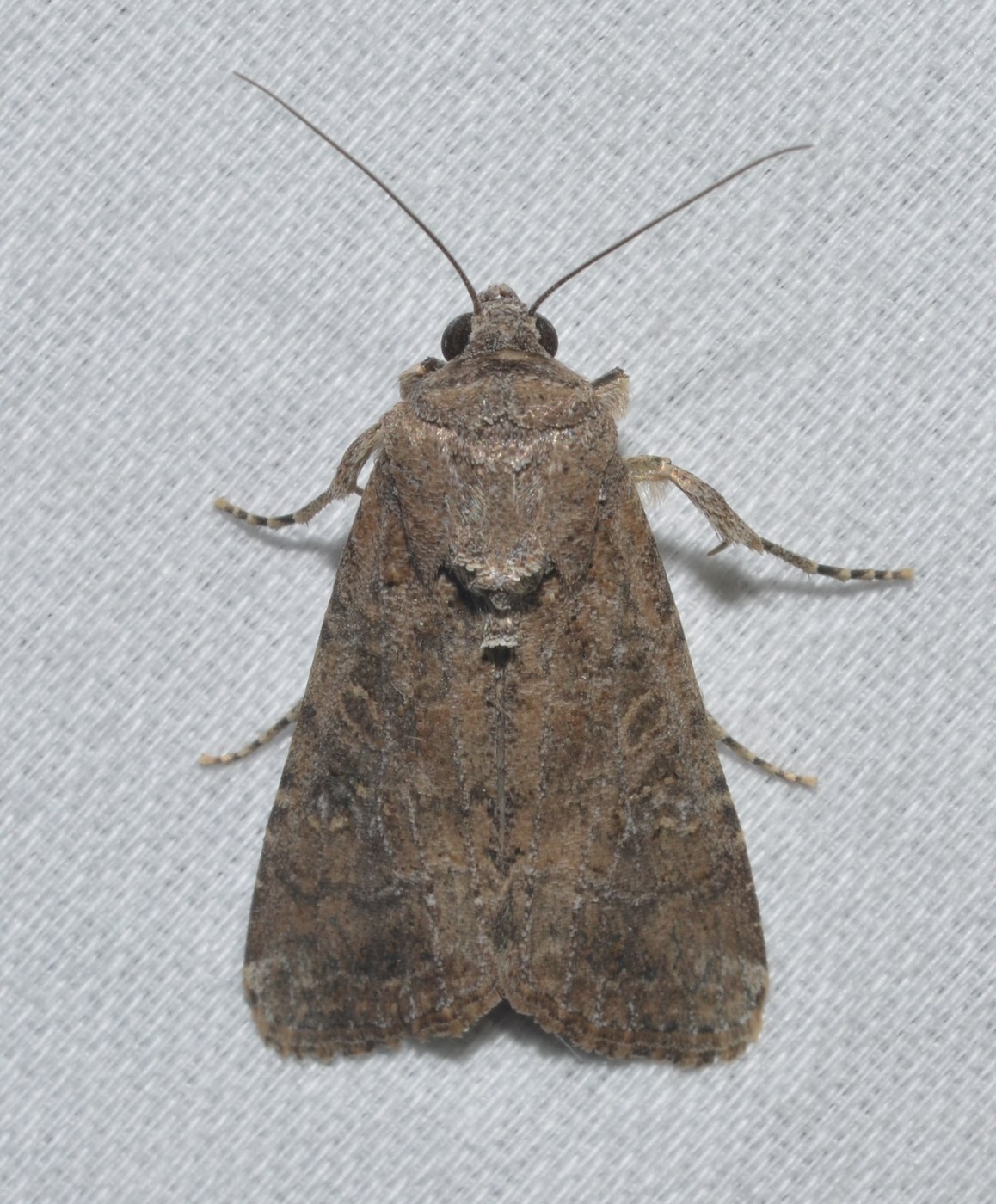
Armyworm
grasslands, pastures, and cereal crop fields
Zebra Longwing Caterpillar
Tropical and subtropical hammocks with passionflower vines
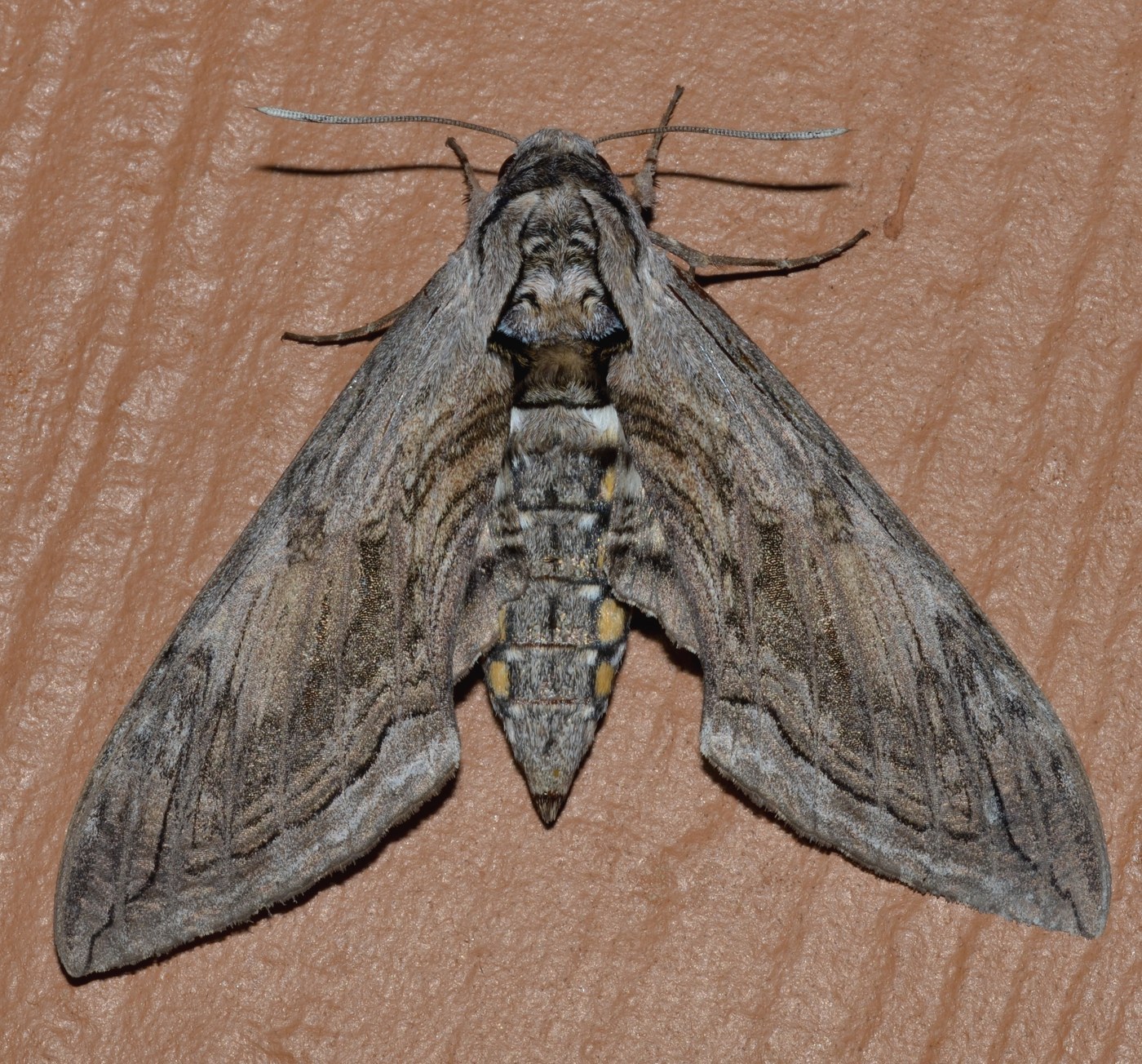
Tomato Hornworm
Gardens and fields with tomato, pepper, and other nightshade plants
Tent Caterpillar
Deciduous trees such as cherry, apple, and other rosaceous species
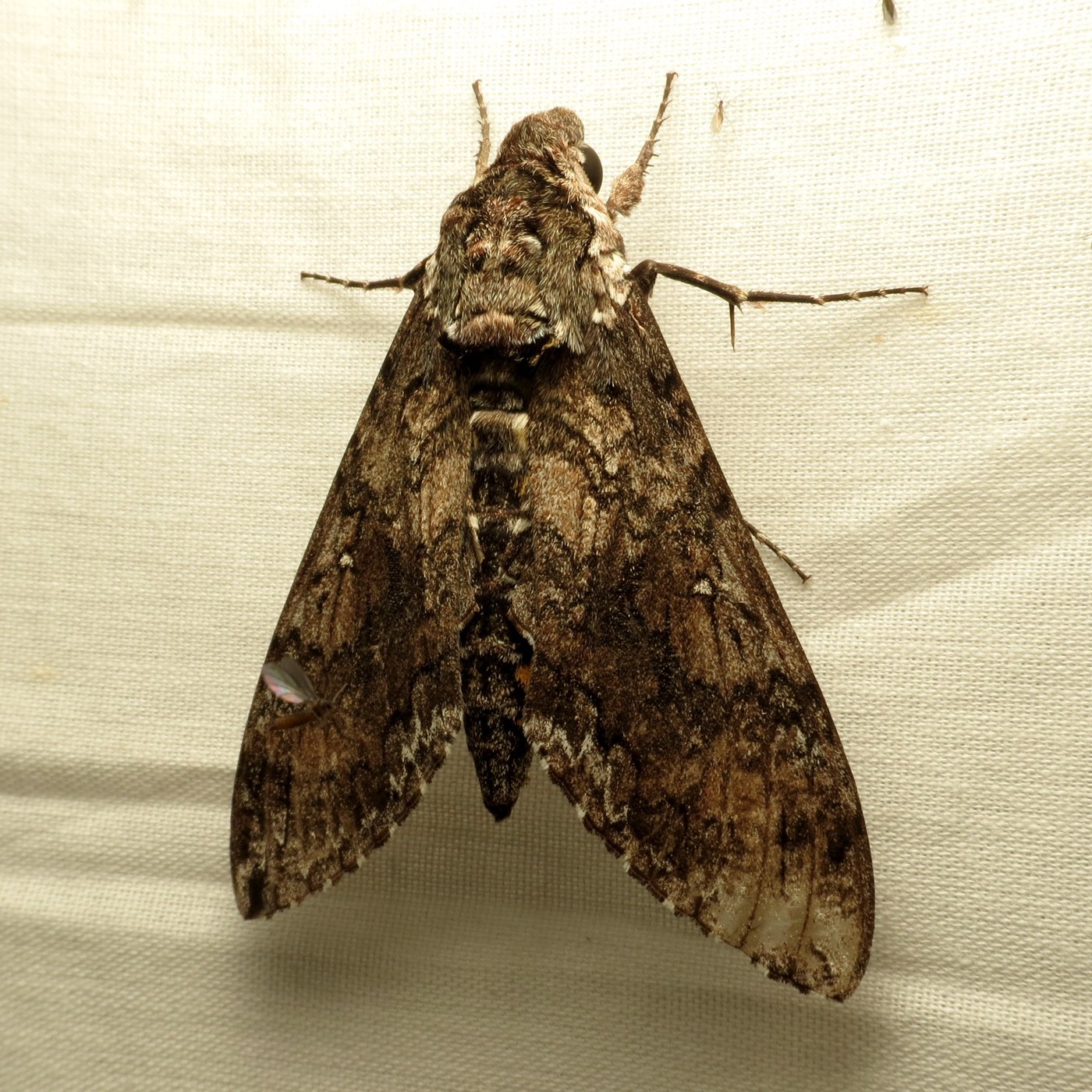
Tobacco Hornworm
tobacco, tomato, and pepper plants in gardens and fields
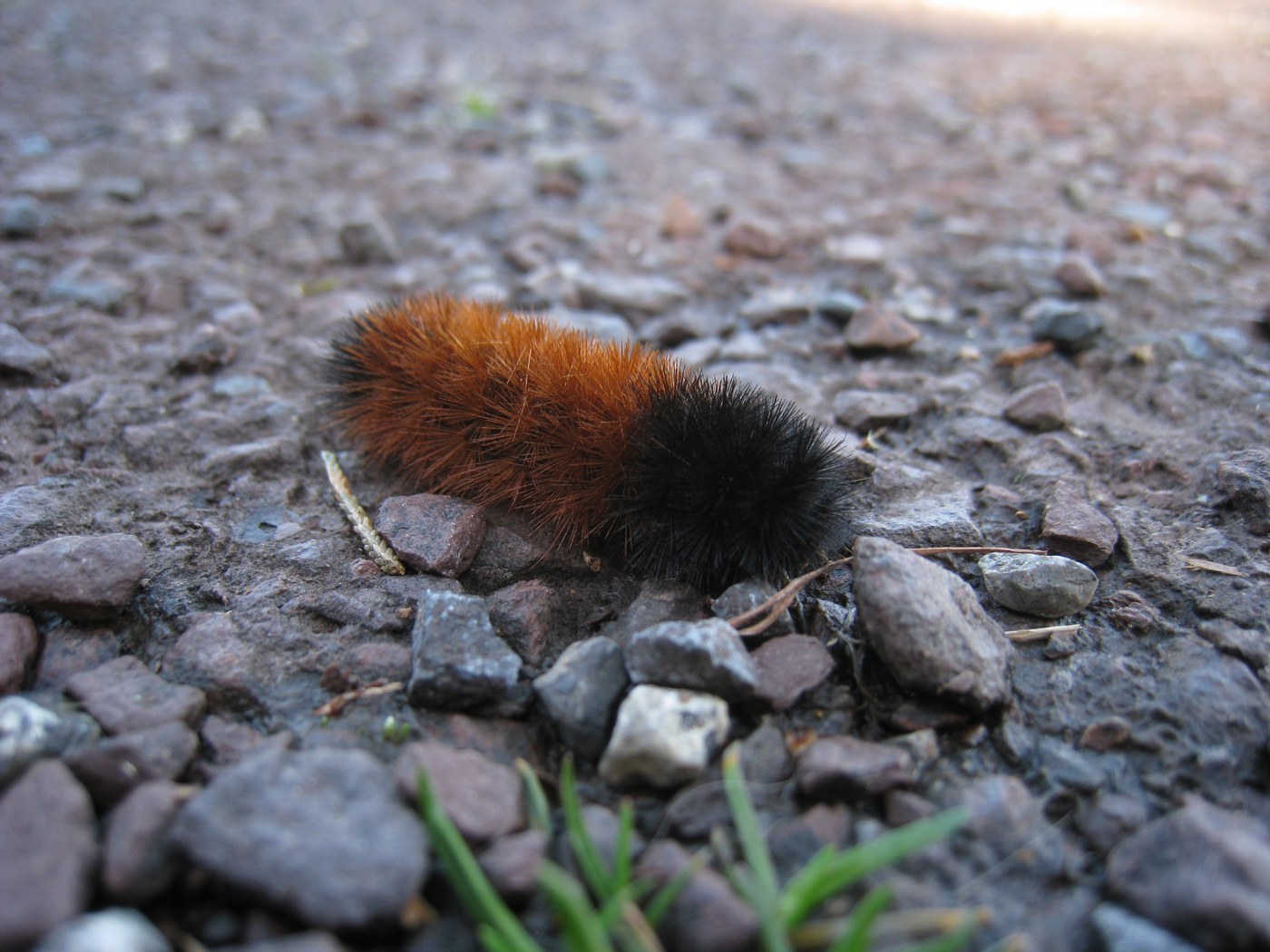
Woolly Bear Caterpillar
Gardens, meadows, roadsides, and woodland edges across North America
Sod Webworm
Turfgrass lawns, golf courses, pastures
Spiny Oak-slug Caterpillar
Deciduous forests and woodland edges with oak and other hardwoods
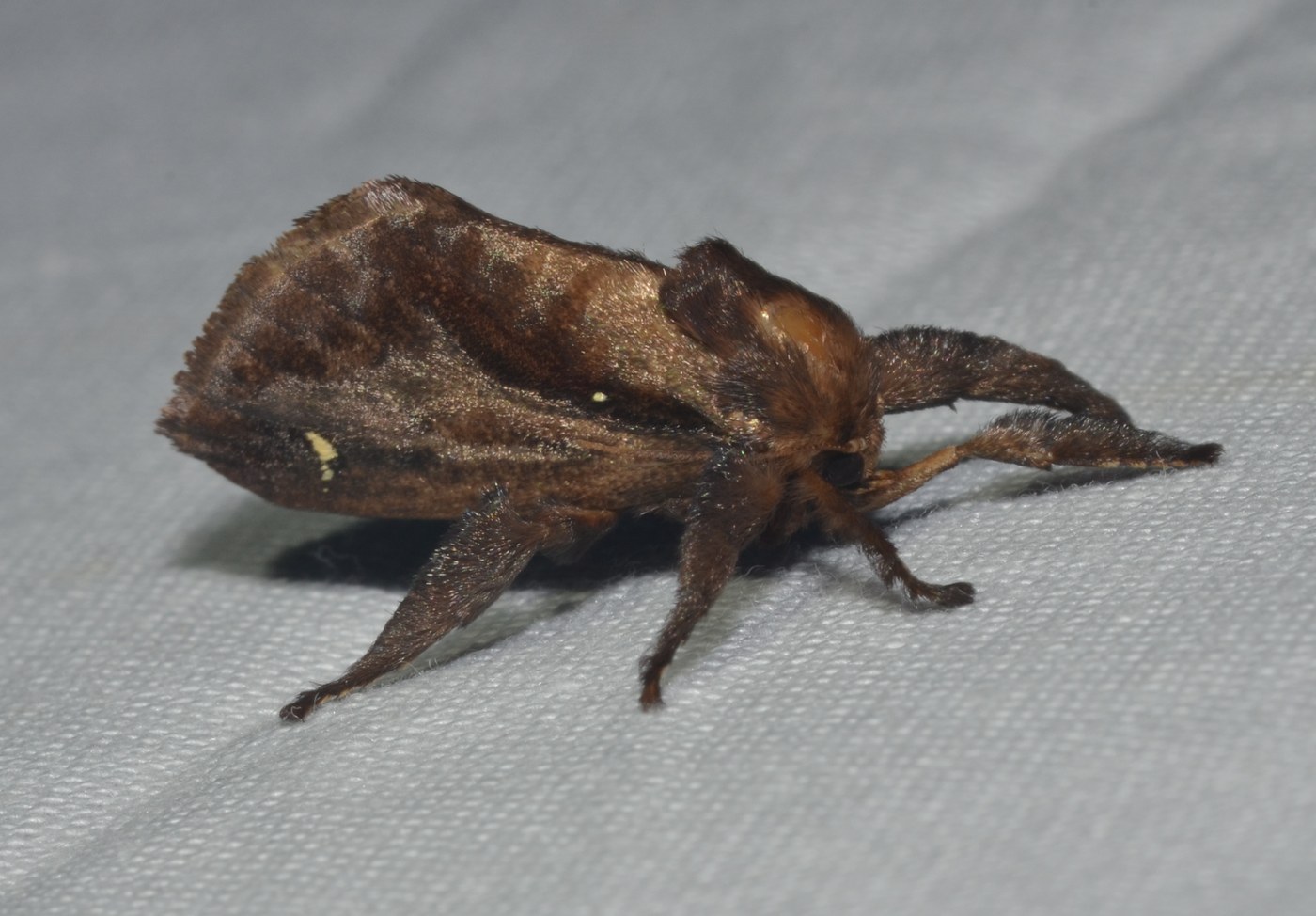
Saddleback Caterpillar
Deciduous trees and shrubs in eastern and southern North America
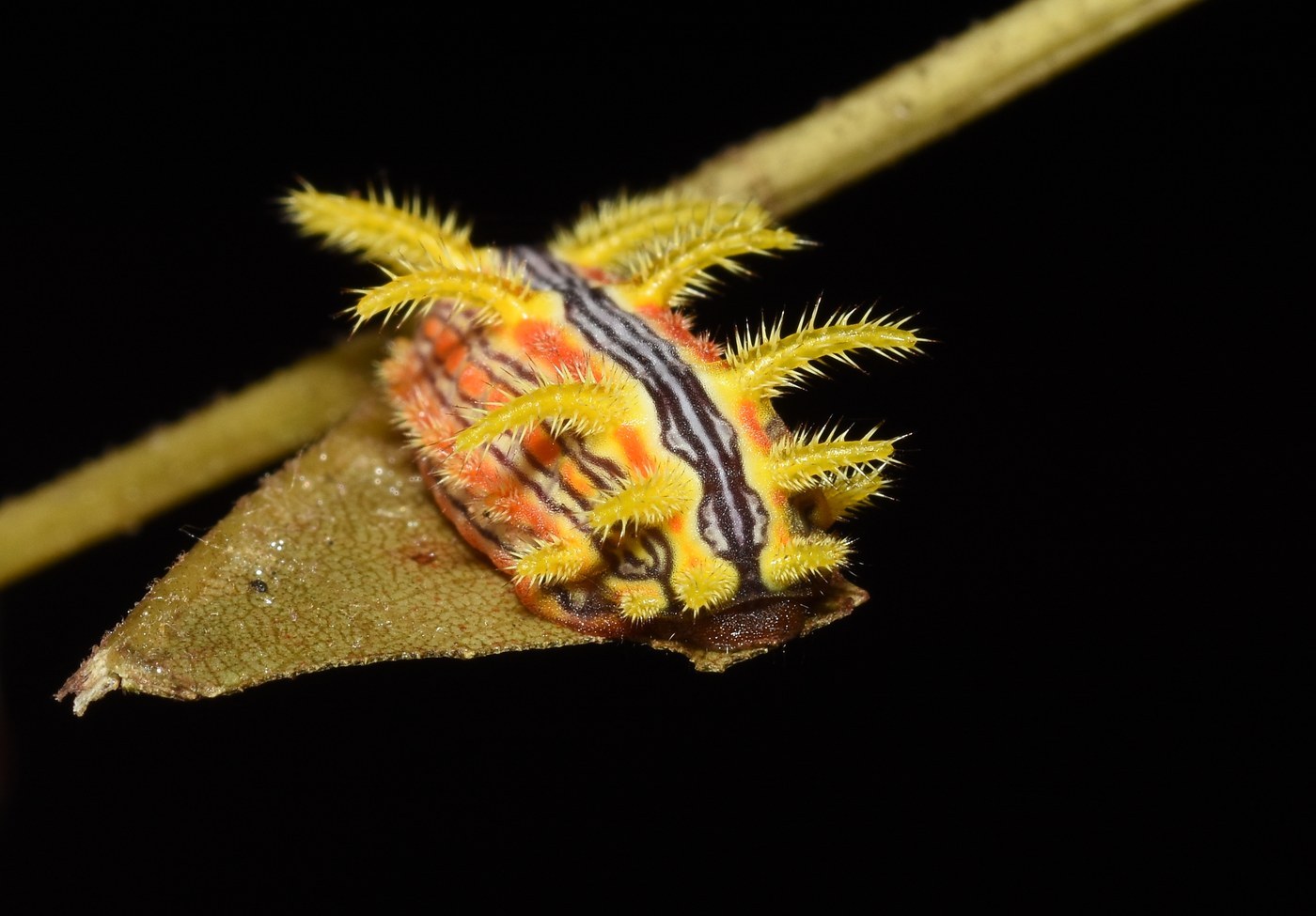
Stinging Rose Caterpillar
Gardens and woodlands with rose, dogwood, or oak
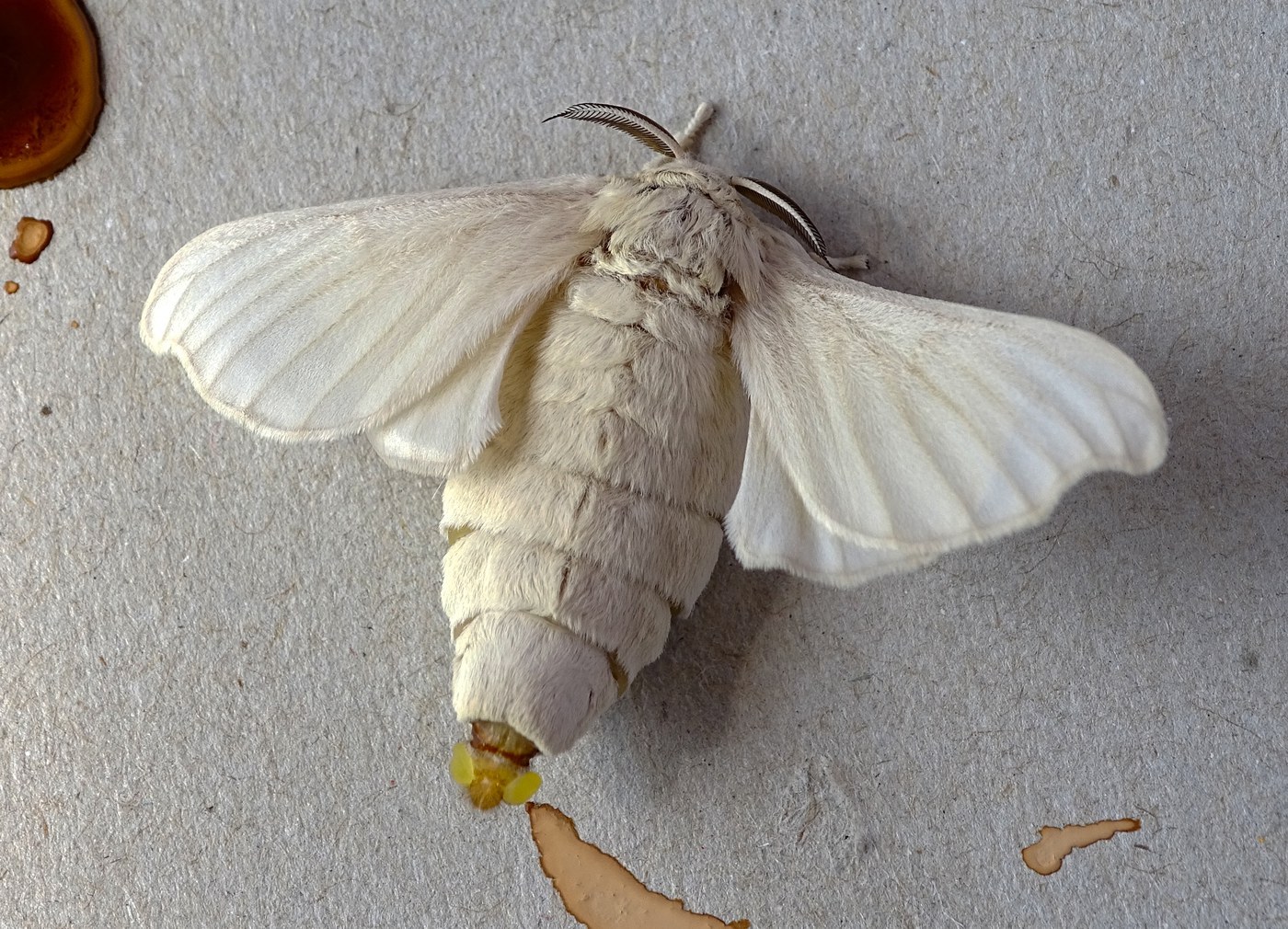
Silkworm
Reared exclusively in captivity on mulberry leaves; no independent wild population