
Sod Webworm
Crambus spp.
A dull, grayish-green caterpillar that hides in silk-lined burrows by day and emerges at night to chew grass blades down to the thatch.
- Size
- Caterpillar 0.5-1 in (12-25 mm)
- Habitat
- Turfgrass lawns, golf courses, pastures
- Danger
- Harmless
Spotted a bug like this?
Identify any bug or insect from a photo, free.
Overview
Sod webworm is a general name applied to the larvae of several small moths in the family Crambidae, a group often called "lawn moths" or "snout moths" because the adults hold long labial palps forward like a beak. The caterpillars are turf-feeding insects found throughout lawns, athletic fields, golf courses, and pastures across North America, where they can produce circular patches of thinned or browning grass during warm months.
The larvae spend their lives at the soil surface, spinning loose silk tunnels among grass crowns and thatch. They feed nocturnally on grass blades and can be locally abundant, especially in dry, sunny, well-drained turf. Because the caterpillars are small, cryptically colored, and stay hidden in silk retreats during the day, they are far more often noticed by their feeding damage than by direct observation.
How to Identify
- Body dull gray, tan, or greenish with rows of small dark spots (pinacula) bearing short bristles running down each segment
- Head capsule dark brown to black, contrasting with the paler body
- Length at maturity roughly 0.5-1 inch (12-25 mm); body tapers slightly at both ends
- Larvae curl into a tight C-shape when disturbed
- Found inside loosely woven silk tubes at the thatch/soil interface, often mixed with bits of chewed grass and frass
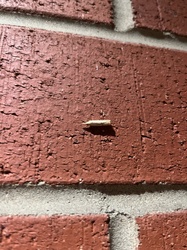
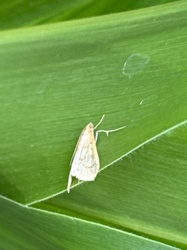
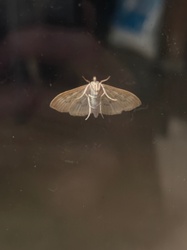
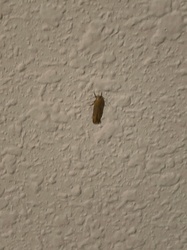
- Adult moths are small, buff or straw-colored, and fold their wings tightly along the body at rest, giving a narrow, tube-like silhouette
Habitat & Range
Sod webworms live in residential lawns, parks, golf courses, sports fields, and grassy pastures wherever turfgrasses such as bluegrass, fescue, bermudagrass, and zoysiagrass grow. They are most numerous in sunny, well-drained areas with a buildup of thatch, which provides shelter for their silk tunnels. The insects occur widely across temperate and warm-temperate North America, with activity concentrated from late spring through early fall depending on the region and number of generations.
Behavior & Diet
Larvae are nocturnal grazers that emerge from their silken burrows after dark to clip grass blades near the crown, then drag the cut pieces back into the tunnel to feed. During the day they remain hidden, making infestations easy to overlook until circular or irregular patches of stunted, brown turf appear. As decomposers of plant material and prey for birds, ants, parasitic wasps, and predatory ground beetles, sod webworm larvae play a modest role in turf ecosystems, cycling grass tissue and supporting insectivorous wildlife despite being regarded as a lawn pest.
Life Cycle
Adult moths lay tiny eggs on grass blades in early summer. Newly hatched larvae construct silk-lined tunnels at the soil surface and pass through several instars while feeding on grass over a period of weeks. Mature larvae pupate within the silk tunnel or a nearby soil chamber. Depending on climate, sod webworms typically complete one to three generations per year, and in colder regions the partly grown larvae overwinter in the thatch before resuming feeding and completing development the following spring.
Frequently asked questions
How can I tell sod webworm damage from other lawn problems?
Look for small, irregular brown patches with closely clipped grass blades and silk-lined tunnels at the thatch line; the larvae themselves are usually hidden by day and only visible after dark or when the turf is disturbed.
Do sod webworm caterpillars have stinging hairs?
No, they have no stinging hairs; they are small grass-feeding caterpillars that feed solely on turf tissue.
When are sod webworms most active?
They feed mainly at night from late spring through summer and into early fall, with activity peaking during warm, dry weather.
What do the adult moths look like?
Adults are small, straw-colored to grayish moths that rest with wings folded tightly along the body and are often seen fluttering low over lawns at dusk.
Sod Webworm guides
In-depth guides for identifying, understanding, and living alongside Sod Webworm.
Sod Webworm identified by the community
Real finds identified with Bug Identifier.

Other bugs you may enjoy
Bagworm
Trees and shrubs, especially conifers and ornamental landscaping
Armyworm
grasslands, pastures, and cereal crop fields
Zebra Longwing Caterpillar
Tropical and subtropical hammocks with passionflower vines
Tomato Hornworm
Gardens and fields with tomato, pepper, and other nightshade plants
Tent Caterpillar
Deciduous trees such as cherry, apple, and other rosaceous species
Tobacco Hornworm
tobacco, tomato, and pepper plants in gardens and fields
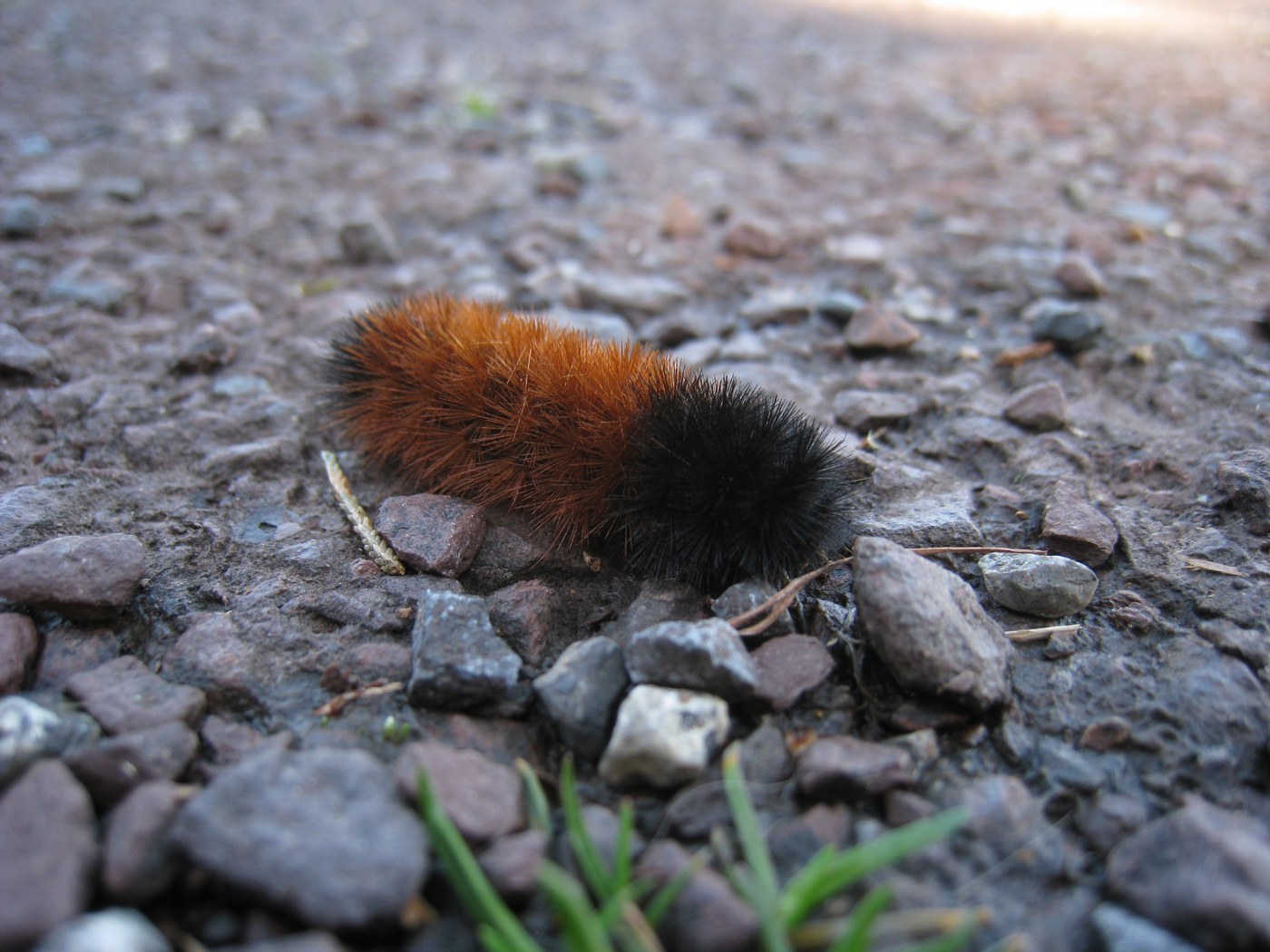
Woolly Bear Caterpillar
Gardens, meadows, roadsides, and woodland edges across North America
Spiny Oak-slug Caterpillar
Deciduous forests and woodland edges with oak and other hardwoods
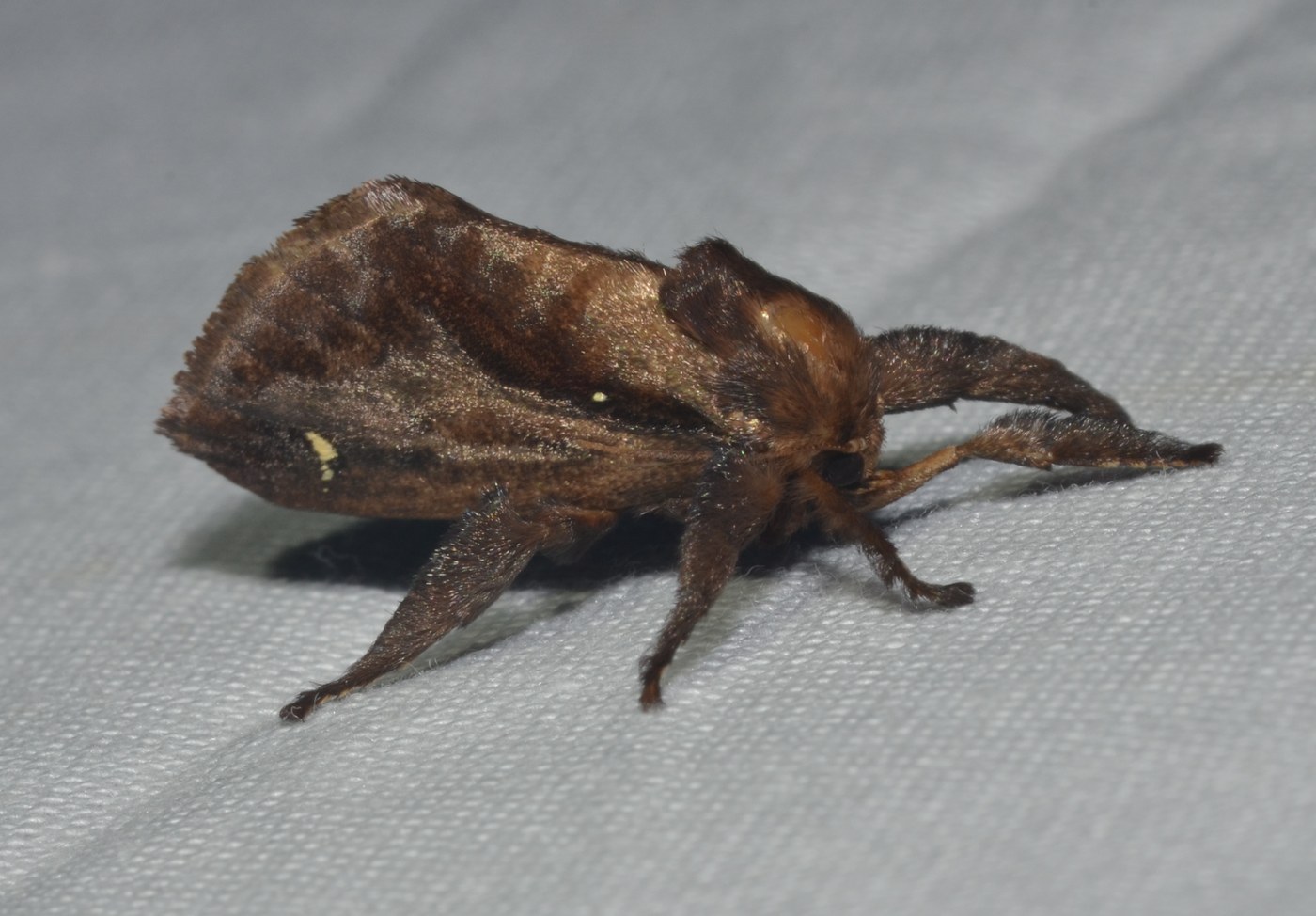
Saddleback Caterpillar
Deciduous trees and shrubs in eastern and southern North America
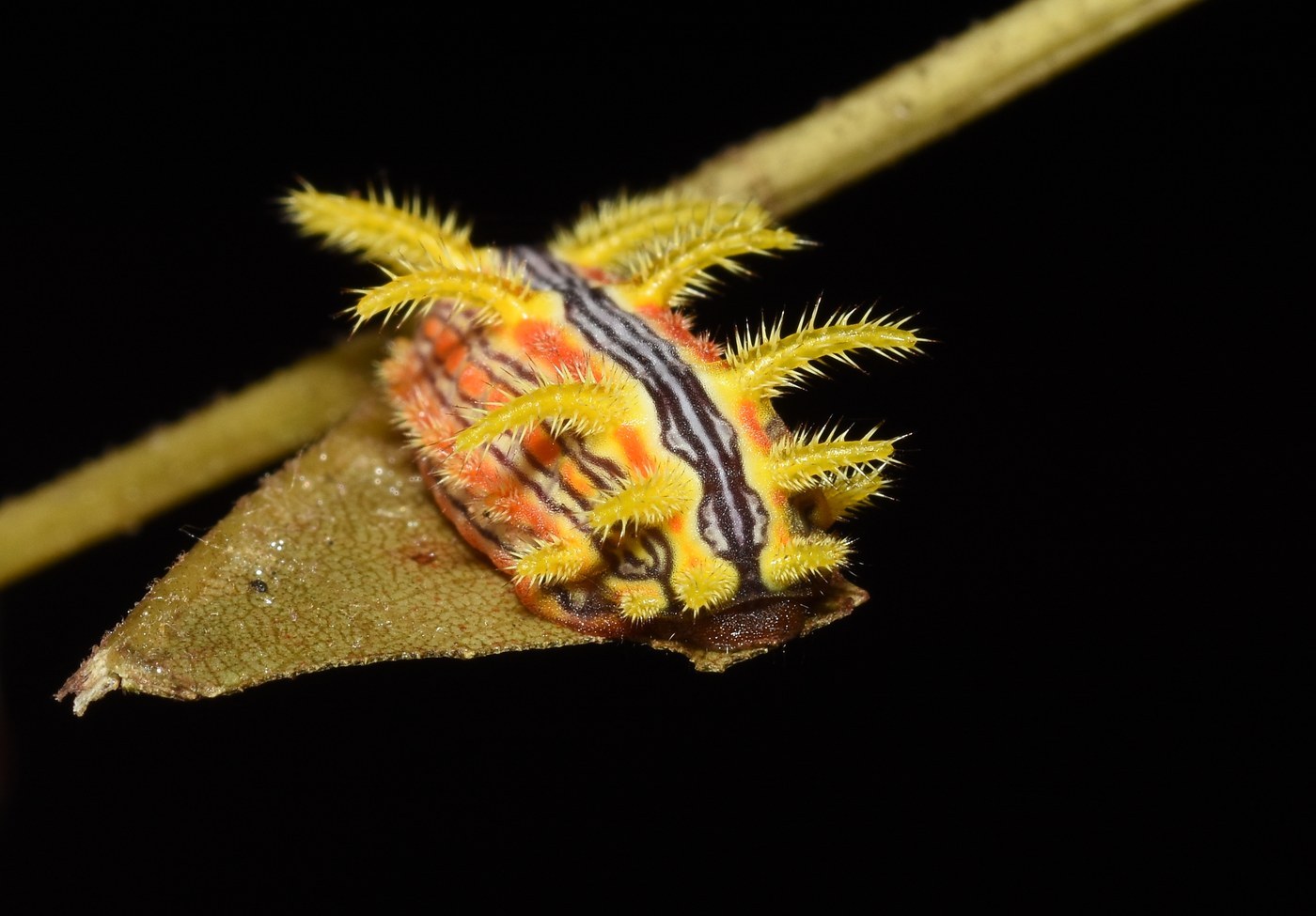
Stinging Rose Caterpillar
Gardens and woodlands with rose, dogwood, or oak
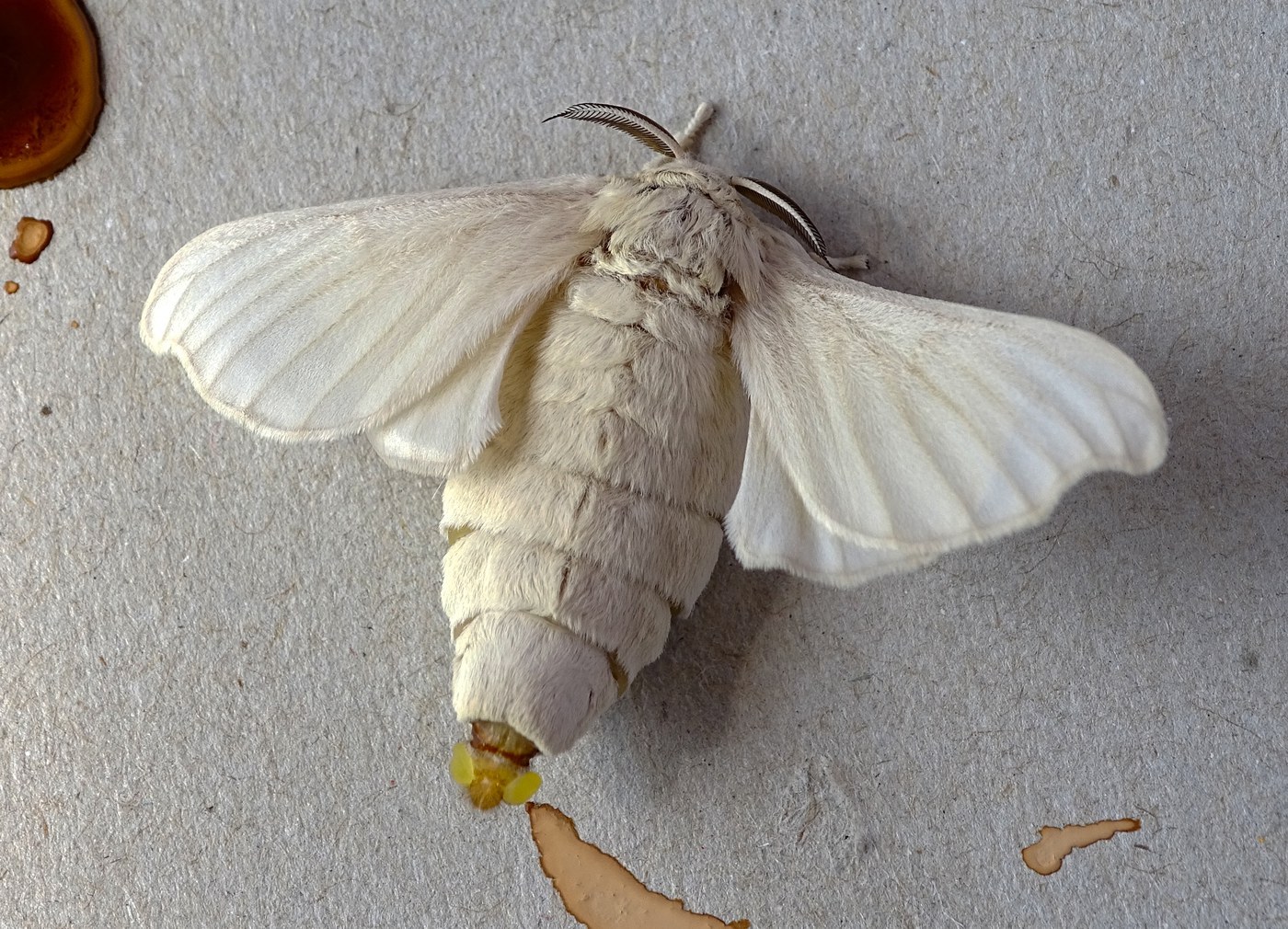
Silkworm
Reared exclusively in captivity on mulberry leaves; no independent wild population
Spicebush Swallowtail Caterpillar
Woodlands and thickets with spicebush or sassafras