
Tomato Hornworm
Manduca quinquemaculata
A large, thick green caterpillar with diagonal white stripes and a distinctive curved horn at its tail end, often found stripping leaves from tomato plants in gardens.
- Size
- Up to 4 in long
- Habitat
- Gardens and fields with tomato, pepper, and other nightshade plants
- Danger
- Harmless
Spotted a bug like this?
Identify any bug or insect from a photo, free.
Overview
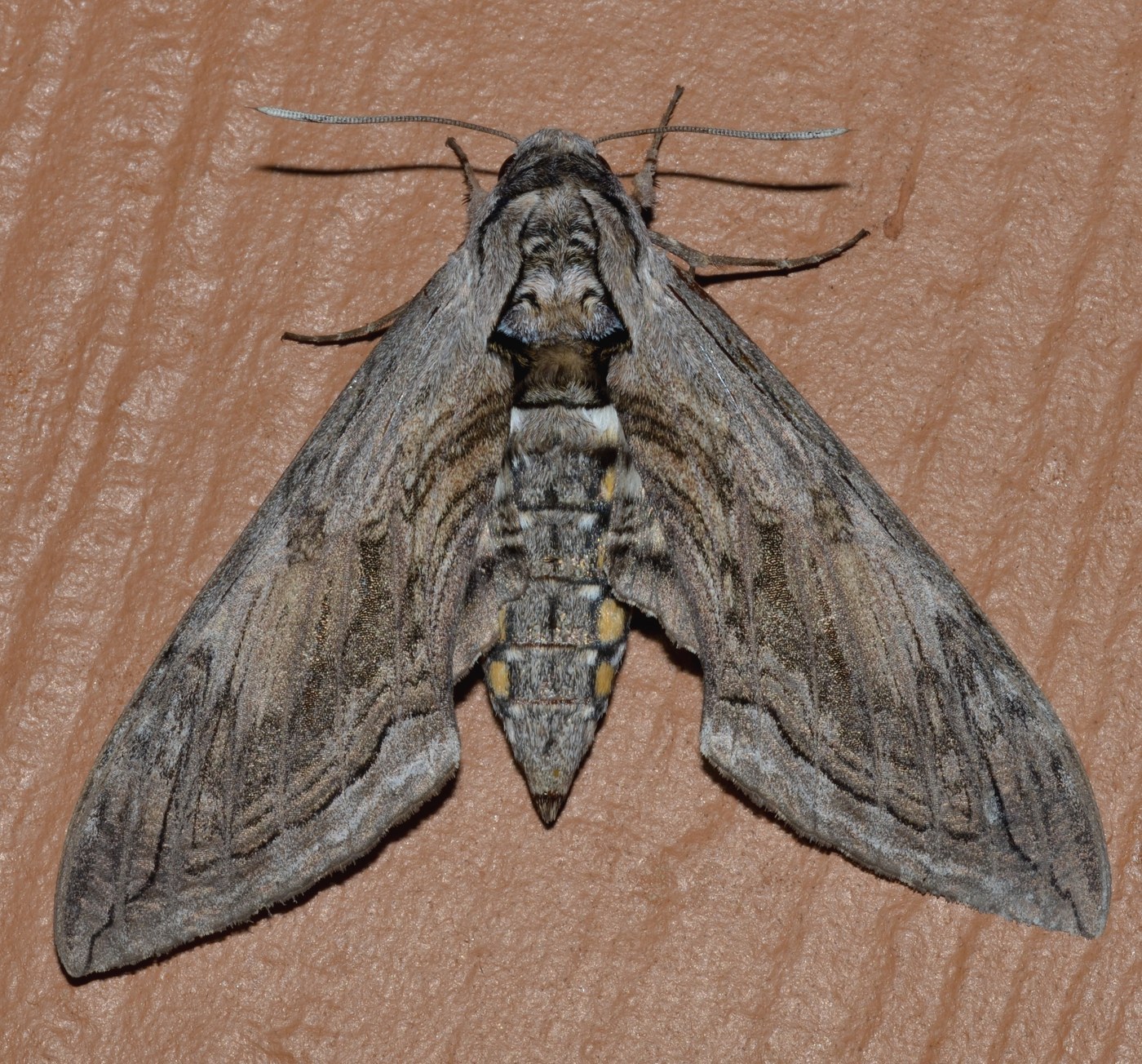
The tomato hornworm is the larval stage of the five-spotted hawkmoth, Manduca quinquemaculata, a member of the sphinx or hawkmoth family Sphingidae. Despite its intimidating size and prominent tail horn, it is entirely a plant-feeding caterpillar with no ability to sting.
This caterpillar is one of the most recognizable garden insects in North America due to its large size and close association with tomato plants and other members of the nightshade family. Its adult form, the five-spotted hawkmoth, is a large, fast-flying moth that hovers at flowers much like a hummingbird, making it an ecologically valuable nighttime pollinator.
How to Identify
- Thick, cylindrical caterpillar reaching up to 4 inches long at full growth.
- Bright green body marked with about eight pale V-shaped or chevron-like white markings along each side.
- A prominent, curved, dark bluish-black horn-like projection at the rear end, which is soft and harmless despite its fierce appearance.
- Small black or dark spots often present near the base of each white marking.
- Lookalike: nearly identical to the tobacco hornworm, distinguished mainly by the shape of the side markings and the horn color; the tobacco hornworm typically shows seven straight diagonal white lines and a red horn.
Habitat & Range
Found throughout North America wherever tomato, pepper, eggplant, and other nightshade-family plants grow, including home gardens and agricultural fields. Caterpillars are most commonly seen from mid to late summer, feeding heavily on host plant foliage.
Behavior & Diet
The caterpillar feeds voraciously on the leaves and occasionally fruit of nightshade-family plants, using its green camouflage to remain remarkably well hidden among foliage despite its large size. It has no stinger and its horn is a soft, non-functional structure used only as a visual deterrent to potential predators. The adult five-spotted hawkmoth feeds on nectar from deep-throated flowers at dusk, hovering in place much like a hummingbird and acting as an important pollinator.
Life Cycle
The tomato hornworm undergoes complete metamorphosis. Eggs are laid singly on the undersides of host plant leaves and hatch within about a week into tiny green caterpillars that feed and molt through five stages over three to four weeks. Mature caterpillars burrow into the soil to pupate in a dark brown case, emerging as adult moths after two to four weeks, or overwintering as a pupa underground through the colder months, with one to two generations occurring per year depending on climate.
Frequently asked questions
Does the horn on a tomato hornworm sting?
No, the horn is a soft, harmless structure used only for visual deterrence and cannot sting or cause injury.
What does a tomato hornworm turn into?
It transforms into the five-spotted hawkmoth, a large gray-brown moth known for hovering at flowers at dusk.
How can I tell a tomato hornworm from a tobacco hornworm?
The two are very similar, but the tomato hornworm has eight V-shaped white markings and a dark bluish-black horn, while the tobacco hornworm has seven straight diagonal white lines and a red horn.
What plants do tomato hornworms feed on?
They feed on tomato, pepper, eggplant, and other plants in the nightshade family.
Tomato Hornworm guides
In-depth guides for identifying, understanding, and living alongside Tomato Hornworm.
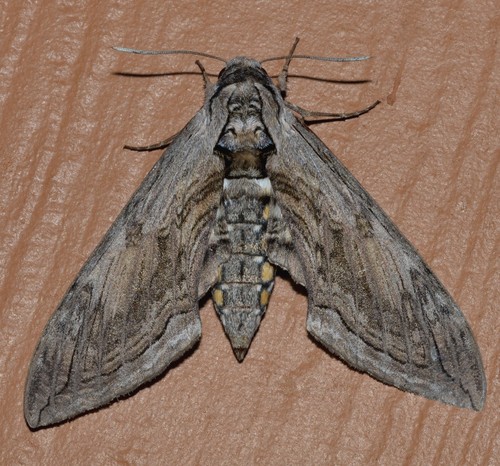
Tomato Hornworm identified by the community
Real finds identified with Bug Identifier.
Other bugs you may enjoy
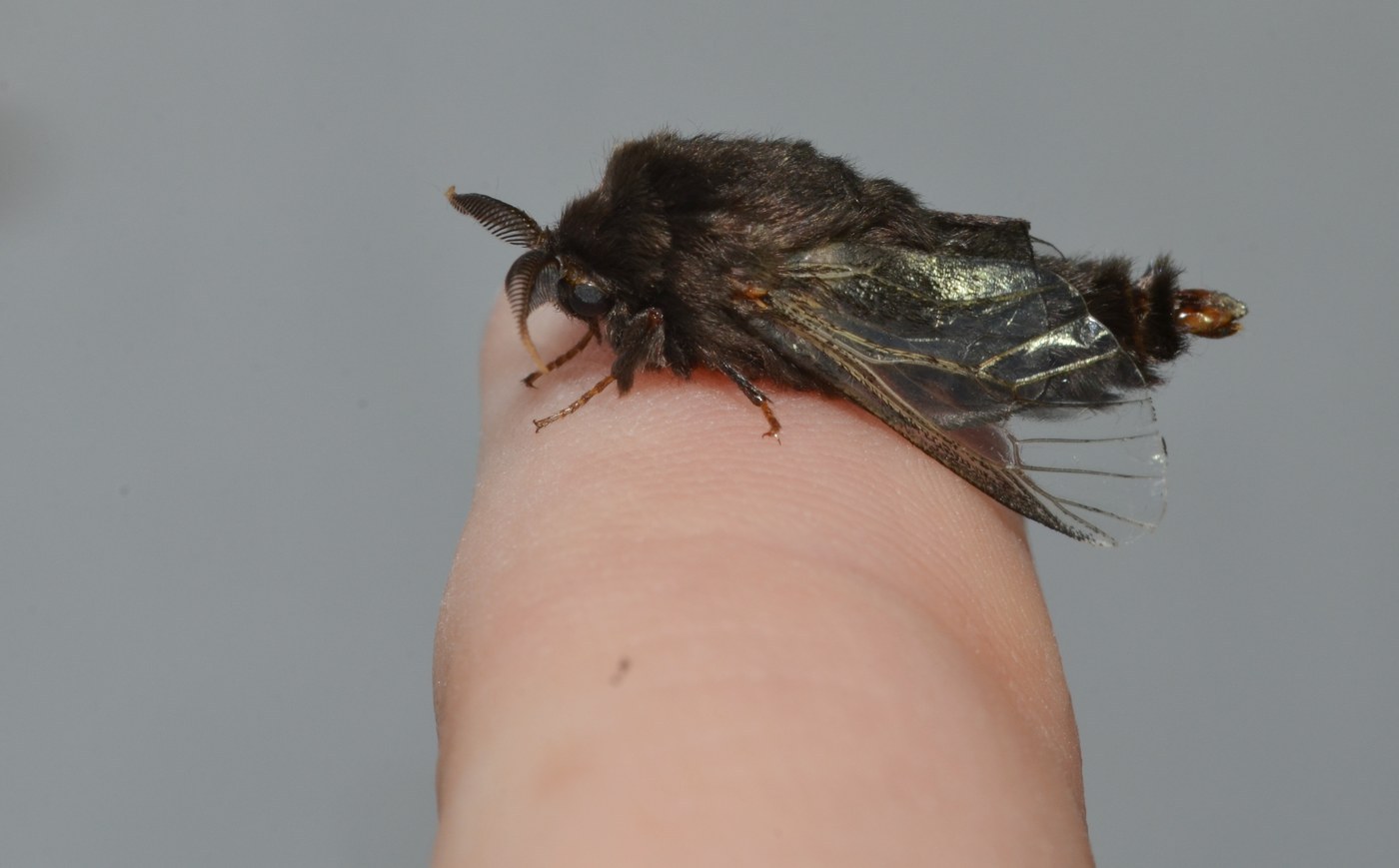
Bagworm
Trees and shrubs, especially conifers and ornamental landscaping
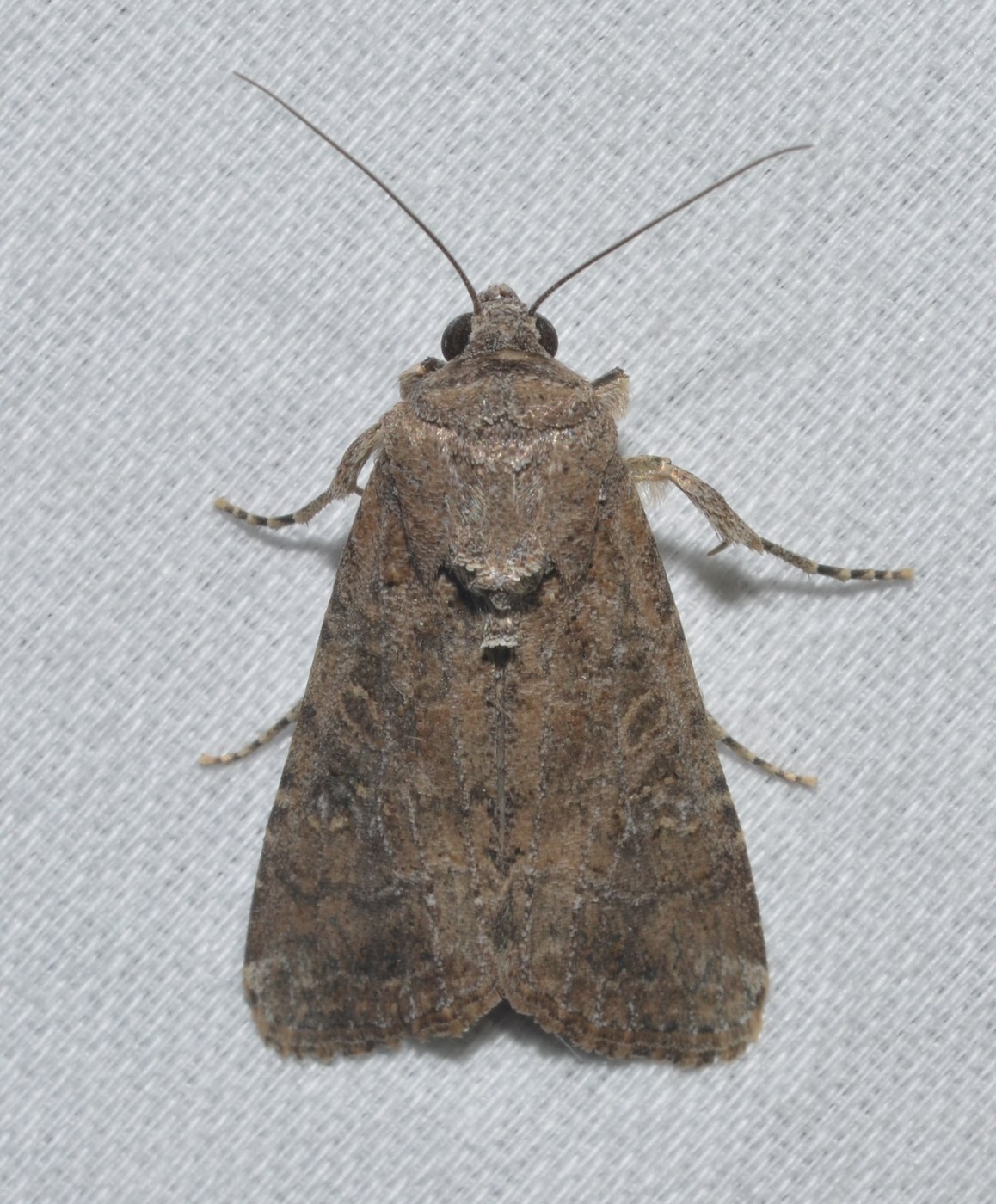
Armyworm
grasslands, pastures, and cereal crop fields
Zebra Longwing Caterpillar
Tropical and subtropical hammocks with passionflower vines
Tent Caterpillar
Deciduous trees such as cherry, apple, and other rosaceous species
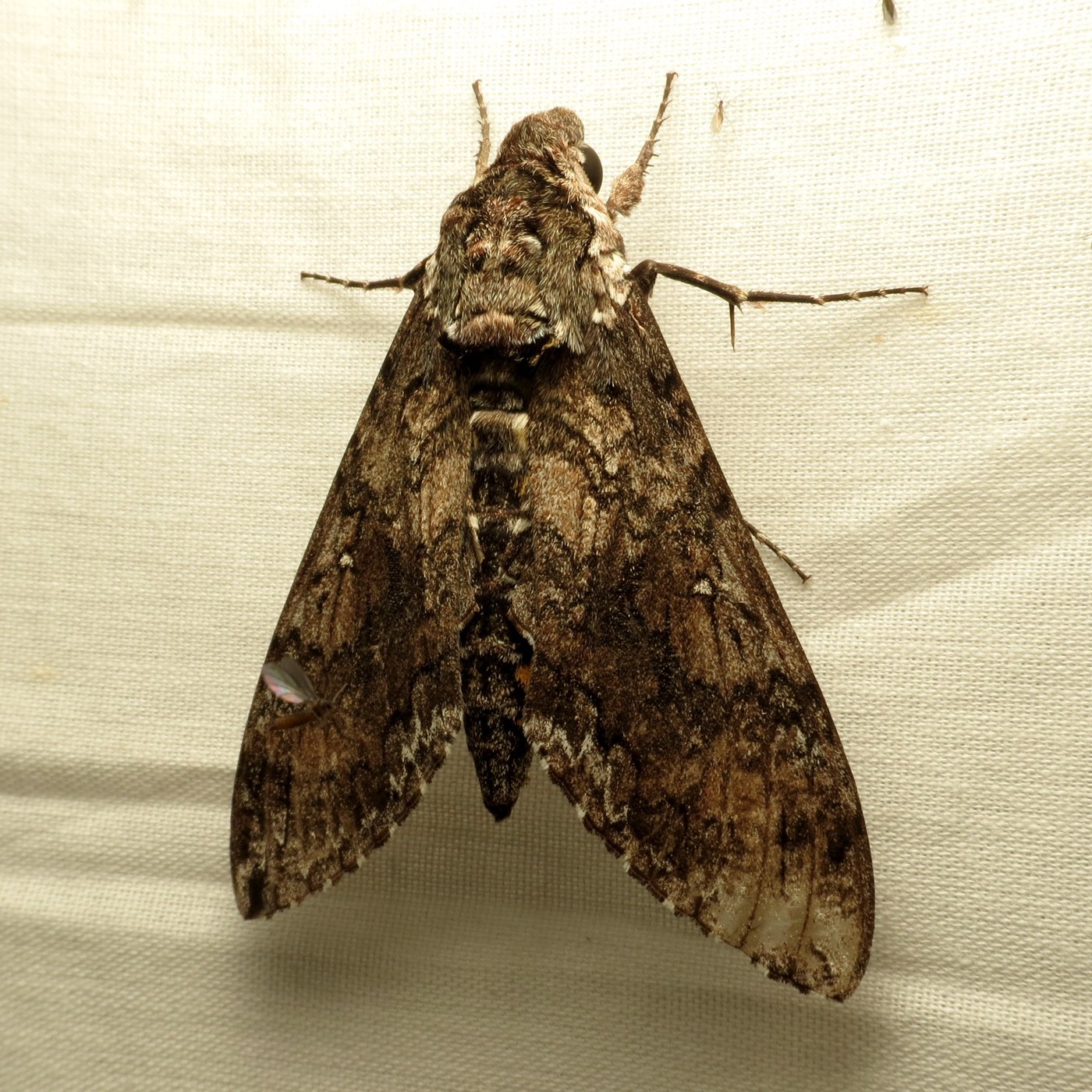
Tobacco Hornworm
tobacco, tomato, and pepper plants in gardens and fields
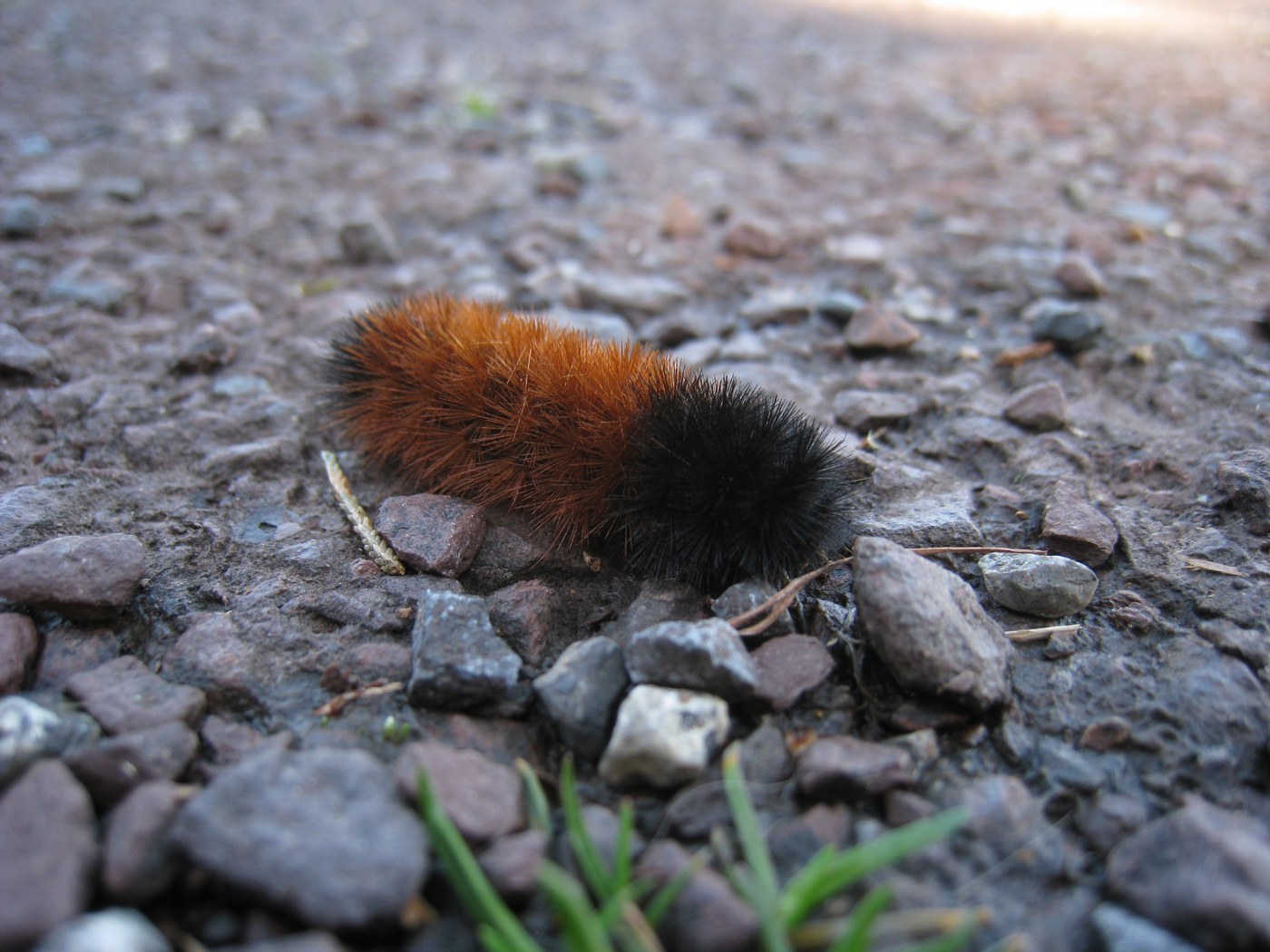
Woolly Bear Caterpillar
Gardens, meadows, roadsides, and woodland edges across North America
Sod Webworm
Turfgrass lawns, golf courses, pastures
Spiny Oak-slug Caterpillar
Deciduous forests and woodland edges with oak and other hardwoods
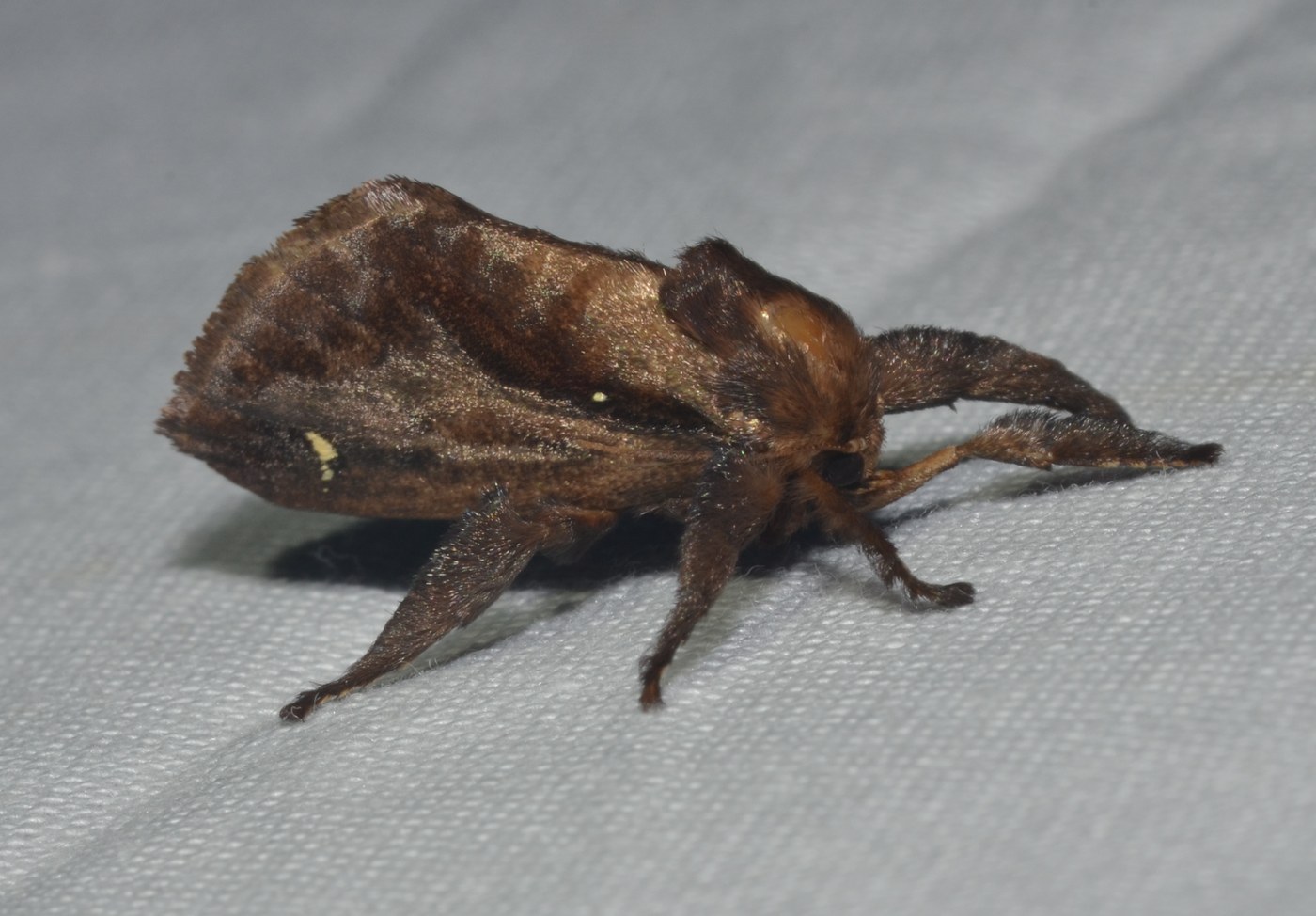
Saddleback Caterpillar
Deciduous trees and shrubs in eastern and southern North America
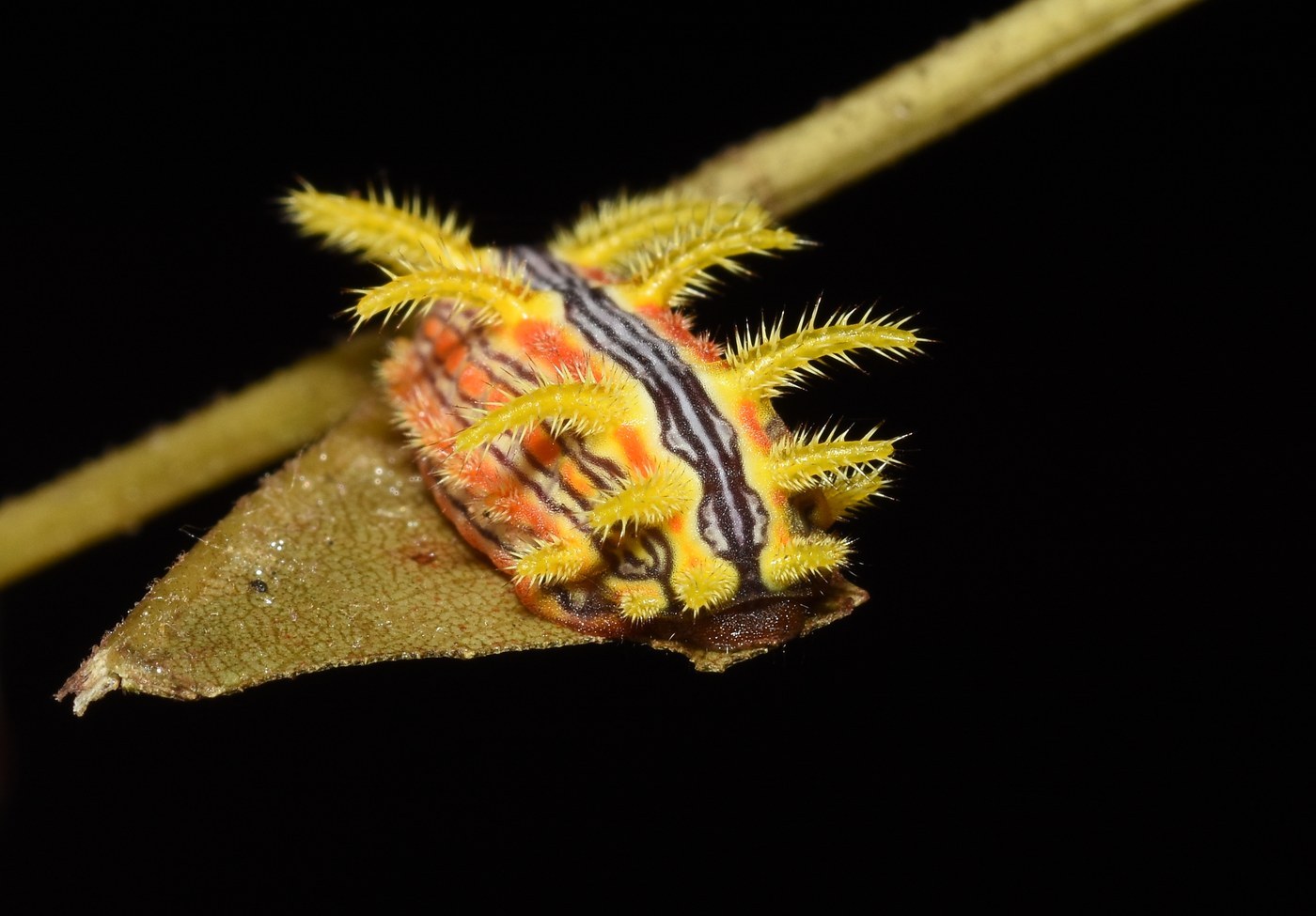
Stinging Rose Caterpillar
Gardens and woodlands with rose, dogwood, or oak
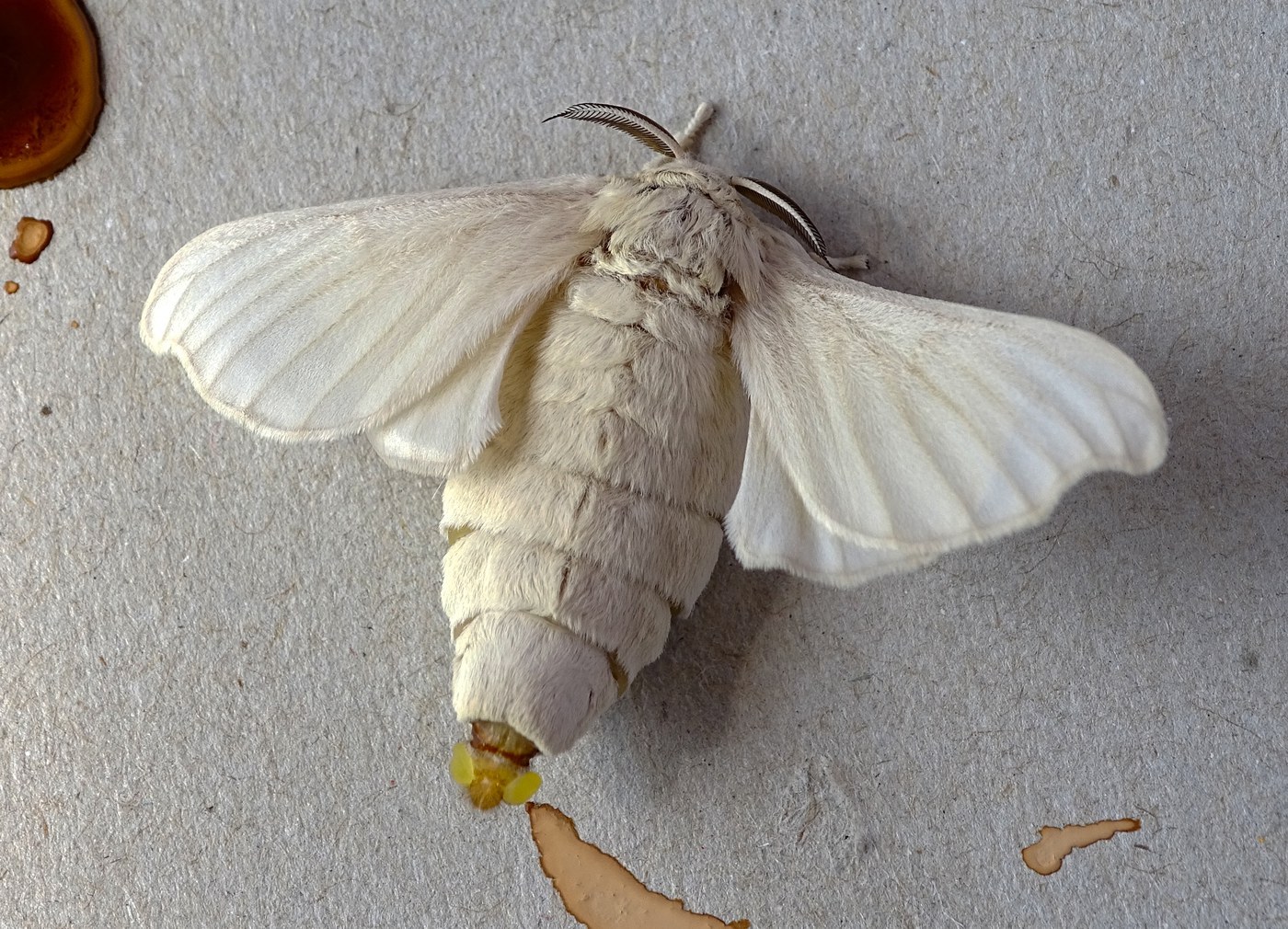
Silkworm
Reared exclusively in captivity on mulberry leaves; no independent wild population
Spicebush Swallowtail Caterpillar
Woodlands and thickets with spicebush or sassafras