
Zebra Longwing Caterpillar
Heliconius charithonia
A creamy-white caterpillar dotted with black spots and armed with branching black spines, feeding exclusively on passionflower vines whose chemistry it stores for defense.
- Size
- Up to 1.2 in (30 mm)
- Habitat
- Tropical and subtropical hammocks with passionflower vines
- Danger
- Harmless
Spotted a bug like this?
Identify any bug or insect from a photo, free.
Overview
The zebra longwing caterpillar is the larval stage of Heliconius charithonia, the striking black-and-yellow-striped butterfly that is the official state butterfly of Florida. It belongs to a group of tropical butterflies known for long lifespans, gregarious roosting as adults, and larvae that feed exclusively on passionflower vines (Passiflora species), from which they sequester cyanogenic compounds that make both larvae and adults unpalatable to many predators.
Zebra longwing caterpillars are found in warm, humid habitats throughout Florida, the Gulf Coast, and much of Central America and the Caribbean, wherever host passionflower vines are present in hammocks, gardens, and forest edges.
How to Identify
- Body pale white to cream, marked with numerous small black spots and speckles
- Covered in rows of long, branching black spines along the back and sides, giving a bristly but non-stinging appearance
- Head capsule pale with black markings
- Mature larvae reach roughly 1 to 1.2 inches (25-30 mm)
- Found feeding on the leaves, tendrils, and growing tips of passionflower vines, sometimes in small groups on the same plant
Habitat & Range
This caterpillar occurs wherever passionflower vines grow, including tropical hammocks, forest edges, fence lines, and gardens throughout Florida, the Gulf Coast states, the Caribbean, and Central America into South America. Because the climate in much of its range stays warm year-round, larvae can be present in nearly every month, with populations tracking the availability of fresh passionflower growth.
Behavior & Diet
Larvae feed on the leaves and tender shoots of passionflower vines, sometimes stripping a vine heavily where populations are dense, and can consume eggs or other larvae of their own species when food is scarce. By sequestering cyanogenic glycosides from their passionflower hosts, the caterpillars and the resulting long-lived, black-and-yellow adult butterflies gain a chemical defense that makes them unappealing to many predators. As specialist herbivores of Passiflora, zebra longwing caterpillars help regulate vine growth locally and represent an important link between passionflower plants and the pollinators and predators that interact with the adult butterflies.
Life Cycle
Eggs are laid singly or in small groups on new growth of passionflower vines and hatch within a few days. Larvae pass through several instars while feeding on the host plant, molting and growing over roughly two to three weeks in warm conditions. Mature caterpillars form a distinctive angular, leaf-like chrysalis suspended by a silk pad from a stem or nearby structure. In frost-free regions the species breeds continuously with overlapping generations year-round, while in cooler parts of its range activity slows or pauses during the coolest months.
Frequently asked questions
What does the zebra longwing caterpillar eat?
It feeds exclusively on passionflower vines (Passiflora species), consuming leaves, tendrils, and new growth.
Does the zebra longwing caterpillar have stinging spines?
No, although it has branching spines, they are not known to sting; the spines simply give the caterpillar a bristly texture.
How can I recognize the zebra longwing chrysalis?
It is angular and mottled brown, resembling a curled dead leaf, and hangs suspended by a silk thread from a stem near the host vine.
Where is the zebra longwing caterpillar most commonly found?
In Florida and other warm parts of the southeastern United States, as well as the Caribbean and Central America, anywhere passionflower vines grow.
Zebra Longwing Caterpillar guides
In-depth guides for identifying, understanding, and living alongside Zebra Longwing Caterpillar.
Other bugs you may enjoy
Bagworm
Trees and shrubs, especially conifers and ornamental landscaping
Armyworm
grasslands, pastures, and cereal crop fields
Tomato Hornworm
Gardens and fields with tomato, pepper, and other nightshade plants
Tent Caterpillar
Deciduous trees such as cherry, apple, and other rosaceous species
Tobacco Hornworm
tobacco, tomato, and pepper plants in gardens and fields
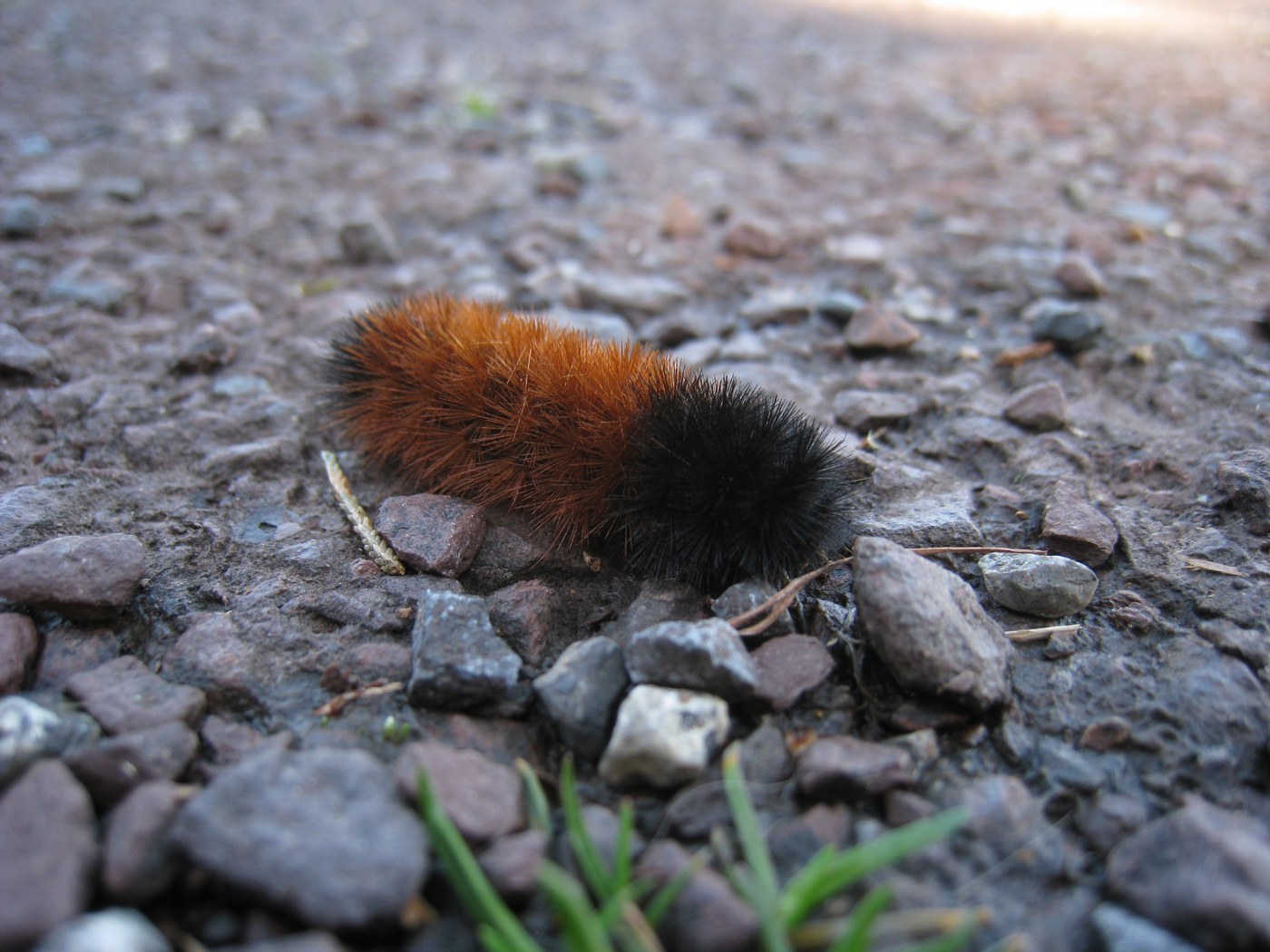
Woolly Bear Caterpillar
Gardens, meadows, roadsides, and woodland edges across North America
Sod Webworm
Turfgrass lawns, golf courses, pastures
Spiny Oak-slug Caterpillar
Deciduous forests and woodland edges with oak and other hardwoods
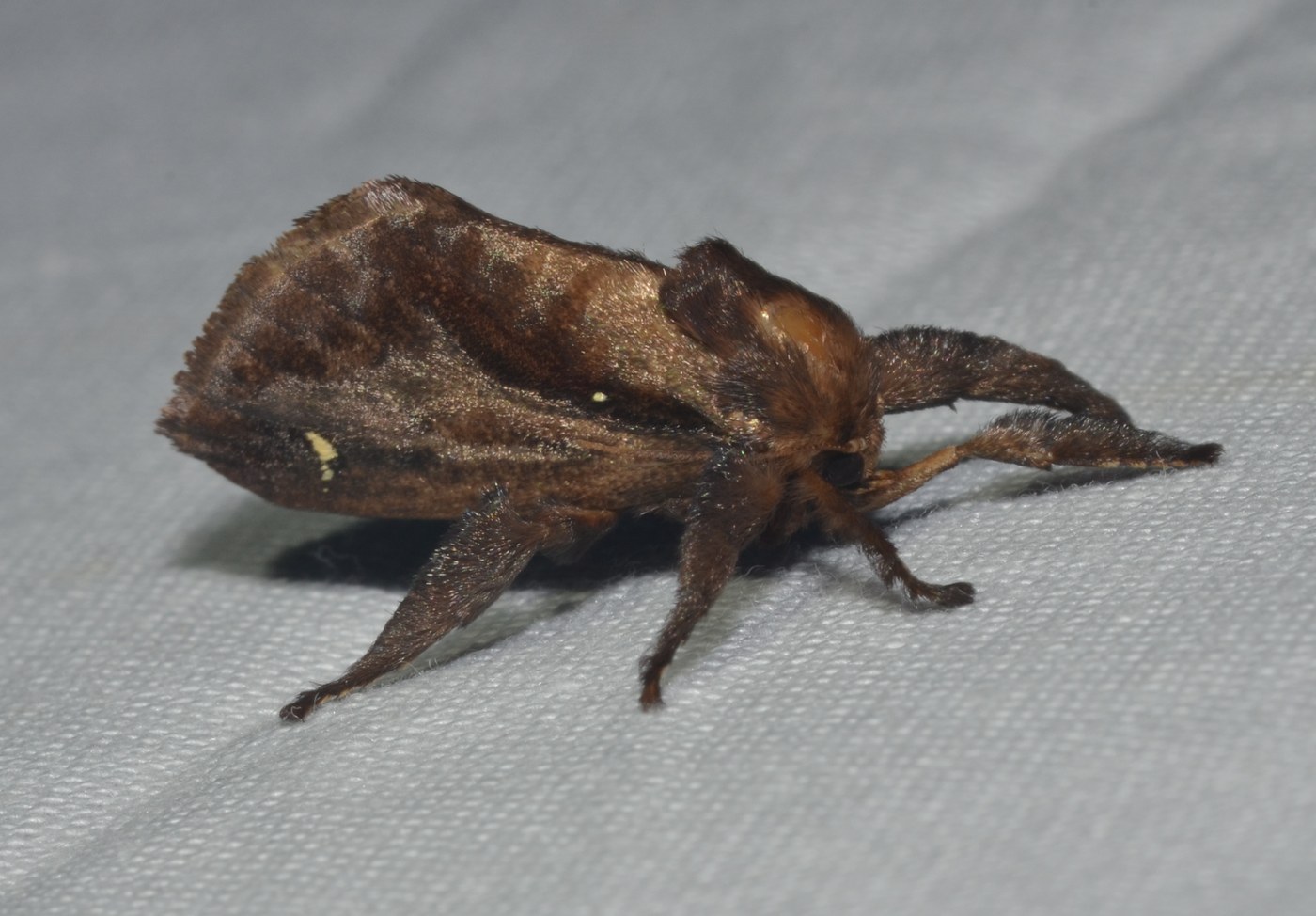
Saddleback Caterpillar
Deciduous trees and shrubs in eastern and southern North America
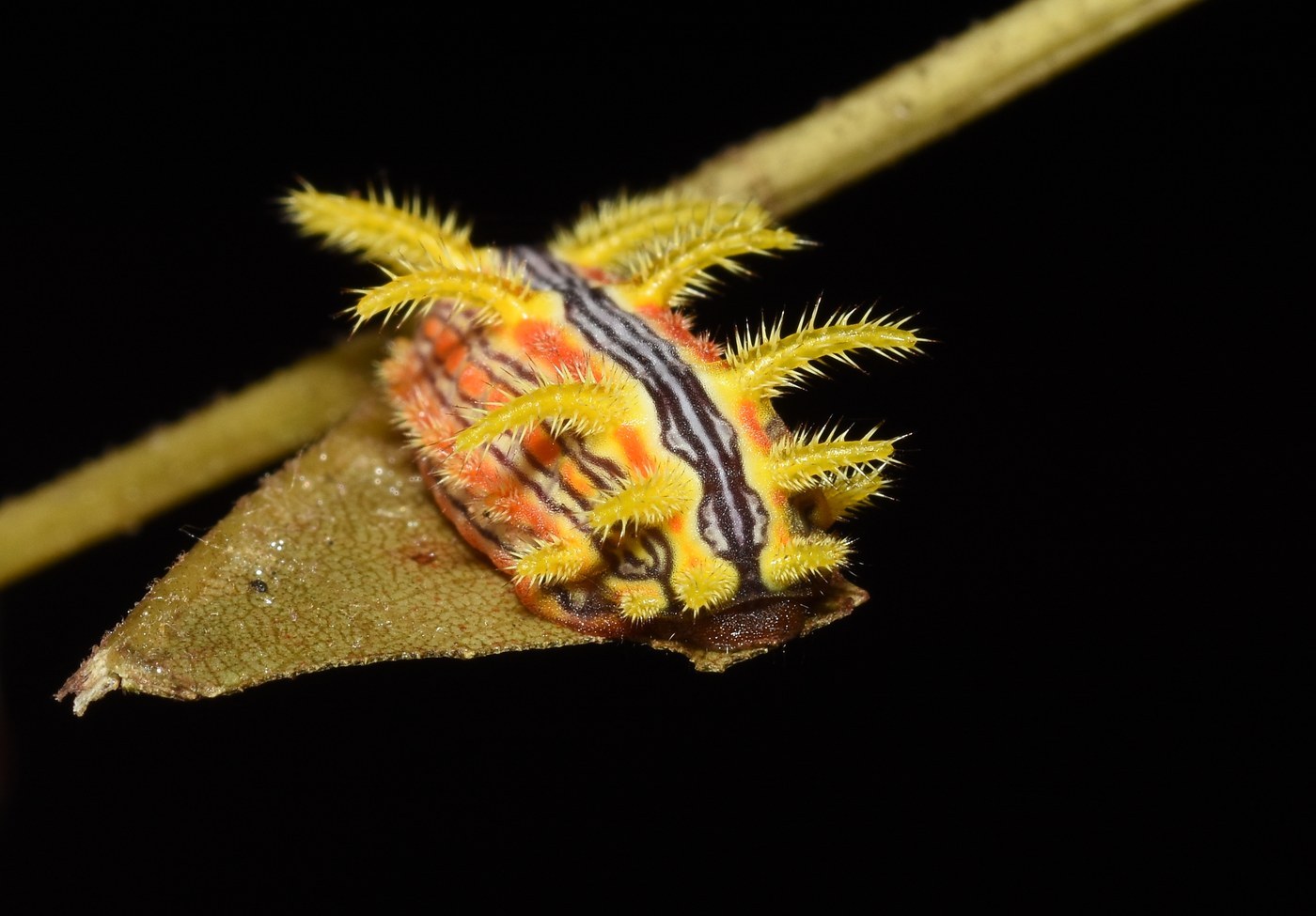
Stinging Rose Caterpillar
Gardens and woodlands with rose, dogwood, or oak
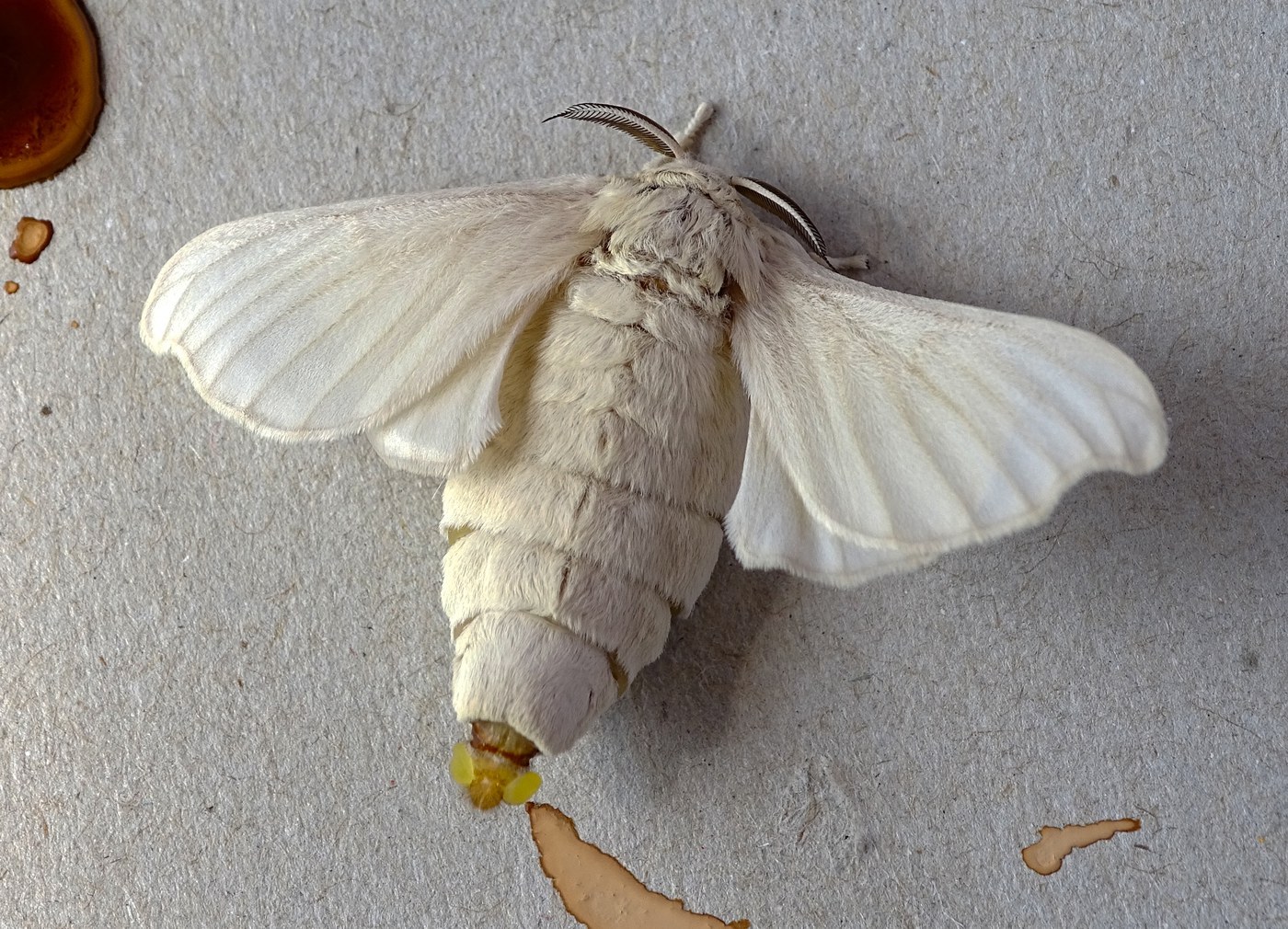
Silkworm
Reared exclusively in captivity on mulberry leaves; no independent wild population
Spicebush Swallowtail Caterpillar
Woodlands and thickets with spicebush or sassafras