
Caterpillar
Lepidoptera spp.
The soft-bodied, segmented larval stage of butterflies and moths, recognized by its worm-like shape, multiple pairs of stubby legs, and voracious appetite for leaves.
- Size
- 5 mm–100 mm (varies widely by species)
- Habitat
- Gardens, forests, meadows, wherever host plants grow
- Danger
- Harmless
Spotted a bug like this?
Identify any bug or insect from a photo, free.
Overview
A caterpillar is the larval life stage of any species in the order Lepidoptera, encompassing both butterflies and moths. With well over 150,000 described Lepidoptera species, caterpillars display an astonishing range of colors, patterns, textures, and sizes, from smooth and camouflaged to spiny or densely hairy.
Caterpillars are among the most important herbivores in terrestrial ecosystems, consuming enormous quantities of plant material and, in turn, serving as a critical food source for birds, small mammals, and countless predatory and parasitic insects. Their dramatic transformation into winged adults makes them one of the clearest examples of complete metamorphosis in the insect world.
How to Identify
- Elongated, segmented, worm-like body typically ranging from a few millimeters to about 10 cm long, depending on species.
- Three pairs of true legs near the head and up to five pairs of fleshy prolegs along the abdomen, tipped with tiny hooks.
- A distinct head capsule with short antennae and chewing mouthparts adapted for eating leaves.
- Body surface varies enormously: smooth, spiny, hairy, or adorned with false eyespots or bright warning colors depending on species.
- Lookalike: sawfly larvae closely resemble caterpillars but have more prolegs (six or more pairs) and lack the hooked crochets found on true caterpillar prolegs.
Habitat & Range
Caterpillars occur virtually anywhere their host plants grow, spanning gardens, forests, grasslands, deserts, and wetlands across every continent except Antarctica. Most are active from spring through fall, though timing varies greatly by species and climate, and many favor specific host plants or plant families.
Behavior & Diet
Nearly all caterpillars feed on plant material, with most species specializing on leaves, though some feed on stems, roots, seeds, or fruit. They move by alternating grips of their true legs and prolegs, and many rely on camouflage, mimicry, hairs, or spines as passive defenses against predators. As one of the most abundant herbivores in many ecosystems, caterpillars form a crucial link in food webs, supporting birds and other insectivores.
Life Cycle
The caterpillar stage is the second phase of complete metamorphosis, following the egg stage and preceding the pupa and adult stages. After hatching, a caterpillar feeds and grows through a series of molts, typically five to six instars, shedding its exoskeleton at each stage as it increases in size. Once fully grown, it forms a pupa or cocoon, from which the adult butterfly or moth eventually emerges; the length of the caterpillar stage ranges from a couple of weeks to over a year depending on species and climate.
Frequently asked questions
Will every caterpillar turn into a butterfly?
No, most caterpillars actually develop into moths rather than butterflies, since moths make up the majority of Lepidoptera species.
How can I tell a caterpillar from a sawfly larva?
True caterpillars have five or fewer pairs of prolegs with tiny hooks, while sawfly larvae usually have six or more pairs of unhooked prolegs.
Why do some caterpillars have spines or hairs?
These structures typically serve as a passive defense, making the caterpillar harder to swallow or more irritating for potential predators.
How long does a caterpillar stay in its larval stage?
It varies widely by species, from a couple of weeks in fast-developing moths to over a year in some larger species.
Caterpillar guides
In-depth guides for identifying, understanding, and living alongside Caterpillar.
Caterpillar identified by the community
Real finds identified with Bug Identifier.

Other bugs you may enjoy
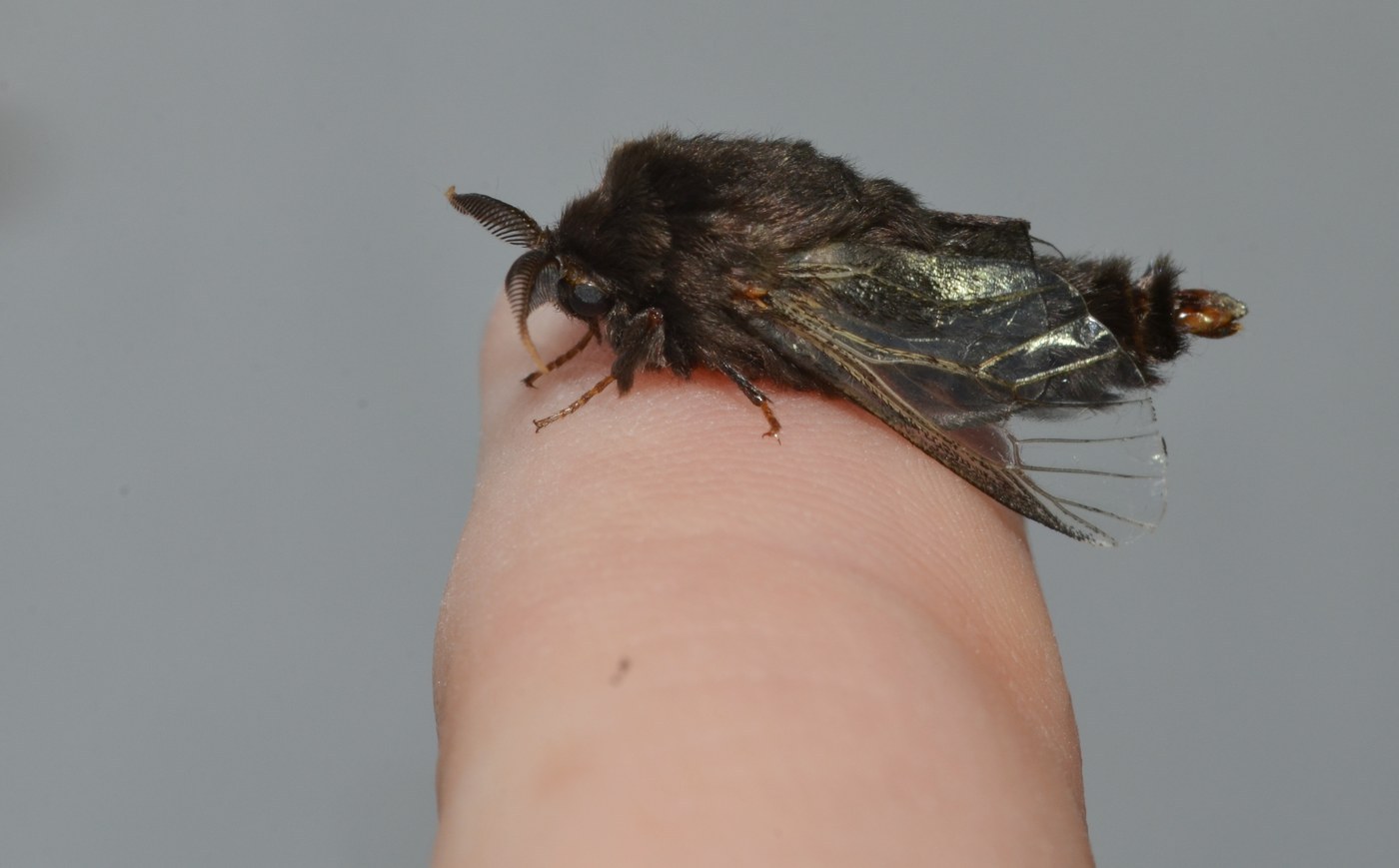
Bagworm
Trees and shrubs, especially conifers and ornamental landscaping
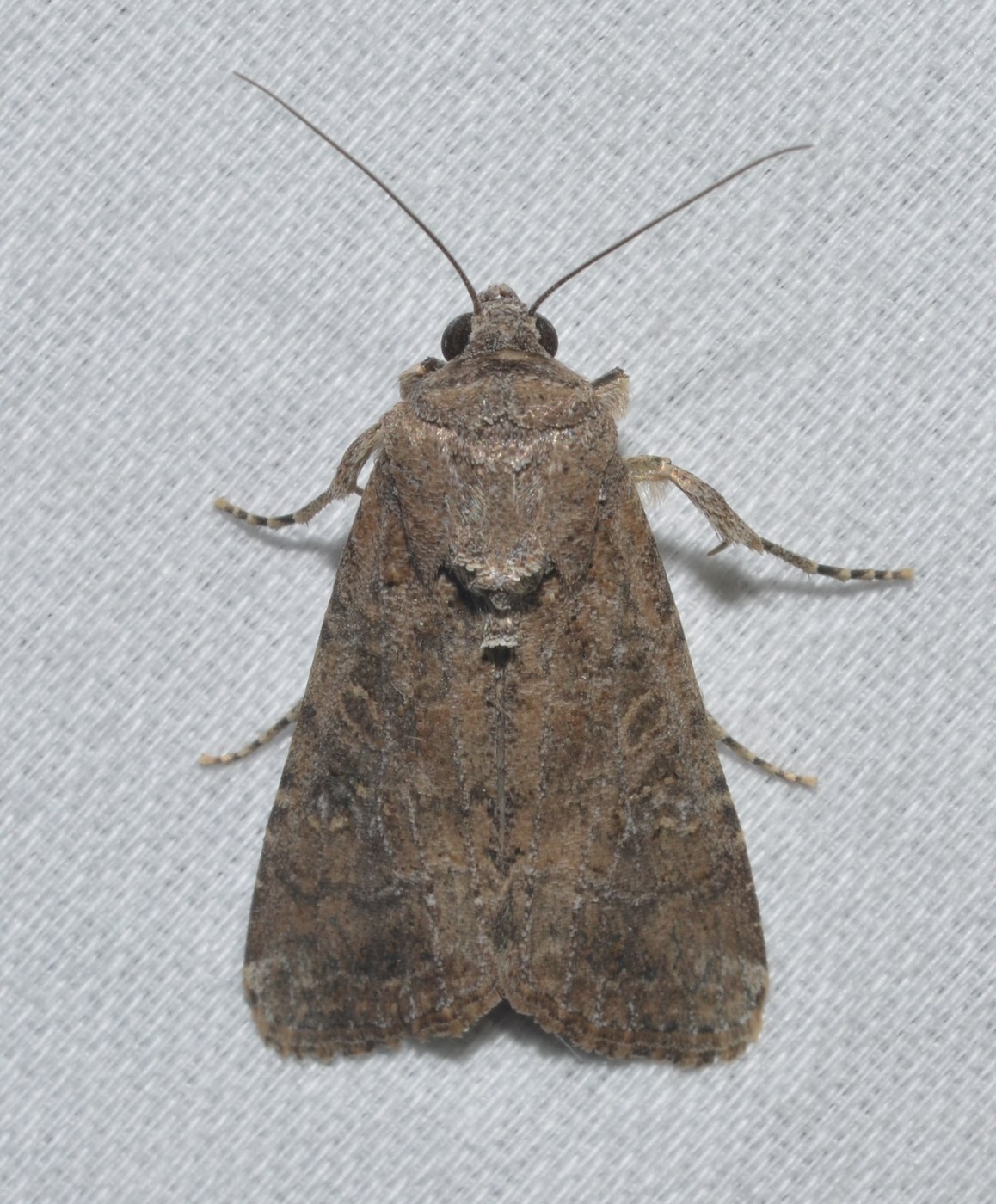
Armyworm
grasslands, pastures, and cereal crop fields
Zebra Longwing Caterpillar
Tropical and subtropical hammocks with passionflower vines
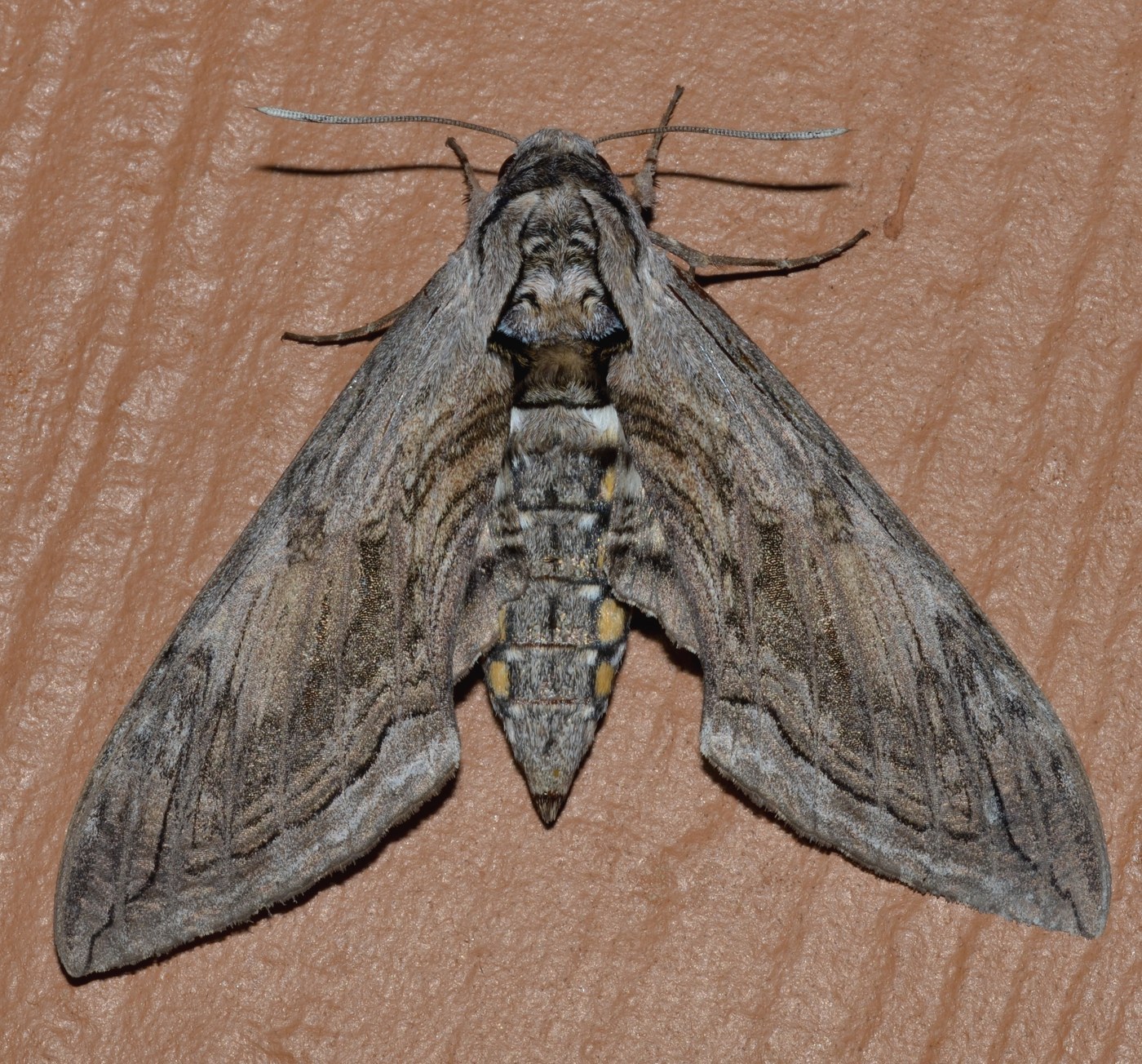
Tomato Hornworm
Gardens and fields with tomato, pepper, and other nightshade plants
Tent Caterpillar
Deciduous trees such as cherry, apple, and other rosaceous species
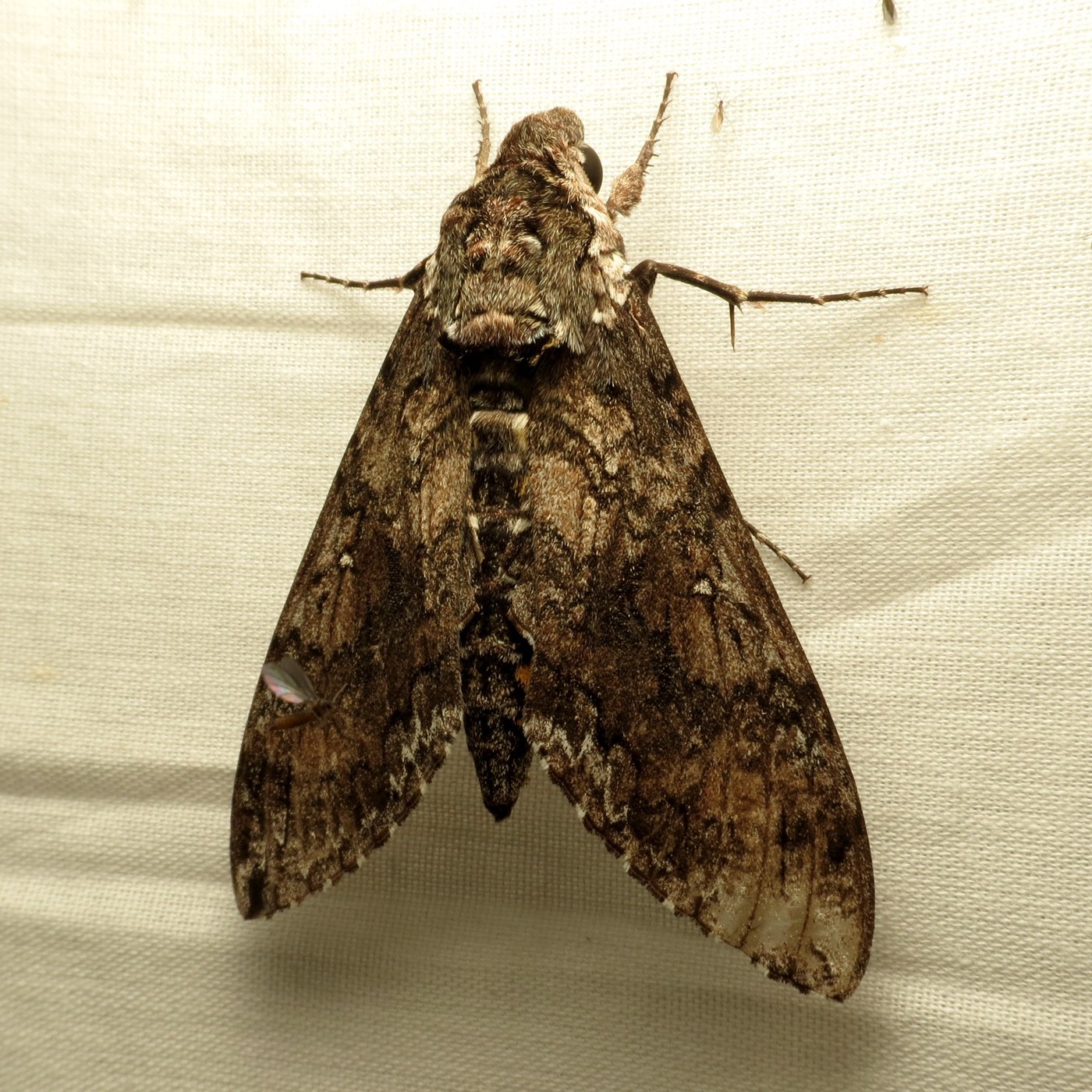
Tobacco Hornworm
tobacco, tomato, and pepper plants in gardens and fields
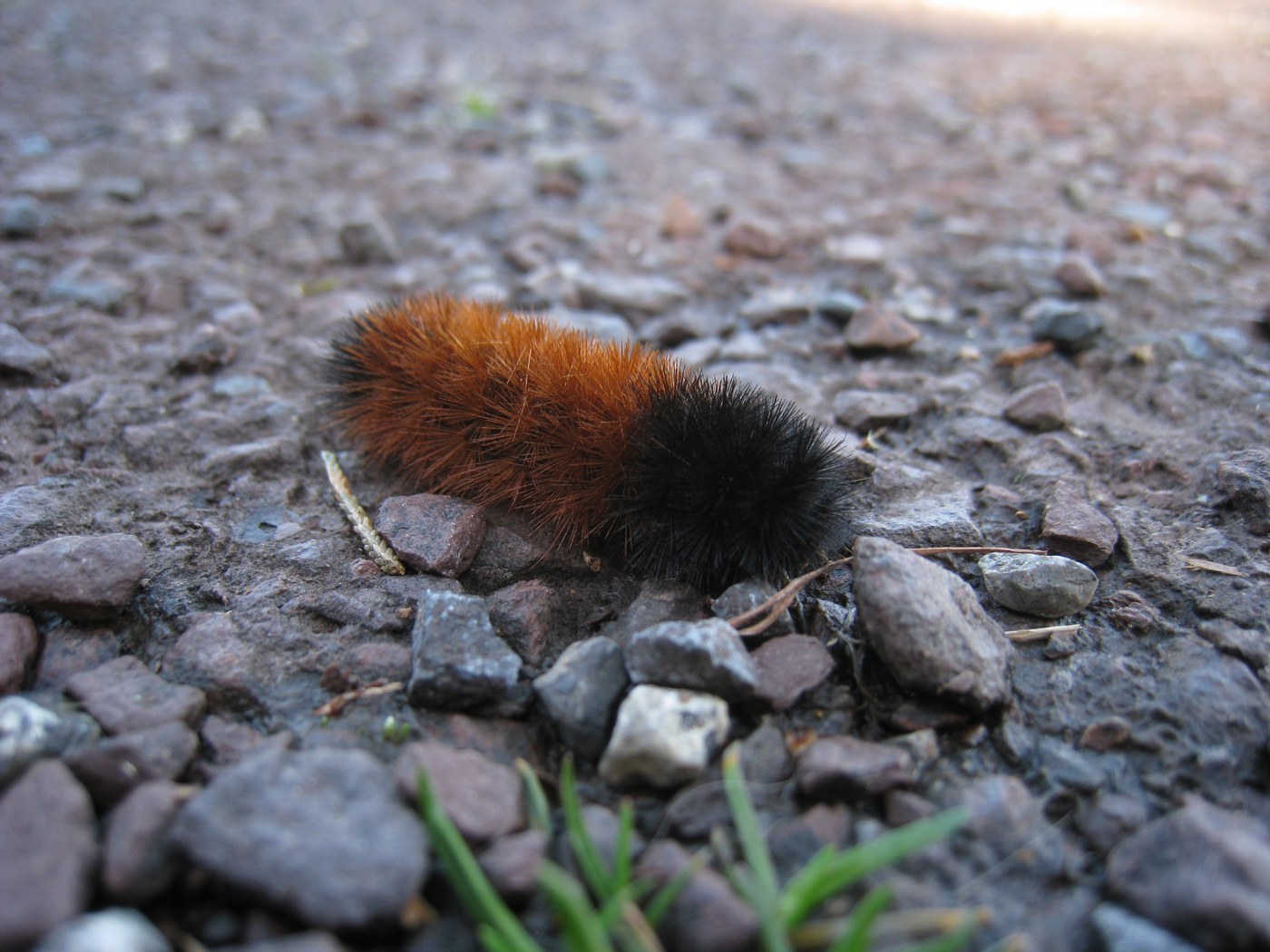
Woolly Bear Caterpillar
Gardens, meadows, roadsides, and woodland edges across North America
Sod Webworm
Turfgrass lawns, golf courses, pastures
Spiny Oak-slug Caterpillar
Deciduous forests and woodland edges with oak and other hardwoods
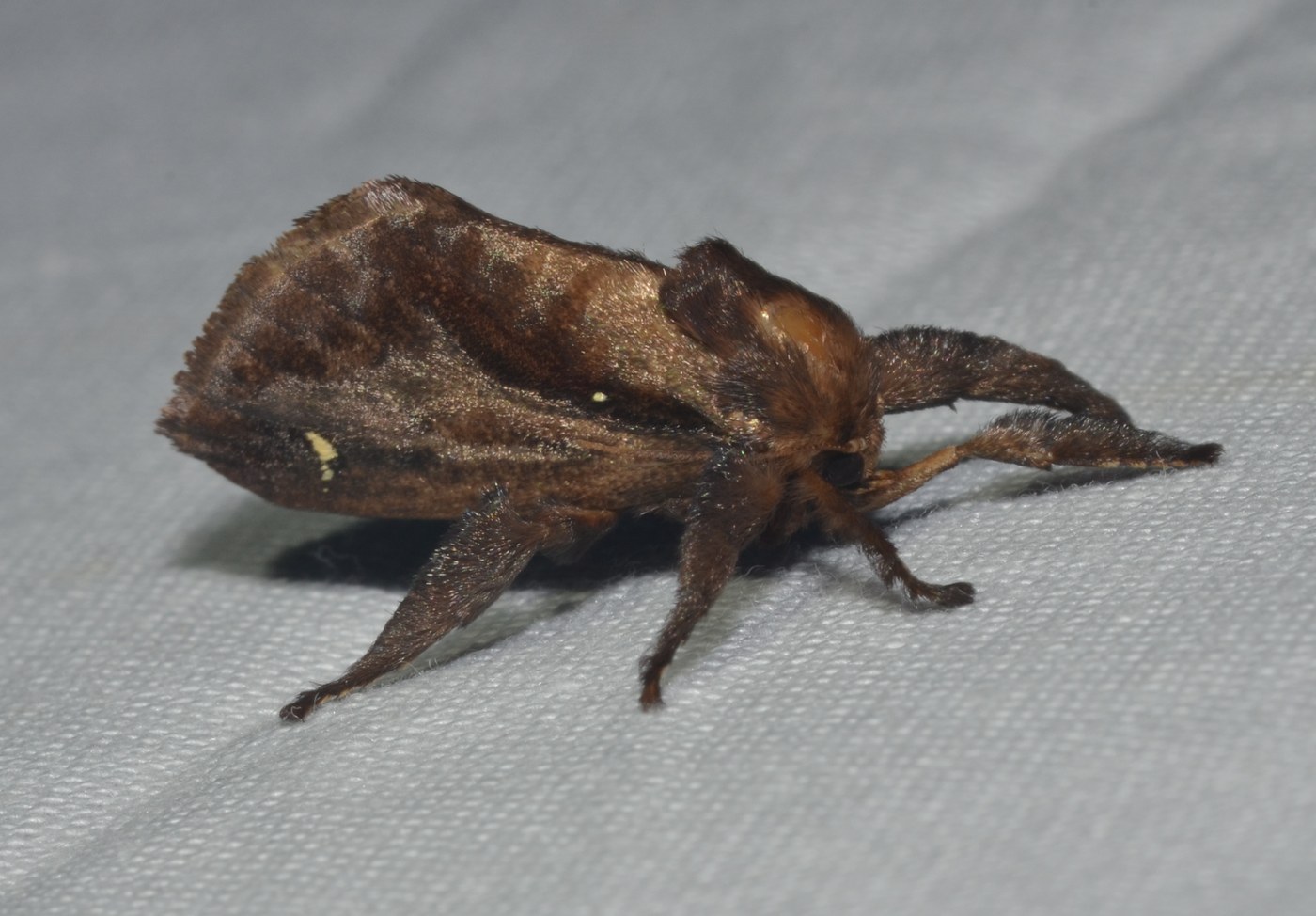
Saddleback Caterpillar
Deciduous trees and shrubs in eastern and southern North America
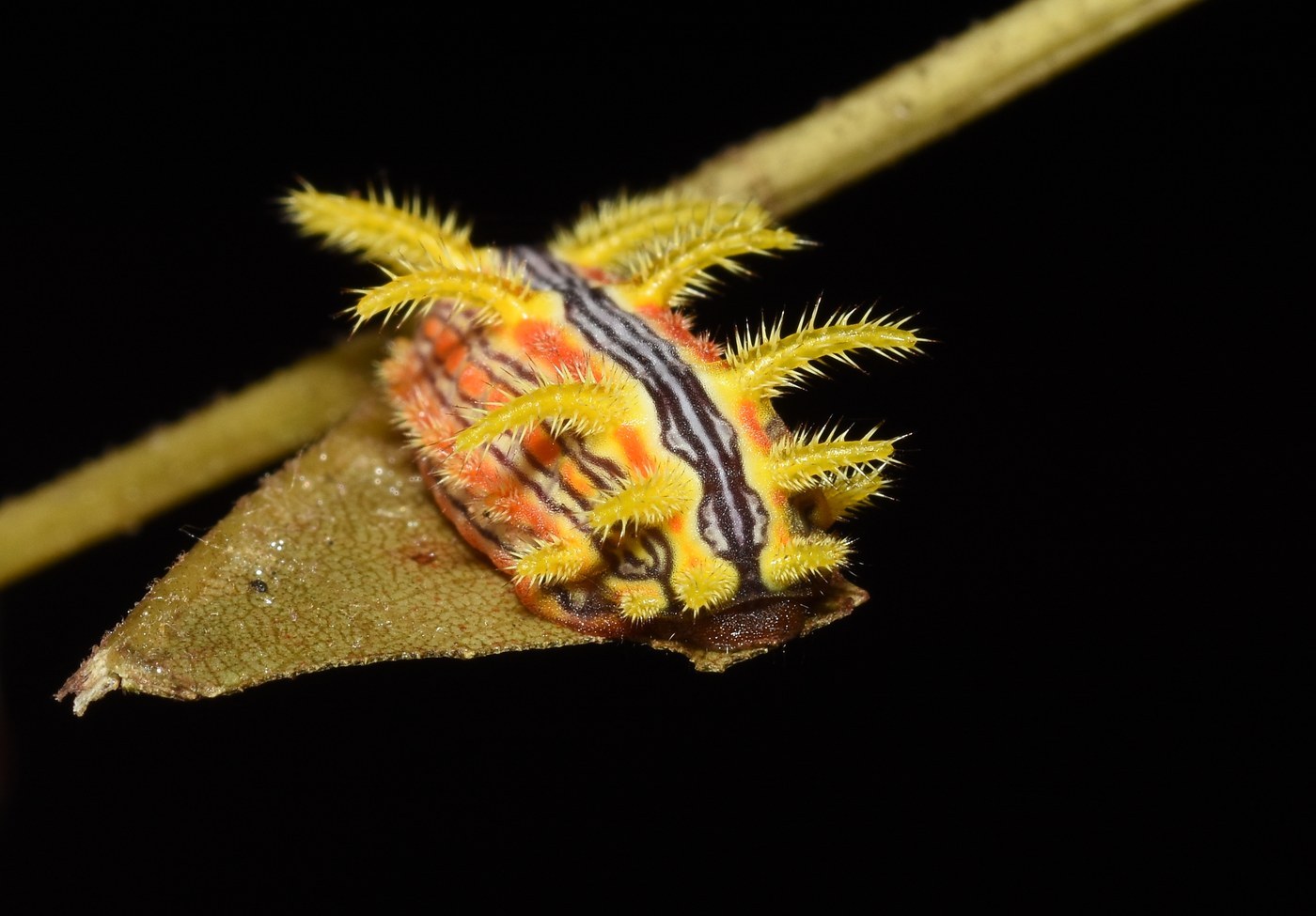
Stinging Rose Caterpillar
Gardens and woodlands with rose, dogwood, or oak
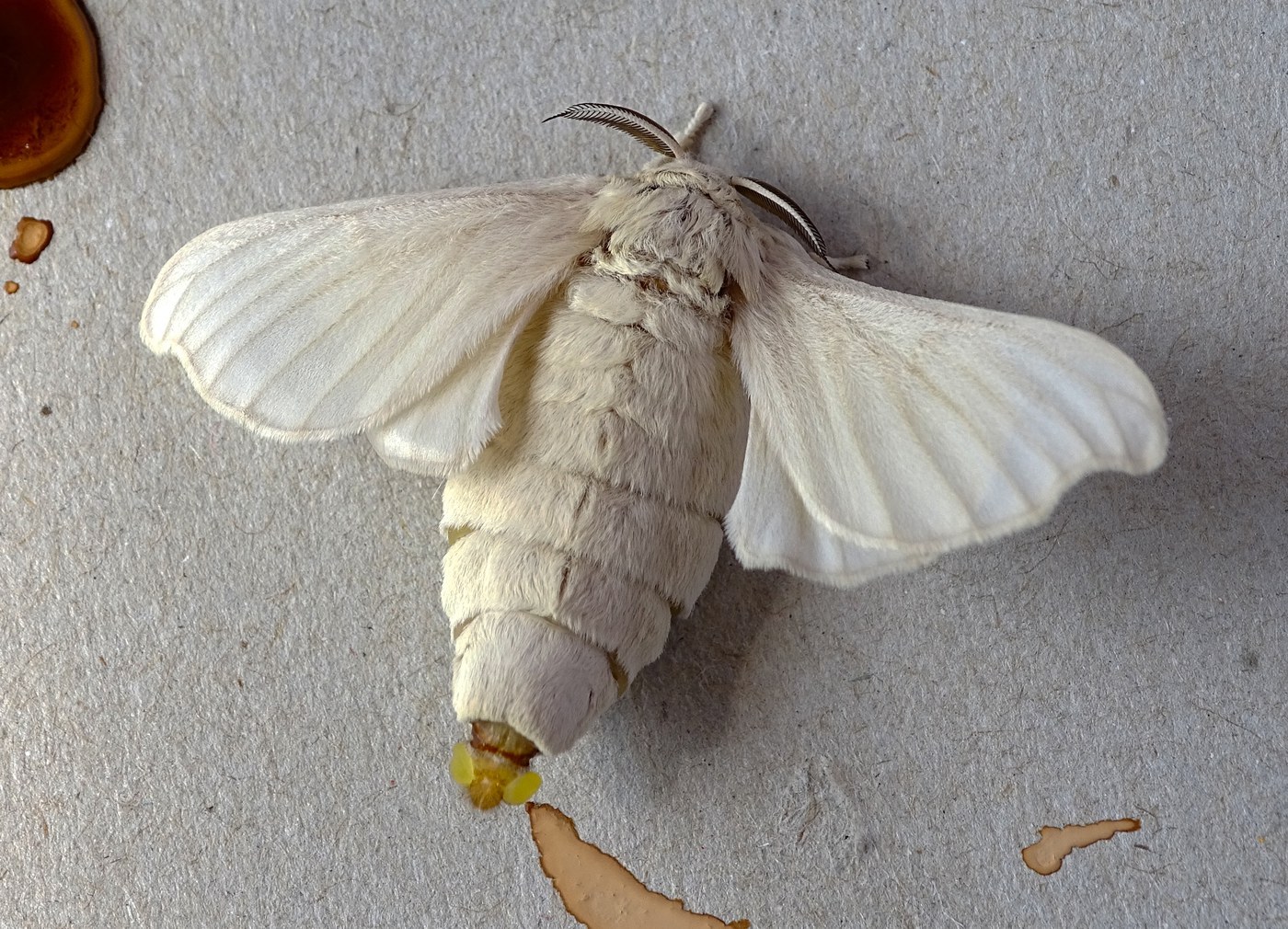
Silkworm
Reared exclusively in captivity on mulberry leaves; no independent wild population