
Cave Spider
Meta spp.
A long-legged orb weaver adapted to the twilight zone of caves, spinning large webs across cavern mouths and dangling its egg sacs from silk threads deep within the darkness.
- Size
- 0.3-0.7 in (8-18 mm) body length
- Habitat
- Cave entrances, mines, tunnels, and other dark, humid recesses
- Danger
- Harmless
Spotted a bug like this?
Identify any bug or insect from a photo, free.
Overview
Cave spiders, genus Meta, are large-eyed orb weavers in the family Tetragnathidae specially adapted to life at the entrances and twilight zones of caves, mines, and similar underground spaces. Although they do not live in total darkness, they are strongly associated with these humid, sheltered environments, where light levels are low but not entirely absent.
One of the best-known species, Meta menardi, has a wide distribution across parts of Europe and beyond, where it is a familiar sight to cavers spotting its large, round-bodied form resting motionless near the cave mouth or suspended in a web strung across a passage. Its legs and body tend to be proportionally long and its eyes relatively large, features that assist movement and prey detection in the dim conditions it favors.
A particularly striking feature of cave spider biology is the way females suspend their egg sacs on long silk threads from the cave ceiling, sometimes many at a time in a single chamber, creating a distinctive hanging cluster that is one of the clearest signs of the species' presence.
How to Identify
- Large, rounded abdomen, often patterned with mottled brown or tan markings
- Long, slender legs relative to body size, useful for navigating uneven cave surfaces
- Large eyes adapted for low-light conditions near cave entrances
- Web is a large, orb-shaped structure often strung across a cave passage or entrance
- Egg sacs are distinctive, teardrop-shaped, and suspended individually on long silk threads from the ceiling
- Lookalikes include other large orb weavers, but the cave-associated habitat and hanging egg sacs are strong identifying clues
Habitat & Range
Cave spiders occupy the twilight zone of caves, mines, tunnels, culverts, and similar humid, sheltered underground spaces, generally avoiding total darkness deep within a cave system. They are found across parts of Europe and other temperate regions with suitable karst or mine habitat, and adults can be encountered year-round given the stable temperature and humidity of most cave environments.
Behavior & Diet
Cave spiders build large orb webs across passageways or near entrances to intercept flying insects that move in and out of the cave, including moths, flies, and other insects sheltering in or passing through the space. During periods of inactivity they often rest motionless on the cave wall or ceiling, relying on their cryptic coloration for concealment. Within cave ecosystems, they represent an important predator, and their egg sacs and prey remains contribute organic material to the otherwise nutrient-poor cave environment.
Life Cycle
Females produce distinctive teardrop-shaped egg sacs, which they suspend individually from long silk threads attached to the cave ceiling, often positioning several in the same general area. Spiderlings emerge and disperse within the cave system or move toward the entrance zone to establish their own webs, growing through a series of molts. Development can take one to two years depending on local conditions, with the stable cave climate allowing activity throughout much of the year.
Frequently asked questions
Do cave spiders live in complete darkness?
No, they are mainly found in the twilight zone near cave entrances and mine openings rather than in total darkness.
How can I recognize a cave spider's egg sac?
It is a distinctive teardrop shape suspended individually from a long silk thread hanging from the cave ceiling.
What do cave spiders eat?
Flying insects such as moths and flies that move through cave entrances and passages, caught in their large orb webs.
Where can cave spiders be found outside of caves?
They also occur in mines, tunnels, culverts, and other dark, humid, sheltered spaces with similar conditions to a cave entrance.
Cave Spider guides
In-depth guides for identifying, understanding, and living alongside Cave Spider.
Other bugs you may enjoy
Woodlouse Spider
Damp leaf litter, under logs, stones, and mulch
Wolf Spider
Gardens, grasslands, forests, leaf litter, ground burrows
Wandering Spider
Tropical and subtropical forest floor, foliage, and banana plants
Banded Garden Spider
Tall grass, meadows, and gardens with open sunny vegetation
Banana Spider
Wooded trails, forest edges, and gardens across the southeastern U.S. and the American tropics
Sydney Funnel-web Spider
Burrows in moist soil, gardens, and forested gullies around the Sydney basin of eastern Australia
Trapdoor Spider
Self-dug silk-lined burrows with a camouflaged door, in dry, well-drained soil worldwide
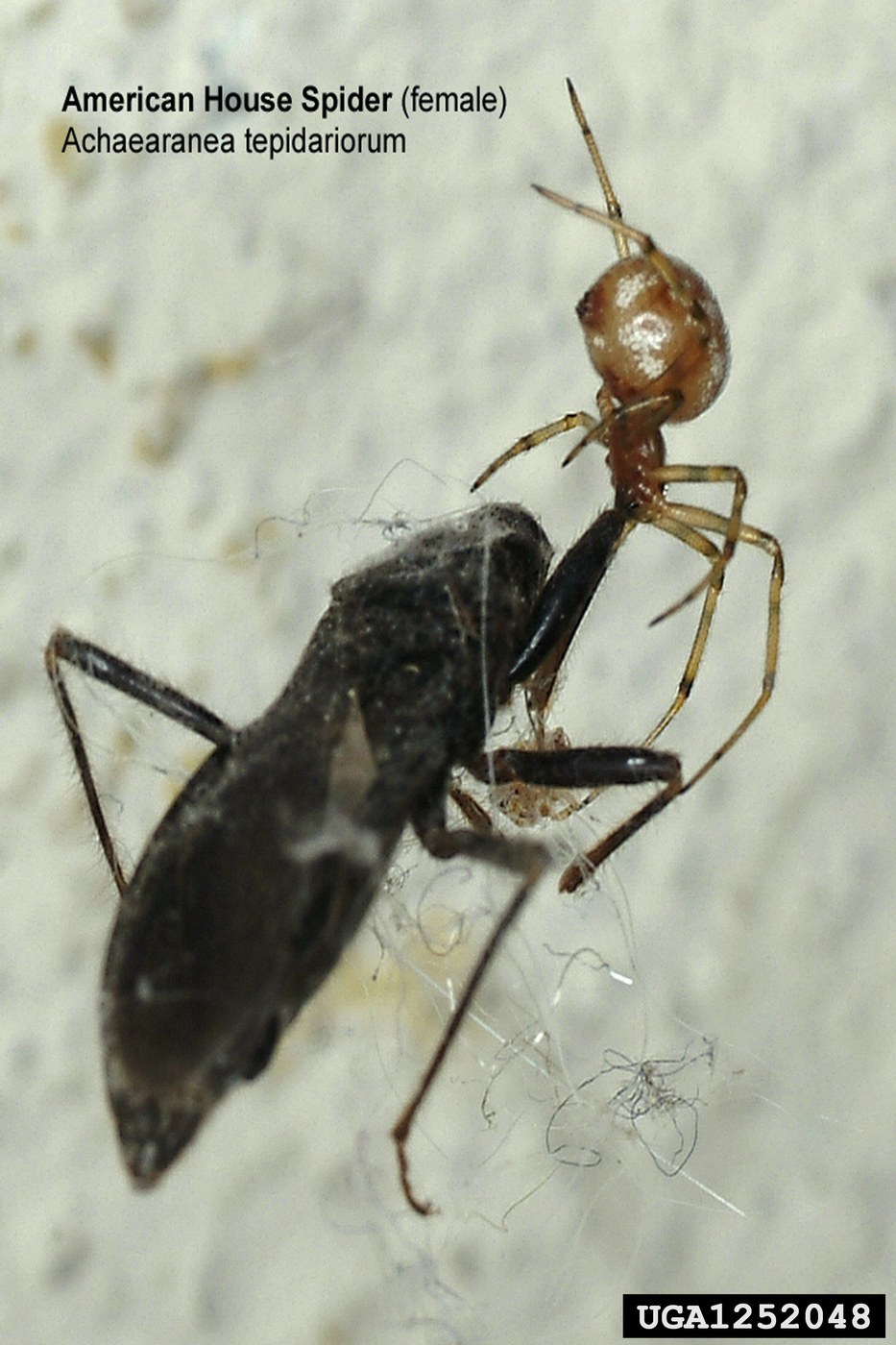
American House Spider
Corners, basements, garages, and outbuildings worldwide
Tube Web Spider
Wall crevices, bark, rockeries, and masonry
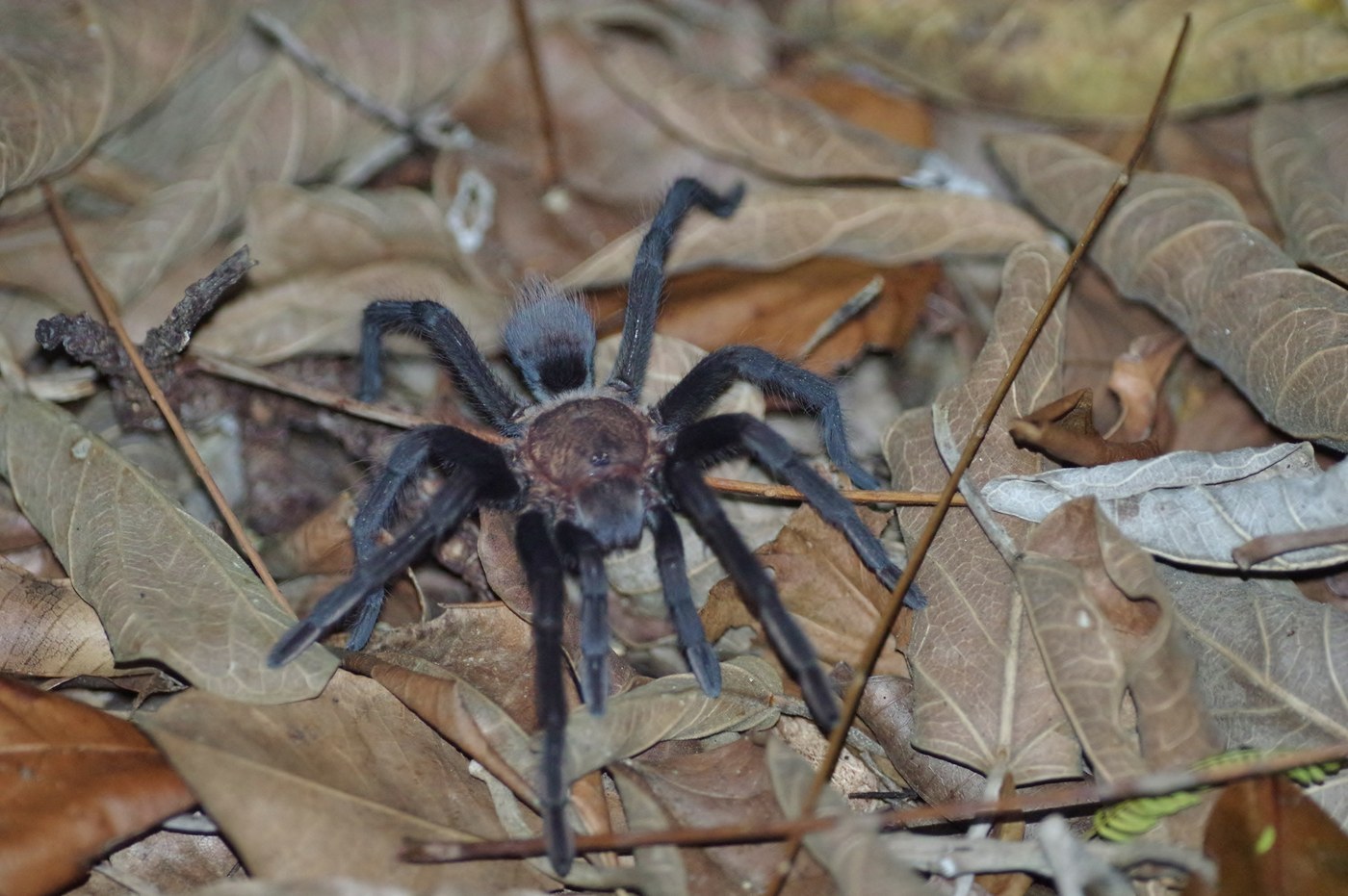
Tarantula
Burrows, rock crevices, and tree hollows in deserts, grasslands, and tropical forests worldwide
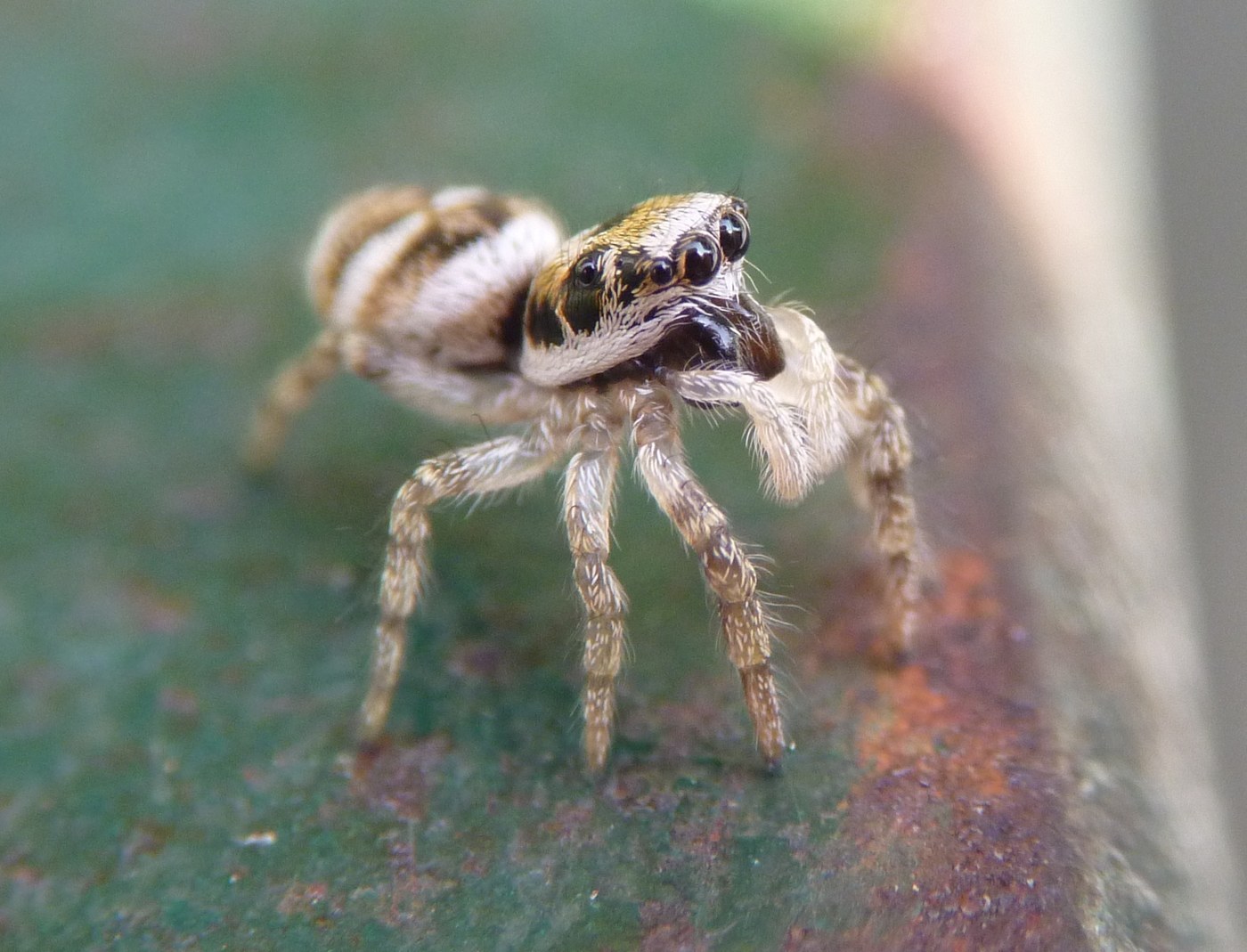
Zebra Jumping Spider
Sunny walls, fences, tree bark, and building exteriors
Wall Spider
Cracks and crevices on exterior and interior walls