
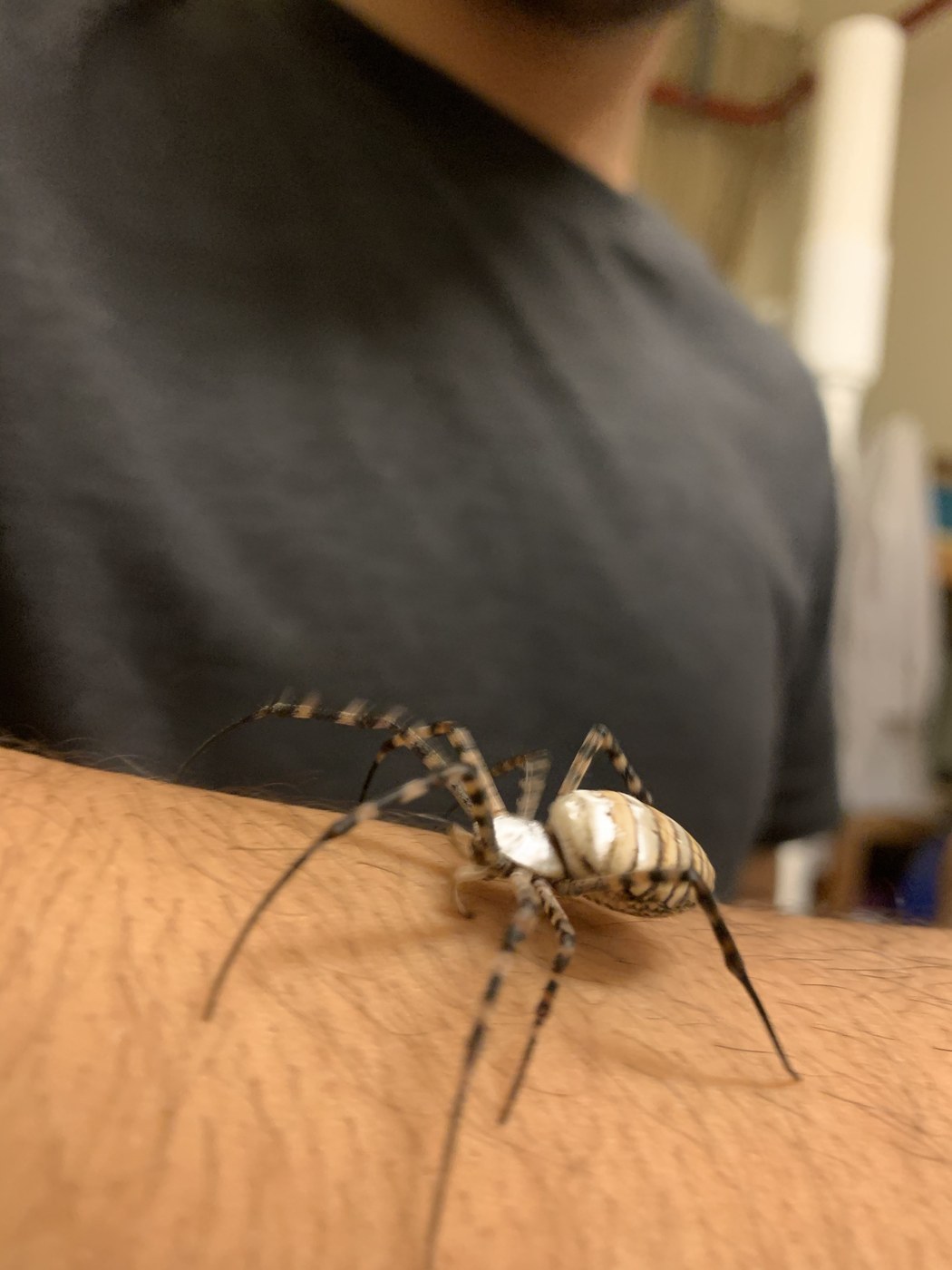
Banded Garden Spider
Argiope trifasciata
A large orb weaver with a silvery, banded abdomen striped in yellow and black, spinning a distinctive zigzag stabilimentum through the center of its web.
- Size
- 12-25 mm body length (females larger)
- Habitat
- Tall grass, meadows, and gardens with open sunny vegetation
- Danger
- Bites
Spotted a bug like this?
Identify any bug or insect from a photo, free.
Overview
The banded garden spider is a large, conspicuous orb weaver closely related to the more familiar black-and-yellow garden spider, but distinguished by the fine, closely spaced silver-and-yellow bands running across its abdomen rather than large yellow patches. Females build substantial, symmetrical orb webs in open, sunny vegetation, often anchoring a distinctive zigzag band of dense silk, called a stabilimentum, through the hub of the web.
This species has a remarkably wide global distribution, found on every continent except Antarctica, and thrives in meadows, tall grasses, and garden margins where its web can intercept flying and jumping insects. Its large size and bold pattern make it one of the more noticeable spiders of late summer gardens and fields, though it is a shy, non-aggressive species that typically flees or drops from its web when disturbed.
How to Identify
- Elongated abdomen with fine, alternating silver-white and yellow-black transverse bands
- Long, banded legs held in pairs, forming an X-shaped resting posture at the web hub
- Females much larger and more colorful than the small, inconspicuous males
- Web often includes a zigzag silk stabilimentum running vertically through the center
- Distinguished from the black-and-yellow garden spider (Argiope aurantia) by its finer, more numerous abdominal bands rather than bold yellow blocks
Habitat & Range
Banded garden spiders build their webs in tall grasses, meadows, gardens, and other open, sunny areas with dense low vegetation to anchor the web. The species has an unusually broad distribution, found across the Americas, Europe, Africa, Asia, and Australia. Adults, particularly females, are most visible from mid to late summer through early fall as they reach full size.
Behavior & Diet
This spider builds a large vertical orb web in open vegetation and rests head-down at the hub, often on a zigzag stabilimentum, waiting to detect vibrations from trapped prey such as grasshoppers, flies, and moths. When disturbed, it typically vibrates the web vigorously or drops to the ground rather than confronting the threat. Banded garden spiders are solitary, and males are much smaller, approaching a female's web cautiously to mate. As effective insect predators, they play a useful ecological role in controlling flying and jumping insect populations in grassland and garden habitats.
Life Cycle
After mating in late summer or fall, females produce one or more large, papery brown egg sacs attached to nearby vegetation, each containing hundreds of eggs, and the adult typically dies as temperatures drop. Eggs overwinter within the protective sac and hatch the following spring, with spiderlings dispersing on silk threads to establish new territories. The species completes one generation per year, growing through numerous molts over the summer before reaching maturity in late summer.
Frequently asked questions
Does the banded garden spider bite?
It may bite in defense if handled, but it is a shy spider that typically drops from its web or vibrates it when disturbed.
How is it different from the black-and-yellow garden spider?
The banded garden spider has many fine silver-and-yellow bands across its abdomen, while the black-and-yellow garden spider has larger, bolder yellow patches.
What is the zigzag pattern in its web?
This dense band of silk, called a stabilimentum, runs through the web's hub and may help stabilize the structure or make it more visible to prevent birds from flying through it.
Where are banded garden spiders found?
They occur nearly worldwide in tall grass, meadows, and gardens with open, sunny vegetation.
Banded Garden Spider guides
In-depth guides for identifying, understanding, and living alongside Banded Garden Spider.
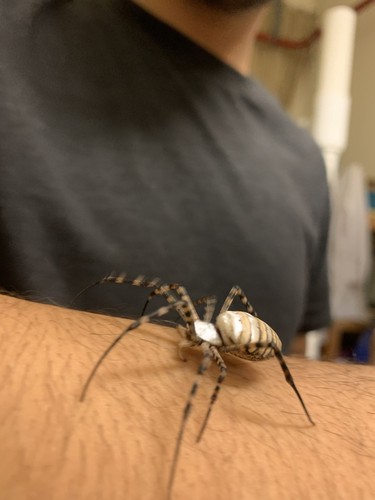
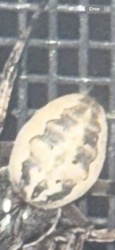
Banded Garden Spider identified by the community
Real finds identified with Bug Identifier.

Other bugs you may enjoy
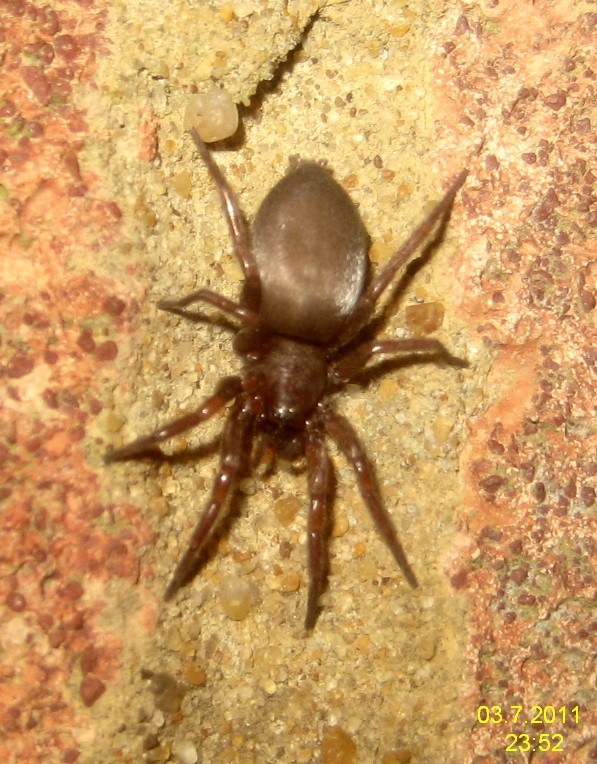
Woodlouse Spider
Damp leaf litter, under logs, stones, and mulch
Wolf Spider
Gardens, grasslands, forests, leaf litter, ground burrows
Wandering Spider
Tropical and subtropical forest floor, foliage, and banana plants
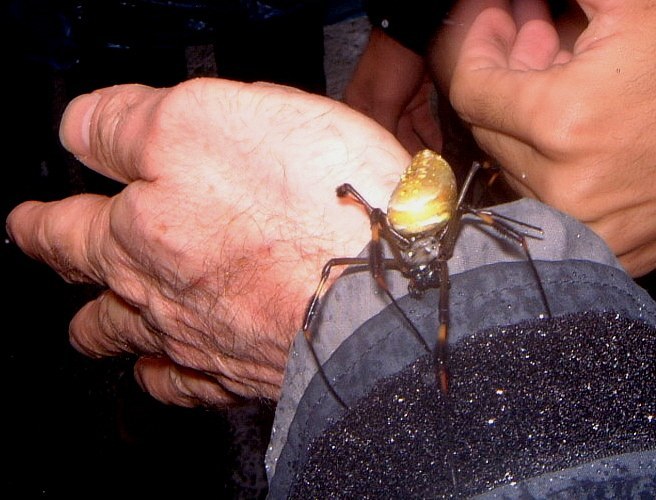
Banana Spider
Wooded trails, forest edges, and gardens across the southeastern U.S. and the American tropics
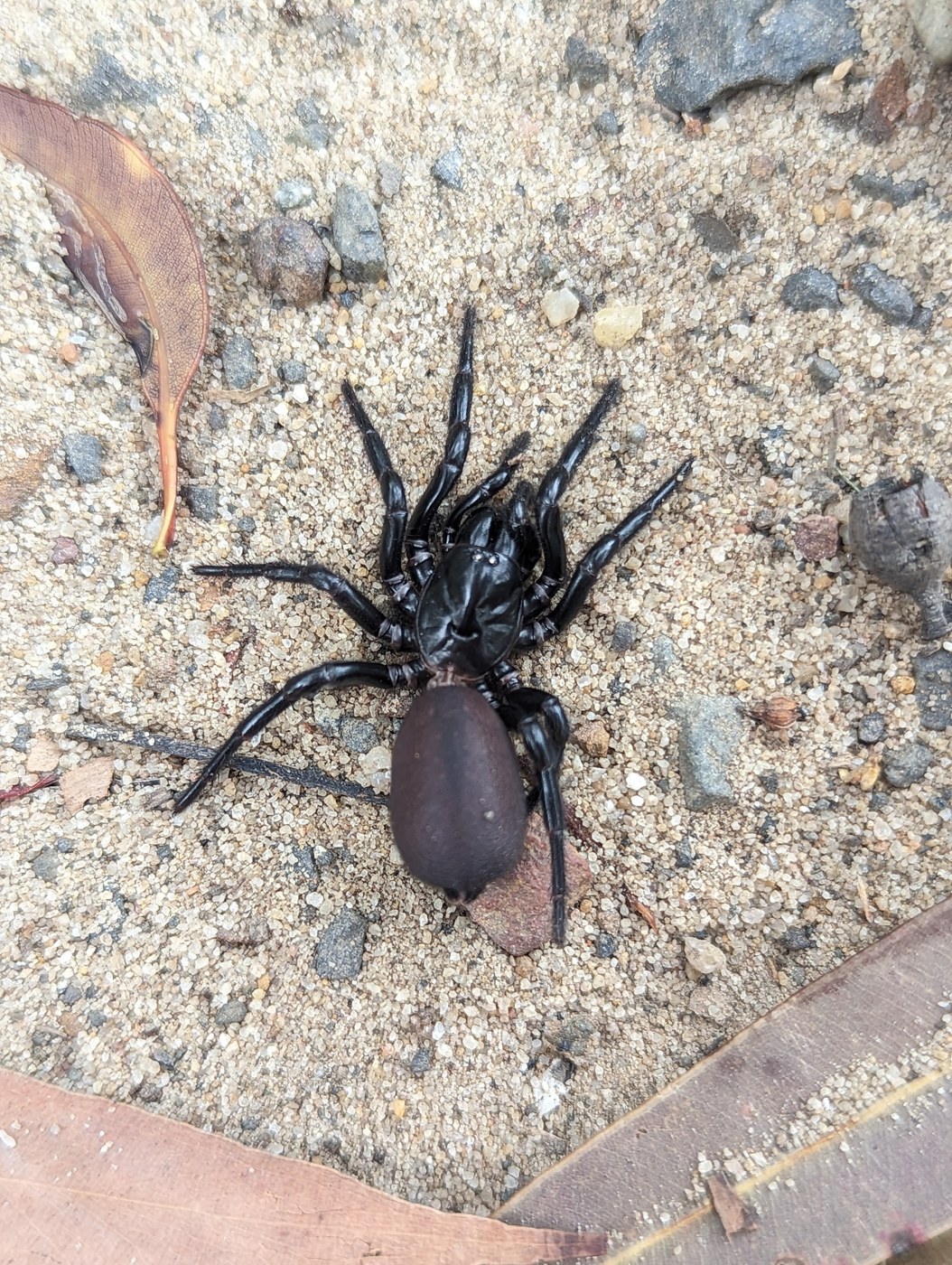
Sydney Funnel-web Spider
Burrows in moist soil, gardens, and forested gullies around the Sydney basin of eastern Australia
Trapdoor Spider
Self-dug silk-lined burrows with a camouflaged door, in dry, well-drained soil worldwide
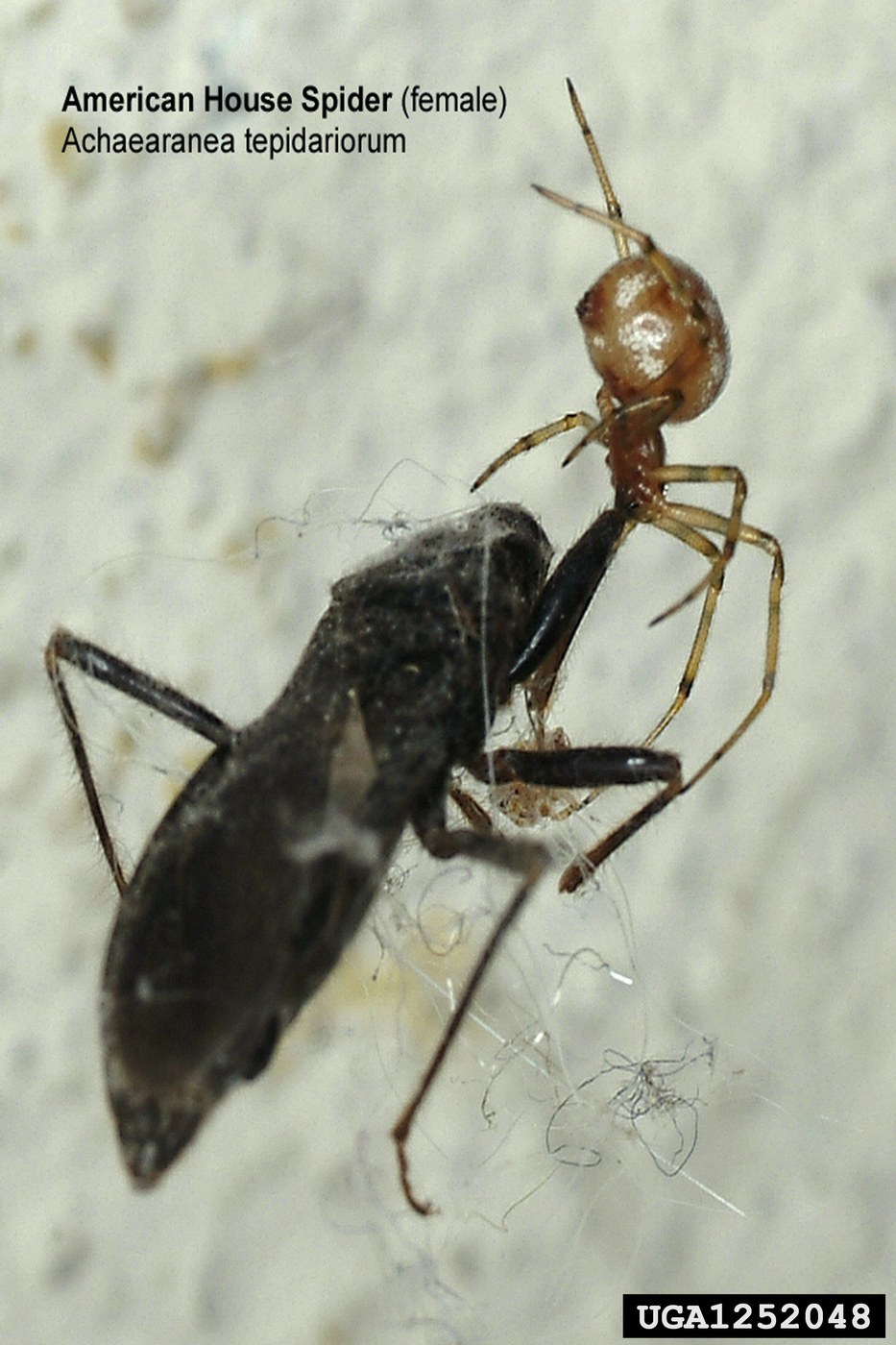
American House Spider
Corners, basements, garages, and outbuildings worldwide
Tube Web Spider
Wall crevices, bark, rockeries, and masonry
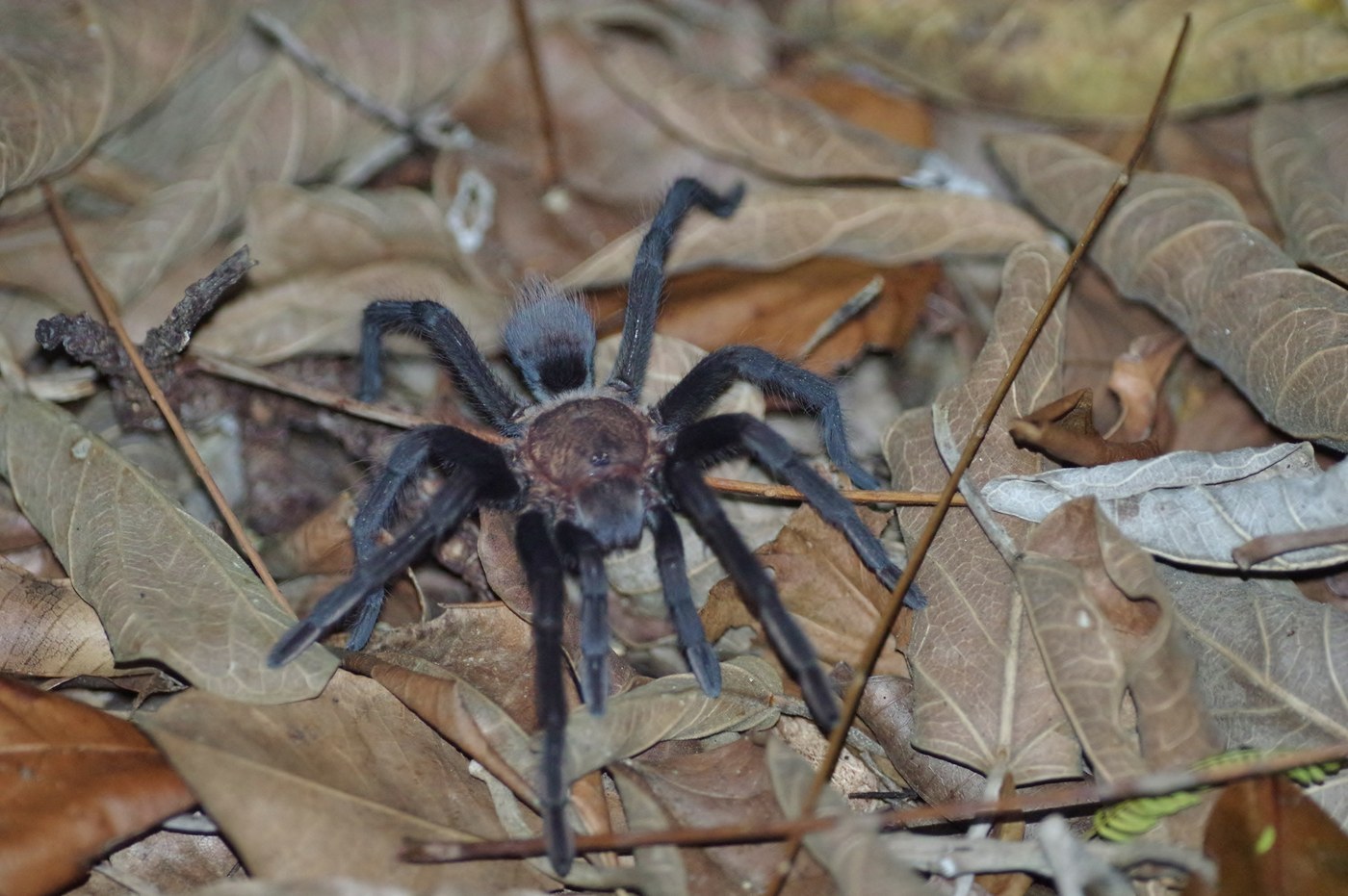
Tarantula
Burrows, rock crevices, and tree hollows in deserts, grasslands, and tropical forests worldwide
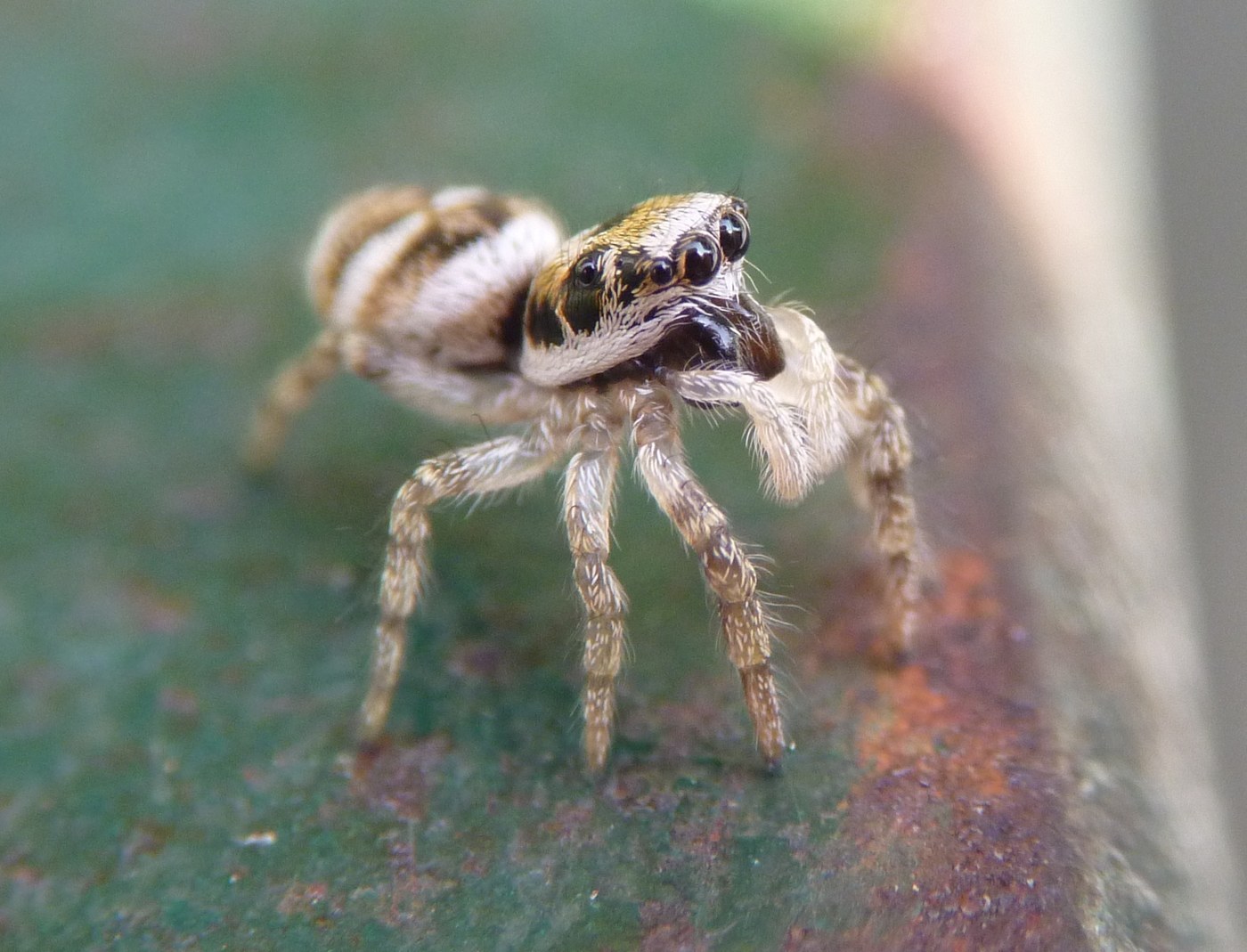
Zebra Jumping Spider
Sunny walls, fences, tree bark, and building exteriors
Wall Spider
Cracks and crevices on exterior and interior walls
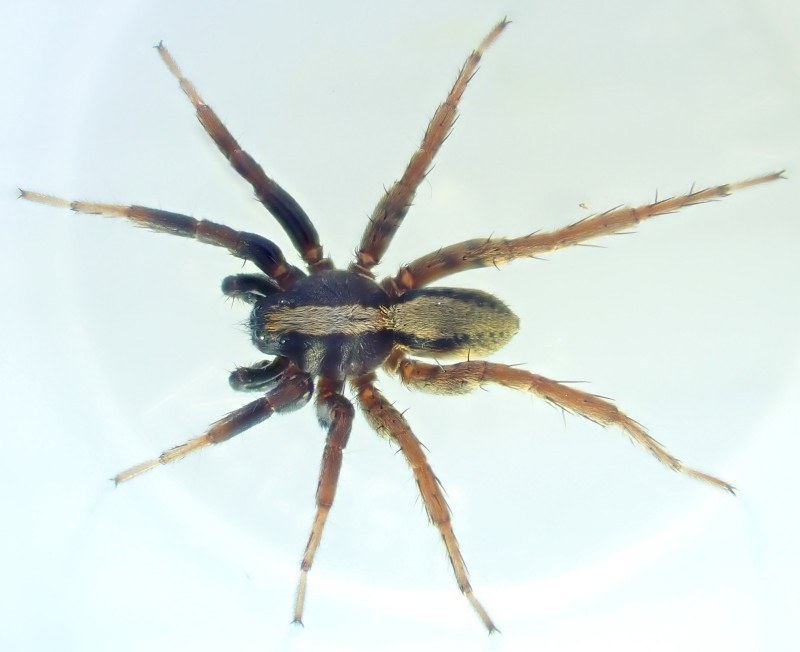
Wolf Spiderling
Grasslands, gardens, leaf litter and bare ground