
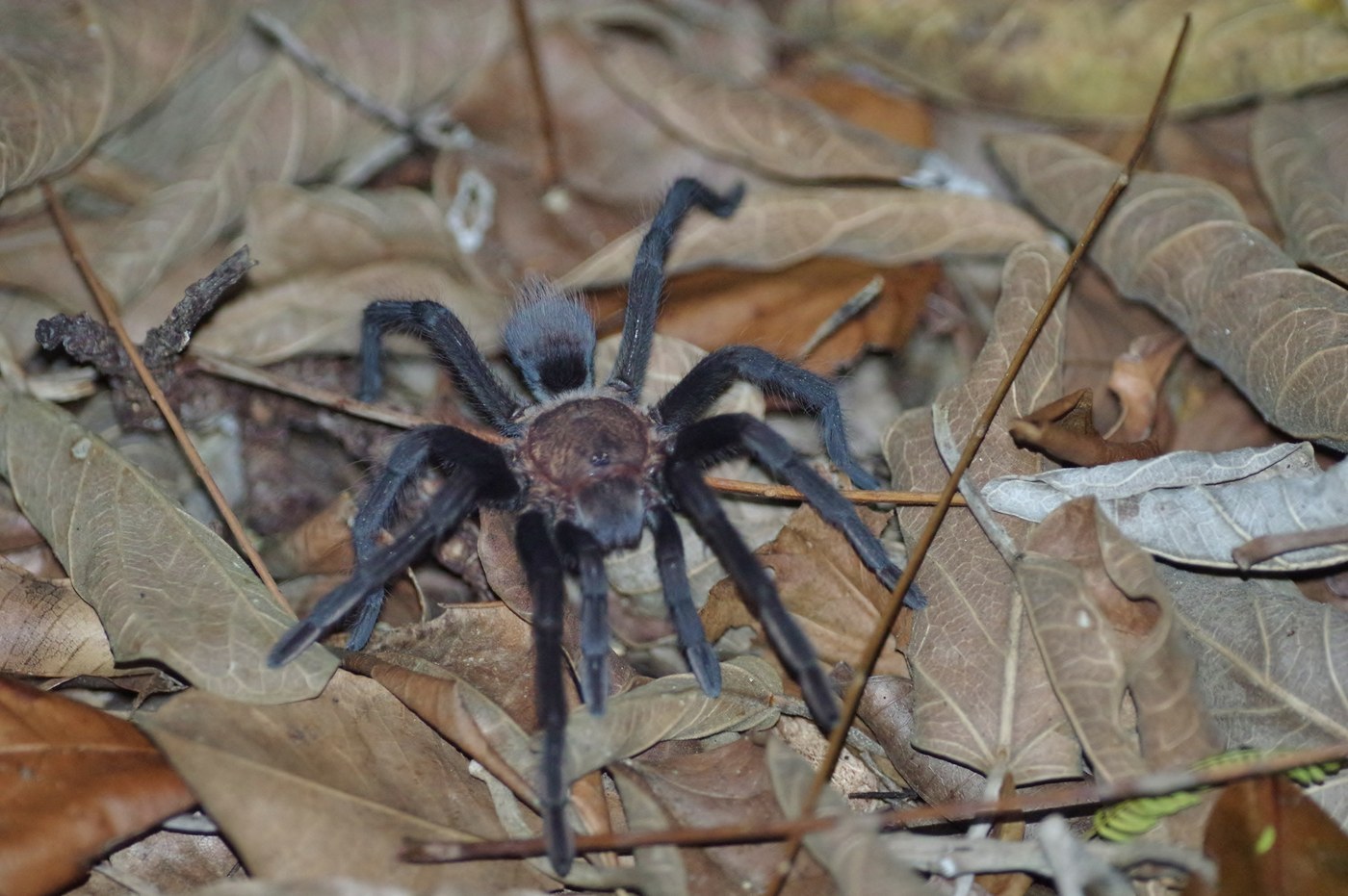
Tarantula
Theraphosidae spp.
The tarantula is the heavyweight of the spider world, a densely furred, ground-hugging hunter that spends most of its long life waiting in a silk-lined burrow for prey to wander past.
- Size
- Body 2-4 in (5-10 cm); leg span up to 11 in (28 cm) in the largest species
- Habitat
- Burrows, rock crevices, and tree hollows in deserts, grasslands, and tropical forests worldwide
- Danger
- Bites
Spotted a bug like this?
Identify any bug or insect from a photo, free.
Overview
Tarantulas make up the family Theraphosidae, a group of more than a thousand species found on every continent except Antarctica. They range from the fossorial Aphonopelma species of the American Southwest and Mexico to the tree-dwelling, brightly patterned Poecilotheria of South Asia and the robust baboon spiders of Africa. Despite their intimidating size, most species are slow-moving and rely on stealth and patience rather than speed or aggression to capture food.
What sets tarantulas apart from most other spiders is their remarkable longevity. Females of many species live fifteen to twenty-five years or more, continuing to molt periodically throughout adulthood, while males mature faster and live only a fraction as long. This life-history difference, combined with their calm temperament and striking appearance, has made tarantulas one of the most recognizable groups of spiders and a long-standing staple of the exotic pet trade.
Ecologically, tarantulas are important nocturnal predators of insects and other invertebrates in the habitats where they occur, and in turn they serve as prey for birds, mammals, and specialized predators such as tarantula hawk wasps, which paralyze them to provision their own larvae.
How to Identify
- Large, robust body covered in dense hair-like setae, ranging from earthy browns and blacks to metallic blues, purples, and orange-banded legs depending on species
- Eight eyes clustered tightly together on a small raised area at the front of the head, giving relatively poor eyesight compared to their sense of touch
- Fangs (chelicerae) that move up and down in a stabbing motion rather than pinching sideways, a trait shared by all mygalomorph spiders
- Thick, muscular legs covered in sensory hairs used to detect ground vibrations
- New World species often have a dense patch of urticating hairs on the top of the abdomen used defensively
- Lookalikes include wolf spiders and fishing spiders, which are considerably smaller, less hairy, and lack the tarantula's heavy-bodied build
Habitat & Range
Tarantulas occupy an enormous range of environments, from arid deserts and scrubland to humid tropical rainforest canopy. Ground-dwelling species dig their own burrows in soil or sand, or take over abandoned rodent holes, lining the entrance with silk to help detect vibrations from approaching prey. Arboreal species instead build silk retreats in tree bark crevices, hollows, or dense foliage. They are found across the Americas, Africa, southern Europe, and much of Asia and Australia, generally in warm temperate to tropical climates.
Behavior & Diet
Tarantulas are ambush predators that spend the vast majority of their time motionless at or near their burrow entrance, relying on vibration-sensing hairs to detect passing insects, other arthropods, and, in the case of larger species, occasionally small lizards or amphibians. They are almost entirely nocturnal, emerging after dark to hunt or, in males, to wander in search of mates during the breeding season. When threatened, a tarantula may rear up on its hind legs in a defensive posture, flick urticating hairs toward the threat, or simply retreat into its burrow. As a group, tarantulas play a meaningful role in controlling insect and small invertebrate populations within their ecosystems.
Life Cycle
A female tarantula produces a silk egg sac containing anywhere from fifty to several hundred eggs, which she guards closely until the spiderlings hatch and disperse to establish their own burrows. Tarantulas grow through a long series of molts, shedding their exoskeleton repeatedly over several years as they mature. Females continue to molt periodically even after reaching adulthood, contributing to their exceptional lifespans, while males stop molting once mature, actively seek out females during a single breeding season, and typically die within months to a year of maturing.
Frequently asked questions
How long do tarantulas live?
Females of many species live fifteen to twenty-five years or more, continuing to molt throughout adulthood, while males mature faster and usually live only a few years.
Do tarantulas spin webs to catch prey?
Most tarantulas do not build capture webs; instead they ambush prey from a silk-lined burrow or retreat, using vibration-sensing hairs to detect movement.
What do tarantulas eat?
Their diet consists mainly of insects and other invertebrates, with larger species occasionally taking small lizards, frogs, or rodents opportunistically.
How is a tarantula different from a wolf spider?
Tarantulas are much larger and more heavily built with dense body hair, while wolf spiders are smaller, faster-moving, and comparatively sparsely haired.
Tarantula guides
In-depth guides for identifying, understanding, and living alongside Tarantula.
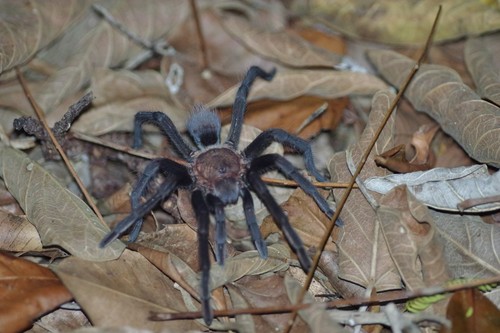
Tarantula identified by the community
Real finds identified with Bug Identifier.
Other bugs you may enjoy
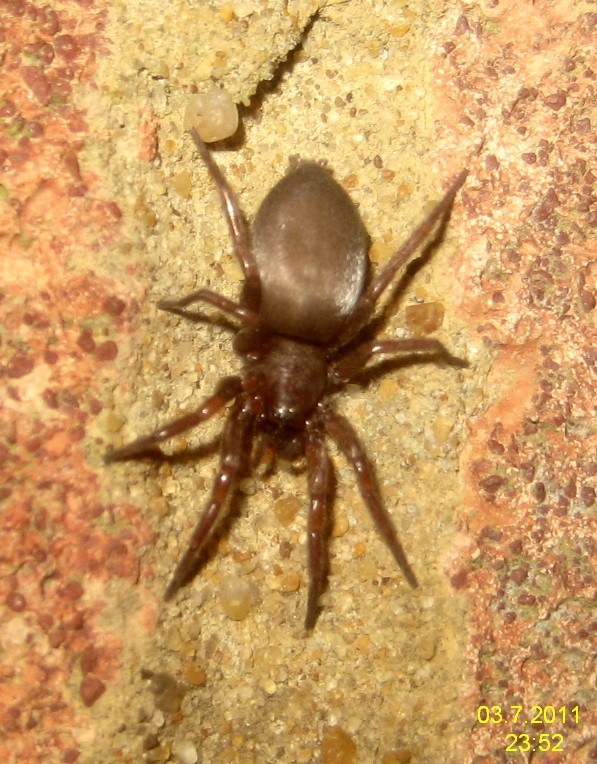
Woodlouse Spider
Damp leaf litter, under logs, stones, and mulch
Wolf Spider
Gardens, grasslands, forests, leaf litter, ground burrows
Wandering Spider
Tropical and subtropical forest floor, foliage, and banana plants
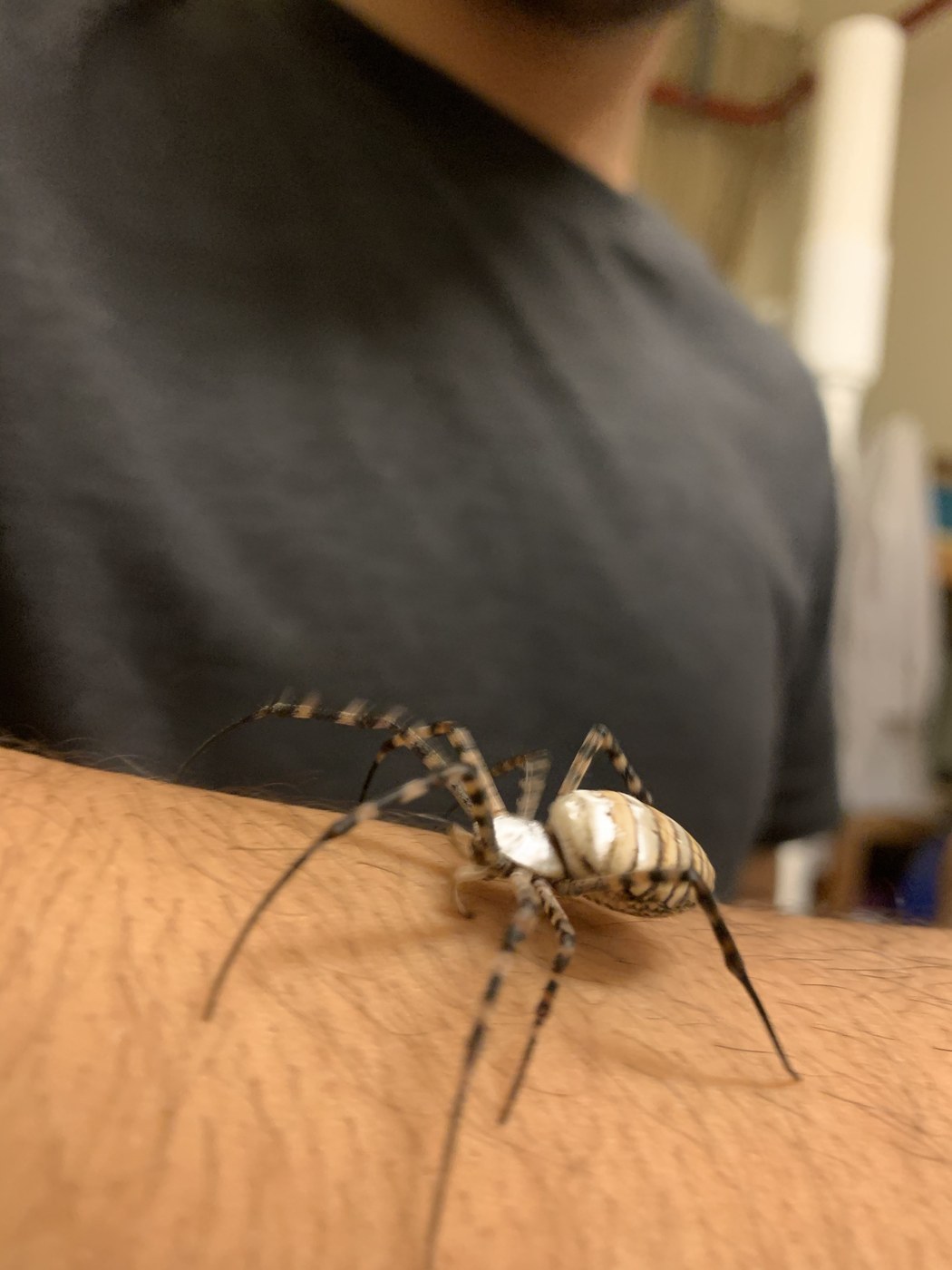
Banded Garden Spider
Tall grass, meadows, and gardens with open sunny vegetation
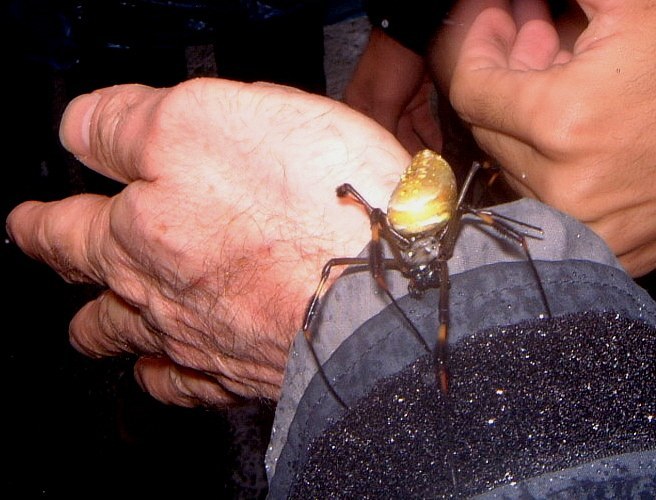
Banana Spider
Wooded trails, forest edges, and gardens across the southeastern U.S. and the American tropics
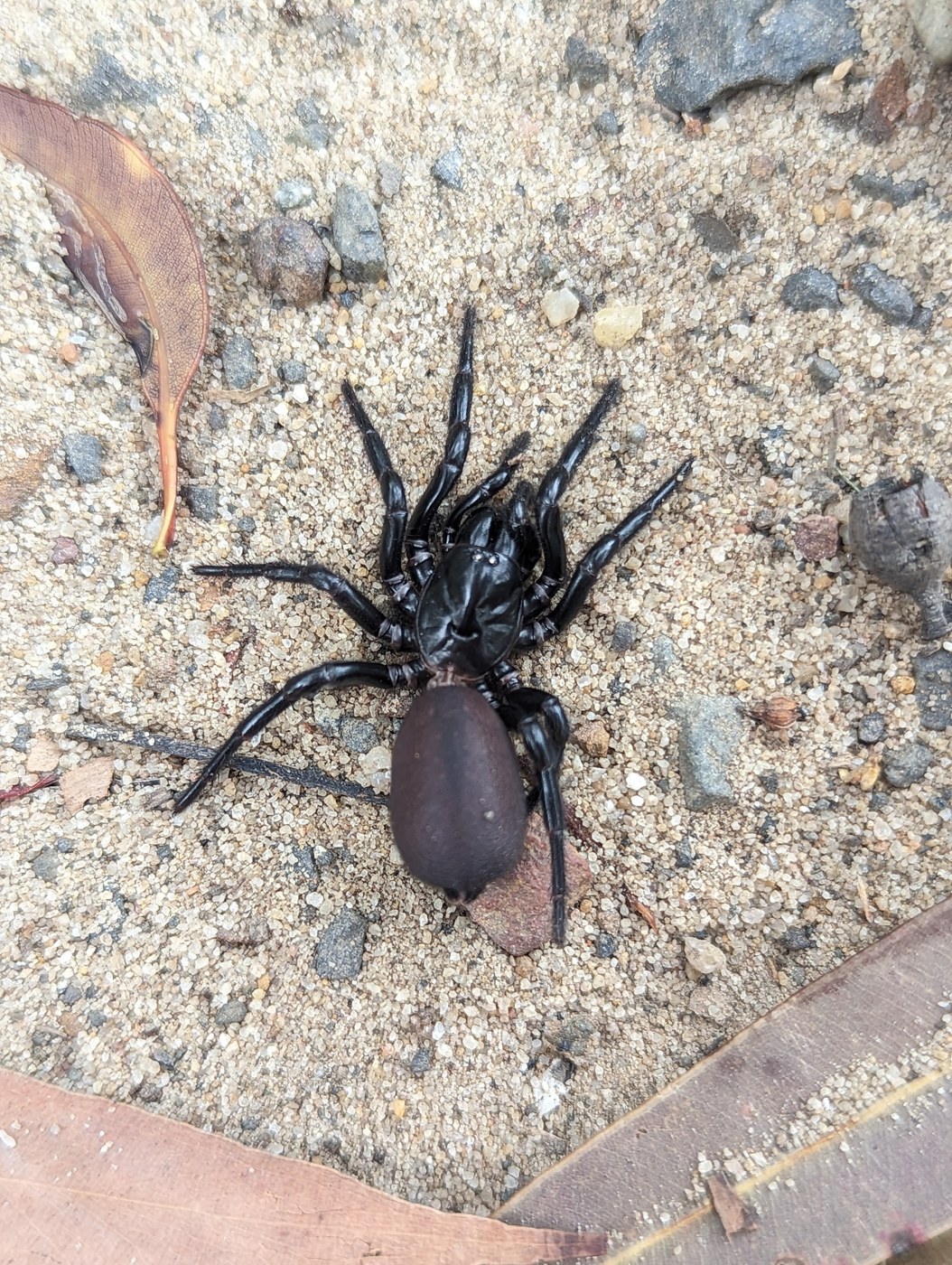
Sydney Funnel-web Spider
Burrows in moist soil, gardens, and forested gullies around the Sydney basin of eastern Australia
Trapdoor Spider
Self-dug silk-lined burrows with a camouflaged door, in dry, well-drained soil worldwide
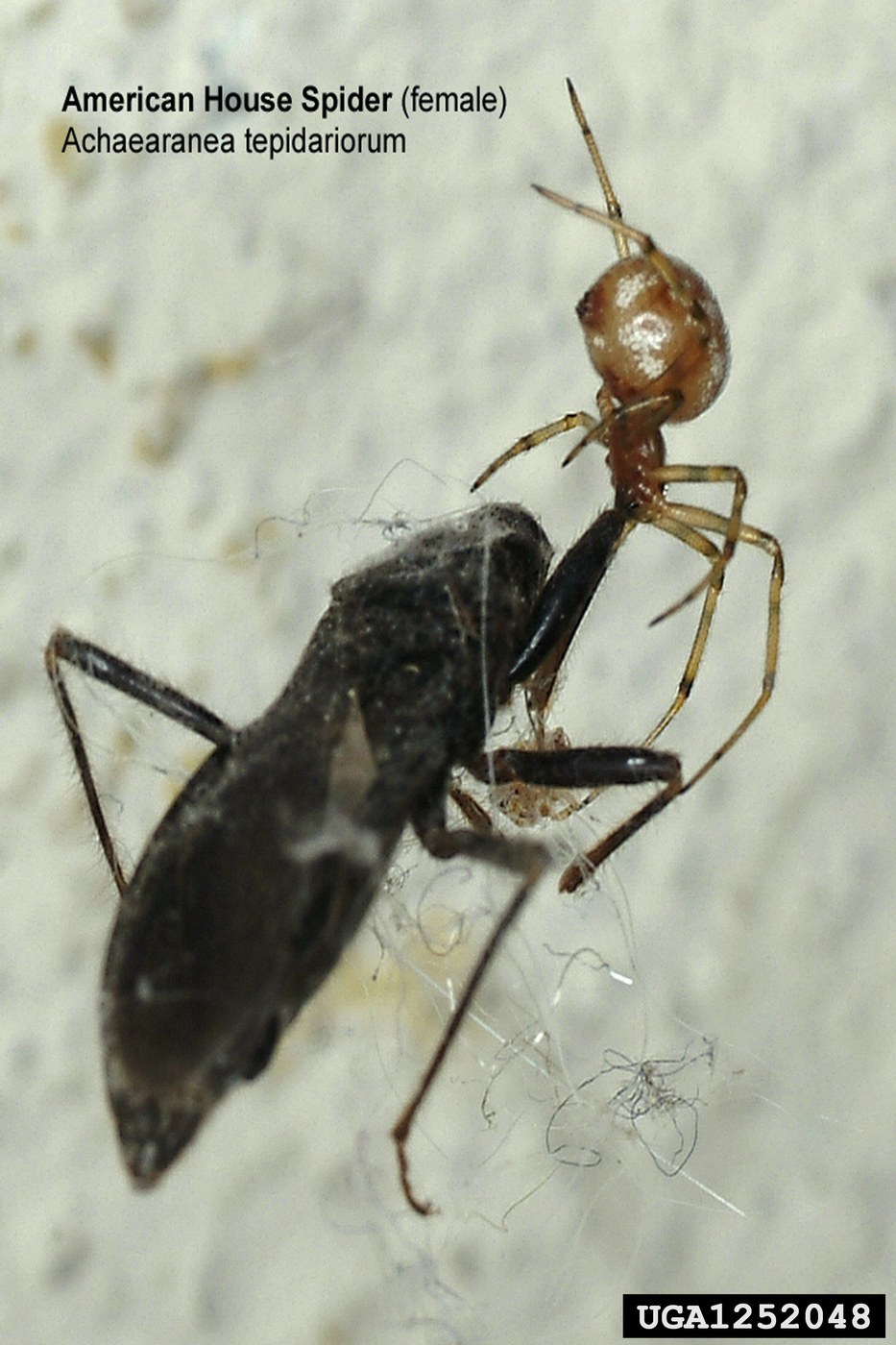
American House Spider
Corners, basements, garages, and outbuildings worldwide
Tube Web Spider
Wall crevices, bark, rockeries, and masonry
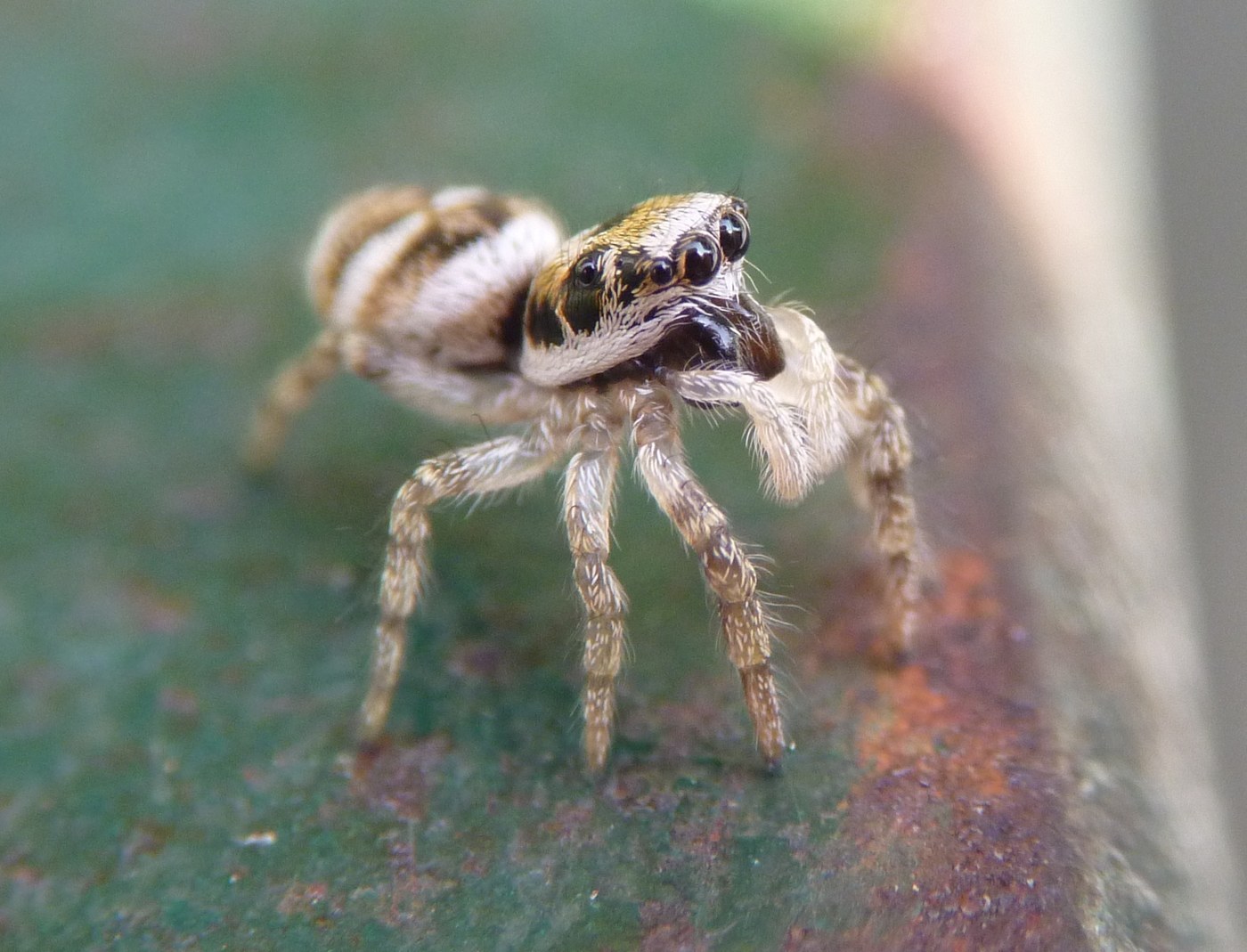
Zebra Jumping Spider
Sunny walls, fences, tree bark, and building exteriors
Wall Spider
Cracks and crevices on exterior and interior walls
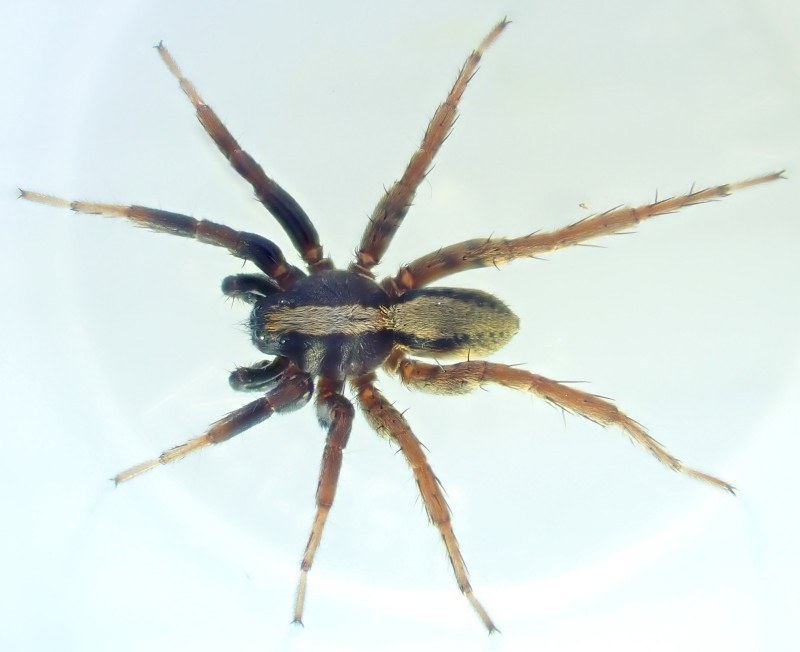
Wolf Spiderling
Grasslands, gardens, leaf litter and bare ground