
Wandering Spider
Cupiennius spp.
A large, fast-moving hunter that forages actively at night across leaf litter and low vegetation instead of relying on a web to catch its meals.
- Size
- 0.6-2 in (15-50 mm) body length
- Habitat
- Tropical and subtropical forest floor, foliage, and banana plants
- Danger
- Bites
Spotted a bug like this?
Identify any bug or insect from a photo, free.
Overview
Wandering spiders are members of the family Ctenidae, a group of large, robust hunting spiders found mainly in tropical and subtropical regions of the Americas, Africa, and parts of Asia. The common name reflects their lifestyle: rather than constructing a capture web, these spiders actively roam the forest floor, tree trunks, and low vegetation at night in search of prey.
Ctenid spiders are known for their strong, muscular legs, keen eyesight aided by a distinctive arrangement of eyes in three rows, and a readiness to adopt a raised, defensive posture, lifting their front legs when they feel threatened. Their large size and bold markings, often including banding on the legs and a pattern on the underside of the abdomen, make them among the more conspicuous spiders in the habitats where they occur.
Because some species associate with banana plants and other tropical crops, wandering spiders have occasionally traveled internationally hidden within produce shipments, contributing to their reputation as a striking, if uncommon, stowaway of the tropics.
How to Identify
- Large, robust body with long, powerfully built legs
- Eyes arranged in three rows across the front of the head, giving excellent night vision
- Coloration often brown or gray with banded legs and sometimes bold markings on the underside of the abdomen
- No capture web; found roaming on the ground, tree bark, or foliage rather than sitting in a web
- Raises the front legs in a defensive display when threatened
- Lookalikes include huntsman spiders and wolf spiders, but the three-row eye pattern and habitat help distinguish wandering spiders
Habitat & Range
Wandering spiders inhabit tropical and subtropical forests, plantations, and gardens throughout Central and South America, with related species in Africa and parts of Asia. They are typically found on the forest floor among leaf litter, on low vegetation, tree trunks, and occasionally on broad-leafed crop plants such as bananas. Activity is highest during warm, humid nighttime conditions.
Behavior & Diet
These spiders are active nocturnal hunters that pursue insects, other spiders, and various small invertebrates encountered while roaming rather than waiting in a web. During the day they typically rest in a sheltered spot such as curled leaves, loose bark, or leaf litter. When disturbed, a wandering spider often raises its front legs in a warning posture before retreating. As active generalist predators, they play a meaningful role in regulating insect populations within tropical forest and garden ecosystems.
Life Cycle
Females produce a silk egg sac that they carry beneath their body using their chelicerae and pedipalps, a behavior that offers close protection to the developing eggs. After hatching, spiderlings often remain briefly with the mother before dispersing to hunt independently, growing through numerous molts over one to two years. Adults are active year-round in tropical climates, with breeding tied to seasonal humidity and temperature patterns.
Frequently asked questions
Why are they called wandering spiders?
Because they actively roam the forest floor and vegetation at night hunting for prey instead of sitting in a stationary web.
How do wandering spiders protect their eggs?
Females carry the silk egg sac beneath their body, holding it with their chelicerae and pedipalps until the spiderlings hatch.
Where do wandering spiders live?
In tropical and subtropical forests, plantations, and gardens, mainly across Central and South America, with related species elsewhere in the tropics.
How do wandering spiders react when threatened?
They typically raise their front legs in a defensive display before retreating to cover.
Wandering Spider guides
In-depth guides for identifying, understanding, and living alongside Wandering Spider.
Other bugs you may enjoy
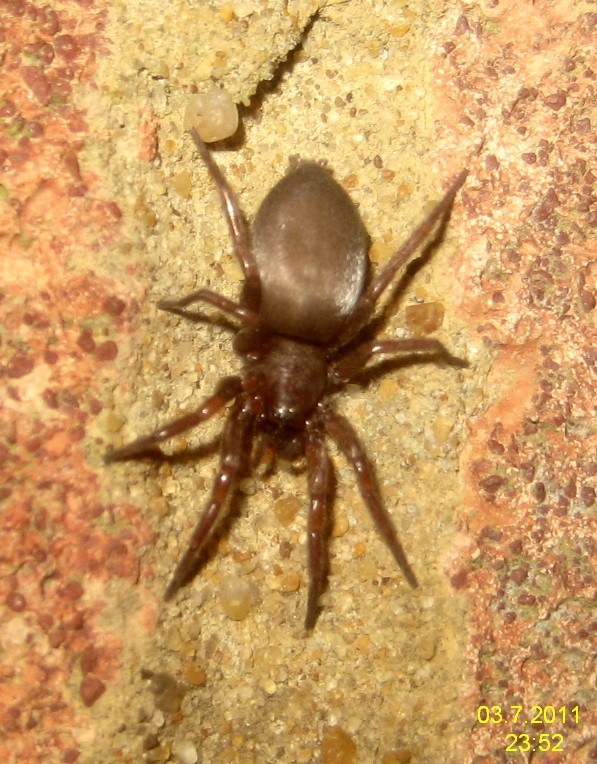
Woodlouse Spider
Damp leaf litter, under logs, stones, and mulch
Wolf Spider
Gardens, grasslands, forests, leaf litter, ground burrows
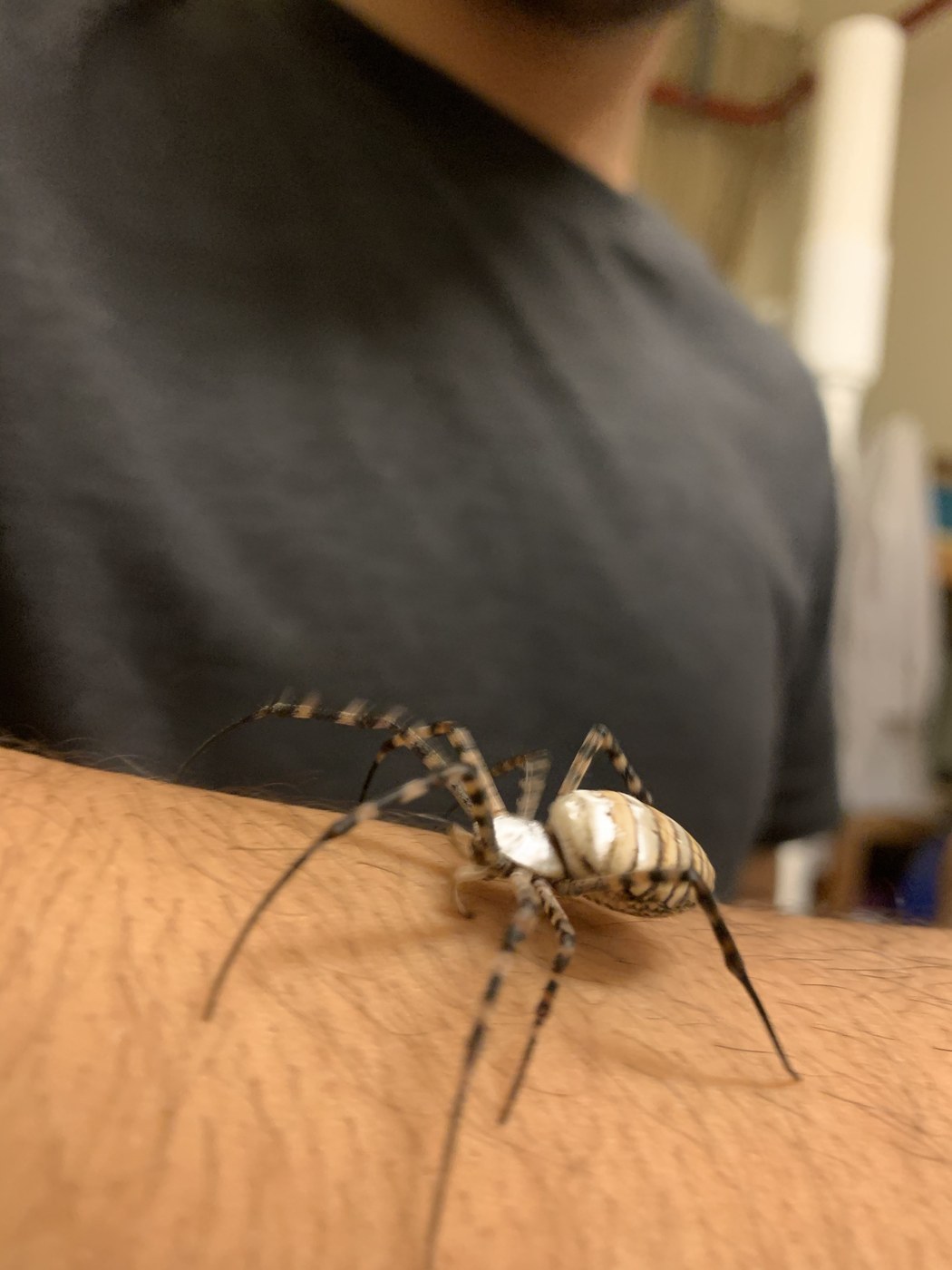
Banded Garden Spider
Tall grass, meadows, and gardens with open sunny vegetation
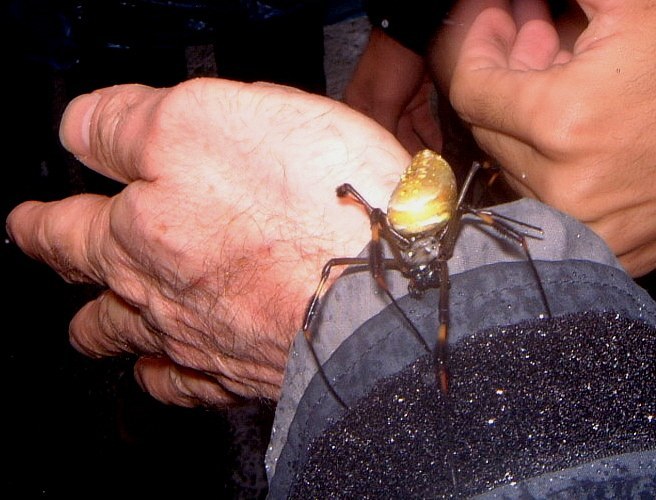
Banana Spider
Wooded trails, forest edges, and gardens across the southeastern U.S. and the American tropics
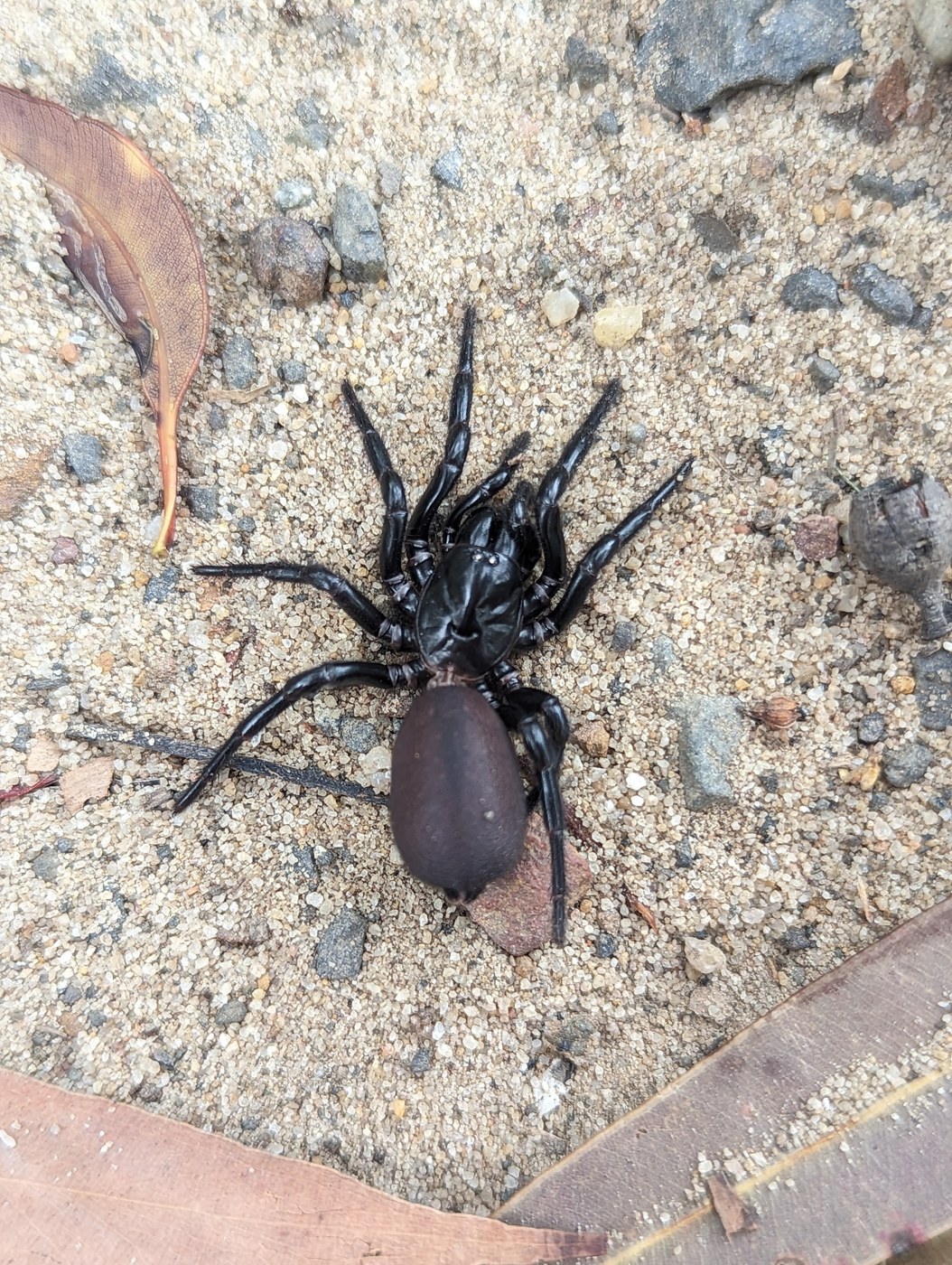
Sydney Funnel-web Spider
Burrows in moist soil, gardens, and forested gullies around the Sydney basin of eastern Australia
Trapdoor Spider
Self-dug silk-lined burrows with a camouflaged door, in dry, well-drained soil worldwide
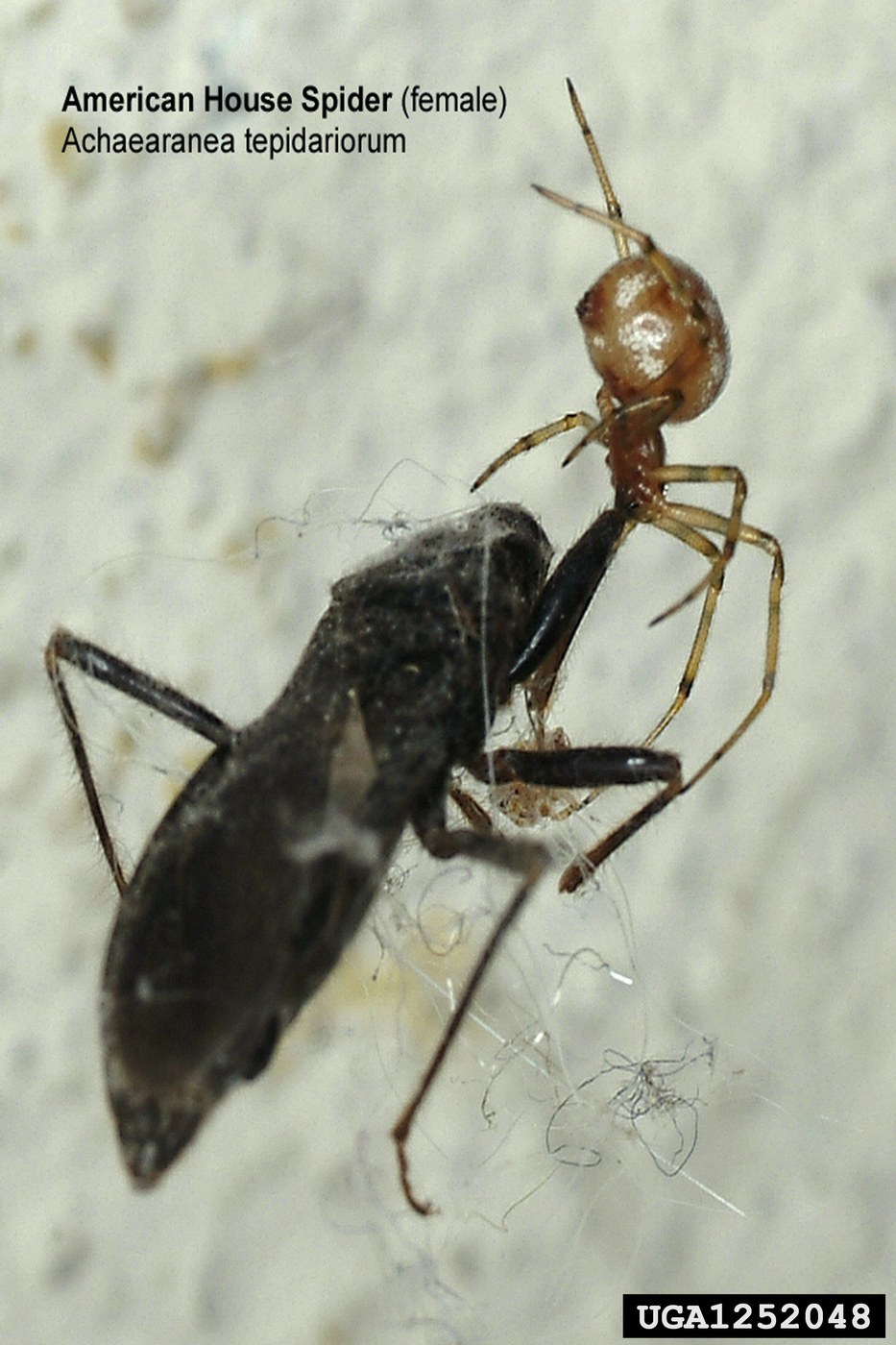
American House Spider
Corners, basements, garages, and outbuildings worldwide
Tube Web Spider
Wall crevices, bark, rockeries, and masonry
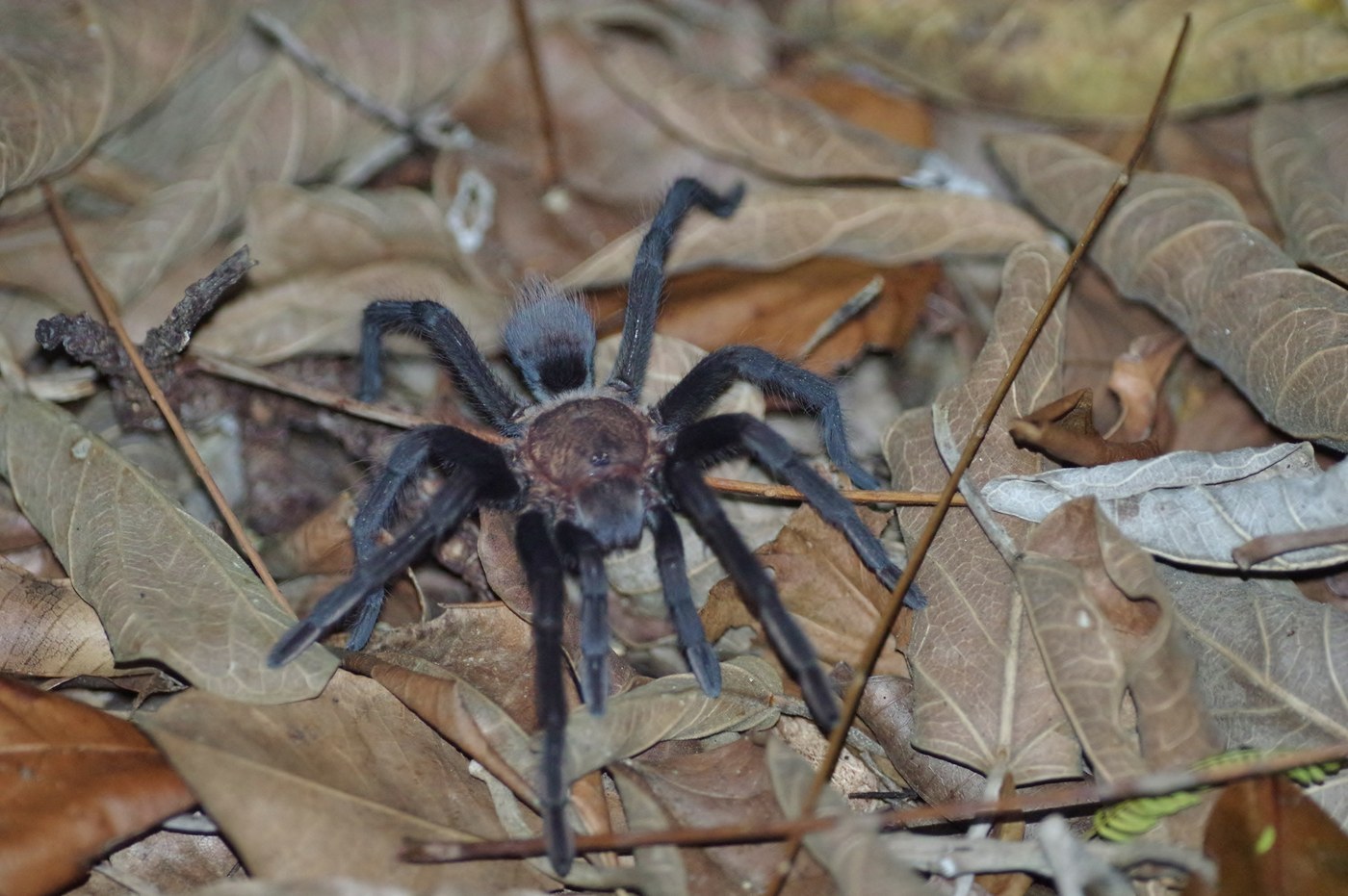
Tarantula
Burrows, rock crevices, and tree hollows in deserts, grasslands, and tropical forests worldwide
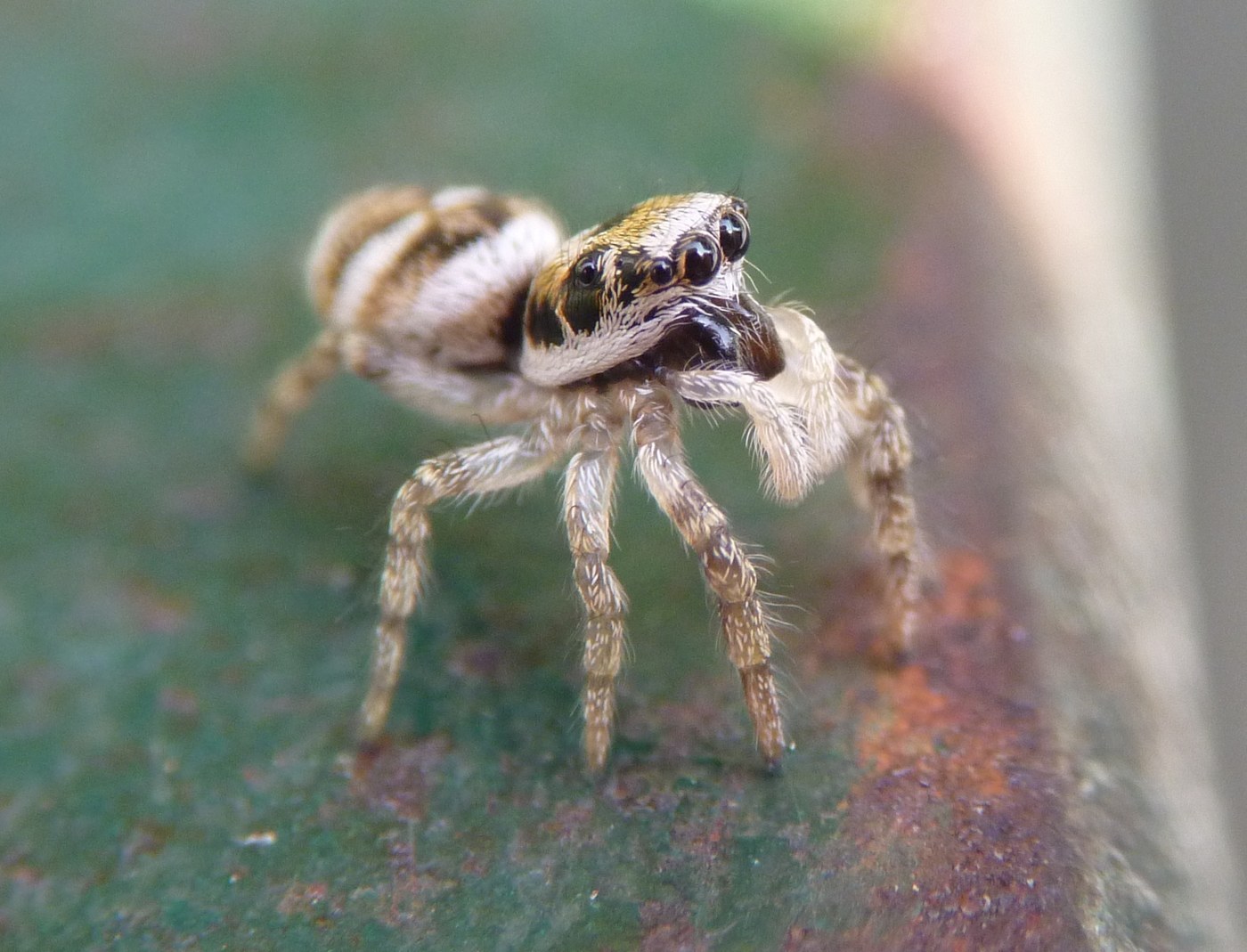
Zebra Jumping Spider
Sunny walls, fences, tree bark, and building exteriors
Wall Spider
Cracks and crevices on exterior and interior walls
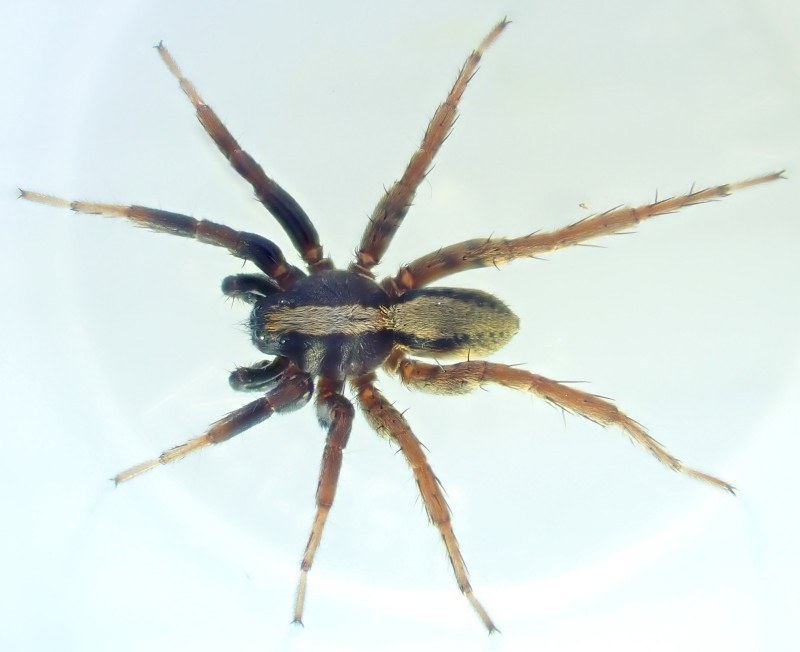
Wolf Spiderling
Grasslands, gardens, leaf litter and bare ground