
Six-eyed Sand Spider
Hexophthalma spp.
A flattened, sand-colored spider that buries itself just beneath the desert surface, ambushing prey while remaining almost invisible against the dunes.
- Size
- Body length 10-20 mm, legspan up to 4 cm
- Habitat
- Sand dunes and arid desert flats
- Danger
- Mildly venomous
Spotted a bug like this?
Identify any bug or insect from a photo, free.
Overview
The six-eyed sand spider is a specialist of arid desert habitats, particularly the dune fields of southern Africa's Namib Desert, though related species occur in South America. Its common name reflects its unusual eye arrangement of three pairs of eyes rather than the more typical arrangements seen in most spider families, a distinguishing trait of the family Sicariidae to which it belongs.
Its body is broad, flattened, and covered in fine hairs that trap grains of sand, giving it an almost seamless blend with the desert substrate. This camouflage, combined with an ambush lifestyle, allows the spider to remain buried and undetected for long periods while waiting for prey to wander close.
Six-eyed sand spiders are notoriously slow-moving and sedentary compared to many other desert arachnids, relying almost entirely on stillness and camouflage rather than speed to avoid predators.
How to Identify
- Flattened, disc-like body colored sandy tan to grayish brown, closely matching desert substrate
- Six eyes arranged in three pairs, rather than the eight eyes typical of most spiders
- Fine body hairs that trap sand grains, enhancing camouflage
- Legs are relatively short and held close to the body when at rest, buried under sand
- Lookalikes include other Sicariidae such as recluse spiders, though the six-eyed sand spider is bulkier and restricted to sandy desert habitat
Habitat & Range
This spider is found in the sand dunes and gravel flats of the Namib and other southern African deserts, as well as related species in arid parts of South America. It buries itself just under the surface of loose sand, often near the base of dune vegetation, remaining hidden by day and during periods of inactivity.
Behavior & Diet
The six-eyed sand spider is an ambush predator that lies buried in sand with only its eyes and leg tips exposed, waiting for small arthropods to pass within striking distance. It moves slowly and deliberately, avoiding unnecessary energy expenditure in its harsh, resource-poor desert environment. Its sedentary, camouflaged lifestyle is thought to help it avoid both extreme surface temperatures and detection by predators.
Life Cycle
Females produce egg sacs that are buried or hidden within sand near their retreat, protecting developing eggs from temperature extremes and predators. Spiderlings hatch and disperse to establish their own shallow burrows in the sand, growing through successive molts over an extended period suited to the slow pace of desert life. Adults are long-lived compared to many spiders, an adaptation to the unpredictable resource availability of desert ecosystems.
Frequently asked questions
Why does it have six eyes instead of eight?
It belongs to the family Sicariidae, which characteristically has six eyes arranged in three pairs rather than the eight-eye arrangement common in many other spider families.
How does it stay hidden in the desert?
It buries itself just beneath the sand surface and its flattened, sand-colored body and hair coating that traps grains make it extremely difficult to spot until it moves.
Where is the six-eyed sand spider found?
It is native to sandy desert habitats, most notably the Namib Desert of southern Africa, with related species in arid South America.
Six-eyed Sand Spider guides
In-depth guides for identifying, understanding, and living alongside Six-eyed Sand Spider.
Other bugs you may enjoy
Woodlouse Spider
Damp leaf litter, under logs, stones, and mulch
Wolf Spider
Gardens, grasslands, forests, leaf litter, ground burrows
Wandering Spider
Tropical and subtropical forest floor, foliage, and banana plants
Banded Garden Spider
Tall grass, meadows, and gardens with open sunny vegetation
Banana Spider
Wooded trails, forest edges, and gardens across the southeastern U.S. and the American tropics
Sydney Funnel-web Spider
Burrows in moist soil, gardens, and forested gullies around the Sydney basin of eastern Australia
Trapdoor Spider
Self-dug silk-lined burrows with a camouflaged door, in dry, well-drained soil worldwide
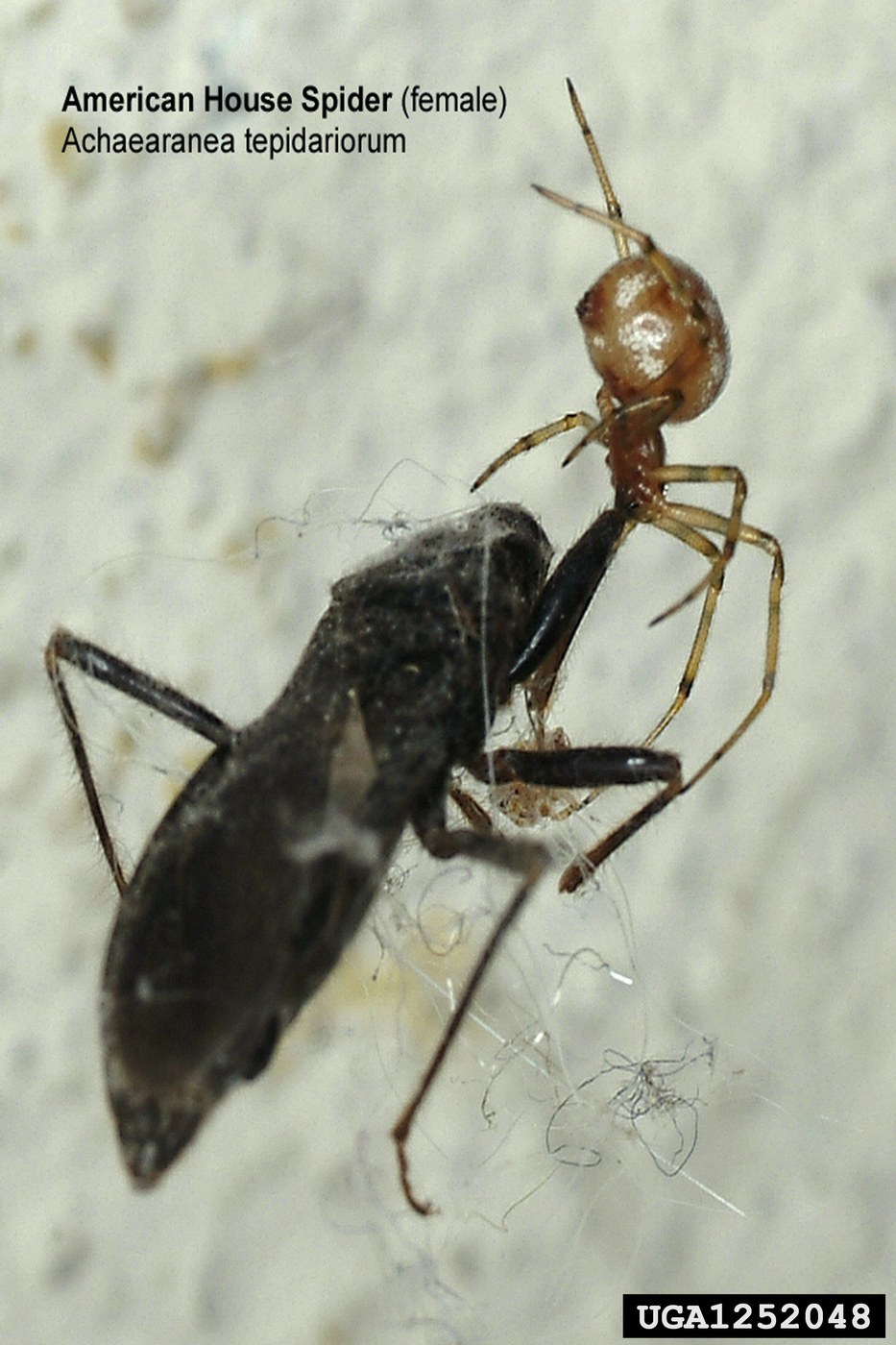
American House Spider
Corners, basements, garages, and outbuildings worldwide
Tube Web Spider
Wall crevices, bark, rockeries, and masonry
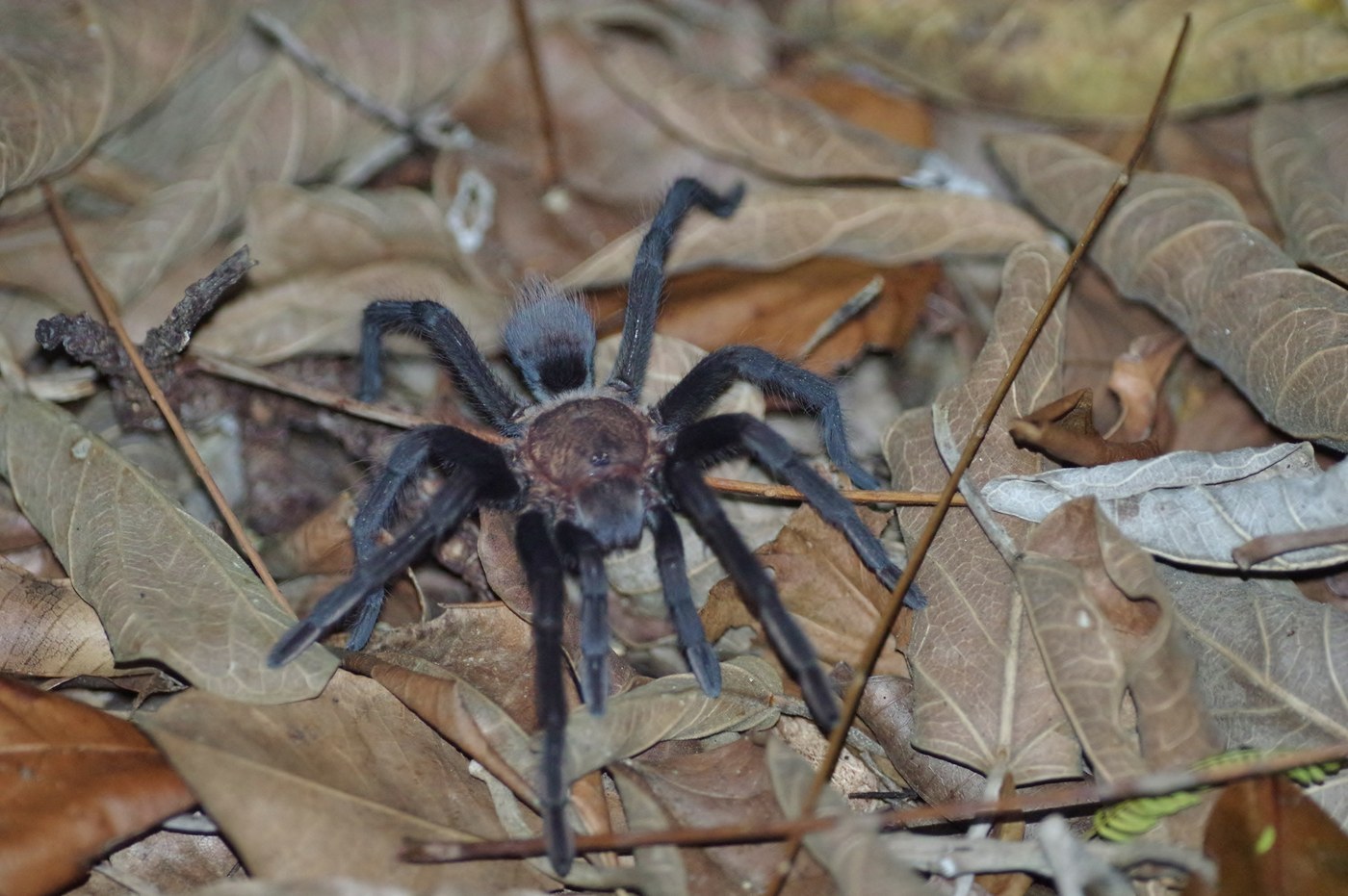
Tarantula
Burrows, rock crevices, and tree hollows in deserts, grasslands, and tropical forests worldwide
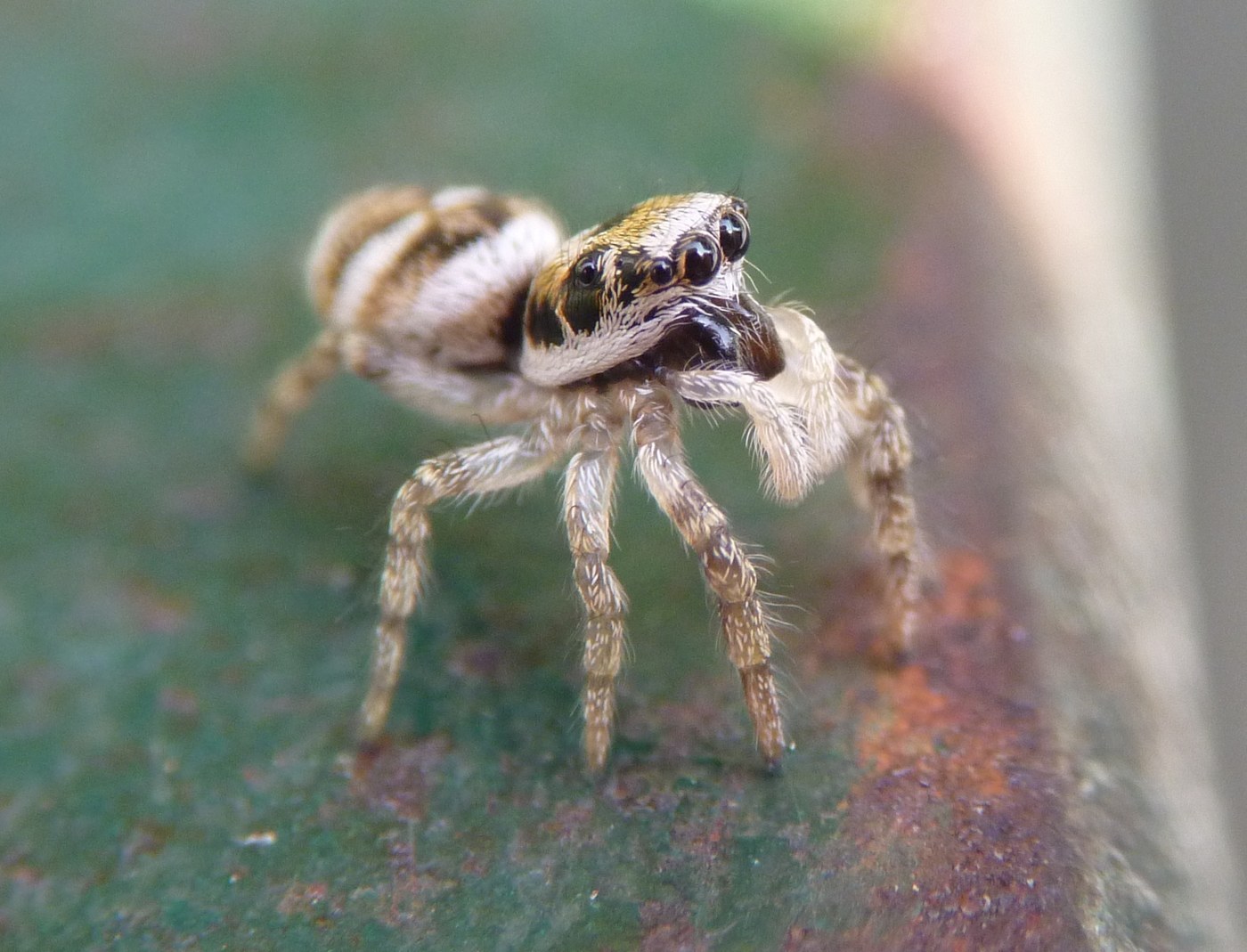
Zebra Jumping Spider
Sunny walls, fences, tree bark, and building exteriors
Wall Spider
Cracks and crevices on exterior and interior walls