
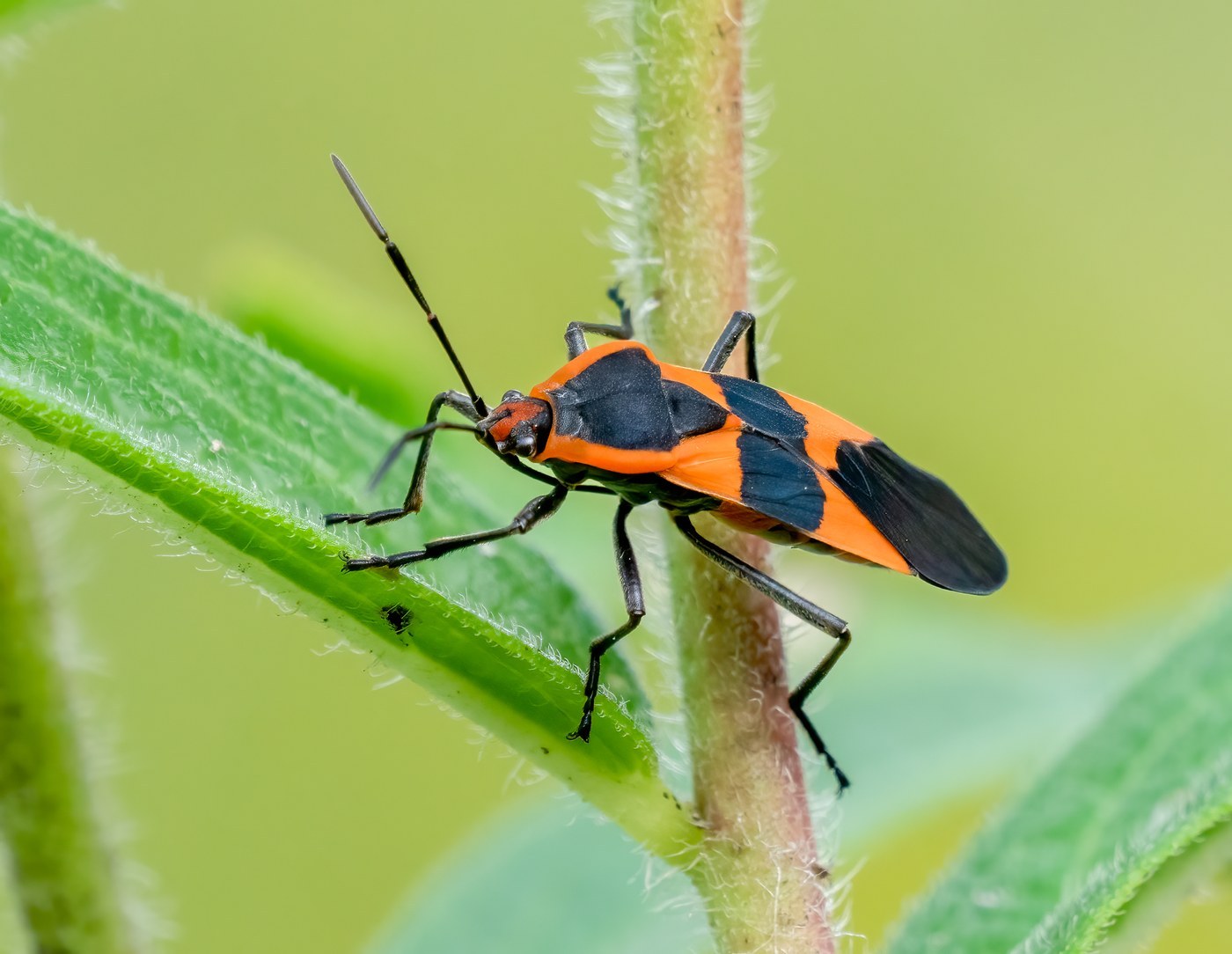
Milkweed Bug
Oncopeltus fasciatus
A bold orange-and-black true bug that clusters conspicuously on milkweed seed pods, its warning colours advertising the plant toxins it safely stores from its host.
- Size
- 14-17 mm (0.55-0.7 in)
- Habitat
- Milkweed plants in fields, meadows and roadsides
- Danger
- Harmless
Spotted a bug like this?
Identify any bug or insect from a photo, free.
Overview
The large milkweed bug is a common and widespread true bug found throughout much of North America, closely associated with milkweed plants (genus Asclepias), on which it feeds almost exclusively at every stage of its life. It belongs to the seed bug family (Lygaeidae) and is easily recognised by its bold orange and black pattern, colours it shares with several other milkweed-associated insects, including the monarch butterfly, as part of a shared warning signal to predators.
By feeding on milkweed sap and seeds, the bug is able to sequester certain plant compounds in its own tissues, making it distasteful to many predators, and its conspicuous orange-and-black colouring serves as an honest warning of this unpalatability, a strategy known as aposematism that is shared convergently by several unrelated milkweed-feeding insects.
Milkweed bugs are frequently found in large groups on milkweed seed pods, where they use long, needle-like mouthparts to pierce developing seeds and extract nutrients, and their close relationship with a single plant genus makes them a useful and frequently studied example of insect-host plant specialisation in biology.
How to Identify
- Elongated oval body with a bold orange-red and black pattern
- Black head and black band across the wings, with orange-red patches forming a distinctive X or hourglass-like pattern on the back when wings are folded
- Long, thread-like antennae and long legs typical of seed bugs
- Nymphs are similarly coloured in orange and black but lack fully developed wings until later instars
- Piercing-sucking mouthparts used to feed on milkweed sap and seeds rather than to bite
- Often found in dense clusters on milkweed seed pods and stems, making the bold colouring especially conspicuous
Habitat & Range
Milkweed bugs are found wherever milkweed plants grow, including open fields, meadows, roadsides, and disturbed habitats across much of the United States, southern Canada, and into Mexico and Central America. Because the bug is entirely dependent on milkweed as a host plant, its distribution closely tracks that of Asclepias species. In warmer parts of its range it can be present year-round, while in temperate regions it is most commonly seen from late spring through autumn, often in large aggregations on seed pods as milkweed plants mature.
Behavior & Diet
Milkweed bugs feed primarily on the seeds and sap of milkweed plants, using their long, needle-like mouthparts to pierce developing seed pods and draw out nutrients, which by feeding almost exclusively on this single plant genus makes them a specialist herbivore. By feeding on milkweed, which contains bitter plant compounds, the bugs sequester some of these substances in their bodies, contributing to their unpalatability to many vertebrate predators, a defence advertised by their bright orange and black warning colouration. They are gregarious insects, often found in dense clusters of mixed-age nymphs and adults on the same plant, and in warmer climates they can migrate seasonally to track the availability of milkweed seed pods. Because their diet is so tightly linked to milkweed, large milkweed bugs are a frequently studied model species in insect physiology and host-plant specialisation research.
Life Cycle
Females lay clusters of yellow, elongated eggs in crevices of milkweed seed pods or on the plant surface. Nymphs hatch bright orange and wingless, closely resembling small adults, and pass through five instars over several weeks, gradually developing wing pads and the adult colour pattern in an incomplete metamorphosis with no pupal stage. Development from egg to adult can occur in as little as four to six weeks under warm conditions, allowing multiple generations to be produced in a single growing season in much of its range. In colder regions, milkweed bugs cannot overwinter as adults and populations are typically re-established each year by migration from warmer areas, while in warmer climates adults may persist and breed year-round.
Frequently asked questions
Why are milkweed bugs orange and black?
Their bold colouring is a warning signal, similar to that of monarch butterflies, advertising that they have sequestered distasteful compounds from the milkweed plants they feed on.
What do milkweed bugs eat?
They feed almost exclusively on milkweed, using needle-like mouthparts to pierce seed pods and stems and draw out sap and seed nutrients.
Do milkweed bugs harm the milkweed plant?
Their feeding on developing seeds can reduce seed viability in heavily infested pods, though the plants themselves generally continue to grow and flower normally.
Are milkweed bugs the same as monarch caterpillars?
No, they are unrelated insects; milkweed bugs are true bugs (Hemiptera) that feed mainly on seeds and sap, while monarch caterpillars are butterfly larvae that feed on milkweed leaves, and both independently evolved similar warning colours.
Milkweed Bug guides
In-depth guides for identifying, understanding, and living alongside Milkweed Bug.
Other bugs you may enjoy
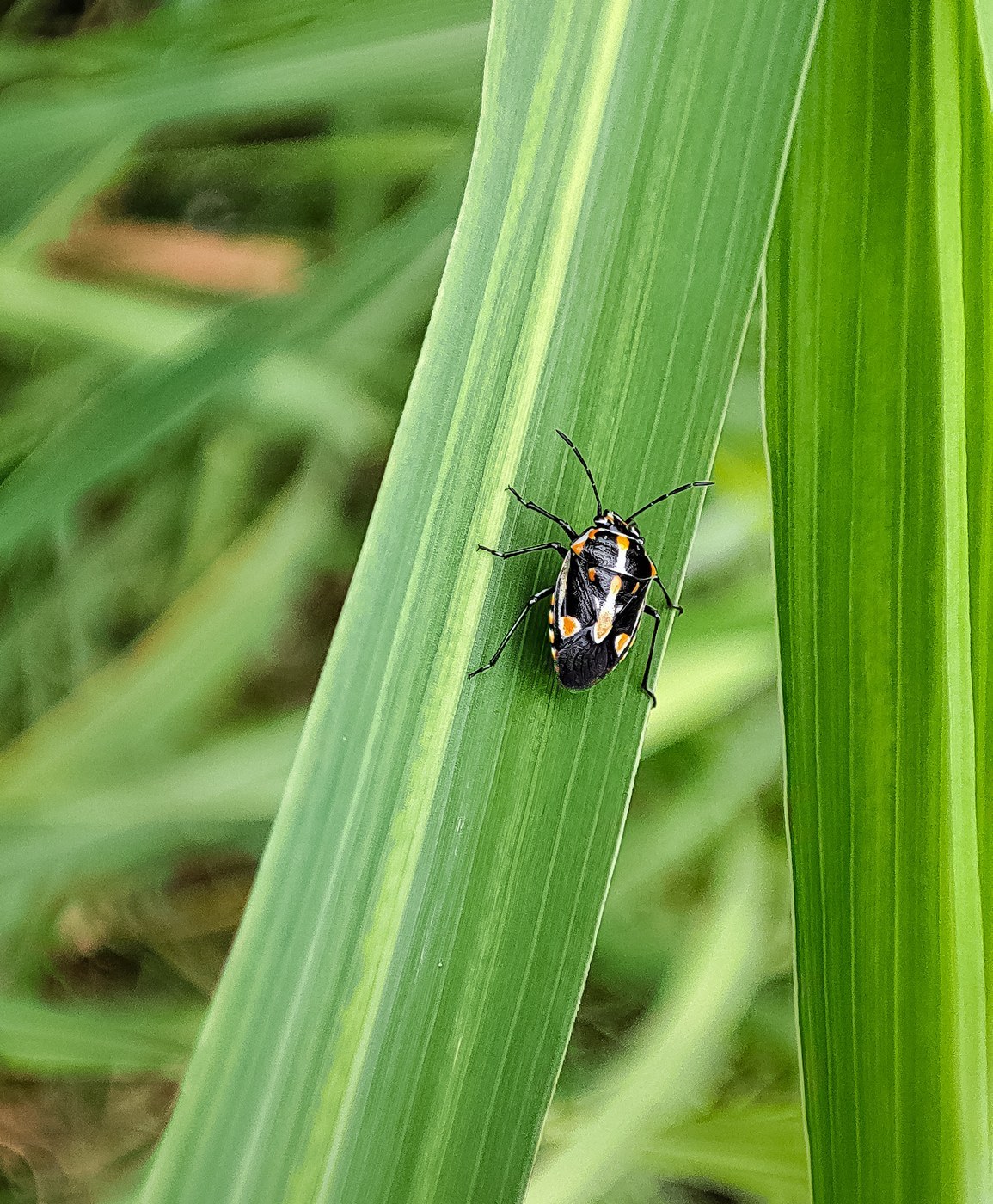
Bagrada Bug
Arid gardens, crucifer fields, desert-adjacent croplands
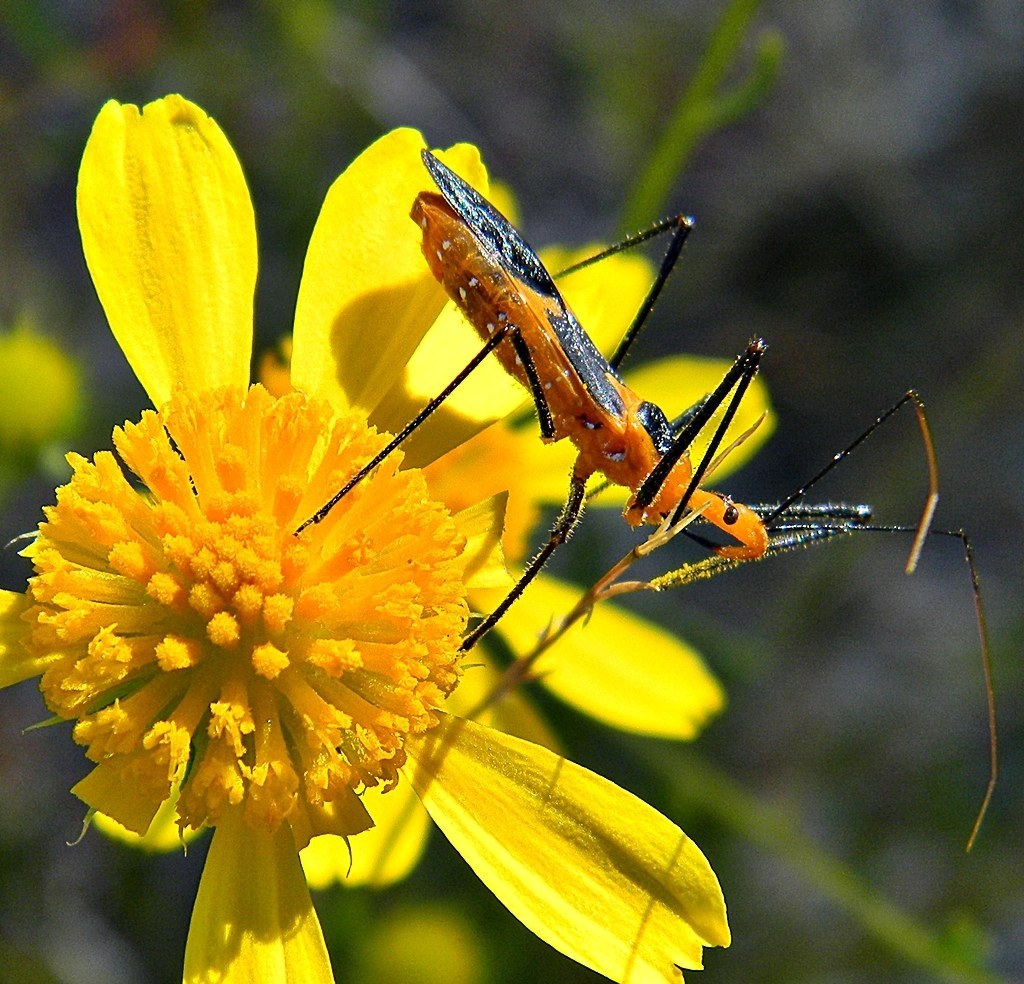
Assassin Bug
Gardens, meadows, and vegetation worldwide
Water Boatman Bug
Ponds, lakes, and slow-moving freshwater
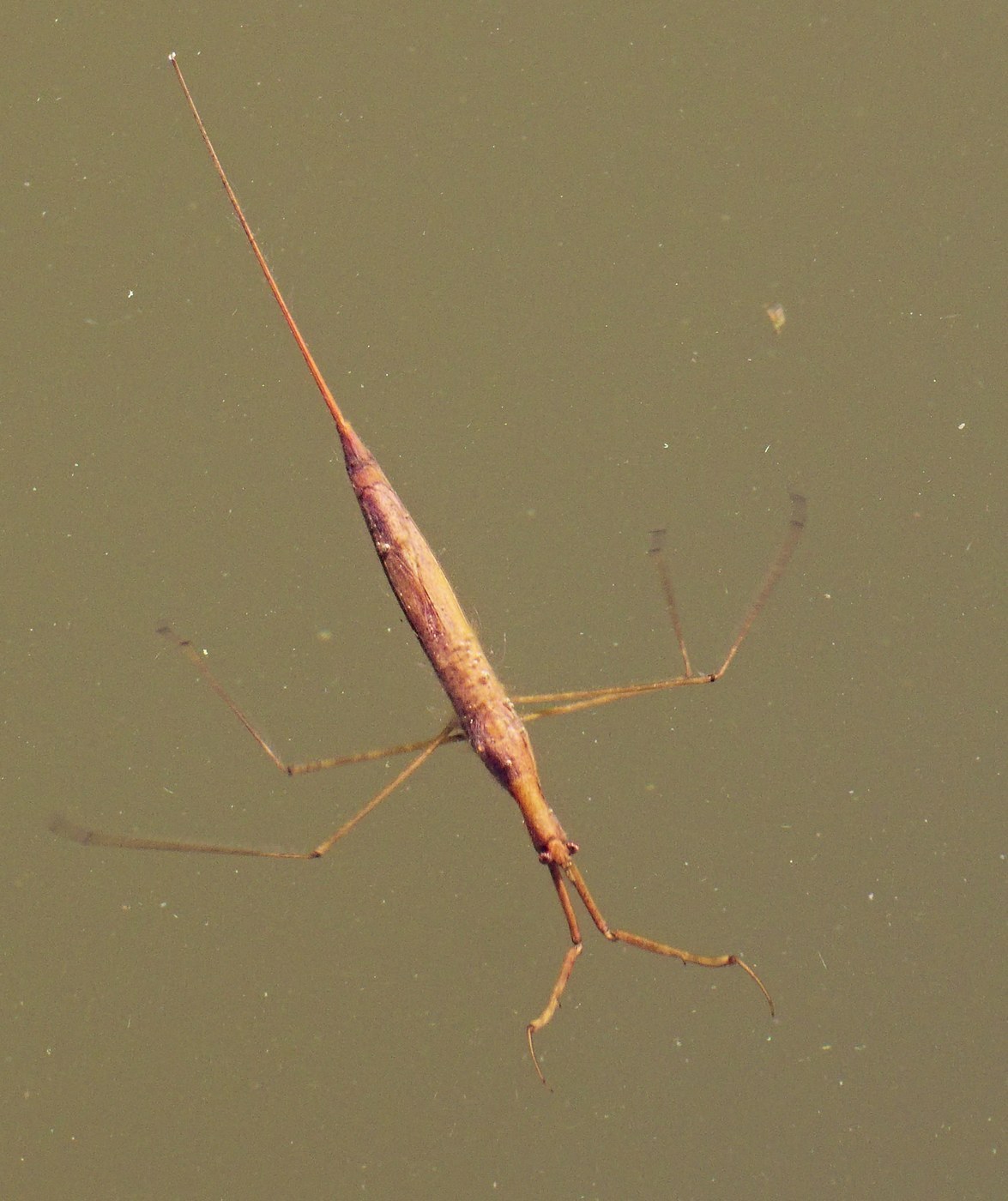
Water Stick Insect
Still and slow-moving water with dense submerged vegetation
Rough Stink Bug
Tree bark, woodlands, orchards, and shrubby vegetation
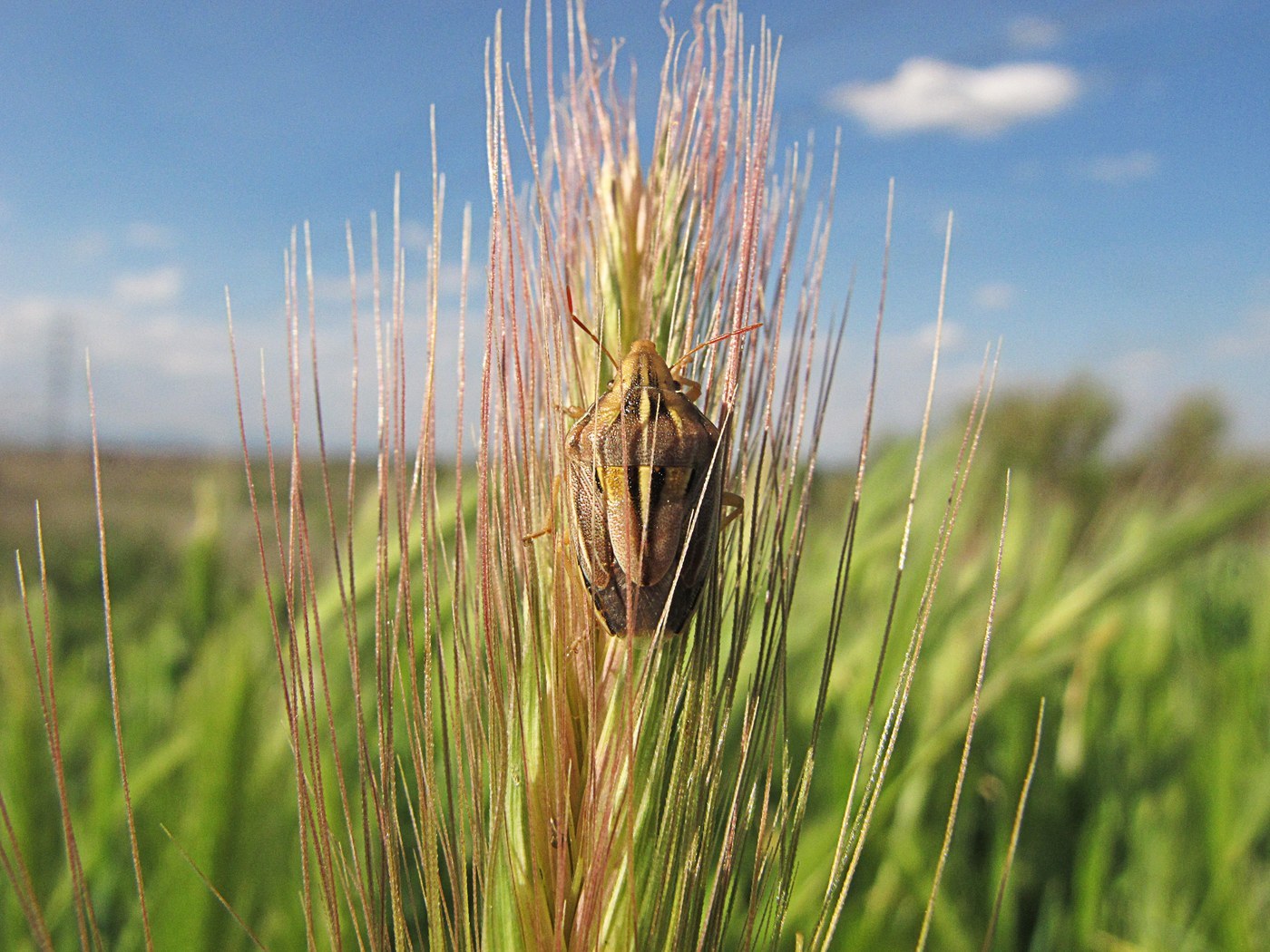
Stink Bug
Gardens, crop fields, and woodlands across temperate and subtropical regions
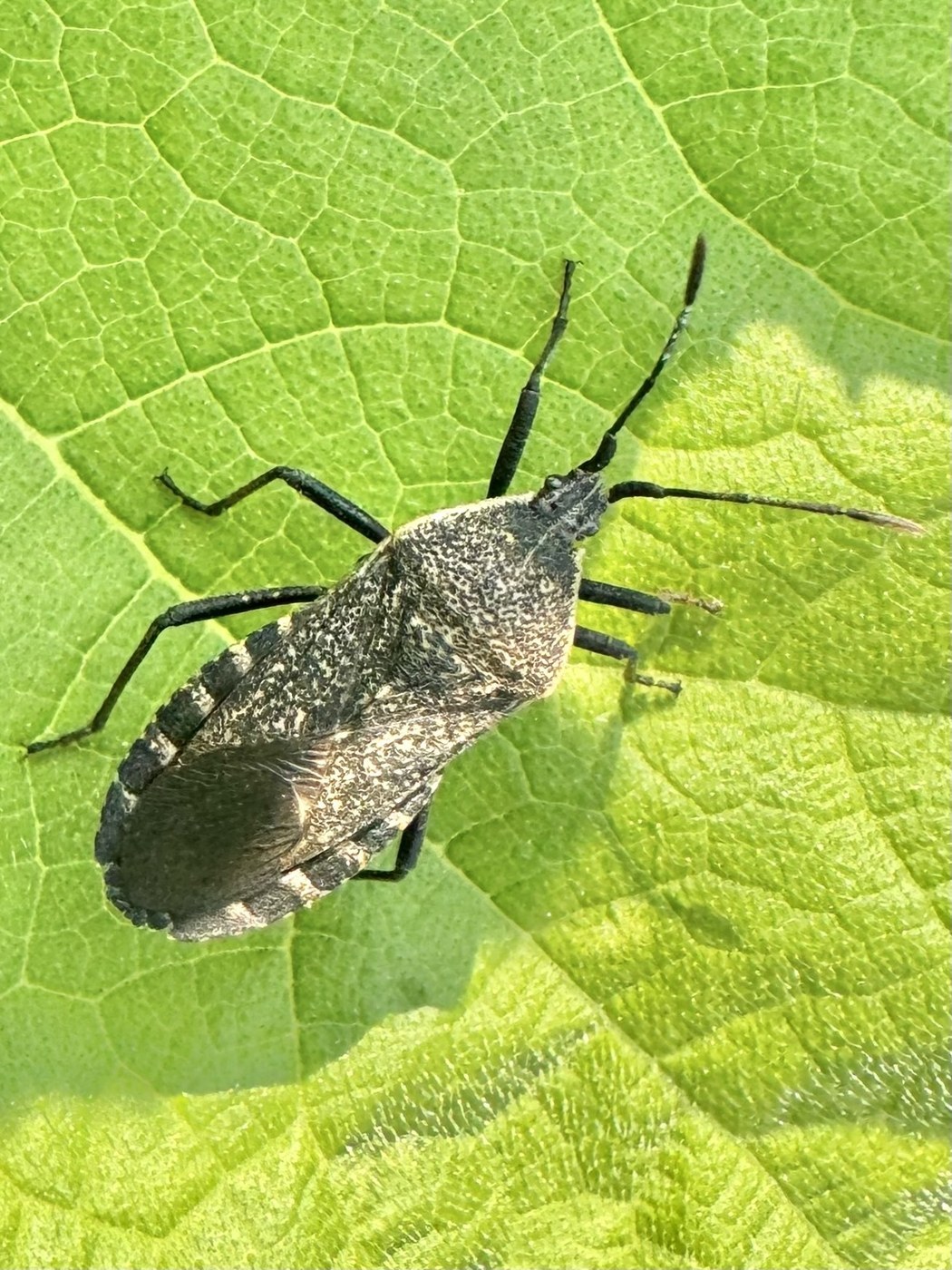
Squash Bug
Vegetable gardens and farm fields growing squash, pumpkin, and other cucurbits
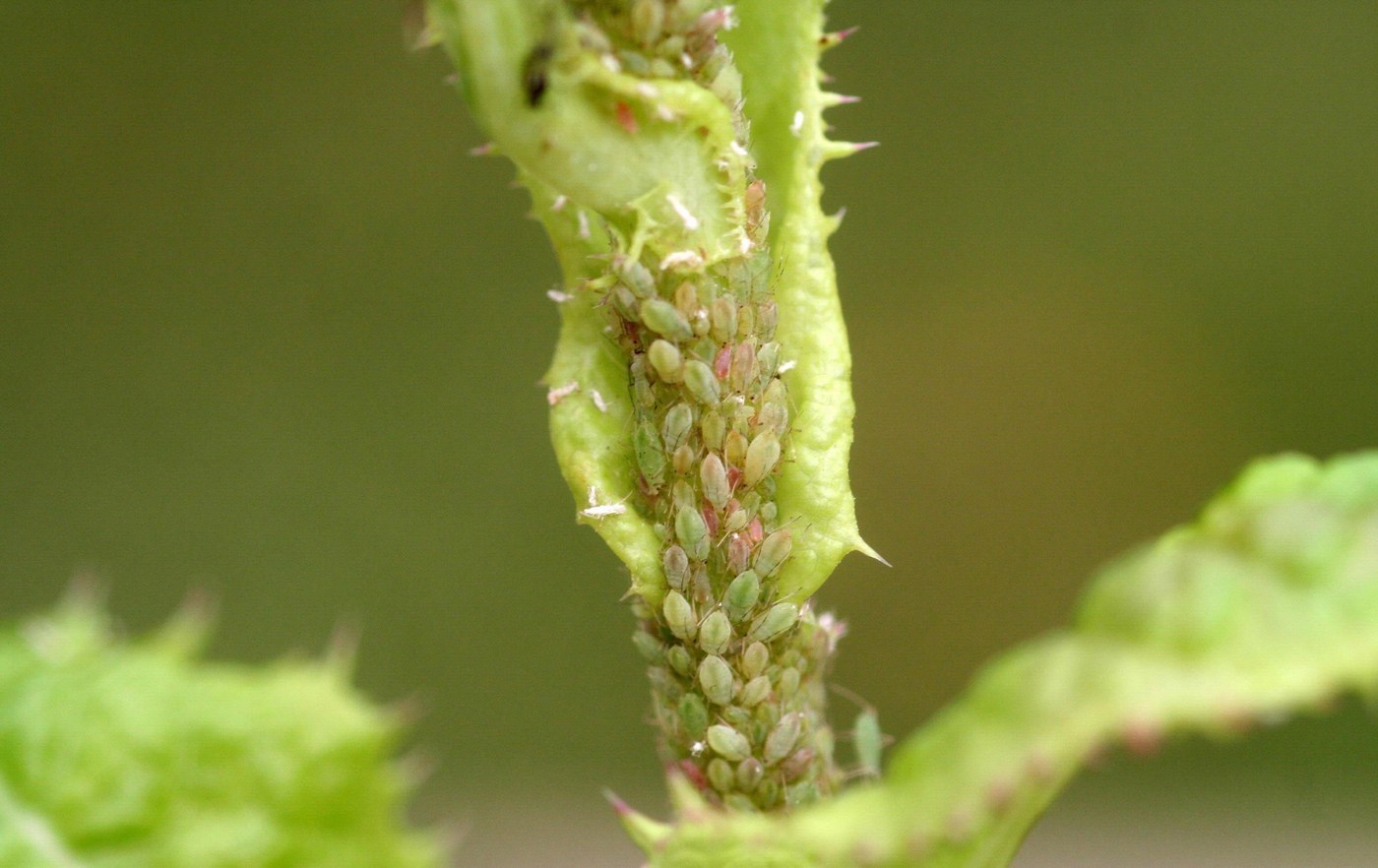
Aphid
On stems, leaves, and buds of a very wide range of host plants
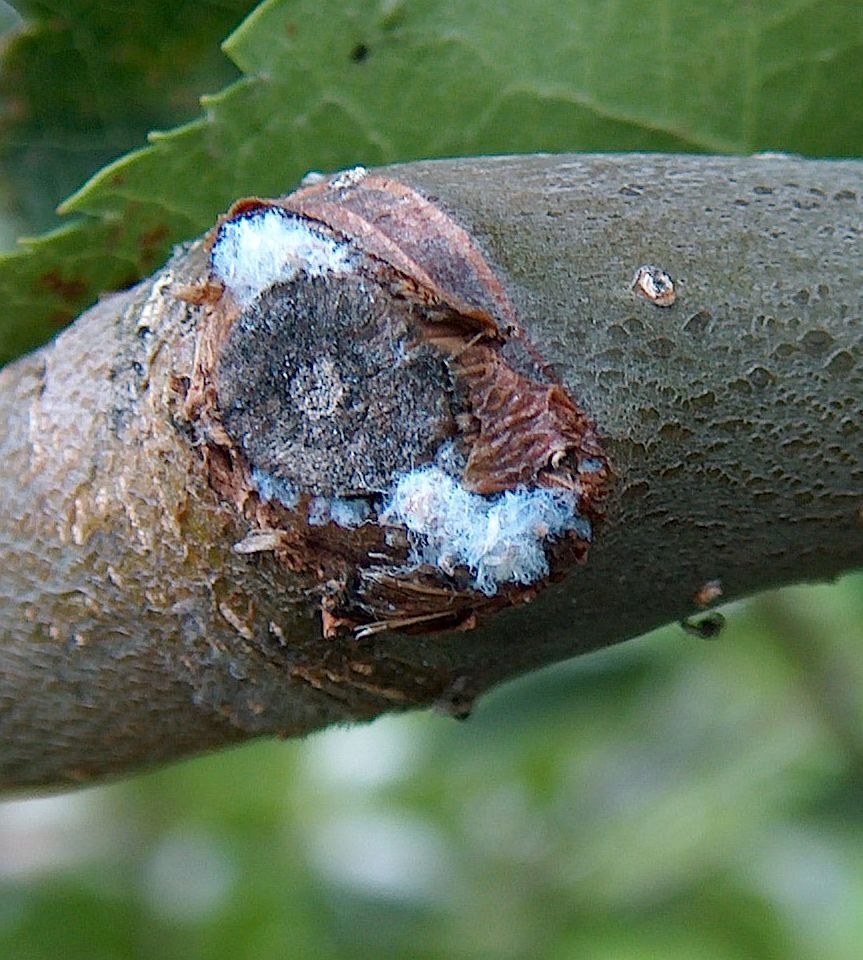
Woolly Aphid
Bark crevices, root collars, and twigs of apple, elm, and alder trees
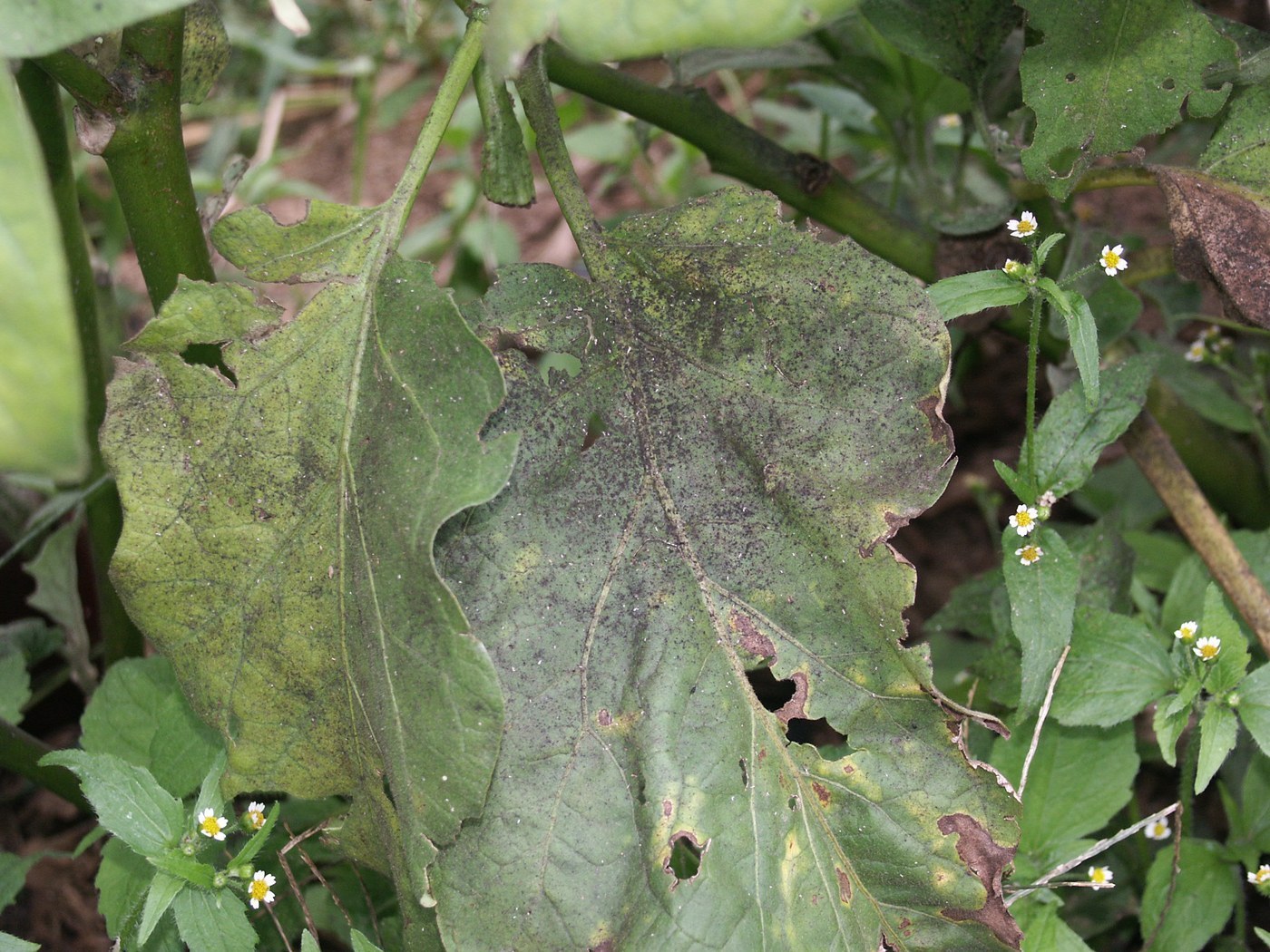
Whitefly
Greenhouses, gardens, and undersides of leaves on host plants
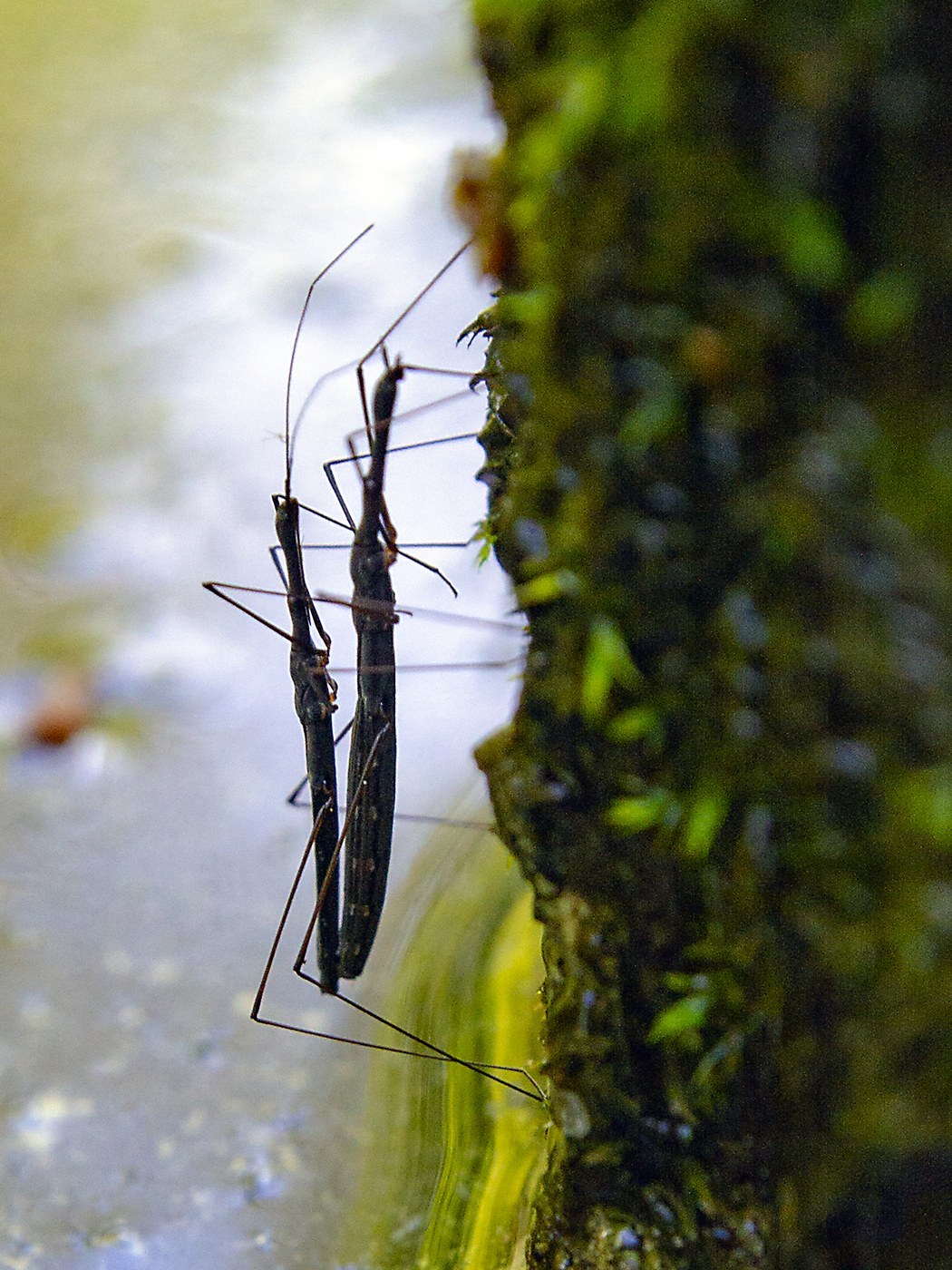
Water Measurer
Quiet edges of ponds, marshes, and slow streams
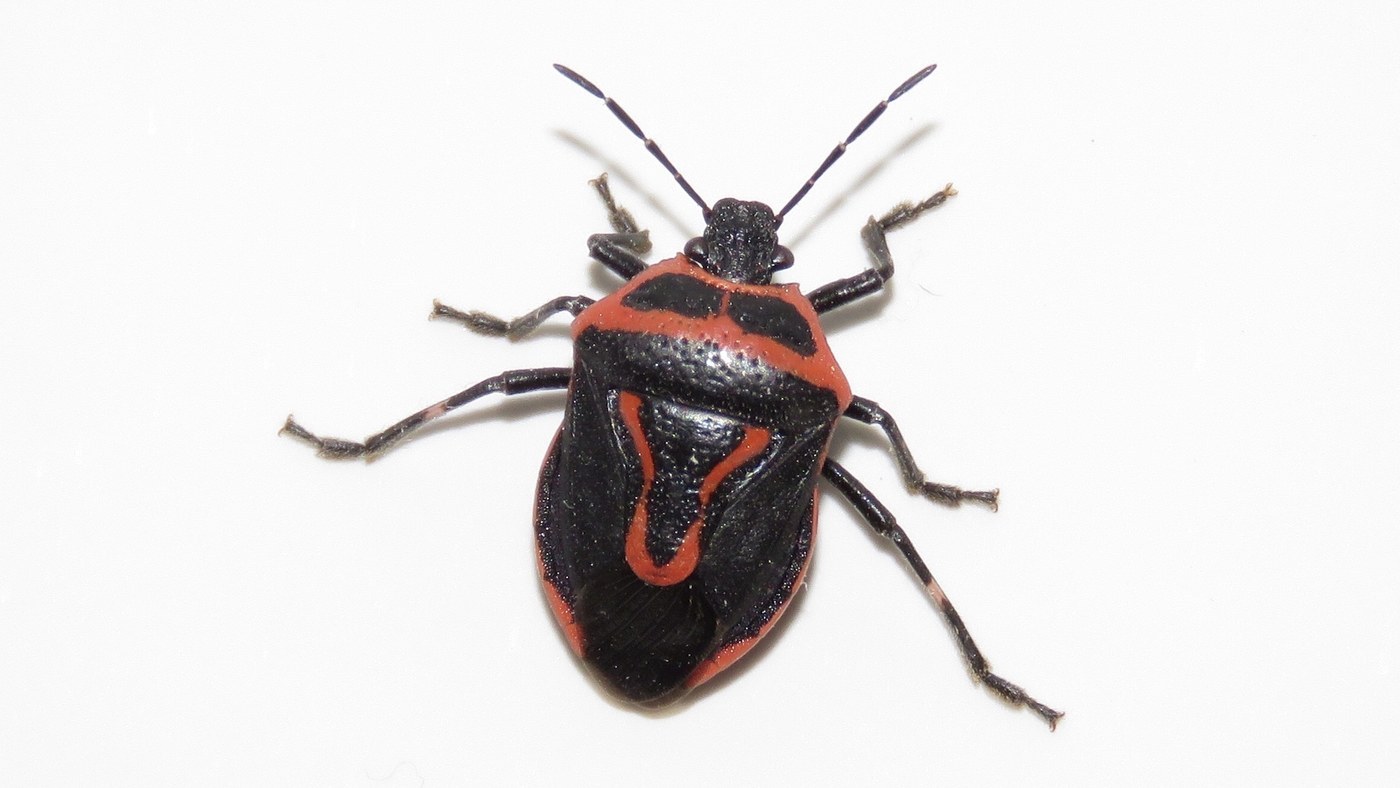
Two-Spotted Stink Bug
Gardens and fields with potato and nightshade-family plants