
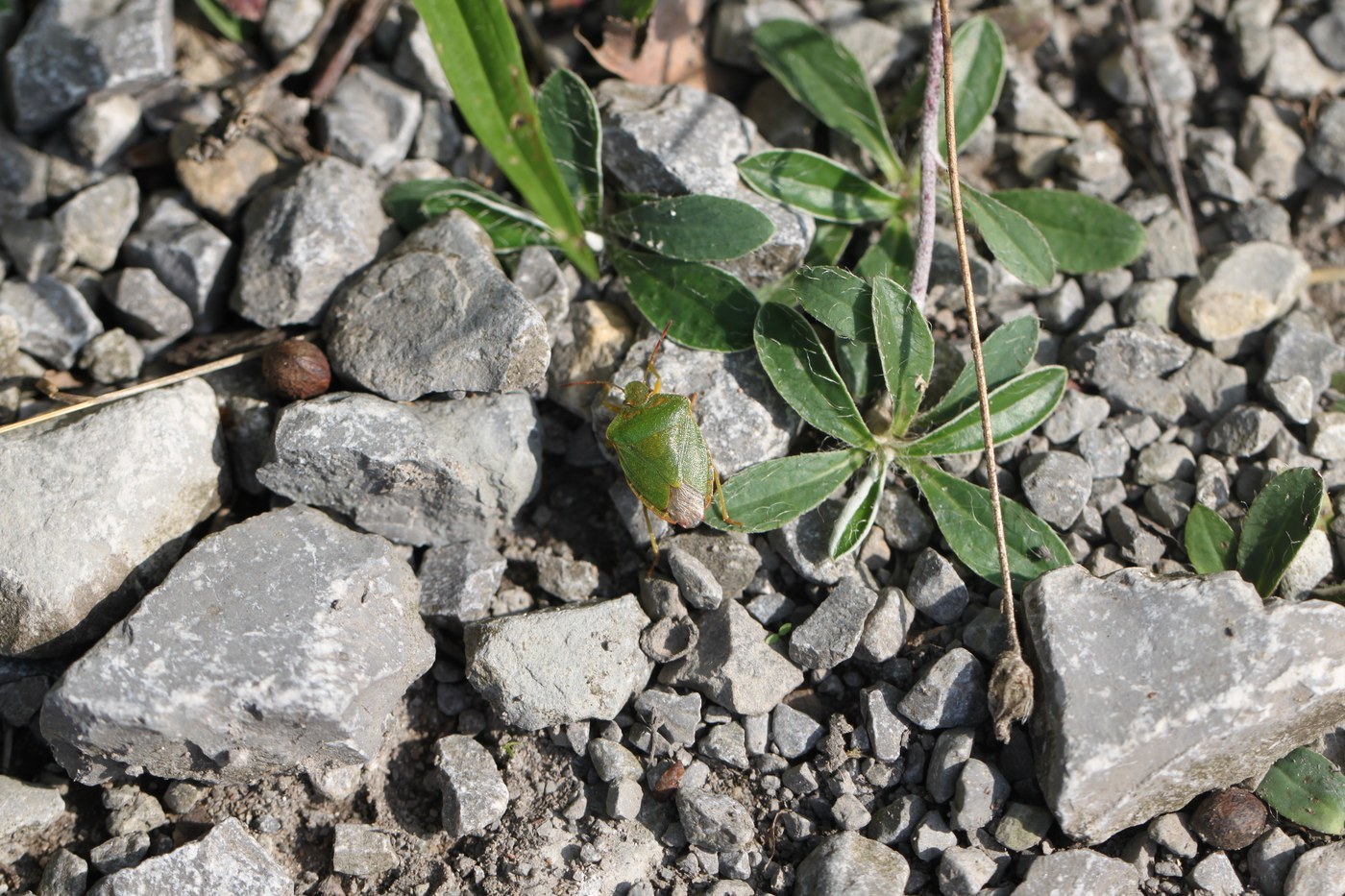
Green Shield Bug
Palomena prasina
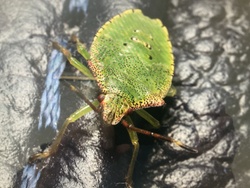
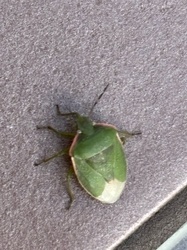
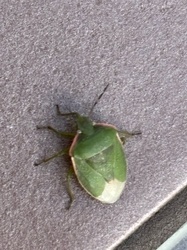
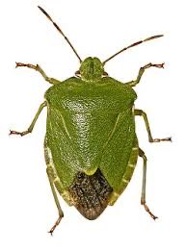
A broad, shield-shaped true bug in solid bright green with a bronzy tinge in autumn, the green shield bug is one of the most commonly encountered stink bugs in European gardens and hedgerows.
- Size
- 12–14 mm
- Habitat
- Hedgerows, gardens, and woodland edges
- Danger
- Harmless
Spotted a bug like this?
Identify any bug or insect from a photo, free.
Overview
The green shield bug, Palomena prasina, belongs to the family Pentatomidae, commonly known as shield bugs or stink bugs, within the order Hemiptera. Its broad, flattened, shield-shaped body is characteristic of this family, and its bright, uniform green coloring makes it one of the more easily recognized true bugs in gardens across Europe.
This species is a plant-feeding true bug typically found on a variety of shrubs, hedgerow plants, and garden vegetation, where it uses piercing-sucking mouthparts to feed on plant fluids. Toward autumn, individuals often develop a bronzy or brownish tint as they prepare to overwinter, a seasonal color shift distinct from their bright summer green.
Ecologically, the green shield bug is a common and widespread herbivore in temperate garden and woodland-edge ecosystems, contributing to the broader community of true bugs that feed on and interact with shrub and hedgerow vegetation.
How to Identify
- Broad, shield-shaped (pentagonal) body typical of stink bugs, with a flattened profile when viewed from above.
- Uniform bright green coloring during the main growing season, shifting to a bronzy or brownish-green hue in autumn before overwintering.
- A prominent triangular scutellum covers much of the central back.
- Antennae are moderately long and segmented; legs are relatively short and green to match the body.
- Lookalikes include other green shield bugs and stink bugs, but Palomena prasina is distinguished from similar species by its evenly rounded shoulders and lack of sharp lateral spines on the pronotum.
Habitat & Range
Green shield bugs are found in hedgerows, gardens, woodland edges, and shrubby vegetation across much of Europe, where they feed on a range of deciduous shrubs, trees, and herbaceous plants. They are active from spring through autumn, with adults becoming most visible in gardens during summer, and they seek sheltered locations such as leaf litter or bark crevices to overwinter as adults.
Behavior & Diet
Green shield bugs feed by piercing plant tissues, including leaves, buds, and developing seeds, with their beak to withdraw plant fluids. Like other stink bugs, they can release a distinctive defensive odor from glands on the thorax when disturbed or handled, a chemical deterrent against predators. They are generally slow-moving but capable fliers, and adults overwinter in sheltered spots before becoming active again with the return of warmer weather in spring.
Life Cycle
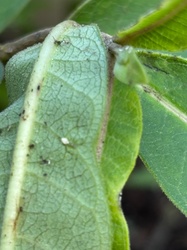
Green shield bugs undergo incomplete metamorphosis (egg, nymph, adult). Females lay clusters of barrel-shaped eggs on the underside of leaves. Nymphs hatch with a rounder, more compact body shape and initially aggregate near the egg mass before dispersing to feed individually, molting through five nymphal instars with changing color patterns before reaching the fully green-winged adult stage. There is typically one generation per year, with adults overwintering in leaf litter, bark crevices, or similar sheltered sites and emerging again the following spring.
Frequently asked questions
Why does the green shield bug turn brown in autumn?
As adults prepare for overwintering, their bright green coloring often shifts to a bronzy or brownish tint, a seasonal change distinct from their vivid summer green.
Does the green shield bug smell bad?
Like other stink bugs, it can release a defensive odor from thoracic glands when disturbed, which is a natural predator deterrent.
Where would I see a green shield bug?
They are commonly found on garden shrubs, hedgerows, and woodland-edge vegetation throughout much of Europe.
How is the green shield bug different from other stink bugs?
It has evenly rounded shoulders and lacks sharp lateral spines on the pronotum, distinguishing it from some similarly colored shield bug species.
Green Shield Bug guides
In-depth guides for identifying, understanding, and living alongside Green Shield Bug.
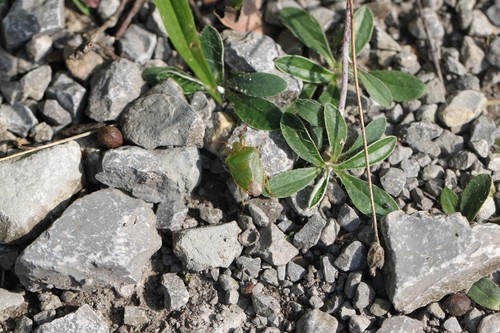
Green Shield Bug identified by the community
Real finds identified with Bug Identifier.
Other bugs you may enjoy
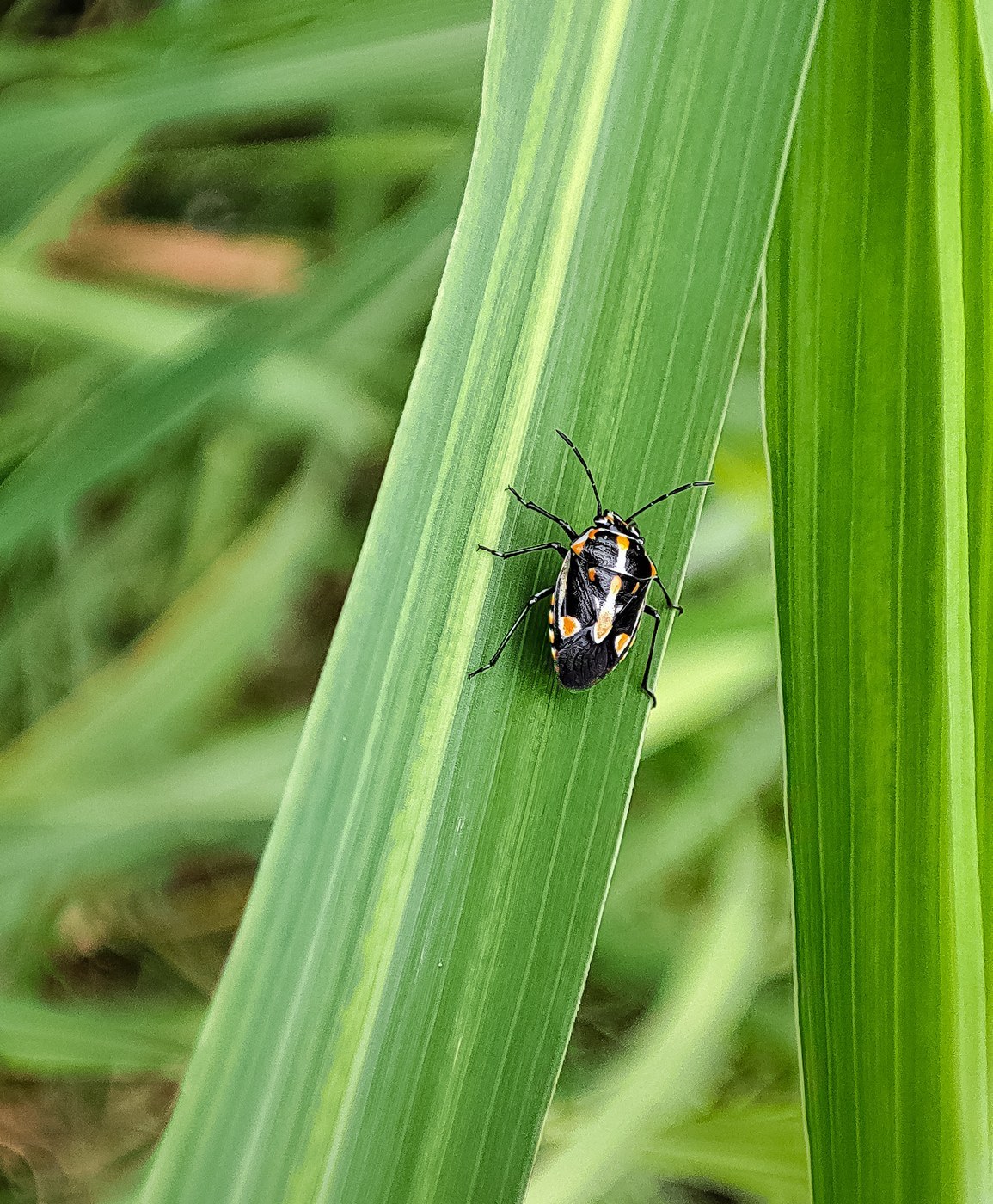
Bagrada Bug
Arid gardens, crucifer fields, desert-adjacent croplands
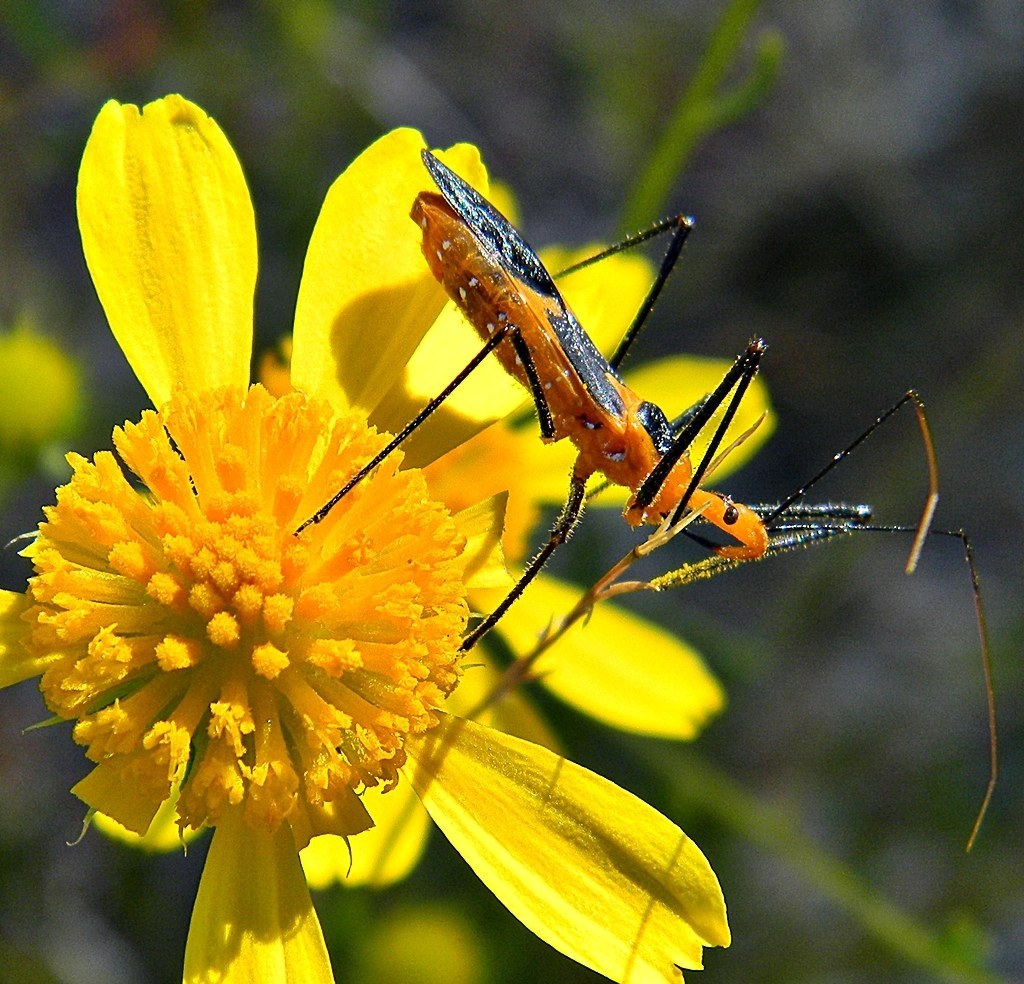
Assassin Bug
Gardens, meadows, and vegetation worldwide
Water Boatman Bug
Ponds, lakes, and slow-moving freshwater
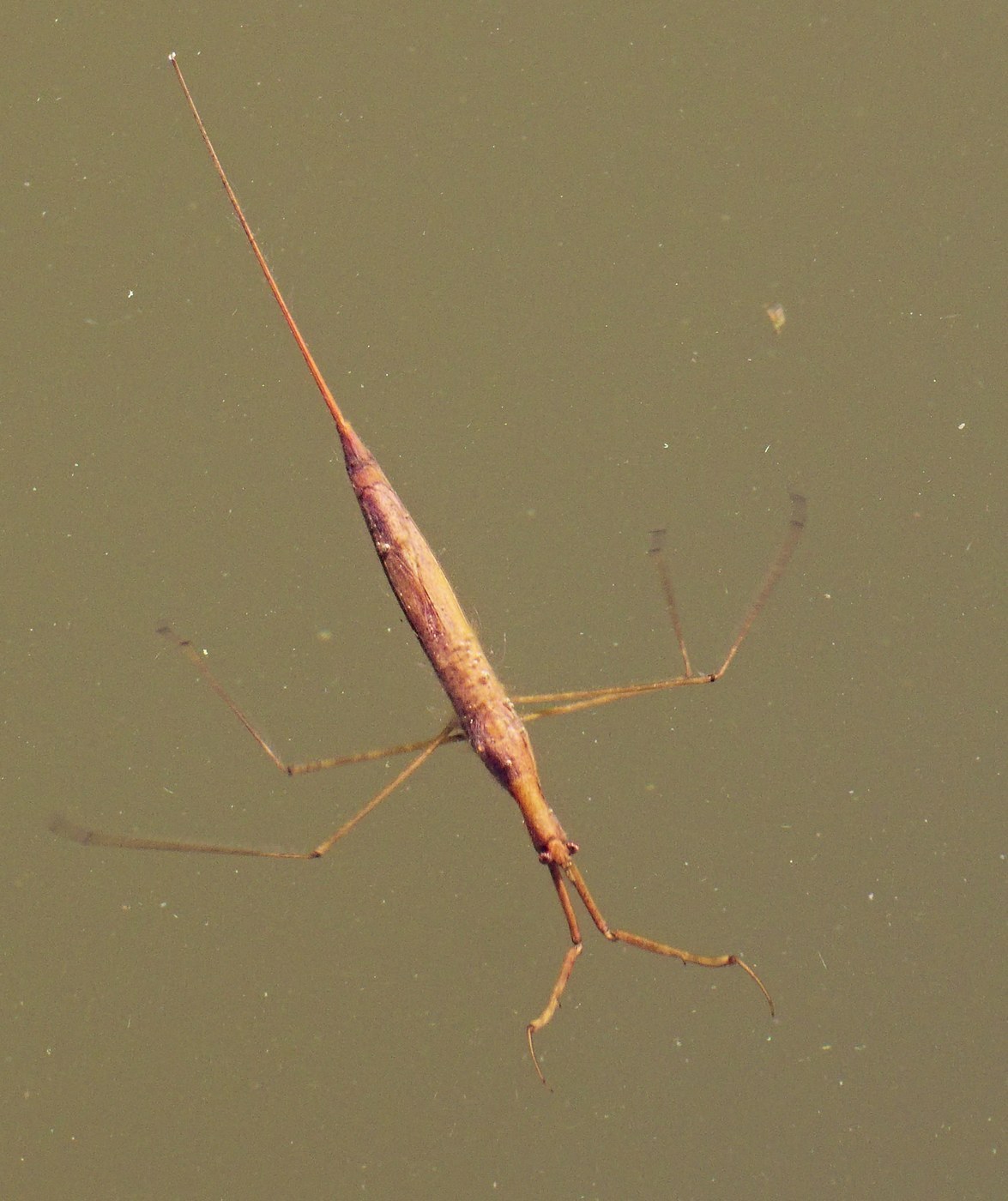
Water Stick Insect
Still and slow-moving water with dense submerged vegetation
Rough Stink Bug
Tree bark, woodlands, orchards, and shrubby vegetation
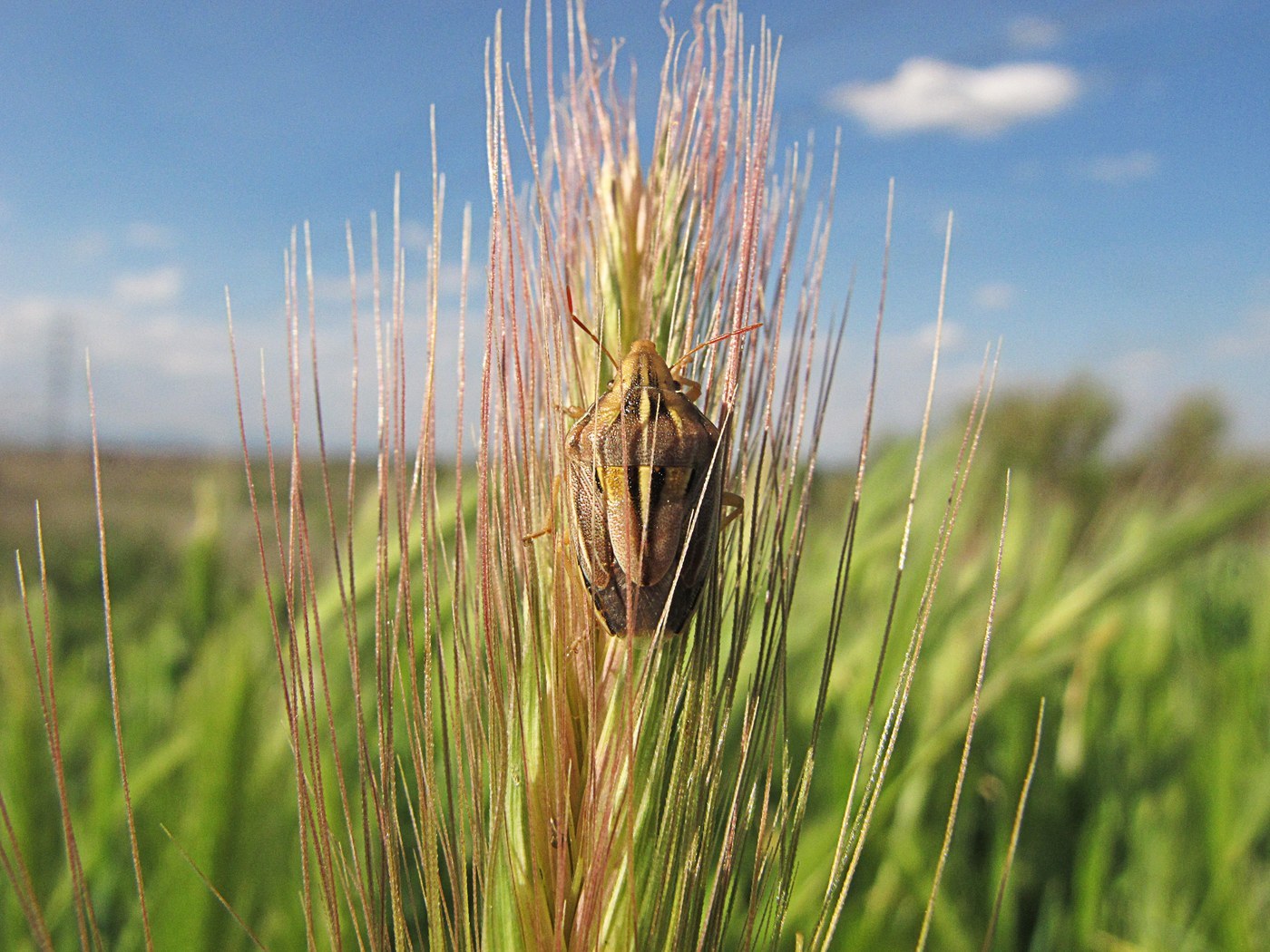
Stink Bug
Gardens, crop fields, and woodlands across temperate and subtropical regions
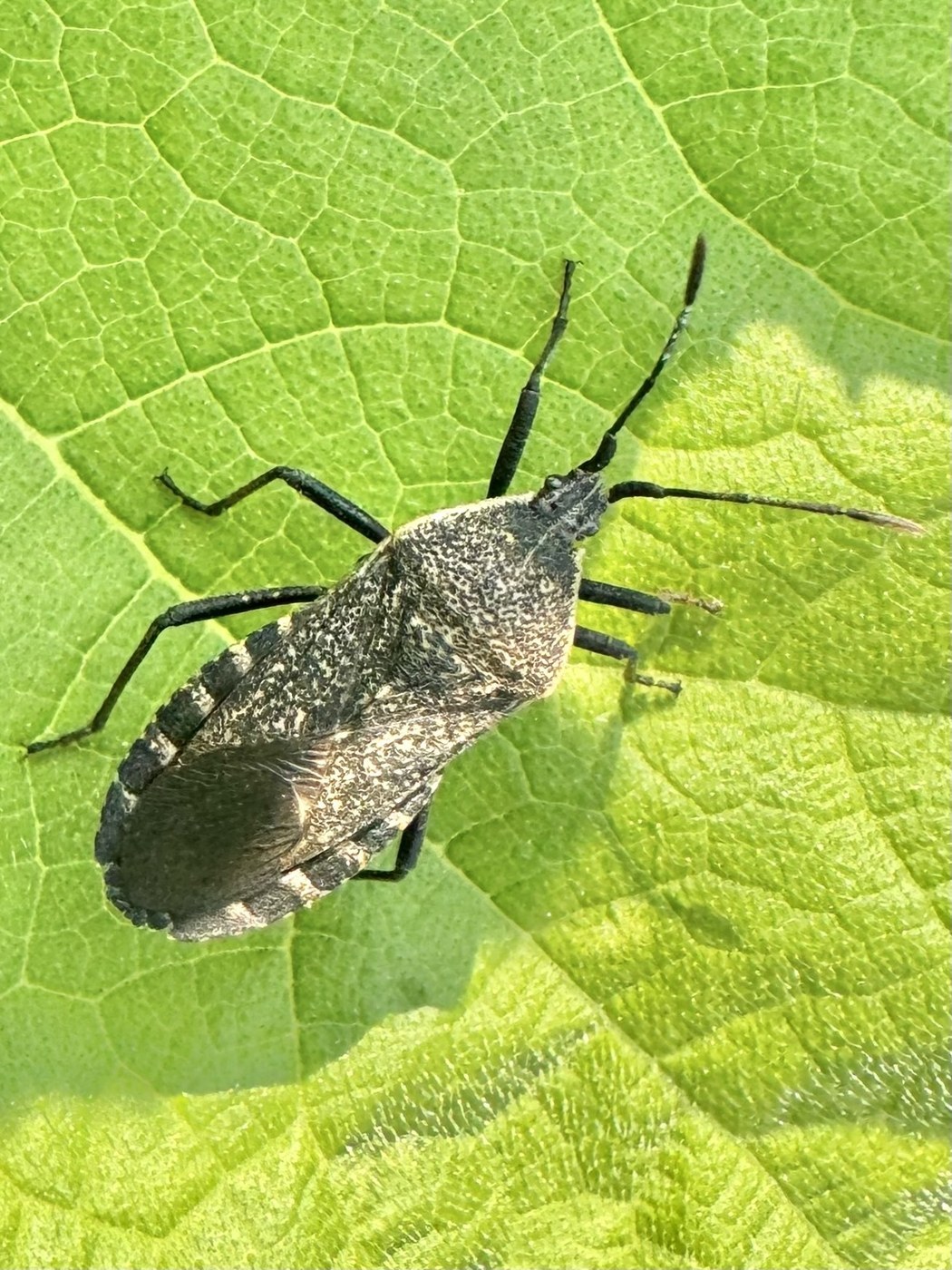
Squash Bug
Vegetable gardens and farm fields growing squash, pumpkin, and other cucurbits
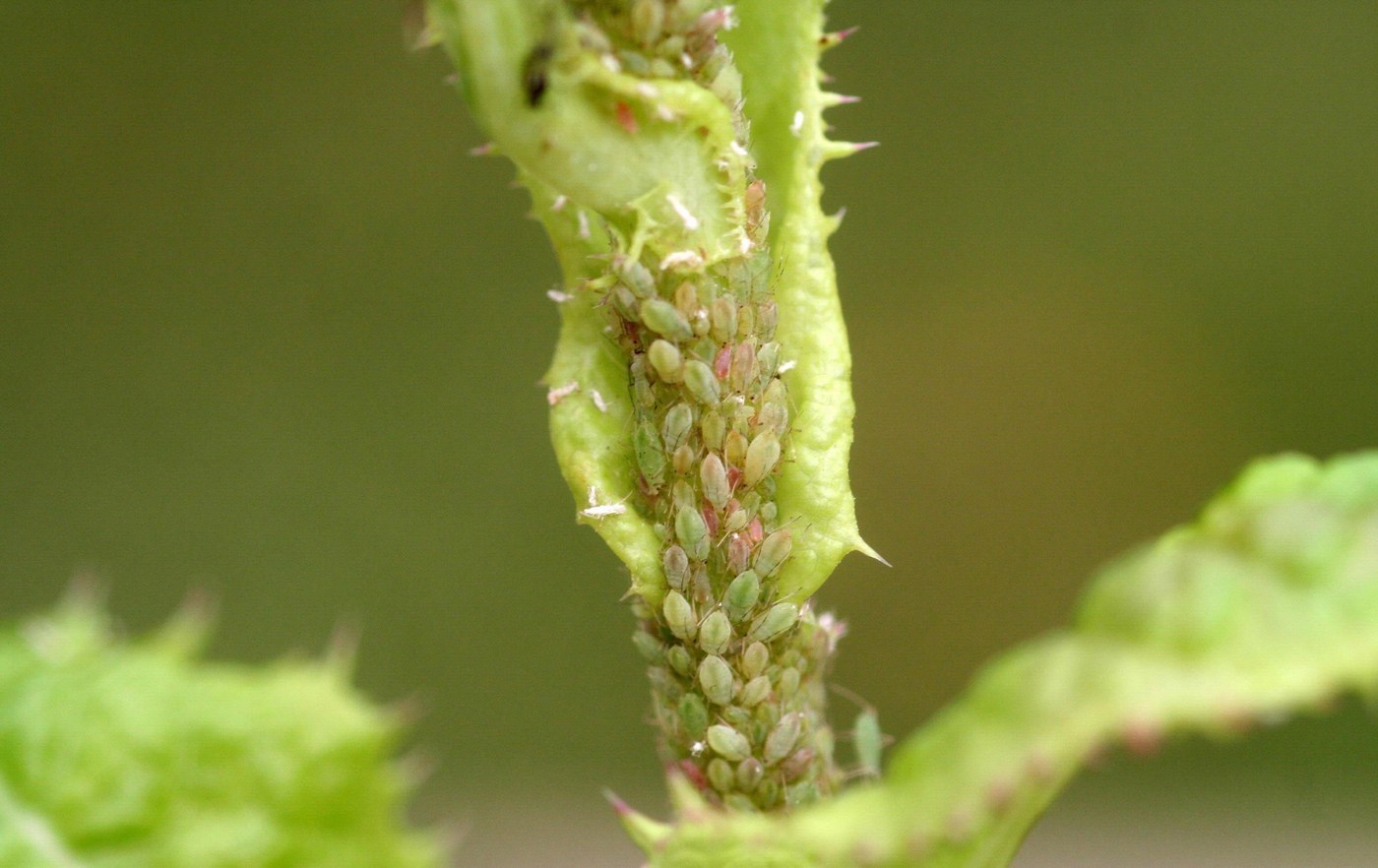
Aphid
On stems, leaves, and buds of a very wide range of host plants
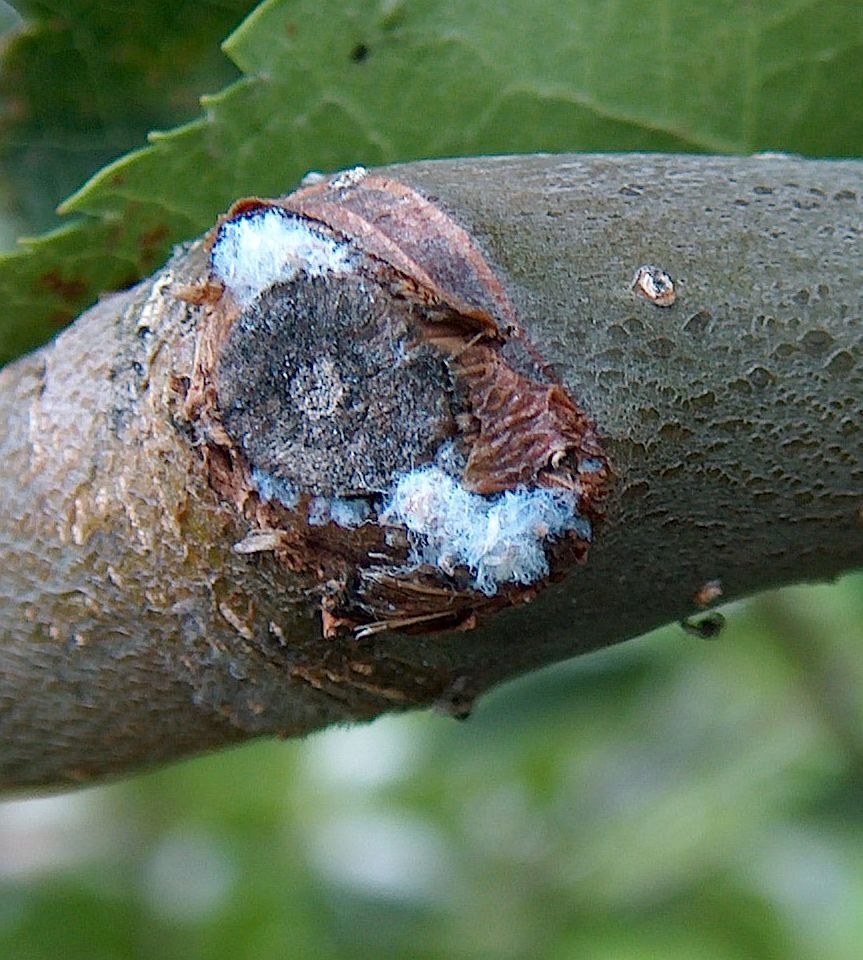
Woolly Aphid
Bark crevices, root collars, and twigs of apple, elm, and alder trees
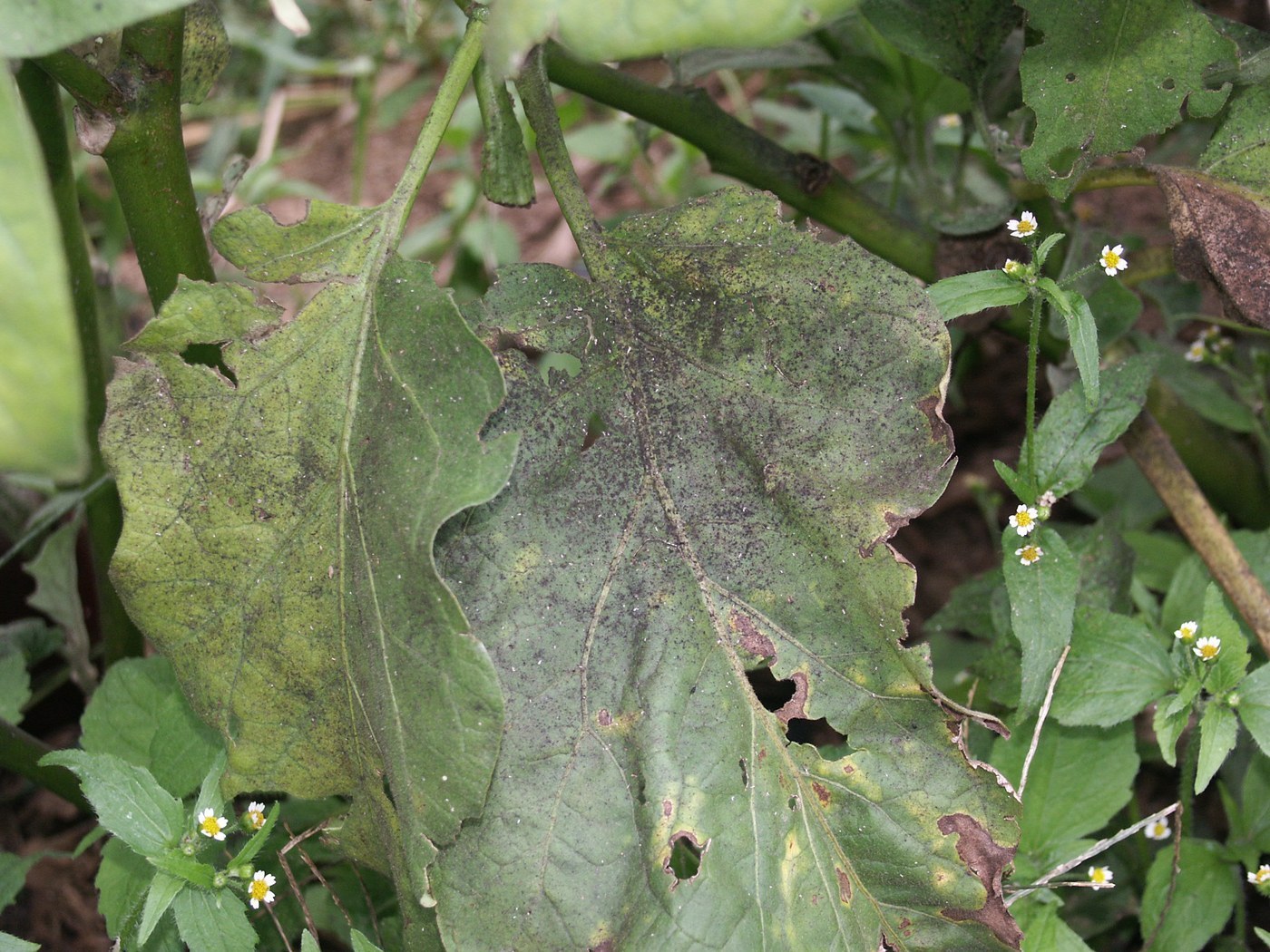
Whitefly
Greenhouses, gardens, and undersides of leaves on host plants
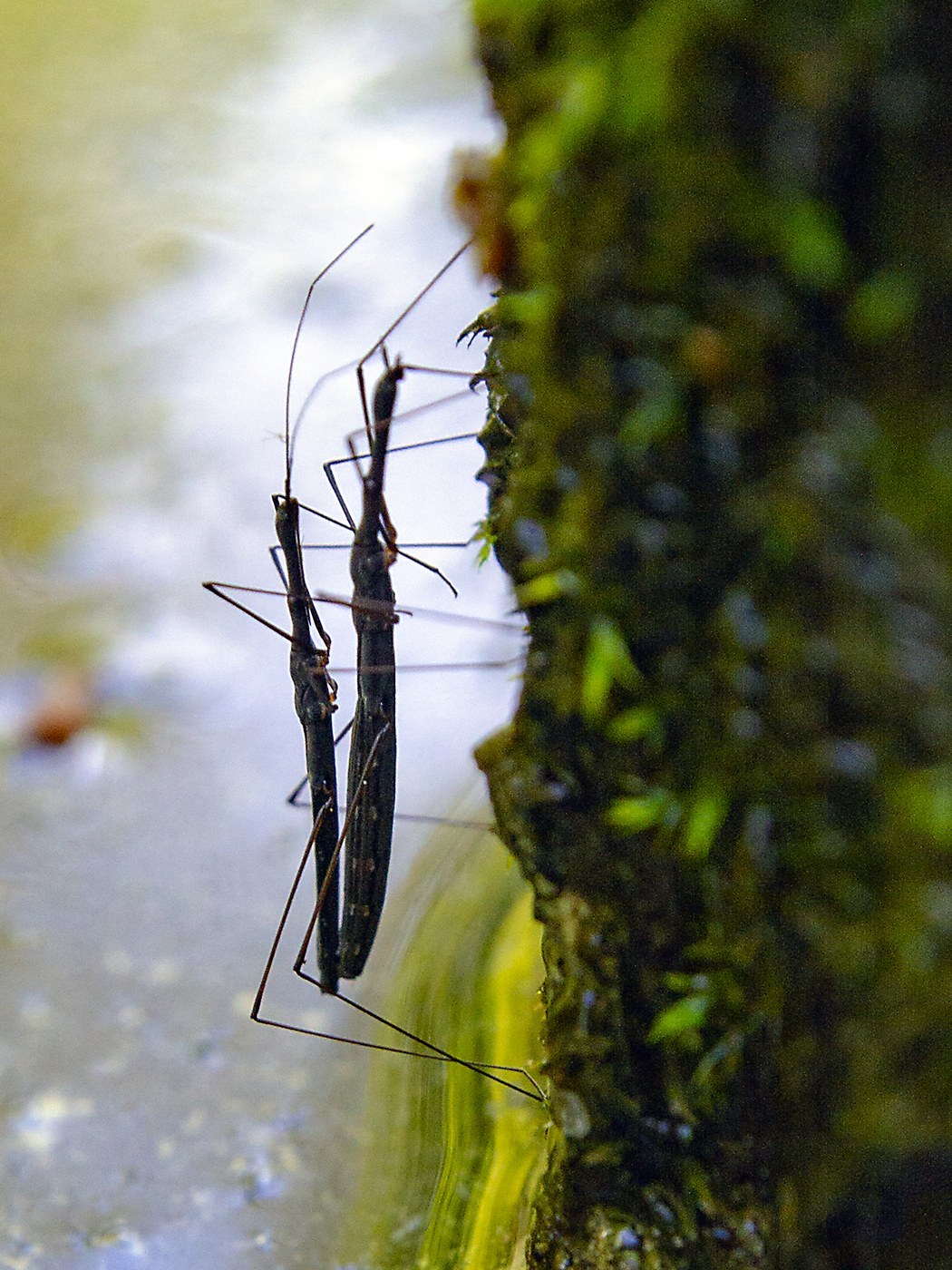
Water Measurer
Quiet edges of ponds, marshes, and slow streams
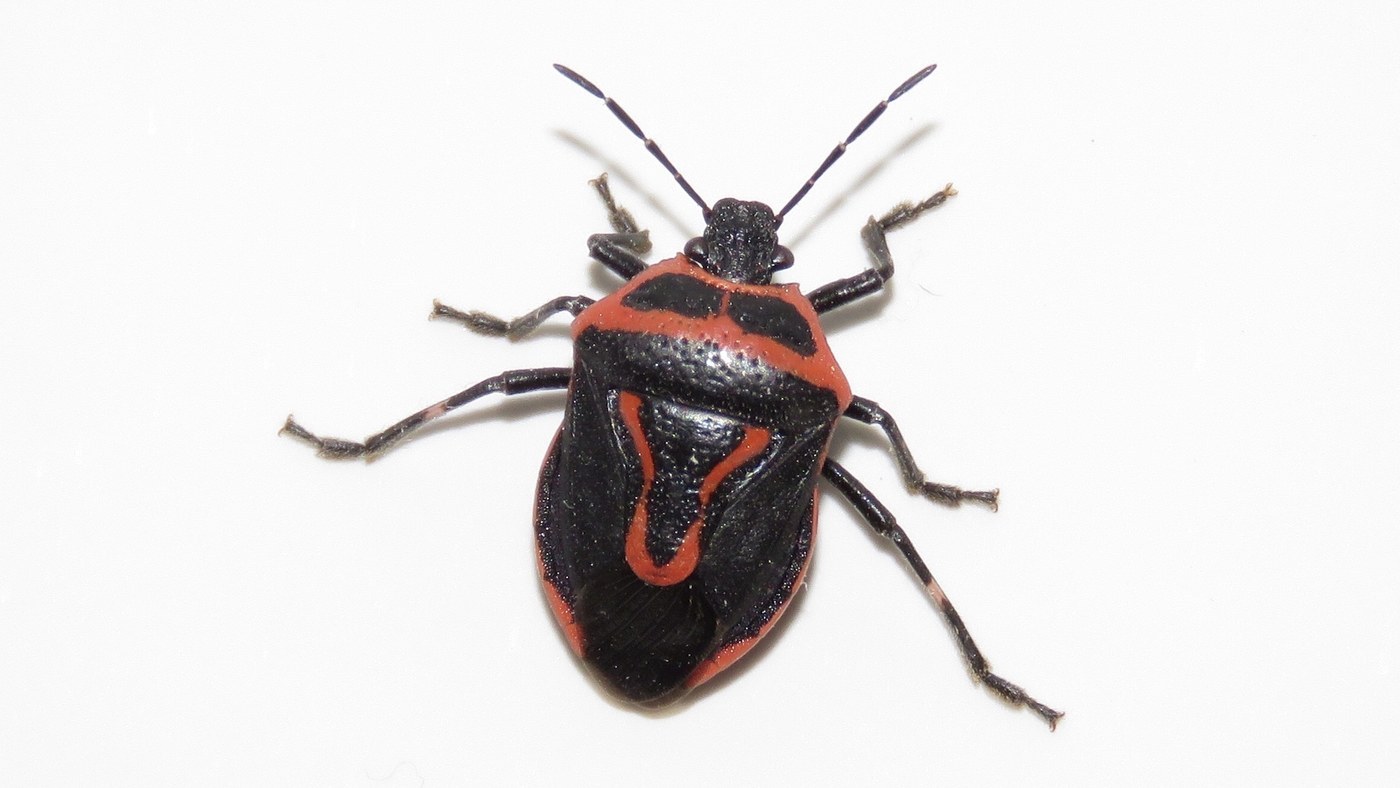
Two-Spotted Stink Bug
Gardens and fields with potato and nightshade-family plants