
Saucer Bug
Ilyocoris cimicoides
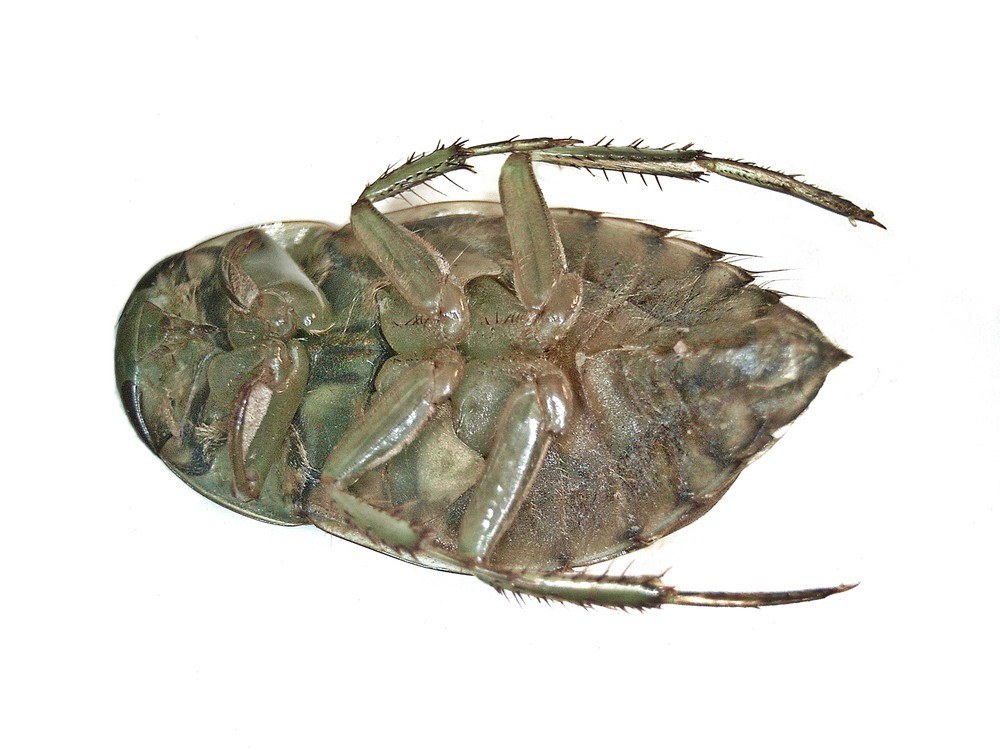
Flattened and rounded like its namesake, the saucer bug is a stout, oval predator that lurks among pondweed, ambushing small invertebrates and other prey with a piercing beak.
- Size
- 1.3-1.6 cm (0.5-0.6 in)
- Habitat
- Still or slow water with dense submerged vegetation
- Danger
- Bites
Spotted a bug like this?
Identify any bug or insect from a photo, free.
Overview
The saucer bug is a true bug in the family Naucoridae, named for its broad, flattened, oval body that gives it a saucer-like or shield-like outline when viewed from above. It is found in still or gently flowing freshwater across much of Europe, typically in ponds, canals, and ditches with dense submerged vegetation where it can hide while hunting.
Unlike the surface-dwelling pond skater, the saucer bug lives fully submerged, swimming with paddle-like hind legs and carrying a bubble of air trapped beneath its wings to breathe while underwater. It is an active ambush predator, using strong front legs to grasp prey and a short, powerful piercing beak to feed, and it can bite in defense if handled, a trait shared with several related predatory water bugs.
How to Identify
- Broad, oval, strongly flattened body, typically olive-brown to yellowish-brown
- Stout, robust front legs adapted for grasping prey, unlike the more slender legs of pond skaters
- Paddle-shaped, hair-fringed hind legs used for swimming
- Short, thick, piercing beak folded beneath the head when not feeding
- Lacks the elongated breathing tube seen in some other aquatic true bugs, instead carrying an air bubble beneath the wings
Habitat & Range
Saucer bugs inhabit still or slow-moving freshwater with abundant submerged vegetation, including ponds, ditches, and quiet canal stretches across much of Europe. They are most active from spring through autumn, sheltering among dense weed beds and organic debris.
Behavior & Diet
Saucer bugs are active underwater predators, ambushing tadpoles, small fish, insect larvae, and other invertebrates from cover among aquatic plants before seizing them with their strong front legs and piercing beak. They periodically rise to the surface to renew the air bubble carried beneath their wings before returning to hunt among vegetation. As predators within dense weed beds, they help regulate populations of smaller invertebrates and other prey in their pond and ditch habitats.
Life Cycle
Saucer bugs undergo gradual metamorphosis typical of true bugs, with females laying eggs on submerged plant stems or debris. The nymphs that hatch resemble smaller, wingless versions of the adult and are predatory from an early stage, hunting among vegetation as they molt through several instars. Adults overwinter in mud or plant debris at the bottom of ponds and ditches, emerging again to hunt and breed as water temperatures rise in spring.
Frequently asked questions
Does the saucer bug bite?
It can bite in defense with its piercing beak if handled, a trait shared with several other predatory aquatic true bugs.
How does the saucer bug breathe underwater?
It carries a bubble of air trapped beneath its wings, periodically returning to the surface to renew the supply before continuing to hunt underwater.
What does a saucer bug eat?
It preys on tadpoles, small fish, insect larvae, and other invertebrates, ambushing them from cover among submerged vegetation.
How is the saucer bug different from a pond skater?
The saucer bug lives fully submerged with a flattened, oval body and paddle-like swimming legs, while the pond skater stays on top of the water surface with long, thin walking legs.
Saucer Bug guides
In-depth guides for identifying, understanding, and living alongside Saucer Bug.
Other bugs you may enjoy
Bagrada Bug
Arid gardens, crucifer fields, desert-adjacent croplands
Assassin Bug
Gardens, meadows, and vegetation worldwide
Water Boatman Bug
Ponds, lakes, and slow-moving freshwater
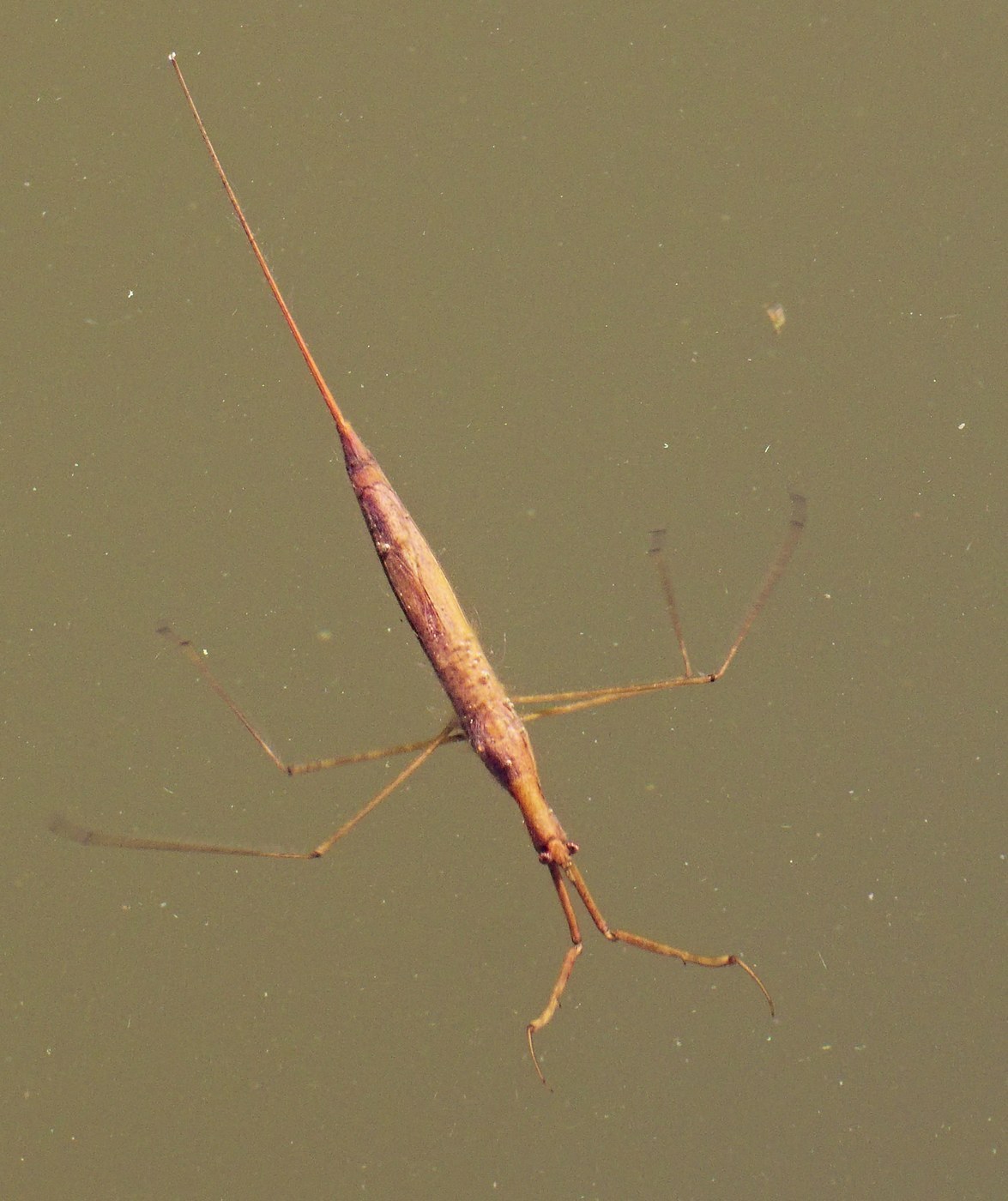
Water Stick Insect
Still and slow-moving water with dense submerged vegetation
Rough Stink Bug
Tree bark, woodlands, orchards, and shrubby vegetation
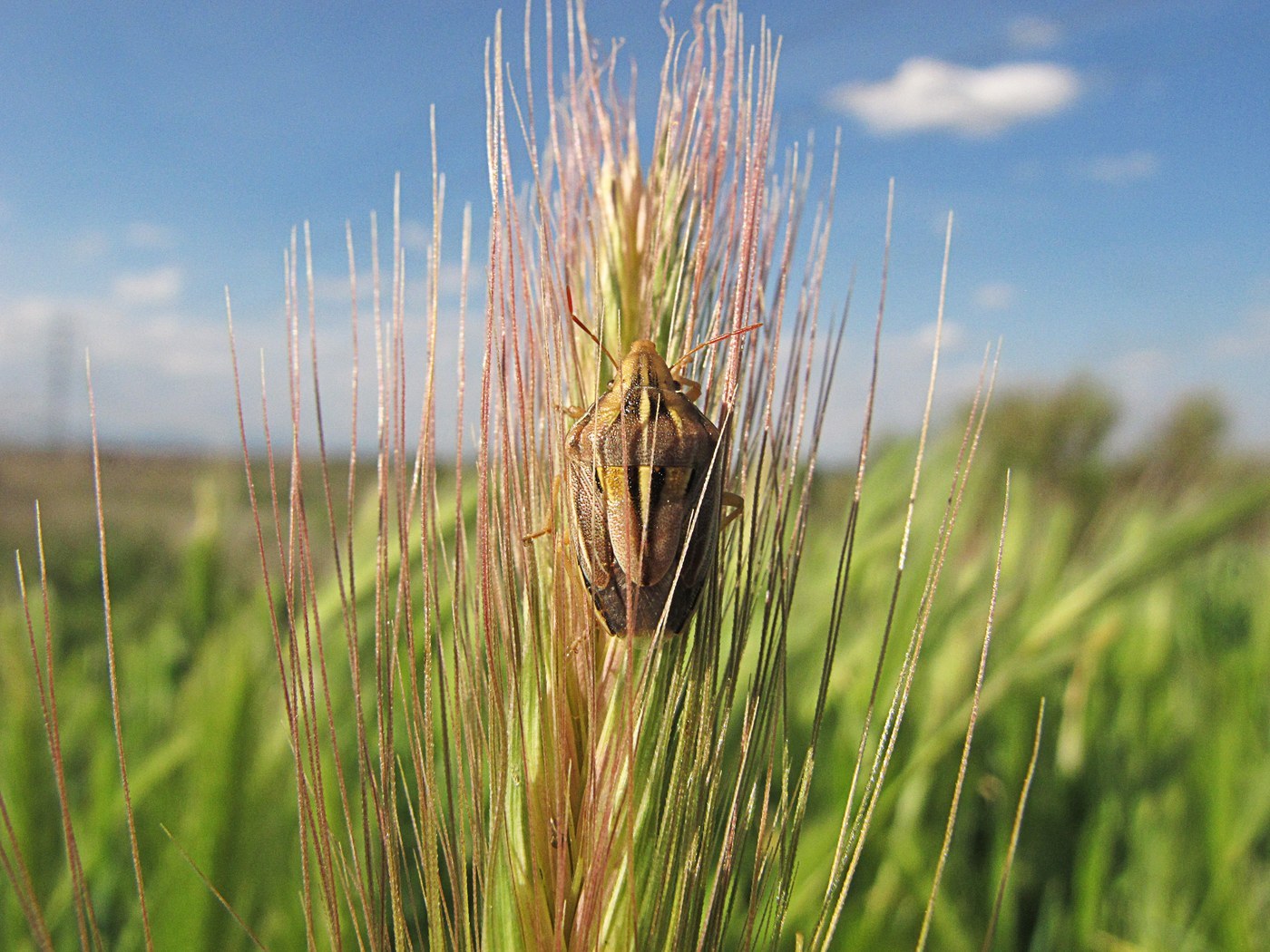
Stink Bug
Gardens, crop fields, and woodlands across temperate and subtropical regions
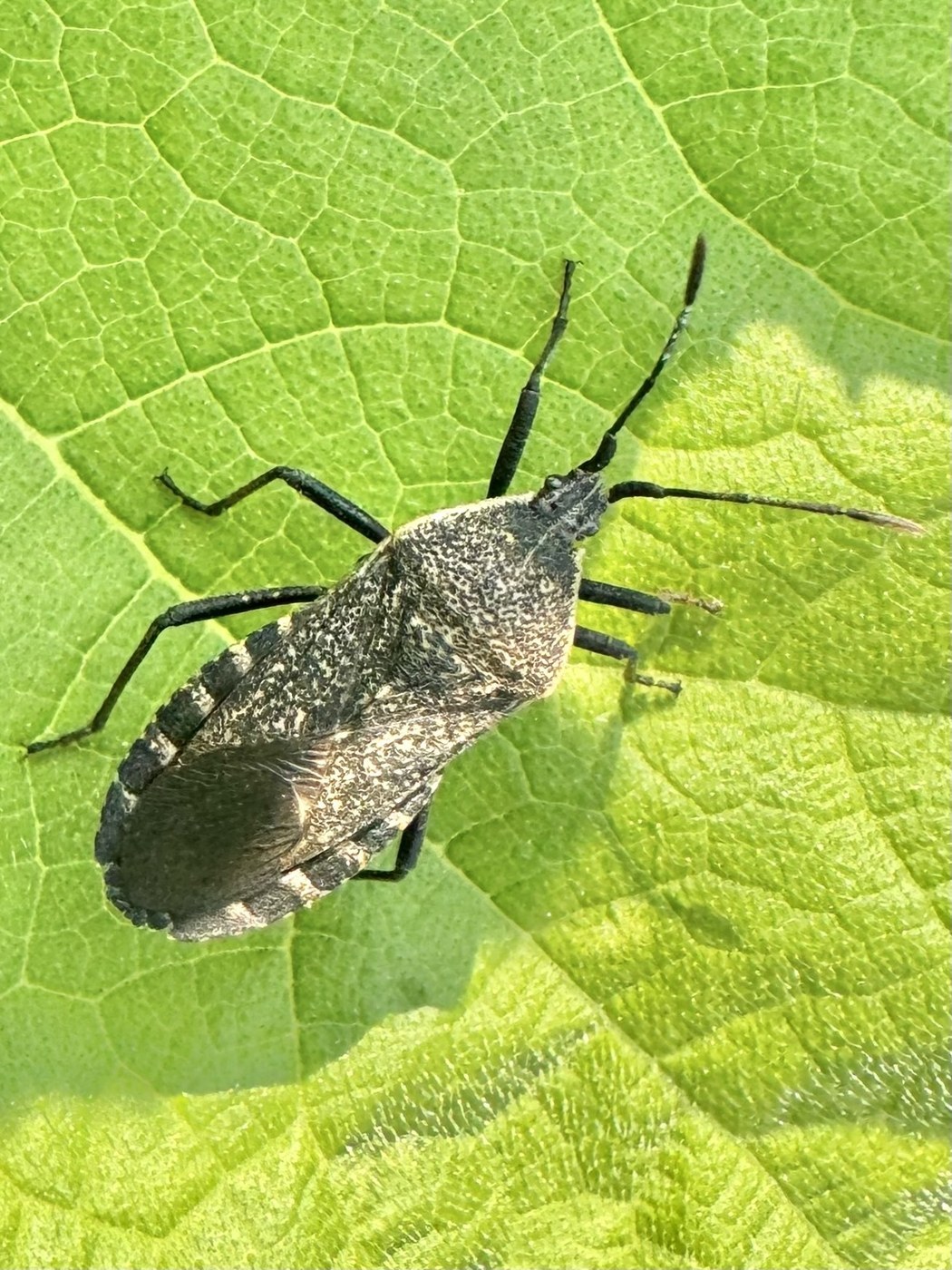
Squash Bug
Vegetable gardens and farm fields growing squash, pumpkin, and other cucurbits
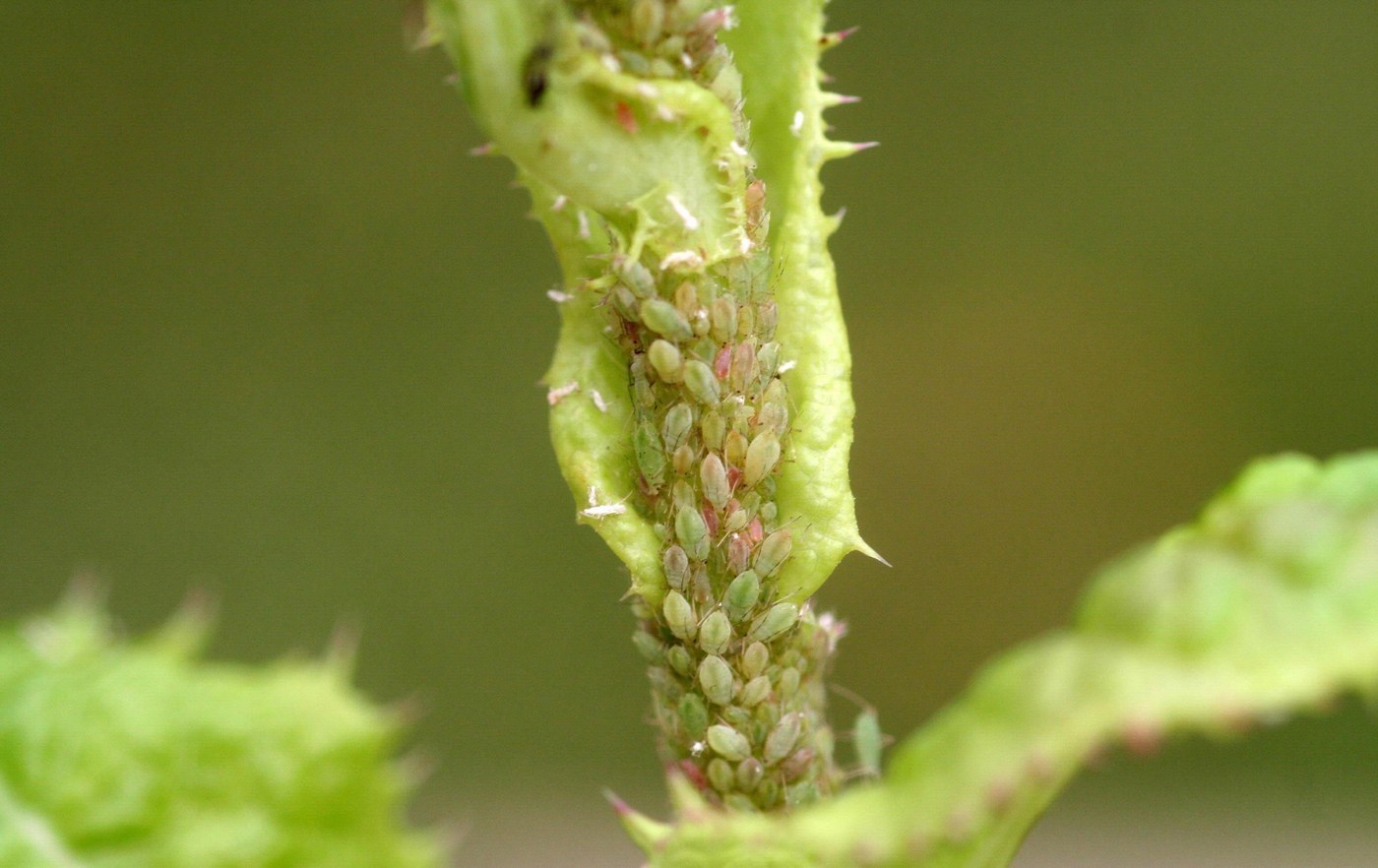
Aphid
On stems, leaves, and buds of a very wide range of host plants
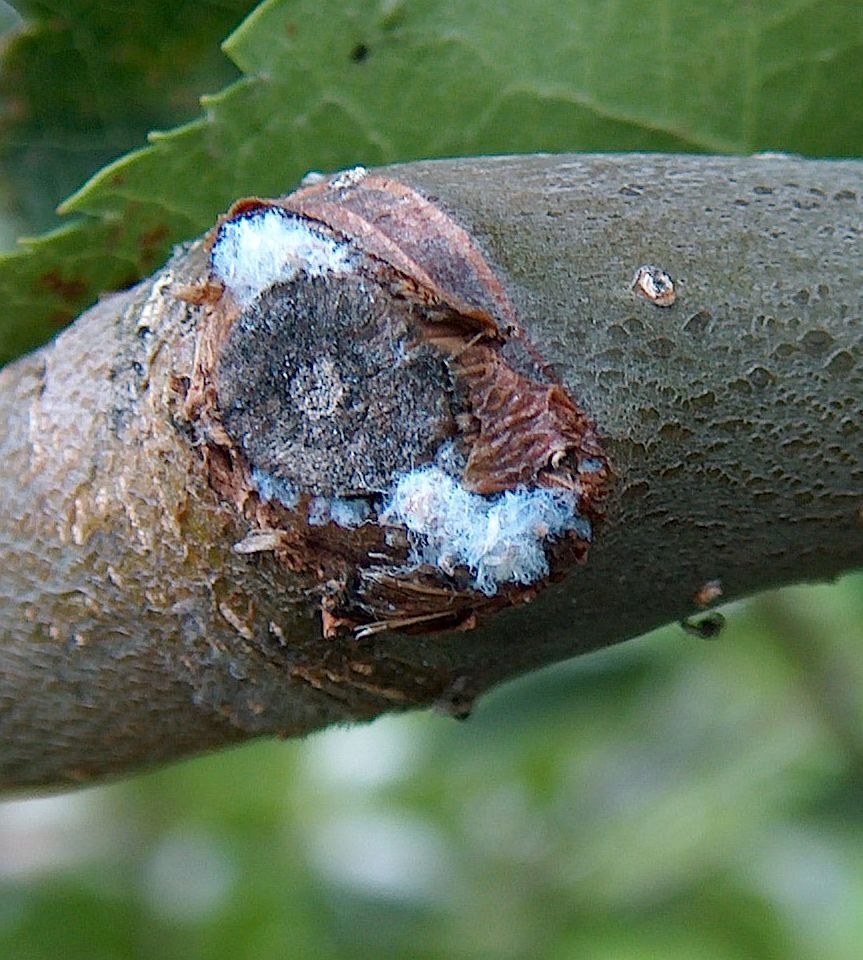
Woolly Aphid
Bark crevices, root collars, and twigs of apple, elm, and alder trees
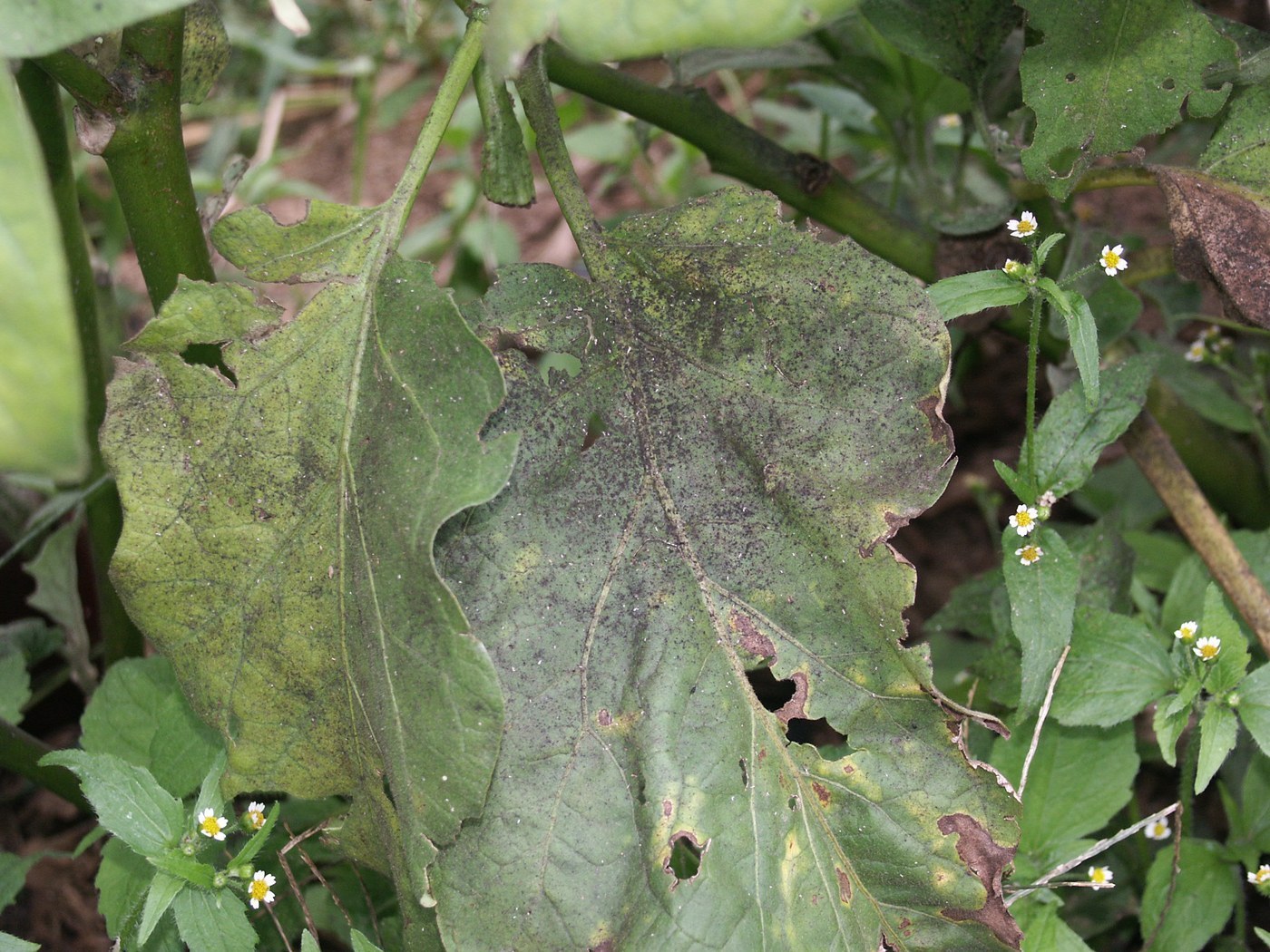
Whitefly
Greenhouses, gardens, and undersides of leaves on host plants
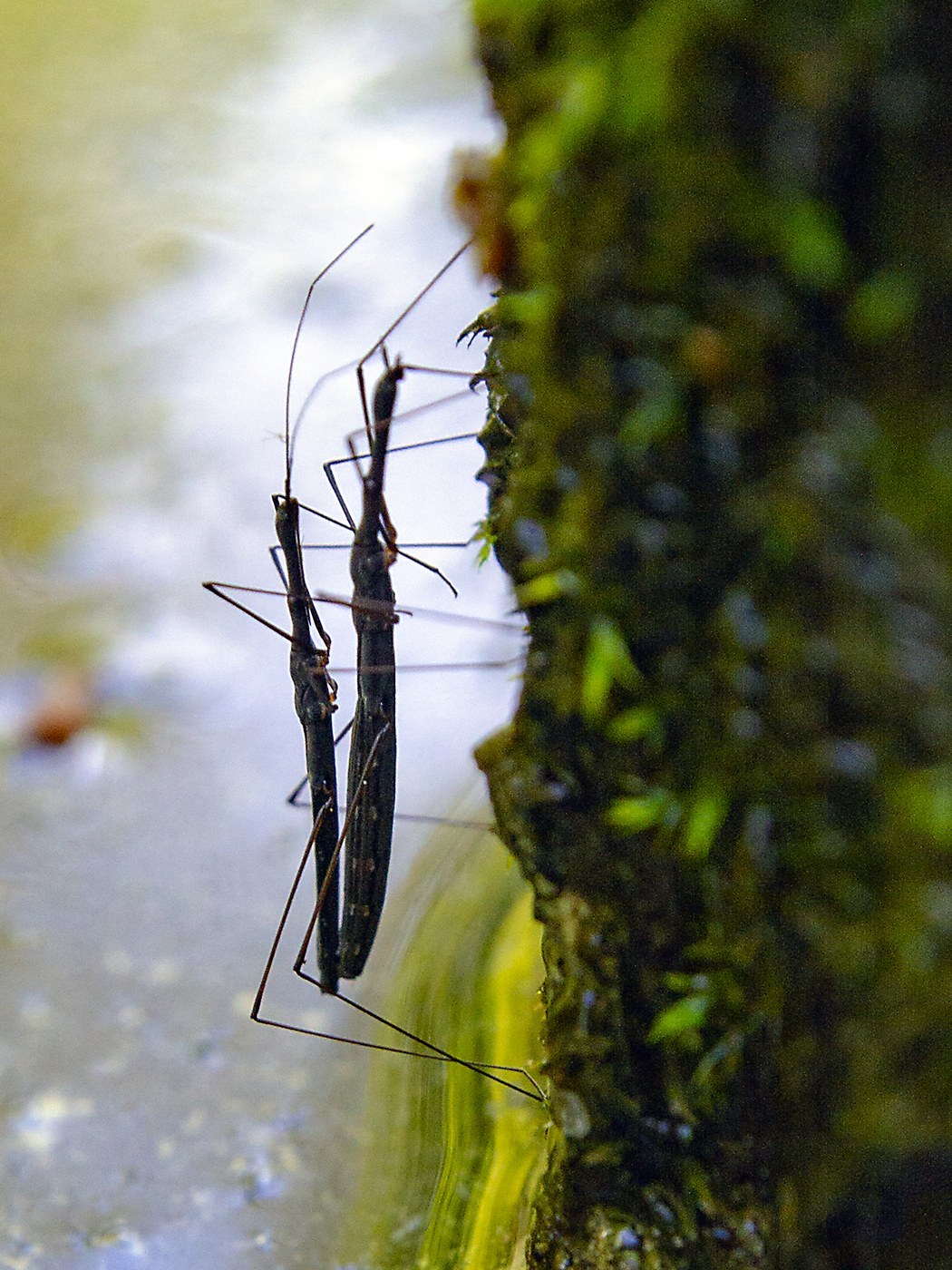
Water Measurer
Quiet edges of ponds, marshes, and slow streams
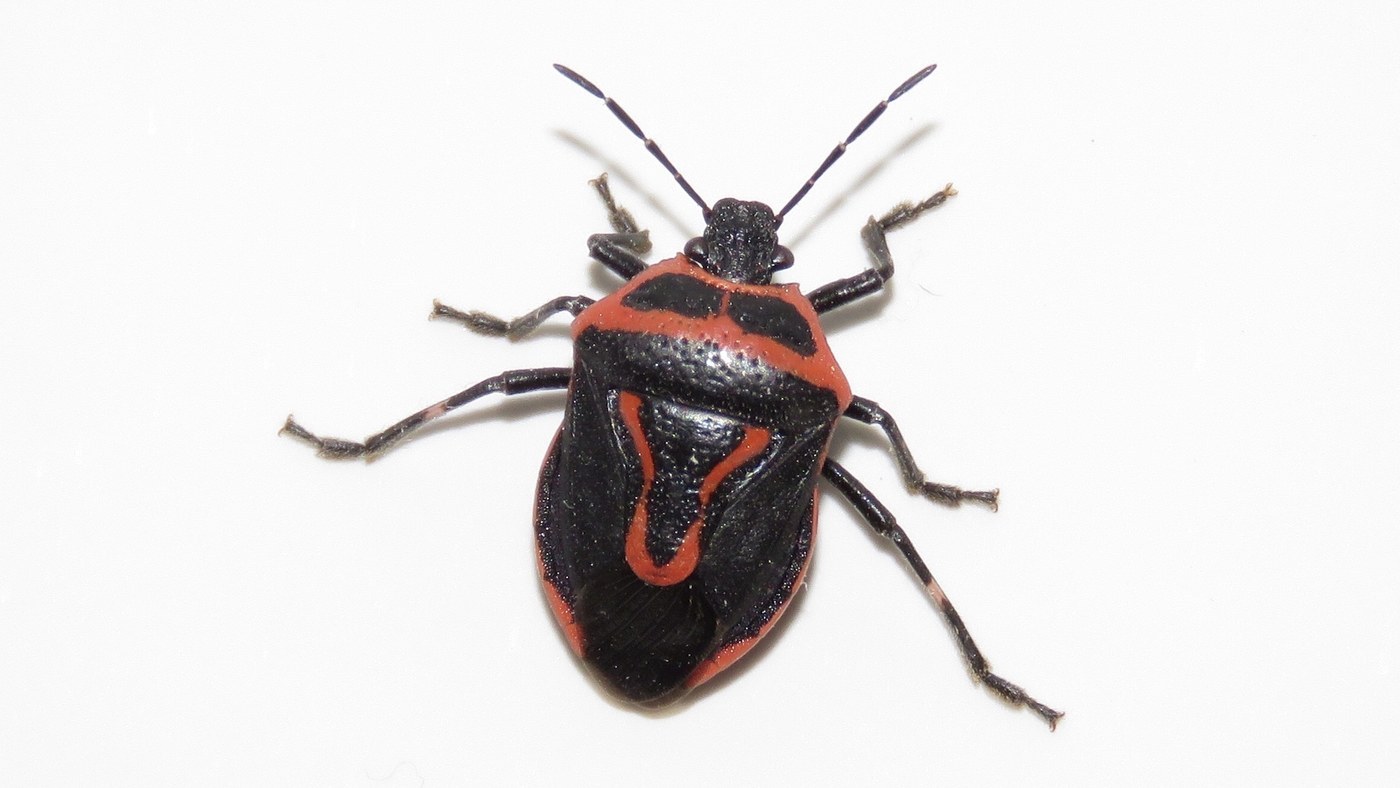
Two-Spotted Stink Bug
Gardens and fields with potato and nightshade-family plants