
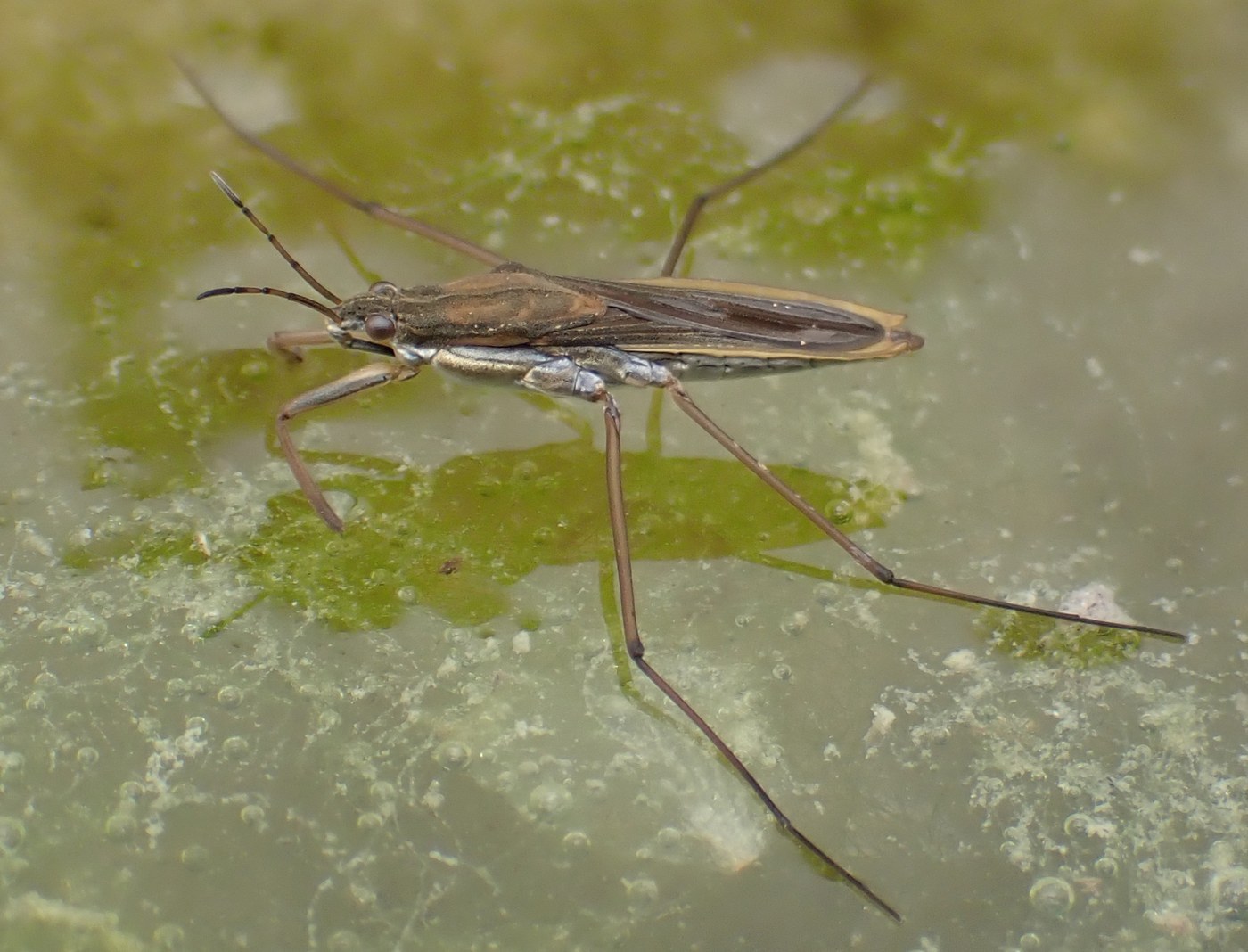
Pond Skater
Gerris spp.
Skimming effortlessly across the surface of still water on long, spindly legs, the pond skater uses ripples to detect struggling insects, which it seizes and pierces with needle-like mouthparts.
- Size
- 1-1.5 cm (0.4-0.6 in) body length
- Habitat
- Surface of ponds, lakes, and slow streams
- Danger
- Bites
Spotted a bug like this?
Identify any bug or insect from a photo, free.
Overview
The pond skater, also widely known as the water strider, is a true bug in the family Gerridae that has adapted to live entirely on the surface film of still and slow-moving freshwater. Its slender body and long, widely splayed legs are covered in dense, water-repellent hairs that trap a layer of air and distribute the insect's weight, allowing it to stand and glide across the water surface without breaking through the surface tension.
Pond skaters are agile predators and scavengers, detecting the faint vibrations created by insects trapped in the surface film and rushing across the water to seize them with piercing, straw-like mouthparts typical of true bugs. Their middle and hind legs, much longer than the front pair, are used for rowing and steering across the water, while the shorter front legs are used to grasp prey. Found on nearly every continent, pond skaters are among the most familiar and widespread insects associated with still freshwater habitats.
How to Identify
- Slender, elongated body, usually dark brown, gray, or black, sometimes with pale markings
- Long, widely spread legs, with the middle and hind pairs much longer than the short front pair
- Fine, water-repellent hairs covering the legs and underside, allowing it to rest on the water surface without sinking
- Piercing, needle-like mouthparts typical of true bugs, used to feed on trapped insects
- Skates or glides in short, rapid bursts across the water surface rather than swimming beneath it
Habitat & Range
Pond skaters are found on the calm surface of ponds, lakes, slow streams, and quiet backwaters across most of the world, from temperate to tropical regions. They favor sheltered, still water and are commonly seen gathering near shorelines, floating vegetation, or areas protected from strong current or wave action.
Behavior & Diet
Pond skaters are opportunistic predators and scavengers, feeding on small insects that fall onto or become trapped in the water's surface film, as well as other small invertebrates. They detect prey primarily through ripples and vibrations transmitted across the surface tension, then dart quickly to seize it with their front legs and piercing mouthparts. As both predators and scavengers of surface-trapped insects, pond skaters help recycle nutrients that fall onto the water and serve as prey themselves for fish, birds, and other predators.
Life Cycle
Female pond skaters lay eggs on floating vegetation, debris, or directly at the water's edge. The nymphs that hatch resemble smaller, wingless versions of the adults and undergo gradual metamorphosis, molting through several stages while already living and hunting on the water surface. Depending on species and climate, pond skaters may produce multiple generations in a single warm season, with adults overwintering on land in leaf litter or other sheltered spots near the water.
Frequently asked questions
How does the pond skater walk on water?
Its legs are covered in dense, water-repellent hairs that trap air and spread its weight, allowing surface tension to support the insect without it breaking through.
Does the pond skater bite?
It has piercing mouthparts adapted for feeding on trapped insects and can bite in defense if handled, though this is uncommon.
What does a pond skater eat?
It feeds on small insects and other invertebrates that fall onto or become trapped in the water's surface film, detected through ripples and vibrations.
Are pond skaters and water striders the same insect?
Yes, pond skater and water strider are common names used for the same group of surface-dwelling true bugs in the family Gerridae.
Pond Skater guides
In-depth guides for identifying, understanding, and living alongside Pond Skater.
Other bugs you may enjoy
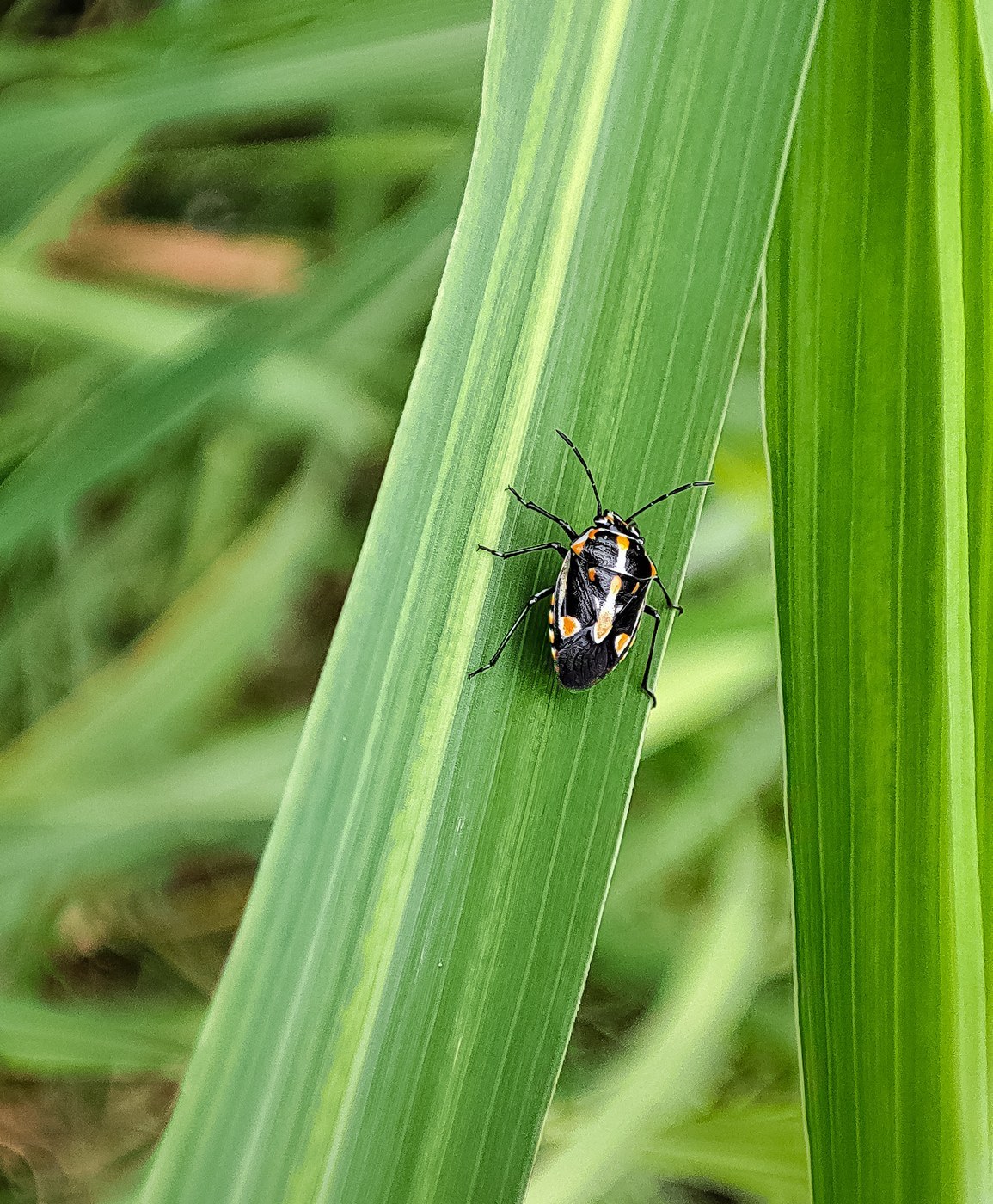
Bagrada Bug
Arid gardens, crucifer fields, desert-adjacent croplands
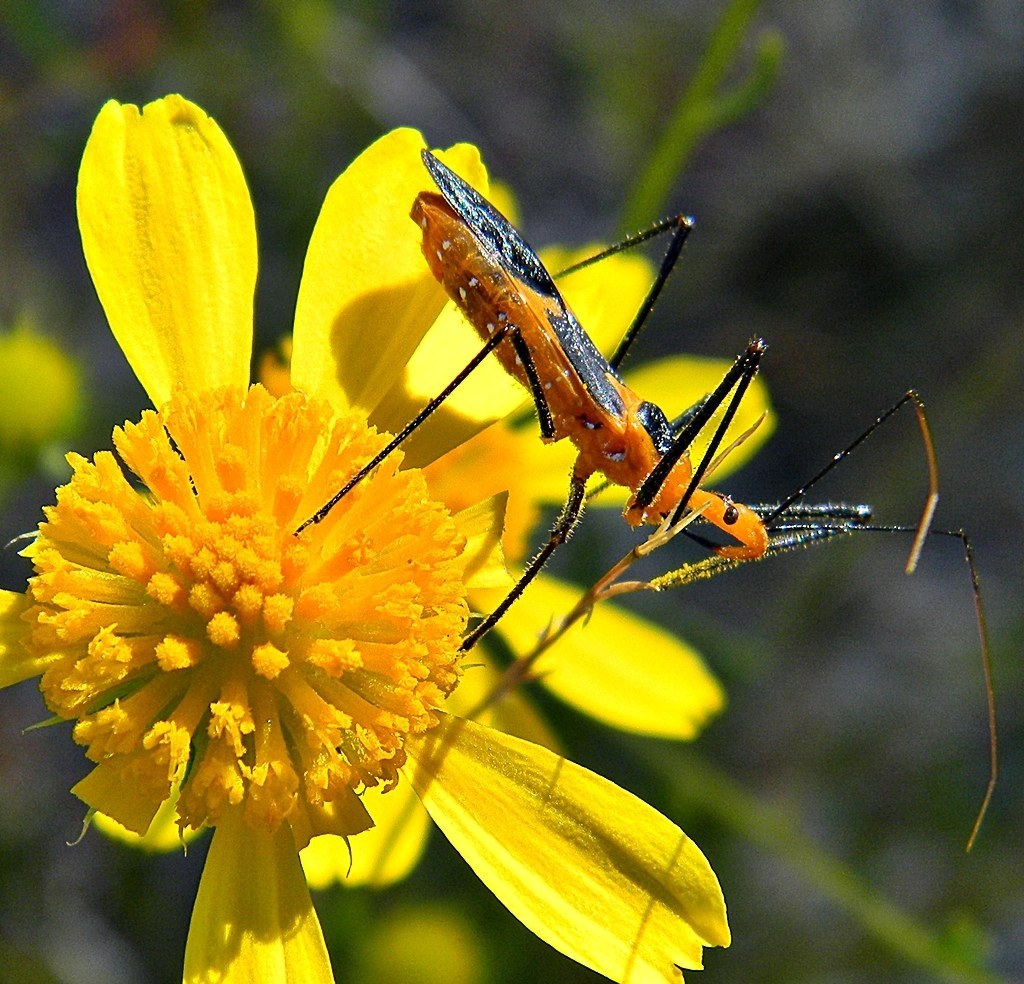
Assassin Bug
Gardens, meadows, and vegetation worldwide
Water Boatman Bug
Ponds, lakes, and slow-moving freshwater
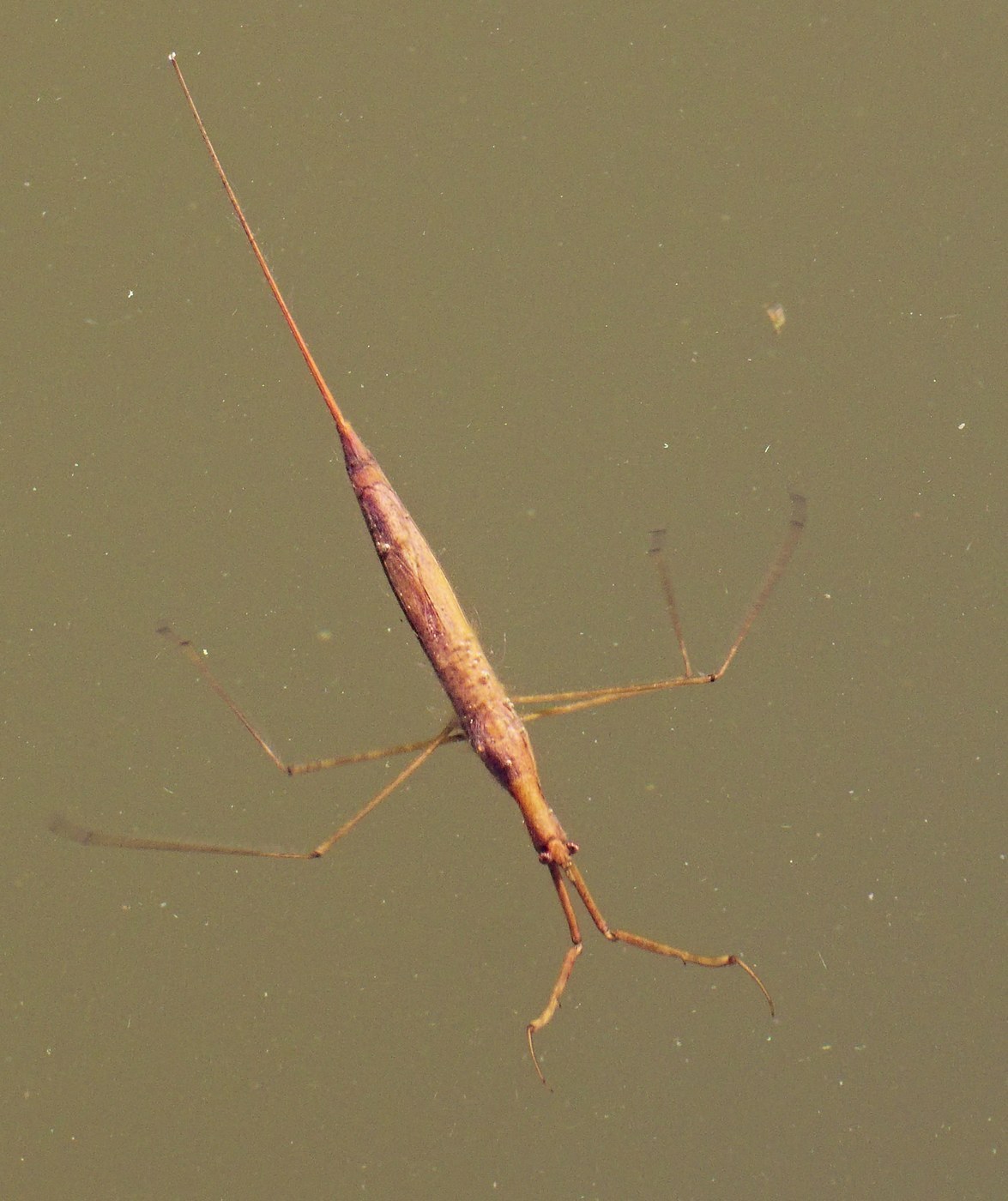
Water Stick Insect
Still and slow-moving water with dense submerged vegetation
Rough Stink Bug
Tree bark, woodlands, orchards, and shrubby vegetation
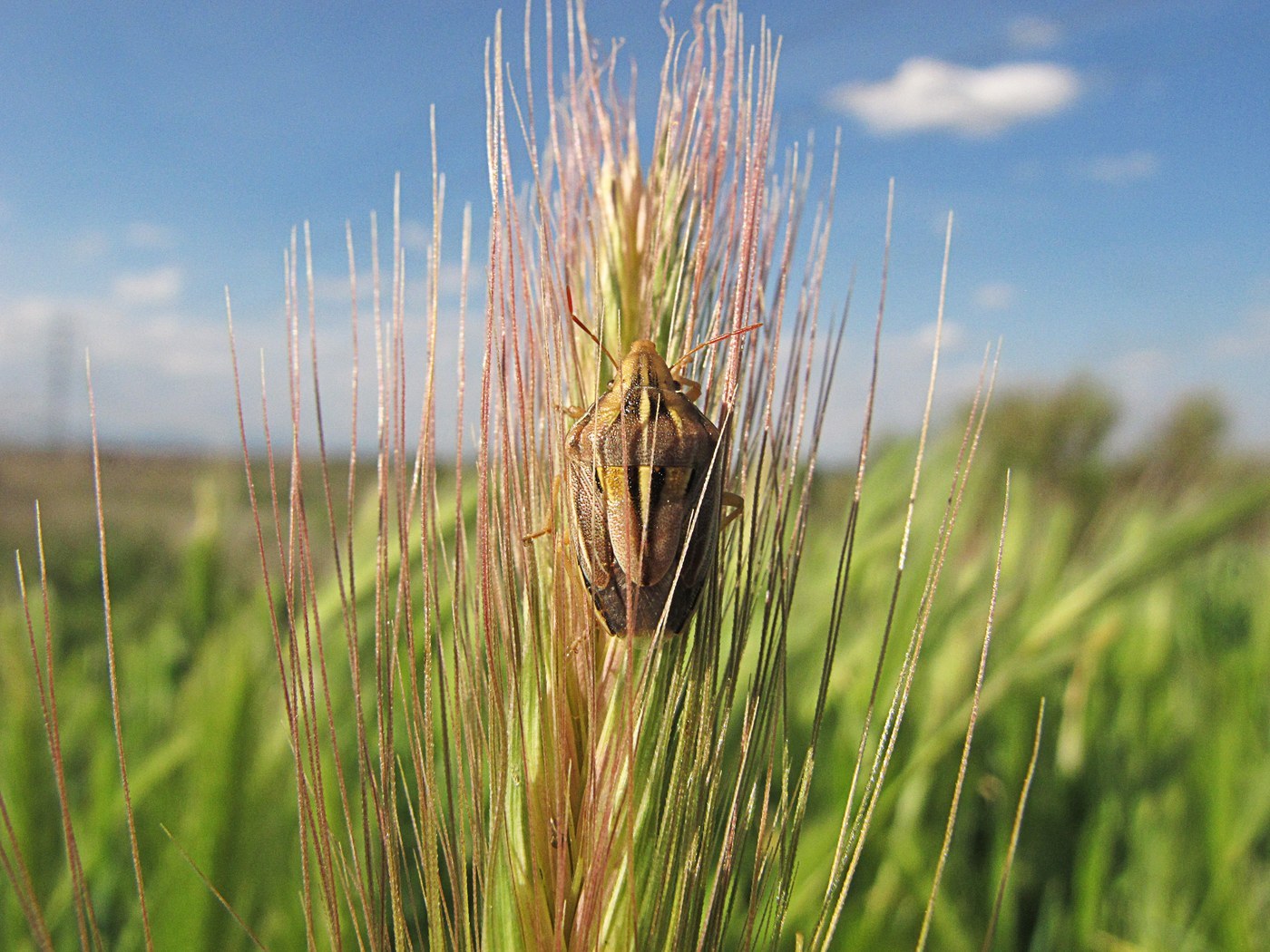
Stink Bug
Gardens, crop fields, and woodlands across temperate and subtropical regions
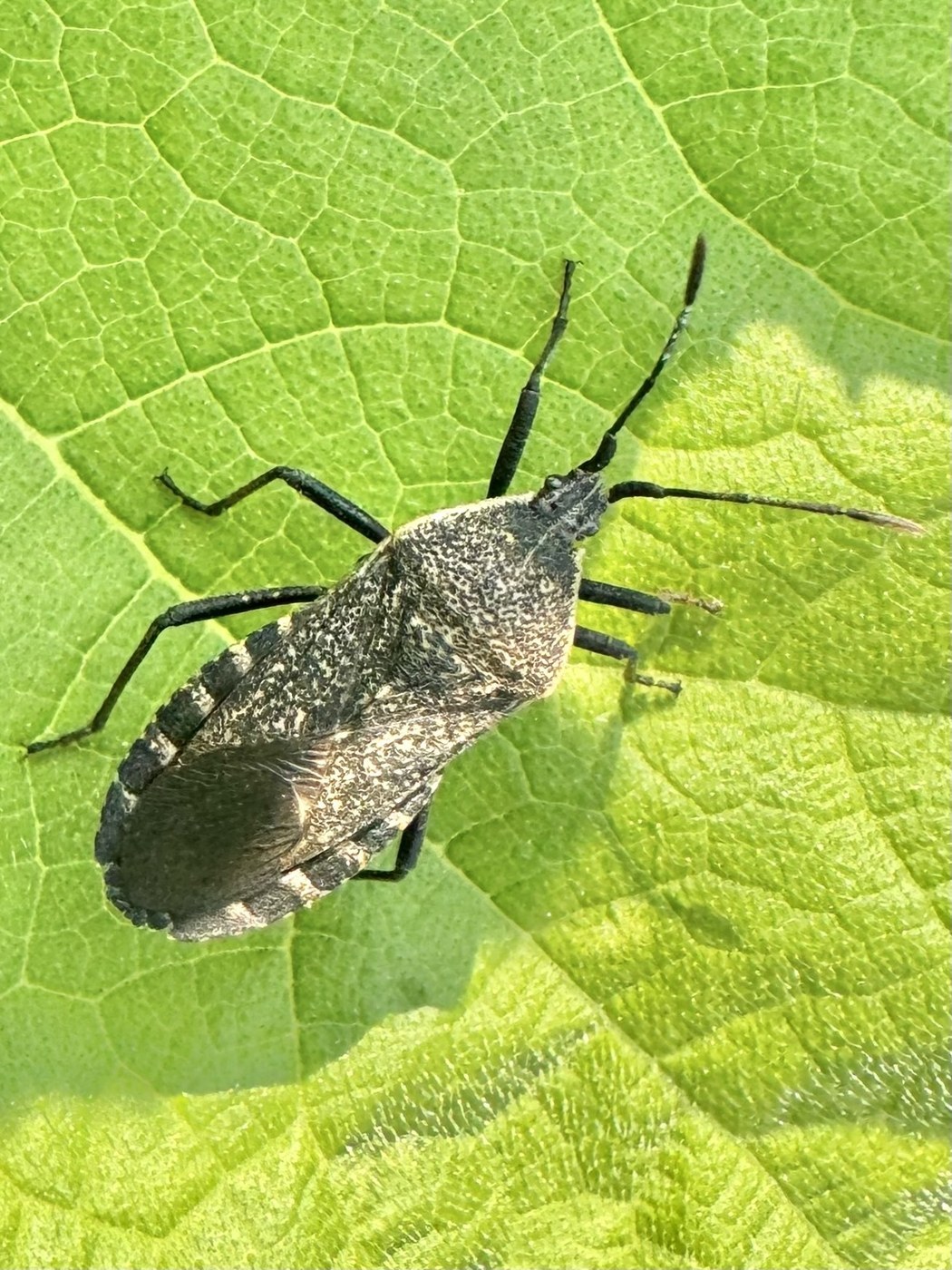
Squash Bug
Vegetable gardens and farm fields growing squash, pumpkin, and other cucurbits
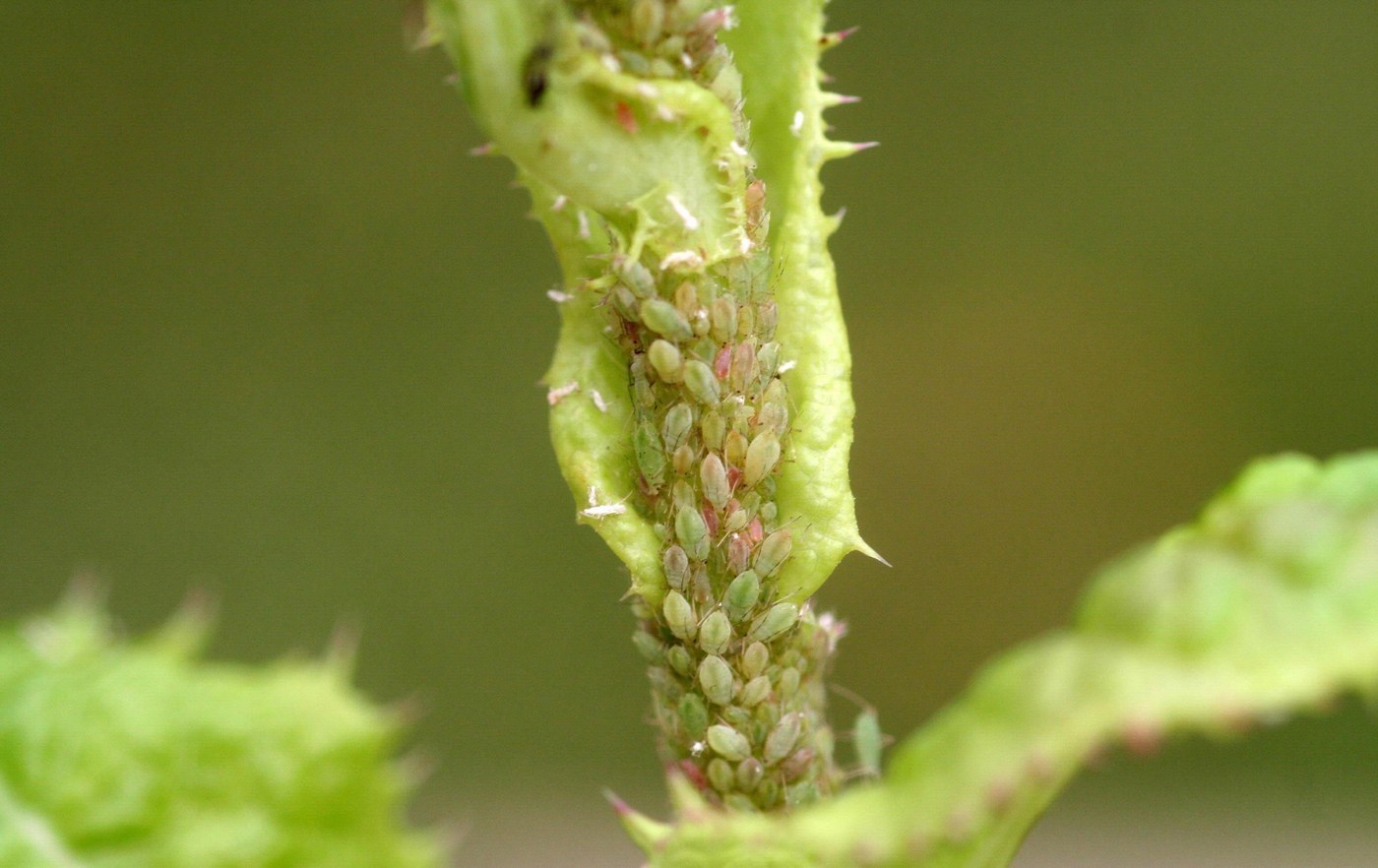
Aphid
On stems, leaves, and buds of a very wide range of host plants
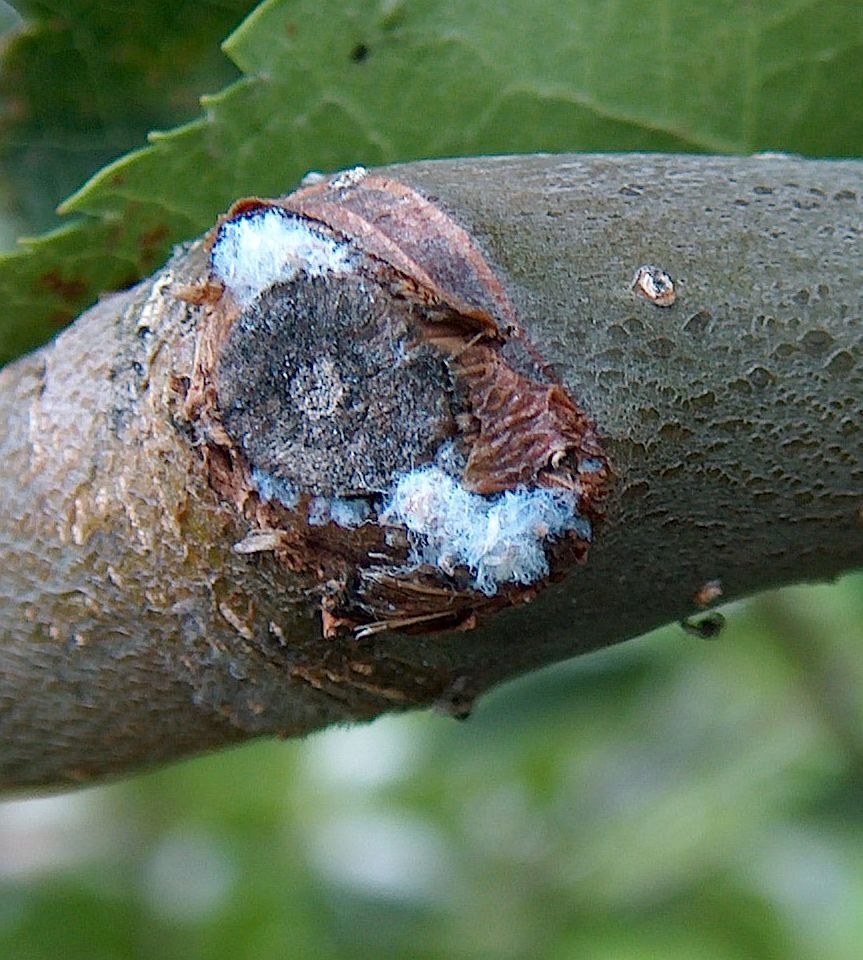
Woolly Aphid
Bark crevices, root collars, and twigs of apple, elm, and alder trees
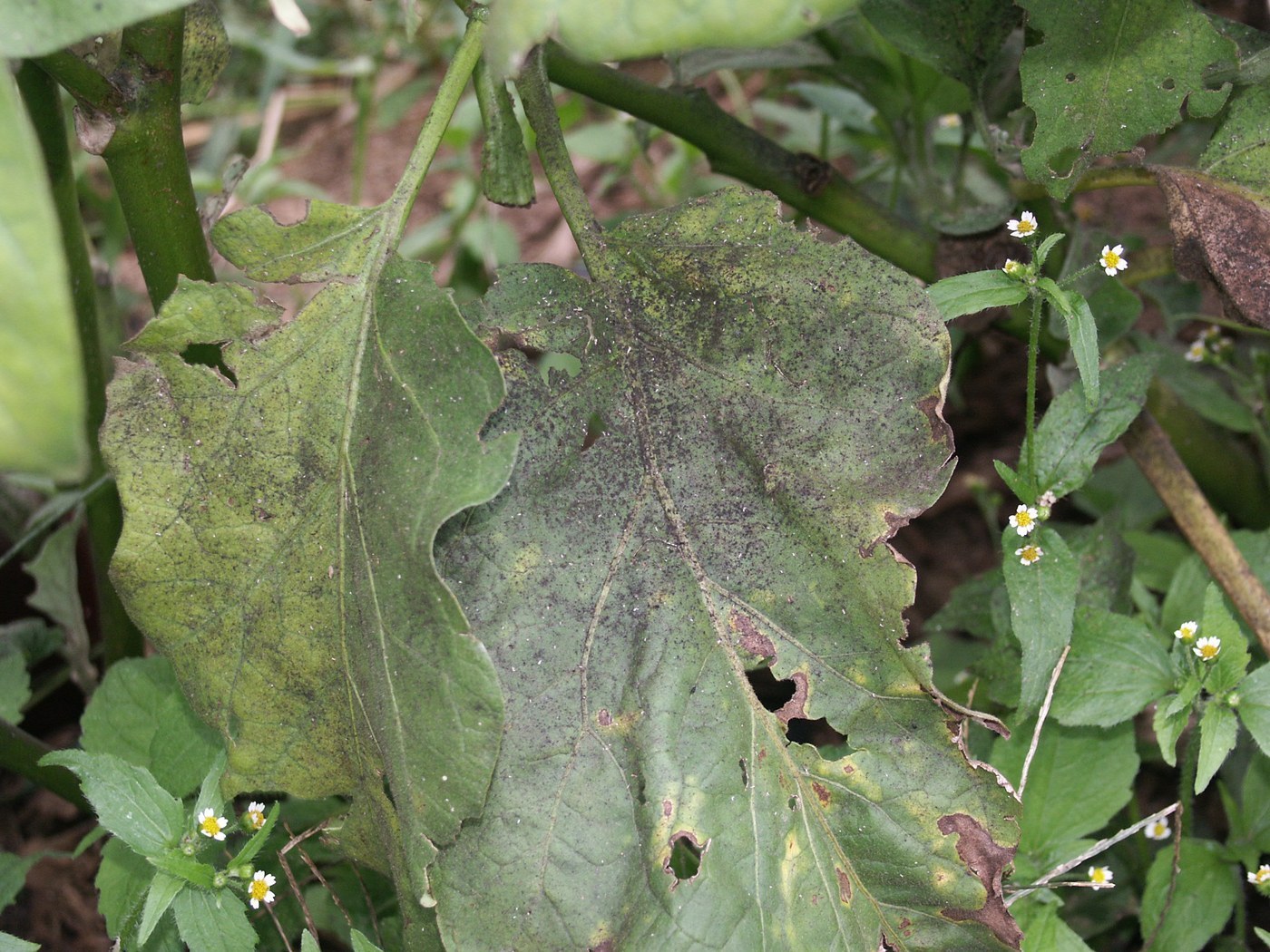
Whitefly
Greenhouses, gardens, and undersides of leaves on host plants
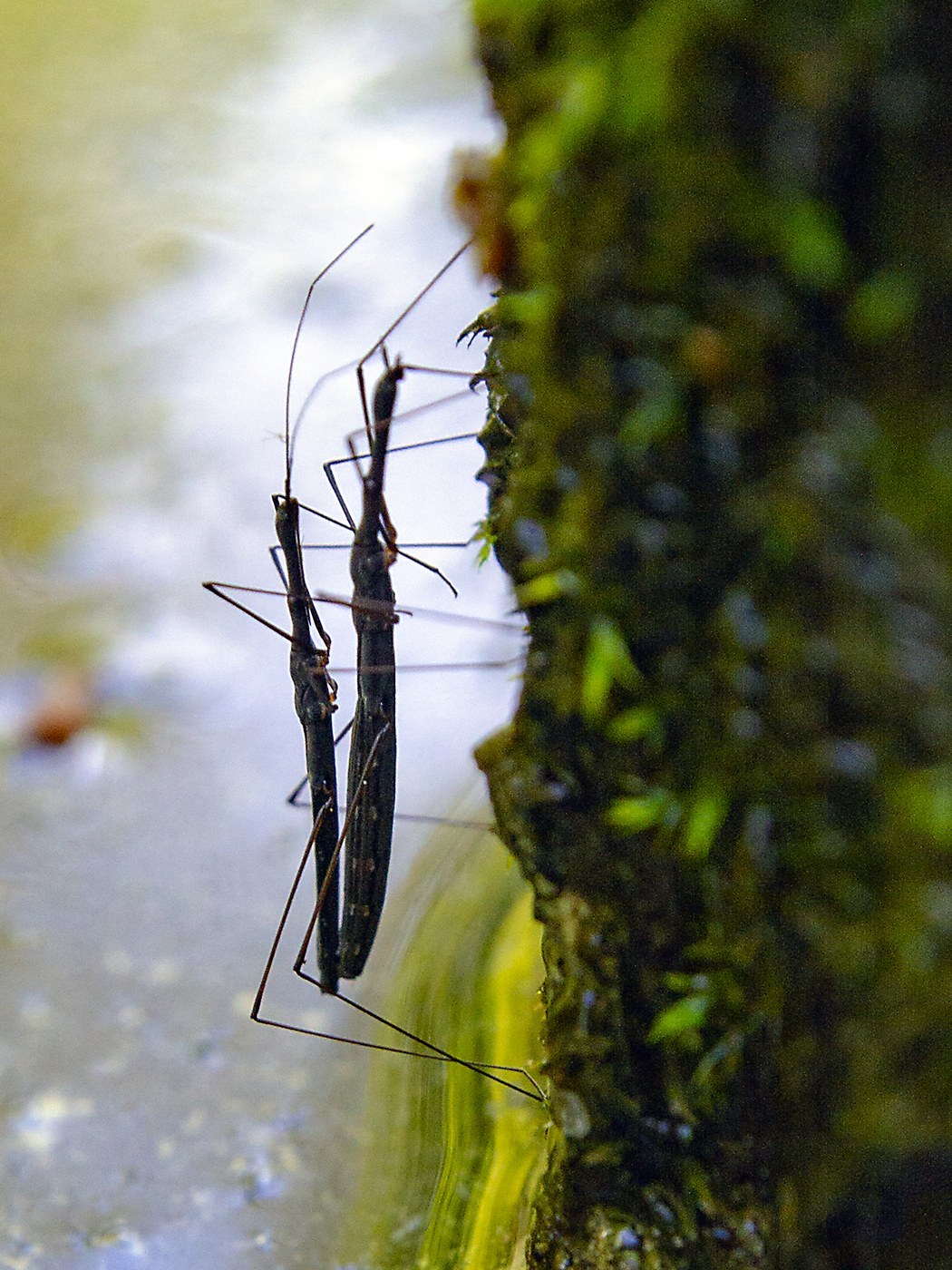
Water Measurer
Quiet edges of ponds, marshes, and slow streams
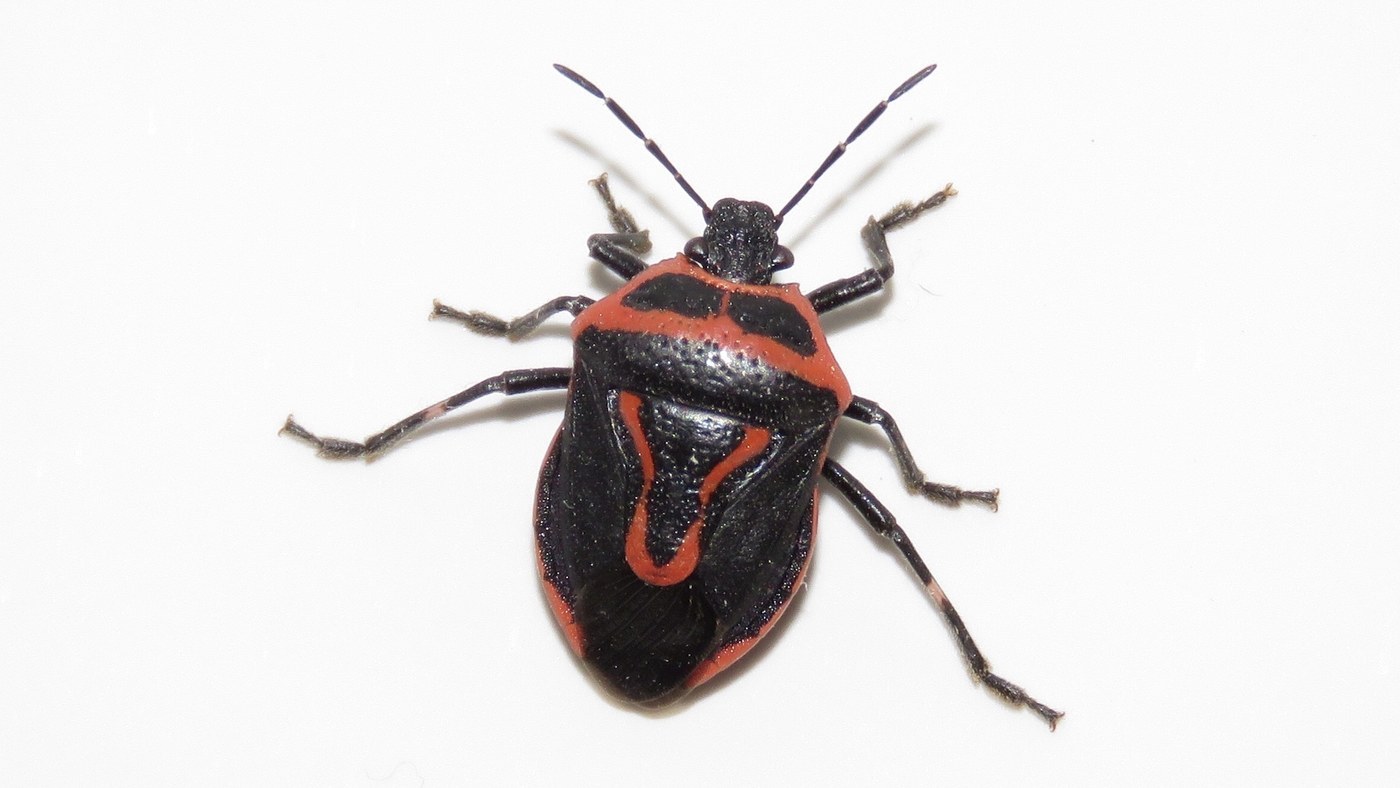
Two-Spotted Stink Bug
Gardens and fields with potato and nightshade-family plants