
Toe-Biter
Lethocerus spp.
One of the largest true bugs in the world, the toe-biter is a broad, flattened ambush predator that lies in wait among pond vegetation, seizing prey many times its own size with powerful raptorial front legs.
- Size
- 50-70 mm, some species up to 120 mm
- Habitat
- Ponds, slow streams, and marshes with vegetation
- Danger
- Bites
Spotted a bug like this?
Identify any bug or insect from a photo, free.
Overview
The toe-biter, more formally known as a giant water bug, is among the largest insects in freshwater habitats, with some species reaching lengths of well over 10 centimeters. Its broad, oval, flattened body and camouflaged brown coloring allow it to blend seamlessly with submerged leaves and debris while it waits motionless for prey to approach.
Giant water bugs are powerful ambush predators equipped with thick, raptorial front legs that snap closed around prey, which can include tadpoles, small fish, and other insects considerably larger than typical invertebrate prey. Once seized, prey is pierced with a stout beak and injected with digestive enzymes, allowing the bug to feed on the liquefied contents.
As true bugs, toe-biters breathe air through a pair of short, retractable breathing straps at the tip of the abdomen, periodically surfacing to renew their air supply, and they undergo incomplete metamorphosis with no pupal stage. Adults are also strong fliers and are sometimes attracted to lights at night, which is the source of the alternate name 'electric light bug.'
How to Identify
- Large, broad, flattened oval body ranging from about 50 mm to over 100 mm depending on species, brown to grayish-brown for camouflage
- Thick, powerful raptorial front legs folded beneath the body, used to grasp and hold prey
- Flattened, paddle-like hind legs adapted for swimming
- Short, retractable breathing straps at the tip of the abdomen used to draw air while partly submerged
- Stout, curved piercing beak folded under the head when not feeding
- The largest true bug typically encountered in freshwater habitats, easily distinguished from other water bugs by its sheer size and thick grasping front legs
Habitat & Range
Toe-biters inhabit ponds, marshes, slow-moving streams, and other quiet freshwater bodies with abundant submerged vegetation for camouflage, found across much of North America and related species worldwide. They are most active during warmer months and are notable for dispersing by flight at night, sometimes appearing near porch lights or other artificial lighting some distance from water.
Behavior & Diet
Toe-biters are patient ambush predators that remain motionless among vegetation, often hanging near the surface with their breathing straps exposed to the air, until prey ventures within reach of their powerful front legs. They feed on a wide range of aquatic animals, including insects, tadpoles, and small fish, subduing prey with a grasp-and-pierce strategy and injecting digestive fluid before withdrawing the liquefied contents. Male giant water bugs of many species are notable for carrying the female's eggs glued to their backs, guarding and aerating them until hatching. Adults are capable of strong flight and disperse between water bodies at night, occasionally drawn to artificial lights.
Life Cycle
After mating, females of many giant water bug species cement their eggs onto the back of the male, who carries and aerates the clutch until the nymphs hatch, while other species instead lay eggs on emergent vegetation above the waterline. Nymphs resemble smaller, wingless versions of the adults and pass through five instars over the course of the summer, growing progressively larger and more predatory with each molt, in the gradual incomplete metamorphosis typical of true bugs. There is no pupal stage. In temperate regions there is generally one generation per year, with adults overwintering in mud or debris and becoming active again in spring.
Frequently asked questions
Why is it called a toe-biter?
The common name refers to its habit of using its piercing beak in defense if it is handled or disturbed in shallow water.
What does a toe-biter eat?
It is an ambush predator that feeds on aquatic insects, tadpoles, and small fish, grasping them with powerful front legs before piercing and feeding on them.
Why do some giant water bugs carry eggs on their backs?
In many species the male carries the female's eggs cemented to his back and aerates them by surfacing periodically until the nymphs hatch, a form of parental care.
Why is it also called the electric light bug?
Adults are strong fliers and are often attracted to bright artificial lights at night as they disperse between bodies of water.
Toe-Biter guides
In-depth guides for identifying, understanding, and living alongside Toe-Biter.
Toe-Biter identified by the community
Real finds identified with Bug Identifier.
Other bugs you may enjoy
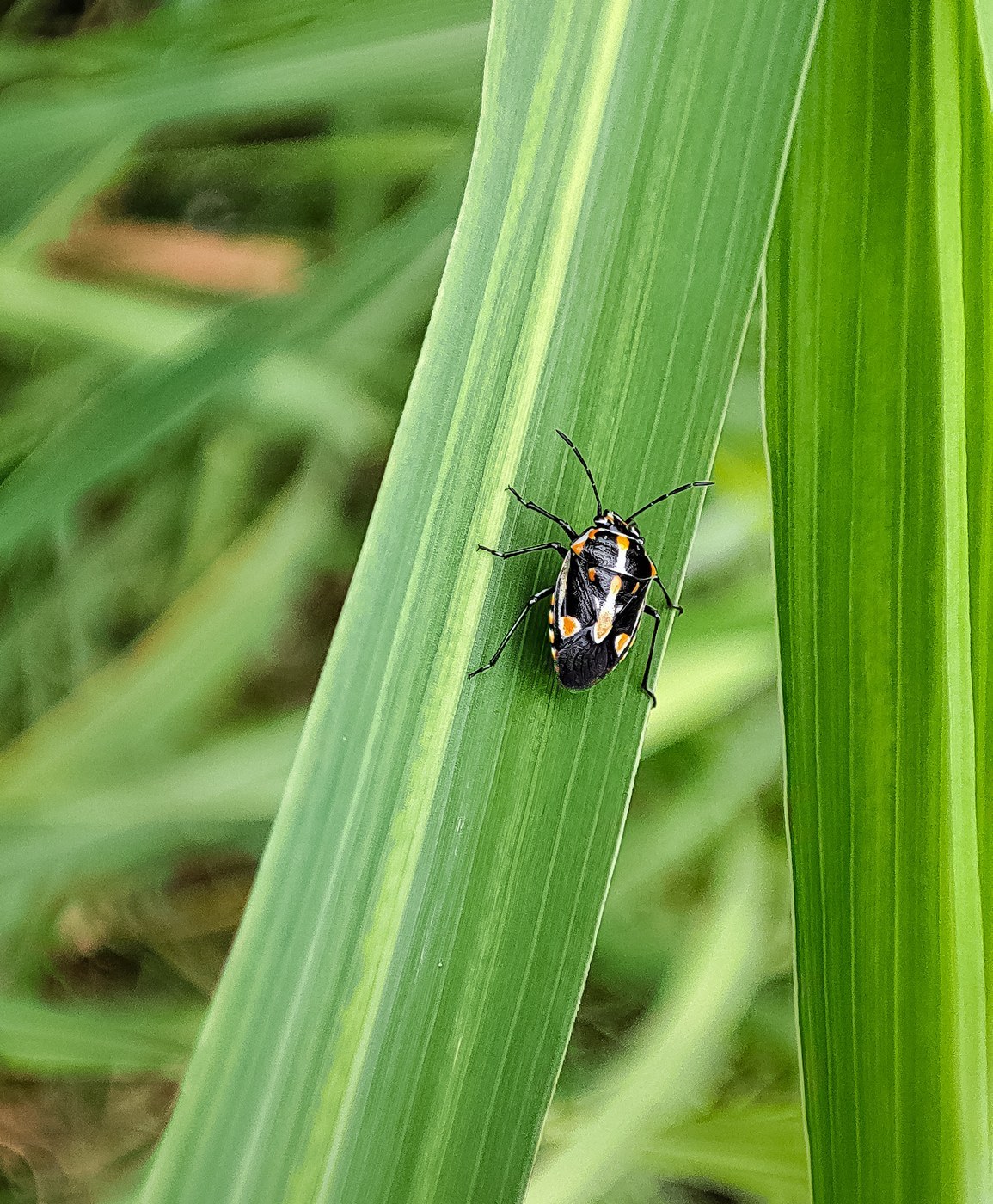
Bagrada Bug
Arid gardens, crucifer fields, desert-adjacent croplands
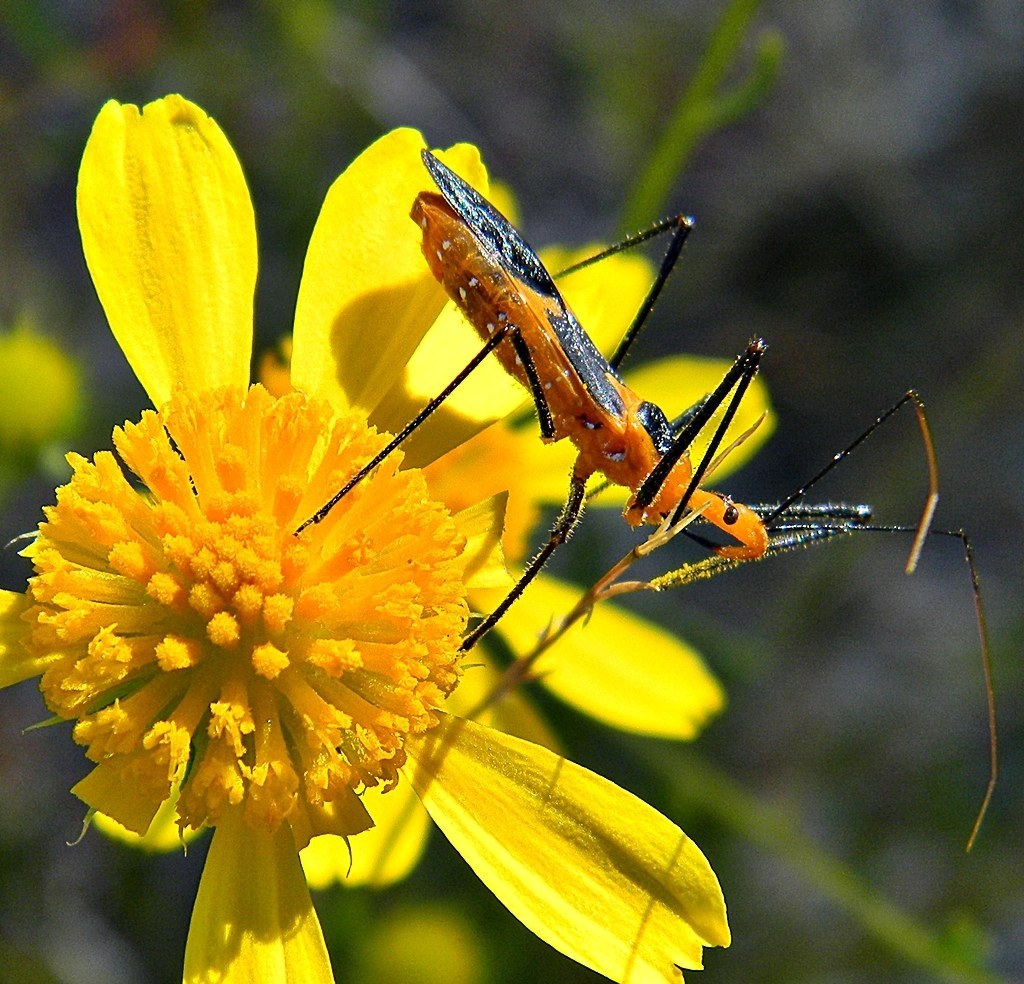
Assassin Bug
Gardens, meadows, and vegetation worldwide
Water Boatman Bug
Ponds, lakes, and slow-moving freshwater
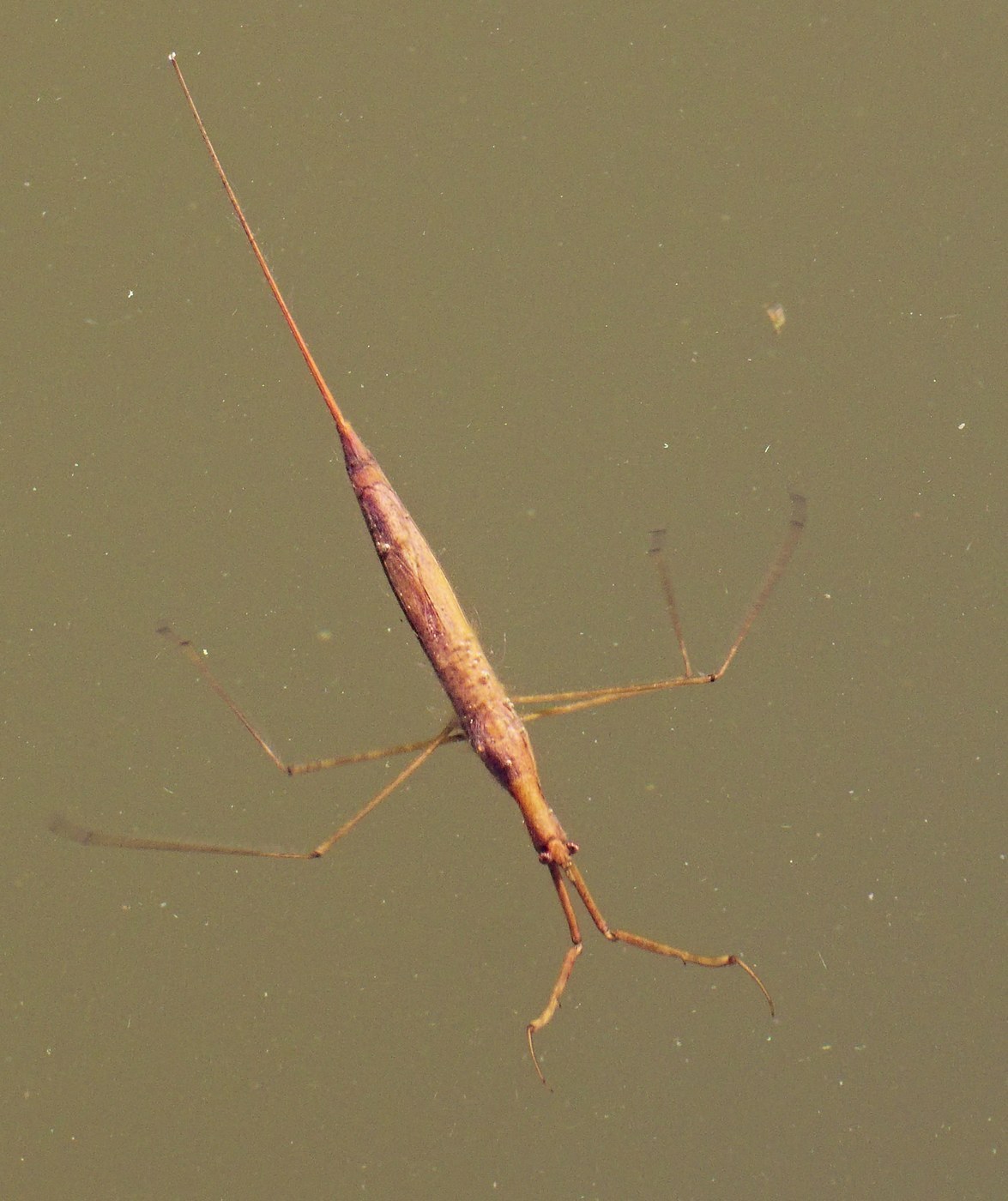
Water Stick Insect
Still and slow-moving water with dense submerged vegetation
Rough Stink Bug
Tree bark, woodlands, orchards, and shrubby vegetation
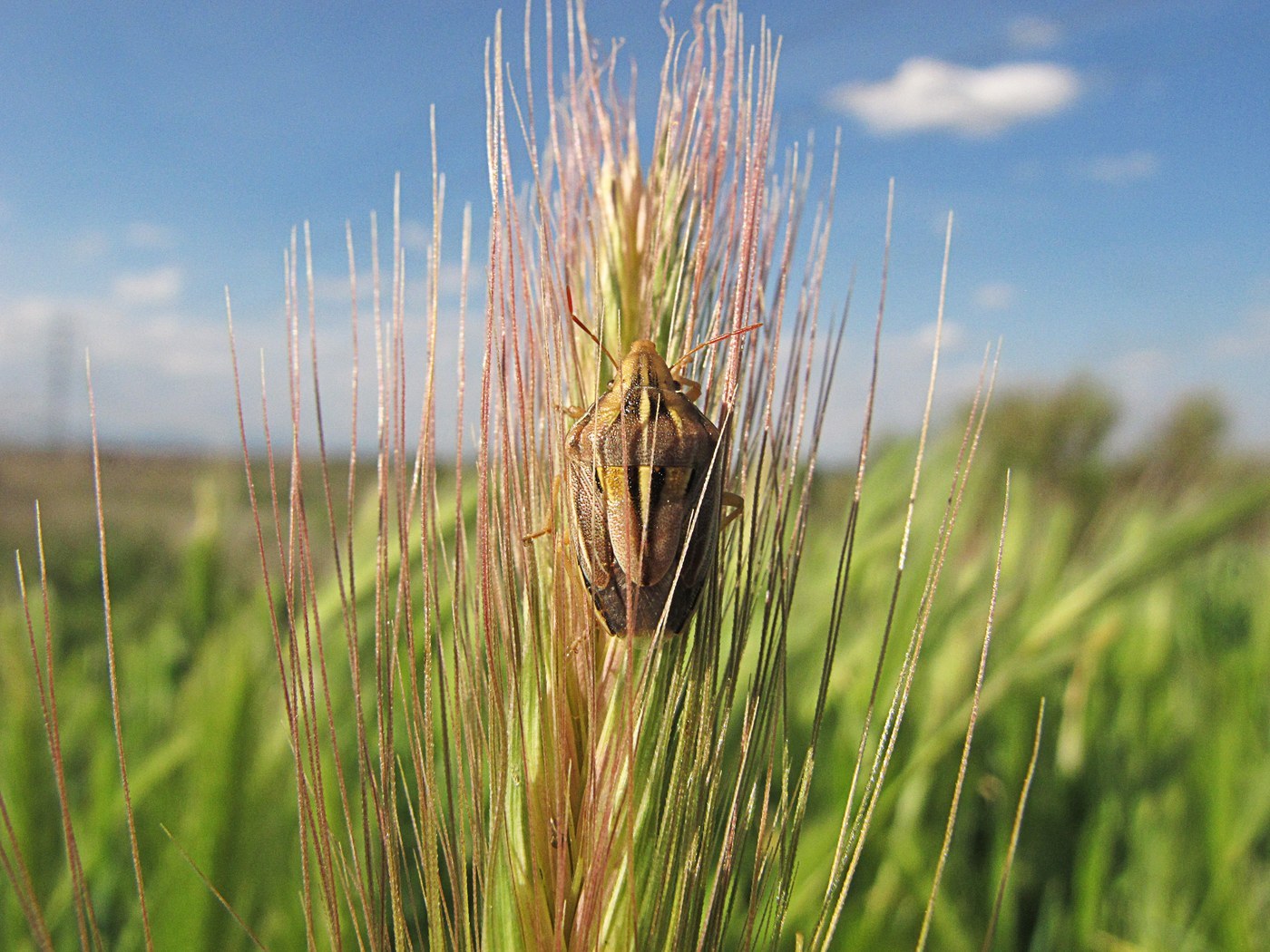
Stink Bug
Gardens, crop fields, and woodlands across temperate and subtropical regions
Squash Bug
Vegetable gardens and farm fields growing squash, pumpkin, and other cucurbits
Aphid
On stems, leaves, and buds of a very wide range of host plants
Woolly Aphid
Bark crevices, root collars, and twigs of apple, elm, and alder trees
Whitefly
Greenhouses, gardens, and undersides of leaves on host plants
Water Measurer
Quiet edges of ponds, marshes, and slow streams
Two-Spotted Stink Bug
Gardens and fields with potato and nightshade-family plants