
Shield Bug (Stink Bug)
Pentatomidae spp.
A broad, shield-shaped true bug that releases a sharp, pungent odour from glands on its body when disturbed, a defence that gives the whole family its common name.
- Size
- 10-18 mm
- Habitat
- Gardens, woodland, crops and hedgerows worldwide
- Danger
- Nuisance pest
Spotted a bug like this?
Identify any bug or insect from a photo, free.
Overview
Shield bugs, also widely called stink bugs, make up the large true bug family Pentatomidae, which includes several thousand species distributed across nearly every part of the world. The common names refer to two of their most obvious features: a broad, shield- or pentagon-shaped body outline and, in most species, the ability to release a strong, unpleasant-smelling secretion from glands on the thorax when handled or threatened.
Colours and patterns vary enormously between species, ranging from plain green or brown to boldly marked combinations of orange, red, black, and metallic hues, and many species show seasonal colour changes between a green summer form and a browner overwintering form. Both plant-feeding and predatory species exist within the family; most shield bugs feed on plant sap using piercing-sucking mouthparts, while a smaller number of species are predators of other insects and are considered beneficial in gardens and agriculture.
Several shield bug species, including some that have spread well beyond their native ranges, are recognised as agricultural or garden pests due to their sap-feeding damage to fruit, vegetables, and crops, and their habit of forming large aggregations, sometimes entering buildings in autumn to find sheltered places to spend the winter.
How to Identify
- Broad, flattened body with a distinctive shield or pentagon-like outline when viewed from above
- Colours range widely by species, from plain green or brown to bold patterns of orange, black, red, or metallic green
- Prominent triangular scutellum (a plate on the back) that often covers much of the abdomen
- Piercing-sucking mouthparts folded beneath the head and thorax when not feeding
- Scent glands on the underside of the thorax that release a pungent odour when the insect is disturbed
- Nymphs are rounder and often more boldly patterned than adults, lacking fully developed wings until the final moult
Habitat & Range
Shield bugs occupy an enormous range of habitats worldwide, including gardens, woodlands, hedgerows, meadows, and agricultural crops, with different species specialising on particular host plants ranging from trees and shrubs to vegetables and grain crops. The family is found on every continent except Antarctica, with particularly high diversity in tropical regions, while temperate species are familiar garden insects across Europe, North America, and Asia. Many species are active from spring through autumn, feeding and reproducing on host plants, and a number of species seek sheltered sites such as leaf litter, bark crevices, or, in some invasive species, buildings, to pass the winter as adults.
Behavior & Diet
Most shield bugs feed by inserting their piercing-sucking mouthparts into leaves, stems, fruit, or seeds to draw out plant sap, and in agricultural settings certain species can cause economic damage to crops such as fruit trees, soybeans, and vegetables when populations are high, leading to their recognition as garden and crop pests. A minority of species within the family are predatory, using the same piercing mouthparts to feed on caterpillars and other soft-bodied insects, making them beneficial predators in some ecosystems. When disturbed, most shield bugs release a strong-smelling defensive secretion from glands on the thorax, a chemical deterrent that gives the group its common name and discourages many potential predators. Some species, particularly certain introduced ones, form large aggregations in autumn, gathering on sunny walls or entering buildings in search of sheltered overwintering sites before dispersing again in spring.
Life Cycle
Females typically lay clusters of barrel-shaped eggs on the underside of leaves or on stems of host plants. Nymphs hatch resembling small, rounded, often brightly patterned versions of the adult and develop through five instars, gradually acquiring wing pads and the adult body shape in an incomplete metamorphosis with no pupal stage. Depending on species and climate, one to several generations can occur each year, with warmer regions supporting more generations. In temperate climates, shield bugs typically overwinter as adults in sheltered locations such as leaf litter, bark crevices, or occasionally buildings, becoming active again to feed and breed as temperatures rise in spring.
Frequently asked questions
Why are shield bugs called stink bugs?
Most species have scent glands on the thorax that release a strong, unpleasant odour when the insect is disturbed or handled, a defensive tactic that gives the group its common name.
Do all shield bugs damage plants?
Most species feed on plant sap and some can become garden or crop pests in large numbers, but a smaller number of species are predatory on other insects and are considered beneficial.
Why do shield bugs sometimes gather on walls or enter houses in autumn?
Certain species, especially some introduced ones, seek sheltered sites to spend the winter as adults and can form large aggregations on sun-warmed surfaces or find their way indoors before dispersing again in spring.
How can you tell a shield bug from other true bugs?
Its broad, shield- or pentagon-shaped body outline and prominent triangular scutellum on the back are the main visual clues that distinguish the family Pentatomidae from other true bugs.
Shield Bug (Stink Bug) guides
In-depth guides for identifying, understanding, and living alongside Shield Bug (Stink Bug).
Other bugs you may enjoy
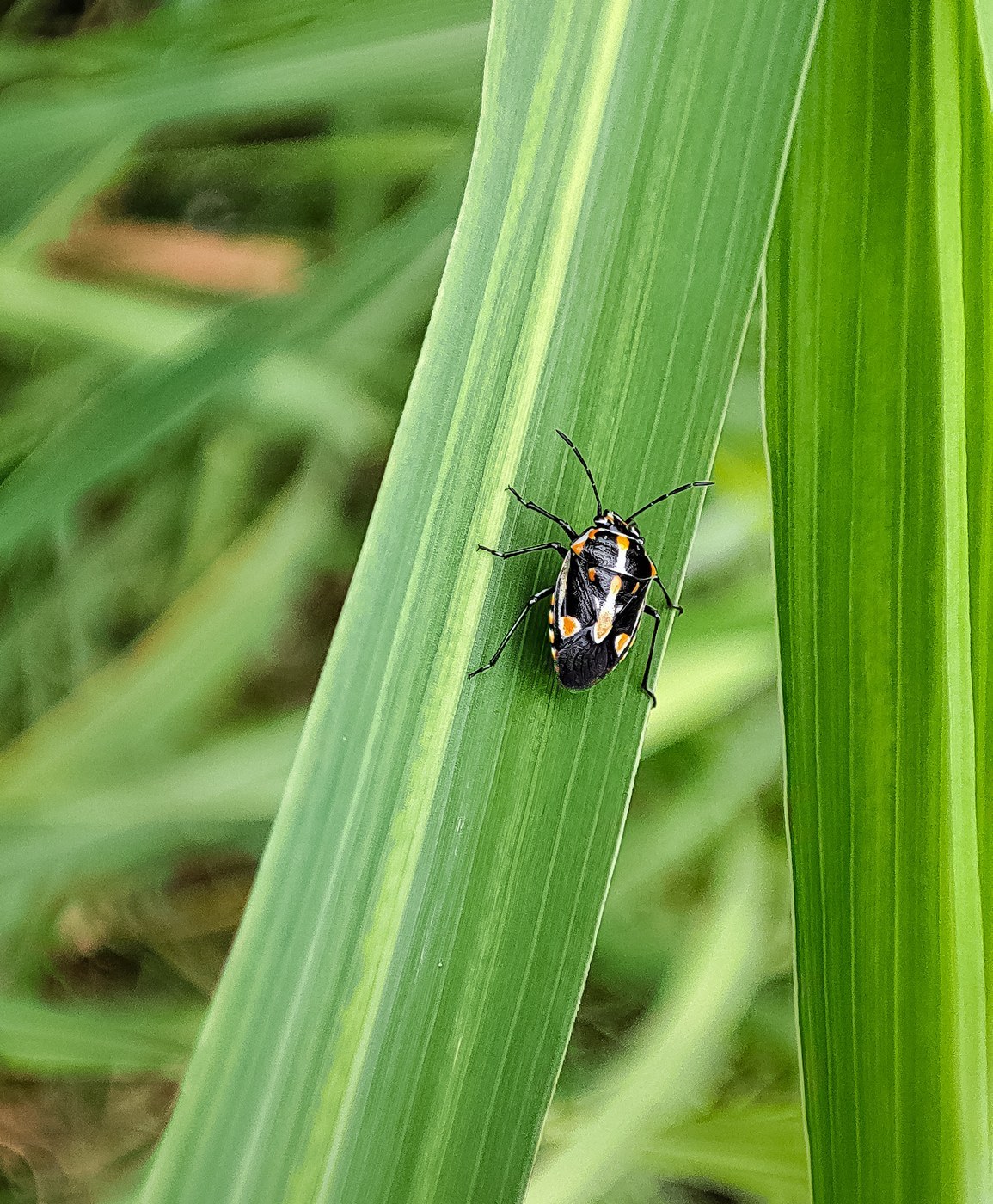
Bagrada Bug
Arid gardens, crucifer fields, desert-adjacent croplands
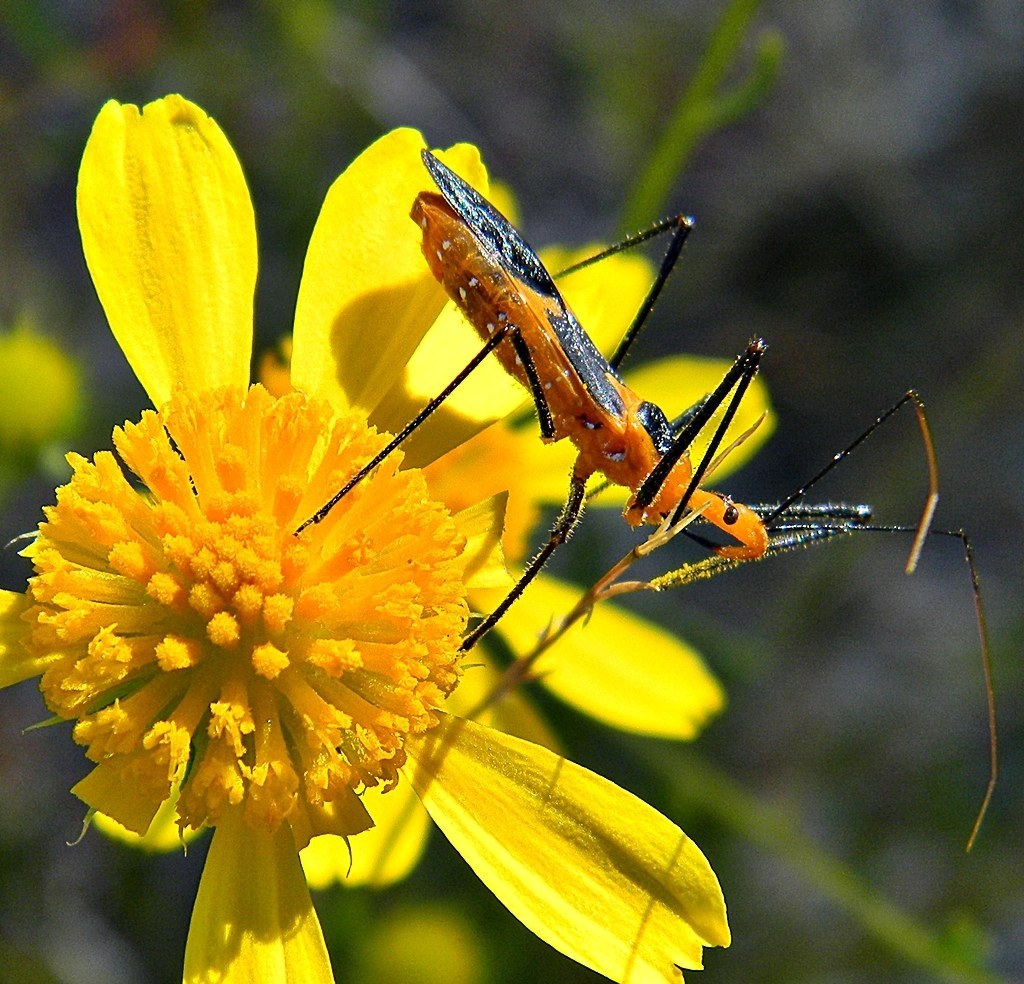
Assassin Bug
Gardens, meadows, and vegetation worldwide
Water Boatman Bug
Ponds, lakes, and slow-moving freshwater
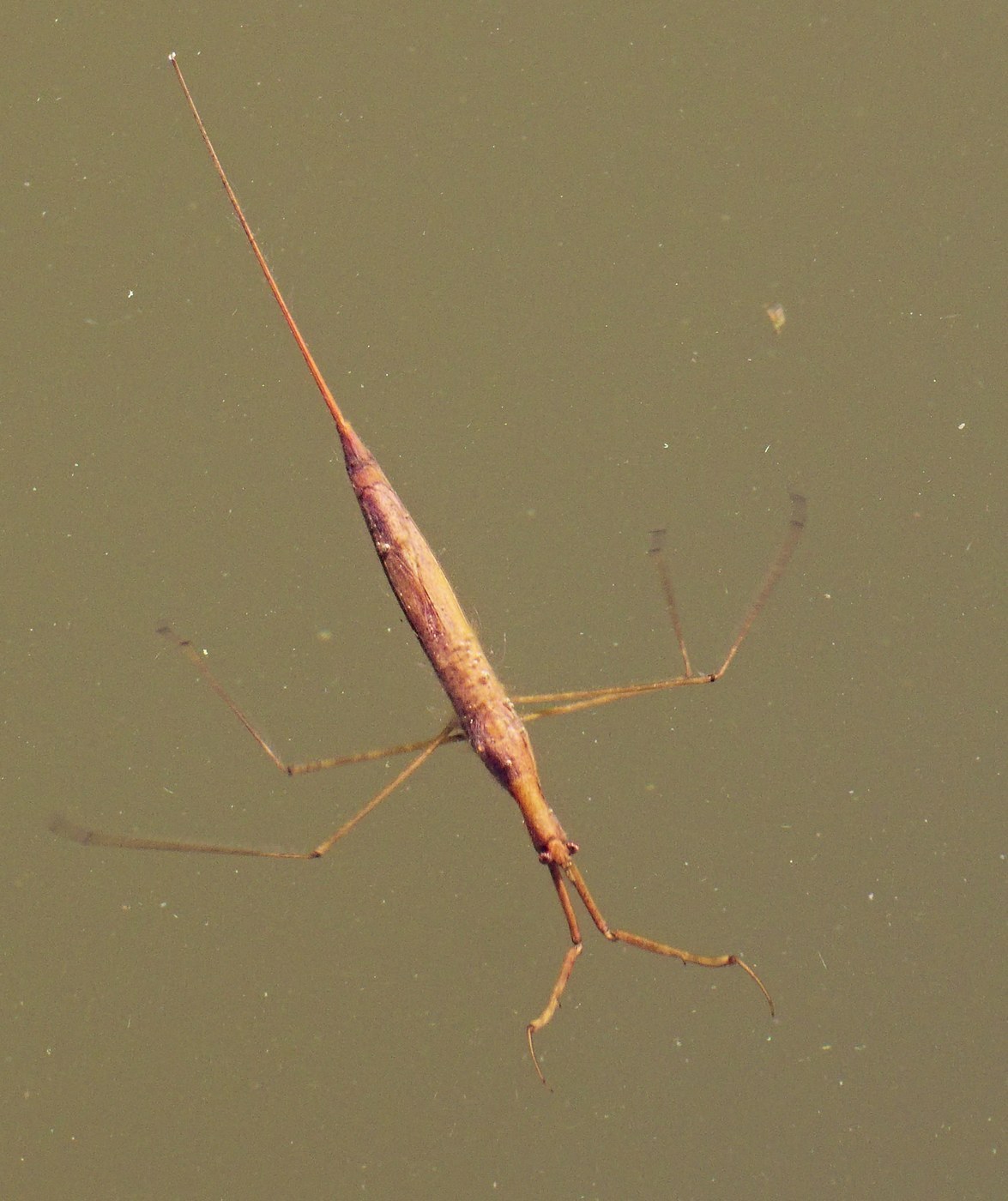
Water Stick Insect
Still and slow-moving water with dense submerged vegetation
Rough Stink Bug
Tree bark, woodlands, orchards, and shrubby vegetation
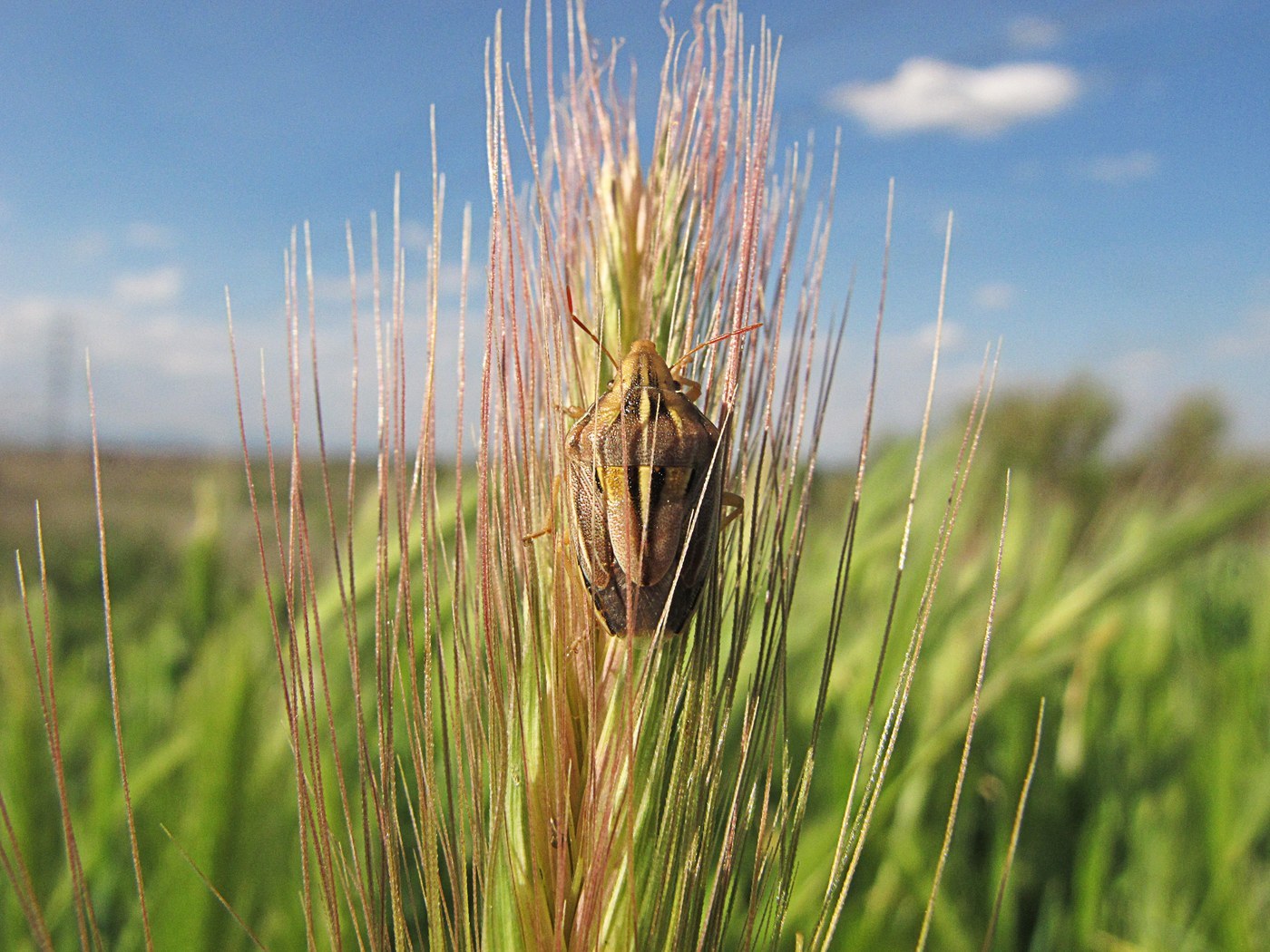
Stink Bug
Gardens, crop fields, and woodlands across temperate and subtropical regions
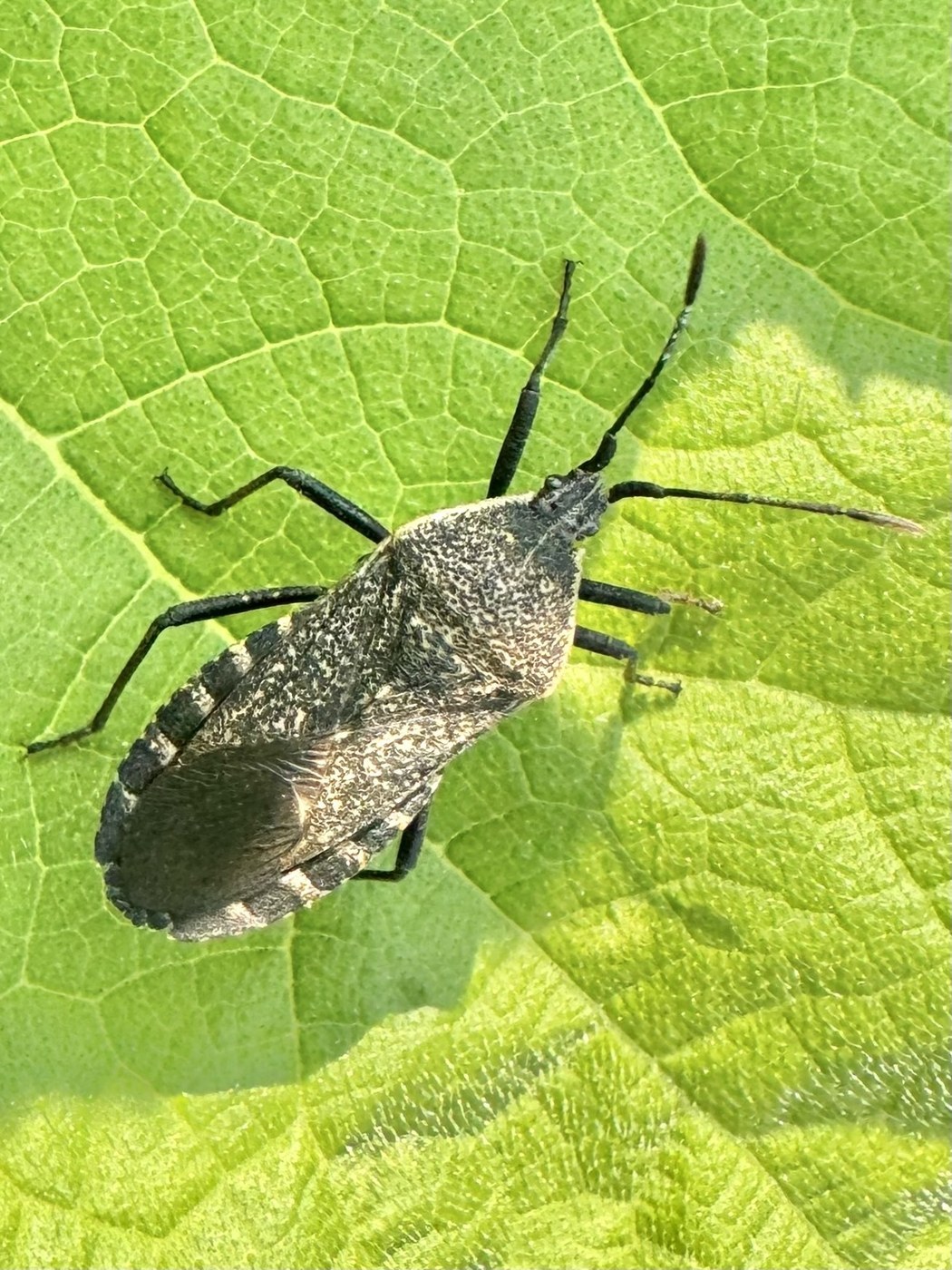
Squash Bug
Vegetable gardens and farm fields growing squash, pumpkin, and other cucurbits
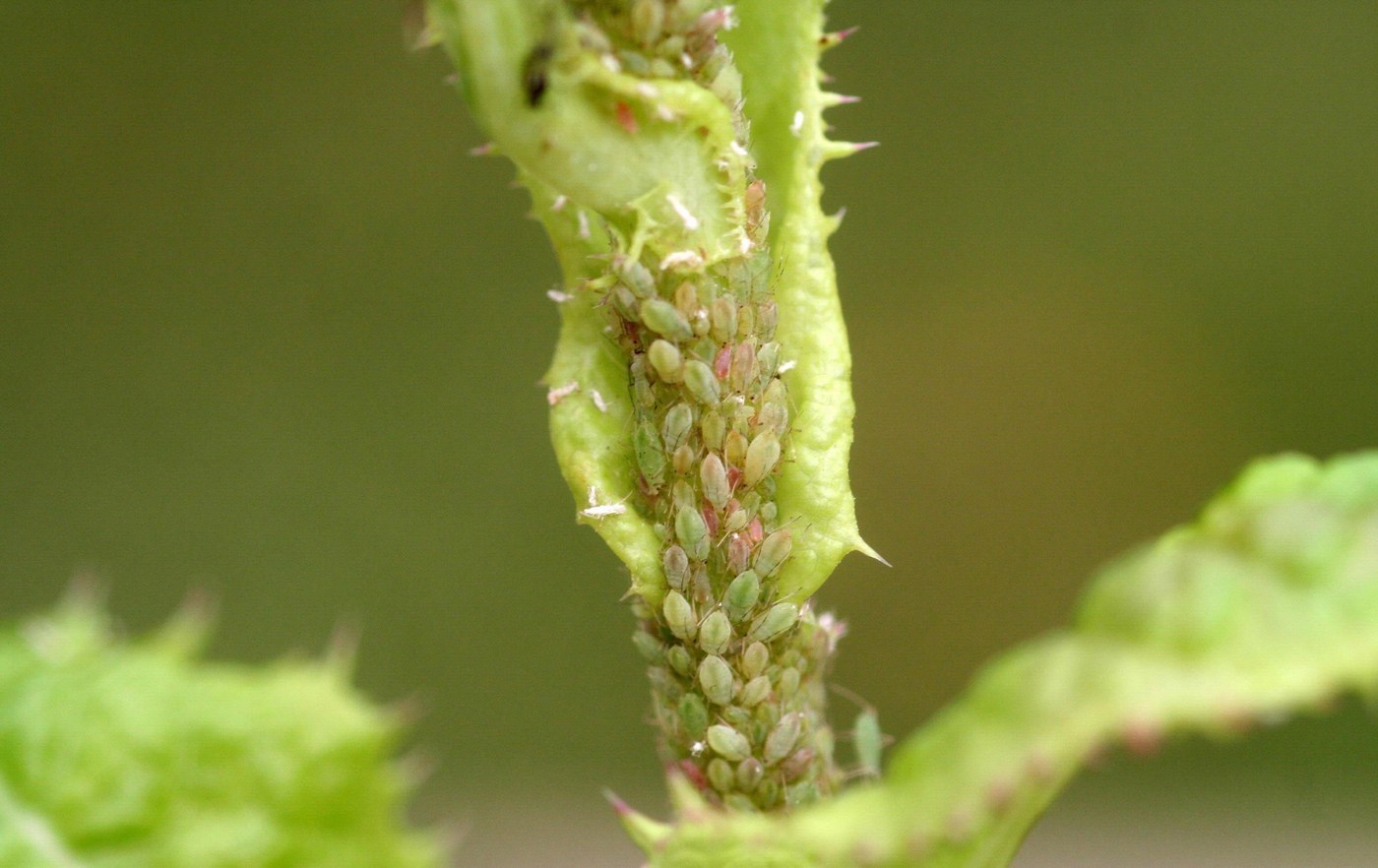
Aphid
On stems, leaves, and buds of a very wide range of host plants
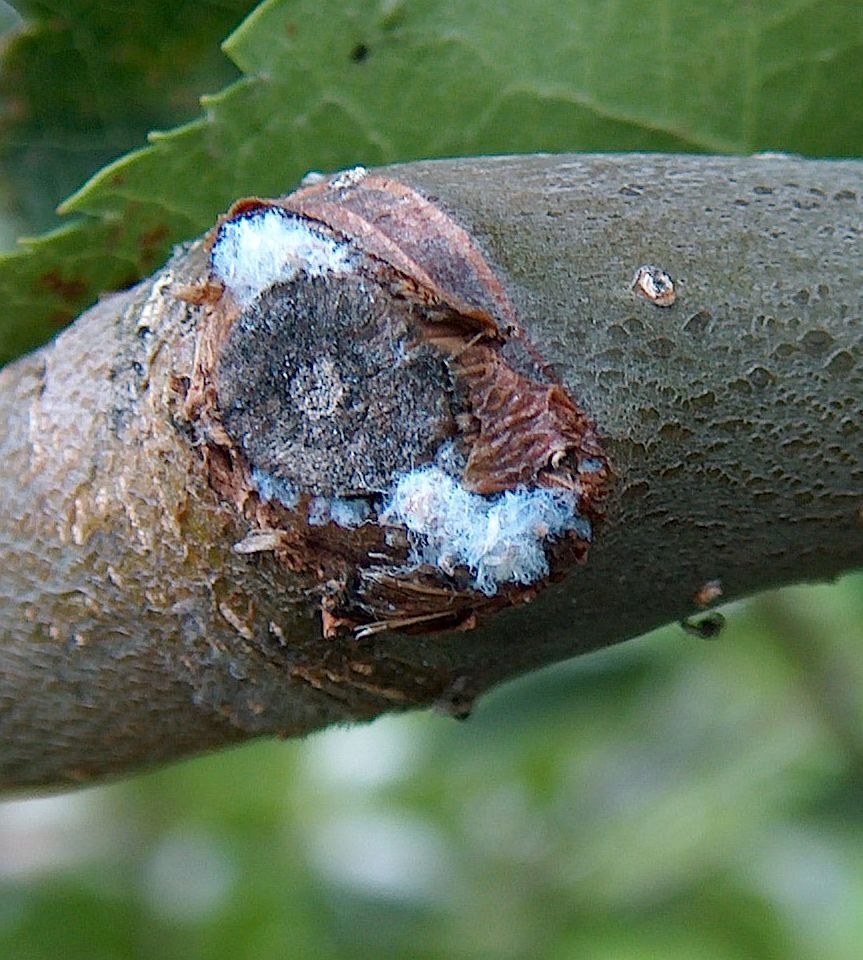
Woolly Aphid
Bark crevices, root collars, and twigs of apple, elm, and alder trees
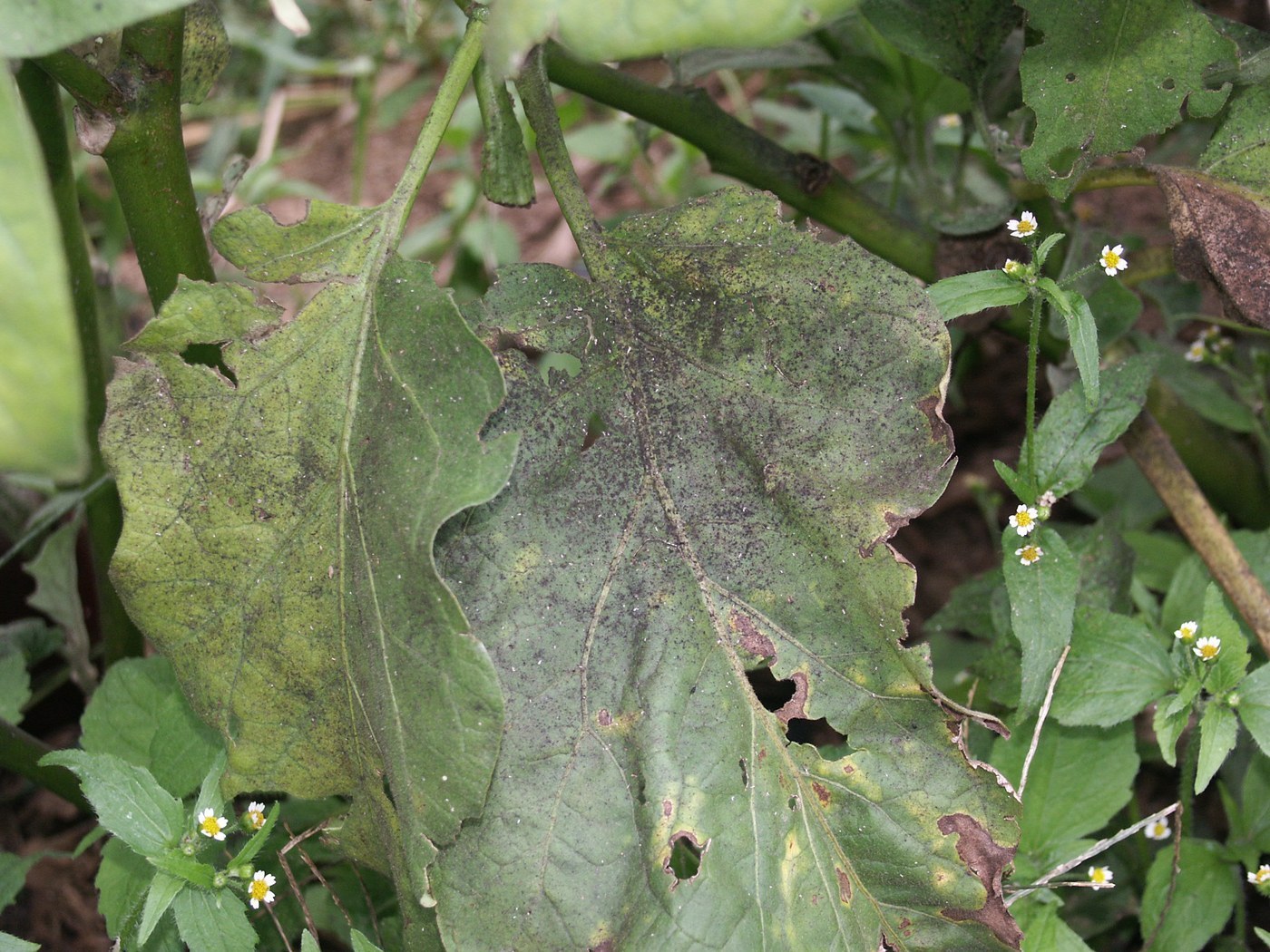
Whitefly
Greenhouses, gardens, and undersides of leaves on host plants
Water Measurer
Quiet edges of ponds, marshes, and slow streams
Two-Spotted Stink Bug
Gardens and fields with potato and nightshade-family plants